Home Blog Page 947

Beasley Spotlights Mental Health In May ‘Community of Caring’ Initiative

0

Beasley Media Group has announced that May will be dedicated to promoting mental health awareness as part of its ongoing “Community of Caring” initiative. The broadcaster is set to launch a comprehensive campaign highlighting the significance of emotional well-being across its various platforms.

To mark Mental Health Awareness Month, Beasley Media Group will air public service announcements across its radio stations, feature interviews with experts, and share helpful content through station websites, social platforms, and Quu technology. The initiative aims to foster compassion, reduce stigma, and remind individuals that they are never alone.

Heidi Raphael, Chief Communications Officer at Beasley Media Group, said, “Mental health matters to all of us, and we’re proud to use our ‘Community of Caring’ initiative to spark important conversations, share helpful resources, and remind everyone that support is always within reach.”

Visit Beasley Media Group radio stations’ websites and social media pages throughout May for comprehensive information and resources related to mental health awareness.

Barrett Media produces daily content on the music, news, and sports media industries. To stay updated, sign up for our newsletters and get the latest information delivered straight to your inbox.

Jeff Blackburn Named Tennis Channel Chairman and CEO

0

Sinclair Broadcast Group has appointed former Amazon senior vice president Jeff Blackburn to serve as chairman and chief executive officer of Tennis Channel, coming out of retirement to take the role as he leads growth initiatives for the entity and helps expand its digital and streaming platforms.

Concurrent with this new position, he will relocate to Santa Monica, Calif. and work out of the network offices in that location, reporting to Chris Ripley, the president and chief executive officer of Sinclair. Blackburn, who worked with Jeff Bezos amid the proliferation of Amazon and creation of its Prime Video streaming service, is said to be slated to start his new role on Thursday, according to a report from Andrew Marchand of The Athletic.

“Jeff’s appointment marks a pivotal step in our strategy to accelerate Tennis Channel’s growth and unlock long-term value across Sinclair’s portfolio,” Chris Ripley, president and chief executive officer of Sinclair, Inc., said in a statement.

“With a track record of driving innovation and scaling multibillion-dollar media businesses, Jeff brings the strategic vision and operational expertise to expand our digital footprint, deepen audience engagement, and capitalize on global sports and streaming trends. His leadership will be instrumental as we continue to grow Tennis Channel’s distribution and expand its direct-to-consumer offering, further establishing Tennis Channel asa global, always-on destination for fans across every screen and platform.”

Blackburn will be replacing Ken Solomon in the role after he was reportedly let go by the company last year. There were said to be concerns about Solomon’s involvement in Merit Street Media as an adviser and board member being “a growing distraction,” according to a report by Joe Flint of The Wall Street Journal. At the same time, Sinclair was in the process of exploring a potential sale of the Tennis Channel and “a significant chunk” of its local television stations. Solomon held the role leading Tennis Network for nearly two decades before he was reported as being relieved of his duties with the company.

“Tennis Channel is a sports treasure,” Blackburn said in a statement. “It’s beloved by fans of the game, allowing for large growth opportunities ahead in streaming as well as new initiatives like Pickleball. Since childhood I’ve been intensely passionate about tennis, so I’m thrilled to take on the role and join this outstanding team.”

Tennis Channel presents 10,000 hours of live and on-demand matches, and it also has its own direct-to-consumer offering and free ad-supported streaming television channel as well. The entity previously had access to Roland-Garros, but TNT Sports recently signed a 10-year agreement with the French Tennis Federation for rights to the event. Sinclair closed on its acquisition of the stock of Tennis Channel for $350 million in March 2016, which was funded through cash on hand and a draw on revolving line of credit from the company. Blackburn revealed that Amazon looked into purchasing Tennis Channel and explained that he wondered if another opportunity with the network would come around as well.

Barrett Media produces daily content on the music, news, and sports media industries. To stay updated, sign up for our newsletters and get the latest information delivered straight to your inbox.

Spotify Reports More Than $4 Billion in 1st Quarter Reveue

0

Spotify has released its first-quarter financial results and the digital audio company reported record high operating income in the process.

During January, February, and March, the company saw its operating income rise to $578 million amidst a rise in subscribers.

The number of premium subscribers to the platform reached 268 million during the first quarter. That’s a 12% year-over-year increase. Additionally, it was the highest growth of subscribers in the first quarter since 2020. Spotify has 678 million monthly active users, above the forecasted 671.9 million.

In total, first-quarter revenue rose 15% to $4.7 billion, which was just under estimates. As a result, the stock price of Spotify dipped after the results were reported.

“The underlying data at the moment is very healthy: engagement remains high, retention is strong, and thanks to our freemium model, people have the flexibility to stay with us even when things feel more uncertain,” Spotify founder and CEO Daniel Ek said. “So yes, the short term may bring some noise, but we remain confident in the long-term story, and the direction we’re heading in feels clearer than ever.”

The news of Spotify’s first quarter earnings comes on the heels of the company sharing that it paid more than $100 million to podcasters who entered its partner program. The Spotify Partner Program is eligible for podcasters in the United States, the United Kingdom, Canada, and Australia. The $100 million figure paid out to podcasters is an impressive one. Patreon said it paid podcasters $472 million in 2024, with more than 6.7 million members subscribing to podcasts on the platform last year.

Barrett Media produces daily content on the music, news, and sports media industries. To stay updated, sign up for our newsletters and get the latest information delivered straight to your inbox.

Dwyane Wade, Candace Parker Expected to Join Amazon’s Prime Video NBA Coverage: Report

0

Amazon’s Prime Video is preparing to begin its first season of an 11-year media rights contract with the National Basketball Association and has reportedly added several members to its on-air talent team. Former Miami Heat guard and Hall of Fame member Dwyane Wade is reportedly expected to join the company as a hybrid game and studio analyst, according to a report from Ryan Glasspiegel of Front Office Sports.

In addition to Wade, the report states that Candace Parker is also expected to join the company as a studio analyst for NBA and WNBA game broadcasts. A spokesperson for Amazon declined to comment to Barrett Media on the report.

Earlier in the day, Marc Stein of The Stein Line on Substack reported that former NBA guard and Hall of Fame member Steve Nash is going to be a game and studio analyst for Prime Video coverage of the league. In addition, Andrew Marchand of The Athletic divulged that Stan Van Gundy is going to work as a color commentator for the service, although it remains unknown if he will be part of a specific pairing.

Marchand has reported that Ian Eagle is going to be joining the company and that it has held discussions with Kevin Harlan and Michael Grady to serve as play-by-play announcers as well. Cassidy Hubbarth will be joining Prime Video as its sideline reporter and recently worked her final NBA game for ESPN.

Amazon has previously announced that its studio team will include host Taylor Rooks with analysts Blake Griffin and Dirk Nowitzki. The company has also reportedly shown interest in Richard Jefferson, whose contract reportedly expires following the NBA Finals in June. Jefferson has worked at ESPN in 2019 and was promoted to the lead broadcast crew amid the regular season following the departure of JJ Redick over the summer when he was named head coach of the Los Angeles Lakers.

Amazon will distribute 66 NBA regular-season games on Prime Video every year, including Thursday night doubleheaders starting in January following the conclusion of its slate of NFL games. On top of that, the company will stream Emirates NBA Cup games in the quarterfinals and semifinals of the Knockout Round, along with the championship game for the in-season tournament. The streaming provider is also going to present one of two Conference Finals in six of the 11 years of the deal in a rotation with NBCUniversal beginning in the 2026-27 season.

Barrett Media produces daily content on the music, news, and sports media industries. To stay updated, sign up for our newsletters and get the latest information delivered straight to your inbox.

How Changes at 97.1 The Fan Could Test Fan Loyalty

0

Programming a sports radio station like 97.1 The Fan is a delicate balance of building for now while planning for the future. The current sports radio landscape barely allows programmers to listen to their stations anymore, let alone have any plan for now or later.

That’s why I found the news of what The Fan in Columbus is undergoing very fascinating. A real time experiment testing it’s proven product of success with a focus on the future.

It’s ignoring the saying, “If it ain’t broke, don’t fix it” while embracing the saying, “evolve or die.” I love sports radio stations being bold, but I have questions.

For those not in the know, 97.1 The Fan is a ratings and revenue juggernaut from the Columbus, OH market. It’s the home of Ohio State and Columbus Blue Jackets hockey, while also serving as the local affiliate for the Cleveland Browns and Cincinnati Reds. The radio station has a live and local lineup every weekday from sunup to sundown, with the most dynamic sports personalities in the market. 97.1 The Fan, and nearly every show on the weekday lineup, are annually recognized and ranked at the top of the BSM rankings every February.

Ch-Ch-Changes Coming to Columbus

Last week the station announced, despite the success story they have, changes are coming to 97.1 The Fan.

Here is the simple version.

The Morning Juice, hosted by Bobby Carpenter and Brandon Beam, announced their final show together will be May 9. Following suit, Common Man & T-Bone, hosted by Mike Ricordati and Jonathan “T-Bone” Smith, also announced their final show after 12 years on air together as April 30.

The two most important dayparts at any radio station are being disrupted, but why?

Brandon Beam said the morning of their announcement, “For whatever reason, they don’t see us as maybe or maybe not a good fit together. This morning show, as you currently know, is going away.”

Judging by the ratings success of the show in the daypart, that can’t be true.

Mike Ricordati said of the changes in afternoons, “We both felt like this was a good time to try other things.”

After 12 years together in afternoons and a lot of success, I could see how a talent could desire a change in the culture.

Bobby Carpenter was not shy about sharing his displeasure for the changes to Morning Juice. The former Buckeye linebacker said, “There are forces here that are behind it, are trying to do some different things, and that’s what they want to do.”

Carpenter also hasn’t been shy about sharing ratings information with his social following, saying Morning Juice finished first in men, and second in adults for the daypart.

Jonathan “T-Bone” Smith, who will be moving to morning drive, stated, “They don’t ask you a lot of time to go to mornings on the number one station in the country.”

Hosting mornings in any market has always been considered a challenge that many desire.

Dissecting what has been said and shared online, these moves seemingly were received differently by the different programs. Why was afternoons so positive and professional about the moves, yet mornings seemed somewhat the opposite?

Further proof that changes are never easy.

Ch-Ch-Choices in Morning Drive

What was fascinating to me was the announcement of how 97.1 The Fan will program their weekday morning drive daypart both on air and online.

Morning Juice with Carpenter and Beam would be split up, with Beam moving to evenings and Carpenter moving off the 97.1 FM radio station signal completely. Morning Juice would now be a two-hour program streamed on the station’s YouTube page and the station’s HD3 channel.

Morning drive on the radio station signal would be Smith, who moved from afternoon drive, paired up with rising star Tyvis Powell on T-Bone and Tyvis.

Yes, you read that correctly.

97.1 The Fan will have two separate morning shows airing at the same time on different signals and different YouTube streams. This is essentially competing against one another for the attention of the listener that both programs are trying to win. The new digital Morning Juice program will then air on the local 10TV+ app, which is the television partner of the radio station.

Matt Fishman, who programs 97.1 The Fan, stated via a release, “We would be crazy not to grow our talented hosts on digital platforms. Having multiple shows across various platforms helps us grow our audience in new and exciting ways.”

Asking More From The Fan Listener

I value Fishman’s thought process here and understand that radio stations need to continue to play where the audience is going. However, by placing two shows against each other, that’s asking The Fan listener to make a choice in mornings.

Specifically, does the listener go with whatever the station is willing to put on the air, or what they put on YouTube in the morning? With so many options out there for content both live and on demand, it’s a tall task to ask creatures of habit to try something new that you need a device to watch.

Furthermore, streaming programs on digital only is nothing new to the model of a radio station’s digital strategy. Several radio stations across the country stream separate programming on YouTube during their live shows on traditional radio, but never in the form of something that is marketed as one and the same. Consequently, it’s a bold move to take a morning drive talent that has built a relationship with the listener in that daypart off the air and place him in the same daypart as your new morning show, just streaming on YouTube instead.

As the saying goes, fortune favors the brave, and 97.1 The Fan is looking to get rich.

Meanwhile, what is lost in the news of these changes is the request being asked of the listener, who every radio station covets to the highest regard. After all, radio stations already ask a lot of their listeners, more than ever before.

They are constantly bombarding them with 20–30% of each programming hour filled with advertisements, promos asking listeners to follow the station on all social media, as well as marketing for local and national podcasts to download and subscribe to.

Moreover, the radio listener is short on time and shorter on attention span.

While not every talent may be over-the-moon with the changes, and listeners may be a little confused to start, I look forward to seeing how this experiment produces results. Ultimately, 97.1 The Fan could continue to build upon the strong foundation it stands on and plot the path for a bright future, or more changes could be on the horizon.

In conclusion, the opportunity to try is something any programmer should appreciate.

Barrett Media produces daily content on the music, news, and sports media industries. To stay updated, sign up for our newsletters and get the latest information delivered straight to your inbox.

Scott Pelley and 60 Minutes Set the Standard For How to Talk About What Management Doesn’t Want You to Address

0

60 Minutes had a hell of a week last week, and I’m guessing CBS News didn’t want Scott Pelley to address it to end the program on Sunday. But he did. And I think he, the show, the network, and its viewers are better for it.

The show’s executive producer, Bill Owens, announced he was stepping down after nearly three decades leading the news magazine. He shared that he felt as if his editorial independence had been interfered with by CBS News and Paramount Global executives. Subsequent reports have shared that Paramount chair Shari Redstone had been asking detailed questions about 60 Minutes segments before they aired, especially when they regarded President Donald Trump and his administration.

It isn’t hard to figure out why Redstone would be interested in those stories. Paramount is in the midst of attempting to merge with Skydance Media, which needs to be approved by…the Donald Trump administration. Furthermore, Trump has launched a $20 billion — not a typo — lawsuit against what he alleges is selective editing for an interview the program featured with former Vice President Kamala Harris in the run-up to the 2024 presidential election.

Many have deemed the lawsuit frivolous. But, when you’re what’s standing in the way between Paramount and Skydance merging, who can knock Donald Trump for looking for a quasi, on-the-record kickback (outside of those with morals and ethics, of course)?

It also isn’t hard for even the most non-observant observer to connect those dots. Nonetheless, I’m certain high-level executives from Paramount and CBS News didn’t exactly love Scott Pelley addressing the situation in the final moments of Sunday’s episode of 60 Minutes.

But here is the message I think dozens, hundreds, maybe even thousands of executives need to hear: If your gut tells you to tell your talent not to talk about an issue — especially an internal topic, ignore it. Tell your gut to shut up.

Because when you don’t hide from your problems, everyone benefits. You couldn’t pay for a bigger credibility boost than what CBS News and 60 Minutes got this past weekend as Pelley — the venerable host who has decades of experience in front of news consumers — laid out the network’s dirty laundry.

If Scott Pelley and 60 Minutes are willing to share the information their own bosses don’t want them to share, I’m willing to bet they’re willing to report on the topics that the government, your favorite or most hated political candidate, or anyone else for that matter, don’t want out there.

And that’s the point, right? 60 Minutes is expected to be a bastion of “big j” journalism. That carries a burden that many others might not be willing to deal with. And for almost 60 years, the show has done just that. 60 Minutes is — or at least, should be — ingrained in the fabric of CBS. It didn’t get that way overnight, and it didn’t get that way for carrying the water of its corporate overlords, so it shouldn’t be expected to do that now.

This situation goes back to something I’ve written about before in this space, and will continue to do so until it changes. If you’re not going to tell your story, someone else is. 60 Minutes was the talk of the news media world last week, and for good reason. The days of just sweeping things you don’t want uncovered under the rug are over. It would have been a disservice to the show, the network, the company, and the viewers if the show didn’t address the topic.

And even if the edict from the suits was to not address the situation — and Pelley and producers went rogue — there’s still a defense he can use that’s undeniable.

It would have been easy for Scott Pelley to be resentful, spiteful, or whatever word you’d like to use. He could have been hateful and vengeful, but wasn’t. He was respectful.

Furthermore, he was factual. He did not deviate from the facts of the story. He shared his personal opinion and admiration for the former 60 Minutes executive producer, but also stuck to the facts when it mattered most. There really wasn’t a place where someone could take issue with how he addressed the topic.

That should be the lesson for on-air talent. If you’re given the chance to address a sensitive topic, especially when it has to do with your station/brand, colleagues, personnel, business, or company, do it with the right frame of mind and approach. If you’re respectful in your tone and substance, even the most ardent opponent is disarmed by not having one of the most useful cards in their deck.

Scott Pelley put on a masterclass in how to talk about the things your bosses don’t want you to discuss. Let’s hope, in the future, those restrictions aren’t put on anyone, and a lesson can be learned about addressing the difficult topics.

Barrett Media produces daily content on the music, news, and sports media industries. To stay updated, sign up for our newsletters and get the latest information delivered straight to your inbox.

Why the White House Correspondents’ Dinner Was and Will Continue to Be a Snoozer

0

I’ve been to the White House Correspondents’ Dinner about a dozen times. First, as a Managing Editor at USA Today, where I watched in 2011 as President Obama unloaded on then-private citizen Donald Trump. The billionaire visibly fumed about being the butt of his jokes and having the room of 2,000 cracking up. This mockery went well beyond the typical self-deprecating jabs in which presidents usually engaged.

Trump had been attacking Obama, questioning whether he was born in the US, pushing a “birther” conspiracy.

“Donald Trump is here tonight! Now, I know that he’s taken some flak lately, but no one is happier, no one is prouder to put this birth certificate matter to rest than the Donald,” Obama said. “And that’s because he can finally get back to focusing on the issues that matter — like, did we fake the moon landing? What really happened in Roswell? And where are Biggie and Tupac?”

The incident sparked headlines that may well have persuaded Trump to run for president. And from that point on, he made it his mission to boycott and disparage the dinner.

The main attraction of attending the event — which I haven’t been to in a few years — was to talk to top administration officials who were otherwise unavailable. One year, I brought a senior White House communications official. It was good for networking and picking up tidbits.

But the celebrity mingling was out of control. Journalists vied to bring famous guests as their dates. One colleague at USA Today brought General Colin Powell, and I brought actress Jenny McCarthy. When they sat down next to each other, they engaged in the most awkward conversation I’ve ever seen.

Over the years, I rubbed shoulders with journalism greats Barbara Walters and Walter Cronkite, as well as Supreme Court Justice Samuel Alito, actor George Clooney, Kevin Spacey (before he was battling sexual allegations), and Modern Family actress Sofia Vergara among many others.

The celebrity aspect of what was called the “nerd prom” obscured almost everything else. It seems boldfaced names were the only thing the media cared about, and it made us look overly star-struck.

Of course, it’s always fascinating to hear from the president himself, especially if he’s telling jokes. That won’t happen until at least 2029. In Trump’s first term, he blew off the Correspondents’ Dinner, and most aides followed his lead.

He said this in 2017 at a rally in Harrisburg: “A large group of Hollywood actors and Washington media are consoling each other in a hotel ballroom in our nation’s capital right now … I could not possibly be more thrilled than to be more than 100 miles away from Washington’s swamp.”

Two years later, before departing for California, Trump said, “I’m going to hold a rally … because the dinner is so boring and so negative that we’re going to hold a very positive rally.”

Last weekend, the president barred anyone working for him from attending the dinner. This deprived television of the chance to replay some punchlines and engage in Trump-bashing, accomplishing the president’s goal.

While it’s worthwhile to celebrate the First Amendment and raise money for scholarships, it’s not much of a television story without the president. It was, however, a night to tout the virtues of free speech under steady attack from the administration that calls the media the “enemy of the people.”

There was always a comedian lobbing grenades, including at the media. But this year, stand-up comic Amber Ruffin got herself fired before the dinner with the less-than-brilliant move of calling the Trump team a bunch of murderers before what could have been a big Saturday night for her.

The red carpet at the White House Correspondents’ Dinner this year lacked the usual glitter and was filled mostly with journalists, except for a handful of B-level names like Bill Nye the Science Guy and The White Lotus actor Jason Isaacs. I’m not saying this is a bad thing. The dinner was created to spotlight the positive work journalists accomplished over the past year. And it had been lost in the shadows behind the glitz and glam. The year’s event was called “somber” and “muted” in headlines.

Without star power, the big news came when Axios reporter Alex Thompson won an award for overall excellence in White House coverage – and ripped fellow journalists for not exposing Joe Biden’s mental decline.

“Every White House, regardless of party, is capable of deception,” Thompson said from the dais. And the “media should have done better.” He deserves kudos for taking on members of his own profession, who filled the seats before him. And he had the guts to criticize the coverage of a Democrat, which happens once in a blue moon.

Television used to revel in playing clips of jabs or funny comedian lines. This year, the shows were pretty much left empty-handed. Apparently, we’re not as famous as we think.

Barrett Media produces daily content on the music, news, and sports media industries. To stay updated, sign up for our newsletters and get the latest information delivered straight to your inbox.

Hot AC Radio Stations Need to Prioritize Talent Over Music

0

If you noticed my first article for Barrett Media, which discussed the programming pyramid, with MUSIC as the base block and TALENT as the next block, I’d suggest Hot AC programmers and anyone programming a music station consider switching those two blocks to the pyramid. 

The fact is that music today can be consumed in many locations. It is NOT the key base building block to success that it used to be. It is still very important, but the necessity to make you stand out and win is your talent on the air!

You hear the phrase “Live and Local” mentioned often, and at least the second part of that is a must to connect with your audience. Let’s face it: voice tracking is here to stay, and if done right, it can be very effective. You must insist that your talent, whether live or voice-tracked, be hyper-plugged into the local culture.

You need to encourage and coach your talent to get them where you want them to be. They are performers, and unlike theatre or scripted TV in front of a studio audience, don’t usually get instant feedback on what they do. 

There was a time when your studio phone lines lit up like crazy even when you were not doing a contest, but those days are long gone! Can your talent engage the audience enough to get responses that your station can air? 

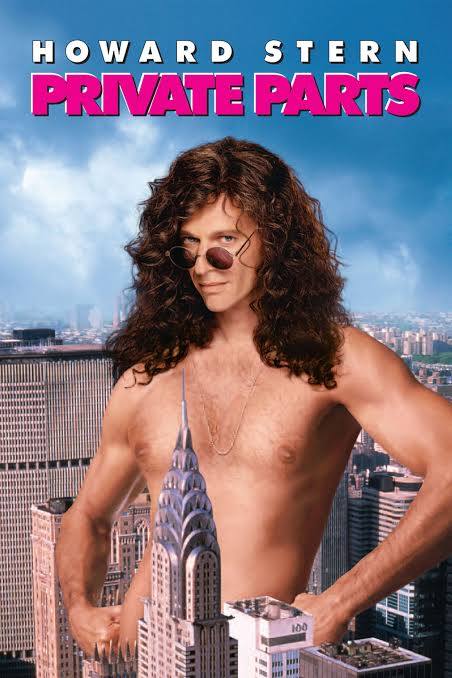
YES! However, as a programmer and coach, the key for you is to help them build on their personality. Get them to share their lives. Remember in Howard Stern’s “Private Parts” movie when he said, “I just need to be me, and talk about my life, the good and bad, all of it.” 

Hot AC

Now, of course, that doesn’t mean you want them trying to be Howard, but you will never win by having them read the liners or just doing that was, this is breaks. When holding an aircheck session with your talent, the goal should be reinforcing what they did well, not searching for what they did wrong.

To be effective in your coaching sessions, I think you should never give them more than one, possibly two, things to focus on as far as improving their performance. I do not believe in having a time clock on a talent. Telling a talent, “Don’t go over 30 seconds, or your morning show no more than two minutes,” is just a recipe for failure. 

A break can be compelling in 10 seconds, and it can also be really compelling at five minutes. I’ve always felt one legendary programmer’s approach was best; he consulted Y100 in Philadelphia when I was on the staff back in the mid-90s. Scott Shannon said it and had this posted in the studio…Preparation, Concentration, Moderation!  You’re not only the coach, but the referee in this entire equation; let your players play and keep them in bounds.

A colleague of mine, Jimmy Steal, recently wrote an article about the importance of talent and how they are the key to radio surviving and thriving. He hit the nail right on the head.

Make talent your bottom building block of the programming pyramid and encourage them to be ambassadors of your station’s brand while building their brand within your system. 

If we don’t invest in talent, music radio will continue to struggle. The game has changed, and talent is more challenged now than ever to be real, not just hype. Many programmers will meet with their morning shows daily or a couple of times a week.

I think it’s important to touch base with all your talent at least once per week and have a formal aircheck at least once per month. Be the COACH and REFEREE. When Scott Shannon took Z100 Worst to First, that was done largely by making the air talent the stars of the show.  

At that time, the music also played a dominating role because there were fewer places to hear it than today. Yes, times have changed, but your talent now more than ever needs to be the stars of the show. You, as the programmer, need to stress that to those you report to. It is critical to make the investment!

Barrett Media produces daily content on the music, news, and sports media industries. To stay updated, sign up for our newsletters and get the latest information delivered straight to your inbox.

Radio: The Original Social Media And Community Centerpiece

0

Since Facebook exploded onto the scene, I’ve always maintained that radio was the first social media. We shared comments live on the air, broke news in real time, reviewed movies and TV shows, and, of course, introduced audiences to new music.

Radio was the centerpiece of the community — a true one-stop source for connection and information.

This idea goes back to my early days in Boston, a city that truly understood and appreciated great radio. Those formative years shaped my relationship with listeners.

Radio in Boston wasn’t just passive; it was active and interactive — on the air and in the streets. It wasn’t my first experience behind the mic, but during that time, the bond between radio personalities and their audiences felt especially real.

I still remember how listeners would flock to a station’s table at community events, eager for bumper stickers, T-shirts, or keychains. Back then, the pressure to be a “personality” wasn’t as intense as it is today. And frankly, I like to think it’s not as easy for modern influencers to truly be the people they portray on their social timelines.

Looking back, it was tough to watch the disappearance of street teams, the shrinking of promo budgets, and the loss of appearance fees. Remotes dwindled to just a table, a branded tablecloth, and a promo assistant. It became harder for radio to maintain its original spirit of “being social” long before social media was even a concept.

Still, radio must remain the credible, go-to place for everything listeners need and want. If you don’t have the answer, guide your audience to it. Music has always been a core attraction, but radio also delivered so much more: breaking news, concert updates, movie releases, TV show buzz, traffic reports, and weather emergencies.

I remember staying overnight at the WMJX/WMEX studios during Hurricane Gloria, helping to make sure we kept listeners informed, safe, and connected as the storm tracked across the region.

I also think back to the ABC Radio Networks interviews — the five-minute chats with TV and movie stars that brought fresh, national content straight to our local airwaves.

Locally, we spotlighted schools, honored teachers, celebrated community leaders, and supported small businesses. For listeners, their favorite radio station wasn’t just background noise — it was the most credible, trusted resource in town. Local politicians knew they had to stop by the station if they wanted the support of our audience.

That relationship can still exist today. It just takes commitment, a smart plan, and solid execution. Think about the appointment listening you could build, the branding opportunities you could create, and the web and social content you could extend from it.

For General Managers and Sales Managers, these aren’t just programming ideas—they’re sponsorship opportunities. I was never a fan of slapping a sponsor on “this hour’s music” for added value. Instead, I would bring a menu of sponsorable ideas to every sales meeting until the team understood the value of truly integrated content.

This is what still makes radio exciting. It should make you eager to walk into the station every single day.

Keep creating, keep connecting, and keep believing in the power of what we do.

Barrett Media produces daily content on the music, news, and sports media industries. To stay updated, sign up for our newsletters and get the latest information delivered straight to your inbox

Meredith Marakovits Stays on Top of the Curve Covering the New York Yankees

0

As the New York Yankees forge ahead to secure a 28th World Series championship, Meredith Marakovits is keeping comprehensive notes amid the local broadcasts and scoring the games. At the same time as the clubhouse reporter, she is also observing from the field level in real time and assisting the YES Network production team as it presents a product accessible in and around the New York metropolitan area.

Marakovits has built professional connections within the organization for more than a decade at YES Network, gleaning worthwhile intel and insights on a daily basis. No matter who she is interviewing on the roster, she is cognizant of topics that interest the audience and usually knows the best direction for interviews. The groundwork that Marakovits completes before and during the game ensures she can adequately fulfill her postgame responsibilities, some of which include on-field interviews after wins and leading off media questions in press conferences.

“If a pitcher strikes out the side or a pitcher has bases loaded [and] gets out of the jam, I want to know exactly what happened so when I go down for the postgame, I have an idea of what I want to ask,” Marakovits said. “It’s more referring back to my notes depending on what’s happening within the game.”

Marakovits schematically considers situations in the game as she composes her line of questioning for interviews. A deluge of variables can potentially impact the outcome of a game, and remaining alert is essential for Marakovits to thrive in her position. Genuinely focusing on how the subject is responding can precipitate changing plans to extrapolate nuance and firsthand perspectives surrounding specific issues or developments.

“It’s important to have bullet points in your mind, but you also have to listen to what the subject’s saying because they may throw you a little bit of a curveball or throw you a little nugget that’s worth following up on that,” Marakovits said. “If you don’t, you’re missing out on the big storyline.”

Always Looking to Improve On the Job By Watching Film

As Marakovits returns home after the game, she usually watches her interviews posted by the YES Network social media team. Rather than waiting until a later date, she reviews her approach, looking to improve the next time around. Even though moments in the season can emit sentiments of repetition and fatigue, she abstains from perceiving her approach as not correctable and demonstrates a tireless work ethic.

“It’s more of an independent process for me,” Marakovits said. “I’m certainly open to any feedback if it’s provided, but generally it’s, oftentimes I’m probably my harshest critic, so they’ll probably tell me something and I’ll be like, ‘Oh, no. You missed this, and this.’”

Whereas interviews provide a forum to hear directly from the athletes donning the heralded pinstripes, Marakovits also delivers reports throughout the game pertaining to the team. Coordinating with producers in creating a robust television presentation, she evaluates the situation and determines the means most effective to contribute. Professional sports have dynamic elements embedded therein, and Marakovits is aware of how to convey key information in a succinct yet thorough manner.

“You know when you need to be quick,” Marakovits said. “I think it’s more about kind of reading the room, and there are times in a game where you have time to insert that personality. Then there are other times where it’s, ‘Hey, you have 15 seconds to get a quick point across. Get in, get out and get it back to the play-by-play guy so he doesn’t miss a call.’”

Reporting from the largest market area in the country, Marakovits recognizes the sports environment containing professional and collegiate teams with knowledgeable and passionate fanbases. Before landing her current job, she covered the Mets and Knicks for 1050 ESPN New York while also hosting shows on SportsNet New York. By the time Marakovits joined YES Network, she was acclimated with the metropolis’ cadence and did not feel nervous in the setting, arriving with immediate professionalism and poise.

“I think we’re in an environment in New York City where fans are smart, they know what’s going on,” Marakovits said. “You can’t try to pull the wool over their eyes. If somebody’s struggling, if you stick to the facts, it is what it is. I don’t think there’s an issue in reporting the facts. Also, if somebody’s doing well, there’s no problem in celebrating the stretch that they’re on, so I think it serves the fans who want to be told the truth essentially.”

The Pinstripes Capture Everyone’s Attention

The Yankees organization has been viewed in professional sports as a paragon of success, not registering a losing season since the 1992 campaign. The team has featured prolific hitters and a lockdown pitching staff while exercising resources to maintain a standard of excellence. Qualifying for the postseason is ostensibly regarded as an annual expectation more so than a benchmark achievement, but Marakovits knows that there are still enthralling narratives to follow surrounding regular-season play.

“There’s always a storyline that’s exciting,” Marakovits said. “There’s always something going on around the organization that makes people want to tune in, and Aaron Judge makes viewers want to tune in on a daily basis.”

Over the last 14 years, Marakovits has been working alongside play-by-play announcer Michael Kay and a rotation of color commentators that has consisted of Paul O’Neill, David Cone and other former players. Before the game, she will usually inform the producer of what she has gathered but works to listen to the commentary and occasionally interspersing information and viewpoints into the commentary. For example, the booth could be talking about how infielder Jazz Chisholm Jr. is making better contact, resulting in Marakovits divulging that she spoke to hitting coach James Rowson about his approach.

“It’s not like we go in and say, ‘Okay, we want to hit these three points or these five points on the broadcast,’” Marakovits said. “It’s more of, ‘Let’s see where the flow goes, let’s see what happens within the game and allow the stories to develop and evolve throughout the course of the game in a natural way.’”

Marakovits seeks to present a thorough and fun style within her reports while remaining objective and committed to what is genuinely taking place. There is limited time to explore storylines during the broadcast, but she is afforded more opportunities through various shoulder programming endeavors at the YES Network. Marakovits is in her third season hosting Yankees Batting Practice All-Access, a show that previews the upcoming game, airs features and also includes sit-down interviews with the players, such as a recent seven-minute conversation with Judge.

“Any time you can have the captain of the New York Yankees sit down with you for that amount of time and talk not only baseball, but some things that are happening not only around the league, but just some fun things within the team as well, I think viewers appreciate that in a little bit of a more relaxed, longer setting as opposed to the three, four questions that we usually do in a quick interview,” Marakovits said. “So I think there’s value in that they get to know the players’ personalities a little bit more [and] get to learn a little bit more about the team.”

Learning on the Beat Working in Sports Radio

While most of her experience has been in television, Marakovits took part in the SportsTalk Philadelphia morning sports talk radio show on 950 ESPN Philadelphia. When the station dropped its ESPN affiliation and became The Fanatic on 97.5 FM in 2009, she remained on staff as the Phillies reporter while continuing to sideline report for a local cable station. Accruing tangible experience across various sports, she gained invaluable repetitions and established a distinctive presence on regional broadcasts.

“There are many different outlets that are not the main thing that you’re able to explore to broaden the role in a way if you so desire, if your company allows it,” Marakovits said. “There are a lot of factors involved, but I do think there are ways that you can do more, whereas before it was, ‘Okay, if you’re a sideline reporter on a broadcast, you might get three hits in a game,’ and that’s it.”

In addition to the batting practice show, Marakovits is also in her first year co-hosting the team podcast featured on YES Network broadcasts and available to stream on The Gotham Sports App. Despite potential hesitancy from fans to tune in since the content involves the team rather than an independent media entity, Marakovits stays authentic towards the audience by disseminating accurate information confirmed by multiple sources.

“If somebody’s going through a rough stretch, you have to say, ‘They’re going through a rough stretch,’” Marakovits explained. “If they’re 10-for-10, you’re going to celebrate those moments, so it doesn’t feel particularly hard for me because that’s always the way I’ve approached things.”

Being the Friend Telling the Story to the Fan

There is some ambiguity surrounding the future of regional sports networks as Major League Baseball seeks to bring media rights under one entity to bolster revenue and eliminate local blackouts. Shortly after Opening Day, YES Network reached a new carriage agreement with Comcast Corporation that reportedly kept the channel on its Expanded Basic tier.

While the viability of regional baseball broadcasts is unknown, Marakovits feels that the presentation of Yankees baseball on the channel is indicative of network quality. In fact, fans consumed more than 152 million minutes of Yankees baseball on YES Network and The Gotham Sports App across the first two game telecasts of the season. On top of that, rule changes in baseball have shortened the average duration of games and boosted offensive output as baseball seeks to appeal to younger demographics.

“I think one of the biggest compliments that you can ever receive is, ‘I love having you in my living room every day,’ Marakovits said. “When you look at baseball, it’s such a regional sport, there are a lot of games, and when you think about it like that, you are with people every day for five months.”

Marakovits has been able to leverage her astute storytelling capabilities and intrepid reporting on YES Network broadcasts of Yankees baseball. In addition, she values being respected by her peers and possessing credibility in the sports media business. Outside of national broadcasts or hosting studio coverage for Yankees games exclusively streaming on Amazon’s Prime Video, Marakovits is at the ballpark and immersed in helping cultivate a strong product in the city that never sleeps.

“I’d like to continue to find new and innovative ways to add segments to the half-hour show, and whatever that looks like, we’ll have to see, but that’s a really fun vehicle for me where we get to try some different things,” Marakovits said. “And then on the actual game broadcast side, just trying to figure out ways to be a part of it.”

Barrett Media produces daily content on the music, news, and sports media industries. To stay updated, sign up for our newsletters and get the latest information delivered straight to your inbox.