Home Blog Page 891

Greg Olsen: There’s No Personal Animosity With Anyone At FOX Sports

0

FOX NFL analyst Greg Olsen has not minced words when it comes to his goals in sports media and broadcasting. The former NFL tight end has made no secret about his desire to get back to being on the number one team calling NFL games for FOX after being demoted to the number two team when FOX Sports hired Tom Brady.

Olsen joined Pardon My Take on Friday and was complimented on how he’s handled the situation by Dan “Big Cat” Katz, who referenced Olsen’s move from the top team to the number two. Subsequently, Olsen talked about a notion where there could be some personal feelings mixed in with his professional aspirations.

“I always make sure I’m very clear where my personal aspirations to continue to ascend in this industry, and to get back to calling those games are completely independent,” said Olsen. “There’s this idea that there’s personal animosity and competition. There’s not. My relationship with Tom (Brady), FOX, Joe Davis, (Kevin) Burkhart, and all and all my people at FOX couldn’t be better. On the other parallel line to that; yes, I want to ascend in the industry.”

Furthermore, Olsen mentioned how he and Brady have spent a lot of personal time together since he arrived at FOX, including everything from phone calls to a trip to the Bahamas as a retreat.

“I’ve been very adamant about where I stand, and it doesn’t always come through the headlines,” said Olsen about his comments regarding his desire to call the top games.

In addition, Olsen has made it known he’s attempted to give Brady advice when it comes to adapting from player to broadcaster. In speaking with Barrett Media last year, Olsen discussed Brady and the first conversations they had over the 2024 offseason.

“The respect I had for him on the field goes without saying, but getting to know him off the field – getting to know him at the seminars; spending time with him on the phone; just kind of shooting the sh*t a little bit about what to expect on the job, I’ve really enjoyed getting to know him, so that’s been a fun experience,” said Olsen in August to Barrett Media.

Moreover, with Olsen’s demotion came a significant pay cut which lowered his salary from $10 million to $3 million, according to The New York Post. Olsen reportedly has two years remaining on his contract with FOX Sports.

Barrett Media produces daily content on the music, news, and sports media industries. To stay updated, sign up for our newsletters and get the latest information delivered straight to your inbox.

‘Music Row Happy Hour’ Relocates To Chief’s For CMA Fest

0

SiriusXM’s “The Highway” and the “Music Row Happy Hour” are relocating down lower Broadway during the 2025 CMA Fest, June 5-8 in Nashville.

Eric Church’s bar, Chief’s, will host daily live broadcasts from noon to 7 pm. Anchored by Buzz Brainard, “The Highway” personalities Ania Hammar, Cody Alan and Macie Banks will join the broadcasts.

According to SiriusXM, the special event will feature performances and interviews. Artists including Bailey Zimmerman, Dasha, Keith Urban, and Shaboozey, along with many surprise guests, are scheduled to appear.

The move is a first for the channel, which has previously broadcast from Margaritaville, also located in Nashville’s lower Broadway entertainment district.

“The Highway” presents “Highway Finds,” and the channel seeks to discover the next generation of Country superstars.

Photo Sirius XM Website

Barrett Media produces daily content on the music, news, and sports media industries. To stay updated, sign up for our newsletters and get the latest information delivered straight to your inbox. 

The Convergence of Live Sports and Real-Time Low-Stakes Gambling

The union between sports gambling and streaming has transcended trends and entered a full-blown transformation. While broadcasters compete for eyeballs in a more fractured media environment, incorporating real-money betting into sports streaming properties has become essential for audience passion, ad dollars and long-term growth.

With sports being streamed live through apps, smart set-tops and social media integrations, the chance to make small, live bets from the same interface is no longer science fiction—it’s an emerging norm. And for specific media organizations, that cohesive fusion of action and interaction already yields dividends.

Where “Watch” Becomes “Play”

Traditional broadcasting focused on storytelling, studio analysis and game coverage. That’s still fundamental to how audiences view sports, but today’s viewers, particularly Gen Z and younger millennials, are looking for rich, immersive experiences. The capacity to be present and, more than that, to be involved, is changing the underpinning for live sports engagement.

Betting integrations on streaming sites allow viewers to forecast the next play, bet on team or player performance or place bets on live outcomes such as “next team to score.” Micro-betting possibilities are an optimal match for the rapid pace of sports like soccer, basketball and baseball. They’re bite-sized, quick and provide immediate satisfaction.

At the heart of this transformation is a compelling value proposition: accessibility. Platforms for newer, recreational bettors invite individuals to get a feel for betting for as little as a 1 dollar stake, dissolving the common barriers to entry. For media businesses, it represents an opportunity for a broadened audience—one prepared to interact but not prepared to bet large sums.

Data-Driven, Platform-Native Content

As companion apps and overlays for betting have emerged, streaming platforms are also becoming more intelligent. Betting dashboards are fed real-time data and AI during games, enabling viewers to observe odds as they change. These connections are not simply for super users—networks are developing content forms centered on them.

One example is ESPN’s alternate Monday Night Football telecast, which has started experimenting with odds analysis, player propositions and betting punditry. Thursday Night Football coverage on Amazon Prime also features opt-in betting tidbits through third-party apps. Those features are embedded, not intrusive, assisting the occasional bettor, but don’t overwhelm regular viewers.

Media industries are capitalizing on this by gearing broadcast teams, graphics and advertisements to appeal to the “stream and bet” audience. What was initially a trial is now rapidly evolving to be an anticipated aspect of the viewing experience.

The Role of Low-Stakes Gambling

One of the more fascinating trends is the growth of low-stakes gambling alongside streaming. While high-roller betting makes headlines, most audience growth for sports betting is fueled by users looking for small, manageable stakes.

Platforms that provide $1 and $5 bet facilities are proving popular. The bets typically correlate with quick, interactive games and appeal to sports gamblers new to sports betting or who wish to enhance games for fun and entertainment without taking significant risks.

The 1 dollar deposit model significantly reduces the stakes and makes sports betting less daunting and more appealing. It sets a barrier-free entrance that appeals to younger sports supporters and international viewers.

Strategic Implications for Sports Media

For sports broadcasters and streamers, the union of streaming and gambling is less about adding a new feature and more about reframing the product. Instead of metrics measured simply by minutes watched, viewership is measured by interaction and conversion. The more a viewer watches, the greater the chance for monetization, be it through advertising, in-app purchases or gambling.

This transformation compels media companies to behave like technology companies. Personalization, design for the user interface and second-screen implementation are now primary components of a competitive broadcast. Those who don’t provide interactivity risk being eclipsed—not only by other networks but also by sportsbooks, social media and entertainment apps that provide more comprehensive engagement.

The victors in this competition will be those firms that combine content generation, technology and gambling legislation into one integrated experience. However, they’ll have to accomplish this without turning off traditional audiences that still enjoy seeing games played out as they have for decades.

The Advertising Goldmine

Advertising is likely the most significant financial driver for this convergence. Real-money, real-time betting is an environment rife with data, ideally suited for targeted advertising. When a fan wagers $1 on a touchdown, advertisers can present them related content—merchandise from that team, half-time food-delivery promotions or follow-up betting promotions, for example.

This hyper-contextual ad targeting is gold for sponsors and agencies. When coupled with betting, the CPM for streamed inventory is much higher than standard ad placements, opening a new top line for sports networks.

In addition, the capacity to directly partner with sportsbooks and networks is selling more than ad space; networks are now participating in the wagering ecosystem. Affiliate deals, co-branded apps and sponsored betting segments are already being piloted across different sites.

What Comes Next?

As regulators adapt and technology platforms advance, streaming and betting can be expected to converge at an accelerated rate. Possible futures include fully shoppable streams, fantasy leagues funded by NFTs or viewer-directed production decisions determined by micro-bets.

But the fundamental concept persists: the more you involve your audience, the more they stick around. Whether it’s through a fantasy pick, a side wager or a 1 dollar deposit bet on the next free throw, today’s sports viewers are interested in being entertained and playing along.

Streaming and gambling are not displacing traditional television viewing but transforming it. For the networks that embrace change, this is not simply a source of revenue—it’s a redesign of the sports viewing experience.


How Modern Tech is Transforming Online Casinos into Highly Accessible and Immersive Gaming Platforms

Online casinos have come a long way and technology is the reason why. Players no longer need a high-end desktop or visit physical casinos to get the full experience. With mobile gaming, live streaming, VR features and smoother payment methods, playing casino games is now faster, easier and more exciting than ever. 

The biggest frustration used to be clunky interfaces and limited game access—now, you can join a live poker game from your couch, watch it stream in real time and cash out instantly. In fact, mobile gambling accounts for over 60% of all online bets globally, showing how widespread and accessible the experience has become.

Mobile Gaming Put Casinos in Everyone’s Pocket

The mobile revolution is the backbone of casino accessibility. Thanks to smartphones and tablets, players can now enjoy slots, blackjack, or roulette wherever they are—during a commute, while waiting in line, or at home.

In the past, desktop-only platforms made it harder for people to play regularly. Now, with optimized mobile browsers and lightweight apps, you can load games in seconds. Fast internet speeds and 5G have only made this smoother, reducing lag and load times. Touchscreen controls feel natural and games are designed to look good even on smaller screens.

More importantly, you don’t need a flagship phone to get started. Many casino games offer online casino bonus options and run well on budget devices, expanding access to users who previously couldn’t afford the tech needed to play.

Streaming Tech Created Real-Time Gaming Rooms

Streaming technology has added a whole new layer of immersion. One of the most exciting upgrades is live dealer games, which let players join real tables streamed from studios or actual casinos. This bridges the gap between online and physical gambling.

The growth of live-streaming platforms made people comfortable with real-time video content. Online casinos used that momentum to stream high-quality, real-time casino games. Players interact with dealers, place bets live and chat with others at the table. It feels personal and social—something old-school online games lacked.

With high-definition streaming and low-latency tech, players now get a seamless experience. According to industry data, live dealer games have seen a 35% year-over-year growth, proving users want that added sense of presence.

VR and AR Bring a Casino Floor to Your Living Room

Virtual Reality (VR) and Augmented Reality (AR) are slowly pushing the boundaries of what online casinos can offer. Instead of just watching a screen, VR allows players to walk through digital casino floors, pull virtual slot machine levers, or sit at 3D poker tables.

While VR gaming is still niche, it’s expanding. The price of VR headsets has dropped in recent years and platforms are becoming more user-friendly. Even more casual AR elements—like animated 3D cards or interactive game environments—are appearing on mobile apps, boosting engagement without requiring extra gear.

For people who miss the atmosphere of real casinos, VR offers a close alternative—without the noise, crowds, or travel expenses.

Smarter Payments and Crypto Simplified Transactions

Payment systems used to be one of the most frustrating parts of online gambling. Slow withdrawals, limited options and verification delays could ruin the experience. But fintech advances have changed all that.

Today, online casinos support a wide range of fast and secure payment methods, including digital wallets and even cryptocurrencies. These systems offer instant deposits and much quicker withdrawals. Some platforms process cash-outs in under an hour.

For users in countries where traditional banking is slow or restricted, this tech has opened the doors to real-money gaming. Cryptocurrencies also add privacy and reduce fees, especially for international players.

AI Makes Everything Smoother and More Personal

Artificial Intelligence (AI) is quietly running behind the scenes to make games smarter and platforms easier to use. AI helps tailor recommendations so players see games they’re more likely to enjoy. It also powers chatbots that can answer questions instantly.

More importantly, AI is being used to detect unusual player behavior. If someone seems to be chasing losses or showing signs of risky gambling, the system can flag it. This makes the experience safer and more responsible, even for new players.

AI also supports better fraud detection, which helps build trust. When people feel safe, they’re more likely to come back and enjoy the games.

Streaming Culture Boosts Game Popularity

Streaming isn’t just about playing games—it’s also about watching them. Platforms like Twitch and YouTube are full of casino streamers who share their wins and strategies with thousands of followers.

This kind of content has become marketing gold. It shows off the excitement of online casinos in a relatable, real-time way. New players often discover games through streamers, then try them out on their own.

According to one report, viewers are 70% more likely to play a game after watching it streamed. That shows how entertainment platforms are directly driving traffic to online casinos—and why game developers are starting to design titles with streamability in mind.

Technology has stripped away many of the barriers that once made online casinos feel clunky or hard to access. Now, people can join games instantly, play with live dealers, interact socially and even walk around a virtual casino—all from their device of choice.

It’s faster, more personal and a lot more fun.

And it’s only getting better. As VR becomes cheaper, streaming sharper and mobile networks faster, online casinos are entering their most exciting chapter.

Classic Country 1370 KSOP Salt Lake City Is Going Dark

3

According to reporting from RadioInsight, after 70 years of playing Country music, 1370 Salt Lake City will go dark on Monday. (6/2).

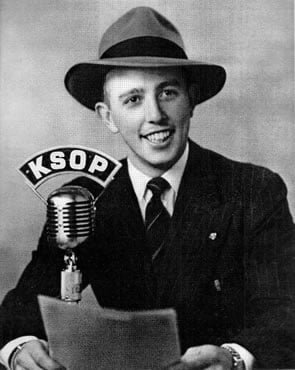
The station, founded by Merlin H. (Henry) Hilton, first broadcast on 1370 on February 1, 1955.

KSOP Founder Merlin H. (Henry) Hilton Photo KSOPCountry.com

The programming will continue online at KSOPCountry.com.

The RadioInsight article reported a station management spokesperson as saying, “This decision, though bittersweet, represents a thoughtful shift toward the future of our company and the evolving ways our audience listens to music.”

“Classic Country 1370 has been a trusted voice on the Utah airwaves since 1955. Family-owned and operated from the beginning, the station has been a cornerstone of country music in Utah—proudly sharing not just the songs, but the artists who shaped the genre and left a lasting mark on our community.”

“The choice to discontinue AM broadcasting is not one we take lightly. We are deeply saddened to close this historic chapter. However, in recognizing how our audience continues to change, we are proud to announce that our Classic Country format will live on KSOPCountry.com. This digital platform will allow fans to continue enjoying the traditional country music they love—anytime, anywhere.”

“To our loyal Classic Country 1370 listeners—thank you. Your support over the past seven decades has meant the world to us. Though the tower will go quiet, the music will continue, and our commitment to Utah remains as strong as ever.”

Barrett Media produces daily content on the music, news, and sports media industries. To stay updated, sign up for our newsletters and get the latest information delivered straight to your inbox. 

Why Media Companies Can’t Ignore Cross-Platform Cohesion Anymore

Content and data have become the world’s hottest commodity by some stretch. Together, they are like the digital versions of oil and gold. As a result of all the demand, audiences no longer want to wait for content. Network TV is all but dead, and social media and streaming are King now.  

Audiences expect access when and where it suits them. From live broadcasts to on-demand streams and interactive platforms, users switch devices without missing a beat. This shift means that media brands can’t rely on single-channel thinking. Every touchpoint must work together. Otherwise, viewers will go elsewhere. Cross-platform cohesion is no longer a trend. It’s the new baseline.

Every Screen Matters Now

People aren’t loyal to platforms. They’re loyal to convenience. If they start a movie on their TV, they want to finish it on their tablet. If they browse a site on mobile, they expect it to look just as good on a laptop. That demand stretches beyond entertainment. News outlets, sports networks, and even gambling platforms face similar pressure. Viewers move between screens without thinking about it. The brands they follow must keep up.

Take online gambling as a prominent example. Many players seek out alternative online casino options that offer flexibility across devices. According to finance writer Milan Novakovic, these sites are popular because they work and come with perks like fast withdrawals, generous bonuses, and fast-loading interfaces (source: https://www.valuewalk.com/igaming/stake-alternative-casinos/). 

There are also other benefits, like consistent design and uninterrupted access, which draw consumers. Local players aren’t just gambling. They’re interacting, watching streams, tracking bonuses, and switching tabs without losing connection. Platforms that miss that cross-device harmony fall behind.

Brand Loyalty Depends on Continuity

A fractured user experience kills trust. If an app crashes or a stream lags on mobile, the user leaves. Worse, they remember. That gap in delivery turns a minor annoyance into a brand rejection. On the flip side, when a service runs smoothly across channels, it sticks. People return to what works. Consistency builds habits, and habits create loyalty.

Media companies that once focused only on TV or only on the web now have to do both, and more. Social content, app integration, smart TV sync, voice support — the list keeps growing. It’s not just about reaching people. It’s about doing so without interruptions. Every glitch, every delay, is a risk. Those who don’t make cohesion a priority may find their users moving to more reliable rivals.

Advertising Follows the Audience

Where the audience goes, advertisers follow. Cross-platform behavior changes where budgets go. Brands aren’t content to buy spots on one medium. They want full journeys tracked. From Instagram clips to podcast mentions to live TV slots. They need to know their message holds together wherever it appears. Cohesion isn’t just about design or technology. It’s about making sure the user hears the same voice across every touchpoint.

This shift means media outlets must coordinate more than ever. A campaign can’t just live on one platform. It needs to adapt to multiple formats without losing clarity. That means aligning teams that once worked in silos. Editorial, digital, video, and ad sales now need to sync in real time. If they don’t, the message breaks, and so does the revenue.

Platforms Are Not Islands

In the past, each platform was treated as a stand-alone. A TV station had its nightly news. A website had its blogs. Social feeds were extra. That approach no longer works. People watch live broadcasts while tweeting. They hear a podcast and search for the host’s latest video. They flip between formats in seconds. The channels must talk to each other, or they risk being left behind.

Cross-platform cohesion isn’t just about presence. It’s about action. A video should link to a poll. A blog should trigger a live chat. Content must connect. Without it, engagement drops, and without engagement, there’s no growth. 

Audiences want to be part of the story on their terms, across their preferred platforms. There is a flip side to the story, though. These intensified expectations have led to an amazing array of choices out there for consumers now. Aside from this, the quality of content has grown exponentially. There’s no doubt that we are truly living through a golden age of content, with cross-platform entertainment further augmenting the exceptionalism of this era.  

Conclusion

Media companies can’t treat digital as an extra anymore. Today’s users expect access to content across all platforms without friction. From online casinos to streaming apps, the winners are those who unify their experience. Cross-platform cohesion isn’t optional. It’s expected.

Pat McAfee Responds to Viral John Mellencamp Social Media Post: “Shut the F**k Up”

0

As the Indiana Pacers were closing out a victory over the New York Knicks in Game 4 of the NBA Eastern Conference Finals, former NFL punter and sports commentator Pat McAfee hyped up the crowd at Gainbridge Fieldhouse. McAfee, who hosts his weekday sports talk show from the locale and also played for the Indianapolis Colts, pointed out several celebrities rooting for the Knicks and implored the crowd to send them back home and used profanity in the process. A few days later, musician and Indiana native John Mellencamp released a statement on social media apologizing “on behalf of most Hoosiers,” calling it poor sportsmanship and not mentioning McAfee by name.

McAfee took time on Friday’s edition of his show to respond and questioned what Mellencamp was doing with the post on X entirely. In fact, he called the entire quote tweet “horrendous” with the graphic, quote and timing, explaining that he was two days late. On top of that, he conveyed how it felt like Mellencamp was grandstanding higher than anyone else in this situation. While he delivered a monologue talking about what transpired, he addressed Mellencamp and expressed gratitude for the audience his program has built over the years.

“John, shut the f**k up, okay?,” McAfee said. “So they put this out there, calls me ‘somebody,’ okay. I am ‘somebody,’ and I normally don’t want people to just get slaughtered, okay, because I know we have a very active following, and I appreciate the hell out of those people. They are very kind. The people that have followed our story are the greatest people on earth because there’s a lot of times they could have just said, ‘Nope, we’re not doing this anymore.’ They stuck with us, they are active though and they like us, John.”

McAfee emphasized how Mellencamp and his team may not have considered that there are people on his side in this situation, predicating such based on the people the musician hangs out with, listens to and reads. Furthermore, he hopes that when he opened his X account, he saw all of the replies on the tweet calling him out for criticizing what took place in such a manner.

“You could have taken the angle and be like, ‘Hey, there’s some people attacking Pat for what he did. I’m actually on Pat’s side because we represent this state of Indiana. We’re lucky and thankful to represent the state of Indiana. We don’t have a lot of people pulling for us in the state of Indiana, but you know what? I see another young buck that’s doing it, and I appreciate him doing it.’ You could have easily done that, John, but instead you try to think you were going to bury me. I don’t think so, John. Hey Coug, suck it buddy, and I hope I get a chance to see you real soon.”

Although McAfee acceded that Mellencamp has good songs, he felt that he could have had his back in this instance. On the contrary, turning the opposite way has elicited responses from social media users about Mellencamp and how he goes about treating people. McAfee also mentioned how he hopes every sporting event Mellencamp attends goes exactly like Game 4 and causes his head to explode because he cannot take it anymore.

“I want to be honest – it very rarely happens,” McAfee said later in the segment. “I appreciate everybody getting on the back for me seemingly. It felt like everybody was kind of on my side on it.”

Barrett Media produces daily content on the music, news, and sports media industries. To stay updated, sign up for our newsletters and get the latest information delivered straight to your inbox.

Scott Hanson Is Returning To NFL RedZone

0

Scott Hanson made it official Friday that he will be returning as host of the NFL RedZone for this coming football season. The RedZone host made the announcement via his personal X account after weeks of speculation as to if the NFL Network would come to terms on a new contract with the network veteran.

Amid speculation about his future, Hanson marked the timeline of 100 days till football as the entry point for his news on X.

“100 days from now = NFL RedZone,” Hanson said on X. “For those wondering. Yes, I will be there. We have a lot of touchdowns to watch together!”

Hanson has been the host of the wildly popular NFL RedZone since 2009. However, there was speculation on his return after news dropped in April that Hanson’s agreement with NFL Media expired at the end of the NFL season.

Since the news of his contract expiration, several reports stated that Hanson has talked with several other networks, including NBC, where he helped with Peacock’s coverage of the 2024 Summer Olympic Games on Gold Zone.

Furthermore, speaking with Yahoo Sports at the NFL Draft in April, Hanson said that his hopes are to stay doing what he’s been doing for the last 16 years with the National Football League.

“The NFL has told me they want me back. I certainly want to be back as host of RedZone, 16 seasons of what’s been called the greatest football show there is,” said Hanson to Yahoo Sports. “We have to come to an agreement and we’re not there yet, but negotiations are ongoing and I’m very hopeful.”

Hanson joined NFL Media in 2006 as a national reporter covering all thirty-two teams. Subsequently, he transitioned into studio hosting in 2008 before becoming the face of NFL RedZone.

In addition, earlier this month Hanson announced his return to NBC Olympics to lead Gold Zone coverage during the 2026 Olympic Winter Games in Milan-Cortina. This winter will mark the first time Gold Zone streams during a Winter Olympics, offering live, daily coverage on Peacock. The show will take viewers across Italy’s Olympic venues, capturing medal moments, live action, and the pageantry that defines the Games.

Barrett Media produces daily content on the music, news, and sports media industries. To stay updated, sign up for our newsletters and get the latest information delivered straight to your inbox.

Pablo Torre Bans Nick Wright From His Show

1

Earlier in the week, FS1 host Nick Wright made a guest appearance on The Dan Le Batard Show with Stugotz where he addressed a perceived media beef between him and journalist Pablo Torre. The ordeal precipitated back to when Wright divulged that he considers himself to have rivals in sports media who are around his age on the national level. One of these people is Torre, who has appeared across ESPN programming and also hosts his own podcast, Pablo Torre Finds Out, through Meadowlark Media. Torre had Wright on his show once previously with First Things First co-host Kevin Wildes, and an X user voiced that they hope the trio reunites for another program.

In response to the post, Torre shared that he had invited Wright back on his podcast and concluded that he was ducking the show. Wright talked about this assumption, explaining how he is a recurring guest on three programs and that going to Torre’s show cost him money to travel and a lot of time as well. Within his discourse, he acknowledged that Torre has engaged in “really valuable and important reporting” on his podcast, but also sarcastically conveyed that there was “no better use of a state court’s time” than holding the University of North Carolina accountable for fulfilling Freedom of Information Act requests he submitted. Torre took the time to address Wright in the opening of the Friday episode of his podcast.

“I am now banning officially Nick Wright,” Torre said. “I just want to say f**k you Nick Wright, you’re off the show. We can get into that a separate time.”

Mina Kimes, who was joining the program discussing how to define an athlete as “cool” and who encompasses the coolest athletes in the current moment, asked if Torre was banning Wright because he did not fit this category. Torre then played a video clip of Wright congratulating NFL Live for its Sports Emmy Award win, the ESPN studio show on which Kimes is an analyst. Yet at the end of his extollment, he said that while Kimes is excellent, he does not think she is as good at anything as him. David Dennis Jr., senior writer for Andscape, asked if this was why Wright was trying to grow his hair akin to Kimes’, drawing laughter from those on the show.

“Nick Wright has been trying to do this whole rivalry thing with me now for four or five years,” Kimes explained, “and honestly, it’s like, I don’t know. What’s a good comp?”

“It’s giving Kobe-stopper – Ruben Patterson-era Kobe-stopper,” Dennis said. “That’s what I’m getting from it.”

Kimes referenced a tweet she saw after San Francisco 49ers quarterback Brock Purdy signed his contract articulating that he joined Buffalo Bills quarterback Josh Allen, referring to him as his “rival.” Although that could be the case, she conveyed that both Purdy and Wright are great but implored everyone to get real here.

“Yeah, both Mr. Irrelevant, I dare say,” Torre replied.

Barrett Media produces daily content on the music, news, and sports media industries. To stay updated, sign up for our newsletters and get the latest information delivered straight to your inbox.

Newsmax, Verizon Renew Multi-Year Carriage Agreement

0

Newsmax Inc. has announced a multi-year renewal agreement with Verizon Fios for the continued distribution of its cable channel, Newsmax. This new agreement allows Newsmax to maintain its presence on the Verizon pay TV platform, which reaches approximately three million subscribers, reinforcing its market position in the Northeast and Mid-Atlantic regions.

According to a release, Newsmax is pleased with the new agreement which keeps the channel in approximately 60 million U.S. homes putting it on par with major networks like CNN and FOX, in terms of distribution.

The news comes days following Newsmax unveiling its first-quarter financial results, and the news was overwhelmingly positive, featuring double-digit revenue growth.

The company reported $45.3 million in total revenues during the first quarter. That figure represents an 11.6% increase compared to 2024’s first quarter. Affiliate revenue grew by 12.5% to $7.4 million as the company announced new carriage deals with several providers during the first quarter.

Additionally, advertising revenue grew 13.5% to $28.9 million, which Newsmax claims comes from higher viewership totals, allowing the company to raise its advertising rates.

During the quarter, the company reported a loss of $17.2 million, down from the $50.7 million it lost in the first quarter last year. Newsmax said its operating expenses increased due to costs associated with taking its company public on the New York Stock Exchange.

Its Adjusted EBITDA was $1.2 million, a decrease of $4.4 million compared to January, February, and March last year. The company ended the quarter with $126.7 million in cash and cash equivalents. That represents an increase of 426.8% over the final quarter of 2024.

With the new agreement announced today, Newsmax will retain its current placement on the Verizon pay TV platform, where it is available to viewers on channel 616 (116 in standard definition). The Verizon system reaches approximately 3 million subscribers.

The agreement ensures continued access to Newsmax’s programming for Verizon customers. This renewal underscores the cable channel’s growing influence, as Newsmax currently ranks as the fourth highest-rated cable news network in the United States. It also holds the fifth position among all cable channels during daytime hours, according to Nielsen data.

Barrett Media produces daily content on the music, news, and sports media industries. To stay updated, sign up for our newsletters and get the latest information delivered straight to your inbox.