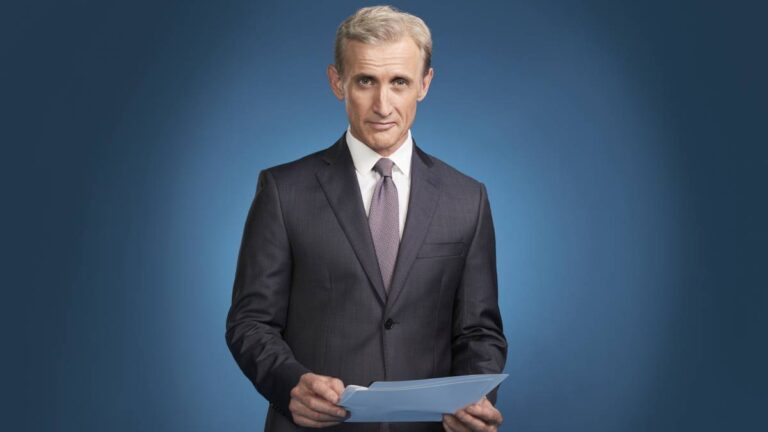
The Department of Justice has commenced a formal investigation into the merger of online television businesses between The Walt Disney Company and FuboTV Inc., according to a new report by Eriq Gardner of Puck. The merger of Hulu + Live TV and Fubo would form the second-largest digital pay television provider in the United States with more than 6.2 million subscribers.
This deal occurred about five months after Fubo obtained a preliminary injunction preventing the launch of Venu Sports, a forthcoming standalone joint streaming venture that included Disney, FOX Corporation and Warner Bros. Discovery, and all three media conglomerates subsequently agreed to make an aggregate cash payment of $220 million to Fubo. As part of the deal, Disney also entered into a carriage agreement with Fubo that allowed the streaming provider to create a sports and broadcast service that includes entities such as ESPN, ABC and ESPN2 among other networks, and it also committed to provide a $145 million term loan to Fubo in 2026.
Under the merger agreement, Disney is set to own 70% of the new joint venture, while Fubo will be accruing the other 30% and operating the newly combined business under its management team, which is led by co-founder and chief executive officer David Gandler. The companies also announced that Hulu + Live TV and Fubo would continue operating as two distinctive brands. Amid the report of a formal investigation, Gardner wrote that Disney and Fubo have already started responding to information requests coming from investigators.
When the two companies initially reached this deal, DirecTV issued an antitrust complaint to the court, stating in its letter that “Defendants cannot purchase their way out of the antitrust violations,” referring to The Walt Disney Company. EchoStar also submitted a complaint regarding the merger, explaining that it appeared “designed to eliminate court jurisdiction over this multifarious harm by effectuating the preliminary injunction’s expiration, rather than addressing the underlying competition issues.” The company also explained how Dish, Sling and other distributors were going to “suffer antitrust injury.”
The investigation occurs as Skydance Media and Paramount Global reached a definitive agreement to merge under a two-step transaction that is awaiting regulatory approval from the Federal Communications Commission. In addition, the FCC announced last month that it is investigating ABC and Disney regarding its diversity, equity and inclusion policies.
Barrett Media produces daily content on the music, news, and sports media industries. To stay updated, sign up for our newsletters and get the latest information delivered straight to your inbox.
When is enough, enough? That’s a constant question that every programmer and executive from small town radio to big media conglomerates like ESPN must weigh when dealing with any level of talent on their roster. The answer is never the same because the circumstances are always different.
How much can you put up with when a talent that isn’t hitting the mark content-wise, but brings in a massive audience and revenue? It’s not as easy as you may think to answer that question because it’s a constant battle of weighing the benefits versus what it may be costing you.
I’ve been asking myself that very question a lot in recent months regarding ESPN’s relationship with The Pat McAfee Show. I wonder if the executives that are paying McAfee for his product are asking themselves that very question more and more as time goes on. When is enough, enough?
When ESPN signed McAfee in May of 2023 for a reported $17 million dollars a year, ESPN was taking a chance. McAfee was a proven commodity with a built-in audience and model for programming to a certain type of viewer. He brought in sponsorship dollars, attention with headline-grabbing interviews, and the most important thing any sports talk program can bring to a network like ESPN—which was buzz.
The chance? ESPN allowed creative control to stay with McAfee and his program.
Risk vs Reward
At the time, many considered it a win for McAfee to not give over the keys to the network. Far too many critics said that if ESPN did take over creative control, it would harm McAfee’s brand and everything he’s built over the years since leaving the NFL.
ESPN Chairman Jimmy Pitaro said when the network signed McAfee and his program that, “It’s a destination for athlete interviews and breaking news, and the centerpiece of a growing community of sports fans.”
Since those words, McAfee has caused and been caught up in many instances of controversy internally at the network, has placed the network on notice for potential lawsuits, and has raised questions about whether the network can truly be happy with the programming their investment is putting out.
When is enough, enough?
When current free agent quarterback Aaron Rodgers implied on McAfee’s show that Jimmy Kimmel, a fellow Disney employee, would be on Jeffrey Epstein’s client list. That wasn’t enough.
When McAfee called Indiana Fever superstar Caitlin Clark a “white b***h from Indiana who is a superstar.” That wasn’t enough.
When McAfee admitted to not doing enough research on Olympic women’s boxing after making false gender claims about an Algerian boxer. That wasn’t enough.
When McAfee went public about his beef with Norby Williamson, an ESPN executive at the time, about what the former Colts punter called “sabotage” of his program. That wasn’t enough.
When McAfee absolutely destroyed ESPN for a Top 100 Athletes of the 21st Century list, calling it “the epitome of everything that everybody hates about ESPN” and “a s**tshow.” That wasn’t enough.
When McAfee and the program went to do a show in Ireland and got absolutely hammered on air. That wasn’t enough.
When ESPN NBA Insider Adrian Wojnarowski wasn’t the man breaking NBA news on The Pat McAfee Show, but instead it was Shams Charania from The Athletic. That wasn’t enough.
By the way, Charania is now the lead NBA insider for ESPN after Wojnarowski stepped down from his post with the network. Who lobbied for Shams to be the guy at ESPN? McAfee admitted as much.
Remember when profanity used to be avoided on ESPN and cable television in general? No more. Why? McAfee has creative control.
When an internet rumor about an Ole Miss student allegedly sleeping with her boyfriend’s father made its way to McAfee’s program—featuring Adam Schefter, ESPN NFL Insider, as a guest live from the NFL Draft. That wasn’t enough.
That Ole Miss student is still reportedly planning to sue McAfee and ESPN for their involvement in spreading the rumor.
When McAfee had LeBron James on his program for a full hour and allowing James an opportunity to call Stephen A. Smith a “mother f****r” on ESPN airwaves, just weeks following Smith signing a $100 million dollar contract with the network. That wasn’t enough either.
When McAfee and his show complained about “middle management” within the NFL regarding access to broadcast live from the NFL Combine and the NFL Draft, leading McAfee to later say he’s not going to play “their games.” That wasn’t enough.
This past weekend, McAfee’s program broadcast live from WWE WrestleMania with exclusive interviews with some of the top names in the WWE including Roman Reigns, John Cena, among others. However, during an interview with WWE Hall of Fame manager Paul Heyman, he name-dropped Shannon Sharpe in a dig at the ESPN personality—just hours after news broke of a lawsuit filed against Sharpe claiming sexual assault and battery.
Then Heyman was on live television talking to a fan in the audience, saying the fan would be “the one getting deported,” and then added, “I may suck but your mother taught me how.” That wasn’t enough.
Heyman then floated a conversation he and McAfee had following a roast event the night before in Las Vegas, when he claimed McAfee said Stephen A. Smith “sucks.” McAfee denied the story, and to be fair, it is a wrestling character telling a story.
Is There A Limit?
I respect the hustle and drive of Pat McAfee and his entire crew. They are the benefactors of hard work, dedication, and playing to their crowd in any way they can on every platform imaginable. You cannot knock the passion they have for doing what they do, challenging norms, and achieving success from it.
With ESPN though, I have questions.
I have questions about the goals of what they had hoped McAfee would be for the network.
Has he brought more eyeballs to the product? If you consider social media as viewership, McAfee is a home run for the network. If not, I’m not truly sure. The network doesn’t share much viewership data for his daypart like it does with other ESPN programming.
Has he brought more revenue to the network? If the answer is yes, there isn’t much being reported on it.
Is ESPN happy with several two-hour infomercials for the WWE on their network during key moments of the sports calendar? That question really stuck in my mind this weekend, as both Friday of last week and Monday of this week were all about WrestleMania instead of the NBA Playoffs, NHL Playoffs, NFL Draft, and more.
It’s obvious that the WWE is giving McAfee a job on their showcase weekly Monday Night Raw program to showcase their product to the ESPN audience—without having to work an agreement with the network themselves. Imagine paying for the inventory the WWE gets on ESPN through McAfee’s program. Maybe McAfee will be doing more UFC events soon once those rights agreements are up? You can bet McAfee is on Dana White’s speed dial.
The biggest question I have regarding everything I’ve brought up is this: if it were anyone else employed by ESPN involved in anything I’ve listed, would they still be employed by ESPN?
My guess is no, my mind says no, and history reinforces that thought.
Your Brand Name Is Only As Good As Your Reputation
ESPN Chairman Jimmy Pitaro has already had to come out and defend the partnership since signing the agreement with McAfee. He stated that he understands McAfee’s content may not be for everyone, but their research shows it appeals to a younger audience. The goal for ESPN is to use McAfee and his brand to expand the audience and find more ways to become more relevant. Pitaro celebrated McAfee’s authenticity and his ability to take feedback.
McAfee’s agreement isn’t the only risk Pitaro has taken as ESPN Chair, and it won’t be the last.
The real question is how far ESPN will be willing to go in the name of audience expansion and revenue—at the risk of alienating the standards of the worldwide leader.
If ESPN continues to consider the juice worth the squeeze with McAfee, there may never be “enough.”
Barrett Media produces daily content on the music, news, and sports media industries. To stay updated, sign up for our newsletters and get the latest information delivered straight to your inbox.
I’ve always remembered and often talked about my first aircheck session. It was 1982, with the then-owner of WOL radio, Dewey Hughes. He and my father were great friends.
Looking back, it’s wild to think about where I am in my career now, because before that meeting in Dewey’s office on Wisconsin Avenue, I honestly didn’t know what he really did. WOL and WOOK—especially after WOOK transitioned from AM to FM—were the first temptresses that lured me into the business. The Moon Man, Gene “The Rock Star” Phillips, John Turk, and the late, great Wes “Party” Johnson were the voices that hooked me.
I don’t remember every detail of that session, and I’m sure it didn’t last long. But what I do remember—vividly—is Dewey telling me:
“Your friends and family are going to tell you what’s great about your aircheck. I’m going to tell you what’s wrong with it.”
The rest is a little fuzzy, but I know this much: that conversation made me a better on-air personality.
That said, I’m no longer a fan of airchecks. I do believe critiques were valuable, especially for new on-air personalities. Back in the day, if you were a weekend jock looking to move up to full-time—at your current station or somewhere else—a critique from your PD (or a PD in the industry) could make all the difference.
But for me, the emphasis has shifted. It’s no longer just about what you said—it’s about what you say. As a brand manager, I wanted to take a more proactive approach in one-on-one meetings with talent. I wanted their buy-in—or, more importantly, their understanding-of the brand and branding. I also wanted them to have a stake in the station’s success.
My goal was to get them to think ahead about their breaks, not only what to say but also how to say it in a way that served our overall brand goals.
Being on air today is, or at least should be, more thoughtful than in the past. Think about all that goes into a single break: time, weather, station promotions, appointment-setting, who you are, a cultural reference, brand differentiation, relevance, back-announcing music (does that still happen?), and any number of other things.
A few years ago, I gave a presentation where I introduced something I called a “pre-shot routine.” Much like in my golf game, I try to keep it simple: just the basics. But before you open the mic, you’ve got to run through those key points in your head. As you can see, there’s a lot to think about.
Today’s on-air personality also has to be a content producer and editor. You’ve got to comb through social media—both national and local—along with influencers, celebrities, and artists.
As the saying goes, I’d be hard-pressed to be a personality today. I understand what it takes, but the last time I hosted a major market morning show, I had a co-host, a sports guy, a news anchor, a producer, and an assistant producer.
Now, even as an afternoon host, you’ve got to come armed with more than you might ever use—just to be prepared.
If there’s one last point I’ll make about today’s on-air demands, it’s this: Pace yourself. There’s a lot to take in to be truly prepared for a shift. Some might say it’s too much, but in today’s competitive media landscape, that level of preparation is necessary.
You’re up against the very outlets you’re pulling prep from. Unless it’s an exclusive or a paid service, your listeners can access the same information.
But think about this: the New York Times gets quoted and referenced every day, yet not everyone has a subscription. Yes, it’s a lot, but having more than you need is better.
A PD once told me that a good director always shoots more film than they need, then uses the best parts and leaves the rest on the cutting room floor.
The aircheck, in my opinion, should be relegated to a memory—a critique of on-air work from a memorable PD or with a memorable personality.
Those one-on-one conversations should be forward-thinking strategy sessions designed to bring out the best in your brand ambassadors—and your brand.
Barrett Media produces daily content on the music, news, and sports media industries. To stay updated, sign up for our newsletters and get the latest information delivered straight to your inbox.
Dan Abrams has a message about his new online channels: It’s YouTube’s world, and the rest of us are living in it.
That’s why the Mediaite founder launched a channel weeks ago where he opines on the day’s news. Now he is partnering with three prominent former TV journalists to add channels and increase his reach. He says he’s “betting on YouTube for Mediaite.”
“These are people who, regardless of what their politics are, have opinions and are entertaining,” Abrams told me.
His new venture is based on a down-the-middle approach to news and opinion. There’s plenty of competition on YouTube, and he knows his new channels may simply get lost among all the shouting.
But I hope he succeeds because that would blaze a trail for other serious-minded journalists and pave the way for more intelligent conversations that can drive the news without shouting and screaming to get attention.
He is talking to more potential partners “who are not known for being hard-core partisans on one side or the other. That’s kind of the brand that we’re pursuing. Does that mean that we will never take on someone who is more partisan? No. But it means that, for now, the brand that we are pursuing is … underserved in that way. We also think that the talent has been underserved on YouTube.”
He’s right. Working in the media for more than 35 years, it is the yelling and shouting that gets ratings. As a panelist on particularly contentious cable shows like Hardball, The O’Reilly Factor, and Megyn Kelly’s show, the hosts loved when I would volley with them, bringing controversial opinions to the screen. In the beginning of my career, I worked in local news in D.C. and my reporting on crimes and murders often led the newscasts. People say they want impartial news, but it doesn’t usually grab viewers.
Dan Abrams is a successful entrepreneurial businessman, TV and web host, and author. His track record proves it. He recently walked away from a nightly news show on NewsNation, saying he ran out of time to focus on his businesses. He agrees that not many journalists would do that. In addition to founding Mediaite, he still hosts a SiriusXM radio show, owns a vineyard (is that his secret?), which led to founding Bottle Raiders, a spirit-rating website, and is ABC’s chief legal correspondent. What’s more, he launched a reality TV series — On Patrol: Live — for the Reelz network. He used to run MSNBC as the General Manager.
But for all of his entrepreneurial accomplishments, he’s basing his YouTube launch on the success of the multiplatform Law&Crime site. Its YouTube channel has about 7 million subscribers. He sold it and is reported to have brought in a very lucrative amount, boosting his confidence that this move could work.
Look, YouTube is awash in garbage. That’s partly why people love it. They can get whatever they want for free. They can search for cat videos, political sniping, or sleaze. It can be a cesspool out there. Users drown themselves in this stuff. But it can also be informative.
Owned by Google, it’s the world’s second most visited website. It has about 2.5 billion monthly users who watch a billion hours of video a day. Its most viewed video was Baby Shark Dance with 15 billion views. Most major networks have YouTube channels, with content ranging from clips to full episodes to behind-the-scenes episodes.
In our 40-minute conversation, Abrams acknowledged this is a roll of the dice.
“I’m not fooling myself into believing that somehow there’s going to be an easy road to success, the way you’ve seen with the partisan extreme,” he told me. “Because it’s true that in a world where people choose who to follow, very often they want to hear their own views reinforced. But I also do believe that as long as we have people who have something unique and special, we can be successful.
“Anyone who wants to do a newscast, I mean that’s not going to work.” If someone says to him, “Well, I just want to do interesting interviews,” he probably wouldn’t hire them, “unless that person is a really, really big name who has their own following.”
I’m rooting for Abrams, and others like him, because he’s pulling a traditional media business into a video era built around clips and interviews that also must be entertaining. If he fails, YouTube, for all its strengths, could become a nastier and more polarizing place.
“I don’t write off the power of cable or broadcast news. I just recognize that it is it is slowly shrinking, and as it shrinks, I want to be there to try to catch some of the the people who are trying to figure out what’s next, people who are really good and entertaining and engaging will always have a place, I think, in the new media ecosystem, and I want to provide a home for those kinds of people,” Abrams told me.
On a personal note, he says it’s “super fun” and “incredibly rewarding” to move a business forward. And as an added bonus — because he isn’t tied to a cable news desk every weeknight — he can spend more time with his two young children.
As we talked, he was driving in his car with his four-year-old in the backseat. As a mom with three kids who has done the same thing, I know, business aside, that is true multitasking.
Barrett Media produces daily content on the music, news, and sports media industries. To stay updated, sign up for our newsletters and get the latest information delivered straight to your inbox.
Okay, Hot AC programmers, what is the sweet spot when it comes to how many imaging pieces you rotate per hour? Unlike hitting a baseball or a golf ball, when you know and feel the exact sweet spot, programming your radio station’s imaging and the sweet spot for how much per hour can vary from hour to hour.
If you have a high-profile morning show, you may only run a few imaging pieces per hour, including show rejoins. If you are only playing six to eight songs in an hour with lots of personality content, you don’t need many pieces.
On the flip side, if you have un-hosted hours, you need more than a few per hour. I hear many stations that sound over-imaged, in my opinion. I think we, as programmers, differentiate our imaging, promos, and commercials as all being different, but the audience does not!
Ask most listeners, and they view all of it as interruptions to the music. So, getting the balance right is becoming increasingly important in this age of listeners having many choices when it comes to hearing the music they love.
Outside of morning drive, let’s say your talent averages four to five breaks per hour and you play 12 to 14 songs per hour with two or three stop sets. How much imaging should you have in that type of scheduled hour?
I’m a believer that you don’t need imaging pieces after every song, not even every other song. A few dead segs an hour that rotate in your clocks, or even bolder, maybe once an hour, where you go three songs in a row with no imaging.
Tune-outs include too much talking that does not connect with the target audience, too many commercials, and too many interruptions to the music. In reality, your imaging is usually thought of as an interruption to the music!
I don’t know any listeners who will bail on a station if they hear three songs in a row because nothing comes on to tell them what they are listening to! If you have un-hosted hours, the imaging becomes your host, so you need to make it as entertaining as possible, but don’t be afraid of including dead segs of music.
The key is to figure out that sweet spot. It is also vitally important to constantly update the imaging you have, especially if it’s a humorous piece. Like your songs, you should have spin thresholds for all your imaging categories. You should stay on top of how that imaging is rotating through your hours, including quarter-hour exposure.
When it comes to irreverent humorous pieces, quarter-hour maintenance is really critical! They will burn faster than your other inventory. When I was programming “The Pulse” at Sirius XM, my rule for the comedic pieces was 150 spins, then they were pulled. Sooner if they were timely and topical to world events. A good strategy for your imaging inventory is to have different buckets that you create for your station. Let’s say:
1.) Quick Channel IDs
2.) Attitude pieces
3.) Position statements
4.) Jock ID’s
5.) Promos
6.) Jingles, if you use them
7.) Specific music positioning pieces
The amount in each bucket is up to you, and I’ll let you do the rotation math! Every station is different, but the goal is to find that sweet spot that works for you and your station.
Yes, the music and talent are the dominant features on your Hot AC station, but make no mistake—the imaging and how much your station airs are really important to your overall success!
Barrett Media produces daily content on the music, news, and sports media industries. To stay updated, sign up for our newsletters and get the latest information delivered straight to your inbox.
If you’re as much a fan of Steve Jobs as I am, then buckle up for some great Jobs-isms! All the rumors of him being difficult and demanding truly don’t matter to me. Admittedly, that’s easy to say from one who never worked for him, although I so wish I did.
To me, Jobs was not only a genius but also the world’s greatest innovator. I know… that’s an awfully big statement, but follow me. While most entrepreneurs see a problem and then try to solve it, Jobs went beyond that.
His vision enabled him to see things which solved problems before the problems even arose. While IBM was making business machines, Jobs single-handedly created the need for personal computers as well as the iPod, iPhone, iPad, Air Pods, etc.
His genius included product and branding. Case in point – when introducing the iPod with the famous quote that touted, “It’s a thousand songs in your pocket.”
More than just a tech innovator, Jobs was a masterful communicator, inspiring the entire planet. His quotes are often as memorable as his products, offering great insight into his philosophy on life, design, innovation, and leadership. He managed to reduce complex ideas into powerful, easily understood messages. Here are some of his most famous quotes and the stories behind them.
“Stay hungry, stay foolish.” This is arguably Jobs’ most iconic quote. He wrapped up his 2005 Stanford University commencement address with this phrase, originally borrowed from the Whole Earth Catalog.
It was a call to lifelong learning, curiosity, and risk-taking. For Jobs, being “hungry” meant never settling for mediocrity, and being “foolish” meant thinking differently, challenging everything, and embracing bold ideas, even in the face of great doubt.
“Innovation distinguishes between a leader and a follower.”
Jobs believed that great leadership is built on creativity and original thinking. Apple didn’t just follow trends – it set them. From the Macintosh to the iPhone, Jobs led teams to innovate in ways that redefined the way humans engage with one another. Leadership, he believed, requires ideas, not just management.
“Your time is limited, so don’t waste it living someone else’s life.”
This was also from the Stanford address and encourages authenticity and the courage to follow your own path. Jobs was a strong advocate for intuition and passion over convention. This becomes so evident when looking at his own career. He lived an unconventional life and did things many would say were strange. He dropped out of college, explored spiritual philosophies in India, and eventually revolutionized personal technology.
“Design is not just what it looks like and feels like. Design is how it works.”
Jobs was most often obsessed with design, but it wasn’t merely about aesthetics. To him, good design was wrapped in both beauty and functionality. For decades, this philosophy shaped Apple’s minimalist and intuitive approach to products, setting them apart in a crowded marketplace.
This philosophy is what led Jobs to recognize the amazing talents of Apple’s former Chief Design Officer, Jony Ive, who left Apple in 2019. Today he is working on a new AI-powered device within his own design company, LoveFrom.
“I want to put a ding in the universe.”
I love this one! It really accentuates his futuristic vision. He never tried to simply improve something; his goal was to fundamentally change how people interact with technology. Whether it was through the PC, digital music, or smartphones, Jobs consistently delivered global changing vision.
“Remembering that you’re going to die is the best way I know to avoid the trap of thinking you have something to lose. You’re already naked. There’s no reason not to follow your heart.”
Jobs’ struggle with cancer made this even more powerful, especially since that is what took his life in 2011 at age 55. He urged people to live fully, without fear; a philosophy that fueled his drive and inspired others to take bold steps in their own lives.
“When you’re a carpenter making a beautiful chest of drawers, you’re not going to use a piece of plywood on the back, even though it faces the wall, and nobody will ever see it. You’ll know it’s there, so you’re going to use a beautiful piece of wood on the back.”
This is Steve Jobs’s absolute essence. It defines the insatiable need for perfection, even in places where few, if any, will ever measure it.
This last quote inspired me on many levels, for many years…
“If you haven’t found it yet, keep looking. Don’t settle. As with all matters of the heart, you’ll know when you find it. And, like any great relationship, it just gets better and better as the years roll on.”
Barrett Media produces daily content on the music, news, and sports media industries. To stay updated, sign up for our newsletters and get the latest information delivered straight to your inbox.
As the start of the NFL Draft draws near, Adam Schefter is working the phones connecting with teams from around the National Football League to determine what could potentially transpire. Widely regarded as one of the preeminent sports journalists with earned credibility and trust, it can be argued that his reporting possesses credibility rather than conjecture. Schefter is immersed within the journalistic process throughout the year, gathering intel and contributing these perspicacious insights across ESPN platforms through the written and spoken word.
Concurrent with the beginning of NFL Draft week, Schefter filed a column delineating what he has been hearing as fans try to forecast how the proceedings could ultimately play out. Reflecting on last year’s version of the story, he cited an NFL general manager who expressed “an undercurrent of support” surrounding quarterbacks Michael Penix Jr. and Bo Nix despite the team not awarding a first-round grade to either player. From there, Schefter added that there was speculation that Penix could be selected as high as No. 8 overall by the Atlanta Falcons. Utilizing this previous experience, Schefter aspires to continue fulfilling his multifaceted role this year in Green Bay.
“I was not able to fully confirm that it was Penix at the time,” Schefter said. “I had my suspicions, but you knew it, so you’re on the phone with people, you’re getting texts… [and] there’s an internal gauge that you can kind of feel things coming, and so that’s kind of the deal with that. And again, your job is to have conversations and understand where things might be going, not get blindsided, be on top of things, be ready for TV and be ready for that telecast that night.”
The deluge of quarterbacks selected in the first round of the NFL Draft became a prevailing storyline on which Schefter reported in addition to making other contributions to overall ESPN coverage. Having a grasp of what is taking place around the league and serving the viewing audience is part of his job, but there are entropic components embedded therein that facilitate fluctuations in his schedule. When Schefter is not on television, it gives him opportunities to catch up on his other reporting responsibilities, and he ultimately divulges information across a variety of outlets.
“Every day is different because you just don’t know how the day’s going to evolve,” Schefter said. “In the NFL world, there could be something you never anticipated happening that takes over the day or not.”
Information First and Only Information
With the start of training camps still several months away, franchises around the league are on the precipice of investing in promising young talent and shaping their rosters for kickoff. Schefter looks to deliver information in an upfront and unbiased manner, conveying the facts to the audience with thorough reporting. Trying to avoid any presumed gray area, he simply states what he has learned and responsibly communicates such to the audience.
“I just try to be as straightforward and as objective as I can be, period,” Schefter said. “Again, I know people have talked about this being transactional, and that’s definitely a part of it, don’t get me wrong, but there are other issue-oriented subjects and little hints that you can provide of things that are going on and happening that I think help shape the discourse surrounding a certain topic or subject.”
Having been in the business for more than 35 years, Schefter accrues stories in a variety of ways, making it difficult to standardize his specific reporting process. There are occasions when sources will reach out to inform him of a forthcoming trade about which he had no previous inclination. While Schefter values the intel he receives in these circumstances, he considers it more meaningful that people thought of him in these moments, amassing invaluable currency in journalism as intrepid reporters search for scoops.
“There are things that I’m regularly checking on – some that happen, some that never do,” Schefter said. “There are things that I didn’t know that all of a sudden come together quickly, and somebody might be thinking of you. Stories come in all different sizes, shapes and forms. How they play out, your role – there’s no one set pattern.”
When Schefter was attending graduate school at Northwestern University, the first thing he learned pertained to always inquiring about the validity of information. In fact, he was instructed, “If your mother tells you she loves you, check it out,” and he likes to articulate that he has still not fully confirmed the sentiment years later. Schefter has, however, been able to break news on countless transactions, injuries and other seminal league occurrences, and he does not take his position in the business for granted.
“You just know that certain people are in the thick of things and they understand it and know it, so if on Draft night a team texts me, ‘We’re trading back,’ I don’t have to double check it, I know it’s true,” Schefter explained. “Where you get nervous is people that you haven’t dealt with, people that you don’t have relationships with, people that are coming to you, they say things. They might not fully grasp the power of words and whether something is about to happen or will happen or, ‘Where are we in this process?’”
Leading up to when Schefter started his role at ESPN in April 2009, he would disseminate information without social media platforms. Shortly after starting at the company, he joined Twitter and amassed a following that now eclipses over 11 million users. With the incessant flow of information and consistent interest, Schefter has participated in the rapid dissemination of such intel and oftentimes is among the first people to break or confirm news.
“I had zero social media presence, and now that’s a huge part of the job, and now the news cycle has shifted to where it used to change day to day and now it changes minute to minute, literally,” Schefter said. “When I was in the newspaper world, you’d file a story to your desk at 7:00 at night to be in the morning newspaper at 7 in the morning the next day, and then the news cycle would start up again.”
While some media members use digital media distribution software to post across social media platforms or utilize assistance, Schefter does everything manually with the exception of the first round of the NFL Draft and first day of free agency. Part of the rationale in taking this approach relates to the importance of language and how to accurately depict what is occurring.
“I know how I want things phrased, so I like to do that,” Schefter said. “That matters to me because I think all these words that we use are rather significant and important, and that’s my business. Just like there are people whose business is graphics and there are people whose business is producing and there are people whose business is editing and there are people whose business is reporting – whatever it is – I’m a reporter and a writer, and I like to have things phrased the way I want them phrased.”
Earlier in the year, ESPN introduced reporter breaking news alerts to its app that distributes push notifications to users in real time. The unofficial beginning of NFL free agency last month coincided with various service disruptions on the X platform, leading fans to turn to other platforms to follow the action. As this was taking place, Schefter was posting news on the ESPN App and imagines that it will be something the company leans into more going in the future. Schefter’s alerts through the app drew more than 1.4 million subscribers in less than two months, proliferating by 40% throughout the free agency week.
“ESPN just developed this [function] within the last couple of months, and by the way, it’s something that me, [Adrian Wojnarowski] and the other insiders have been talking to them about for years,” Schefter said. “We’ve been encouraging them to develop a tool like the one that they’ve now come up with, and if you had asked me in 2009, ‘Where do you see Twitter going?,’ I would not have guessed that, in many cases, it would be the first outlet for a lot of news and information, but it morphed into that, and now ESPN has its own app to do those sort of things.”
In addition to a direct-to-consumer service expected to launch this fall, ESPN is also going to be unveiling significant enhancements to its app featuring integrations with different areas of its business. ESPN and The Walt Disney Company are also in the midst of preparing to broadcast Super Bowl LXI to conclude the 2026 season, marking the first time the media conglomerate will present the championship game since being televised by ABC in 2006. Schefter is going to be part of this coverage under a multiyear contract extension announced in March 2022 as he continues to appear across an array of programming discussing the league.
“I’ve seen a countdown clock in the ESPN Café counting down to the Super Bowl in LA,” Schefter explained, “so you know it’s there, you know it’s coming, you know a lot of people are gearing up for it, but frankly right now, I’m just focused on the 2025 NFL Draft in Green Bay, Wis., not the 2027 Super Bowl in Los Angeles.”
A Desire to Leap Into a Variety of Roles at ESPN
Although his role is primarily focused on the NFL, Schefter has worked on other sports coverage at the network, including serving as a sideline reporter on NBA broadcasts. In fact, there have been instances where he has divulged NBA news on social media, deviating from his usual timeline but indicative of his versatility as a reporter. While he does have interest in other sports, he reiterated that his focus will continue to remain on football until something changes.
“It’s always invigorating and exciting to step into a different form with different people with a different routine that you haven’t done for 35 years and just try something new,” Schefter said. “That’s exciting and refreshing. Would I want to do more of it in the future? I’m certainly open minded to it, but again, I work for ESPN, and I do what they tell me to do.”
With the NFL Draft mere hours away, Schefter is maintaining his position as a trusted, venerated source of information and insights for consumers. While several mock drafts seem to prognosticate that Miami quarterback Cam Ward will be selected first overall by the Tennessee Titans, nothing is guaranteed until the pick is submitted and the distinctive chimes ring indicating the newest entrant in the league. Schefter will be live on ESPN platforms this Thursday and Friday enterprising and delivering news and information in real time as the league ushers in the next generation on the gridiron.
“Covering the NFL is a beast, and every day is a different challenge, a different storyline, a different issue,” Schefter said. “You never know whether it’s going to be a player’s Draft stock plummeting on Draft night when he’s caught on video smoking from a bong or whether a player is going to dramatically rise up in the Draft and go higher than people [thought]. There are all sorts of things that happen, and so I don’t worry about any of that other stuff. I just worry about trying to do the best job that I can.”
Barrett Media produces daily content on the music, news, and sports media industries. To stay updated, sign up for our newsletters and get the latest information delivered straight to your inbox.
I’ve written in the space several times about how those working in both radio and television need to start building their own digital projects as a fallback should the worst ever happen. But I’ve never really discussed who the best people in that lane are to emulate. But, I’m here to tell you that it’s Dave Ramsey and The Ramsey Network.
In the rise of independent content creators adopting platforms like YouTube, Rumble, Substack, or any other of the plethora of options these days, there’s one fundamental problem with that approach: You’re putting all of your eggs in one basket.
I understand that it’s hard — like, insanely hard — to build on more than one platform. And while I don’t think there’s much chance that YouTube or Substack will just up and wildly change the way creator are able to monetize their content on those platforms, it is never a bad thing to think of an alternative to the “Put all of your eggs in one basket, and then watch that basket” theory.
Everywhere I turn, I see Dave Ramsey. TikTok, YouTube, in my podcast feed, on social media platforms like Facebook, X, or Instagram. No matter where I’m at, I see his content. That’s a valuable aspect to have, not just because it proves algorithms work, but because you should want your content to be as diverse as possible. Independent content creators need to be everywhere their audience is. Is that exhausting? Absolutely. But, like many other endeavors, it isn’t always the most talented or the most skilled people that find success. It’s those who persevere. Who outlasts the competition. The ones who never give up.
And, let’s be frank, if you’re going out on your own — like so many others have done in recent years — it’s going to be a difficult climb. But it doesn’t have to be that difficult! By repurposing your content, whether it be from podcasts to video, or from video to TikTok, YouTube Shorts, or Instagram Reels, there’s always a way to make one piece of content into dozens.
But, can you rely on YouTube or TikTok to be your only platform or only source of revenue? I’d argue that the answer to that is an unequivocal “hell no.”
Which is why I love the approach Dave Ramsey has taken to The Ramsey Network. Because it makes logical sense. Ramsey Solutions has done a phenomenal job in the social media space in getting the message of what Dave Ramsey preaches to the masses. Their content is everywhere. I shared this anecdote with folks at the company earlier this year when I told them that my wife knows who absolutely no one is. Recently, I had to explain to her who Buzz Aldrin was. But she knows Rachel Cruze, a Ramsey personality and Dave Ramsey’s daughter. Why? Because “she’s in my TikTok feed!”
The company has millions of followers across its wide array of social media platforms, with dozens of channels and accounts for users to interact with the content.
Despite all of that, they built out The Ramsey Network, a digital app to house all of the company’s content in one place. Why? Because it is future proof.
If YouTube makes some radical change to how creators monetize content, there are some who are going to be in a world of hurt. The same goes for Spotify, X, TikTok, Rumble, podcasts, or any other platform. Just last week, The Ramsey Show became available as a video simulcast on Spotify. Is that a necessity? No, of course not. When you think about being everywhere, though, you can’t ignore that podcast video usage on Spotify continues to rise. You have to be where the audience is at all times or you’ll get left behind.
Furthermore, it directly places all of your content in one spot. Content discovery is one of the major problems with digital media. Those in the podcast space say it’s awful, and those in the digital video space largely echo those sentiments. So, what’s the best way to ensure people find your content? You put it directly in front of them so they can’t miss it. I can’t think of a scenario where that’s a losing strategy.
It would be easy for Ramsey Solutions to simply just continue to put their content wherever they see an audience congregating, and find no need for The Ramsey Network. But when you use some foresight, something I’ve alleged many in the media space don’t often operate with, it is easy to see how such a platform and app could be a necessity in the future.
When you operate with conviction, which — even if you disagree with him — Dave Ramsey undeniably does, you do everything you can to make sure your content gets to the right people. But that also means having a metaphorical insurance policy against platforms that could act nefariously. Shouldn’t we all be at least a little concerned about that? Future-proof your media endeavors by being everywhere your audience is.
Now, I’m not saying go as far as to start your own app. Unless you have the means to do so, in which case, get after it. But I am saying be cognizant of the fact that you’re at the mercy of the whims of other platforms and the billion-dollar entities that operate them. Control what you can control, and build as many platforms and communities as possible.
Barrett Media produces daily content on the music, news, and sports media industries. To stay updated, sign up for our newsletters and get the latest information delivered straight to your inbox.
ABC World News Tonight with David Muir, the nightly newscast on ABC News, has been on top of the network news ratings for years.
It isn’t an outrageous triumph for the Muir-led program. ABC News is obviously a legacy news brand that really only features competition from NBC News — which has continually finished second — and CBS News. It isn’t a crowded marketplace, despite the spot once being basically the television news destination.
I set out to find out why ABC World News Tonight with David Muir is such a ratings juggernaut by watching Monday’s edition of the newscast.
The top story on Monday, naturally, was the death of Pope Francis. But there was also some contextualization about what has happened in the hours following his death. Which feels like the logical place to take the news at 6:30 PM ET. At that point, the news of the pope’s death was more than 13 hours old.
But the Monday newscast began with something that I just despise in news programs. The show started with a nearly two-minute montage of what’s going to be covered in the next 30 minutes. Great, thanks. Spend two minutes — in what is ultimately 20 minutes of content in your show — telling me about what you’re going to cover. Don’t tell me what the news is going to cover, tell me the damn news and why I should care about it!
I’ll continue to shout this until it changes: if you want to build an audience in the Adults 25-54 demographic, you better get into content as fast as possible. Attention spans are short. People are busy. Get to the important stuff, pronto.
So, after the title screen played — and a fantastic voice over noted that the show was beginning — Muir got to the goods. Exactly two minutes into the newscast. I know that doesn’t feel like a long time. But in today’s day and age, two minutes is an eternity. Especially when the content begins and it doesn’t feel as if you would have missed a beat by skipping the two minute preview.
I understand the idea of prepromoting what is going to be coming up and what viewers can expect that evening. Truly. But I think I would rather err on the side of “If we produce interesting, engaging, and compelling content, people aren’t going to leave,” rather than “If we tell them at 6:31 that there will be a story about a plane on fire, they’ll stick around until 6:56 to see it!”
After showcasing the story of the Pope’s death and sharing what his accomplishments over his tenure included, the story — naturally (this is sarcasm) — turned to the time Muir interviewed the Pope a decade ago. Because, yes, the day one of the most famous people on the planet dies, a portion of the top story should be dedicated to “And I interviewed him once!”
Thankfully, a report from James Longman from Vatican City, with more details about the story, including what his final will and wishes included after his death. It was a well-produced story that covered plenty of ground and took the time to showcase a wide variety of opinions and reactions to the news. A live hit with Longman wrapped up the report, but, truthfully, I don’t know how impactful or necessary it was, other than to showcase that ABC News had boots on the ground in Rome.
That led into a package looking at the high-profile interview and town hall between David Muir and Pope Francis. It was billed as a “look back at the life and legacy” of the Pontiff. While I wholly recognize that this is a cynical thought, it felt as if I should expect the purpose of the story was “When you’re thinking about the death of Pope Francis, don’t forget about me!”
The first portion of the package was great. It was a biography of the man who later ascended to the role of the Pope, and not just a look at what Pope Francis accomplished in his time leading the Catholic church.
But then, it shifted. Into a three minute story about Muir’s conversation and town hall with the Pope from a decade ago. I think there’s a time and a place for that kind of content. Mostly, as part of a news special like ABC News aired on Tuesday not. But, to me, it feels horribly out of place during World News Tonight. It feels forced, braggadocious, and ill-timed.
15 minutes into content for the program, David Muir said “We are going to turn to other news here tonight,” which is fine. I’m not saying that the expectation should be that the entire nightly newscast should be dedicated to the passing of the Pope. I dobelieve dedicating roughly 75% of the broadcast to that story is the correct decision. But I don’t believe it was the most judicious, ardent, and prudent use of the network’s resources or of the viewer’s time and attention.
Other stories included in the final five minutes of ABC World News Tonight with David Muir included a Delta plane catching fire on the tarmac in Orlando, the Dow dropping by 1,000 points and why President Donald Trump placed the plane on Federal Reserve chair Jerome Powell, and Secretary of Defense Pete Hegseth being accused of using the Signal app in another scandal, among others.
To conclude the show, David Muir pitched back to his ABC News colleague in Rome to showcase what happens next as the College of Cardinals prepares to select a new pope in the coming days. This is a pet peeve, but if you explain something as a “centuries old tradition,” then the viewer like doesn’t need it explained. It would be the equivalent of airing a segment about why we have a Leap Day every four years.
Now, do I see why ABC World News Tonight with David Muir is the top dog on the nightly newscast block? Despite my nitpicking, yeah, I can. Muir is undeniably handsome, with a credible tone and serves as smooth, steadying force behind the anchor desk. He brings a certain comfortability that welcomes viewers into the program.
Did I love the content of this program? No, absolutely not. Truth be told, when I viewed a revamped episode of the CBS Evening News on its debut, I thought the content was outstanding. I would place it far and away above the content I saw from ABC News on Monday. But John Dickerson and Maurie DuBois were just getting started with that network’s nightly news audience.
Meanwhile, Muir is — despite being only 51-year-old — completely entrenched and established in his seat. He’s helmed ABC World News Tonight for more than a decade already. And in these positions, often times familiarity is the name of the game. So, in spite of not being completely enthralled by what I saw from the program on Monday evening, I can understand how it continues to best challengers NBC News and CBS News in the nightly newscast battle.
Barrett Media produces daily content on the music, news, and sports media industries. To stay updated, sign up for our newsletters and get the latest information delivered straight to your inbox.
Longtime ESPN broadcaster Mike Patrick passed away at the age of 80, ESPN reported and confirmed with his doctor and the city of Clarksburg, W. Va. Patrick worked for ESPN for 36 years as a play-by-play commentator, calling Sunday Night Football games from 1987 until 2005 and also contributing to college football and basketball broadcasts. Over the years, he called over 30 ACC Basketball championships and served as the voice of Women’s Final Four coverage. Patrick was also the voice of ESPN’s first-ever regular-season NFL game in 1987, working in the broadcast booth with Joe Theismann and Paul Maguire.
Patrick graduated from George Washington University and was commissioned as a Second Lieutenant in the United States Air Force. He started his broadcasting career at WVSC Radio in Somerset, Pa. and proceeded to work as the sports director for WJXT-TV in Jacksonville, Fla. a few years later. While he was there, he was the play-by-play announcer for Jacksonville Sharks telecasts of the World Football League and also broadcast Jacksonville University basketball on radio and television.
“Was passed along the very sad news from former broadcasting colleague Kevin Kiley that Mike Patrick passed away on Easter Sunday,” John Antonik, director of content for West Virginia University athletics and WVU Sports historian, said in a post on X. “Although Mike didn’t attend WVU, he was an unapologetic Mountaineer supporter and one of the great broadcasters to ever call college and pro sports.”
This is a developing story. More information will be added as it is learned.
Barrett Media produces daily content on the music, news, and sports media industries. To stay updated, sign up for our newsletters and get the latest information delivered straight to your inbox.