

Digitalization has improved accessibility for multiple industries, including entertainment and media. Consumers no longer have to buy physical tapes to watch movies or play games. With only one device, people can purchase almost anything and enjoy various types of entertainment.
This huge shift in accessibility changes how consumers interact with entertainment and media. It has become a demand that the industry must follow to stay relevant. Thus, they follow the evolving consumer behaviors as they continue to seek entertainment.
The Gaming Industry
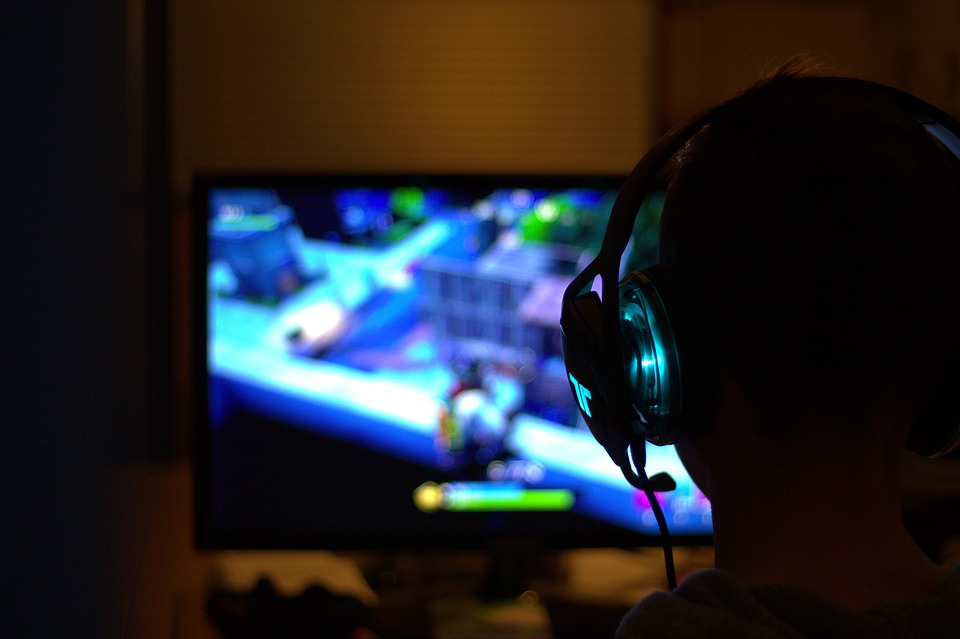
The gaming industry is always crowded with players, but accessibility changes how developers can offer products. What started as a kid-focused entertainment has shifted to cater to all kinds of preferences and audiences.
Even the simplest of games, like casino games, now adjust their offerings to ensure more people can participate. Casino games used to be seen as a luxurious entertainment, but now, many $20 minimum deposit casinos can easily be found. This is only one example of how accessibility has grown in the industry over the years.
In video games, as accessibility invites more players to engage, developers started thinking about how they can make more people enjoy what they offer. Settings now go beyond volume control. Many offers subtitles or customizable controller settings that players are comfortable using. Some games even offer brightness control.
Mainstream developers feel the need to step up when it comes to accessibility. They wanted to become more accommodating. This can be for those with visual impairment, anxiety disorder, motor control issues, and others.
The industry has seen massive growth over the last couple of decades. More players with disabilities are joining the gaming community due to these changes.
Localization is also a part of what developers need to consider. Many games now come with language customization. They allow players to choose which language they’d like to hear for the voicing and subtitles.
These changes don’t cater only to players with disabilities. They also ensure players can enjoy the game regardless of their circumstances. Maybe some players are entering the games after staring at a computer for a long while; the customizable brightness will be handy. If the player is in recovery after injuring their hand, the controller mapping will help them adjust.
Social Media Features
Social media might have started as a way for people to connect to others without having to be physically in the same room. However, social media has now also become a place where people can do business. People can create content to be an influencer, and much more. Slowly, social media became the preferred platform for consumers to find entertainment.
On one side, accessibility makes social media easy to use for all kinds of audiences. Whether the audience has any form of impairment, these platforms ensure there’s a feature they can use to digest the content.
This is why social media platforms also give users the option to build inclusive content. Users can include captions for viewers who are hard of hearing or deaf. Therefore, the content creator can deliver the message to any type of viewer. Meanwhile, the audience can enjoy the content regardless of who the creator is.
Some social media platforms also provide an auto-translation for content. They’re still limited, as complex sentences or technical terms are still often mistranslated. Still, it’s a new feature that users can utilize to give more accessibility to their content.
Another feature that social media platforms feel the need to provide is the ability to give easy access to posted links. Some platforms are still lacking in this area. Yet, it’s definitely a demand from users as they’re used to increasing accessibility in this digital era.
Streaming Platforms
Streaming platforms were a big shift in the entertainment industry and media. With technology opening the path for accessibility, the entertainment industries realize that they need to utilize technologies to better cater to their audience while expanding their target market.
Streaming platforms were the result, but they didn’t exist solely for enhancing distribution. It changes how creators can have control over their creations to give the audience meaningful content.
The existence of streaming platforms fosters a more dynamic and connected ecosystem. The live feature has slowly become a powerful force in the industry, changing how people enjoy events. Now, live streaming is a feature used by multiple industries, from sports to music concerts.
However, they didn’t stop at just providing better content. Multiple streaming platforms offer personalization to give better recommendations for their audience. It’s easier for users to find content suitable for their taste based on the content they regularly enjoy.
Some other platforms, like Spotify, also enhance how creators and musicians profit from their creations. They implement and improve their subscription or ad-supported models. These changes ensure the platform and artists can maximize revenue.
Creators will be equipped with tools that can help them monitor their revenue. For example, most platforms offer real-time analysis and audience insights. There are also direct communication channels that can help artists improve fan engagement. Combined, these platforms have evolved to be the perfect way for artists to run a business.
