

Oliver Darcy pulled off something last week that I know firsthand is difficult to do. He put a newsletter’s worth of sources on stage, sold tickets, and turned years of scoops into a live event. Wednesday’s inaugural Status Summit at the Times Center provided a snapshot of an industry that is fractured, targeted, optimistic, frustrated, hopeful, and candid. I was in the room for most of it, and have a lot to unpack.
Before I dive in, let me make something clear. Many of the speakers at this event represented what some label the left or liberal news media. But I don’t care about right and left labels. I believe our role in covering the news media industry is to treat folks from all sides respectfully, ask questions about relevant issues and experiences, and focus on what unites us: the broadcasting business.
I had the pleasure of meeting Brian Stelter at the show, and told him during a brief hallway chat that if someone works in print, radio, TV, digital or advertising, knows the business, and has a story to tell, we want to talk to them. People with strong political views are going to support those who they agree with and rip those who see things differently. I’m not trying to change anyone’s mind, I’m just trying to focus on issues that matter to industry professionals. If someone’s views or personality turns you off that much, don’t read it. We have plenty of other stories for you to consume.
An Impressive Guest List
Meredith Kopit Levien and Nicholas Thompson opened the day talking about subscriptions and AI. Brian Williams and longtime producer Jonathan Wald talked about what’s left of primetime. Kara Swisher and Andrew Ross Sorkin stopped through. Julie Pace and David Remnick discussed covering Trump. Nicolle Wallace took aim at conservative media. Don Lemon and Mehdi Hasan made the case for life after cable. Tyler Denk showed up representing beehiiv, the platform quietly becoming a force for many across the media business. His fifteen minute presentation was outstanding. Wendy McMahon, Kaitlan Collins, and Rebecca Kutler all played roles in important conversations. The guest list read like the group chat every media reporter in New York wishes they were a part of.
Despite being two years removed from CNN, Oliver Darcy has built enough trust that he can get executives and top talent into the same room. That’s what relationships can do. It also shows that the newsletter-to-platform pipeline that beehiiv has been selling isn’t theoretical anymore. It’s how you build power in the industry now.
The AI Battle
Meredith Kopit Levien didn’t hedge. She told the room that any AI company training models on the New York Times’ journalism needs a commercial agreement with the paper. Her exact words were “the Times isn’t letting anyone off the hook.” The Times is suing OpenAI, Microsoft and Perplexity while simultaneously doing licensing deals — Amazon’s already one of them — which tells you the strategy isn’t “no AI,” it’s “pay us first.” Nicholas Thompson of The Atlantic approached the topic from a different angle: Google’s changed the terms of the relationship with publishers, search referrals are down, and the old bargain where you gave it your content for free traffic no longer works.
Both of them are right, and neither has fully solved it. Subscriptions are vital to both outlets, and each says there isn’t a ceiling on subscriber growth. If true, that’s different from what many others in media are experiencing. Where I’d push back is on the difference between “we haven’t hit the ceiling yet” and “there is no ceiling.” Publishers who have built destination brands are surviving AI disruption better than those who rely on search traffic. That’s a lesson our industry, radio included, should be taking notes on. If your business model is “pray to the algorithm gods for help,” you don’t have a business model.
Strong Political Viewpoints
Nicolle Wallace, Don Lemon and Mehdi Hasan spent a large part of the afternoon ripping conservative media, Trump coverage, and in Lemon’s case, his old employer, CNN. Lemon specifically called out Scott Jennings’ hire, arguing CNN pushed him out while keeping a commentator who shares harsher opinions. Wallace predicted Tucker Carlson will run for president in 2028 and explained why she won’t carry Donald Trump’s speeches live. Hasan discussed the freedom of not answering to a corporate parent, and the cost of that freedom, including what he’s paying for defamation insurance.
This summit showcased how one side of the industry views specific situations. One of the stronger, more useful moments was Lemon and Hasan’s points on the business side: both are running lean, majority subscription-funded companies. They believe being let go was the best thing to happen to their careers. Sometimes when accomplished people lose valuable jobs and platforms they can feel lost without them. For anyone going through it, Lemon and Hasan’s perspectives were worth hearing. The safety of a big paycheck, large platform, and shrinking audience isn’t as safe anymore.
News Making Moments
Brian Williams and Jonathan Wald’s conversation on the shift from primetime to streaming was one of the sharper sessions of the day. Williams said 60 Minutes could use a refresh and questioned why the broadcast still takes summers off. Wald, pressed on the ousting of Bill Owens and Scott Pelley’s exit, and didn’t dodge the obvious metaphor about breaking eggs. He’s not convinced that Bari Weiss is bad for the news business. That drew a reaction, since it wasn’t the popular opinion.
Don Lemon shared with Darcy that a deal with Amazon Prime to air his content is forthcoming. Rebecca Kutler explained that MS Now is in stronger shape following the spin off than it was prior to it. She also went in depth on why Hasan Piker hasn’t appeared on the channel, how she handles disagreements over airing Donald Trump press conferences, and why the brand is prioritizing a DTC strategy.
Wendy McMahon, the former CBS News exec also made headlines. She acknowledged that she knew the editorial reset that awaited CBS and 60 Minutes prior to exiting the company. McMahon said that she is trying to be fair and keep an open mind to Bari Weiss’ decisions, but a few so far have surprised her.
Though McMahon’s comments on CBS were likely to produce headlines, her insights on local television newsrooms, the need for new business models, beehiiv’s growing presence, and protecting broadcast licenses were very interesting. Watch the video below to catch up on what you missed.
The Bigger Picture
The summit provided a reflection of how the media industry looks in 2026 through one particular lens. AI is forcing publishers to value their own journalism and fight to protect it. The loudest voices in political media have picked teams and stopped pretending otherwise. Those keeping television alive are the people who left it. Subscriptions and direct relationships with audiences are the only real insurance policy.
However, what the New York Times and The Atlantic can do is far different from what many in local cities experience. Each is built for the modern day media industry. But too many existing groups play defense rather than offense.
Case in point, companies flocked to social media platforms in the early 2000’s, built them up, and then learned a valuable lesson. When those platforms got stronger, legacy groups were shut out, forced to spend to reach their fans. How did many in the media world respond? By prioritizing search, video, and other non-owned locations.
Suddenly, AI is born, search gets crushed, and the response is to pivot to newsletters, subscriptions, podcasts, and apps. But what happens when the companies controlling the inbox, and the platforms where content appears follow the strategic blueprint created by social media companies? Newsletters and subscriptions could be damaged too if the landlords change the rental rules. If Spotify and Apple installed licensing fees to creators and companies to post content, media groups would be scrambling as well. As long as groups rent rather than own, we’re always a step away from dealing with business turmoil.
Oliver Darcy built a room that gathered smart people to examine the present day challenges facing news media talent and decision makers. It was a strong first swing at a live event. I’m looking forward to seeing what awaits in year two.
Barrett Media produces daily content on the music, news, and sports media industries. Sign up for our newsletters to stay updated and get the latest information right in your inbox.
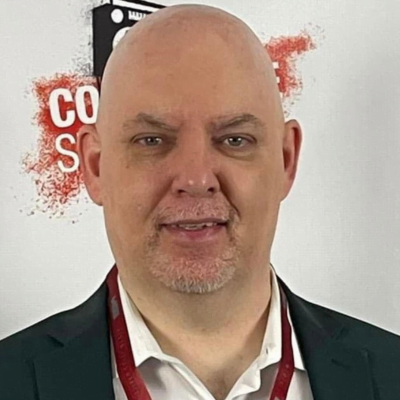
“…speakers at this event represented what some label the left or liberal news media.”
then:
“The loudest voices in political media have picked teams and stopped pretending otherwise.”
so…
one of the “some” is Oliver Darcy.
Oliver is open about his views as are reporters working for right leaning outlets. Nothing wrong with that. As it pertains to Barrett Media though, we’re focusing on news media not politics, and we welcome conversations with everyone regardless of political affiliation or viewpoints.