

A couple of years ago, my family and I decided we needed to do something special. Taylor Swift was touring, and honestly, we wanted to see her perform. So we started looking at U.S. tickets…Yeah. That wasn’t happening.
So we did what music tourists do — we looked elsewhere. What if we looked internationally?
Taylor Swift was playing in Paris, and here’s the thing — the tickets were significantly cheaper than anything we could find in the States. Suddenly, an idea that sounded absolutely ridiculous on its face — let’s fly to Europe to see a concert — actually made economic sense. The savings on the tickets helped subsidize a family vacation to Paris.
I didn’t know it at the time, but I was participating in something that now has a name: music tourism.
Think about what that one decision created. We didn’t just buy concert tickets. We bought airline tickets. We paid for hotel rooms. We ate at restaurants. We used rideshare services. We visited attractions. We bought merchandise and souvenirs. My family injected real money into another country’s economy because Taylor Swift was playing a concert there.
But that’s only one version of what music tourism actually looks like.
Muscle Shoals: Sometimes the Music Already Happened
I’ve traveled to Muscle Shoals, Alabama. And here’s what’s interesting — you don’t need a major concert happening that night to be a music tourist.
The attraction is where the music was made.
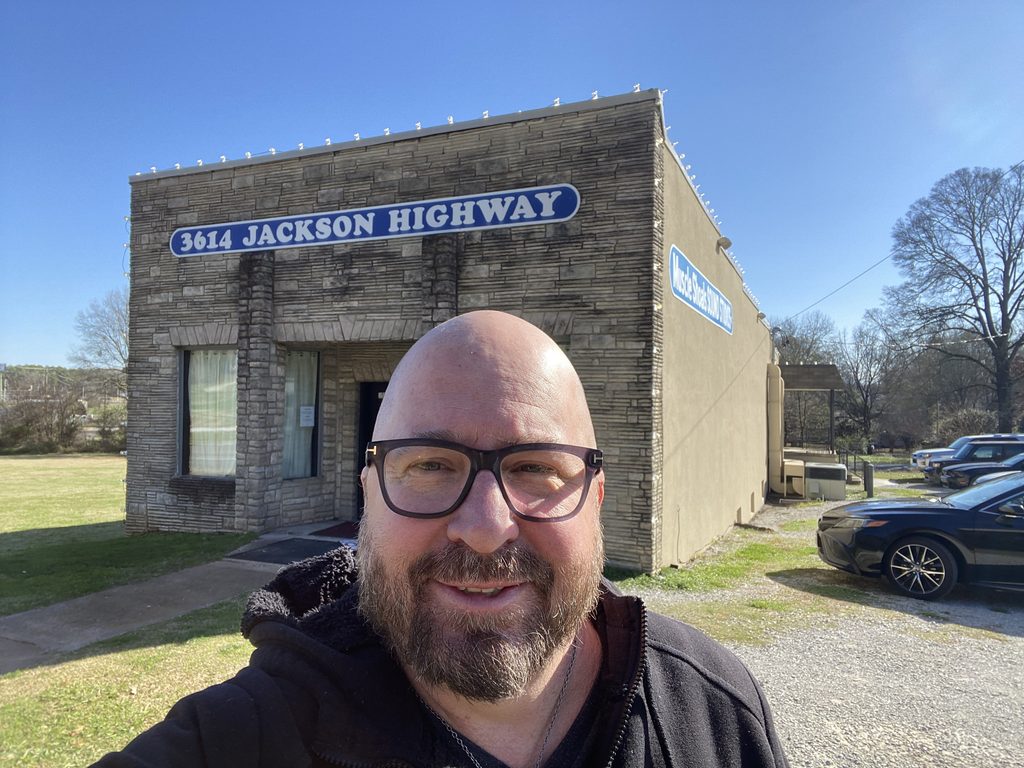
People travel to Muscle Shoals because they want to walk into FAME Studios or Muscle Shoals Sound and stand in the spaces where records they love were created. They want to touch the history. They want to feel connected to the artists who’ve stood in those same rooms.
That’s a completely different kind of music tourism than Paris.
In Paris, I traveled thousands of miles to hear the music happening right now. In Muscle Shoals, I traveled to see where the music came from.
Those are two entirely different economic stories, but they’re both music tourism.
Athens: I Was Doing This Before I Knew It Existed
My brother played in a band called Kilkenny Cats back in the late ’80s in Athens, Georgia. So I spent a lot of time there — going to the 40 Watt, seeing shows at the Georgia Theatre, hanging out with the music community that made that city special.
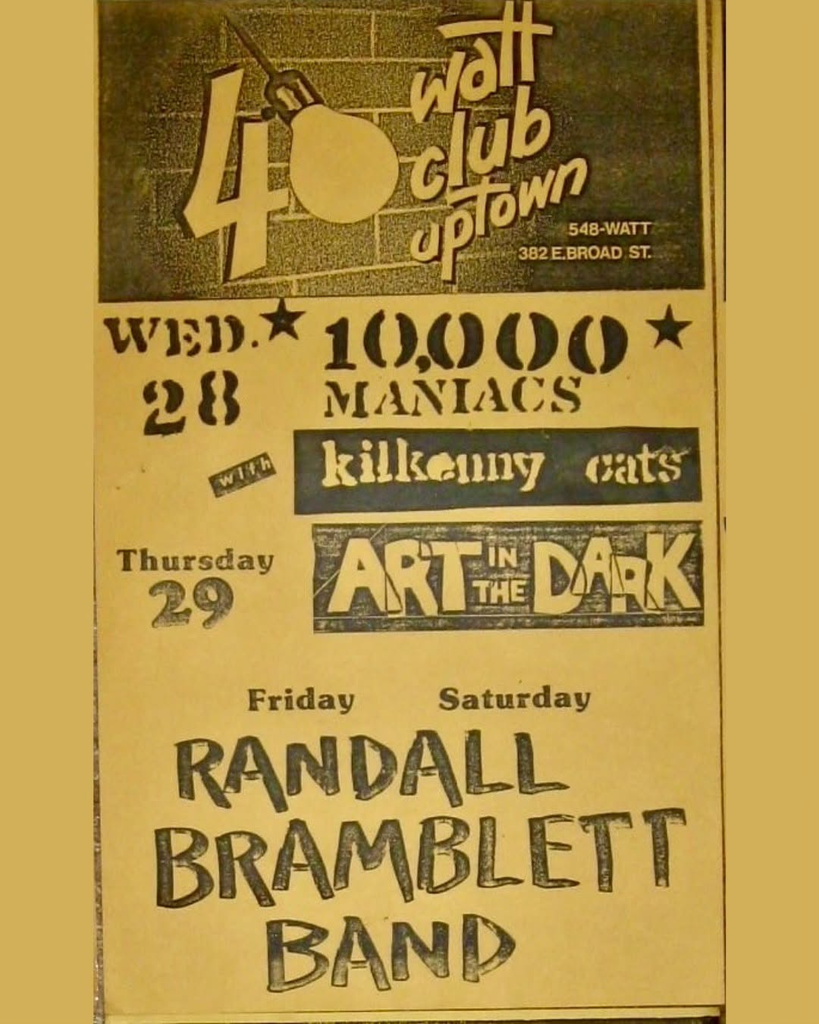
I wasn’t thinking about it as “music tourism” back then. I was just going to Athens because Athens had music you couldn’t experience somewhere else. I was eating there, drinking there, seeing bands, buying tickets, and spending money in the local economy because a music community existed there.
Nobody called me a “music tourist.” I was just a guy who kept coming back to a city that mattered because music made it matter.
But that’s exactly what I was.
Kansas City: Sometimes the Destination Is a Neighborhood
I’m in Kansas City now, and I’ve spent time at 18th & Vine — the historic jazz neighborhood that’s this incredible cultural hub.
You don’t need Taylor Swift at 18th & Vine. You don’t even need one particular artist headlining a show. The culture itself becomes the attraction.
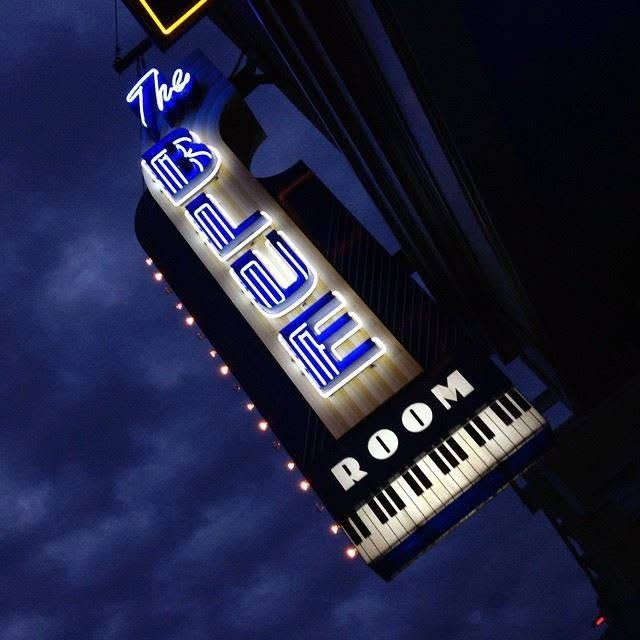
Jazz history. The clubs. The museums. The performances. The restaurants. The identity and the legacy surrounding that neighborhood — that’s enough reason for someone to spend an afternoon, an evening, or a weekend there. That’s enough reason to travel.
The Economic Story Nobody’s Really Talking About
Here’s what interests me about this.
We’re so focused on digital metrics — streams, monthly listeners, followers, TikTok views, playlist adds. All legitimate measurements. All important numbers.
But they don’t measure what happened when my family got on an airplane to Paris. Spotify doesn’t count the hotel room. YouTube doesn’t count dinner before the concert. A monthly-listener number doesn’t measure somebody flying to Alabama to tour a recording studio. An Instagram follower doesn’t tell you what someone spent during a weekend in Athens.
There’s an entire economic footprint that those metrics just ignore.
A fan can generate money for airlines, hotels, restaurants, rideshare companies, museums, bars, venues, and entire neighborhoods — all because they want to experience music in a specific place.
Suddenly a small venue or a historic studio has economic significance far beyond its ticket revenue. Suddenly preserving a recording studio isn’t just an artistic issue — it becomes economic development.
Think about the destinations that matter because of music history: Muscle Shoals. Athens. 18th & Vine. Memphis. Macon.
They’re places people choose to visit because music happened — or continues to happen — there. That means the decision to support a small venue or cultivate a local music scene affects more than just the local music community. It affects tourism. It affects hotels and restaurants. It affects the entire local economy.
I Was Already a Music Tourist
I went to Paris because I found cheaper Taylor Swift tickets. I went to Athens because my brother played in a band. I visited Muscle Shoals because I love music history. I’ve spent time at 18th & Vine because I’m in Kansas City.
Different trips. Different eras. Different kinds of music. Different reasons.
But they’re all the same thing. They’re all music tourism.
Look, maybe I’m late to the definition party. But I’d be willing to bet there’s a whole bunch of people reading this who had no idea this is what they were doing either. If you’ve ever traveled somewhere because of music — to catch a show, to visit a historic studio, to experience a music scene — you were doing it. You just didn’t have the label.
I’ve been a music tourist my entire life. I just didn’t know there was a name for it until now.
Barrett Media produces daily content on the music, news, and sports media industries. Sign up for our newsletters to stay updated and get the latest information right in your inbox.
