

I used to make the annual pilgrimage to South by Southwest. Free drinks, free barbecue, and I got to convince my boss it was a business necessity. It was a pretty good gig.
One year I pitched something different: forget the music side. Let me go check out the digital and interactive convention instead. I had been watching the money and the excitement slowly drain from traditional music and flow toward the tech world. The same artists were showing up in both rooms. Music and technology were clearly crashing into each other.
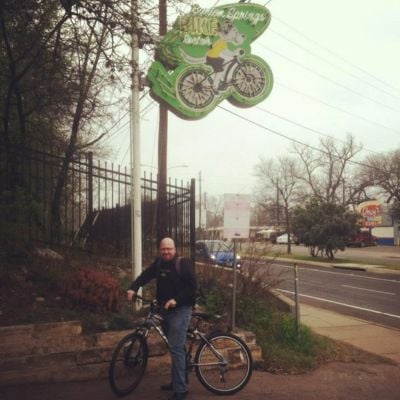
So my digital initiatives manager, John Laur, and I rented bicycles and started pedaling between panels in Austin.
And I kept thinking the same thing over and over: Radio already does this. They were talking about discovery. Building audiences. Creating community. Connecting artists with fans. Giving people reasons to show up every single day.
The technology was different. The problems weren’t.
Now, I wasn’t dumb enough to raise my hand in a room full of tech people and announce that radio had all the answers. We were already getting looks that said, “Why are the radio guys even in this room?” But sitting there, I recognized something. These companies were trying to solve problems radio had already figured out decades ago.
What’s Happening Now
Fast forward to today, and here’s what’s interesting: Spotify and Apple Music have slowly stopped being about unlimited music libraries. Don’t get me wrong — that was huge at first. On-demand anything, anytime. Personalization. Data. Those were real advantages.
But lately? They’re building radio.
Spotify has personalities now. Curation. Artist relationships. Apple Music has radio shows. Live performances. Curated programming with actual humans talking about why something matters. They’re adding context. They’re trying to build an experience around music instead of just a jukebox.
The funny thing is, I don’t think they were studying old broadcast radio manuals and saying, “You know what we need? We need to be more like terrestrial radio in 1995.” They probably had the same insight we all had: people don’t just want songs. They want somebody to help them understand why they should care.
And that’s always been radio’s thing.
Radio had personalities. Not just playlists — actual people with opinions, taste and perspective who could take a song and make it matter. Radio had curation. A program director wasn’t just hitting shuffle; they were thinking about flow, about what came next, about what the audience needed to hear. Radio had artist relationships. We didn’t just play the song; we understood the artist’s story. Radio had something that’s harder to build: trust. When the air talent said, “You’re going to like this,” there was actual credibility behind it.
The Distraction
The challenge was that we got distracted.
Digital music platforms showed up with obvious superpowers: unlimited libraries, perfect personalization, no geographic constraints, data on everything. And radio spent years — still spends years — trying to copy what they do. We built websites. We added streaming. Then added social media. We’re still chasing their metrics.
And that’s not dumb. You can’t ignore technology. You have to compete. But somewhere along the way, maybe we stopped noticing what we were actually good at.
A playlist is easy to duplicate. Any algorithm can make one. What’s harder is building a relationship. Anyone can recommend a song. Not everyone can make somebody care about it.
The Advantage
Radio’s advantage was never that we had more music. We didn’t. Our advantage was that somebody was there helping listeners make sense of the music. We were the filter. The trusted voice. The person who said, “Yeah, I know there’s a million songs out there, but this one matters, and here’s why.”
Streaming services have figured out that problem is worth solving. So they’re hiring people. Creating personalities. Building shows. Adding context. They’re becoming, essentially, radio companies that also happen to have streaming technology.
The question I keep wondering: Do we recognize what we’ve already got? There’s a lot of hand-wringing in radio right now about consolidation, about technology, about formats, about whether terrestrial radio still matters. And yeah, those are real problems to solve.
But I think the bigger problem might be that we spent so much time looking at what digital had that we didn’t, we forgot to notice that what we already had was something they’re still trying to build.
Streaming platforms built themselves on algorithms. That was the whole deal. But now Spotify’s uses music editors as personalities because they figured out an algorithm can’t make you care. On-demand sounded like freedom, but it turned paralyzing. Unlimited choice? Turns out people don’t want that. They want someone they trust saying, “This matters.”
Radio knew that already. Radio is that.
The real lesson is simpler than all that. People haven’t changed nearly as much as technology has. They still want someone they trust helping them find something great. They want context. And they want to belong to something. That’s just how people work.
Moving Forward
Here’s what I think matters: This isn’t nostalgia. It’s not about looking backward or pretending the past was better.
It’s about recognizing that radio had a full toolbox. We had personalities. We had relationships. And we had the ability to make music matter to people. Those were real tools.
And here’s the thing — we still have those tools now. We still have the capacity to build community, to create trust, to help people discover things that matter. The difference is that we need to actually recognize what we’ve got and figure out how to use it moving forward.
This isn’t about going back. It’s about looking honestly at our assets and understanding what radio can still do better than anybody else.
The streaming platforms figured out that personality and connection are worth building toward. They’re learning lessons that radio already knew. The question isn’t whether radio is relevant anymore. The question is whether we’re going to double down on the things we’re actually good at and keep building on the greatness of what radio can be.
I don’t think it’s too late. We just need to have a strong look at what we’ve got in that toolbox and use it.
Barrett Media produces daily content on the music, news, and sports media industries. Sign up for our newsletters to stay updated and get the latest information right in your inbox.

“These companies were trying to solve problems radio had already figured out decades ago.”
Then why are they flourishing while radio is dying? I’m not a writer for Barrett Media, by my instinct says to follow the advice of the people who are actually succeeding.