There’s plenty you can say about the Dallas Cowboys. Currently, the franchise sits in second place in the NFC East with a 4-5 record. The organization hasn’t appeared in or won a Super Bowl in three decades. It remains the most valuable franchise in the National Football League, with a reported valuation of $15.5 billion, and consistently ranks among the most popular teams in the league.
What you can also say about the Dallas Cowboys is that they receive plenty of attention on national sports television. So much so that prediction markets likely wouldn’t touch the question, “Will ESPN talk about the Dallas Cowboys today?” National radio, national television, podcasts galore. Everyone wants a slice of that Dallas pie.
But recently, there’s been pushback. Not from fans, but from the commentators themselves. Are we starting to see cracks in the long-held notion that more Cowboys chatter is good for business?
We’ve seen this formula play out for a generation. The more national shows on national networks talk about the Dallas Cowboys, the more viewers supposedly stick around. Let’s face it: The organization is the NFL’s biggest reality show because of the formula it possesses.
A national brand with plenty of legacy. An owner well past his prime who refuses to relinquish the reins as the team’s general manager. Star players with personalities that bleed through the screen.
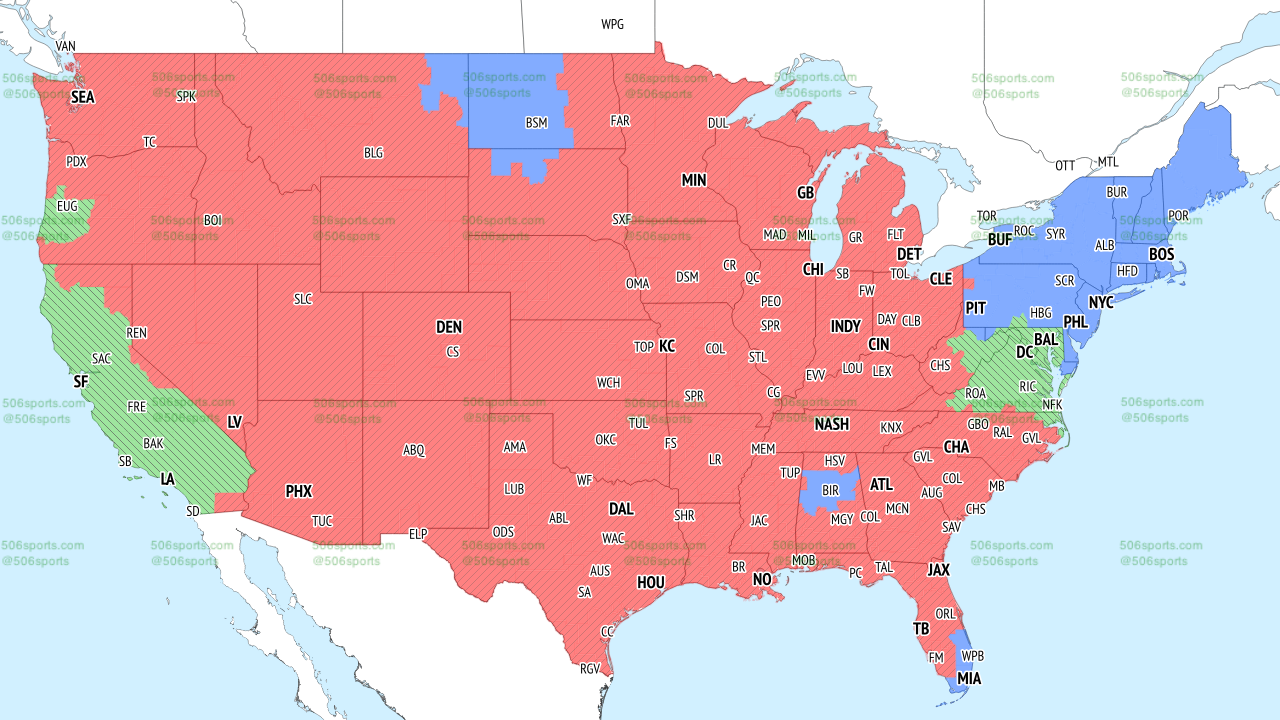
The NFL puts the Cowboys on Thanksgiving during dinner time. Networks find every possible avenue to give them prime-time television exposure. The games themselves draw numbers. Last week, FOX put the Cowboys’ matchup against the now 2-7 Indianapolis Colts in front of most of the country. It’ll generate strong viewership numbers, no doubt. Then again, most NFL games aren’t exactly clunkers when it comes to viewership, thanks to fantasy football, a lack of direct competition and the rise of sports gambling.
Shifting Interest In Big D
For as long as I can remember, sports studio shows have leaned into the narrative that more Cowboys chatter translates into more viewership. Granted, these networks rarely provide the viewing public with evidence to support that theory. Yet viewers at home are force-fed Cowboys content more than coverage of any other NFL franchise, and it’s not even close.
A perfect example came during the most recent Super Bowl. ESPN was in San Francisco for the week leading up to the game, including with its studio programs. First Take was among them. Despite a truckload of different storylines surrounding the biggest sporting event in the country, the show decided to focus on the Dallas Cowboys.
Why? Because quarterback Dak Prescott said it hurts to watch other teams play in the Super Bowl. Now, if you can count, I’m willing to bet the other 29 starting quarterbacks whose teams didn’t make the Super Bowl would say the same thing. Some probably have. But because it’s Dak Prescott and the Dallas Cowboys, First Take devoted an entire segment to the subject. Thus giving Stephen A. Smith another opportunity to have a chuckle. Cool.
Now, however, we’re starting to see some shifts in that approach. Dave Portnoy was among the first to speak out about how FOX Sports producers and executives encourage the show to talk more about the Dallas Cowboys.
“Talk about the Cowboys. Talk about the Cowboys. What has been there to talk about with the Cowboys for a decade?” Portnoy asked on a recent episode of Wake Up Barstool on FS1. “The Cowboys are not good. They haven’t been good for a long time. The big suits in their ivory towers want us to talk about the Cowboys. What do you want us to say about the Cowboys?”
Last weekend, Antonio Pierce called out the producers of CBS Sports’ The NFL Today+ by name over their insistence on discussing the Cowboys.
“The Dallas Cowboys, let’s keep it 100, they’re an embarrassment. They’re underachievers by far. We talk about them way too much for a team that’s not good enough for us to even talk about on this show,” Pierce said.
Those two instances show that network executives and producers continue to push the narrative that Cowboys coverage is a viewership winner. But is that strategy just as effective as it was two years ago? Five years ago? Ten years ago?
Time Means Change
In sports, we play the hits. What’s the biggest topic of the day? How can our programs advance the storyline and turn it into engaging conversation? But with more outlets for sports conversation than ever before and viewership becoming increasingly fragmented, is the answer to keep leaning on what might have worked a decade ago?
The Dallas Cowboys no longer command the same level of attention across the national sports conversation that they once did. That doesn’t mean the franchise has lost its popularity or its ability to draw viewers. However, popularity and programming value aren’t necessarily the same thing. Fans may still care about the Cowboys, but that doesn’t mean they want every national sports show to devote another segment to the same talking points.
That’s an important distinction for network executives to recognize. Times change. And talent are beginning to question the strategy publicly. But the bigger question is whether the people making programming decisions are willing to examine whether the formula still delivers the results they expect.
Building an audience is no easy task. It grows harder by the day. Holding on to that audience once you’ve built it is an even greater challenge.
When talent starts publicly pushing back against the direction, narrative and formula that executives have relied on for years, perhaps it’s time for those executives to listen. The traditional approach to sports television was built for a different media landscape, one with fewer choices and a much greater reliance on a handful of national voices.
That landscape no longer exists. Audiences have more options, talent has more platforms, and viewers are increasingly selective about what deserves their attention.
If the people behind the microphones are telling you the old playbook isn’t working, maybe it’s time to stop asking them to run it.
Barrett Media produces daily content on the music, news, and sports media industries. Sign up for our newsletters to stay updated and get the latest information right in your inbox.