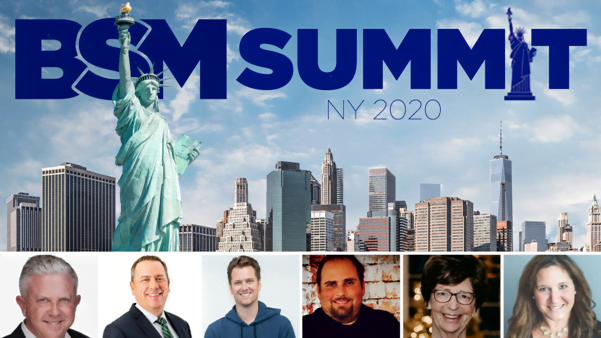
The wait is almost over. The 2020 BSM Summit takes place next week in New York City and I’m glad to see so many excited about what we’ve put together for this year’s conference. That’s what makes doing it worthwhile. I couldn’t pull this off without great partners, helpful PR people, and many talented personalities, programmers, and executives taking time to get involved. I truly appreciate your time and support and look forward to seeing all of you next week.
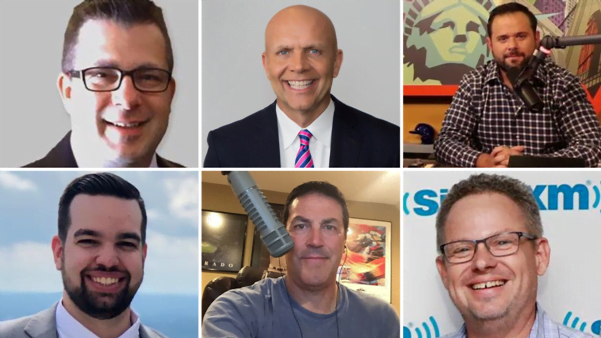
Before we get there though I want to share a little bit of news because we have some final additions to the schedule who I’m sure folks will be interested in hearing from. I am thrilled to welcome Barstool Sports’ Kevin ‘KFC’ Clancy, New York Jets radio play by play voice Bob Wischusen, WDAE PD John Mamola, 97.1 The Fan VP and Market Manager Todd Markiewicz, Katz Media’s VP and Director of Sports Marketing Lauren McHale, and Town Fair Tire media buyer Pam Kloss to this year’s show.
KFC will be part of a fantastic panel on Thursday February 27th titled ‘Media Warfare‘. It takes place from 11:20a-12p and includes Gregg Giannotti from WFAN, Damon Amendolar of CBS Sports Radio, and Freddie Coleman from ESPN Radio. Is it good or bad for business talking about teammates, competitors, and executives? I look forward to leading the conversation with this talented group.
Bob Wischusen will step into our Inside The Game panel on Wednesday February 26th. The discussion will be moderated by Cumulus SVP of Sports Bruce Gilbert and feature Westwood One EVP Howie Deneroff, 95.7 The Game PD Matt Nahigian, and SiriusXM Sports PD Jason Dixon. This panel will offer interesting perspectives on play by play broadcasts as seen thru the eyes of the radio station, and those inside the play by play booth. With Bruce guiding the ship, attendees will be in great hands.
Todd Markiewicz will step in for Joe Bell to our 2020 Vision panel which includes Susan Larkin, Dan Seeman, Tim McCarthy and Erica Farber. GM’s have to manage a lot more than talent and program directors realize, and this conversation will bring much of it to light.
John Mamola completes our roster for the 30 in 30 session which I’m really looking forward to. It’s scheduled to be our final session of the Summit, and the goal is to provide the room with 30 ideas in 30 minutes. Having 10 PD’s/GM’s participate and offer different ways to elevate the buzz, ratings and revenue of a brand will be a lot of fun.
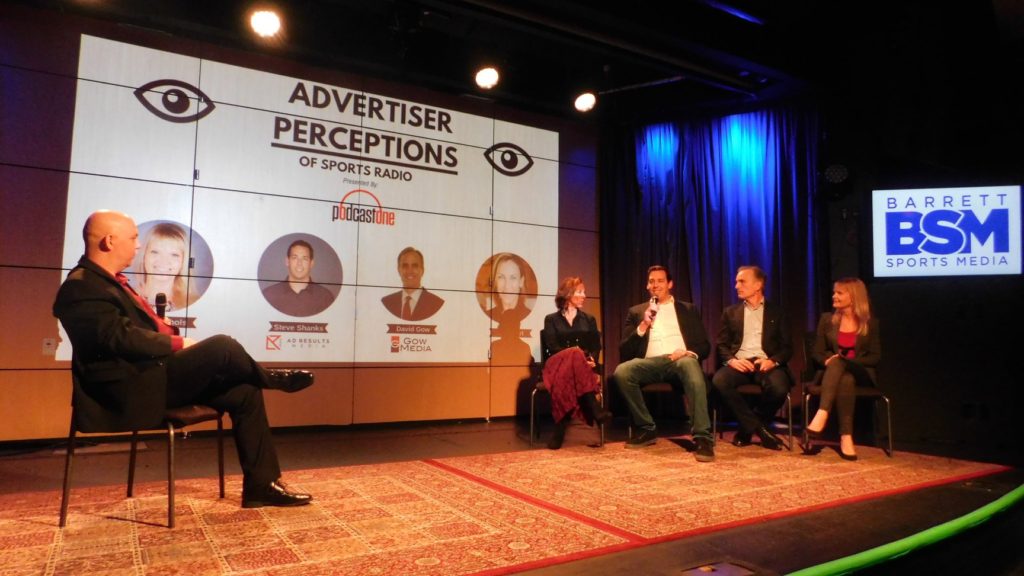
Lauren McHale and Pam Kloss sign on to join Premiere Networks and FOX Sports Radio SVP Don Martin for a conversation on sports radio advertising. What do clients want, value, disregard, and wrestle with when determining whether or not to advertise on a brand? We’ll get those answers on Wednesday February 26th from 2:15p-2:50p.
For more information on the Summit visit https://bsmsummit.com. I look forward to seeing everyone next week as we continue the crusade to make the business better for all involved.
Planning this year’s 2020 BSM Summit has been far more demanding than our 2019 show in Los Angeles. What you see in the final presentation is only half of what’s been pursued to make sure we leave a permanent mark on New York City on February 26th and 27th.
Over the next week you may notice lesser social media activity from yours truly. Content will still be provided daily on the website but if I disappear from your Twitter, Facebook or Linkedin timeline for an extended period of time, understand that I’m deep into the process of making sure we have every detail covered to execute a successful Summit.
You probably thought we were done announcing all of our speakers for this year, but I always like to leave a few final additions for the very end. I may even have a few others to share next week so stay tuned. If you work in the sports radio industry and haven’t bought a ticket to this show, what are you waiting for? I promise you, there isn’t another event that focuses on this format and brings together this many smart, talented decision makers in one room. If you’re invested in your career, expanding your knowledge, and increasing important relationships, you have 3 days left to purchase your ticket. To do so, visit https://bsmsummit.com.
But now it’s time to tell you a little bit about the latest additions to our schedule. I’m pleased to welcome Entercom’s President of Sports Mike Dee, WFAN morning host Gregg Giannotti, 95.7 The Game Program Director Matt Nahigian, SiriusXM Sports Program Director Jason Dixon, 93.5/107.5 The Fan Program Director and Morning Host Jeff Rickard, and 102.5 The Game Program Director Ryan Porth to this year’s BSM Summit lineup.
Starting with Mike, he joined Entercom in May 2017 after previously serving as President and CEO of the San Diego Padres and Miami Dolphins. He also spent time as the COO for the Boston Red Sox. In his current role he has executive oversight of the company’s sports business enterprise with a focus on the company’s relationship with its extensive portfolio of professional and collegiate teams, revenue development from national sales and marketing programs and expanded distribution through both audio and digital initiatives. Mike has also been involved in the creation of Radio.com Sports and will offer his insights on Wednesday afternoon in our sports betting panel.
Gregg Giannotti, has smoothly settled into mornings on WFAN with Boomer Esiason, consistently delivering great ratings, and greater laughter. Boomer and Gio were recently voted the #1 major market morning show of 2019 and I’m thrilled to have Gregg take part in a very interesting panel we have planned for Thursday on the pros and cons of media warfare.
Matt and Jason are programmers with extensive experience in the sports talk format. Matt’s career has taken him to San Francisco after spending time in Philadelphia and Northbrook, IL where he programmed for the now defunct Sporting News Radio network. Jason works in Washington DC for SiriusXM after previously programming stations in Detroit, Raleigh, Tampa, and Jacksonville. Both Matt and Jason will be part of a Wednesday panel with a strong focus on maximizing play by play.
For Jeff and Ryan, they both program their respective brands, but also lend their voice to the airwaves to engage with fans. Jeff works in Indianapolis but has also enjoyed stints in Salt Lake City and Denver, in addition to hosting shows nationally for multiple sports radio networks. Ryan on the other hand has worked his way up the ladder in Nashville going from intern to PD. In that process he added on-air duties too. Jeff will be involved moderating our national sports talk conversation on Thursday, and Ryan will be part of our final session, one which will see 10 program directors and general managers on stage at once. It’s sure to be entertaining.
It’s that time of year again. Yes, it’s baseball season. Time for you to get back to work calling games.
Let’s face it though, its’ been a while since you cracked a mic to do a baseball broadcast. All winter you’ve been calling basketball, football, hockey or something else to keep you sharp. The problem, none of those sports replicate the pace and cadence of a game on the diamond. It’s good that you’re keeping yourself in a game calling frame of mind. That’s important. Don’t sweat it, you might be rusty, but there are ways to get ready well before that first call of the year.
One of the best ways to stay prepared and ready to go before the season even starts is to pay attention to what is going on with your team. Stay on top of the moves, trades, signings and storylines. This is essential to your “storytelling” and makes you sound like the expert on your club. Make some calls in the off-season, get to understand the why’s and how’s that went into the transactions. Some of the information won’t be used on air, but it’s great to have that background knowledge. Get to know some of the new players or staff so you have a head start going to Arizona or Florida. You’ll be ahead of the game for sure. Keeping on top of this information will make it easier to get back in the booth.
I mentioned this a few columns ago, but podcasting is also a great way to stay on top of things. You get to talk the game and build a following and brand as an added bonus. It’s also a great way to keep your interviewing skills fresh and a podcast will keep you in a flow of being “on air” and producing content during your off-season. A podcast can be done on your time and continues to keep you top of mind and will attract new listeners to your actual broadcasts as well.
Baseball is so unique in its delivery style, there really isn’t a sport that mimics it exactly. Again, calling hoops, football and other sports will serve you well by staying in the frame of mind. Prep, routine and command are all things that can stay sharp by just being on the air. After some time off you need to get back in the swing of putting your scorebook together. Meaning the notes you like to use, stats, format and color coding of the book.
With that in mind, I suggest to watch a game or two to remind you of the descriptions and pacing of a broadcast. I would encourage this even if you are a radio broadcaster just so you can get immersed in the game again. Just seeing the field and hearing the sounds get you right back into that mindset and gets those creative juices flowing. You probably won’t need more than a couple of innings before you are calling it right alongside the broadcasters of the game, but it’s a good refresher course for the brain and your ears.
I would even think about listening back to a game you broadcast last season. Just like watching a game, listening to one you’ve done will serve as a great refresher of your own pacing and cadence. I like to do this after the season, maybe a few months after the last game just to hear what I did on a certain night. Enough time has elapsed to critique myself, make some notes and to find other ways of describing plays. I want to hear how I handled certain things and calls. This helps me to try and evolve as a broadcaster, to take mental notes about how I’d like to handle certain plays and calls going forward.
We can all learn and get better, but this is a good reminder, not only of what the game sounds like, but what you sound like. You’ll be amazed at what you pick up just listening to a tiny segment of previous work you’ve done. Keeping on top of your work can help you improve and polish your style heading into a new baseball season.
Spring Training isn’t just for players, use it to your advantage as well. Whether you’re a minor league broadcaster or major leaguer, the Cactus League or Grapefruit League can be a great time to get back in rhythm. Usually these broadcasts are less stressful than a regular season game. You can be loose and re-establish the working relationship and chemistry with your partner. Most stations aren’t broadcasting a ton of games in the exhibition season, so relish the ones you get to do!
In Spring games, the regulars very rarely play the full game. Why is this relevant? Well remember what I said about staying on top of and mastering the storylines for your team? Prospects will likely see a lot of time. Your listeners are, depending on the team, probably pretty familiar with the top guys in the farm system. Give them something other than the obvious. It’s good practice for the regular season too when may have to refer to one of these guys if they are having a good game or year.
Rust is inevitable in the first few games back from a long break. Don’t let it get to you. Don’t get frustrated. Just like anything, the more times you do it, the less time it takes you to reacclimate yourself to the booth.
After announcing 8 new participants to the 2020 BSM Summit last week, and the addition of Barstool Sports CEO Erika Nardini yesterday, we’re officially up to 56 speakers at this year’s show. If you work in the sports media industry, this is the event you should be at. Not only do you gain an opportunity to hear from successful people who’ve accomplished great feats in different areas of the industry you’re in, but the connections you make at the event are unmatched. Tickets will be on-sale for just one more week. To secure your seat visit https://bsmsummit.com.
I also want to point something out that may or may not influence your decision to join us this year, but is worth noting nonetheless. Though I haven’t decided yet if I’ll host a Summit next year (that always depends on audience and advertiser interest), if I do, I can tell you that it won’t be held in the Northeast. With this year’s show taking place in NYC, our options for next year will run five or six deep and not include any of the three cities we’ve already held BSM events in. I’ll unveil the list of cities under consideration on the day of this year’s conference, and rely on feedback from industry folks to determine which location is most appealing should we continue the Summit in 2021.
But that’s for later.
In two weeks, we’ll have a star studded cast of talented and influential people gathering inside the Ailey Citigroup Theater to share information, explore important issues, and work together on solutions to help America’s best sports media brands improve revenue, ratings, and relevance. Though everyone attending will be focused during the day on learning, at night, it’s important to make time to unwind, laugh, network, enjoy a meal and/or beverage, and meet some folks who are exceptional at what they do.
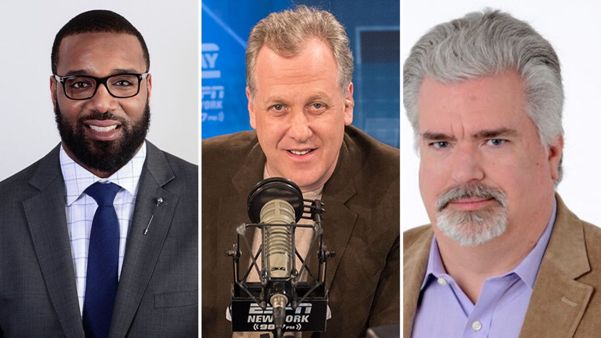
With that in mind, I’m pleased to share that our private cocktail party on Wednesday February 26th at the All Stars Sports Bar and Grill, which is presented by our friends at ESPN Radio, will include appearances by Michael Kay, Don LaGreca, and Chris Canty. Michael, Don and Chris will join ESPN Radio’s Jason Fitz as special guests at our celebration event following the first day of sessions.
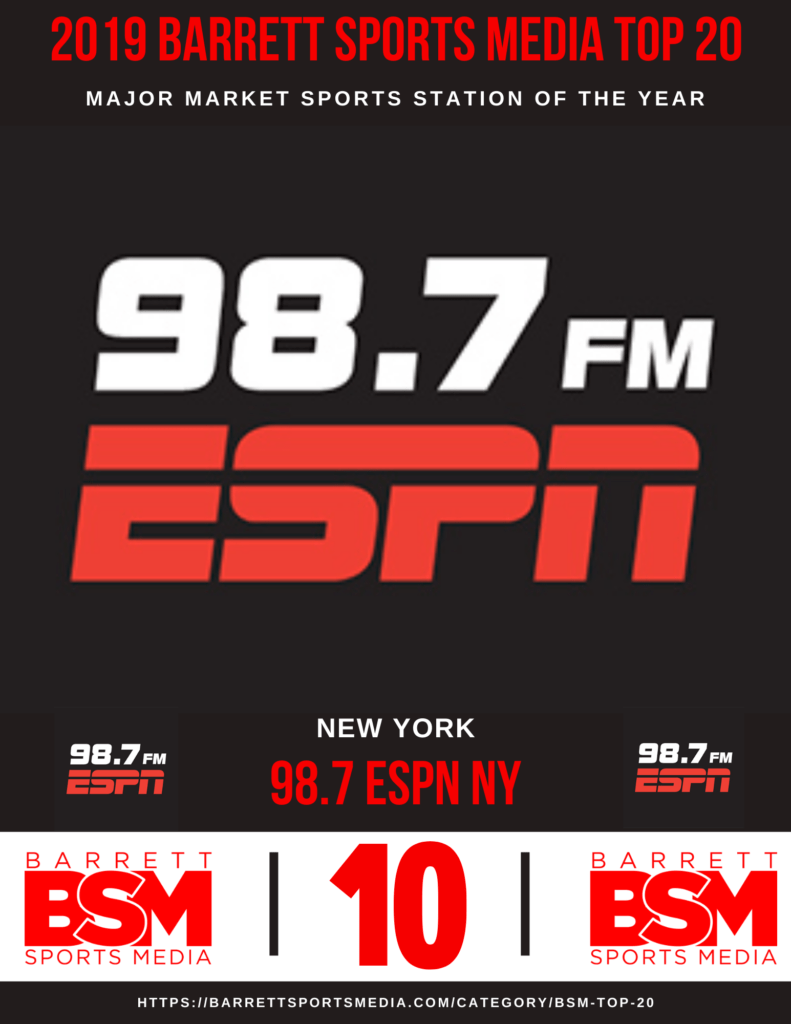
Kay and LaGreca have been fixtures on 98.7 ESPN NY for well over a decade, earning high marks for the work they do in afternoons alongside Peter Rosenberg. In fact, they were ranked the #2 afternoon show in our 2019 BSM Top 20. They finished 1st in 2018.
Additionally, Kay is known to many for his exceptional work as the television voice of the New York Yankees on the YES Network. He’s been involved in calling the team’s games for nearly 30 years including their last 5 world series championships. Don meanwhile has also called games for the NY Rangers, hosted pre/post game shows for the NY Jets, and has broken the internet on occasion with some of the funniest and most passionate on-air rants.
Chris’ path has been different. He followed a successful career on the football field by making a smooth transition to the studio. Now installed in middays with Rick ‘Humpty’ DiPietro and Dave Rothenberg, the three men have continued to make strides, earning a Top 8 finish in the 2019 BSM Top 20 Major Market midday shows.
Having these guys on hand to interact with our attendees should make for a great night after a busy first day inside The Ailey Citigroup Theater. It’s possible a few others could join the party too, so if we have any other additions we’ll keep you updated on this website and on social media.
To attend the cocktail party you must work in the media industry and have a ticket to the Summit. That ticket gets you into all of the sessions, the ESPN private party, and the Tuesday night Summit Kickoff at the Watson Hotel with Pat McAfee. For more information visit https://BSMSummit.com. I look forward to seeing you in the big apple.
Each year when I build the BSM Summit, I try to take a moment or two to appreciate how the final picture looks once the full lineup is assembled. I’ve been fortunate the past few years to attract many successful personalities, executives, GM’s, PD’s, and media professionals to share perspectives on different layers of the industry. That’s what makes the show a huge benefit for those in attendance. If you work in the media business and haven’t yet bought your ticket, this is the final week to do so. You can reserve your seat by visiting https://bsmsummit.com.
For our New York show on February 26-27, we’ve once again assembled a powerful group of speakers, but the news I have to share with you today I’m especially excited about. I love learning from successful people, and giving those who attend our conference an opportunity to do the same. When you look at the past 5 years in media, few brands have made a greater impact than Barstool Sports. Leading that movement alongside Dave Portnoy has been CEO Erika Nardini, and I’m thrilled to announce that on Wednesday February 26th at the 2020 BSM Summit, Erika will join me on stage for a 1 on 1 conversation at the 2020 BSM Summit.
Since joining Barstool Sports in July 2016, Erika has led Barstool to explosive brand and business growth as one of the fastest growing companies on the internet. It is the 6th largest podcast platform in the world with the number one sports podcast and female podcast, and the 10th largest distributed media company in the US. Barstool Sports drives 1.6 billion social views and 26 million video views monthly and 11.9 million listeners across its platforms, owning the 18-34 year old demographic.
But that’s not all.
In less than 4 years, Nardini has grown the company’s employees from 15 to 201, and its revenue to nearly 100 million. She’s helped launched over 35 brands, including breakout franchises in entertainment, sports, and sports betting.
Perhaps even more impressive, Barstool has seen its valuation increase from 10-15 million in 2016 to 100 million in 2018 to 450 million in 2020 when the company recently sold a 36% ownership stake to Penn National Gaming for $163 million in cash and stock. The casino company will pay another $62 million in three years to increase its stake to 50%. Penn National will also have the ability to buy controlling interest in Barstool at that time for an amount to be determined.
Nardini’s work has led her to be named one of Fast Company’s Most Creative People and one of the Most Powerful Women in Sports by AdWeek and Forbes Magazine. Prior to joining Barstool, she held several notable positions at top internet companies such as AOL, Demand Media, Yahoo! and Microsoft.
Barstool is known for its original takes and unfiltered view, and that approach has helped the brand become a driving force in comedy, sports, entertainment and culture. But running a company of this size with an army of critics and diehard fans requires the right vision, strategy, flexibility, and conviction. I’m looking forward to spending time with Erika and picking her brain on the present and future of the industry, and learning how she navigates the various challenges associated with operating Barstool’s business. The session is sure to be one of our Day 1 highlights, and I’m sure our attendees will take away a number of gems from the conversation.
The 2020 BSM Summit is less than 3 weeks away, but that isn’t stopping us from adding extra reinforcements for our two-day conference in the big apple. If you haven’t bought a ticket yet, I hope you will. Tickets will be only be available til Sunday February 16th. To secure your seat click here.
I’m proud of how this event has come together this year because it’s not easy to assemble, and coming off of last year’s successful show in Los Angeles, it could’ve easily gone the other way. Our speaker lineup is very strong, and when we announce the full agenda late next week, I think those coming to the show will find a lot of informative and interesting sessions to enjoy. It takes nine long months to build this show, and there are always last minute changes, additions, and unexpected twists and turns. The weeks prior to the show are the most intense with everyone wanting questions answered and last minute information provided. It’s why my month of February includes many sleepless nights.
But what makes hosting the Summit rewarding is knowing I have a chance to bring people together from all parts of the country and different areas of the media business to explore ways to elevate the industry . When I last looked at our guest list, I saw more than 40+ programmers, general managers, and executives were coming to the show and that’s pretty cool. If you’re an owner, industry executive, general manager, programmer, on-air talent, digital specialist, behind the scenes employee or seller working in the sports media industry, the information and connections available in the room at this event is unmatched. If you don’t leave the building with better relationships and more knowledge on how to increase revenue and ratings, then you didn’t pay close enough attention.
Before I share the names of who’s been added to our lineup, I want to give you a heads up to be on the look out tomorrow and Monday for two additional announcements. Tomorrow we’ll have details to share about our private cocktail party on Wednesday night February 26th. Our friends at ESPN Radio have helped secure a few more special guests who I’m sure attendees will be excited to say hello to after the first day’s sessions are complete. On Monday, I’ll be announcing another addition to our speaker schedule which I’m personally excited about. This special guest will have many in the room taking notes during her session. Stay tuned!
OK but now let’s fill you in on today’s details. We have some exciting additions to promote. I’m pleased to share that Fred Jacobs of Jacobs Media, Mike Raffensperger of FanDuel, Damon Amendolara of CBS Sports Radio, Freddie Coleman of ESPN Radio, Spike Eskin of Sports Radio 94 WIP, Rod Lakin of Arizona Sports 98.7, Jim Graci of 93.7 The Fan, and Gordy Rush of 104.5 ESPN have been added to our on stage lineup at the 2020 BSM Summit.
In Fred Jacobs’ case, he’s one of the smartest radio minds in the business. Anytime a PD or GM can take advantage of his insights and research, do it. It’ll help you a ton. Mike Raffensperger meanwhile is the CMO of FanDuel, one of the nation’s largest sports betting gaming operators. Adding Mike’s perspective to our sports betting panel will help many in the room gain a better idea of where this space is heading.
On the programming end, I’m thrilled to have Spike, Rod, Jim and Gordy join us on stage. All four represent different cities, and bring different layers of experience to the conversation. Rod, Jim, and Gordy will be part of our final session on Thursday. Spike will be involved in the opener on Wednesday morning.
Last but certainly not least is the talent. It’s personally gratifying to add Damon and Freddie to the show. I almost hired DA in 2009, and we both grew up in the same upstate NY area. Freddie and I on the other hand both worked our way up the ladder in Poughkeepsie, NY and I produced his first audition and many six hour long shows with him on ESPN Radio. Each have gone on to lengthy runs in the sports radio business, and they’ll have a lot of wisdom to share with folks in the room.
Once again, if you’re looking to join us, tickets are still available. We’ve got an action packed show already assembled, but even more firepower to be announced soon. Thanks as always for supporting BSM, and I hope to see you at the Summit.
The landscape of sports radio and radio in general, for that matter, is constantly changing. This presents challenges for sports programmers around the country. With more ways to listen to content, you have to keep up or risk getting left behind.
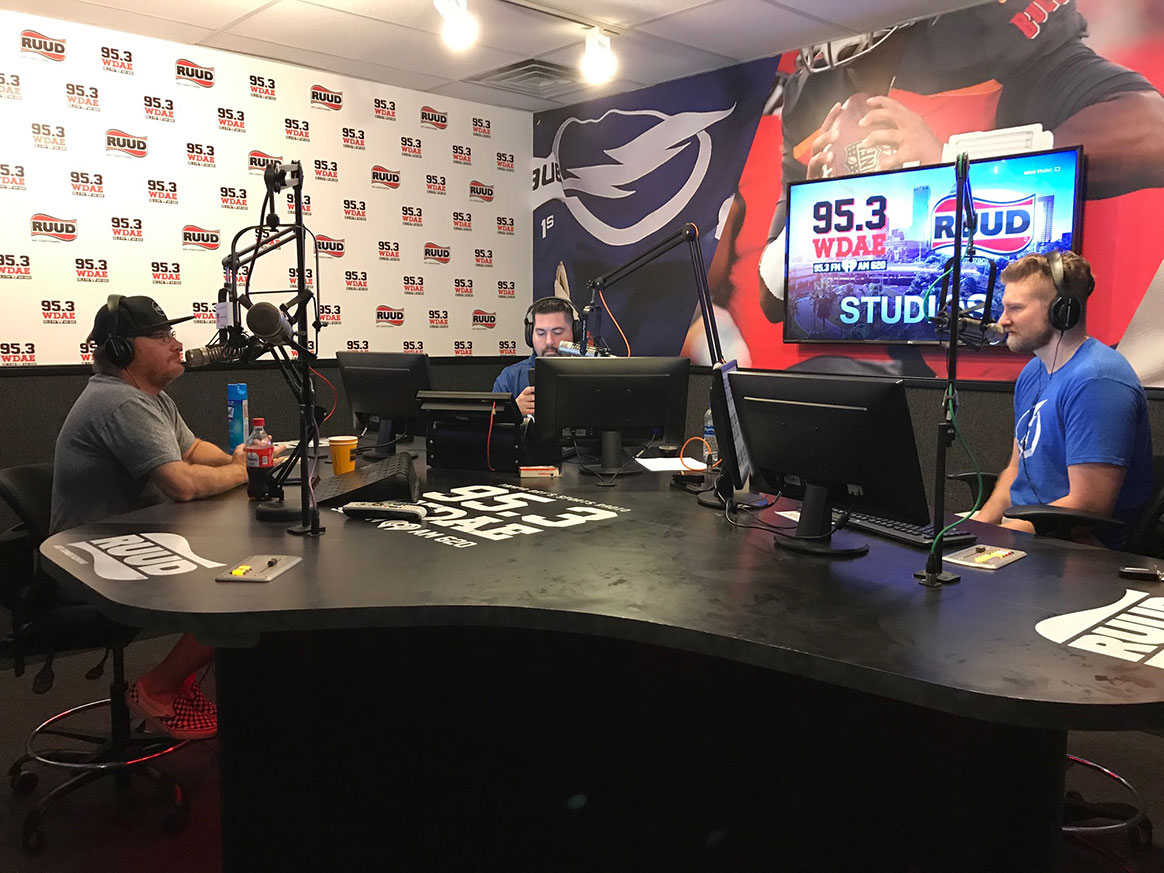
With the Barrett Sports Media Summit in New York just around the corner, we’re featuring one of those sports programmers who will be in attendance. I caught up with John Mamola, the program director at WDAE in Tampa. Mamola and I discussed the Summit and how his station is facing those challenges.
Andy Masur: What are you looking forward to in the upcoming BSM Summit?
John Mamola: Just bouncing off the one I attended in Chicago, I love hearing from guys like Mitch (Rosen, PD 670 The Score in Chicago) and on a local level Mike Thomas (new GM of ESPN 1000). Just to gather their thoughts, I mean, you know, the best of the best is who I love hearing from. Especially from a local perspective. At the same time, you know, guys like Justin Craig, Scott Shapiro, who deal with syndication and affiliates, the relationships between the local affiliates and the national syndicators. Also, how they can potentially craft their programming to a local audience if at all. That’s my biggest challenge here in Tampa. We run Dan Patrick but how can we make him as much Tampa as possible? Hearing ideas and general discussions with those guys on how exactly they do that is invaluable for me. Hearing guys chime in on their own and things that they’ve tried on a local level for national syndication.
I’m looking forward to hearing things on Nielsen and ratings and percentage of the ear and that kind of stuff. How podcasting is becoming more and more a prevalent medium for people as opposed to the actual radio in the car. Anyone who’s really associated with that, that’s definitely of interest to me.
AM: You mentioned a few names, are those the guys that you’re most looking forward to hearing from at the BSM Summit?
JM: The bigger names on the local level, so guys like Mike Thomas and Mitch, and you know, Chernoff. I’m really interested to hear from him because he didn’t attend the one in Chicago. Anyone that deals with how people are consuming sports radio is of interest to me.
AM: What did you think of the first one you attended in Chicago?
JM: It was great! I’m just happy to see that the first one was a good kickoff, starting point, for the second one. Looks like the one in LA went extremely well. I’m happy to see a third one in New York.
I also like how Jason has taken these to major markets, Chicago, New York and L.A. I’d be interested to see where the fourth one goes, if he continues to do this and I hope he does. Maybe something a little more south, maybe not so top 20, maybe something top 40 just to kind of get a different spin on things, maybe a different feel on things from the people in that local market.
AM: So how long have you been at this? Give us some of your background.
JM: I didn’t have any notion of getiting involved in radio, until i found out that my pre-pharmacy credits didn’t transfer to the university of Illinois-chicago. Not happy about that. I watched Private Parts and thought “hey that looks like a fun career!”, so I looked up the Illinois Media School, took a tour the very next day and that was the start. I got my internship at The Score, worked my way up to overnight board op, then a part time board op on the weekends, and then full-time in the mornings. Then WDAE came calling. There was an opening, I thought, “okay, well I have a kid on the way, and I just got married, so I have to start thinking career as opposed to a job.” I figured something as a programmer would be a little more stable, if there even is such a thing as stable. I’ve been here since April of ’11 and the PD since about three years ago.
AM: What are some of the challenges facing local sports radio and national sports talk?
JM: The biggest challenge for me, is I don’t truly have a head-to-head competitor. It’s not a bad thing but, at the same time, it’s not a good thing. I like competition. I’m from Chicago, where it’s MVP (ESPN 1000) and The Score going head to head. It’s a little bit of a different way of approaching things and a different way of competing. It’s all about winning the ears of sports fans in the market.
We haven’t had a real true winner (sports franchise) down here in quite a while. Fans become complacent, there are beaches to go to, and a lot of fun things to do in Tampa. That’s why attendance at Rays games has been last since well before I was born probably. The Bucs have struggled, and even though the Lightning are the hottest ticket in town, they’ve had 230 straight sell-outs, the amount of platforms they’re on here locally is not near the same amount that the Bucs and Rays have.
It’s a different sports market when you come from such a die-hard city where people are raised and their dads were raised to root for certain teams. You just don’t have that down here. It’s really interesting sometimes the balancing of hyper local with Rays, Bucs, Bolts as opposed to national stuff with Patriots, Giants and Bears and all that kind of stuff. We try to do, not necessarily a 50/50 split between local and national, we try to do, probably 70/30. just because we know that there are a lot of people down here that are just not from here.
Nationally, I think the biggest challenge for every radio station around the country is “how do I become even more prevalent in every single area where people consume media?”. Younger audiences are going to YouTube, Twitch and they’re going to different streaming outlets, you know Spotify, people listen to podcasts on Spotify. How can we continue to expand our spider web to where we’re just as prevalent with a Spotify listener or a Pandora listener? How can I get a videocast on a Twitch channel where I can reach new listeners or new viewers? I think that’s the single biggest challenge because the days of just turning on the radio in the car or having a home radio where you just listen, is becoming extinct. How do I become easier to get to right away for that person who has an hour and a half to two hour drive, instead of having to search for me.
AM: So then how do you brand your station, knowing how important the on-air product is, but also realizing the other platforms need your attention?
JM: We still are content first. My main focus is, “are we providing the best content we can at that given time?”. Are we playing the hits as much as we can? That’s first and foremost, because if you’re not doing that, then they’re not going to come find you anyway. Multiple times per hour, we remind people that, on that iHeartRadio app you can listen to WDAE live, on the go, or however you may wish, headphones, smart speakers or whatever you want to do. We actually run imaging every hour to remind people they can listen to us wherever they want to. It’s just finding different ways to make sure that everybody that’s attached to every single one of our talents and our properties has full access to whatever they may need, whenever they need it, at all times.
We’ve seen the results. We had over a million MUVs (mobile user views) last year. It was with a very strong social push with all of our talent. The biggest challenge is how do we get outside of that? We’re just trying some different things, because with technology it’s all about trying and failing. Once in a while we get a hit, then it’s about trying to build off of that hit.
AM: Is there a value, even if the teams are playing poorly, to having play-by-play on your station?
JM: Absolutely because play-by-play brings cume. That brings the potential listener that may not consume you Monday through Friday, but boy do they love Rays baseball. We’re in a great spot locally here where, every franchise is with iHeartMedia. All the teams have their own individual sticks. For example, the Lightning are on our news station, the Bucs are on our rock station, we have USF football in addition to Rays baseball. We air every Rays game, all 162 plus weekend and evening Spring Training games. The value of play-by-play is still very high. It helps you brand your station as “The home of X”, but at the same time it brings in a different kind of listener where you can hopefully use the limited space you have in that play-by-play to come back to you every morning. You do have those little windows of opportunity potentially, with every single play-by-play deal that you have. If you’re not maximizing that to it’s the greatest potential, then you’re not taking full advantage of what could potentially lead to new listeners each and every day.
AM: How much do you have to talk to your talent about keeping a play-by-play partner (the Rays in your case) happy, but still speaking the truth on the air?
JM: We have great working relationships with all our partners. The general rule is “keep it on the field”. We’ve built up a lot of clout with the Rays, so when the whole announcement with the Montreal split came up, we aired the press conference in full, that was a good 65 minutes of radio. The owner of the Rays was coming up with this concept and trying to sell the media and answer a lot of questions. At the same time, we’d be lying to our audience if we were all 100 percent on board with it. The only direction I gave my talent was, at least let the man have his say first. He said his peace and our talent reacted as such. Honestly the organization wasn’t happy with the reaction, but at least they knew that we would be willing to at least give it a chance. I know there are some sports stations that you have to walk a line and you can’t go over it. For us down here there really isn’t a line. We all understand the business we’re in, and we all want to win. We may have disagreements, but we’re just talking sports.
We don’t lay off anything. It is what it is. We’re talking about sports. We’re talking about games that grown adults play, so we can all have our own opinions on things and i think the franchises understand that.
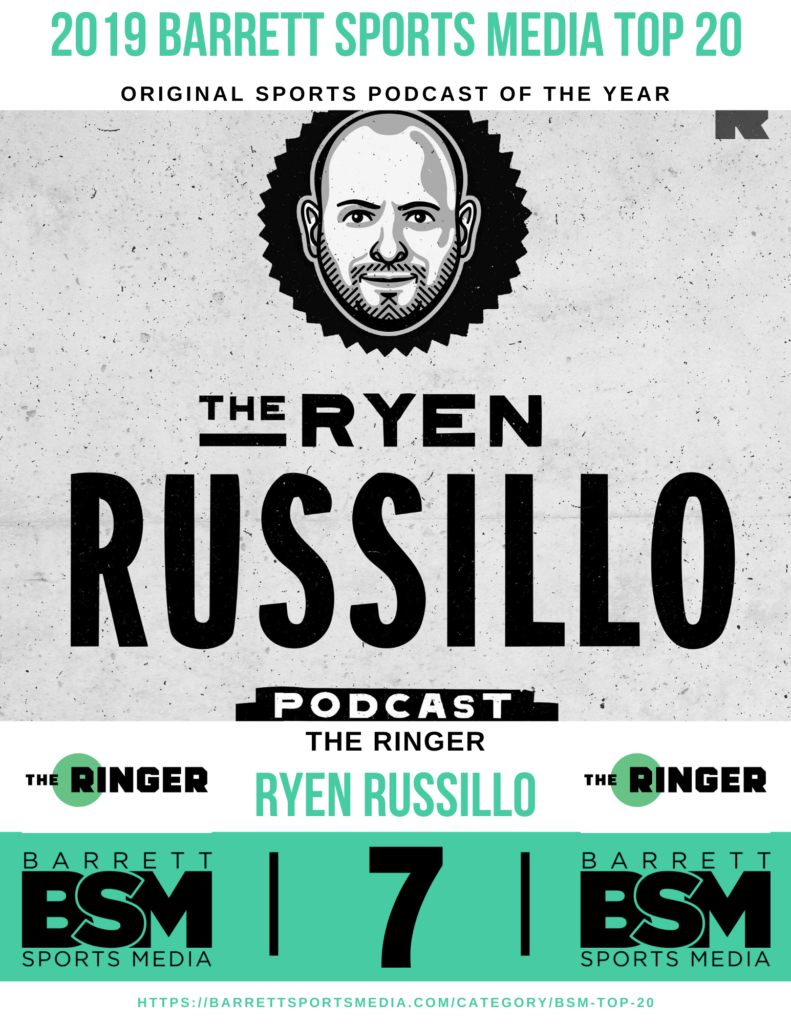
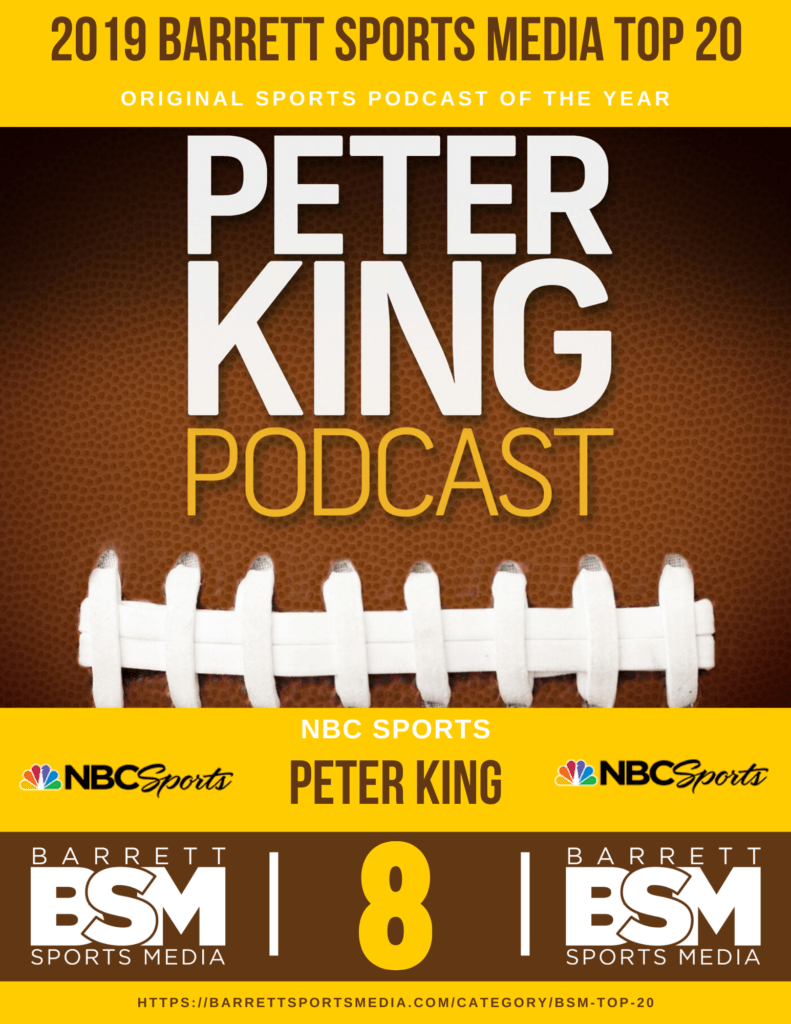
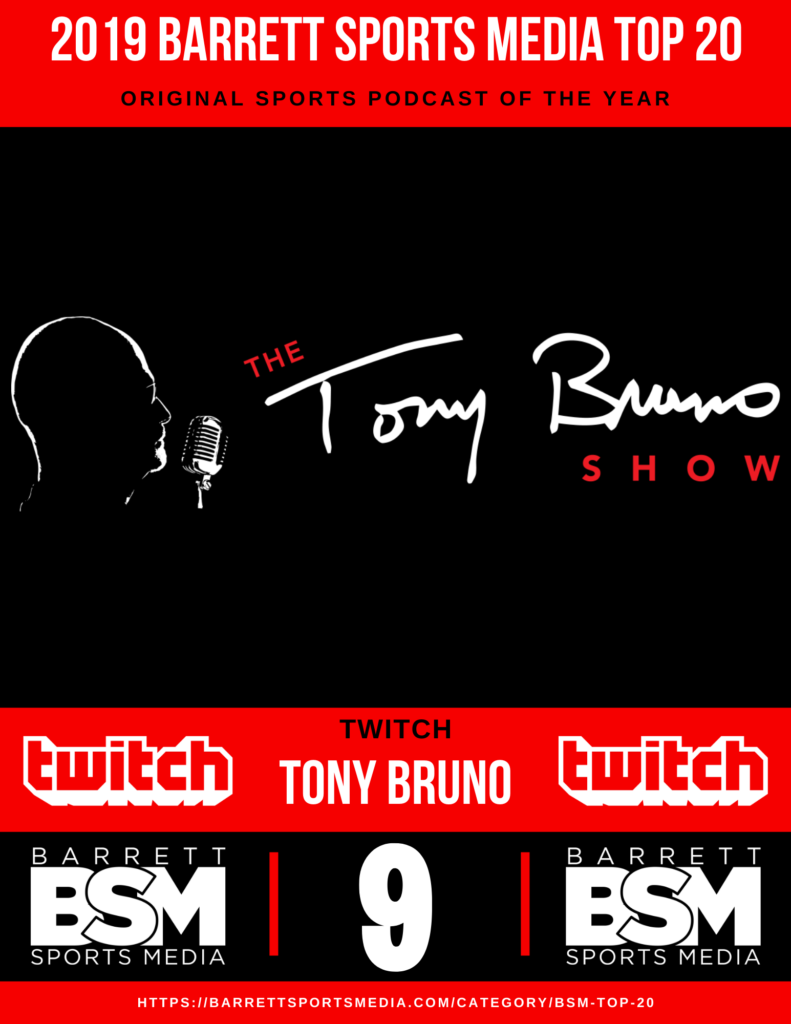
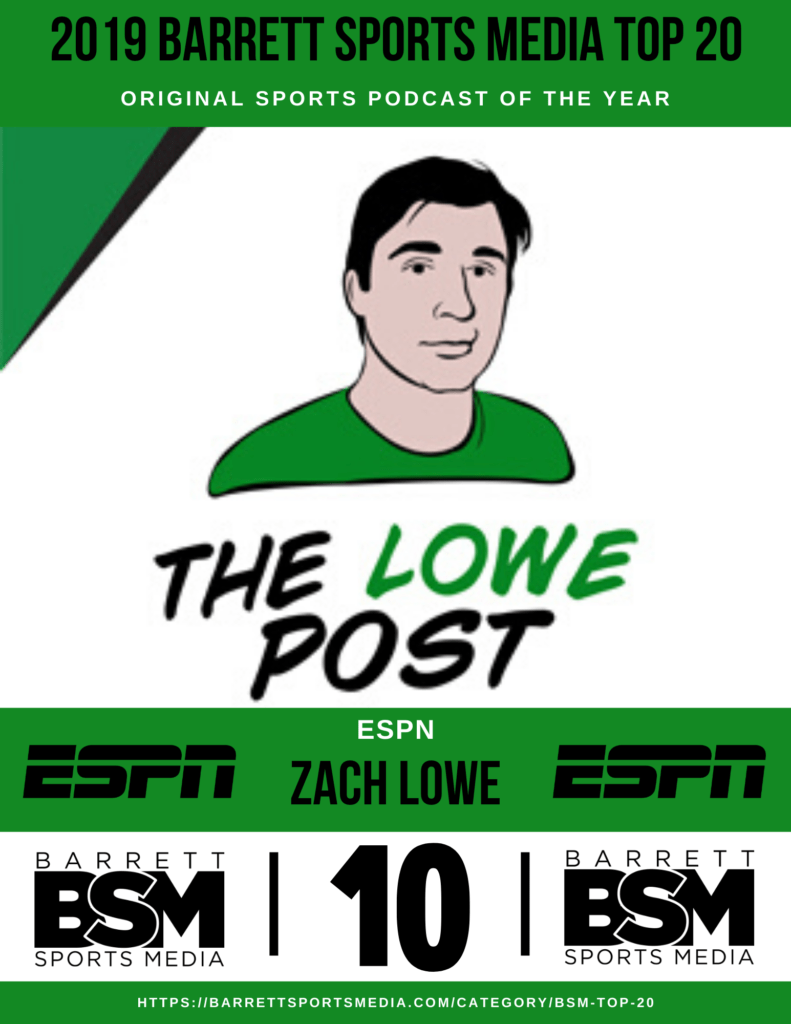
The 7th and final category of our 2019 Top 20 series has arrived. We shift our focus today to the digital audio space in order to recognize the Top 20 Original Sports Podcasts of 2019. This category was by far our most crowded with a total of 89 podcasts eligible for voting consideration. One thing to address up front is that we are highlighting ‘Original’ digital audio content in this category, not re-purposed radio shows available in digital form.
Before you scroll ahead to see who made the list, be advised that our Top 20 results are determined by a panel of radio industry professionals. Yours truly (Jason Barrett) does not vote on the awards, I simply recruit the voters, collect their feedback, add up the votes, design the images, and present and promote the results.
Given how different podcasting success is measured versus radio, we gave our panel the freedom to make their selections based on the shows they listen to and enjoy most. Given that each individual has different tastes and lives and works in a different region of the country, that makes the process an inexact science. Nonetheless, this is a collective snapshot of what people in leadership positions think of the best sports digital content, brands, and talent.
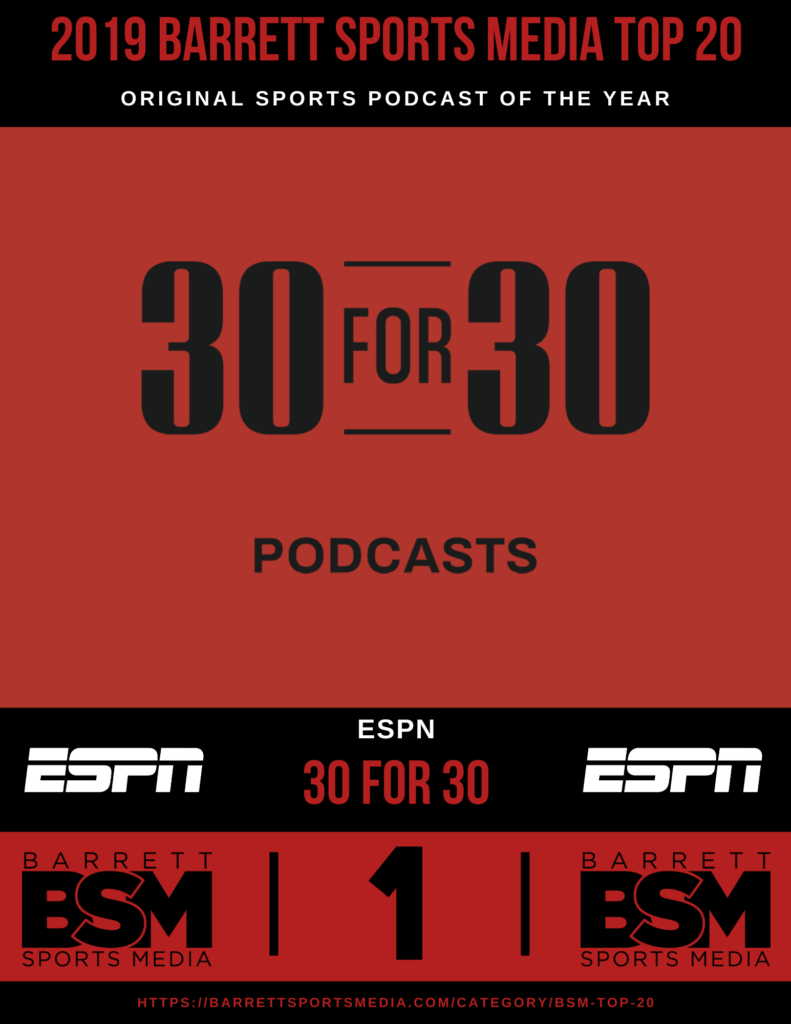
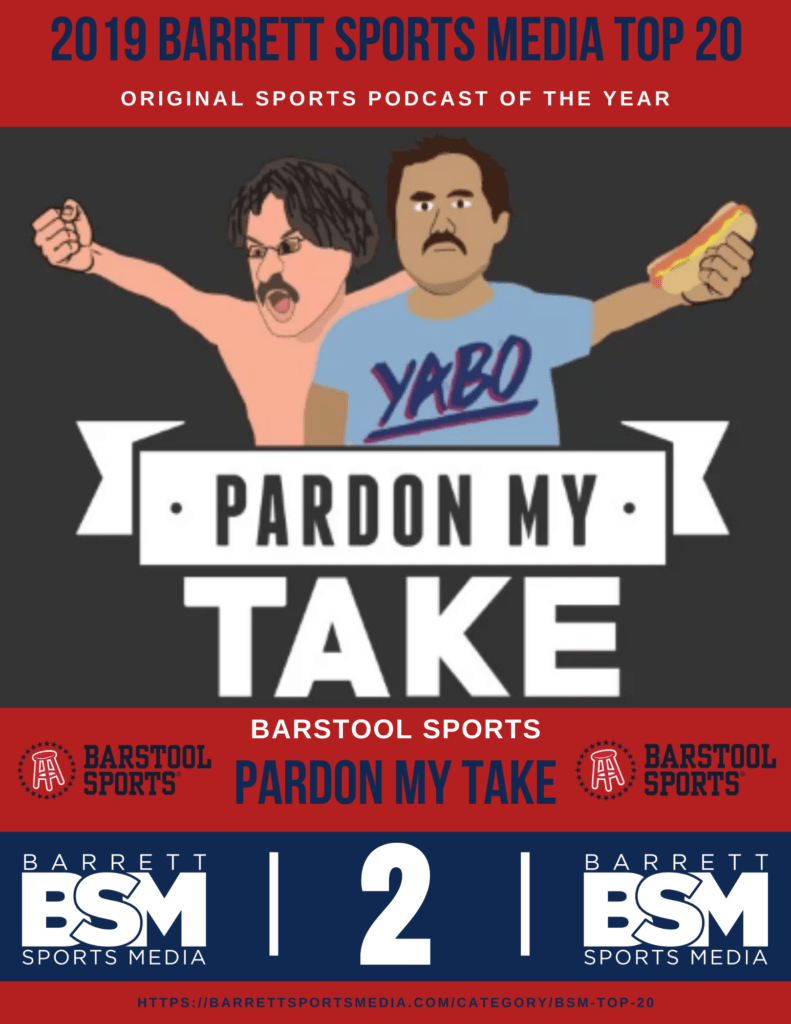
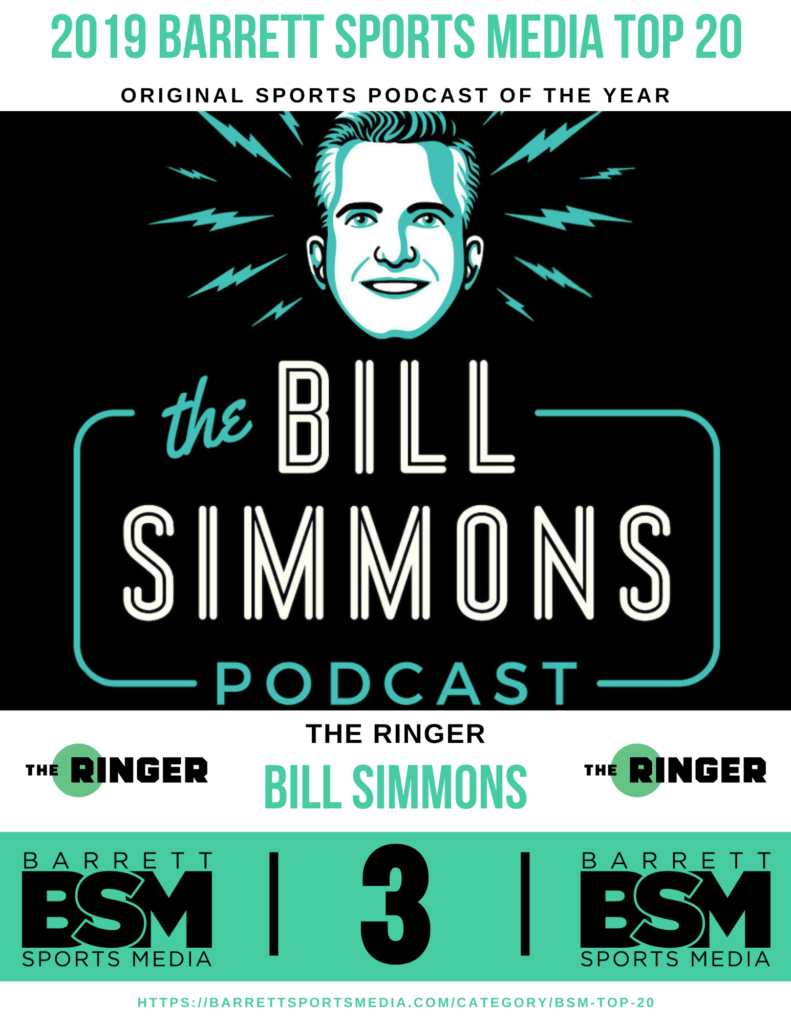
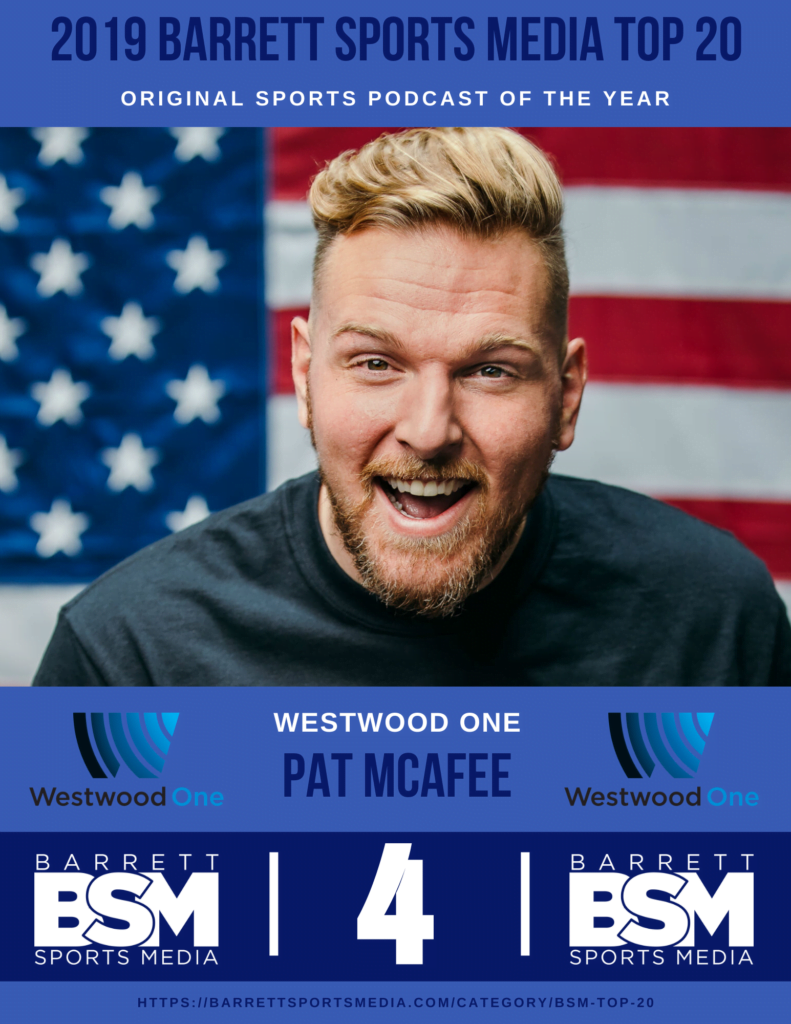
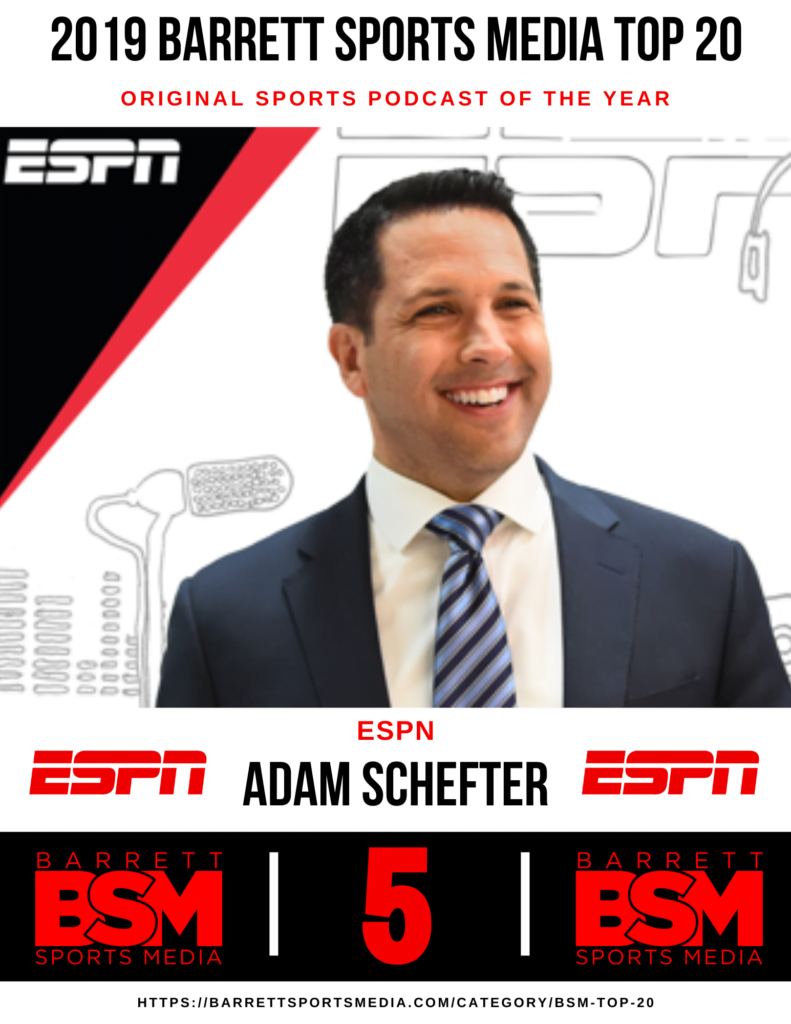
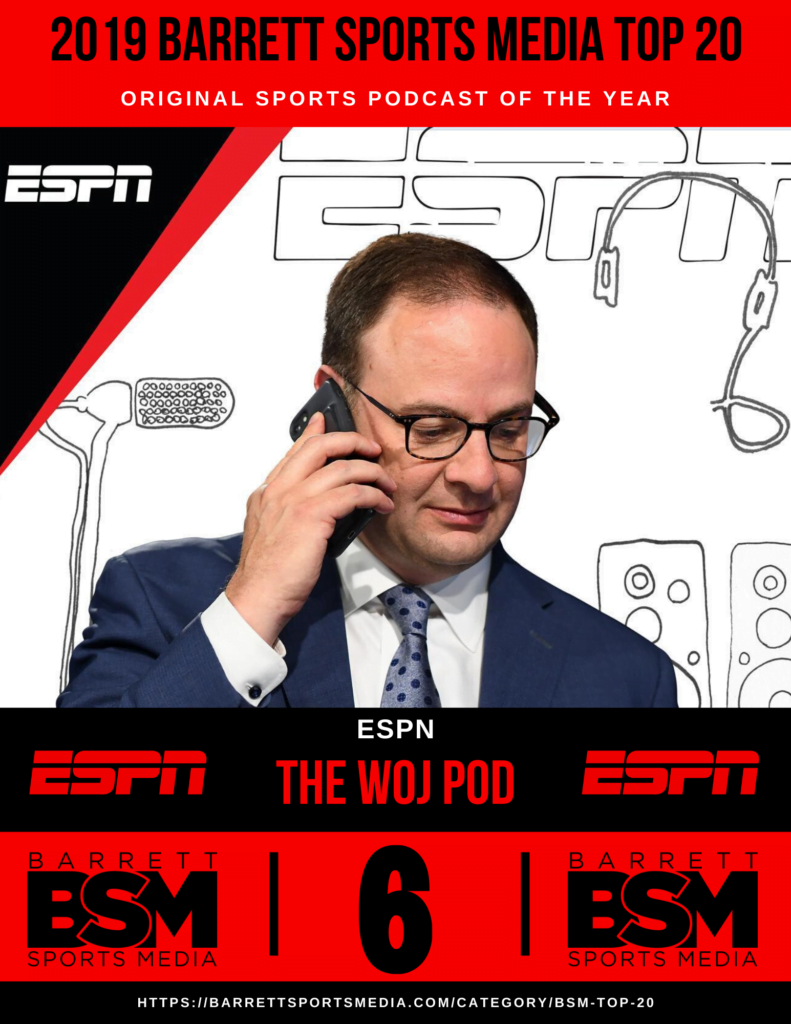
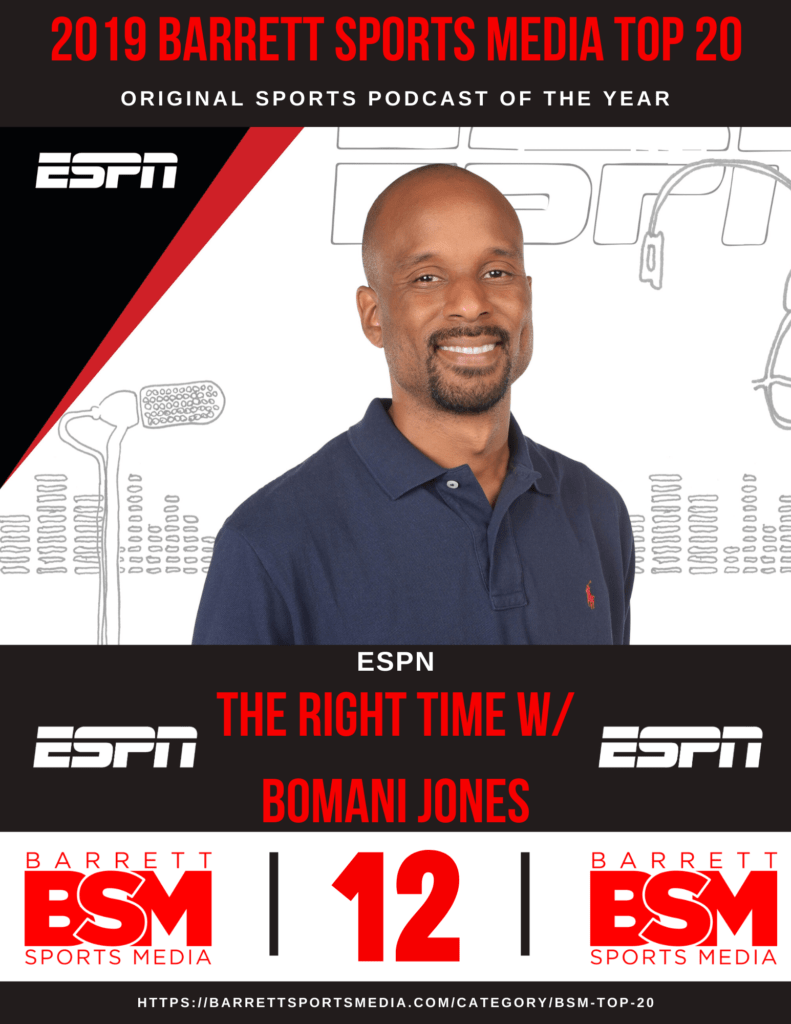
Which brings us now to the results. After being named our inaugural winner last year, Pardon My Take from Barstool Sports steps aside this year for a brand new winner. Topping the charts for 2019 is ESPN’s ‘30 For 30 Podcasts‘. Big Cat and PFT Commenter held strong coming in 2nd. Rounding out the Top 5 were Bill Simmons, Pat McAfee and Adam Schefter.
We congratulate all involved in the production of ESPN’s ’30 For 30 Podcasts’ on their well deserved recognition, and now bring you the full rankings for BSM’s Top 20 Original Sports Podcasts of 2019.
Additional Notes:
30 For 30 Podcasts and Pardon My Take tied for the most 1st place votes with five (5). 30 for 30 secured 1st overall by 16 points over PMT.
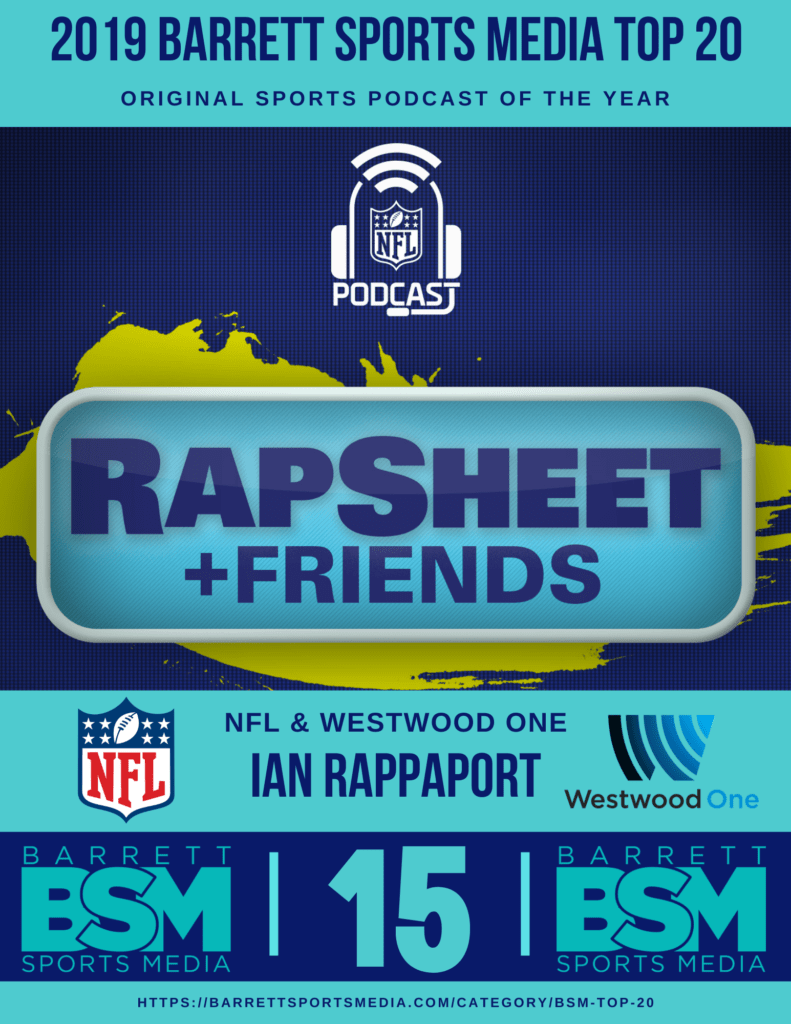
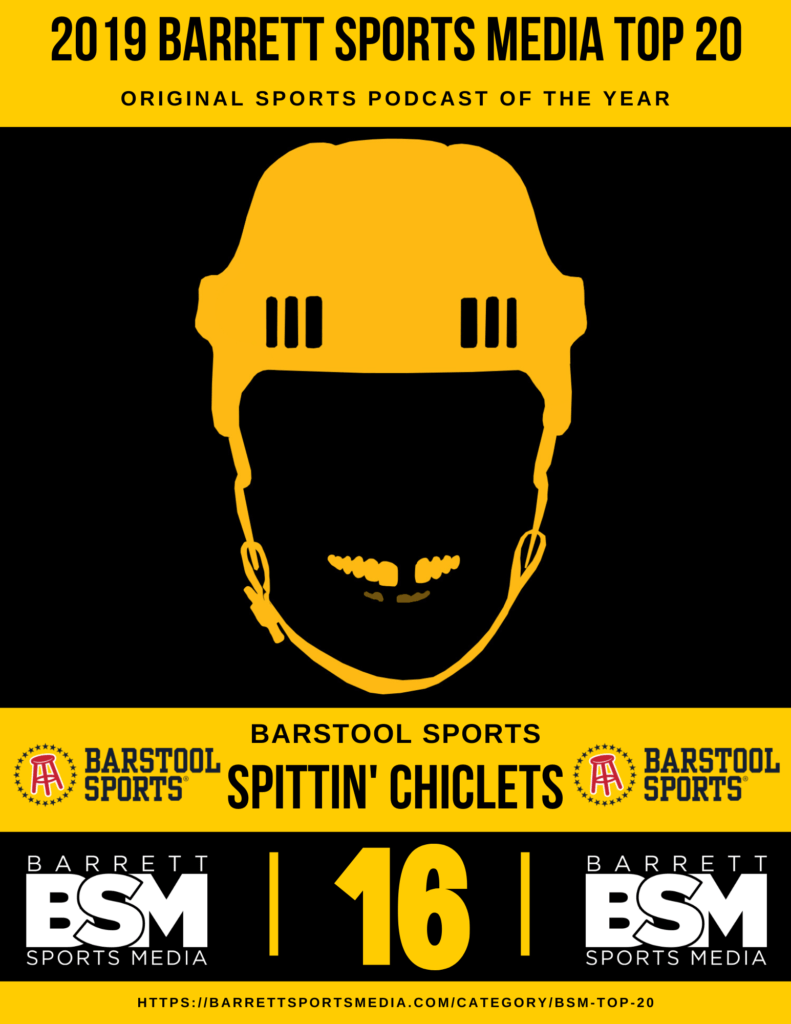
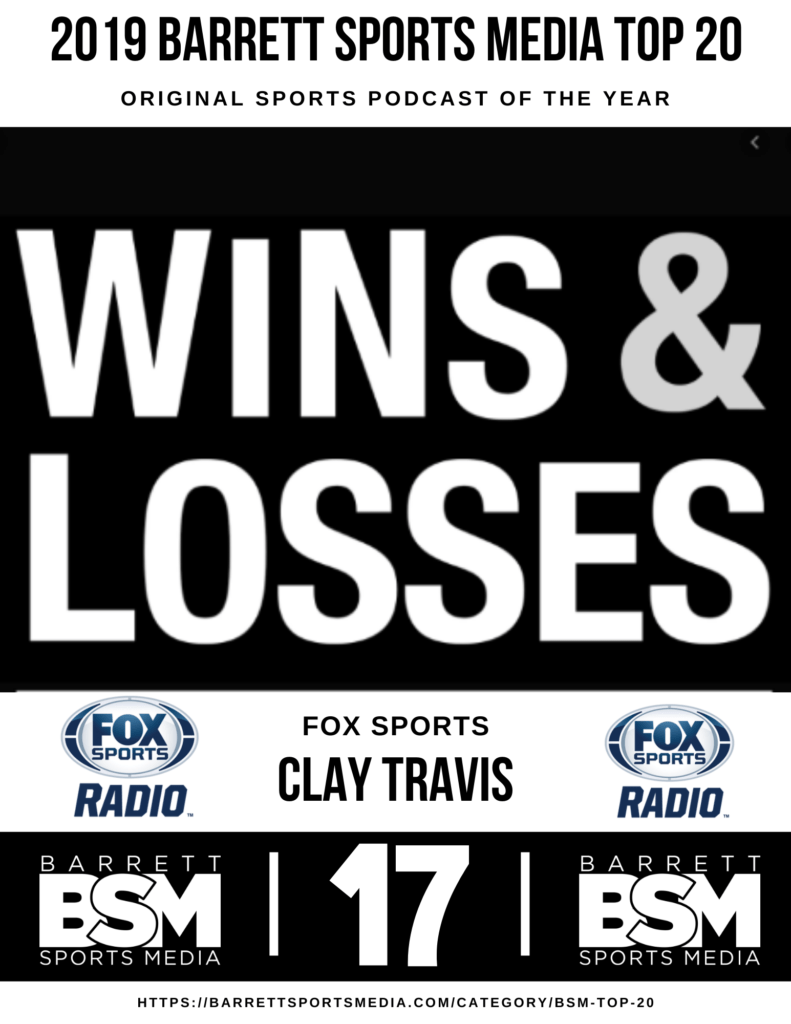
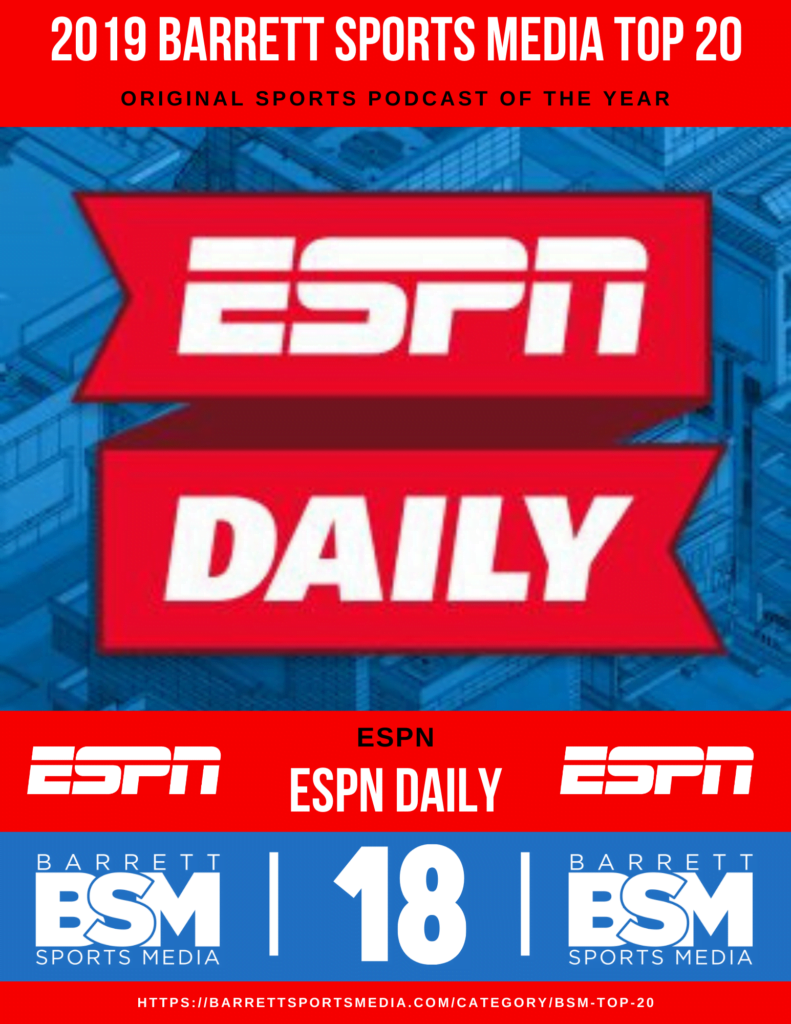
The closest races were for 11-12 and 15-16. Marty Smith’s America and Rapsheet & Friends narrowly defeated The Right Time w/ Bomani Jones and Spittin’ Chiclets by 1 point. Clay Travis’ Wins & Losses edged ESPN Daily for 17th place by 2 points.
Spots 21-25 belonged to Sports? with Katie Nolan, Talk is Jericho, Stone Cold Steve Austin Podcast, StuPodity, and the Brock & Salk Podcast.
16 of the 89 eligible podcasts received at least one (1) 1st place vote.
Last night, the NFL crowned the Kansas City Chiefs as their Super Bowl champion. Today, we do the same for the sports radio format by recognizing the best sports radio stations for 2019.
Before scrolling ahead to see who made the list, remember that our Top 20 results are based on the collective votes from forty seven radio pros representing thirty cities and eighteen companies. Yours truly (Jason Barrett) does not vote on the awards, I simply recruit the voters, collect their information, add up the votes, design the images, and present and promote the results.
We asked those participating to consider the criteria below to judge the best in the sports talk format, but keep in mind that each individual knows and values different things and that can have an influence on the final order. That makes this project an imperfect science. Nonetheless, it provides a collective snapshot of who radio folks consider to be the format’s best programmers.
Strong ratings in 2019
Great Reputation and influence
Makes a difference in its local community
Exceptional talent and content offered on a regular basis
Points are given for each spot (EX: 20 for 1st, 1 for 20th)
Moving on to the rankings, we have a brand new winner this year. The top spot for 2019 belongs to 93.7 The Fan in Pittsburgh. 101 ESPN in St. Louis won this category each of the past 2 years. The Fan finished 2nd in 2018, and 4th in 2017. Rounding out this year’s Top 5 were 92.3 The Fan, WWLS 98.1 The Sports Animal, 101 ESPN, and 104.5 The Zone.
We congratulate Jim Graci and the staff at 93.7 The Fan on their well deserved honor, and now bring to you the full results of BSM’s Top 20 Mid Market Sports Stations of 2019.
Additional Notes:
93.7 The Fan received the most 1st place votes (4), en route to a 22 point win over 92.3 The Fan.
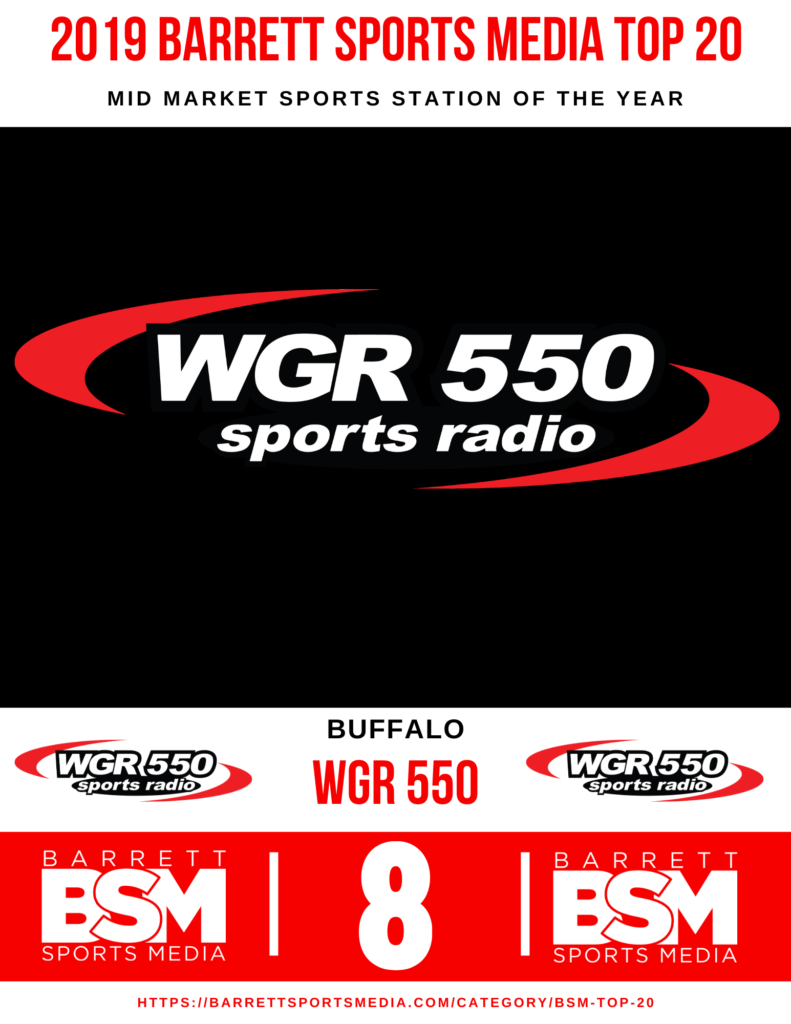
The closest finishes were for 3-4 and 7-8. WWLS and WFNZ edged 101 ESPN and WGR 550 by just 1 point.
21-25 belonged to 102.5 The Game, KHTK 1140, 97.5/1280 The Zone, ESPN 680 and Sports Radio WNML.
12 of the 48 stations eligible received at least one (1) 1st place vote.
Here is the remaining schedule for the BSM Top 20 of 2019.
Tuesday February 4 = The 2019 Top 20 Original Sports Podcasts
Last night, the NFL crowned the Kansas City Chiefs as their Super Bowl champion. Today, we do the same for the sports radio format by recognizing the best sports radio stations for 2019.
Before scrolling ahead to see who made the list, remember that our Top 20 results are based on the collective votes from forty seven radio pros representing thirty cities and eighteen companies. Yours truly (Jason Barrett) does not vote on the awards, I simply recruit the voters, collect their information, add up the votes, design the images, and present and promote the results.
We asked those participating to consider the criteria below to judge the best in the sports talk format, but keep in mind that each individual knows and values different things and that can have an influence on the final order. That makes this project an imperfect science. Nonetheless, it provides a collective snapshot of who radio folks consider to be the format’s best programmers.
Strong ratings in 2019
Great Reputation and influence
Makes a difference in its local community
Exceptional talent and content offered on a regular basis
Points are given for each spot (EX: 20 for 1st, 1 for 20th)
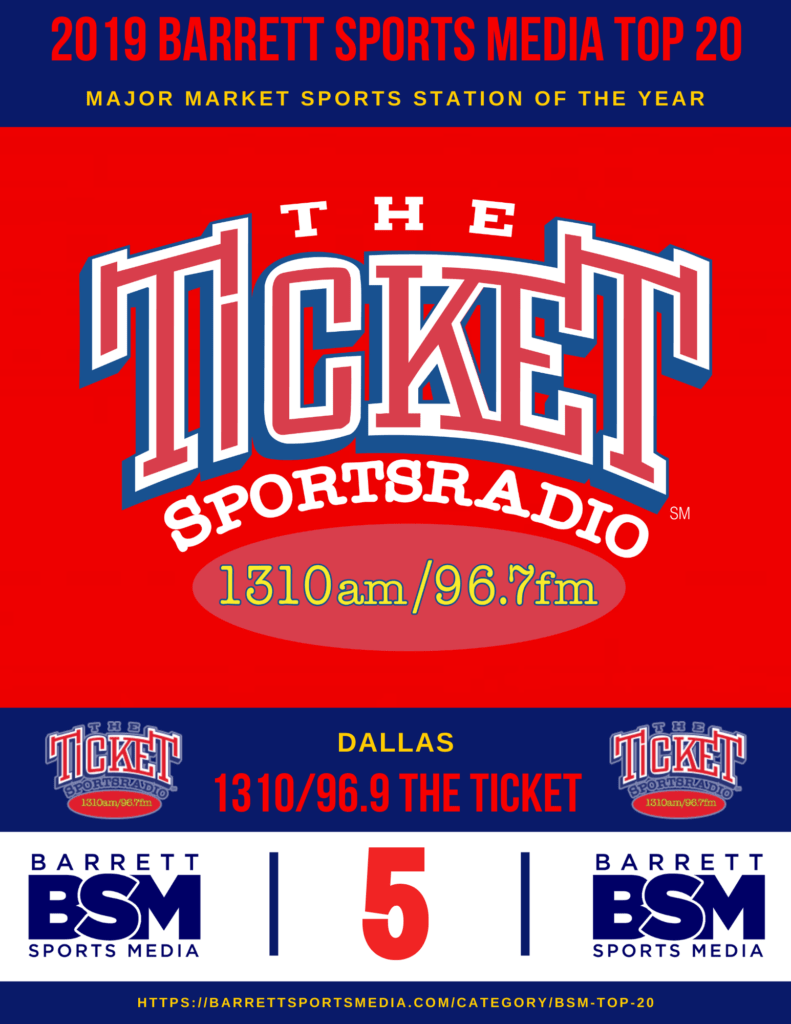
Moving on to the rankings, the top spot has once again been claimed by 98.5 The Sports Hub. The Boston sports station has now won this award 4 out of the past 5 years, cementing itself as the format’s best brand. Rounding out the Top 5 were 670 The Score, Sports Radio 94 WIP, WFAN, and Sports Radio 1310/96.7 The Ticket.
We extend our congratulations to Rick Radzik, the 98.5 The Sports Hub staff, and former PD Mike Thomas on their well deserved honor, and now bring to you the full results of BSM’s Top 20 Major Market Sports Stations of 2019.
Additional Notes:
98.5 The Sports Hub received the most 1st place votes, fourteen (14).
The battle for 3-4 saw WIP edge WFAN by 1 point, and the race for 16-17 was won by 104.3 The Fan over ESPN 1000 by 2 points.
Spots 21-25 belonged to 710 ESPN Seattle, Sports Radio 610, XTRA Sports 1360, WDAE, and Sports Radio 950 KJR.
10 of the 37 eligible stations received at least one (1) 1st place vote.
Here is the remaining schedule for the BSM Top 20 of 2019.
Tuesday February 4 = The 2019 Top 20 Original Sports Podcasts




/cdn.vox-cdn.com/uploads/chorus_image/image/66301250/1134562119.jpg.0.jpg)


/cdn.vox-cdn.com/uploads/chorus_image/image/65210501/1173214778.jpg.0.jpg)