Home Blog Page 2812

Picking Up The Pieces After a Devastating Setback

0

On Tuesday night, the NFL owners voted to allow the St. Louis Rams to return to Los Angeles. Owner Stan Kroenke got his wish to bring football back to the nation’s 2nd largest market, and will now reap the financial benefits of a geographical change.

Although I’m excited for the people of Los Angeles to have an NFL team once again in their backyard, I’m sick to my stomach thinking about my friends in St. Louis who have now had the NFL punch them in the gut for the second time. St. Louisans invested themselves in supporting the team and its sponsors for the past 20 years, while raising their children to become fans of the team. But today they wake up to the reality that they’ll soon have no games to attend on Sunday when the next NFL season rolls around.

ramsGone are the hopes and dreams of experiencing future Super Bowl championship parades down Market Street. Businesses who count on the team’s Sunday crowds will now suffer from their departure, and politicians in the show-me state will now have to show they’re committed to not letting this moment define them and their city.

Was it right? No. Was it fair? Absolutely not. But as cold and harsh as that might be, the NFL is a business. We lose sight of that when these situations arise because we sink our heart and soul into these franchises, only to discover later that the only true attachment they want from us is the one that includes access to our bank accounts.

I have no issue whatsoever with Los Angeles having a team. The NFL definitely should have a franchise there, and those fans who lost their teams 20 years ago, didn’t deserve that pain either. But I don’t believe you set a good precedent when you destroy the lives of a few million people in one city to make the lives of a few million others in another city better.

stanIt’s even more baffling when you consider how calculated this move was. Stan Kroenke bought the Rams in 2010 after Georgia Frontiere passed away. He held a minority stake in the club at that time and Georgia’s family had an interested buyer in Shahid Khan (now the owner of the Jacksonville Jaguars) who wanted to keep the team in St. Louis. Kroenke though exercised his right to match the bid and took over control of the franchise.

When he assumed control he said “I’ve been around St. Louis and Missouri a major portion of my life. I’ve never had any desire to lead the charge out of St. Louis. That’s not why we’re here. We’re here to work very hard and be successful in St. Louis.”

But although that sounded good, his actions over the next 5+ years told a different story.

Kroenke started out by transferring his ownership of the Colorado Avalanche and Denver Nuggets to his son Josh who was 30 years old at the time. That was the loophole he explored so he could become owner of the Rams and maintain ownership of his existing teams. If you think “Silent Stan” was suddenly washing his hands with all business related to those two franchises you’re kidding yourself. But on paper, he covered his tracks.

Then he explored trying to buy the Los Angeles Dodgers in 2012. The winning bid went to Magic Johnson’s group but reports started to surface that Kroenke was interested in the Dodgers because he wanted to build his own media network, and after gaining the opportunity to move the Rams out of St. Louis and back to Los Angeles, offer their programming on a Kroenke owned channel.

This very model has been constructed in Denver with the addition of Altitude Sports. He’s also purchased a number of radio stations in Colorado and is expected to use one of those signals to further promote and sell content built around the Nuggets and Avalanche.

jeffAs Stan was investigating purchasing land and forging relationships with local politicians in California, the Rams product remained stagnant. He refused to show his face or speak publicly to calm the fears of local fans, and the only time he spoke on the record was when Jeff Fisher was hired as Head Coach. If you’re not looking to leave town, and ticket sales and advertising revenues are declining, you’d think it would make business sense to address the elephant in the room and help get your business back on track.

But that wasn’t going to happen.

In the NFL’s guidelines for relocation, it states that no team has an entitlement to relocate simply because it receives another opportunity to enhance club revenues in another location. Considering that St. Louis was the only one of the three cities with an actual stadium plan and commitment, it’s hard to understand how this relocation was anything but a money grab.

Roger Goodell and his people saw the dollar signs in Los Angeles along with a promise for a new home for their growing NFL Media empire and Stan was the guy with the deep pockets and huge grapefruits who was willing to turn his back on his home state to get it done. Jabs were thrown at the people in St. Louis for not offering more support, when in reality they were given every reason to not attach themselves to the team. Lost in all of this was the reality that the NFL saw Oakland and San Diego as being more lucrative.

rams2It’s easy for people in glass houses to throw stones and attack St. Louis fans for not attending games but when you’re handed a lemon of a product which delivers a 50-109-1 record over 10 years, and your owner won’t speak publicly about his intentions in your city, while he rubs elbows and furthers dialogue with Los Angeles leadership and explores every angle to leave (including attempting to break his lease to play more home games in London), it’s impossible to be supportive.

Bear in mind, the team didn’t reach the playoffs once during the previous 11 seasons, and if you look at their performance since Stan took over in 2010, they’re 36-59. They haven’t had one winning season under his ownership.

The issue here though was never about ticket sales. It was about the opportunity to increase his franchise value and own net worth by returning to Los Angeles. When you take into account the numerous business opportunities he gains from parking, to hotels, to restaurants, to higher rights deals, to possibly even gaining a tenant in the Chargers or Raiders, there’s a reason why Stan Kroenke is a multi-billionaire – he knows how to make money!

None the less, what’s done is done. The city of St. Louis and its great people will now have to pick themselves up off the ground, and decide how to repair the damage. One of my favorite quotes comes from William A. Ward and it says “Adversity causes some to break, others to break records“. St. Louis will have to decide if they’re going to let this moment break them, and if the past is any indication, I don’t believe they will.

So how does that translate to the sports media business? Here’s how.

stl2With the Rams leaving town, local people will further invest themselves in supporting the Cardinals and Blues. If you’re the team’s rights holders KMOX and Fox Sports Midwest, or any of the local sports stations (101 ESPN, CBS Sports 920, 590 The Fan KFNS), that’s good news. In moments like these, people tend to gravitate to those who love them back.

Because those other two local franchises have remained loyal and happy with their standing in the St. Louis community, I’d expect them both to benefit from it. Media outlets who put an even heavier focus into supporting them will be rewarded for it.

If you remember when the Los Angeles Angels announced they were signing Albert Pujols following the 2011 season, it was a dark day for St. Louis baseball fans. He was the face of the franchise, a good man, and he had won multiple MVP awards and a couple of World Series titles. His departure would’ve been the equivalent to New York losing Derek Jeter.

As painful and heartbreaking as it was for many, they stood behind their Cardinals. General Manager John Mozeliak went to work to rebuild the franchise, and as luck would have it, the Cardinals that season reached the playoffs and advanced to the NL Championship series where they lost in 7 games to the San Francisco Giants.

cardsMeanwhile, Pujols’ Angels didn’t reach the post-season that season and they’ve only done so once during his 4 years in the city of Angels. Their only October visit resulted in a three game sweep courtesy of the Kansas City Royals in the first round of Wildcard play in 2014. During that same period, the Cardinals have advanced to the post-season every year.

Another way I expect the city to rally is to further stand behind the media members of the community who stood up for them during this tumultuous time. Personalities like Bernie Miklasz, Randy Karraker, Kevin Wheeler, Frank Cusumano, Tim McKernan, and Howard Balzer have defended the local people and the city, while explaining why it remains vibrant and economically sound. They’ve not been afraid to challenge the NFL, its leaders and bylaws, and the Rams hierarchy, who were set on chasing the pot of gold that awaited them in Inglewood.

Today they may not feel their efforts made a difference because the team was given the green light to pack up and head West, but in taking the positions that they did, and putting every ounce of their energies into fighting for their team, city and people, they gained respect, and a deeper appreciation and loyalty from the local audience. That’s something that will mean much more down the road when they reflect back on who they were to their communities.
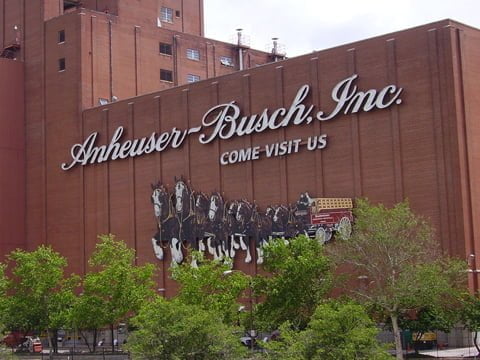
Anheuser-Busch headquartersNo matter how hollow the feeling might be, people in St. Louis will never forget how those media folks had their backs during the toughest of times. The one way fans can and will repay them, is by listening more to their shows, watching their TV programs, reading their website articles, and supporting their station’s advertisers. I’d also expect some local advertisers to ramp up their efforts and further invest in these people and brands because they recognize how important it is to do so during hard times like this.

One issue that will need to be examined over the next year or two is whether or not four sports stations and two News/Talk brands with sports content and relationships can turn a profit in Market #22. It’s one thing to fill the airwaves with sports programming, but it’s another to be a financial success. I’m not sure if there are enough advertising dollars in the market to support all of those brands. I certainly hope that there are but it’s not going to be easy.

The last side of this conversation that I want to focus on is how it will impact the ratings side of the business. It goes without saying that the loss of a football team usually means less audience and lesser interest in sports talk programming Monday-Friday. Stations may explore adding an NFL affiliation with another team such as the Bears, Chiefs, Colts or Titans, but that isn’t going to make up for the loss of a local team. I’m not even sure yet if a St. Louis sports fan is going to want to hear anything about the NFL next Fall. There are still a few months between now and then so we’ll have to see how the healing process plays out.

That said, if you look around the country, there are plenty of markets that thrive despite not having a football franchise. They pledge their support to NBA, NHL and MLB teams, and in some smaller cities, college sports drives heavy listening. None of us are nostradamus and can predict whether St. Louis will receive another NFL team or capture the interest of the NBA, but for now, the focus for brands who operate Sports and News/Talk programming has to revolve around the people, franchises and universities who remain committed to staying there.

1045Look at Nashville, Portland, Charlotte, Cincinnati, and Indianapolis. All of those cities have 2 pro teams or less and when you combine their college programs, there are plenty of sports options for people to sink their teeth into. Stations like The Fan in Charlotte, Portland and Indianapolis, and The Zone in Nashville, perform very well despite not having either an MLB, NBA or NFL franchise. As a matter of fact, The Zone is one of the top rated sports talkers in the country.

However, there are less sports talk radio stations in those cities than there are in St. Louis. That’s something to be aware of.

As it applies to ratings and revenue, I’d rather lose 16 football games on Sunday than 162 regular season baseball games. Many of those games air M-F and can have a big impact on a station’s performance, depending of course on which team you’re aligned with.

Most radio operators prefer to feature their best talent M-F 6a-7p, and add play-by-play around them to provide a cume, marketing and advertiser boost. As long as lineups remain stable and of interest to the local market, there are plenty of other ways to add sponsor dollars, marketing awareness and cume increases.

rams3I’m not going to suggest that losing an NFL franchise doesn’t impact business. It definitely stings and will cause some of these brands to have to adjust their strategies and expectations. It also forces them to have to modify their image because you’re no longer a three sport town.

But if the things that matter most in our business are building and connecting with an audience, generating ratings, and utilizing high profile personalities, their ratings, and our access to people through our on-air, online, and social platforms to secure advertising dollars, then that still remains doable.

It may have to be done differently, and it will take time for the emotions to subside, but a media business in St. Louis can still prosper, and listeners will still seek out hearing local people talk about local sports subjects – with or without the Rams! Knowing the passion of those fans as I do, I expect them to become more supportive of the brands and people who remain there. If you don’t believe me, ask the Cardinals and Albert Pujols how this story ends. I’m sure they haven’t forgotten.

Browns Experience Ratings Decline Due To Terrible Season

0

The Browns’ nightmare of a season, in addition to the usual round of firings, resulted in fewer people buying tickets, more no-shows from those who purchased seats and a sizable hit to the local television ratings for the team’s broadcasts.

According to an industry source, the average rating in the Cleveland designated market for the Browns’ 16 regular-season games dropped 11.7% in 2015. Also telling is the ratings drop was most significant for the younger demographic — adults 18-49.

For all adults 18-49, the average rating for Browns broadcasts on WOIO, WJW and WKYC slipped 10.1%. For men 18-49, the drop was 8.4%.

Before we dive into more numbers, a quick caveat: The ratings are still monstrous — a 30.2 average. By comparison, a typical regular-season Cavs broadcast on Fox Sports Ohio generates a 9.3 rating this season. (The ratings norm for the Cavs’ six NBA Finals broadcasts on WEWS last year was 43.7.)

A few more Browns 2015 ratings tidbits:

• The ratings average for 2014, when the Browns were 7-9, was 34.2.

• In the 18-49 demo, the rating dropped from 20.7 in 2014 to 18.6 this season. For men 18-49, the ratings norm decreased from 27.4 to 25.1.

• Ratings in the older demographic — a group that has more vivid memories of good Browns teams — were also down, but the margin wasn’t nearly as steep. The average rating for adults in the 25-54 demo was 23, down 3.8% from a 23.9 norm in 2014. For men 25-54, the average rating slipped only 2%, from 30.6 to 30.

• The most impressive Browns rating numbers: The games that were broadcast on WOIO actually drew more eyeballs in the 25-54 demo. The average WOIO rating for all adults 25-54 increased from 23.2 to 23.9. For men 25-54, the WOIO ratings norm jumped from 29.7 in 2014 to 31.1 in ’15.

Attendance at FirstEnergy Stadium was down 1.8% in 2015. The average crowd of 66,186 was a drop of 1,239 per game from 2014.

The two-year renovation of FES, which was completed prior to the 2015 campaign, decreased capacity at the stadium to about 68,000.

Several games didn’t sell out, and a sizable number of young people chose not to watch the games on TV.

Finally, fiercely loyal Browns fans seem to be getting tired of all the losing.

To read the rest of the article visit Crain’s Cleveland Business where it was originally published

WFNZ’s ‘Doghouse’ Benefits From Panthers Success

0

For sports station WFNZ-AM (“Fan” 610), the Panthers championship run this season has been a bonanza.

Ratings are up, excitement is high and the station’s Doghouse, a bar and tailgate destination at Mint and Morehead streets next to Bank of America Stadium, has never been busier.

Giant video screens will be added outside for Sunday’s playoff game against Seattle so more fans can party at the Doghouse, says D.J. Stout, WFNZ’s operations manager.

“It’s become a place where people actually go to watch the game,” says Stout. For those without tickets, it’s the next best thing to being there – people can hear the clamor inside the stadium on big plays.

This season, WFNZ has broadcast all its local programs on Mondays and Fridays from the Doghouse with its key hosts, including Chris McClain, Jim Celania, Colin Hoggard, Nate Conley, Frank Garcia, Mark Yarbro and Chris Kroeger. Pre- and post-game shows for home games have also been anchored at the Doghouse.

Stout says he thinks the Panthers’ success has had an impact on the city.

To read the rest of the article visit the Charlotte Observer where it was originally published

NFL Interested In Splitting Up Thursday Night Package

0

CBS Sports chief Sean McManus has confirmed reports that the NFL is considered shifting “Thursday Night Football” TV rights to a package that would split among multiple networks.

Sports Business Journal on Monday reported that the league is considering a new approach to the Thursday games that would see them shift among multiple networks. That would certainly be less desirable for the networks from a promotional and logistical standpoint.

McManus on Tuesday at the Television Critics Association press tour said the NFL asked for proposals for an exclusive rights deal similar to the past two years and for a split package “where networks would share the first eight weeks of the season.”

“We’d like to renew ‘Thursday Night Football,’” he said. “It’s been a big success.”

McManus wouldn’t comment on his opinion about the possibility of the package being carved up among networks. “Whatever they do is all about increasing the viewership and the promotion and the destination-viewing of ‘Thursday Night Football.’ ”

McManus told reporters after the session that the league was also pushing networks to “be aggressive in offering new promotional and programming opportunities” to augment “Thursday Night Football.”

To read more visit Variety where this article was originally published

CBS To Use New Technology For Super Bowl 50

0

CBS Sports will unveil new technology for the network’s broadcast of Super Bowl 50 next month.

A replay system will give viewers a 360-degree perspective and higher resolution than previously ever seen for the game. Thirty-six cameras strung around the upper deck of Levi’s Stadium in Santa Clara, California, can freeze the moment and revolve around the play before continuing to show the scene.

Viewers on Feb. 7 will be able to check out the quarterback’s view from the pocket to other players’ perspectives on the field.

To read more visit Newsday where this article was originally published

CFB Title Game Scores Third Best Overnight Rating For ESPN

0

ESPN’s Megacast presentation of the College Football Playoff National Championship Presented by AT&T on January 11, 2016 – an Alabama 45-40 victory over Clemson – delivered a 16.0 overnight rating, ESPN’s third-best overnight for any game, ever, across all sports. Among the six national championship games ESPN has televised, last night’s CFP National Championship scored a higher overnight than the final three BCS National Championships (2011, 2012, 2013 seasons), and trails only last year’s inaugural CFP National Championship and ESPN’s first ever national championship game (2010 season).

Additional Television Highlights:

  • Birmingham was the No. 1 local market, earning a 59.2 overnight, the market’s third best overnight for a post season college football game on ESPN. Greenville was the second highest local market, achieving a 39.0, the market’s best overnight ever for a post season college football game on ESPN.
  • Including Greenville, six markets set a new ESPN post season college football record high: Atlanta (30.1), Charlotte (22.8), Nashville (29.1), Raleigh-Durham (20.2) and Norfolk (18.4)
  • The top 10 metered markets: Birmingham (59.2), Greenville (39.0), Atlanta (30.1), Nashville (29.1), Knoxville (28.4), New Orleans (25.6), Jacksonville (24.8), Columbus (23.0), Charlotte (22.8) and West Palm Beach (20.3).

Alabama-Clemson Sets New WatchESPN Records
Digitally, Alabama-Clemson — presented on multiple streams on WatchESPN through the ESPN Megacast — ranked as the best game ever on WatchESPN across all major metrics, excluding the 2014 FIFA World Cup

Additionally, the two CFP National Championship games (Ohio State vs. Oregon and Alabama vs. Clemson) represent WatchESPN’s two most-streamed games ever on WatchESPN across all major metrics, excluding the 2014 FIFA World Cup.  Last night’s game experienced a 23% increase in average minute impressions, 38% in unique viewers, and 32% in total minutes compared to the inaugural CFP National Championship.

For additional details visit ESPN Media Zone where this article was originally published

FTW Unveils Their Top 10 NFL Playoff Announcers

0

USA Today’s “For The Win” ranked their top 10 NFL playoff announcers for 2015. Here’s who made the list, including the order in which they were ranked.

1A. Al Michaels, NBC Play-By-Play

1B. Cris Collinsworth, NBC Color Analyst

3. Dan Fouts, CBS Color Analyst

4. Joe Buck, FOX Play-By-Play

5. Jim Nantz, CBS Play-By-Play

6. Ian Eagle, CBS Play-By-Play

7. Mike Tirico, ESPN Play-By-Play

8. Troy Aikman, FOX Color Analyst

9. Jon Gruden, ESPN Color Analyst

10. Phil Simms, CBS Color Analyst

For full analysis on the announcers, visit USA Today where this article was originally published

Fox Sports Aggressively Pursuing Thursday Night Football

0

Fox Sports has emerged as the top rival to CBS in the bidding for the broadcast rights to National Football League games on Thursday nights, submitting a “stiff” bid in an effort to keep CBS from extending its two-year agreement for the nation’s most popular sport, according to two people with knowledge of the bid.

The NFL is collecting bids from TV and Internet companies for what is believed to be a one-year agreement to broadcast eight of the 16 Thursday night games. The bidding is expected to substantially exceed the estimated $300 million that CBS currently pays for the telecasts, though the size of Fox’s bid wasn’t immediately clear.

A spokesman for Fox, a unit of Rupert Murdoch’s 21st Century Fox would confirm only that the company has responded to the Request for Proposal that the league circulated to potential bidders in mid-December. The league’s FRP also allows for the winning bidder to produce the remaining eight games for the league-owned NFL Network.

The NFL outlined a one-year deal with another year at the league’s option, and also outlined a separate request for proposals to simulcast the games online. Proposals were sent to CBS, ESPN, Fox, NBC and Turner, according to Sports Business Daily, as well as to Alphabet’s Google, Yahoo, Apple and Amazon. A decision is expected by the Feb. 7 Super Bowl.

To read the rest of this article visit The Street where it was originally published

ESPN Plans Megacast For Tonight’s CFB Title Game

0

When ESPN uses its resources and scale to enhance the viewing experience for a major sporting event—as the company has done for the past two years with coverage of college football’s national title game—the results are often tremendous. Smartly, the network will once again feature Megacast coverage for the matchup between Alabama and Clemson in Glendale, Ariz., on Jan. 11 at 8:30 p.m. ET.

Along with the traditional broadcast airing on ESPN—Chris Fowler and Kirk Herbstreit will call the game, Heather Cox is assigned to Clemson, Tom Rinaldi will report on Alabama, and rules expert Dave Cutaia and medical expert Dr. Jerry Punch also will be available—the company will offer 14 alternate productions across ESPN2, ESPNU, SEC Network, ESPN Deportes, ESPN Classic, ESPNEWS, and ESPN3. There is also ESPN Radio’s broadcast, and all Megacast feeds will be available on WatchESPN.

Over the past two years the best Megacast option has been the Film Room segment, which has shown ESPN at its innovative, understated best. The concept: Get a group of current college football coaches together at ESPN’s Bristol, Conn., headquarters to watch the game in real time via the regular broadcast, an All-22 camera and coach clicker technology. This year’s Film Room will once again air on ESPN2, with analysts Brian Griese and Chris Spielman as the hosts. Florida coach Jim McElwain will be one of the coaches.

The other Megacast elements:

•Homers Telecast (ESPNU): This new Megacast feature consists of a broadcast with analysts who will side with each of the teams. Joe Tessitore will call play-by-play with former Clemson quarterback Tajh Boyd and former Alabama center Barrett Jones serving as the “homer” game analysts. Kenny Mayne will be on the sidelines. Dave Pasch will also be a part of the telecast.

•ESPN Voices (ESPNEWS): A group of ESPN personalities and celebrities will watch the game from a living room-type atmosphere. Teddy Atlas, Michelle Beadle, Jay Bilas, Marcellus Wiley and Taylor Twellman are expected to be part of the show.

•Sounds of the Game (ESPN Classic): This option will not have broadcasters. Instead, you can watch the telecast amplified by more than 100 microphones positioned throughout the stadium in addition to the public address announcer. The halftime performances will be shown in their entirety on this channel.

•Finebaum Film Room (SEC Network): SEC Network host Paul Finebaum along with SEC Network analysts Greg McElroy and Booger McFarland will watch the game from near the stadium and provide instant, live reaction. The show will also take live calls throughout the game. McElroy was excellent in this spot last year. Arkansas coach Bret Bielema will be part of this telecast.

•Spanish-Language Call (ESPN Deportes): Lalo Varela, Pablo Viruega, Bernardo Osun, and Carlos Nava call the game in Spanish.

•Command Center (ESPN Goal Line): A full-time, split-screen application showing the live game action, replays of every play, isolated camera feeds of both head coaches, enhanced statistics, and the ESPN Radio broadcast call.

•Home Town Radio (ESPN3): The ESPN telecast will be available with both the Alabama and Clemson home radio broadcasts serving as the audio. Alabama’s radio team is Eli Gold, Phil Savage, and Chris Stewart. The Clemson radio team is Don Munson, Rodney Williams and Patrick Sapp.

• Pylon Cam (ESPN3): A continuous stream from cameras at the eight pylons surrounding the field, both at the goal lines and the backlines of the end zones. The position of the ball will determine which 12 of the 24 available camera feeds will be displayed. There will also be a featured replay box offering the best pylon camera angle available of any key plays.

• Student Section (ESPN3): There will be cameras in the student sections (featuring 500 students from each school) as well as on the cheerleaders, bands and mascots of each team.

•Mock Replay Booth (ESPN3): This feature will mimic a traditional replay booth inside a college football stadium. Current ACC Replay Official Ralph Pickett and current SEC Replay Communicator Ben Oldham will take viewers through the full process of reviewing every play from their recreated replay booth set up in Bristol. They will be joined by former ACC Coordinator of Officials and current ESPN Rules Expert Doug Rhoads.

•Data Center (ESPN3): This option will consist of on-screen graphic content including analytics, curated social media reaction and more.

•Spider Cam (ESPN3): A continuous feed from the camera that roams the stadium from above the field.

•ESPN Radio will have Mike Tirico calling play-by-play, Todd Blackledge as the game analyst, Holly Rowe on the Alabama sideline and Joe Schad on the Clemson sideline. Rules expert Bill LeMonnier will also be available.

Read more at Sports Illustrated where this article was originally published

The 10 Commandments of Sports Talk Radio

0

Each day hosts across the country take to the airwaves spewing passionate opinions to engage audiences. Most will select stories that are being talked about in local papers and on local television and they’ll offer their own perspective on the subject and then seek out the audience’s feedback.

If you’re in a big market, phone activity will be high. Smaller markets will see less response. But whether you have 1 or 10 lines lit, that doesn’t mean the topic is hot or that the show is good.

dp

Any good talent who is familiar to an audience, can sell a subject with passion, and elicit a response. You don’t get a passing grade in this business based on your ability to make a phone ring. That’s one part of the job. But there’s much more involved than delivering a ‘hot take’ and fielding a phone call.

I started thinking about the numerous things that go on during a radio show, and how the best performers in the industry bring them all to life on a daily basis. The great ones don’t even realize how much they do it. Those who do, stay in their positions for a long period of time because it usually means they’ve generated ratings.

To host a talk show for 3-4 hours per day, 5 days per week, and do it in expert fashion requires great skill. It’s one of the most difficult jobs in the entertainment business. Penetrating the mind of a listener requires many different approaches during a show but before you can have success executing your strategy, you need to understand what is involved and why it matters.

Chris Rock

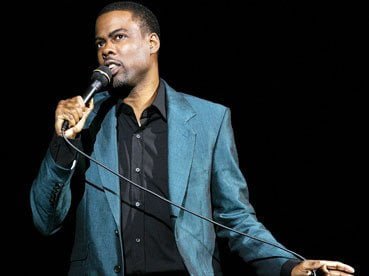
Standup comedians have a lot of success gaining entry into our minds. A comedian like Chris Rock, Jeff Ross, or Jerry Seinfeld can dominate a stage for 60-90 minutes and we’ll talk about their jokes and stories for the next week. But that’s only half of the time of what a sports talk show host does on a daily basis.

Could they deliver the same memorable lines, stories and laugh out loud moments if they had to double their workload each night? What if they had to provide it 5 days per week? Maybe they’d pull it off, but even the greatest in the world have weaknesses. The reason many of your favorite television programs are scripted, recorded, and edited is because creating meaningful LIVE content is extremely challenging.

That brings me back to the daily functions of a sports talk show. You can’t see when your listeners tune in or out, or how each person responds to the different subjects you discuss. Therefore, you’ve got to concentrate on the issues that most people care about because by positioning yourself that way, you set yourself up for the best chance to have success.

To get a better sense of what goes into a successful talk show, I came up with something that I believe highlights every important component of the job each day. Ladies and Gentlemen, I present to you “The 10 commandments of Sports Talk Radio“.

Identify The Hit Story – A host walks into their building each day wanting to discuss a number of things. The great ones understand that they benefit most by focusing their energies on the subjects that have the greatest appeal to the audience.

look

Many have heard the popular format term “play the hits” and that’s exactly what this is. Think of it like going to a concert to see your favorite band. You go because you want to see the artist play the songs that you know and enjoy most. If they play the songs they’ve never released, you’d be less likely to attend another show.

When you look at your show, you have to find the balance of what matters most to you, and what is most important to your listeners. The top story should be a subject with multiple angles that can be kept fresh over the span of a couple of hours. If it doesn’t have that potential, keep digging, because that means you’ve found a secondary topic.

A true hit story is one which will bring out your best 10-15 minute monologue, generate reaction over multiple hours of the show, capture the interest of guests who have been called to share their perspective on the angle, and open up other opportunities to be creative inside the program.

To use an example, if you were in Cincinnati today, you’d build your program around the Bengals collapse during Saturday night’s game. The rest of the NFL Playoffs may be compelling, and the same may be true for the College Football National Championship game, but the Bengals playoff disaster is going to move the audience most. Those other stories are your secondary hits.

However, if you were in Alabama, you’d easily flip the script and build your show around the College Football National Championship game. Everything else would be a secondary topic.

pers

Present and Sell Your Topics – Once you’ve identified the hit story, the next step is understanding the multiple questions that can be asked and answered when discussing it. Every good subject has different sides to it. It’s your job to highlight those angles, explain your position on them, and let the audience determine how they feel about it. Don’t worry about whether or not you’re in the majority or minority with your stance, just focus on whether or not the audience will be invested in what you’re selling.

For example, if you were in Cincinnati and led off with your top story being “Marvin Lewis deserves to be fired“, you’d cite his poor playoff record, his lengthy stay which has shown that he can’t do better, and you’d question if he can control his players.

The other side to that argument would be that he was in position to win the game with a backup QB, he led the club to a 12-4 record including an 8-0 start, he’s developed NFL Head Coaches, and although he hasn’t won in the post-season, he still gets them there and has been among the best 10 in the league more often than not.

When you look at that angle, it’s easy to see how an audience could be divided on it. That’s why it becomes compelling. Presenting each side, stating where you sit, attacking the story with passion, and being honest and unapologetic with your point of view will help you keep the audience engaged.

Utilize Audio To Advance The Story – Some hosts lose sight of how important sound can be to their show’s presentation. I’ve heard people say “I hate using audio because it takes time away from my commentary“. That in my opinion is one of the silliest things you can think or say.

A great host recognizes that it’s not about the amount of words they deliver or the length of time that they speak. It’s how they maximize the minutes available inside their show. When you have audio that adds to your segment, it can be pure gold.

pacman

Think for a second about the fallout from the Cincinnati-Pittsburgh game on Saturday night. I don’t care which of those cities you’re in, if you were on the air after that game and didn’t use Pac Man Jones’ expletive filled rant (bleeping it out of course) to further the story, you missed a golden opportunity.

The story may be the game itself, but listeners are drawn to the reactions of others. When you utilize audio to further an angle, it mentally engages your audience and makes it harder for them to tune out. Nothing is better than using audio of someone noteworthy to support or argue against your opinion. It makes the angle seem bigger than it is, and it gives you a piece of content to react off of.

Remember this and never forget it, people are fascinated by other people.

You could sit in the studio after that playoff game and say “I believe the Bengals got screwed, and Pac Man Jones agrees with my point of view“. After you air his comments and express your thoughts, you’d follow up with “Unfortunately, Mike Tomlin doesn’t share the same opinion“. After playing a cut of Tomlin, you’d have the audience eating out of your hand because they’ve been asked to pick a side, and when conflict, debate, and arguments take place, human beings can’t turn away from them.

Invite Audience Participation & React To It – When you establish a good opinion built around the right top story, and use audio to create a heavier emotional investment in the content, people will want to get involved in the discussion. It’s your job to let them know how to do it.

If you say you’re going to take calls but then spend the next 2 segments talking about the story and not incorporating people into the show, why bother asking for participation? Don’t waste their time or promise something you’re not ready to deliver on.

engage

Once you make the commitment to involve the audience, give them the floor, listen intently, and be ready to respond. The goal isn’t to blow through the 6 lines that are lit and fill the segment with their reactions. Only you know there are 6 lines lit up. Local listeners are hanging on your words and waiting to hear what others think so they can decide if they want to interact themselves.

The key is to welcome the caller on, make sure they’re adding to the subject you’re discussing (the call screener shouldn’t be putting on a caller to talk about the National Title game when you’re emotionally fired up and talking about why Marvin Lewis has to go) and after listening to their comments, share your own reaction.

Whether your response is 10 seconds long, or 2 minutes in length, it shows you’re paying attention and listeners appreciate that. It sounds bad when a host takes three calls in a row and never gives their own opinion to anything the callers said. They dialed you up to engage in conversation with them. The least you can do is make them feel that it was worth their time.

That said, participation can also come in the form of Texts, Tweets, Facebook or Instagram comments. You don’t have an obligation to take calls. The main focus is to allow people to be part of the content experience, regardless of which platform they contribute on.

Book Guests Who Fit The Day’s Stories – If your show includes guests, make sure they fit the stories you’re discussing each day. Every now and then an exception can be made for an A-list guest, but as a rule of thumb, guests who are booked should fit what the show is talking about, not the other way around.

fit

Sticking with the Cincinnati example, if you’re on the air and Marvin Lewis’ future and the Bengals collapse is your focus, do you really want to stop your momentum to have a chat with Jay Bruce of the Reds? If he was coming on, the first question I’d ask him is “What’s your reaction to what took place during the Bengals game“?

The audience has an expectation that you’re going to discuss the material they care most about. While they may love Jay Bruce in April, he doesn’t fit Monday’s funeral for the Bengals season.

If there’s one other thing to add to the guest situation, it’s to understand that they don’t need to occupy your entire segment. The conversation may be worth 3 minutes or it could be worth 15. You’ve got to ask the things that resonate most, listen carefully to the responses, and then recognize when something is done and when there’s more meat on the bone.

I listen often to shows and hear many hosts sleepwalk through conversations. There’s this feeling that because the individual has taken their time to come on, they need to be hit with a number of softballs and given the full 10-15 minutes. That’s not accurate.

When a guest agrees to come on, they do so without a time commitment. By agreeing to the interview, they’ve also opened themselves up to any line of questioning. It’s their job to decide how they want to answer your questions but it’s your job to ask the right ones.

Don’t make the mistake of giving ten minutes of your show to someone who doesn’t want to help you advance a topic. Make sure they fit your top stories and are addressing the key questions. The thought going in should be that they’ll add something interesting that you’ll be able to use snippets of it throughout the remainder of the show. If they don’t check that box, then why are they on?

Tease One Item of Interest – When a host heads to break, they see it as the end of a segment and a chance to catch a breather. But not many take advantage of what they say last.

Telling your listeners “We’ve got a lot more to do including your calls, back after this” or “We’ll talk more about this Bengals loss, the National Title game, the rest of the NFL Playoffs, and anything else on your mind when we return” isn’t going to give them any incentive to hang around or come back.

Many broadcasters don’t treat this part of the craft with the importance it deserves and that needs to change. Much of it is due to laziness and lack of preparation. From where I sit, if you know your audience is going to be hit with 4-5 minutes of commercials and potentially leave your show, why wouldn’t you do everything possible to make them want to come back?

I’ve heard guys say “they’re going to leave when the spots run, so what can I do about it“? Actually a ton. If you’re interesting with the last words you offer, they will do one of two things:

A) Think about your question and forget that they’re listening to commercials because they’re trying to come up with the answer in their own mind.

B) Leave the station when the commercials hit but think about what you last said and keep checking back to see if you’ve returned so they can receive the answer to the question.

curiosity

One piece of advice, tease one simple question or item of interest when heading to break.

When you toss out multiple subjects, you’re asking the audience to do a lot of work. You’re also showing that you’re disorganized and not sure yourself where the show is going next. Those who tease one thing, and do it by making the audience think, benefit most.

For example, “Everyone is crushing the Bengals for what transpired in that 4th quarter but one top analyst thinks they got the short end of the stick. Is he nuts? You’ll hear his response next“.

At that point you’d come back from your break with sound of Deion Sanders on the NFL Network explaining why he felt the hit on Antonio Brown shouldn’t have been penalized, and you’d react off of it. Most listeners would be asking themselves during the commercial break “Who the heck is defending that hit?” By keeping them curious, they listen longer and that helps you grow your ratings.

One final suggestion, take 15-20 minutes before your show writing out some strong teases. If you need help, involve your producer. If you put the effort in and do it consistently, you will sound better and it will help you improve your show’s performance.

Create Multiple Angles Off of The Lead Topic – This is one of the most important parts to any talk show because usually a producer and host focus on their first top story but put all of the focus into that subject and don’t look at dividing it up throughout the remainder of the show.

tree

If you want to keep a subject fresh for 4 hours, you can’t keep repeating the same points. Remember, the audience constantly changes so each hour the top story remains important. If you unload everything all at once, you will be mentally exhausted. That then leads to less interest in coming back to discuss the top story or relying on phone calls because you’ve tapped out on the topic.

It takes patience and a keen understanding of why it’s necessary to not provide your thoughts on every angle from a game during one subject. When you develop the skill to do it, you’ll find it can be extremely helpful to spread out your key takeaways over the span of 3-4 hours.

Let’s use the Bengals game as the example. We’ll build hour #1 around the chaos of the final two minutes. You’d spend 10-15 minutes kicking off the show discussing what took place, how you felt about the poor decisions of Pac Man Jones and Vontaze Burfict, asking what the punishment should be for their actions, focusing on Joey Porter’s role in the controversy and offering your position on how you thought the referees handled things and what you think the NFL should do about it.

The rest of the hour would include audio cuts which are related to the story, phone calls, possibly a guest, and more of your opinions and reaction on the topic. Nowhere in this hour are you diving head first into topics built around the other angles from the game.

When you get to hour 2, do you really want to spend another sixty minutes saying the same thing? Probably not. But the Bengals game is still the top story. So how do you keep it fresh? By introducing a new angle.

During this hour you’ll turn the focus towards Marvin Lewis’ future as Head Coach of the Bengals and why he does or doesn’t deserve to be back. You’d look at how long he’s led the team, his regular season and playoff records, the way he has or hasn’t held players accountable, who else would be an option if he was to be fired, and where you believe the team will go in the future if he is or isn’t there.

Once again, you’d add audio, guests, calls and additional angles built off of the conversation about Marvin Lewis. The chaos of the 4th quarter is not your focus during these sixty minutes.

For hour #3, you’d turn your attention to how to revamp the roster and explain what you took away from AJ McCarron’s play and looking at where he fits next year with Andy Dalton coming back. You’d examine the way to make up for losing Hue Jackson, who the team’s free agents are and which ones should be back and allowed to leave, and the topic would be built around “how do we get this team over the hump“.

In each of those hours, the Bengals are the lead story. By changing the focus of your topics from the 4th quarter chaos to Marvin Lewis to getting the Bengals over the hump, you’ve offered topics that have audience appeal and are fresh enough to keep you mentally engaged.

Reset Your Subject and Position – The audience changes every hour. For the guy who works M-F 8a-5p, he’s in his car from 5p-6p and during that hour your show is brand new to him. What you did in the 3pm and 4pm hour has no relevance. He judges you and decides whether to continue listening based on what you present when he’s available.

On the other hand, if someone worked 7a-3p or 8a-4p, they have the same expectations. Given that most people spend less than an hour commuting home from their jobs each day, and they listen to multiple stations, and don’t often listen to a station everyday, the goal is to maximize the opportunities we get and make sure they know who we are and where we broadcast.

One way you do that is by resetting your name, station, topic and position. There’s no set time during the show when a reset should be introduced but I find that hosts have no problem doing it during interviews but struggle with it in open segments.

If a segment is 15 minutes long, there’s no reason why midway through the segment you can’t incorporate a reset. With callers it’s easy too and can be done every 2-3 calls depending on how long they go.

It may seem robotic to the host but that’s because you do it repeatedly. The audience though doesn’t listen to every second of the show. If they get into their car at 5:05pm and pick up the middle of your conversation, they have to try to figure out what it is you’re discussing. By resetting the show, station, topic and position midway through a segment, it makes it easier for the listener to play along.

Even if someone listens for an entire segment, they’re not going to vacate the show or station because you reminded them. This is how branding works. You’d be amazed at what people will recall about a host, show or station due to frequent messaging.

An example of a reset is “You’re listening to Mike and Mike on ESPN Radio, we’re talking about the Bengals loss from Saturday night and I (Greeny) think Marvin Lewis has to go as a result of this loss, but Golic thinks that’s a ridiculous overreaction. Let us know your thoughts by calling/tweeting ____“.

Sell, Sell, Sell – We want ratings so we can make money. We create features, updates, guest segments and other programming opportunities because they can be sponsored and help us make money. We may love the topics we’re discussing and the medium we’re performing in, but this is still very much a business and one critical part of our jobs is to sell the messages provided by our advertisers.

This includes promotional messages, sponsored segments, LIVE commercial endorsements, appearances, remotes, etc. Hosts are frequently in programming mode, and thinking about the things they’re most passionate about. If the audience though doesn’t buy your advertisers products, and those clients remove their dollars from your show, you won’t be sharing your passions for long.

We sell topics, teases, resets, guests, callers, and soundbytes. Sponsor messages are no different. We may lack the same level of interest in promoting an appearance or product as the weekend’s best games, but when you crack that microphone and read a sponsor’s name and tag, you owe them the same enthusiasm.

They buy you and your show because they’re aware of the influence you have on the audience. But if they can’t benefit from that association, they’ll take their business elsewhere. And that makes it harder for you to ask you employer for bigger paydays in the future. If you can be an asset to your company on the business end, it’ll help you through those times when you’re a liability on the programming end.

Promote Your Digital and Social Platforms – It’s more important than ever to have strong digital and social media platforms. Audiences are listening less to LIVE programming and accessing content on-demand when it best suits their schedule. Although we may prefer that they experience the content LIVE, as long as they consume it, we still gain from it.

It’s your task on the air and on social media to remind the audience of the various ways they can enjoy your content. Promoting the website, podcast links and the station’s social media pages so listeners can be informed of things they may have missed is vital. Maybe it won’t help you earn ratings credit, but that download of your audio or station app counts towards your digital performance and those numbers matter too because they’re being sold to advertisers.

You should be cognizant of promoting your own social media identity and being present in the space. If a listener is a fan of yours, they’re going to want to engage with you beyond the show. When they follow you on Twitter, Instagram or Facebook, they learn more about you, and that gives them further incentive to support you and the multiple things you’re passionate about.

Everything you do in life becomes content to them. The more they seek it out and form a stronger loyalty to you, the more it helps your own standing. And the more of an audience you have, the more power you possess come contract time.