WrestleMania 41 will be held in Las Vegas, NV this weekend as the two-night spectacle looks to shatter records in terms of viewership and revenue, with a roster of their top superstars performing in front of sold-out crowds at Allegiant Stadium. As a result, excitement is building throughout the wrestling world. With this week being dubbed “WrestleMania Week,” many of the top superstars and WWE management are making the media rounds, discussing all the different aspects of the program and their business model, which has morphed over time.
Paul “Triple H” Levesque is the chief content officer for the WWE and will be inducted into the WWE Hall of Fame this weekend in Las Vegas. Recently, he sat down for a lengthy interview with WWE commentator and ESPN New York host Peter Rosenberg for the WWE’s YouTube channel. During the conversation, he discussed how the WWE has blurred the lines of what fans see on screen in real time versus the behind-the-scenes reveals after the fact, in order to provide access to new fans by explaining the why of the business.
“One thing about our business, it’s all believably unbelievable,” said Levesque. “We used to say this back in day. Our business is set up where, if you’re a fan, there’s no explanation needed. If you’re not a fan, there’s no explanation that will do right? You can’t explain it to somebody that’s not a fan. They have to watch it and go, I like that, because if you explain it to them, it just doesn’t sit. It’s the challenge. I believe that we can tell them these things.”
Furthermore, the WWE Hall of Famer went on to talk about how the act of kayfabe, or the practice of maintaining an illusion that matches a storyline or character, is dependent on the WWE superstar and how much each is willing to reveal without giving up valuable real estate for story. Levesque said that he likes where the line is currently with his character and role within the company.
“I have to blend the line of every now and then. I’m a sort of a character but every now and then, I don’t want to tell you what the reality of it because I want to keep you in that guessing game of not sure where all this is going same point time,” Levesque noted. “I’m the guy that’s got to go out there and say the attendance was this, the gate was that, we set a record for this, or we didn’t for that, or whatever that is, right? So I have to give you the real and then I have to give you somewhat of the storyline stuff.”
In addition, Levesque says that he’s entertained by the older generation of WWE superstars appearing on podcasts and sharing stories and critiques of the current generation of stars about how they don’t honor the act of kayfabe. Ironically, as Levesque noted, the mere action of doing so on a podcast is exactly what the older generation of superstars are complaining about.
“I think ruining it happens before, telling me after doesn’t ruin it. It tells me how it was made, right? There needs to be some distance,” said Levesque. “I had no problem last year when all the machinations of WrestleMania happened, and then the documentary version was going to come out. It was going to come out slightly after WrestleMania. No problem. But then it was all the alternative versions of what actually happened and what didn’t happen. So, it took a lot longer to come out than it really did. The truth is, when that comes out now people have the argument, is that really what happened? Or is that everybody’s version of what happened.”
Finally, WrestleMania 41 is this weekend, airing domestically via streaming on Peacock and outside the United States on Netflix.
Barrett Media produces daily content on the music, news, and sports media industries. To stay updated, sign up for our newsletters and get the latest information delivered straight to your inbox.
AM 770 KTTH has announced the addition of The Dana Show — hosted by Dana Loesch — to its daily lineup at the Bonneville International Seattle news/talk station.
Beginning on Monday, April 21st, the nationally syndicated program from Radio America will begin airing on the Seattle news/talk station from 9 AM to Noon. Previously, the station broadcast The Dan Bongino Show in the timeslot. However, Bongino exited national syndication in March after accepting a role as the Deputy Director of the FBI.
“I love my listeners in the Emerald City and I’m thrilled to now be part of the great lineup at KTTH,” said Dana Loesch. “Thanks to Jason and his team at Bonneville Seattle for making this opportunity possible.”
With the addition of The Dana Show, the lineup at KTTH now includes Armstrong & Getty in morning drive from 6-9 AM, Dana Loesch from 9 AM to Noon, The Guy Benson Show from Fox News Radio from 12-3 PM, before a local show hosted by Jason Rantz airs from 3-7 PM.
“We’re thrilled to welcome Dana Loesch to KTTH’s weekday lineup,” said AM 770 KTTH Program Director Jason Antebi. “Dana’s bold, no-nonsense style and sharp political insights have built a loyal national following, and we’re confident her wit and fearless commentary will strike a chord with our Seattle audience. She’s a powerhouse voice in conservative media, and we’re proud to have her on board.”
The addition of Loesch is the second update to the station’s lineup made in 2025. Earlier this year, AM 770 KTTH added The Will Cain Show — heard from 7-8 PM — to its lineup. The station also airs The Mark Levin Show (8-11 PM) and Fox Across America with Jimmy Faila (11 PM-2 AM).
Barrett Media produces daily content on the music, news, and sports media industries. To stay updated, sign up for our newsletters and get the latest information delivered straight to your inbox.
During the Wednesday night ESPN broadcast of the SoFi NBA Play-In Tournament game between the Chicago Bulls and Miami Heat, play-by-play announcer Mike Breen revealed that it was the last game telecast on the network for reporter Cassidy Hubbarth. Within his discourse, Breen articulated that she will be part of NBA coverage on Amazon’s Prime Video starting next season, corroborating what had been previously reported by Andrew Marchand of The Athletic a few months earlier. As the game was winding down, Breen and his colleagues paid tribute to Hubbarth and expressed their well wishes as she prepares to move to the next venture in her broadcasting career.
“Cassidy has been such a dedicated professional, a wonderful teammate, and most importantly, as kind and caring a friend as you could possibly have,” Breen said. “She has been a huge piece of our NBA coverage. We’re going to miss her like crazy, but she’s going to be a slam dunk for their first year of coverage next year, and it has been an absolute honor to work with her.”
Hubbarth has been a member of ESPN since 2010 when she started by appearing as a digital host across coverage of college football, college basketball and NBA content. After time spent appearing on ESPN3, she began appearing on the primary network and hosting NBA shows along with digital programs such as Buckets, The Hoop Collective and NBA Coast to Coast. Throughout her time at ESPN, Hubbarth has had the chance to work with analysts Doris Burke and Richard Jefferson, along with various members of the NBA on ESPN broadcasting team.
“She’s a pro’s pro, an unbelievable friend, and you know what? You become a star, Cass, when you go and make a little more and work a little less and do some good things in the industry, and you are a star among stars, Cass,” Burke said. “We’re going to miss you, I will miss you.”
“Since I came into this industry, since I came into this, she has guided me,” Jefferson said. “She has given me so much advice, she has supported me, and with the games when I wasn’t doing them, she was calling me and [would] say, ‘Hey, you had a great open,’ or, ‘Good job.’ Just an ultimate, ultimate teammate, and I would not be sitting here next to you two without the work that Cass has invested in me, supported me, and I appreciate her so much, and I think she’s going to do outstanding where she’s at next.”
As her colleagues were providing their messages to Hubbarth, she was shown on a split screen beside the game broadcast and could be seen wiping away tears. Later on, she expressed that there was still a postgame interview forthcoming and that she needed to keep her makeup intact. From there, she articulated her thanks and gratitude towards the team at ESPN amid her final game telecast with the network.
“ESPN has allowed me to grow and has nurtured my career in so many beautiful ways, and I cannot express how grateful I am all the way back to 2010 and NBA Tonight to being with the A-team here tonight,” Hubbarth said. “So enough about me, let’s get back to the game. Thank you so much to everyone for all of your support. It has been one of the truest and most special gifts of my life.”
Amazon’s Prime Video will be broadcasting NBA games starting next season under an 11-year media rights deal with the league reportedly worth $1.93 billion per annum. As part of the deal, Amazon will distribute 66 NBA regular-season games on Prime Video, including an opening week doubleheader and at least one game broadcast on Black Friday. The company will also present Emirates NBA Cup games in the quarterfinals and semifinals of the knockout round, along with the championship matchup therein. Furthermore, the streaming service will distribute all six SoFi NBA Play-In Tournament games and stream one of two Conference Finals series in six of 11 years in the deal.
Absolute class from ESPN's Mike Breen, Doris Burke and Richard Jefferson during the telecast giving their respects to Cassidy Hubbarth. pic.twitter.com/uKIJjhbrpv
Barrett Media produces daily content on the music, news, and sports media industries. To stay updated, sign up for our newsletters and get the latest information delivered straight to your inbox.
Unsportsmanlike with Evan, Canty, and Michelle is a daily cavalcade of talk, analysis, interviews, and debate. The program airs weekdays at 6:00 a.m. on ESPN Radio, ESPN2, and ESPNU, and offers perhaps the most eclectic and electric trio of hosts on sports television.
Evan Cohen is a vociferous sports radio whiz whose mouth moves faster than Xavier Worthy in the 40-yard dash. Cohen’s shtick is non-stop, always enthusiastic, loud, and unabashed. Chris Canty has developed his TV game becoming one of the most provocative analysts on ESPN. In addition to Unsportsmanlike, he shines as a guest analyst on First Take and other ESPN platforms with seriously flammable takes. Michelle Smallmon is the key participant on the program. Often laid back, she watches Cohen and Canty go off, then brings reason, singular perspectives, and rationality to the show.
All three of these hosts fill their roles perfectly and, along with timely guests, provide a wide angle look at the previous day’s and upcoming day’s sports news.
Finding Creativity In Every Way To Embrace Debate
I checked out Unsportsmanlike on Tuesday, April 15. The show started with a bang with Canty, the former Cowboys, Giants, and Ravens defensive lineman, wearing a royal blue Awful for Arch t-shirt. The gist of his sartorial splendor was that the Giants should tank the 2025 season in order to draft University of Texas quarterback Arch Manning in 2026. Canty explained that he is opposed to New York drafting Colorado quarterback Shedeur Sanders in this year’s draft because both GM Joe Schoen and head coach Brian Daboll could both be fired. With Sanders scheduling a private workout for the Giants this week, the talk of him heading to New York is heating up for sure.
Smallmon made some telling retorts within the context of a desperation factor. She said that when you bring back a general manager and head coach who are both on the hot seat, the only way to save their jobs is to create some form of hope. She sees drafting Sanders as a questionable way to do this.
Cohen is the captain of this diverse crew. I used to somewhat dismiss him as just another caricature of a sports radio shock jock – more talk than talent, more attitude than ability. Cohen, however, has honed his craft on Unsportsmanlike and realizes that he has two astute sports analysts alongside. He definitely still gets his opinions out there but also provides room for Smallmon and Canty to do their respective things.
Unsportsmanlike also serves as an effective cross promotion vehicle for ESPN. Show segments often include or are preceded by a lead-in with video or audio clips from various ESPN shows and personalities. For a discussion on Aaron Rodgers perhaps signing with the New Orleans Saints, the production staff played an audio quote from ESPN Senior NFL Insider Adam Schefter talking about that subject. Cohen lamented Rodgers’ drawn-out offseason silence asking the question, “What is this man waiting for?” In one of the show’s regular Hot Take Alerts, Cohen offered the theory that because of Rodgers’ lingering resentment for the Packers, he will announce his 2025 plans during next week’s NFL Draft in Green Bay to take away the spotlight from Packerland.
Knowing What To Hit And How Long To Attack It
Unsportsmanlike mixes things up better than The Great British Baking Show. Cohen, Canty, and Smallmon moved briskly from sport to sport and story to story. They don’t spend too much time on any one subject. The hosts get to the meat of the topic and state their viewpoints with power and precision.
In a discussion on the Phoenix Suns firing head coach Mike Budenholzer after just one disappointing season, the show ran sound from ESPN hoops insider Shams Charania while a graphic showed that Phoenix missed the playoffs with the largest payroll in NBA history. Cohen provided a nice rundown of the ups and downs of Kevin Durant‘s career, moving from team to team with mixed results.
The Unsportsmanlike trio are always prepared and on the ball. In a subsequent segment, ESPN NFL reporter Jeff Darlington joined the crew to talk about NFL news and notes. Jumping to college football, Cohen, Canty, and Smallmon talked about QB Nico Iamaleava leaving the University of Tennessee football program over an NIL dispute. Canty talked about how players are trying to maximize their economic potential both at the college level and when they move onto the NFL. Smallmon added that these disputes often depend on how good the player is. If we are talking about a superstar performer, she explained, the school is more likely to acquiesce to keep that player in the fold.
Unsportsmanlike producer Pat Costello adds his two cents to the show with his daily I’m Over It segment, sharing what he’s fed up in the world of sports. It is a fun way to bring the hard-working, behind-the-scenes production staff into the broadcast. Schefter later joined the program live via audio to give his take on all things NFL. This was followed by a group analysis of NBA Play In games.
Breaking Through The Stereotypes Of Sports Talk
On the surface, Unsportsmanlike seems to be a somewhat contrived endeavor. Let’s get a sports guy, an ex-player, and woman’s perspective together and see what happens. This thought, however, is shattered by the very real and tangible chemistry between Cohen, Canty, and Smallmon. Like a good team, they combine their individual perceptions and create a seamless mix of styles. The word I use to describe Unsportsmanlike is balance. Cohen, Canty, and Smallmon effectively mix fun banter with hardcore sports chat. They let their personalities shine but not to the point where it blinds viewers and listeners.
One example was when Cohen playfully mocked Canty for taking notes during the show. Another was when the group announced that Unsportsmanlike would broadcast from the NFL Draft in Green Bay on April 24 and 25. Smallmon is from the Midwest, and her cohosts implied that the show would be all about her jokingly comparing Smallmon to the self-absorbed Aaron Rodgers. She retorted with a sarcastic and comical, “How dare you.”
This is the essence of Unsportsmanlike. While many TV, radio, podcast, and internet shows devolve and become more about the hosts than sports, Cohen, Canty, and Smallmon never lose themselves in themselves. They know when to rein in the bombast and get back to the issues at hand. The charisma, cohesion, and collaboration of these cohosts make for some seriously good sports talk. If you like a volume up, total package of morning sports commentary, and analysis, Unsportsmanlike is the show for you. Consider it a little Bailey’s in your coffee or a much-needed splash of hot sauce on your bacon and eggs.
Barrett Media produces daily content on the music, news, and sports media industries. To stay updated, sign up for our newsletters and get the latest information delivered straight to your inbox.
Meet The Podcasters is a special 9-week series created in partnership with Point to Point Marketing. Our seventh feature is on the CEO of Jomboy Media, Courtney Hirsch. Follow along with the series, and revisit former conversations by checking out the entire category.
Courtney Hirsch joined Jomboy Media in December of 2020 and was elevated to COO in less than three years. During her time with Jomboy Media, she has led the company’s creator-led concept spearheading original IP strategy while growing audience share and partnership revenue. Bringing her sales background from several digital media and technology companies, most notably Uber, Jomboy Media secured their first year of over $10 million dollars in revenue in 2024. Her ability to lead and grow the company resulted in a promotion to CEO in March 2025.
In this edition of ‘Meet The Podcasters’, we explore Hirsch’s role with Jomboy Media, how they continue to strengthen their brand through Major League Baseball, and the partnerships with traditional media outlets and other creators in the space that help expand brand awareness.
Courtney Hirsh spoke with Barrett Media from the Jomboy Media headquarters in the Bronx.
*Editor’s Note: Answers have been edited for clarity and length.*
John Mamola: You were just named CEO of Jomboy Media in March. Let’s talk about the new role and your transition going from the COO to the CEO on Jomboy Media. What, if any, new duties do you have with the company?
Courtney Hirsch: I don’t have that many new duties. Honestly, I’ve been doing the CEO role for two years. It was left vacant, so it was unfilled.
When I took over operations two years ago I was the head of sales, and Jimmy (O’Brien) really wanted to step back to focus on content. I wanted to step up and take over all of the business aspects. We decided to title me COO. Then we realized that I was doing the job of a CEO anyway, so we were excited to match the title to the duties.
Personally, I’m just excited to be a more forward face of the brand, speaking on its behalf. Helping make connections in the industry and continuing to be disruptive but finding new ways to create partnerships. That’s what I’m really excited to do in the future.
John Mamola: We just had the launch of baseball season earlier this month. I would imagine that’s a holiday for the Jomboy Media brand as a very baseball-centric media company. The offseason obviously gives you kind of a good ramp to plan and prepare for Opening Day. If you could talk about that planning phase for the start of the season, and the excitement of Opening Day when it arrives.
Courtney Hirsch: The off season is just as busy, maybe even busier, than the actual in season. We’re building up our original IP and content. I don’t know if you’ve heard about Warehouse Games at all. A lot of those big productions now happen in the off season.
Then we’re making all the programming changes, tweaks, strategy changes to how we’re attacking social media. We’re doing all of that right before the season starts in January and February. Opening Day is a big moment for us.
I think it used to feel like we’re so busy in season, and now it’s almost like we are so busy in the off season with the other stuff. Then gearing up for how we’re going to change once we get the season started, we’re locked in, and focused. We know the routine, and how to attack everything.
It’s really exciting once we get to Opening Day. We have a huge party inside the office. It’s my favorite day of the year hands down.
John Mamola: I read that Jomboy Media eclipsed over $10 million in revenue last year.
Courtney Hirsch: We crossed that threshold last year, and we’re continuing to grow revenue about 30 to 40% year over year. My proudest thing running the business side is that I think when you first take over a startup, there’s this narrative that a startup has two paths. They can either be profitable, or they could put their foot on the gas with revenue and just really focus on top line revenue.
We were able to grow top line revenue by 40% while increasing profitability, which is just a testament that you can do both. You can have a really fast-growing business, but also make it a healthy, sustainable business that you want around for the long term.
John Mamola: What do you feel makes Jomboy Media stand out to the advertising dollar in a very crowded digital media space? What makes Jomboy Media a little more unique? Is it the tie to Major League Baseball, or the creator-led type of media?
Courtney Hirsch: I think it’s the community, and how strong our community roots for and supports us. It’s remarkable for the brand’s advertisers.
When we bring an advertiser on board, and the first time their integration goes live. The comments on our page are flooded with ‘holy s**t, you closed T Mobile. Congrats!’ Or, ‘Mountain Dew has entered the chat.’ They’re cheering that we signed a big advertiser, and that just still always gives me goosebumps because what audience is pumped that they got an ad? Usually they’re annoyed and they walk away from the TV. Now, they’re embracing the advertisers.
I think it’s that aspect of the die hard community. It’s the special touch that our creators put on the brand integrations. It really feels like you can feel how they care about our partners, and it’s not just ‘oh, let me get through this ad read.’
John Mamola: One of the more unique things about Jomboy Media is its heavy baseball centric. It’s not just heavy baseball centric, but heavy New York Yankees centric too.
Obviously, they’re the pinnacle franchise of the sport. That’s what Jomboy Media is attached to, or at least framing a good amount of content surrounding that team. There’s a lot of podcast companies that branch out to everything with an all-in type of model, where Jomboy Media is micro-focused on baseball. Talk about why that works so well for you, versus going to an all-in approach.
Courtney Hirsch: Our original strategy is we thought we were going to be a local podcast network. We have Talkin’ Yanks, and thought about Talkin’ Giants, Talkin’ Phillies, Talkin’ Dodgers. Then we quickly realized that we’d rather build national brands and national IP, and the ceiling was bigger if we focused on national coverage.
Instead of expanding that local strategy, you’ve seen us take Talkin’ Yanks, and build Talkin’ Baseball which is a national baseball show. Build the Breakdown, a flagship YouTube show that goes across all social media. That’s the strategy that we’re really leaning into now. It’s a creator led strategy.
A lot of people ask me, ‘what’s your soccer strategy? What are you going to do in basketball?’ That’s not how we think at all.
I’m thinking what creators are we going to bring on? What creators fit our tone of voice and the Jomboy Media brand? Once we bring on those creators, what do those creators want to talk about? Let me build an infrastructure and an environment that they can talk about their passions, and they can build their community through content.
If we had a creator that wanted to talk about golf, and they fit the Jomboy Media brand where they were also going to participate in the Warehouse Games and some other original content, that’s what we would do. We’d totally bring that creator on board. Then we would grow in that way.
It’s a hard concept for people to get sometimes, because it’s so dependent on the creator. I think that’s what makes it so authentic. We’re not building a strategy and then forcing in talent. We’re letting the talent lead the strategy.
John Mamola: What fits the Jomboy Media model?
Courtney Hirsch: It’s people that have fun while watching sports. We try to strike this tone of deep in substance, light in tone. We know what we’re talking about. We’re going to ask Yankees Manager Aaron Boone the tough questions on Talkin’ Yanks, but we’re always going to be playful about it and never cross that line.
One of our mottos is at the expense of no one except maybe ourselves. We’re playful. We’re going to rag on ourselves, and each other. We’re never going to be controversial just for the sake of being controversial or make someone feel left out or ostracized.
Jimmy (O’Brien) has been saying internally a filter for content for himself and the creators is, would you send this video to your mom, dad, grandpa or grandma? Would you feel comfortable? That’s what he thinks about when he’s creating his breakdowns. You’ll hear him drop the F bomb or something, but it’s usually in for emphasis and not at someone.
We want our content to continue to connect generations like that, and creators that are like on board with that.
John Mamola: The one aspect of the Warehouse Games is that you do welcome outside content creators, where you’re almost expanding your network through cross pollination of all the other brands too. If you’re looking for the most important thing to come from the Warehouse Games from a branding standpoint, is it getting other people involved, where Jomboy Media helps grow others, while they help you expand your audience?
Courtney Hirsch: We help promote their shows. They get more exposure being on Warehouse Games, and everyone brings their community and audience in. It’s nice to work on original content and IP that we have full control over. The other content that we’re doing is highly impacted by the results of a specific team or a league. We don’t control those results.
Sometimes we live and die by if someone won the World Series. That really changes our business for that specific time period. It’s nice to have something that we have more control over and that has a bigger ceiling.
John Mamola: I was going to ask you that, because there’s a big emphasis on the New York Yankees. Jomboy Media has done deals with the Yes Network. You have the Yankees manager Aaron Boone on weekly with the brand.
Courtney Hirsch: Yes, he is back for his third season this year.
John Mamola: The success of the Yankees, I would imagine, has a lot to do with the success of the Jomboy Media brand. Do you do you see that as one in the same or can it be different?
Courtney Hirsch: I think the Yankees are unique because it’s such a strong franchise. There’s only a couple franchises in baseball that would be super successful no matter the performance of the team. It helps when the team is doing great, and this last World Series definitely helped that we had both the Mets and Yankees in a playoff run.
We had the big key markets with the Dodgers too, and took advantage of that with 24/7 live coverage of all the games. Social was ranking, because it was like this is our moment and what we worked so hard for these opportunities. You have to be ready to unpack those opportunities when they come.
John Mamola:We talked a little bit about the off season, and using the off season to plan for the next season. There is a lot of discussion currently that baseball could be locked out following next season. The issues surrounding a potential salary cap. Plus baseball continues to have issues with television contracts and the RSN mess. ESPN is even opting out of their national rights deal following this season.
Looking ahead is there any concern that if there is a lockout, that that could really affect the bottom line for Jomboy Media?
Courtney Hirsch: No, that is not something that I’m worried about. We’ve survived the pandemic when things were changing. We have a strong community of young sports fans, and have so many different things to talk to them about.
Our creators have so many passions, and we have so much original content. I feel we will be fine if that were to happen.
John Mamola: About a year ago, you signed a deal with iHeartMedia and The Dan Patrick Show podcast network. Jimmy’s 3 Things plus Wake n Jake have been on their network for about a year now.
There’s not a lot of podcast networks that work a distributor type of partnership with a traditional radio brand such as iHeartMedia. What’s been the biggest thing from that partnership, and maybe some things that you can take from it that you can improve your business model now as a CEO?
Courtney Hirsch: We learned a lot of things on cross promotion and how you integrate one podcast into a network. I think they taught us about just little things that we can do to help the cross pollination of our different shows.
It was a great partnership. I think that we have very similar voices in sports, but probably different audiences. I think we both benefited greatly from that partnership.
John Mamola: Is there any thought for Jomboy Media to expand outside of New York City to another home market? Maybe in Los Angeles for the Dodgers, or maybe Chicago for the Cubs?
Courtney Hirsch: No, we’re really focused on building national shows, and we could do that from our home studio in New York and our warehouse location in Jersey City. If there was a creator that we brought on board that was in one of those markets or wanted to talk about one of those markets, we would totally support that. That goes back to that creator led strategy. It’s finding the creator not creating content for specific markets.
John Mamola: When I think of Jomboy Media, I think of video first. When you’re talking about the podcast space for Jomboy Media, I think more of a video product. Podcasting today, you could talk about video, and you can talk about audio. Either way, it’s podcasting.
I read an interview you did just a couple months ago where you said the partnership Jomboy Media did with iHeartMedia helped you put more of a focus on the audio product as a company. Do you see the audio portion of podcasting more of a focus now, as opposed to just putting the effort into video? Or is it a split in focus or more about how can Jomboy Media improve the video product because the audio product will always come with it?
Courtney Hirsch: It’s for sure the latter. We’re all about optimizing and focusing on the video product. I think that’s how we were born, and that’s one of the advantages. We weren’t an audio podcast network without video. We’re overloaded with video.
When other networks say ‘hey, we’re adding video’. we’re like, what? That’s just how we were born, so our brains don’t work that way. It’s video first, and then we put something up on audio.
You just don’t have as many tools, and there’s not as much data to optimize against an audio product. It’s harder to make optimizations, and I just think video is the future and you could do so much more with video. The long form and the short form caters to different audiences on all platforms. That is our focus and will continue to be our focus.
I really believe in the future of YouTube. I think that is where our strongest community lies. As we grow, I am protective of keeping that YouTube community and that core community intact.
John Mamola: Is there any concern on your end as CEO because now you’re relying on third party entities to distribute your content (such as YouTube and social media) instead of having it all in house and on your IP or website? I don’t think YouTube’s folding anytime soon. TikTok might go away or it may not.
Are there any concerns with using third parties like that at all?
Courtney Hirsch: No. I think we’re focused on capturing attention. Whatever platforms viewers or our audience wants to consume we’ll adapt. If TikTok goes away, we’ll move more on Instagram. Maybe a new platform comes up, and we’ll go there. Our team is so quick and nimble that we can capture the attention whatever platform is, you know, the moment in time.
John Mamola: Let’s talk about the addition of Chris Rose coming over from the MLB Network. He has a lot of respect in the business, and tons of relationships. He’s networked well over the years. I watched one of his videos that he shot at spring training camps across Arizona, and it was hilarious.
Chris is getting access that very few people get, which is very valuable to the Jomboy Media brand. Talk about the impact of having a guy like Chris Rose on the Jomboy Media brand.
Courtney Hirsch: We’re lucky to have Chris Rose as part of the team. I think he brings us a lot of validation in the space. He is highly respected from external partners and brand sponsors. They all are excited to work with him. He is a true professional.
He knows to come in with high energy and make really high-quality content, delivering exactly what he needs for the advertisers. He is a great role model for the younger creators that are coming up in the space. He treats everything with such care, but he’s also so down to earth and kind to every single person in this company.
He’s just an unbelievable asset to have. We still pinch ourselves that Chris Rose is the voice of the Warehouse Games. How lucky are we to have such a professional in such a quirky, fun environment.
John Mamola: Last question for you. What is one thing you know now about the podcasting space that you wish you knew ten or fifteen years ago, or when you started in podcasting?
Courtney Hirsch: It is what you make of it. You have to put in a lot of effort to grow a show. You can’t look at it as I’m just going to do this podcast, and I’m going to be live on air for an hour. It’s about all the other things that you have to do to build a show.
It’s about the short form and being on all the social media platforms. It’s about bringing community together, having real relationships with people one on one. It’s just an all-encompassing thing. It’s not similar to appearing on this TV show for 30 minutes and talking about sports.
No, it kind of takes over your life. That’s the best way to grow a show. Focus on the community aspect of it.
To learn more about Point-To-Point Marketing’s Podcast and Broadcast Audience Development Marketing strategies, contact Tim Bronsil at tim@ptpmarketing.com or 513-702-5072.
The following column about the generational Top 40 gap is provided to Barrett Media by @ShittyRadioJock. It is the second guest column we’ve received from him. As usual, he pulls no punches. Enjoy!
Let’s cut through the industry’s collective delusion about the Top 40 format: It isn’t dying. There are just too many programmers stuck in 2005 while their audience lives in 2025. I’ve watched countless Top 40 stations become irrelevant in real time because their leadership refuses to acknowledge one brutal truth, what worked during the TRL era on MTV doesn’t cut it today. That PD who dominated ratings with *NSYNC and Britney? They might still have great ears, but if they’re programming like it’s still the CD era, they’re basically signing their station’s death warrant.
The real problem isn’t age, it’s arrogance. I’m so tired of veteran programmers dismissing modern music discovery as “just kids playing on their phones.” These are the same people who tell corporate they think running “text-to-win” contests or “national text contests” that started when Obama was in office is a great idea. They honestly believe this lame burned out cycle of contests and promotions count as a digital strategy.
Newsflash: When your listeners are scrolling through TikTok or Instagram discovering new music every 15 seconds, telling them to “visit our website” for concert tickets makes you look ancient. If a PD isn’t active on Instagram or TikTok, they have no business programming a Top 40 station in 2025. How TF can you direct talent as a leader on a social strategy when you yourself don’t have one? Having an account but not posting for years doesn’t qualify as having an active social media page. That’s like a blind person trying to teach somebody how to drive. It makes no sense.
The complete disconnected between what some Top 40 PDs think their audience wants versus the reality is astonishing. I’ve sat in music meetings where 50-something programmers veto viral TikTok hits because “that’s not real music,” then wonder why their 18-34 numbers are collapsing. Listeners aren’t stupid, they can smell inauthenticity instantly, and nothing makes them change the station faster.
Top 40 has bypassed some of the biggest Gen-Z and Millennial artists. Take Blackpink, for example. They’ve headlined Coachella, hold over 40 billion digital streams (more than Justin Bieber and BTS), and have five Guinness World Records to their name. Yet, mainstream radio missed them almost entirely (along with almost all other K-Pop phenomenon and most of the TikTok Trending artists!).
Meanwhile, artists like Harry Styles and Sabrina Carpenter still resonate on radio. The days when CHR dictated the trends are fading fast. Now, it’s labels, artist development, social culture, digital platforms, and even fashion trends leading the charge. Radio is scrambling to keep up. This isn’t just about missing artists. It’s about missing audiences. Tomorrow’s listener isn’t tuning in to discover new music.
If you’re playing a sweeper that says “New Music First” stop. You’re not playing new music first. The only thing you’re doing is hurting your credibility with listeners who have been playing that song on Spotify or another platform for the last month or two. Your station sounds dated and behind. Radio is now known to listeners for being behind the times when it comes to music. Part of that reason is because we keep putting out of touch programmers in charge of brands that are supposed to appeal to a demographic they can’t relate to. They are super slow on music, and then burn the shit out of the songs once they finally add them into rotation.
But let’s be fair, this isn’t about writing off experience. Look at Elvis Duran. The man’s been doing mornings since some of his listeners were in diapers. Yet he remains one of the most relevant voices in Top 40 because he’s smart enough to surround himself with young, intelligent talent who keep him plugged in. His secret? Actually listening to his team rather than pretending he knows it all.
Meanwhile, I’ve seen 25-year-old music directors with better programming instincts than their 50-something PD because they actually understand how music discovery works today. The real tragedy? Watching stations commit slow suicide by clinging to outdated playbooks.
These are the stations still running cringey “caller number nine” contests as their A promotion, while their competitors dominate social media. The ones where every break sounds like a corporate robot rather than an actual human being. “Be sure to tell Alexa to play (insert station name here).” There are programmers who think playing the same gold for the 4000th time without ever resting it, counts as “playing the hits”.
Newsflash: Your listeners have moved on. Why haven’t you?
Here’s the tough Top 40 pill to swallow: Programming this format in 2025 isn’t about personal taste. It’s about cultural relevance. That means if you’re not obsessively monitoring streaming data, and social trends, you’re station is on life support. Your ego just won’t accept it. The days of relying on callout that’s three weeks old from your know it all (usually out of demo) consultant is exactly what your brand doesn’t need. Today’s hits are born on platforms like TikTok and Instagram, then burn out faster than ever. If your music meeting isn’t discussing what’s trending on social media right now, you shouldn’t be programming a Top 40 station.
The solution isn’t complicated, but it does require swallowing some pride. Successful stations in 2025 nail the balance between experience and fresh perspective from jocks who live the lifestyle. They’ve got veteran leadership humble enough to listen to their younger team, the ones who actually understand that Instagram and TikTok drive more music discovery than radio these days. They’re not afraid to take calculated risks on new artists while still playing the proven hits. Most importantly, they get that radio is no longer just an FM signal. It’s a 24/7 digital brand that needs to engage listeners across multiple platforms.
Here’s what winning stations are doing now: Their jocks sound like real people having real conversations, not corporate robots reading liner cards. They’re breaking new artists faster because they’re monitoring streaming spikes in real time rather than waiting for Mediabase or a consultant to tell them what’s hot. And crucially, their PDs are active on social media, understanding the platforms that drive their audience’s music discovery.
The writing is on the wall: Adapt or get left behind. The stations thriving today are the ones who’ve embraced change rather than fighting it. They understand that today’s Top 40 listener has endless options, and if you’re not delivering authentic, culturally-relevant content (no matter what format you are programming), they’ll find someone who is. The Top 40 format isn’t dying but irrelevance is a choice.
PDs need to put down their “back in my day” stories, fire up TikTok or Instagram, and start paying attention. Your audience isn’t waiting around for you to catch up. The future of this format belongs to those willing to meet listeners where they are…… not where you wish they still were.
PDs need to put down their “back in my day” stories, fire up TikTok or Instagram, and start paying attention. Your audience isn’t waiting around for you to catch up. The future of this format belongs to those willing to meet listeners where they are, not where you wish they still were.
As expected, it was broad-based and multi-genre. While there was some Rock/Alternative representation, we can’t burden a few relatively unknown artists with shouldering the genre’s future. We need to dig deeper to see the future.
Let’s first agree it’s human nature to seek simple answers to complex questions.
How long will it take me to drive to work? The simple answer is 20 minutes, but it’s a more complex question than that. What if there’s bad weather, an accident, construction, or a detour? There are variables that can lead to different answers.
How do I make Fettuccine Alfredo? Again, variables. It can be made from scratch, pre-cooked and microwavable, al dente or soft, low-fat or all-in, with or without chicken, shrimp, veggies, spices.
You get it.
But in trying to keep this simple, let’s start with some basic predictions to the complex question, “What’s the future of Rock?”
‘70s is the Future: Has a ‘70s sounding, AOR revolution with an emphasis on albums been in the making for years? Many think so. This theory may have legs, considering the younger generation’s affinity with Classic Rock, along with the collective rise of bands like Greta Van Fleet, who are less focused on writing formulaic hits, and more about the journey of their songs.
If you’ve seen the new documentary Becoming Led Zeppelin, you know Zepp never wanted to release “singles,” they preferred full albums with songs that complimented each other.
‘80s is the Future: Many Magic 8-Balls predict a return to the decade of decadence, full of Rock guitar solos, Alt emotions, and a general party vibe cranked to the max. With some recent stadium tours featuring ‘80s mega-stars, this isn’t crazy talk. Music triggers emotional recall, and the ‘80s mostly evokes memories of good times and an era far less complicated or polarizing. And we can’t discount what tomorrow’s legends are covering in bars and on socials, much of it being ‘80s.
‘90s is the Future: Rolling Stone’s piece spotlighted Wunderhorse, a U.K. outfit being compared to Nirvana and Radiohead. This resonates, too. ‘90s Rock is beloved, oddly nostalgic, and the decade was stylistically very diverse. And with the current state of affairs here at home, a new, rebellious music movement may be coming. Side note: Is it a coincidence or just good research that, only weeks ago, Heritage Classic Rocker KQRS/Minneapolis fired up its reboot machine and woke up smelling more like the ‘90s than ever before?
Genre-Blending is the Future: Some call it Genre-Fusion, but it’s long been a thing (ex, Rockabilly, Aerosmith/RUN DMC, Linkin Park/Jay Z), but today’s blending is more prevalent than any time in history.
All walks of life and business see evolutionary blending when boundaries are challenged, blurred, or thrown out altogether. In music, it’s not just artists morphing genres into songs; blending has hit the road (Five Finger Death Punch and Brantley Gilbert toured together; every weekend, there’s another Collision of Genres festival happening somewhere). Is more blending on the way? Violin Rock? Accordion Alt?
AI is the Future: There’s an influential, tech-savvy crowd, which includes Super Producer Timbaland, that’s all-in on AI, believing new technology will be a key leader in shaping tomorrow’s songwriting and beat-making. While this has its detractors, Tech has been an integral part of music recording since the very beginning. We’re only in the early innings of what’s to come as the bond between music and super technology strengthens.
Complicating this future of Rock talk is that the genre has more lanes than the PBA Tour, and everyone has an opinion. However, giving a simple answer to the complex question—“What’s the Future of Rock?”—may not be difficult at all.
What if the answer is Everything – what if Everything is the future of Rock and Alternative?
It’s challenging to pinpoint exactly who the next RHCP or GNR will be, thanks to several uncontrollable variables like our collective ADHD, and an endless stream of consumption channels that water everything down but also provide an outlet for everything. The simplest answer is that Everything will have a seat at the table.
Why?
All futures will have some degree of past influence, so we’ll hear remnants of the ‘70s, ‘80s, and ‘90s. History proves we should expect new and unique genres or sub-genres to emerge. And AI will contribute to music-making in ways that were previously and currently unimaginable.
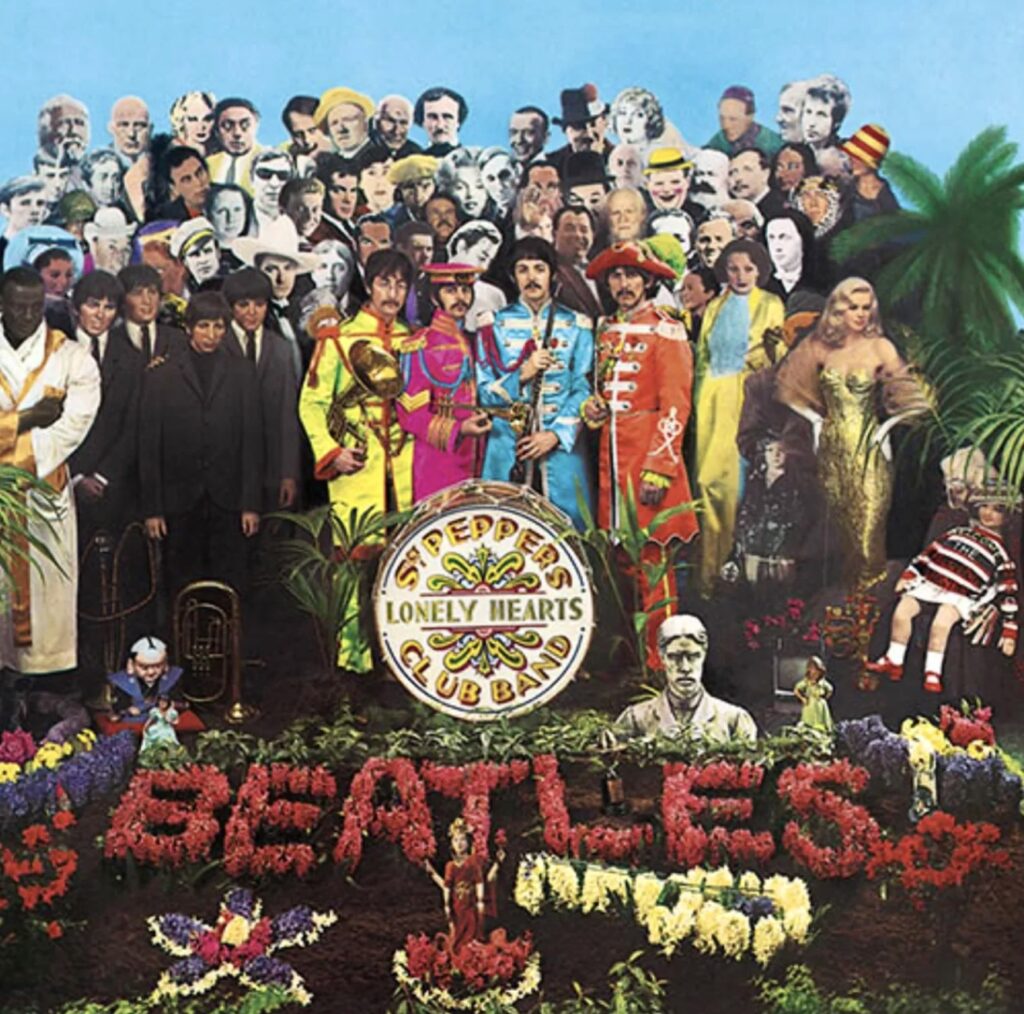
There will always be stuff we don’t know until we know: kids in the mid-’50s didn’t see The Beatles coming; the big hair crowd didn’t see Nirvana and Metallica roaring down the freeway in a tank.
Beatles Album Cover
The future is unlimited, and it will include Everything. It’s all just sitting inside the souls and minds of creators, waiting to be unleashed.
Barrett Media produces daily content on the music, news, and sports media industries. To stay updated, sign up for our newsletters and get the latest information delivered straight to your inbox.
As a young man, I was inspired by the courage of Dan Rather, and I don’t mean his overly sincere sign-off to the CBS Evening News. Rather was fearless. In Vietnam, in the segregated South where he covered Civil Rights, and at the White House where he stood up to the other President with an enemies list, Richard Nixon.
Later, my inspiration came from Sam Donaldson who faced down a very popular Ronald Reagan, pointedly asking him about the Iran-Contra scandal.
To me, these giants of television journalism exhibited what White House Correspondents are supposed to be and do. So when I made it to the front row of the White House Press Room to ask President Barack Obama questions, I remembered to challenge, to ask myself: what do my viewers want to know today? Often, that meant asking a question neither the President nor his Press Secretary wanted to deal with. But they did.
Today, I am proud to have worked with many of the White House Correspondents who bravely ask President Donald Trump, tough, uncomfortable questions.
Kaitlin Collins of CNN was just emerging as a White House Correspondent, backing up my friend Jim Acosta. She has grown into a remarkable journalist. Put in the difficult position of interviewing President Trump one one-on-one — just as she was starting her big-time career — she was not successful. But over time, she has emerged as brave, challenging, and a cable star.
At NBC, Peter Alexander, Gabe Gutierrez, and Kelly O’Donnell routinely ask the questions the public has a right to hear and don’t back down. I know Kelly’s toughness firsthand. We both worked out of the small and dangerous Baghdad bureau at NBC in the early 2000s. She put on her bulletproof flak vest and ventured out into the Iraq War with the rest of the boys. If there was fear, I never saw it. That bureau, by the way, was bombed one early morning, killing two local staffers.
My former ABC News producer at the White House, Mary Bruce, is now ABC’s front line, distinguishing herself nightly on World News Tonight. She is frequently asking Trump to explain and yes, justify his efforts to diminish the other branches of government and elevate the Presidency to royalty or outright dictatorship. And moves he must be challenged on.
Ed O’Keefe and Robert Costa, both alumni of The Washington Post, make up a strong CBS News team.
To those who say the “mainstream media” is dead or dying, I reply, “I hope not.” Because without it, we lose brave journalists like those above.
And don’t forget the likes of Jonathan Swan, Maggie Haberman and Peter Baker at The New York Times, all of whom break deeply researched stories the Trump administration dismisses as “fake news”.
There are other younger reporters at all of the networks, who show promise and hopefully have time to grow. One of the changes at the networks since I left in 2018 is the pace at which correspondents make it to the top. I came to NBC News after 20 years in major markets in San Francisco, Chicago, and Los Angeles.
Then another 20 years in network news covering everything from Columbine to Sandy Hook, on the ground for the wars in Iraq and Afghanistan, posts in Jerusalem and London, and as a 20/20 correspondent while also covering the D.C. agencies from the FAA to the FDA, before finally getting my chance at the White House.
That experience helped me be brave in the front row and ask those uncomfortable questions. After all, the President’s ire was not as scary as a Taliban bullet.
What the nation needs now are experienced, courageous journalists challenging this president and unafraid of being labeled “enemy of the people.”
The real enemy of the people are those from friendly news outlets who fear the wrath of MAGA and only ask softballs the President wants to hear.
Barrett Media produces daily content on the music, news, and sports media industries. To stay updated, sign up for our newsletters and get the latest information delivered straight to your inbox.
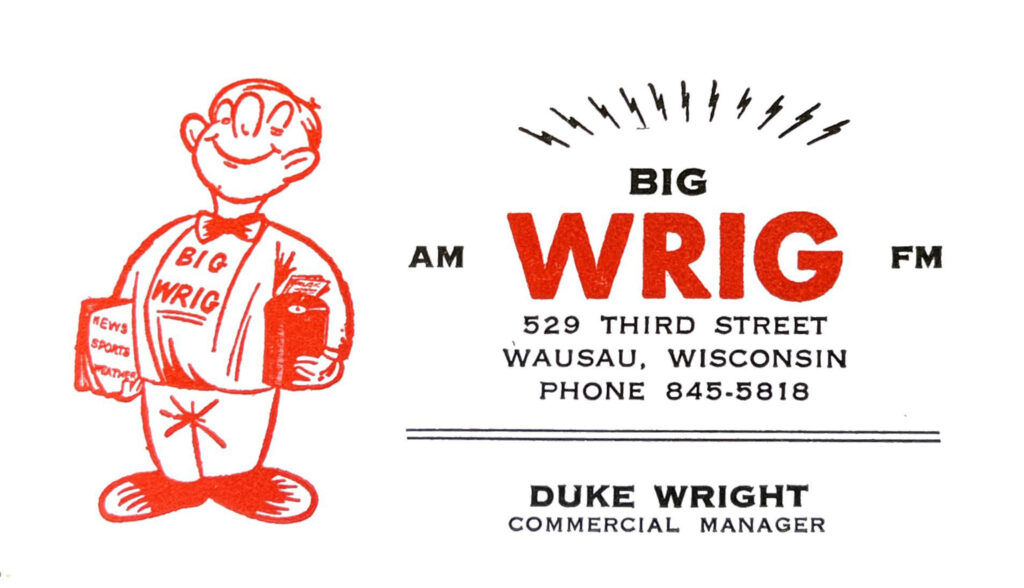
Midwest Communications was founded in 1958 when its founder, Duke Wright, purchased 1400 WRIG in Wausau, WI, which signed on as a Top 40 station. Today, the privately held company owns stations in Wisconsin, Michigan, Illinois, Minnesota, North Dakota, South Dakota, Indiana, and Tennessee.
Midwest Communications Website
Jeff McCarthy, a 40-year company veteran, is the Vice President of Programming. He oversees the company’s programming footprint from his office in Green Bay.
McCarthy draws a direct line to his longevity and success straight back to the beginning.
“Number one, it started with Duke Wright, a phenomenal person, highly intelligent, and a really nice guy. And I had 38 years of training, teaching, and learning from Duke, how he treated people, how he dealt with business. And I learned early on that if you wish to be successful, find someone who already is, and then do like they do.”
“Duke had the ability to attract people, but he gave us that independence of free thinking, and that’s where the creativity came from. He never held us back. If we had an idea, you could always go to him and say, here’s an idea, here’s what I think, and he would question a few things, and then go for it.”
McCarthy saw that attitude when he first arrived at the company.
“I remember when I first arrived in Green Bay, WIXX was already a highly successful station. They had a 24 share. And I said, Duke, what do you need me to do? And he said, just maintain. I said, well, would you mind if we improved a few things?”
“He said, go for it. He was always open to that, and that just inspired everybody. I was part of that very early on, where you surround yourself with people who believe what you believe. That have the same passion. That have that desire.”
McCarthy believes in developing a plan and then allowing people to execute it.
“Here’s something I created early on. The philosophy that we took was that we hire, or in some cases, acquire the best. We give you clear direction and the tools to win, and then we get out of your way.”
That leads to a culture of collaboration.
“People are happy that way, too, because now you’re a participant. Now you have ideas you form and create that make a difference in your community. So, yeah, let people run. I have a quote in my email that says, ‘no one of us is smarter than all of us.’ So it’s collaboration, and that’s a big word within our company, collaboration. None of us has all the answers, so together, we can come up with some amazing things.”
Serving the communities where Midwest operates is another important tentpole.
“We believe in serving our local communities. That is huge. That’s something Duke ingrained in us right from the start, and we continue today. What happens then is, you go, wow, we’re making a difference. We’re helping other people.”
“And from that, there’s the law of attraction. So that has not wavered at all. Unfortunately, some groups are run by people who may not even understand the end goal. If you serve the community, the advertisers follow, and so on. I can’t speak for other groups because I’m not in them. All I know is 40 years since I’ve been here. I would say we are a bit of an outlier as far as that goes. But it’s also a company that people are trying to get into. And I’m flattered by that.”
I put McCarthy on the spot and asked what a typical work week was like.
“There’s no typical week. That’s the exciting part. I could be working with a Top 40 station, music databases, research, air talent, and so on. Then I’m working with a Country. Then I’m working with Classic Country. It changes all the time. That’s the exciting part. It doesn’t get boring.”
Training also plays a significant role for McCarthy.
“I think this is what’s special with Midwest Communications: the training. Early on, Duke would hold a meeting at seven on Monday morning. It was primarily sales. And he invited me to attend. We watched a one-hour video, and then we would sit and talk about it for another hour or so.”
“I applied that to programming so that we were doing a lot of training. Even to this day, at 11 o’clock on Mondays, it’s leadership training. We watch some type of video. 95% of the videos we watch have nothing to do with radio. It has everything to do with you becoming a leader, manager, and how to handle certain situations, on and on.”
“Anyone who wishes to attend is allowed, no matter their title or position. We have air talents and IT people. I’ve always said that every day I leave work smarter than when I arrived.”
Jeff McCarthy 1985 Photo Courtesy McCarthy
I asked McCarthy if he shared my concern that radio has let go of its talent farm team?
“That’s a great question. First of all, another thing I acquired in hiring people is using the SWAN effect, which is an acronym. SWAN is smart, works hard, ambitious, and nice.”
“The farm team now comes from people who may not be in radio but have tremendous talent. Whether it’s video, social media, or so on, they’re entertainers. It’s just a different way for us to deliver the content. And we have to adapt to that. If we throw our hands up and say there’s just no farm team, there’s no farm team. But we have to believe and really work and reach out.”
“I’ll give you an example. At WIXX, we hired an afternoon talent from social media, the digital side of things, but also very talented on air. And he’s in his early 20s, and it blows us all away.”
“Those of us who have been around, who used to play 45s on a turntable. We’re learning from those folks and can bring more and more of them on board. And then they get acclimated to, oh, this is radio, but it’s so much more than what we used to do many years ago.”
Midwest is one of the more stable companies, and you don’t often hear of downsizing, but you often hear of job promotions.
“I think there’s a fear of moving forward in a lot of the big groups. And in my 40 years, not once did I ever come in thinking, is this the day that the cuts are coming down? Never. That’s amazing.”
McCarthy’s management advice draws from reinforcing the positive.
“I think that through everything, just remain humble. Have humility. Laugh at yourself. Laugh at the mistakes. My philosophy has always been that I don’t walk around finding fault in people and criticizing them. I see what they’re doing right and compliment them. That way, they never think, oh gee, here comes Jeff down the hallway.”
“Now I look at it and go, that was a great bit this morning. And be very specific about it. But compliment people. Because the insecurity of great talent is there, we look at them and think they’ve got it all together.”
McCarthy is grateful for being able to work in one spot for 40 years, which has been important for his family.
“Part of my 40 years of working for the same company has allowed me to remain in the same place all this time. When raising a family, that’s very important. My wife and I have five children. They’re all grown now. My wife and I just celebrated 47 years of marriage.”
“None of my kids followed into the business. They all went off in their own direction. I think having the support of family, but at the same time, it’s just having the connections with some incredible people.”
“When there’s a mistake, take responsibility. Don’t be afraid, hey, we messed up. Let’s try something different. Not everything works. But having that ability and not worrying about losing your job is incredible.”
Barrett Media produces daily content on the music, news, and sports media industries. To stay updated, sign up for our newsletters and get the latest information delivered straight to your inbox.
Every medium — whether it be television, radio, digital, print, or even the podcast industry — is in a fight for advertising dollars. Sounds Profitable partner Tom Webster believes podcasting needs to come together to have a cohesive message to the advertising community.
Advertising in the podcasting space has fluctuated in recent months and years. In 2024, at times, the revenue for podcasting grew by more than 20% in a single quarter.
Meanwhile, some of the largest podcast advertisers have decreased their spending in recent months, with questions on whether or not that was related to the often hesitant marketing approach in the first quarter, a hesitant marketing approach after the election of Donald Trump, or a hesitant marketing approach from those previously trusting the podcast industry.
While there is some disagreement from some in the industry about whether or not podcasting is an audio or visual medium, Webster says that should be a feature, not a bug, to potential marketers.
“I don’t know if spoken word audio is like smoking, that you have to start it young to get the habit,” he joked. “I don’t know that that’s true, but it does make podcasting, I think, incredibly important, because we can’t just take spoken word audio for granted. It’s certainly been cut into considerably by video.
“Podcasting is the most versatile medium, and I think more and more we’re learning that the same people will dip back and forth between audio and video versions of their favorite shows. And I think that’s a message that we haven’t really talked about in podcasting. I don’t know that we have talked about it to advertisers as much that you don’t have to make a choice here, if your podcast has a video option.”
The Sounds Profitable partner pointed out that when cable television was first introduced in America, the industry spent plenty of its marketing dollars behind a promotional push that highlighted the value of cable TV as a whole and why it was superior.
Tom Webster has laid out eight talking points that those within the industry can utilize inside their own programs as a way to reinforce why advertisers should continue to put their faith in the podcast industry.
#1 – Found Time, Not Spent Time
“I think we can talk about how this is the only content you can fully absorb while you’re doing something else,” said Webster. “You don’t have to choose between productivity or enrichment. That’s certainly true of audio podcasting. It’s found time not spent time.”
#2 – The Ultimate Companion
“It’s the ultimate companion,” Webster said of podcasts. “Again, that speaks to that versatility that I talked about before. Podcasts can stay with you wherever you go, and they can keep you company.”
#3 – Screen-Free Moments of Zen
“I think if you would ask the average American — and indeed, probably people from other countries as well — ‘Do you watch too much? Do you think you scroll too many videos, do you think you scroll too much Tiktok? Or do you think you scroll too many reels? I think most people would agree with that,” the Sounds Profitable partner said.
“So I think that’s something that we can talk about, a screen-free moment of Zen, especially for kids and family podcasts.”
#4 – “Deepen Your Understanding, Not Your Screen Time”
“It’s guilt-free media that enriches you and can stop the mindless doomscrolling,” said Tom Webster. “It’s something that actually enriches your life, and it’s not just a way to kill time.
“All of this sound may sound really simple to you, but we don’t talk about them,” Webster added. “We don’t talk about this stuff. And these are the core values and the core value proposition of podcasting.”
#5 – “Take Back Your Commute/Chores/Workout”
“You could turn all of those necessary tasks into opportunities to learn and laugh. I think people don’t often think about podcasts in those moments. They may get the laundry together and go down to the laundry room or whatever. Maybe they don’t even think about a podcast. We need to remind people to take us with them on their chores,” he stated.
#6 – “Be Part of the Conversation”
Tom Webster utilized an analogy that podcast should mimic a theater rather than a stage. In a theater, there is a backstage area where the talent can mingle with those producing the show, but also the most valuable people to the performance.
On the stage, they can espouse their beliefs, share their talent with the audience, and put on an entertaining show.
And in the lobby, the audience is able to mingle and communicate with one another over their shared interests in the entertainment.
He shared the importance of creating a real connection and community within in the audience as a driving force for a way for the podcast industry to leverage it audience with marketers.
#7 – “Fewer Ads, Better Quality”
“We’re very selective about our sponsors,” noted Webster. “You hear fewer ads and only ads from brands that support what you love. I think that’s a core advantage. I don’t think we want to get into price war messaging about having fewer ads necessarily, but I do think we can stress that we’re selective about not wasting your time.”
#8 – “The Versatile Medium”
“No other medium is so flexible,” the Sounds Profitable partner concluded. “It’s a video when you can watch, audio when you can’t. It goes with you in multiple settings and multiple environments. And I think that’s something that is a core benefit for advertisers as well. This really turns podcasting into an extremely versatile advertising vehicle for people.”
Barrett Media produces daily content on the music, news, and sports media industries. To stay updated, sign up for our newsletters and get the latest information delivered straight to your inbox.