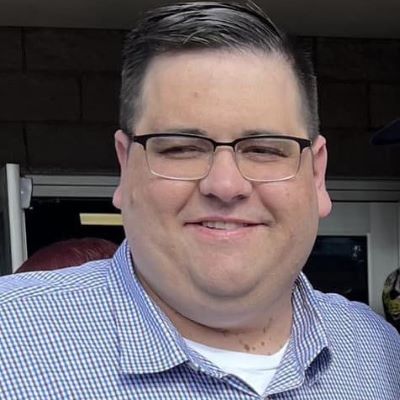
Brendan Carr has a talking problem, and it’s costing the FCC something it can’t easily get back: credibility. The FCC chairman sat down with Politico’s Dasha Burns last week, and what came out of that interview should worry anyone who cares about the line between regulator and pundit.
Carr wasn’t shy about sharing his personal vision for how news organizations ought to operate. That’s the issue.
When Burns asked whether it’s his job to reorient news and editorial standards, Carr didn’t give a simple no. Instead, he said, “I think it’s something that the news media should want to do on its own. And at the same time, I think it is our job to enforce the rules that are on the books.”
He went on to argue that national programmers are running over local TV stations and that “legacy media should want to do a course correction.” Fair enough, if that’s just Brendan Carr the person talking. But it’s not just Brendan Carr the person. He’s the FCC chairman, and the two roles have blurred into one under his watch.
There are two problems here, and neither one is small.
Carr Can’t Separate the Man From the Title
First, Carr doesn’t seem to grasp the difference between his personal opinion and the official position of the agency he runs. If he personally believes legacy media needs a course correction, that’s his prerogative. I don’t and can’t take issue with his opinions. Plenty of media critics hold similar views, and nobody bats an eye when they say so.
However, Carr isn’t a media critic. He’s the head of a federal agency. And the FCC increasingly operates as though Carr’s personal media philosophy is agency doctrine.
Separating the professional from the personal is part of the job for nearly everyone who holds a position of authority. A cashier at Target can vent about corporate policy without consequence because nobody’s confusing his opinion for store policy. Carr doesn’t get that luxury. Every comment he makes about how news organizations “should” behave carries the implicit threat of enforcement behind it, whether he intends it that way or not. So when he says legacy media should want to change, station owners and programmers don’t hear a suggestion. They hear a warning.
That distinction matters because the FCC’s power isn’t hypothetical. It grants licenses, reviews mergers, and enforces rules that can make or break a broadcaster’s business. Consequently, when the person holding that power keeps blurring his personal opinions with his professional mandate, the entire industry has to guess where the line actually sits. That’s not a healthy way to regulate anything, let alone the media business.
He Knows Exactly What His Words Are Worth
The second problem is arguably worse. Carr clearly understands the weight his words carry, and he uses that leverage anyway. He’s not naive about how the industry parses his statements, and he’s not accidentally stumbling into these comparisons between what he wants and what the FCC will enforce. He knows a passing remark about local stations or programming decisions can ripple through boardrooms overnight.
That kind of awareness, paired with a willingness to keep blurring the line anyway, is what makes this genuinely concerning. A regulator who understands his own influence and still chooses to freelance his opinions on editorial standards isn’t just careless. He’s making a choice, and that choice tells station groups exactly how much independence they actually have left. Meanwhile, the rest of the industry is left trying to read tea leaves instead of a rulebook.
To be clear, I don’t think Carr is wrong that some legacy outlets have lost touch with local audiences. That’s a legitimate conversation, and plenty of folks privately agree with him. But there’s a massive difference between a commentator making that case and a regulator implying enforcement is coming if the industry doesn’t fall in line on its own.
Carr keeps collapsing that distinction, and until he stops, the FCC’s credibility as a neutral arbiter is going to keep taking hits right alongside it.
Barrett Media produces daily content on the music, news, and sports media industries. Sign up for our newsletters to stay updated and get the latest information right in your inbox.