Home Blog Page 1518

Barrett Media Convention Coverage: Republican National Convention Day 4 Recap

0

During the final day of the Republican National Convention, attendees, viewers at home, and even those who oppose him were prepared to watch the first public comments of former President Donald Trump — tabbed as the party’s presidential nominee — since being shot at Pennsylvania rally last Saturday.

The Republican party nominee spoke of his newfound appreciation for life after taking a bullet to the ear from a would-be assassin last week.

“I stand before you this evening with a message of confidence, strength, and hope,” Trump said in the early portion of his speech. “Together, we will launch a new era of safety, prosperity and freedom for citizens of every race, religion, color, and creed … “The discord and division in our society must be healed. As Americans, we are bound together by a single fate and a shared destiny. We rise together. Or we fall apart.”

““None of us knows God’s plan, or where life’s adventure will take us. But if the events of last Saturday make anything clear, it is that every single moment we have on Earth is a gift from God. We have to make the most of every day for the people and country we love,” Trump later added.

As expected, the comments from Trump drew rave reviews from conservative media members.

Donald Trump spoke for just over 90 minutes at Thursday’s convention. Several media members had jokes about the length of the speech, and also the customary balloon drop at the conclusion of the convention.

In addition to former President Donald Trump speaking at the Republican National Convention Thursday evening, the party welcomed Hulk Hogan, five-time WWF Champion and WWE Hall of Famer, to the stage to stump for the nominee.

Hogan told Fox News anchor Bret Baier he had considered a run for politics in his own right, but was always afraid to speak out on issues. However, the assassination attempt — he said — gave him the courage to reveal his support for the former President.

During his speech, he took off his suit jacket, and ripped his cut-off t-shirt — a trademark of his professional wrestling days — to reveal a Trump/Vance 2024 garment.

Additionally, former Fox News host Tucker Carlson took the main stage on Thursday evening. Interestingly, his former cable news home aired his speech, while both CNN and MSNBC cut away from his 12-minute remarks in favor of other content.

During his speech, Carlson took the opportunity to praise Donald Trump for taking the high road after the assassination attempt last week. “He turned down the most obvious opportunity in politics to inflame the nation after being shot,” Carlson said. “In the moment, he did his best to bring the country together.” He later added that people questioning whether or not there is a God “are starting to wonder: maybe there’s something to this.”

After his speech concluded, Jesse Watters — who took over Carlson’s previous 8 PM ET timeslot on Fox News — joked “That was Tucker Carlson. You may remember him from the eight o’clock hour here.”

As the Republican National Convention concluded Thursday, the overarching feeling in conservative media circles was that the event was a unifying moment for the party, with even CNN analyst Van Jones — who often catches the ire of conservative pundits — stating “The last time I was at a convention that felt like this was Obama in 2008. There’s something happening.”

Peyton Manning: Opening Ceremonies ‘Might Be Coolest Pre-Event Tunnel of All Time’

0

Back in mid-March, on the Tonight Show Starring Jimmy Fallon, it was announced that the trio of Mike Tirico, Peyton Manning and Kelly Clarkson will host the Olympics Opening Ceremony together. While it seemed far away then, it is now a week away from happening and Peyton Manning was on The Pat McAfee Show and talked about that exciting broadcasting excitement.

McAfee thought the broadcast would originate from one of the boats on the River Seine and said, “You’re on a boat opening night for the Olympics on that poop river. Don’t be falling off that boat, Peyton. Careful.”

Manning corrected McAfee about where he and his team will actually be broadcasting from. “I’m actually not on the boat. I’m with Mike Tirico and Kelly Clarkson. We’re kind of in a studio right near the Eiffel tower, watching the athletes come down on the boats, on the sand.

“I think it’s going to be pretty incredible. You know, Pat, you and I both have been in some cool tunnels before a game, right? I mean, there’s kind of that moment before the event, you’re right there in an NFL locker room, whatever sport it may be. Look, I know there’s no events that night, but I would argue for these Olympic athletes being on that boat might be the coolest pre-event tunnel of all time.

“With hundreds of thousands of people on the banks of the Seine, pretty magical moment. I talked to Steph Curry the other day; I’ve talked to different athletes. I mean, they are not missing this opportunity to be on that boat, to be a part of that moment, knowing that the Olympics are here. So, I’m excited just to be a witness on it.”

The Opening Ceremony of the 2024 Paris Olympics will air on NBC and stream on Peacock and NBC Olympics platforms on Friday, July 26. A preview will begin on NBC at 12 p.m. ET with live coverage beginning at 1:30 p.m. ET.

McAfee seemed genuinely excited for Manning having the opportunity to be there to witness the ceremony. “We’re pumped that you’re a part of it too, by the way, football guy being a part of the Olympic ceremony. We appreciate you doing that and you’re going to crush it. With that being said, brilliant [move]. That’s Peyton Manning football. ‘You’re putting me on a boat on a poop river? I don’t think so.'”

McAfee later added, “But that is a cool night. Like watching dreams come true. You know?”

Dan Patrick Now One Year Closer to Retirement

0

Well, Happy Anniversary? It was one year ago on this day when Dan Patrick told his listeners and team he had picked a retirement date. Fortunately for those of us that enjoy listening to Dan’s show, the date Patrick gave for his final show, Friday December 24, 2027, was four and a half years from the day he said it. Unfortunately for those that enjoy listening to Dan’s show, that date is now only three and a half years away.

“It’s a young man’s game,” Patrick said back on July 19, 2023. “Like, I’m the oldest guy doing this. And I enjoyed doing it. But by the end of 2027, that’ll be it. It’ll be it; you have my word. So, plan accordingly.”

To my knowledge, Patrick has not wavered from this at all during the year. This is no Charles Barkley retirement; this actually feels like it is going to happen. After being on the radio with us since 1999, after 28 years there will be no more of The Dan Patrick Show at the end of 2027.

That means, it’s darn near getting time to actually start thinking about what happens next.

We know what happens next for Dan. He puts the microphone down at 70 years of age and kicks back and enjoys whatever it is he wants to do. And deservedly so. Patrick and his team of ‘Danettes’ have provided a lot of great moments for the listeners in their years and they continue to do it at a very high level today.

Based on the smile on the face of Patrick when he is doing the show, when he is goofing off and having fun with his crew, when he is interviewing one of the hundreds of major celebrities that come on the show each year, or just when he is waxing poetically about a sports topic, Patrick looks like he is having as much fun as he has ever had.

Back in 2021, Patrick told Ryen Russillo on his podcast that he was more proud of the success he has with his radio show compared to when he was on SportsCenter. He said that’s largely because of how the show was built from the ground up. 

“I had guys who I had worked with at ESPN and I asked them to take a leap of faith. We had 12 radio affiliates. I didn’t have any TV partner. I had nothing. We were doing the show in my attic and those guys gave up their jobs at ESPN and they joined me. I didn’t know what I had, but I knew what we could be.”

My, how far they have come.

Look, this is one of those situations where Dan will hopefully go out on top and have the audience wanting more from him. This, as opposed to someone like Skip Bayless, who has had an amazing career in sports media, but is anyone really clamoring for more from Skip Bayless? Do people clamor for more from Dan Patrick? I do.

If you were to go into a lab and make a great, national, sports radio host, it would probably come out a lot like Dan Patrick. First and foremost, as I mentioned before, he seems like he is having the time of his life doing the show and that is half the battle. He has a great voice you can listen to all day, he is witty, he has strong takes without coming off like a pompous ass each time he talks. He doesn’t get personal and rip people just to get attention. It is good, quality, consistent sports talk radio, and it will be missed when it goes away.

You don’t replace Dan Patrick. You put someone else in and hope like heck they work out eventually. We have seen this before with Patrick. While there have been others who have done SportsCenter very well, has there ever been a pairing again like Patrick and Olbermann? Or a SportsCenter anchor who was better than Dan Patrick?

When I sat down to write this, I intended to list some names of people who I think could potentially fill Dan’s spot on the radio. I bagged that idea when I really couldn’t come up with anyone. In all honesty, when I think of all the qualities Patrick brings to the table, I only came up with one name of someone I think can come close to matching all of it – Scott Van Pelt. I don’t see SVP stopping all the great things he has going on in his career, so I don’t think he is even a possibility, but he is the only person out there I can think of that would be ready for something like taking over for Dan Patrick’s radio show.

Maybe next year on this day we will be ready to talk more about who could possibly take Dan’s seat when 2028 comes around. Perhaps we just aren’t ready yet to even think about it. Let’s just enjoy another year of what Dan Patrick and The Dan Patrick Show bring to the airwaves each weekday and we will talk again on this next July.

_________________________________________________________________________________

The Best Thing I Heard/Watched Recently

I cannot tell you how well done I thought Episode 3 of Hard Knocks: Offseason with the New York Giants was. I am a sucker for any kind of behind-the-scenes programming and to borrow a line from the late, great Keith Jackson, ‘Whoa, Nellie!’

This was as much behind-the-scenes as you can expect to get as a fan. Whether it was Giants owner John Mara saying, “I’ll have a tough time sleeping if Saquon goes to Philadelphia…He’s the most popular player we have by far,” or watching as General Manager Joe Schoen navigated through trying to sign early free agents, this is the content fans crave.

10 out of 10. Five stars. Two thumbs up. Give me more. Yes, yes, yes! So good.

You can see the information about the series from HBO by clicking here.

_________________________________________________________________________________

In Case You Missed It

Derek Futterman did a feature earlier this week on Darren Rovell and his new venture, Cllct. The former ESPN reporter who was most recently at The Action Network now finds himself in the collectible’s world and based on what I see from him on social media, it looks like this is a true passion for him. Here is how he explained it to Derek:

“I’ve spent the last 15 years putting [a] significant amount of money into the collectibles business, sports and otherwise, and the community is amazing,” Rovell said. “The upside if you’re smart has been tremendous.”

If you don’t know much about Rovell away from what he did at ESPN, you should check out the feature by clicking here.

Talk Radio Hosts Need More Discussion Across All Political Viewpoints

0

The historic news cycle of 2024 continued this week for talk radio hosts with the near assassination of former President and GOP nominee Donald Trump.

Stations across the country went into Breaking News coverage on Saturday evening and covered the first shooting of a current or former President in 43 years. There’s been updated news to cover every day since on what breakdowns happened within the Secret Service, communication, or lack thereof, with local law enforcement, and more.

But there’s also been a Monday Morning Quarterbacking within some parts of media in discussing how to improve the political discourse across America. To be clear, no one is to blame other than the shooter, but tragic situations can always be used to self-reflect.

As local talk radio stations, our format will continue to lean right and should be driven by fact-based strong opinions. However, how can you further the discussion across all political viewpoints?

In today’s climate, it’s harder than ever to get Democrats on talk radio that isn’t NPR. Admittedly, many Republicans won’t talk to their local NPR affiliate. A “team” mentality has permeated media, which has been largely driven by the rancor that is unavoidable on social media.

There’s no doubt that politicians are wise to avoid some media, but there are also many in politics who aren’t strong enough in their convictions to handle pressing interviews, don’t feel they need to do them, and are told by their handlers and consultants that they can only do more harm than good to protect their political futures.

However, the more we do in the local markets, the better for our listeners, our community, and our country.

Every Thursday morning on KCMO Talk Radio, I interview Quinton Lucas, the mayor of Kansas City, Missouri. He’s a staunch Democrat helping Joe Biden’s campaign with tour stops around the country. We disagree on most policy issues, but we’ve done weekly segments on KCMO since COVID-19 hit in the spring of 2020.

I asked him about the political discourse in the country this week. His answer will warm the hearts of long-time radio listeners, “When we were growing up, the Imus in the Morning Radio Show, which re-aired here in Kansas City for a while, which I listened to it, and my mom, when we’re driving to school, because you could get political commentary from both sides. You could get Joe Lieberman, you had John McCain, you could get much more conservative and much more liberal people, but you had that interchange of ideas.”

Given that many in broadcasting would love to have the success of the late Don Imus, is there a blueprint from the Imus days worth reconsidering?

Some might suggest we live in a different climate, where people have so many news and entertainment options, they’ll just listen to hosts and guests who they agree with 99% of the time.

But you’ll have an audience if you can successfully put together smart, informative guests, and not always those who are ideologically pure to your beliefs. Plus, a few things will happen: 1) You create interesting conversation. 2) You become a better interviewer. 3) You open yourself up to other guests that you might not be able to get on the show by leveraging the relationships you’ve built with your current stable of guests.

I’ll leave you with the conversation that happened this week on The Daily Show between Bill O’Reilly and Jon Stewart. Regardless of where you fall ideologically, it was a fast-paced, funny, and pithy conversation between two men who see the world from incredibly different perspectives. It’s the fastest 13 minutes you’ll watch this week.

The more conversations we have, whether on cable news, network news, or local radio, the better, more entertaining, and more beneficial our conversations can be in America. And none of this involves compromising your values.

UK Radio Has A Lesson For US Radio Stations

0

It’s been a minute, but I’m excited to be back and again pontificate (and not just to civilians who couldn’t care less) about the industry I love so much.

For those of you who don’t know or remember me, I spent seven years at the late, great Radio & Records, working my way up from Assistant Radio Editor to a full-fledged format editor, reporter, columnist, and feature writer, as well as contributing heavily to Street Talk Daily. When R&R shut down in mid-2009, I co-founded RAMP (Radio and Music Pros) with Kevin Carter, and, amongst all of that, I also spent some time on-air in Connecticut, Boston, and Southern California.

In mid-2012, I left RAMP and said farewell to the industry when my family moved to Denver, and I finally fulfilled my parents’ dreams of me getting “a real job” and this weird thing called a “mortgage.” (Now that I was out of radio, I could actually buy a house!)

But, as you all likely know and personally experience, radio is kind of like a bad case of herpes: Once you’re infected, it’s basically impossible to rid yourself of it, even when it burns horribly.

I kept up with a lot of radio and record label friends over the years through email, text, phone calls, and Facebook. Read The Sands Report. Commented on many of Sean Ross’ Facebook posts and columns. I complained about things in the Radio Peeps Facebook group. Facebook named me a “top contributor” to JJ Kincaid’s “Oh Damn… That Song!” group. Mourned the loss of stations, jobs, and people and celebrated new jobs and station launches (or triumphant returns). I couldn’t not be involved.

In addition, I also broadened my horizons. Thanks to the wonders of the Internet, I had an entire planet’s worth of radio at my fingertips, and I started listening to a lot of stations from other countries. After decades of a U.S.-centric mindset, having other options was refreshing to hear how other cultures crafted their art.

So, what did I learn over the past few years as a less-active observer and my newly enlarged radio-scape? Two key things:

1. Live is important. Local?… not always so much.

My favorite radio station is from London, and the U.K. uses the DAB system (kind of like their flavor of HD Radio) that broadcasts nationally. Much like satellite radio, it’s accessible throughout the country, so in different cities, the available mix includes some local stations alongside national feeds.

When done well, the national stations leverage texts and calls from places around the U.K. to get listeners to participate and engage in the topics being discussed. It doesn’t matter that the audience members are 160 miles away in Shropshire and not down the street in London; good content is good content, and stories that entertain and contribute to the feature being discussed are key. And yes, listeners still enjoy calling in or hearing their names on-air.

This extends to all hours of the day and night. Several of the stations I listen to have live jocks on air 24/7, and they even have multiple overnighters instead of a single person handling a marathon shift. The “Early Breakfast” show from 3-6 am scores a good amount of engagement, with listeners getting shoutouts as they start their day before sunrise.

Content has always resonated nationally in the U.S. Conversations happen every day, recapping what the Jimmys (Kimmel and Fallon) said the previous night. We send “Saturday Night Live” sketches to friends days after they’ve aired. Many topics that work locally can usually work nationally, especially since broadening your reach gives you more area from which to draw responses.

Why are we so allergic to regional or national shows and lean so heavily into the “live and local” mantra? When done right – and I caveat that heavily and include being live across all those markets and not voicetracked or packaged to run whenever stations slot them in – shows that go beyond a single city can work well if the content is good and involves the audience.

Which leads me to my second point….

2. Content still reigns.

It’s been so long that I can’t remember where or how the principle came about, but somehow the introduction of PPM and initial rounds of analysis led to a massive cutback in jock talk time. It became about getting in and out in seconds.

To some degree, I agree with brevity: When you take a while to circle around to make a point, people will punch out. Be concise. Trim fat. But when you’re delivering engaging content and having a good conversation, it shouldn’t be limited to seven seconds just because. When we started programming to the meter, we began cutting away at the muscle that makes radio strong – the personality, the connection with listeners, and the stuff that makes them choose this medium over others.

Going back to my previous examples of Kimmel, Fallon, and SNL, viewers will sit through a several-minute-long monologue because it’s entertaining. John Oliver delivers what basically amounts to a 40-minute-long talking-head monologue every Sunday, and his audience will stick with him for the duration. Yes, his delivery is tight and punchy, but length is not a factor if the content is engaging.

My favorite radio jock does what amounts to a morning show in the afternoon, with breaks and features that run for several minutes at a time. I’ll sit through all of it and even catch the podcast if I miss a few shows that week because I know it always delivers.

Don’t be afraid of talking. It’s what distinguishes radio from Spotify, Apple Music, etc. But be good at your craft.

More to come. In the meantime, I’ve missed you and look forward to our new adventure together.

Cancelling Your Radio Advertising is a Bad Idea

0

When businesses look to cut costs, advertising budgets are usually among the first to be on the chopping block, and traditional media like radio may seem like prime candidates for pausing or eliminating. Digital advertising may be an afterthought for interruption after radio advertising. However, cancelling your radio ads can be short-sighted and have long-term negative consequences. Here’s why maintaining your radio advertising is crucial, even when cash is tight, perhaps ahead of your digital play.

Brand Awareness and Top-of-Mind Recall

Consistent advertising is essential for building and maintaining brand awareness. When you cancel your radio ads, you risk losing the top-of-mind recall that keeps your brand in front of potential customers. All your generated momentum can be lost with just a three-month absence. Radio ads help reinforce your brand message, making consumers more likely to think of your business when they need your products or services. This is especially important in competitive markets where staying visible is vital to remaining relevant. And slugging it out with huge national advertisers for digital advertising targeted at now buyers is a low rate of return.

Complementing Digital Strategies

Radio advertising and digital marketing are not mutually exclusive; they complement each other effectively. While digital marketing targets users who are already online, radio reaches people during their daily routines—commuting, working, or relaxing at home and pushes them online!

Building Trust and Credibility

Radio advertising can enhance your business’s credibility. Hearing your ad on the radio gives your brand an air of legitimacy and stability. Consumers are increasingly skeptical of online ads due to ad fraud and privacy concerns. The established and regulated nature of radio advertising can help build trust with your audience, as do your on-air personalities when they endorse clients. Stopping and starting an endorsement campaign isn’t always possible and can cause clients to lose endorsers.

Long-Term Investment in Brand Equity

Cutting back on branding efforts like radio advertising can provide short-term savings but often leads to long-term losses. Branding is a cumulative process; the more consistently you promote your brand, the stronger it becomes. When you stop advertising, you lose immediate business and risk diminishing your brand equity. This can make rebuilding your brand presence more expensive and difficult when financial conditions improve. Starting and stopping is more costly than a steady spend.

Widening the Funnel

Digital marketing often focuses on low-hanging fruit—customers who are already close to making a purchase. While this is important, it’s equally crucial to widen the top of your marketing funnel by attracting new, unaware audiences. Radio casts a broader net to those almost in the market or not at all. Only 5% of any market is ready to buy today. The other 95% can become future customers through consistent exposure.

While it might be tempting to cancel your radio ads to save money, it can undermine your long-term marketing strategy and overall business health. Radio advertising maintains brand awareness, builds credibility, and complements your digital efforts. By continuing to invest in radio, you ensure that your brand remains visible and top-of-mind for potential customers, helping to drive sustained growth even during challenging financial times. Instead of cutting back on radio, look for other ways to save money.

20 Brands In 20 Days: Chuck Damico, WMMR, Philadephia

To support the launch of the new Barrett Media, we’ve created a special series titled “20 Brands In 20 Days.” Highlighting successful stations across the country in various formats by conducting conversations with their brand leaders. Up next is Beasley’s Chuck Damico. Chuck is the PD of WMMR, Philadelphia, the station we are highlighting today.

Chuck joined WMMR 30 years ago and held most ever position at the station before rising to PD.

Jeff Lynn: Let’s start with learning a bit about you and how you ended up where you are.

Chuck Damico: I grew up listening to and loving WMMR.  I started here as an intern in August of 1994 (30 years ago, man!).  I’ve done almost everything here, music research, promotion crew, programming assistant, overnight jock, spot production, promotion director, APD and now PD.  I’ve never officially held a sales title, but of course, we are all in sales at some level.

JL: Philadelphia is known as a rough-and-tumble, take-no-prisoners town. What are the challenges and opportunities of programming for Philadelphians?

CD: Ha.  It’s simple. Be honest and real.  That makes it easy for me because I am not a liar or bullshitter by nature at all. I don’t want to waste time trying to remember what lie or version of anything I said to anyone. So, I just tell the truth even if it’s uncomfortable. I think our listeners appreciate that approach and keep it sincere and fun. And don’t waste their time.

JL: Preston and Steve have been together since 2005. When you work with a heritage morning show, how do you balance keeping things fresh vs. hanging on to loved benchmarks?

CD: The show has been at WMMR since 2005, but they were together for seven years before that.  And yes, they have very popular features, benchmarks, segments, events, etc.  But to their credit, and everyone here at the station really, they are always open to new ideas, twists, adjustments, etc.  They’ve been incredibly successful following their own instincts and are still working incredibly hard and creatively on keeping the heritage stuff fun and entertaining and also coming up with new ideas.

JL: My recent listen was on a “Double Shot Tuesday.” What other station features make up WMMR’s stationarity?

CD: Double Shot Tuesday has been a station staple for probably 40 years… maybe more.  We have a number of musical features, but that’s not where stationality comes from.  It comes from the people conceiving the ideas, writing the copy, producing the sound, and executing the ideas on the air.  WMMR has kind of an unspoken “way” about it that the staff just gets.  It’s personified by our legendary midday host, Pierre Robert.  He’s the heart of the brand.

JL: In a market the size of Philly, how important is contesting, and how do you do it to keep it on demand for the listener?

CD: Contesting is important for sure, but essentially, it’s just a tool that can be powerful if used properly.  For example… “caller 9 wins tickets” is a waste of the tool.  Create a really fun, compelling game with entertaining content that engages everyone listening, whether they are interested in the prize or not, and now you’re getting the most out of the tool. Driving listening, growing fandom, increasing usage, etc.  That’s what we want out of contesting.  Also, contesting is a great way to get things on the air for the right clients and partners.  It’s powerful when done well and should never be a throwaway.

JL: When I started in radio, the idea of a station giving away $1,000 was a huge deal. Now, with the ability to throw down $3 at the local WaWa and have a lottery ticket with a jackpot of millions of dollars, how does WMMR compete with prizes?

CD: See above.  Make it entertaining, compelling, engaging, and fun.  A good friend of mine loves to say, “Fun is the best thing to have.”  I think he’s on to something there.

JL: Back to Preston and Steve for a minute. I see, for example, the “Day Off At Dorney.” (Amusement Park)Many heritage morning shows I have worked with felt they were established enough that they didn’t have to do that anymore. How do they stay motivated to do promotions like this?

CD: The Preston and Steve Show does some of the most amazing promotions and events I (or anyone) has ever seen.  They have a handful of annual events – Preston & Steve’s Cardboard Classic, The Unofficial Opening of The Jersey Shore, I Bleed For Preston & Steve Blood Drive, Preston & Steve’s Campout For Hunger – an absolutely MASSIVE week-long food drive that also includes nightly events within the event (last year included fireworks and a drone show) but they will also add a few medium-sized events when it makes sense for the show and clients.  Day Off at Dorney is an old station idea but new for the P&S Show this year – broadcasting from an amusement park and opening it early for a few hundred fans of the show to have the run of the place before the general public can even get it.  The motivation to continue to do this stuff comes from within each of us.  We know what makes the station and shows successful and what speaks to the listeners’ lifestyles.  We wouldn’t be doing our jobs completely if we didn’t continue to do this amazing, fun, and impactful stuff.

JL: As a heritage brand, you can sell station merchandise. In a PPM market, how important is it to still have things like that in your community?

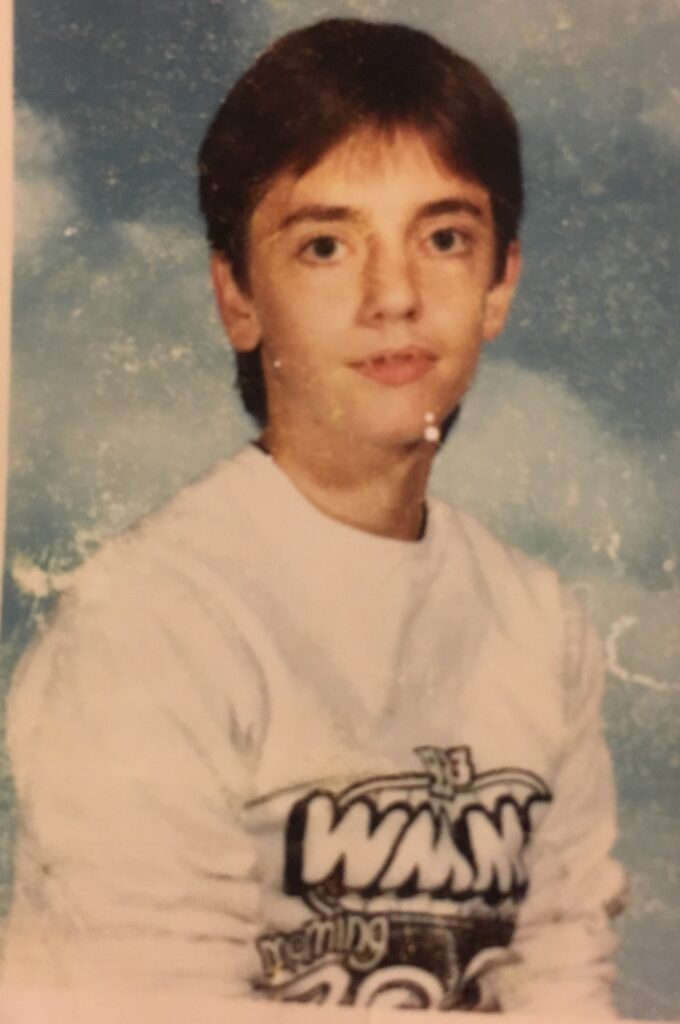
CD: When I was a kid, I convinced my parents to let me wear my WMMR sweatshirt in my school picture.  I didn’t really understand the psychology of it then; I just knew I loved the radio station enough to want to wear the logo.  Now though, I get it.  Great brands and operations like ours here at WMMR become part of people’s social identity.  It’s as important for us to have our items available to our audience as much as it is for a sports team.  We have such strong local pride for our teams (Eagles, Phillies, Sixers, Flyers) and our “brands” – WaWa, TastyKake, cheesesteaks, soft pretzels… and WMMR.  We are “A Philly Thing”, like all of those other proud associations, and it’s part of people’s social identity… It was part of mine then…that’s why I wanted to wear that shirt in my school picture.

JL: Along the same lines, do you find that being a strong brand in a PPM market can impact listening, and it’s important to be out in the market?

CD: Yes, absolutely.  I covered a lot of this, talking about huge events, 2 of which are “charitable” in nature with Campout for Hunger and Blood Drive, but yes, you have to BE part of the community, not just say you are.  People know the difference, and being disingenuous about it is a quick way to nowhere. Our market knows WMMR cares about them, and we know the responsibility that comes with that. Honestly, it’s probably the best part of the job, and what makes this place so special is our relationship with our audience.

JL: How have you incorporated AI into your daily routine and programming WMMR?

CD: Is this a trick question? I think almost all “intelligence” in radio is “artificial”. Bad joke, I know.  At this point, AI is not daily and is not part of our programming process.  Steve Morrison (of Preston & Steve fame) has played with it a bit for some audio and video content ideas, but nothing major yet.  I think it’s incredible and inevitable that it relatively quickly will find its’ way into almost everything, and I’m open to it because everything has to keep growing, changing, evolving, etc.  I most certainly don’t want to see any jobs taken by it or have it try to artificially replace true caring that can only come from human hearts.

JL: Tell me three things people don’t know about you or WMMR.

CD:

1 – I have an extra rib.  When I was born, I had a cracked rib, and it grew into 2. So, I essentially have a “spare rib”.  True story.

2 – I can’t be President because I was born in England.

3 – To our audience – Everyone at WMMR is truly honored and humbled that you make the radio station a part of your world and your life.  We sincerely thank you.

Listen to WMMR here. Find them on Facebook, Instagram, and X. Connect with Chuck Damico by email here.

Josh Klingler Reaches the Finish Line on 610 Sports Radio Kansas City

0

Josh Klingler can remember when Kansas City Chiefs fans were not sure if the team would receive one game on prime-time television. Prior to the 2015 season, the organization had not advanced beyond the Wild Card round of the playoffs since 2003, and the Chiefs only finished atop the AFC West division one time during that stretch. For nearly a decade, the team has cemented itself as a dynasty with eight consecutive division titles and four Super Bowl appearances in five years, resulting in a total of three championships.

Klingler has been following the team as the official sideline reporter of its radio broadcasts since 2020, providing listeners with deft insight and unparalleled access over the course of the season. Throughout the 18-game schedule, he is on the road and has witnessed the spectacle and intrigue surrounding the organization.

Facilitating the inexorable and unrelenting nature of the schedule, especially while co-hosting the morning drive show on 610 Sports Radio in the process, came in part through the adrenaline and passion he has for the craft. Working with Bob Fescoe for the last 14 years in the drivetime daypart, Klingler has refined his hosting abilities and helped craft a program filled with knowledge and fun. After many years of waking up early and balancing different ventures, the lifestyle caught up to him and necessitated a change.

“It got to the point where I had several times a year where I was kind of coming straight from the airport into work, and I don’t know how healthy that was and sleep deprivation and what have you,” Klingler said. “I think [it was] not just one thing, but it just kind of all added up to be, ‘Hey, is this what I want to do every day or is this becoming a task?’ It was kind of turning into more work than I wanted.”

Klingler believes that some people outside of the media industry may not realize the extensive amount of preparation that goes into a typical edition of a sports talk radio program. There are times when he was executing tasks in the middle of the day and would pause to think if it would make sense as a topic on the show. Aside from discussion about the local teams, part of the allure of the program came in its ability to relate to listeners and convey their genuine sentiments on a range of topics.

“I was always kind of the traffic cop and the even keel, and Bob would always be able to have the rein to [have] hots and colds and a lot more range of emotions and takes,” Klingler said. “I felt like my best role was to be the kind of even-keeled steward of, ‘If he flew off the handle, I could rein it back in’ [and] those types of things, and I think it worked.”

The longevity of the program came in part because of the rapport that was established between Klingler and Fescoe. When 610 Sports Radio first launched in 2003 though, Fescoe was working at Sports Radio 810 WHB, an outlet that had been broadcasting in the sports talk format for several years. Klingler himself accepted a role at 610 Sports Radio producing at night after being told he was overqualified for the position and that it would not pay that much.

“I feel like I just kind of fell into the talk thing,” Klingler said. “I was, probably am, still kind of a failed play-by-play brand broadcaster to a certain extent that kind of ended up being a chatter for a while on the air. So I never set sights on being a talk show host; I was always more in the play-by-play route and kind of settled into more of the talk than [I] probably ever thought I was going to do.”

As a producer, Klingler worked for parts of five years with Damon Amendolara in morning drive on a locally focused program. Once Amendolara left the station in late 2007, he continued to diligently improve as a versatile industry professional, delivering sports updates and maintaining the website during the daypart.

Two years later, he was added on The 610 Morning Rush with Roger Twibell, an ephemeral program that was supplanted once Fescoe made his return to Kansas City and began working with 610 Sports Radio. At that point, Klingler was unsure of what his new role would be, and after Fescoe debuted solo, he was asked by the program director to slide in and try to make the program sound as if it was more of a two-person show.

“I’m not a huge fan of one-person shows – I think Bob would probably tell you that too,” Klingler said. “I think having someone you can bounce stuff off of and have conversations with is a little bit better, and I think it worked out probably for both of us as well.”

In the last 14 years, Klingler and Fescoe have formed a duo that has been a familiar presence on the local sports radio airwaves, discussing a variety of topics ranging from sports to lifestyle. Although the show discussed sports, the conversations did not always touch on specific nuances of games but remained dynamic, nonetheless.

“I think as the years went on too, Bob and I discussed our families a lot and our kids a lot [and] being parents a lot, and I think that did resonate well with people,” Klingler said. “We tried to be like, ‘Hey, we’re doing a lot of the same stuff our listeners are doing, so let’s just talk about it or gripe about it or whatever,’ and I think at times, [we] tried to be kind of an open book.”

Although the show was never directed to have certain conversations by management, it tried to adhere to the interests of its listeners. When the Chiefs are within the NFL season, he feels the show is more buttoned up because of how the team has captivated consumers in the marketplace.

“I think a lot of cities probably live on their sports as kind of the gateway to their community and to be able to showcase your city in other ways by kind of opening the door via football, and certainly that’s been the case,” Klingler said. “And yeah, Taylor Swift hasn’t hurt either. That dynamic has brought on a whole new set of attention.”

The show never had Klingler’s name in it, instead adopting a title that solely highlighted Fescoe without making it apparent that he had a co-host. While he recognizes that it would have been nice to have his name in the marquee, it is never something he yearned to attain.

“I think if I were more ego-driven, I probably would have pushed for it, but I think anybody that heard the show got it,” Klingler articulated. “It was the two of us and a third voice at times, but I think anybody that listened got what the show was about.”

From the time Klingler announced that he was going to be retiring from daily sports talk radio six weeks before his last day, he received messages from listeners and colleagues thanking him for his work. If he walked out of the studios feeling like they informed and entertained the audience without missing key storylines, he felt the show was good enough. Akin to a golfer – posting a score and hoping that it was good enough – he tried to fulfill his role within the sports media business and concentrate on factors in his control.

“I wasn’t always focused on the ratings, but I knew what they were,” Klingler said. “I think we tried to put on a show that entertained us, and if it entertained us, we were hopeful that it entertained others.”

Following an emotional farewell program this past Wednesday, Klingler feels that listeners will quickly transition to whoever is named Fescoe’s new co-host. Dusty Likins, who hosts the evening program at 610 Sports, is someone who he thinks is ready to take the next step. Likins has filled in on numerous occasions when he or Fescoe were absent from the program, and while Klingler has provided his input, he does not have much say in the final decision.

Shortly before his egress, Fescoe in the Morning added a new producer in Mac Morey, who previously worked in Nashville, someone who he surmises will further elevate the on-air product. Fescoe will remain on the air, someone who Klingler perceived knows everyone in the locale and is the “most wired-in person” he has ever met.

“Bob’s there, and he’s a tremendous, tremendous anchor for the whole thing,” Klingler said. “So my role was my role, and whoever’s role comes in next, they got to make it their own.”

Pondering over what is next in his career, Klingler does not want to step away from sports media entirely because of the fact that he enjoys his work; however, his next occupation will not be a daily occurrence. Klingler envisions himself continuing to remain involved in the media for a few more years with what he is doing before he presumes to decide to do something completely different.

“I’m not interested in doing any more extra media,” Klingler said. “I had no reason to stop doing it if I was wanting to continue – 610 was the place I wanted to be – so if I’m not doing it there, I don’t foresee myself doing it anywhere.”

Several people have reached out to Klingler in different areas to whom he has been perceptive, neither accepting or declining any propositions at the moment. For now, he will continue to balance sideline reporting on Kansas City Chiefs broadcasts while engaging in freelance play-by-play work and other television opportunities. Klingler remains a staunch advocate for sports talk radio and is cognizant of its societal impact and inherent congeniality. Even though he will no longer be situated behind the microphone, he still intends to turn up the volume and be part of the sonic environment.

“I feel like I’ve ran the race, and so I’ve got other interests non-media wise that I’ve probably never had necessarily time to explore, and maybe it’s time to start exploring them,” Klingler said. “I don’t know what’s there, but I got multiple part-time broadcasting jobs that will still keep that fix going, but the day to day, I think I was just kind of just ready to not be putting in the time that it requires to be good.”


ESPN Launching New Statcast Alternate MLB Broadcast

0

ESPN is introducing a new alternate broadcast for select Major League Baseball games throughout the remainder of the regular season that will implement data from Statcast. The advanced technology grants users functionalities in discovering metrics that discern more information about players, teams and the league as a whole. Kevin Brown, Mike Petriello and Trevor May will make their debut on the new Statcast edition of Sunday Night Baseball on Sunday, July 21 at 7 p.m. EST on ESPN2 as the Boston Red Sox face the Los Angeles Dodgers. The presentation will be produced by Joe McCoy and implement several Statcast 3D renderings and other innovations in real time.

For the last few years, ESPN had presented Sunday Night Baseball with KayRod, an alternate broadcast featuring Michael Kay and Álex Rodríguez. While the Statcast edition of these MLB on ESPN games will emanate from the Seaport District Studios, it will be differentiated through the graphics and style of commentary taking place. Predictive methodology, sabermetrics and other integrations familiar to users of the Baseball Savant platform will also be showcased within the presentation. Moreover, ESPN will use avatar technology akin to animated broadcasts the network has aired, such as the NHL Big City Greens Classic, to illustrate plays in a timely manner.

“The nature of it is to have deeper, more insightful conversations and let that go and let that happen around the game,” Phil Orlins, vice president of production at ESPN, said in a media call. “So I think in that sense it will be conversational like Kay-Rod Cast, but in terms of the topics and depth of conversation about the game, it’s kind of a strong divergence from the casual personality-driven approach.”

Brown is the play-by-play announcer for Baltimore Orioles games on Mid-Atlantic Sports Network, broadcasting the game through a traditional lens on the regional sports network. In making the transition to the Statcast edition of these broadcasts, he does not feel that it will be as stark of a change because of the integration of the technology within other broadcasts.

“My goal with Orioles games is to take numbers that seem bigger or scary and show people why these are relevant and why this matters to the modern game, and hopefully enhance their understanding of what is a collection of some of the greatest athletes in the world,” Brown said. “I think we’re going to have more tools to do that here, but I don’t think it is necessarily a sizable leap from the usual stuff I do.”

From his previous experience being on Statcast-driven broadcasts, Petriello understands that its premise is bringing elements of entertainment within the discussion. Although he worked with Jason Benetti and Eduardo Pérez in its previous iteration, he is interested to gather the perspective from May having recently retired from the game and what information he synthesized in the bullpen. While May did not envision he would be on television, he has had an interest in media for approximately the last decade and studied analytics associated with the sport.

“I want to be part of this – I don’t want to say transition, but this burgeoning understanding of how guys are making decisions, how teams are making decisions, so that our armchair GMs at home can be better armchair GMs,” May said. “I just think that’s fun.”

May explained that he thinks sports broadcasts have done a good job in communicating what was happening over the years, and that there can be improvement in explaining the logic behind such occurrences. As someone who has penetrated within the media space through digital platforms, he aspires to add his own context through this medium. Orlins listened to May on SiriusXM MLB Network Radio and recognized that he stood out from other candidates in consideration during the process of identifying talent for the broadcast venture. Personnel within the sport are familiar with these data, and being able to communicate it in an appealing manner to the fan is something ESPN will look to execute within the alternate broadcast.

“Maybe it’s a lofty goal, but I like to think that broadcasts and commentary are and should be aligned with the way decisions are made and players are developed and their skills are developed on the field,” Orlins said, “and to fail to do that is to fail to address how the game exists in a contemporary way.”

Steve Nichols Returns to WPPL, Mountain Country Radio, Blue Ridge, GA.

0

Steve Nichols is returning to Mountain Radio’s WPPL, Blue Ridge, GA. He grabs the open morning drive spot. Former morning driver Les Durrant left the station earlier this year.

This is his second tour of duty. He previously hosted morning drive and served as Production Director and Sales Manager before moving to Iowa in 2020.

In addition to mornings, he will handle production and sales.

Congratulate him here.