We have been reading that the traditional selling model has been dead for a few years now. Buyers today, some say, don’t react to a simple phone call, pitch, and close formula. That may be true. No matter what type of radio buyer we deal with, it is safe to assume they have access to much more information than any buyers did 20 or more years ago. They are more informed, have options at their fingertips that don’t include using salespeople and don’t phone in as often looking for help. We better consider changing our tactics.
Research from Gartner indicates that B2B buyers only allow for 17% of their time to be spent meeting with potential suppliers. And, if you have ever tried to slow down a busy store owner long enough to consider your new digital package or afternoon endorsement, you know what I mean. Radio operators have long known that agencies didn’t need as much attention as a direct business because they pay them 15% to place the order and pay salespeople way less to insert it.
How much time do we spend selling to and with agency media buyers? Not much.
We can focus on what we can control, and that is direct buyers most often. And we can do a better job of understanding how to assist our clients through their buying process best. I have adapted Gartner’s six B2B buying “jobs” that clients must complete to their satisfaction to make a deal with you.
Let’s consider that this sales process is with a small business owner. This client is multi-tasking daily operational issues, product suppliers, and long-range planning like buying radio advertising for 2022.
Problem identification. “We need to do something.” The owner knows they have a store traffic issue, declining sales, or market share. Or they have a new location opening or are changing their name. SOMETHING on their end has sparked a need. It’s our job to know what that “something” is and help them with this problem.
Solution exploration. “What’s out there to solve our problem?” This is the action step when the owner starts asking around, searching the internet for other businesses in his category, or talking to his manufacturers’ rep or national ad agency. They may even appoint someone internally to head up finding the 2022 plan. They may even buy a plan from an industry consultant. Our research with a specific proposal is what is needed at this moment. A white paper with our case history of helping a similar business. A 3rd party endorsement. This is a “job” that we can help fill. The busier a store owner is, the more likely they will find someone they trust who will do it for them and report back to them with the plan. Can you be that someone?
Requirements building. “What exactly do we need the purchase to do?” This can slow down the process. This is where other feedback comes in, and we need to have been as objective as we can about what our plan can do and how it can complement other activities the client has on board. It is wise to complement ad buys already in place, so they don’t need to dive into too many ad buying processes at once. This job also demands clarity, so the client knows what they want.
Supplier selection. “Does this do what we want it to do?” Here comes the comparison shopping. We need to explain, email, or white paper the results of your ad plan. Metrics can come into play here, so knowing the clients’ numbers for average sale, annual and lifetime value of a client, and customer turnover rate can be crucial.
Validation. “We think we know the right answer, but we need to be sure.” Buyers remorse could be hitting! Or, your rates may be shopped. The client may ask a friend who does business with your station what he thinks about his plan. Make sure your client has a list of other clients you have helped and make them as high a profile as possible. They may know that person and will source you. Provide “why radio ?” bullet points so the client can defend your plan to whoever he seeks for validation. Beware of the manufacturer who says radio doesn’t work.
Consensus creation. “We need to get everyone on board.” This could be the step where a business partner or accountant doesn’t agree with your spending level. Or the commercial is played for a room full of employees. Bombproof the client to know how to defend your plan.
It would be nice if these jobs all happened in a particular order, but they don’t. Be prepared for any or all of these jobs to be mastered, and make sure you apply for all of them.
It’s never easy to replace a legend. When the time came for Brad Nessler to slide into the chair previously occupied by the great Verne Lundquist, he handled it well. Nessler paid tribute to Lundquist and acknowledged he had big shoes to fill. Nessler has made the transition over the last four years into the lead SEC chair on CBS look easy, because he’s one of the most professional announcers in the industry. To me, he’s one of the more unheralded play-by-play guys around. While he may not get the headlines like, Al Michaels, Mike Trico and others, Nessler just continues to do a solid job.
It’s not that the others don’t deserve the press they get. They do, but you can’t forget about guys like Nessler. He’s been around the block, calling everything from the NFL to the NCAA Tournament. He’s carved out a niche for himself using his big voice for some big moments in college and professional sports.
ROAD TO THE SEC ON CBS
Brad Nessler began his professional broadcasting career sharing play-by-play radio duties with Al Ciraldo on Georgia Tech basketball on WGST from 1980–85 and handled the play–by–play for the Atlanta Falcons from 1982 to 1988 on WGST and WSB before taking the same position for the Minnestoa Vikings during the 1988 and 1989 seasons.
In 1990 and 1991, Nessler spent his first tour of duty with CBS, calling the NFL, College Football and College Basketball, both men’s and women’s.
Nessler left CBS for ESPN in 1992. His career there began with calling college hoops and also Big Ten and Thursday night football games. When ESPN and ABC moved under the same umbrella, Nessler’s assignments expanded. When he started calling college football on ABC in 1997, he was the #3 play-by-play announcer, behind Keith Jackson and Brent Musburger. Nessler moved up to #2 when Jackson scaled back his workload in 1999.
In July 2009, ESPN announced that Nessler would move to the top play-by-play man for ESPN’s coverage of college football, being primarily responsible for ESPN’s Saturday Primetime game. Upon the announcement of Nessler’s move to ESPN’s Saturday Primetime telecasts, it was also announced that he would be teamed with former Penn State quarterback Todd Blackledge and sideline reporter Erin Andrews beginning with the 2009 college football season; this crew also called the January 1, 2010 Capital One Bowl on ABC.
From 2002 to 2004, Brad Nessler was a broadcaster for the NBA including calling the 2003 NBA Finals. Starting in 2006, Nessler provided play-by-play for SEC games on Super Tuesday and Thursday Night Showcase. He also covered Saturday afternoon games for ESPN during the regular college basketball season, and previously appeared on ABC.
On September 11, 2006, ESPN began its coverage of Monday Night Football with a Week 1 doubleheader. Nessler teamed with Ron Jaworski, Dick Vermeil and Bonnie Bernstein to call the second game, featuring the Chargers and Raiders. Nessler worked several more of the doubleheader NFL games for the network.
In 2011, Nessler was hired by NFL Network to call its Thursday Night Football telecasts. He continued to call the game package in 2012 and 2013, expanded to thirteen games, before CBS Sports took over responsibility for the package in the 2014 NFL season.
Nessler made his return to CBS Sports in 2016. He would serve as lead play-by-play announcer for SEC college football games beginning in the 2017 season, replacing the outgoing Verne Lundquist. He was then reunited with Danielson, who he worked with at ABC from 1997–1999. Nessler also provides play-by-play for college basketball for the network and called his first NCAA March Madness action since 1992 in March of 2018 on TBS as part of the CBS/Turner partnership.
WHY IS HE SO GOOD?
Brad Nessler is smooth, authoritative and in control of his broadcasts. You can tell he does his homework and in the opens to his television games, there’s a bit of a swagger that is noticeable if you watch closely. It is the type of swagger that’s not saying “I’m the man, look at me.” Instead, it is one that I believe says, “watch this broadcast, I know what I’m talking about and you’ll enjoy it.”
I watched the 2021 SEC title game a second time and paid attention to tempo, energy and mood setting. I thought Nessler did an excellent job of setting up the match up. He stayed within himself, not letting the hype and noise inside the stadium get the best of him. It seemed to me like he and Gary Danielson set a very good tone and set the mood well.
Nessler was up to the big moments in the game, like a first-half strike for Alabama to Jameison Williams. The Tide receiver pulled away. “Extra speed, on the gas and gone!” exclaimed Nessler. I really thought he and Danielson were on point for most of the game. I also appreciated that even with all that was on the line for the teams, Nessler and Danielson really allowed the game to breathe at times. Meaning, they weren’t just talking to cover up dead spots, there was enough in the way of crowd energy to make up for the silence from the booth.
I thought the storylines were fairly even, to each of the teams. For someone like me with no skin in the game, the coverage and excitement level seemed very balanced. I know that fans of both Alabama and Georgia will disagree with that last statement, but that’s the way I saw it.
In general terms, I’ve always liked the way Nessler calls games. There is that tone that I spoke of, which is really hard to describe. It almost creates a sense of “I know this game is important” to the audience. That is not to say Nessler and his analysts can’t break into a little levity when the time calls for it. He knows when it’s time to have fun and when it’s time to dedicate himself to the game. He has a nice balance in his broadcasts.
His love of the games he calls really shines through as much as than anything. There was a little bit of giddiness in his voice just before that SEC Title game in Atlanta. But that never gets in the way of him doing what he’s there to do. He is there to use his personality to compliment the game, not get in the way of the game call because that’s what the audience expects and deserves. The other great thing about him is it doesn’t matter who he’s working with, that person knows he/she has a great partner in Nessler.
There isn’t just one obvious thing that makes Brad Nessler stick out from the rest of those that call games. The combination of his voice, knowledge and personality really works for him. There’s not a lot of flash to his calls, which is not a bad thing. As I wrote about him in March, just before the NCAA Tournament started, “smooth and always under control is Nessler. You always know you’re getting a good broadcast when he is on the call.”
I’ll stand by that statement today.
CONCLUSION
Nessler has always been one of those guys who has seemingly flown under the radar. He’s not jumping up and down, coming up with a ton of catchphrases (he does have ‘I mean…’) saying look at me, not the game. Unfortunately, it seems more and more that guys in that latter category are getting ahead, because producers and networks want more personality from their announcers. Brad Nessler represents the best of voice and subtle personality, that actually makes the GAME the star of the show. The way it’s supposed to be.
If you are a New York sports fan, you may remember Chris Canty from his days on the gridiron as a defensive end for the New York Giants. Originally drafted by the Dallas Cowboys in the fourth round, Canty departed the Lone Star State in the spring of 2009 when he signed a six-year deal with “Big Blue.” Two years later, he was an instrumental part of the Giants’ defensive line that secured the franchise a Super Bowl Championship. After the 2012 season, Canty signed with the Baltimore Ravens, where he eventually finished his eleven-year pro football career in 2015.
Upon his retirement, Canty was looking to stay involved with football. However, he didn’t wait until he hung up his cleats. While a member of the Ravens, Canty would join Hahn and Humpty on 98.7 FM ESPN Radio New York for weekly hits, giving him experience talking about the game as an active player and affording him an early foray into what would eventually become his second career. A year later, he got the call from then-General Manager at 98.7 FM ESPN Radio New York Tim McCarthy to join Anita Marks on New York Gameday, a weekend program that previewed the games during the 2016 season.
Just a short time after that, Canty’s career ascension continued when he was added to the local programming lineup as a member of the midday show: Hahn, Humpty & Canty. After Alan Hahn departed the show to host an evening solo program, Dave Rothenberg joined Canty and former New York Islanders goaltender Rick DiPietro, as a co-host, and the show was renamed DiPietro, Canty & Rothenberg. Coming out of his career as a professional football player, Canty says that his co-hosts assisted him in honing his craft as a sports radio host.
“Those guys are meticulous in their preparation,” the Bronx native said. “I think as I was trying to find my voice [understanding how to prepare] really helped [me]… You have all this information you want to share with your audience, but [I think those guys helped me] understand how to frame it and prepare to share with your audience.”
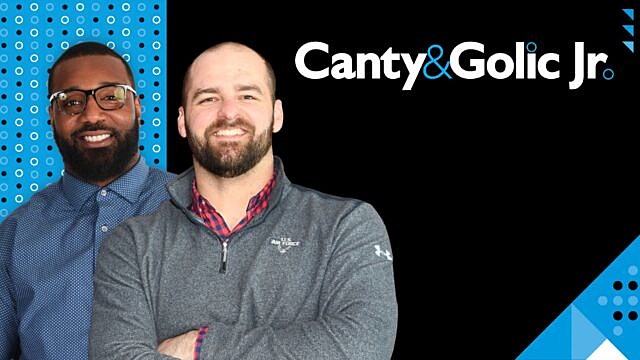
After four years as a local radio host, Canty was moved to ESPN’s national programming lineup this past September as a co-host of the new Canty and Golic Jr. While he expressed that he did not leave his role on the local program DiPietro, Canty and Rothenberg on the best of terms, he affirms that his experience helped prepare him for the opportunity to host on a national scale.
“I feel like, within every experience, good or bad, there’s a lesson to be learned,” Chris Canty said. “Being with my new team now, it just gives me an appreciation for the positivity and everybody on the team pulling the rope in the same direction. To be part of a group where everybody is obsessed with making the show sound as good as it can sound, I think it’s an important thing.”
Working with former Notre Dame defensive tackle Mike Golic Jr. has been a unique experience. Canty calls him “the voice of a generation.” Canty credits him for expanding his comfort level in talking about topics outside of the world of sports and genuinely understanding the nature of radio as a communication medium.
Courtesy: ESPN Radio
Golic Jr. had a renowned mentor in his father, Mike Golic, who hosted ESPN Radio’s morning show in various forms for more than 20 years and currently serves as an analyst on Pro Football Talk on NBC Sports.
“His delivery and style is where sports media and sports radio is going,” said Canty. “Being able to weave in pop culture and talk about things on the periphery of sports – the human interest side of sports; I think that’s important… Everybody can get the content from anywhere, but it’s really just a matter of being able to provide the entertainment value – the color – and GoJo puts me in positions to do that, and it allows me to be a better version of myself on air.”
Having the perspective of a former athlete has been an asset Canty has leveraged to his advantage throughout his time in sports radio.
“I have a wealth of knowledge because I was in the game at a high level for a really long time. There’s a huge amount of information I can pull from to provide color [and] context for the listening audience.”
Learning how to balance the perspective with what will be most relatable and useful for the listening audience, though, has been something he has had to adapt to doing as a former athlete. Chris Canty seeks to continuously improve on his skills, just as he did as a professional athlete.
“Just making sure I don’t get too nuanced is probably the biggest challenge,” he said. “It’s tough – When you’re passionate about sports and football in particular, you want to be able to go into that deep dive. Sometimes, I have to pull back so my audience can go on that journey with me.”
While his national show is not regularly broadcast over 98.7 FM ESPN Radio New York, he remains cognizant of the competition between ESPN Radio New York and WFAN in The Big Apple. As a host though, is focused on compiling and producing an entertaining on-air product every day.
“The talent and the depth on the [ESPN Radio] roster is something that’s really special,” said Canty. “I think that the people that are in charge of putting together the [programming] slate have done a good job of putting together a really good roster. [The ratings are] one of those things that ebb and flow, but ultimately, I think the product that ESPN is putting out there is something everyone on the team can be proud of.”
As his career in sports media continues to unfold, Chris Canty aspires to be part of what he calls the “linear side” of the industry. That includes having more opportunities to appear on television as a studio analyst or color commentator. He hopes to be able to function as a catalyst for the industry’s evolution. The demand for content is proliferating, while the attention span for such content is diminishing. Plus, there are so many sports media options, that it is important to Canty that there be a specific goal and role for sports radio in the landscape.
“I think the thing is everyone is going to be looking for that instant reaction. When you get news, and something that’s breaking, people want to hear their favorite talent talking about it. They want to hear people with credibility give compelling reactions and insight into it… I think that’s the role of radio in modern sports media; I think it’s ultimately about being able to give that instant reaction and being able to have that intimate relationship where you can have a conversation that goes on for hours.”
The Larry King-style interview set the standard and set the stage for all others who have followed in recent decades.
But this approach often seems to be fading into extinction. They are nearly gone, with flickers of life emerging only so constantly.
One of the essential attributes of a great interviewer is getting the guest to open up, allowing him to answer questions and offer his insight and unique perspective.
This approach is so rare in news media, and its implementation is complex because it requires something antithetical to most modern-day news personalities. It demands that the host or interviewer simply keep quiet and let the interviewee speak.
As Marty Glickman used to say in the sports realm, “people tune in to hear the game.”
Similarly, during a television news media interview, viewers mostly tune in to hear the guest. Otherwise, they’d have ditched the segment and headed elsewhere for content or entertainment.
In a world of larger-than-life egos, fighting endlessly for “hot takes,” attention, and clicks, a host clamming up and letting the guest steal the show is scarce indeed.
On that note, it was hard not to notice the epic interview last week between Fox News’ Tucker Carlson and Michael Saylor, the pioneering CEO of Microstrategy.
Saylor, arguably the largest Bitcoin holder in the world, and one of the asset’s biggest proponents, joined Carlson’s Tucker Carlson Today weekend program last week. A shortened version of the conversation then aired during Carlson’s weeknight primetime program.
Carlson set the table by admitting to being a Bitcoin neophyte before asking the Bitcoin guru to explain the technology and why it is valuable.
“Bitcoin is the first engineered monetary system in the history of the human race,” the forward-thinking Saylor began. “The first question is, what’s money. The second question is, what’s the problem? And the third question is, what’s the solution?”
Over the next hour, Saylor explained why he and the company he runs started accumulating Bitcoin in March 2020. Saylor also discussed the role of money, the risks of inflation, Bitcoin as digital gold, the value of the asset for citizens worldwide, among many other angles related to the digital asset. Carlson nodded often and occasionally commented briefly as the technology genius laid out his case.
“The point of Bitcoin is to fix the money. And money is energy, and energy is life. And if I keep sucking the energy out of the economy, I’m sucking the oxygen out of your system,” Saylor said. “Under the best case, you perform poorly. Under the worst case, I suffocate you to death or freeze you to death. That’s the problem. That’s why empires collapse.”
“You spoke on and off for about 50 minutes,” Carlson pointed out. “That was amazing. That was one of the most unbelievable things I’ve ever heard. You’ve made the most compelling case I’ve ever heard for the need for something like Bitcoin.”
True indeed, but only because Carlson did his job as an interviewer. The marvelous content was only the result of Carlson’s wonderful approach.
Fascinating enough, another talk host also discussed this very same facet of communication last week. On the December 2nd episode of his Daily Hope podcast, entitled Learning to Live Wisely, Pastor Rick Warren explicitly discussed the role of a host when interviewing a guest.
“One of the keys is listening. If you don’t listen, then you’re not going to grow,” Warren began his monologue. “I have never learned anything while I’m talking. If my mouth is moving, I’m not learning. I’m only learning when I’m listening. You don’t learn when you’re talking. You learn when you’re listening, so you gotta learn to listen.”
In other words, your audience only learns if you listen.
“I’ve done an awful lot of interviews. ABC, CBS, NBC, PBS, BBC, CNN, and on and on,” Warren, the author of The Purpose Driven Life, explained. “What I’ve noticed is that the interview shows have changed. They’re no longer about the guest. Instead, they’re about the interviewer. And the whole goal is, the interviewer wants to draw attention to himself. The interviewer wants to explain his or her opinions, and you’re just the foil.”
Marty Glickman got it. Tucker Carlson gets it, and Rick Warren receives it. Many others do as well, albeit far fewer than we’d hope.
“I long for the old Larry King days,” Warren said. “You know what I liked about Larry King? He would ask a question, and then he’d let you talk. And he realized that the interview, people weren’t going to listen to Larry King. They were going to listen to all of the fascinating guests that he had and learning from them.”
Warren quoted the late King saying, “in an interview show, if the host is talking 50 percent of the time, something is terribly wrong. The host listens the most. The host talks the least. The host sets up the question and then just listens. That’s what a good TV host does.”
Completely different realms – Glickman, Carlson, and Warren – yet each one, in their own way, acknowledges one of the keys to effective communication (and media success).
I have used this phrase and attitude many times in my sports radio selling career. For years, people used the exact words in another more familiar order, specifically to shoot a gun: Ready. Aim. Fire.
Get it?
In 1982, one of the best business books ever written, In Search of Excellence, was published by Tom Peters and Robert Waterman. Peters and Waterman worked in the San Francisco office of McKinsey Consulting. Peters traveled the world and talked to the best companies. He was on a mission to learn about ‘organization effectiveness’ and ‘implementation issues.’ He found that what he saw had a profound impact on how companies focused primarily on organization and strategy suffered compared to those who dove in on activity and culture. He also wrote a bestseller and game-changer. He also came up with Ready, Fire. Aim.
What’s your style?
When your company launches a new digital package or NTR sponsorship, do you wait around until forced to pitch it a few times? Or, do you toss it out to some clients who should be open to the idea and then figure it out as you go? Peters would argue you should experiment more aimlessly.
Whatver good came from procrastination? To get me out of a rut, I will ask myself what the worst thing that can happen from asking a client to try a new idea is?
They say no.
Okay, on the other hand, they could say YES. Or, at the minimum, appreciate that you are keeping them up to date with the latest opportunities in the market. Often I will take this approach to oversized packages. Let’s say the station has an NTR project like a concert, sports fair, or event. The title sponsorship package is two times what your best clients have ever spent with you in a single month. Rather than sit around and get a new prospect list ready and customize a package with price-sensitive elements or whatever other excuses I can think of, I take action. I FIRE.
I will call my client, who may get sticker shock, and say, “I want to show you this sponsorship because even if it isn’t a fit for you, you will know what XYZ or ABC competitor is spending and what they got.” I have been amazed at how a few of them have reacted. Out of the blue, they step up and buy to be the big shot in the market. Or, based on their feedback, I learn what they want and pivot and sell them a lower package or some additional program. I AIM after my initial meeting.
Would you please go back and rethink how you can change your approach at whatever you know you should be doing? Are you spending too much time staying comfortable and playing the what-if game? Forget about it. When you are working on your 2022 budget, and deciding which clients can up their spending, get ready, FIRE, and then aim.
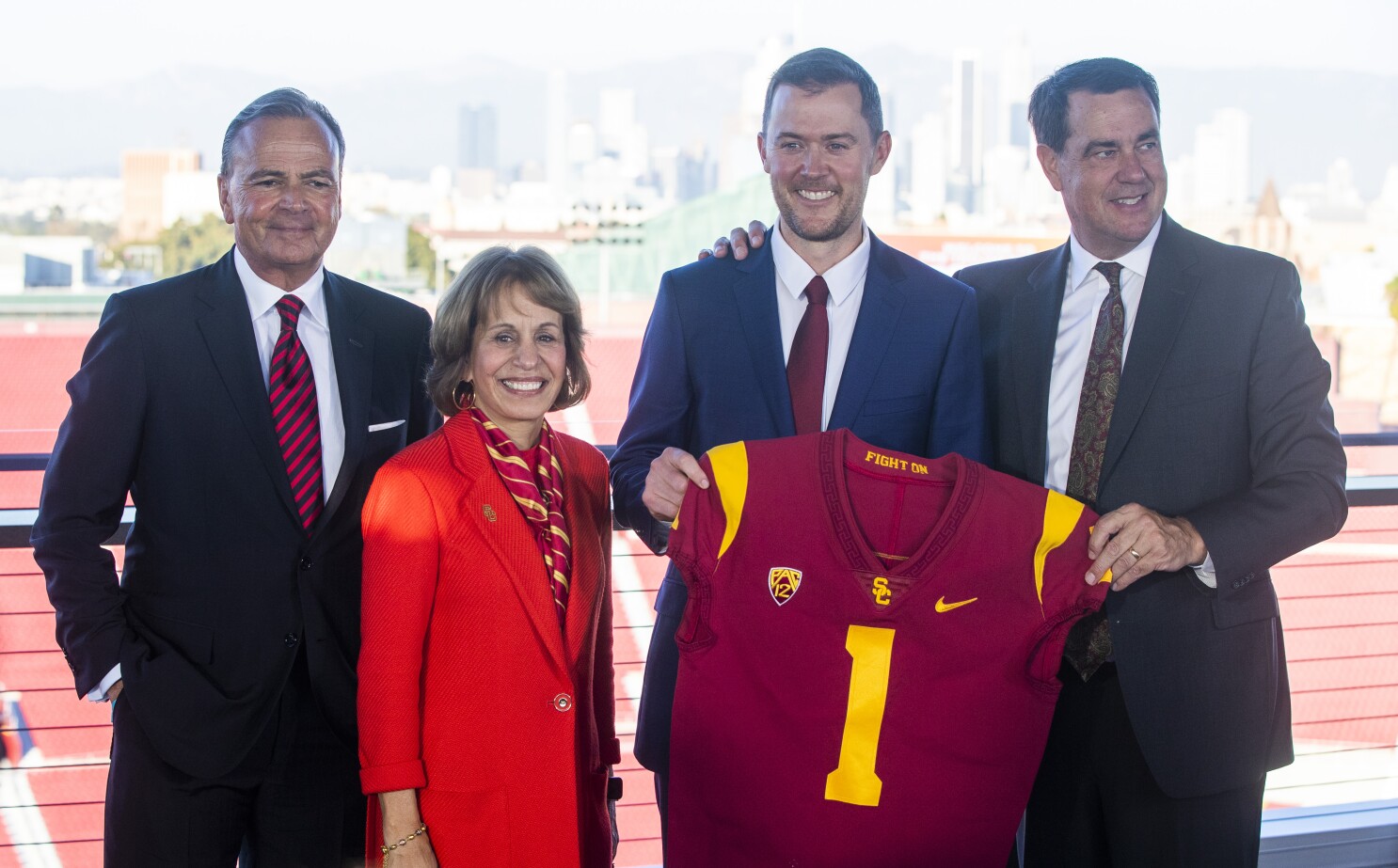
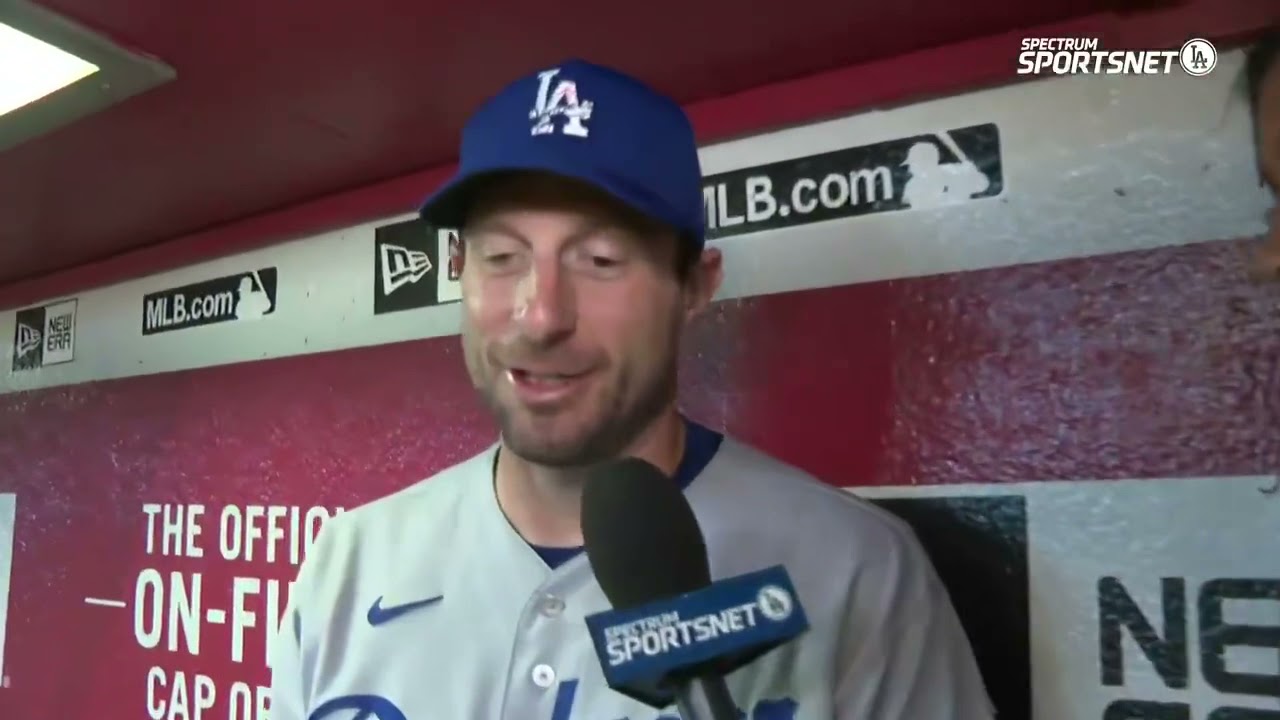
It’s a season of change in many sports these days. College football coaches are changing teams. The NFL will surely have some coaching vacancies of its own soon enough. Don’t forget it’s also free agency time in baseball.
Courtesy: LA Times
With all of that said, it’s also a crazy time for broadcasters. We need to start figuring out who the new players and coaches are and how to get to know these people as soon as we can. It’s as much about meeting the new folks as it is getting to know who they are in their jobs and as people. How do you go about this process?
Working in the industry as long as I have, it’s almost a given that every few years, it’s out with the old and in with the new. When you work in Chicago it seems to happen more often than that. Sometimes, from a broadcast perspective, the change is good. Other times it can be a little more difficult to deal with. I’ve been witness to both. But what matters at the beginning is you need to do your best to understand the change and adapt to the new way things may be done.
How do you introduce yourself? What approach should you take? What’s the first thing you should do? Well, it’s not that simple. Every case is quite different. Gathering information that will be useful to you is the best way to start the process. There are more than a few ways to accomplish this feat.
One of the first steps I would take when working in baseball was to contact fellow broadcasters that may have interacted with the new player or manager. The team announcing crews usually have the best insight into the nuances and personality of the person you are wanting to meet. They will have knowledge of how that player or manager likes to be approached. Is the player routine-oriented? Does he/she like to get the media business out of the way first, or do they want to wait until they’ve prepped for the game? That is the kind of critical information to have to develop a healthy respect for one another.
I also wanted to know from other broadcasters what their impressions of that player or coach were. Is this the kind of person you could joke around with or not? Was this a person that would open up to you, if they got to know and trust you? I would store this information in the back of my head, just so I was prepared. Even if a broadcaster told me to stay away from a particular guy, I would always try to find out for myself. I gave that new person the benefit of the doubt until they either proved the information about them was wrong or spot on.
Another method to introduce yourself to the new guy/girl was to make sure I was at the team’s first media availability. Whether it be a fan fest or just an introductory press conference, it’s important to have that person start recognizing your face and name.
I recall talking to one player that joined a team I worked for in particular at a fan convention. The informal setting of these events allows you to get some time with the new players and managers. In a casual conversation with this player, I wanted to find out when was the best time to approach him for pregame interviews. He told me that if he was seated at his locker facing away from the stall, feel free to approach. I’m so glad I was armed with that information, because I saw several fellow media members get turned away, when he wasn’t ready. I always tried to respect those wishes. The season went smoothly and he was a great ‘go to’ guy when needed because of that relationship we forged.
If you’ve been in the business a long time, you probably know a few of this new player’s former teammates. Many likely played for the team you broadcast and with the access you’ve had, introductions can be made or arranged. It’s always a better ‘in’ or ‘edge’ in the beginning of a relationship to have that extra cache of being introduced by one of that player’s peers. Most of these players respect one another and if you’re deemed ‘cool’ or ‘good’ by one, others will give you that chance to at least prove them wrong.
Every once in a great while, a team will put on a ‘meet and greet’ for a new coach or manager. It’s a way for those that regularly cover that particular team to get to know a new leader in a very informal manner. I recall one such time an NFL team put together a lunch for those that regularly covered the team to meet the new head coach. It was a completely off-the-record gathering, filled with stories and a lot of pizza too. The unfortunate thing was, the guy we met that day was only himself for about 3 months, then he became ‘the coach’ and the relationship changed. Still, it was a unique idea and approach to allow some of the media, he would be seeing on a daily basis to have a chance to relax and break bread.
Change is never easy to deal with, especially after establishing long relationships with previous players and coaches. But it is a fact of whatever game you’re covering, things are going to change and you must have the ability to change along with it. If not, you could get left behind and out of the information loop.
There are less than 100 days remaining until the 2022 BSM Summit takes place in New York City. We’ve announced 31 participants for the show so far, and have more to reveal in the weeks and months ahead. I think you’re going to like what’s still to come.
Putting this conference together isn’t easy. It requires months of meetings, brainstorming, promotion, selling sponsorships, pursuing speakers, and creating everything that attendees see on stage over a two day period. I’m thankful to have help from some amazing partners, but as I’ve mentioned previously, this isn’t an event that makes us rich or ends with 5-10 new clients signing up to work with BSM. The goal each year is simple, make sure the conference is valuable for those who attend, and don’t run BSM out of business by doing it. As long as those two things remain solid, it’s worth doing.
Some might wonder, why go thru months of headaches if you’re not going to break the bank or immediately add clients. That’s fair to ask. If you look at it from a pure business standpoint, one could easily make a case that pouring this type of energy into something else could be more lucrative. But money was never the motivation for doing this. I felt the sports media industry lacked a signature event where smart, successful media professionals (who don’t often cross paths) could gather at one location to laugh and learn together, and I wanted to change that. If over a two day period attendees could gain insight, information, ideas, and introductions, it’d put everyone in a stronger position to remain successful.
I’ve unapologetically loved the sports media business since I started listening to Mike & the Mad Dog on WFAN and watching SportsCenter on ESPN. I was fortunate to live and work in a number of cities over the past two decades, learning how different companies and people operate, and I remain involved today thru my work with BSM. I mention this because I also know media people. They tend to wait until the last minute to book hotel rooms, airfare, and purchase tickets, even if they can save money by acting sooner. I know, I used to do it too. I can’t control when you book your room or plane ticket, but I do want to give you an added incentive to buy your ticket to this year’s show. Seating is limited, and once the last seat is filled, that’s it. We can’t make extra room.
With that in mind, most of you are either taking today off or working inside a much quieter building. If you’ve thought about coming to the Summit, take 5-10 minutes to log on to BSMSummit.com to take advantage of our special Black Friday sale. We’ve reduced tickets for the day, so whether you’re planning to attend in NYC or watch the conference online, there’s a discount to help you out. Just $199.99 for live tickets, and $124.99 for virtual.
BSM’s Black Friday sale on Summit tickets expires at 11:59pm tonight. In the meantime, Hotel Edison in NYC is offering rooms for just $109 + taxes to Summit attendees. Click here to take advantage of the special room rate we’ve secured for this year’s show. Those of you planning to fly to NYC for the show, there have been a ton of great deals offered by American, Southwest, United, JetBlue and Frontier. It might be worth checking into today since Black Friday often has even better sales on travel.
If you’re interested in learning more about the industry, staying a step ahead, forming new relationships, strengthening existing ones, exploring potential business deals, and celebrating the business you’re in, I hope you’ll join us either online or in New York City for the 2022 BSM Summit. I’m making it easier on you, by offering lower ticket prices today. The rest is up to you!
T andem sell more. Have you noticed that sales are more manageable when you have a good partner? Grab the new salesperson at another station in your cluster (preferably targeting females) and go in on a two-station buy. Work with any B2B rep and exchange leads. Join a leads club. Focus on who, not what.
H ave gratitude. A more positive attitude will come over you when you consider what is going right, not wrong. Johns Hopkins University claims that even if you have a family history of heart disease, a positive outlook reduces your chances by 25%. In other words, bad ratings may mean lower rates.
A llow yourself the luxury of time. Don’t put off until tomorrow what you can do today. Put in the preparation, and you will feel so much better about not winging it in your next presentation.
N ever quit trying to find solutions. Instead of playing the blame game when something doesn’t work at the station or with a client, focus on solutions. Focus on the outcome you want, not the shitty hand you have been dealt.
K now when to stop asking questions. For most of my life, I have been the person who asks questions and controls the conversation. I have surrounded myself at times with clients who like to hear themselves talk, and I have had my unfair share. I need to control the conversation better and give them a chance to speak after answering some questions that lead to a sales opportunity. I then need to take my turn and explain how my solution fits their needs.
S erve yourself first. Do you put off getting massages, going to the movies to see what YOU want, or negotiating a better commission percentage? Stop it and take care of YOU.
G ive thanks to all your support staff. We indeed are only as good as the backroom people. Listen to how coaches stroke support staff at their weekly press conferences in college football. We can learn something from that.
I nvolve your friends and family in your career. Give them a chance to help you. Ask them for introductions and leads. Make sure they know what you do and what type of clients you are looking for. It shouldn’t be too hard since you should only have 18 prospects anyway. Let them know how they can support you, ask, and you shall receive.
V acation! Have you planned one lately? Make it a goal to plan a weekend getaway and one major vacation. Plan every detail. Start savoring your victory dance. Visualize it. See yourself on vacation, at goal, and enjoying the fruits of your labor.
I nvest in yourself. Commit to attending some online seminars. Learn more about digital. Get Google certified. Go back to grad school, be an adjunct professor at the local junior college, or join toastmasters. Remember this: If you aren’t EARNING or LEARNING, you are wasting your time.
N ever say never. Don’t burn a bridge. Keep your friends close and your enemies closer. Keep an open mind and don’t take things personally. People and situations change. Be the person who takes the higher road and doesn’t say hurtful things.
G ive your partner, wife, or significant other a break. Please show them some gratitude for allowing you to spend so much time on your career. You make that choice every day. And, giving up an hour or 2 per week to do something for them goes a long way.
When you talk to industry people about successful brands in sports talk radio, most conversations include WFAN and 98.5 The Sports Hub. The New York and Boston sports radio brands are consistently recognized for their ability to deliver large audiences and revenues.
Helping to create that success is a mixture of strong play by play partnerships, skilled programmers and even more importantly, some of the most dynamic on-air personalities in the format. Fortunately for us, a few of those gamechangers will be present to share their opinions and insights on content matters in New York City at the 2022 BSM Summit.
Starting in New York, it’s an honor to welcome WFAN afternoon drive host Craig Carton to the 2022 BSM Summit. Heard daily on ‘Carton and Roberts‘ alongside Evan Roberts, which is also featured on TV on SNY, Carton has made his presence felt ever since returning to the airwaves in November 2020. Prior to taking on the challenge in afternoons, Craig spent a decade partnering with Boomer Esiason on ‘Boomer and Carton‘, forming one of the most successful sports radio morning shows in the country. In addition to enjoying success in New York, Craig has also experienced the ups and downs that come with performing in different markets. His radio travels have taken him to Philadelphia, Denver, Buffalo and Trenton, NJ. The Syracuse graduate and outspoken host is expected to join BSM President Jason Barrett for a one on one conversation at this year’s Summit.
Shipping up to Boston, it’s a pleasure to welcome two of the format’s highest rated performers to New York City. They’re heard on 98.5 The Sports Hub in morning and afternoon drive, and at the Summit, they’ll interact together during an in-depth content conversation with BSM President Jason Barrett.
Fred Toucher is one half of the Sports Hub’s popular morning show ‘Toucher & Rich‘, which recently added syndication. The Detroit native started his career in Georgia before moving to Boston in 2005. Toucher & Rich, which includes Rich Shertenlieb, officially moved into the sports talk format in 2009. Since making the format switch, the duo have consistently produced some of the best ratings in the entire format in mornings during the past fifteen years. Toucher & Rich have also been recognized by industry executives as one of the top two morning shows in the format each of the past three years in the BSM Top 20, including taking top honors in 2018.
Mike Felger on the other hand is heard on the ride home alongside Tony Massarotti on The Sports Hub. The Marconi Award-winning afternoon radio show has been a fixture in Boston since the station’s inception in 2009. During the past twelve years, Felger & Mazz have been a steady force atop the Men 25-54 ratings including recently delivering an impressive 18.9 share in the summer book to finish 1st. The Milwaukee native also hosts a show for NBC Boston, and has previously served as a columnist for the Boston Globe. Similar to Toucher & Rich, Felger & Mazz have earned high praise from format execs in the BSM Top 20. They’ve been voted one of the top 2 afternoon shows each of the past 2 years including grabbing the top spot in 2019.
We’re excited to add all three of these men to the lineup for the 2022 BSM Summit. As vital as it may be to spend time on business issues in order to stay ahead of a rapidly changing media climate, without great talent and content, the rest is irrelevant. Few understand what it takes to deliver success in this format consistently like Craig, Fred and Mike, and I’m glad they’re making the time to share their knowledge with us.
To reserve your hotel room, purchase tickets or learn more about the speakers we’ve lined up for the 2022 show, visit BSMSummit.com. We hope to see you online or in New York City this March.
Flipping through the pages of your high school yearbook often evokes feelings of nostalgia no matter your high school experience. Looking back at the photos of your fellow classmates from the days where everyone was just trying to find and establish their own identity can make you long for those days of simplistic chaos. As you look at each section of the book, usually the class valedictorian is highlighted, where you can learn more about the person with the highest grade point average considered to be at the top of your class.
The valedictorian of Lowell High School in San Francisco, CA would turn out to be a man who sports fans referred to as “Captain Midnight” on the other side of the country for 34 years. Underneath his yearbook photo, this kid’s ambition was listed as seeking to become a “New York Sportscaster,” and he certainly left no doubt that he achieved his goal, and then some, when he signed off the airwaves for the final time last week (for an excellent peak behind the scenes video of the final show click here).
Indeed, the maxim holds true that if you can make it in New York City, you can make it anywhere. For Steve Somers, that mantra held true starting from the moment his voice was broadcast over the airwaves of WFAN. He’d discuss the latest happenings across the world of New York Sports, and frequently take calls from listeners, giving them a chance to share their opinions.
Somers did not get to the city that never sleeps right away though. He worked in television for roughly 17 years prior to moving to the East Coast with various outlets and in different markets, including his hometown of San Francisco. He also spent time in Atlanta, Los Angeles, and Sacramento.
The day Somers finally made it to New York City was emotional for him. At the time, Somers had not held a job for two and a half years, nor had he worked in radio since his foray in television had begun. None of that stopped him though from catalyzing an exciting career on the air in the number one media market in the country.
“I’ve often said to people that if you were to take an airplane flight from the [West] Coast to the [East] Coast, it would take about five and a half to six hours,” said Somers. “It took me 22 years to land in New York. And I cried — I was so happy joining a radio station in New York City that was going to be doing something 24/7.”
Somers, 74, was the last of the original voices from its 1987 launch as the pioneer of the sports talk radio format in New York City to depart the station,. Despite being from San Francisco, he helped the station establish its local sound. He did this not only by taking an innumerable amount of calls over his career, but also by being able to understand and relate to the passion and zeal New York sports fans had for their favorite teams: the Devils, Giants, Islanders, Jets, Knicks, Mets, Nets, Rangers, and Yankees.
“You can’t come into somebody else’s house and rearrange the furniture,” said Somers. “Maybe this is old school — and I’m old and I went to school — but it may be old school to be a please and thank you guy [on the phone]… I have a lot of respect for coming into this city and talking to what I consider to be the number one place for media and the number one place for sports.”
While it took several years for the station to find its audience, Somers never had a doubt that “New York’s FAN” would be able to find its sound and appeal to a local cohort of listeners, as well as its group of listeners from abroad.
“I never thought the radio station would not survive,” said Somers. “I had always thought that with nine professional teams in New York City — how could it not survive?”
When Somers was hired prior to the station’s July 1, 1987 launch, management at WFAN had to make decisions regarding the station’s programming lineup, specifically what it would do overnight.
“They weren’t sure whether they would have syndicated programming overnight, or a repeat of daytime programming overnight, or whether or not they would have a live person overnight,” said Somers. “To my good fortune, I was their last hire, and, of course, did a live program overnight for the very first time on the very first all-sports 24-hour station.”
Through his time on the air, Somers brought a unique on-air sound to listeners in the New York-Metropolitan area, with recurring bits, such as the Fearless Forecaster, and other production pieces. It all surrounded his famous monologue, which he notoriously prepared every night on a standard yellow stenography pad. Additionally, Somers would frequently take calls during his show while in the studio, or as he put it — “Me here, and you there.” His most famous caller? None other than comedy and television legend Jerry Seinfeld, who would often talk about his beloved New York Mets on the program yada, yada, yada.
“I don’t think I’m anywhere close to his talent, but he grew up listening to me and the radio station at night, and became a fan,” said Somers. “I’m not going to say we were the best of friends, [but] we had a very good radio listenership acquaintance kind of relationship.”
The cast of people Somers worked with “on the other side of the glass” included the likes of Evan Roberts, Sal Licata, Paul Rosenberg, and, of course, Eddie Scozzare, all of whom served in various roles for the program. Somers recognizes the effort they demonstrated in trying to make the program exciting, entertaining and engaging for the listeners.
“Being a producer is a thankless job,” said Somers. “As long as somebody gave an effort; that didn’t mean they were all 100 percent successful any more than anyone on the air has a brilliant show every time they are on. If you were to give effort, you were succeeding as far as I was concerned.”
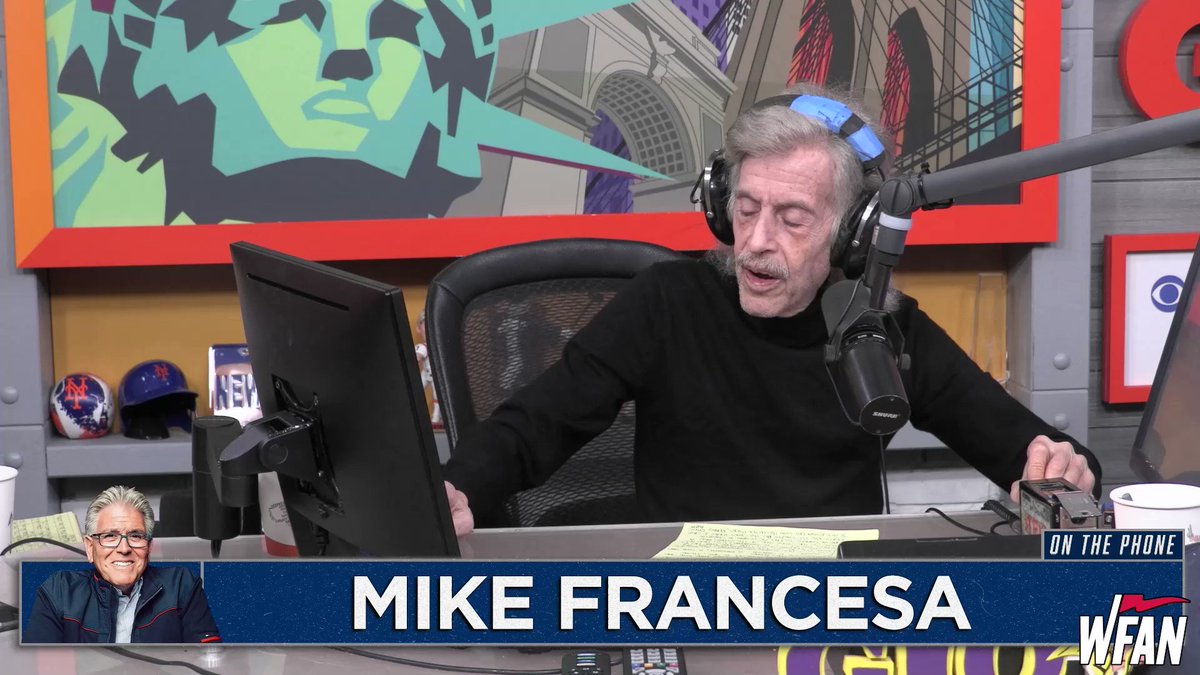
Aside from the plethora of on-air talent, including Somers, Mike Francesca, Chris ‘Mad Dog’ Russo and Don Imus, those behind the scenes, such as former WFAN Vice President of Programming Mark Chernoff, helped institute and maintain the station’s upward trajectory throughout most of the years Somers was on the air.
“Chernoff was all-business,” Somers elucidated. “He was very strict. He wanted you to always follow the rules and be your best and go from there. A boss’s job is to boss, and some are easier to get along with than others. Chernoff and I got along okay. If you were honest, candid, direct matter-of-fact with him, you [would get] along.”
WFAN is now led by its new vice president of programming Spike Eskin, who joined the station this year, 34 years to the day of its launch, after he served in a similar role at SportsRadio 94WIP in Philadelphia.
Somers speaks fondly of Eskin and Senior Vice President and New York Market Manager for Audacy, Chris Oliviero, two influential voices at the radio station, the latter who infamously sent Somers a letter asking for an autograph as a high school student in 1993. “The Schmoozer” knows they are up to the task in continuing to lead the original home for sports talk radio further amid an oversaturated 21st-century media landscape.
“Radio is certainly not the same as it was 34 years ago. There are so many other ways that you can get information. Radio, to me, was always personal and intimate, and no matter how it goes into this next century with all the technical advancements and utilizing all the venues, all the platforms and social media, generally speaking what separates radio and really WFAN to this day from other radio stations is [that it’s] personal and intimate, and it can be both of those.”
Somers confirmed that he was offered a midnight to 5 a.m. time slot to stay on the air at WFAN, which he politely declined. While he had his final show Monday and left on good terms, he does not view it as the definitive end of his broadcasting career; indeed, he is leaving the possibility of “Schmoozing” again open for consideration.
“How do you really retire from talking?,” said Somers. “At this moment, I don’t feel like doing a podcast, but if WFAN wants to have me back someday [to fill] in, I would certainly listen and probably do it… The retirement was really going to be the best option for me at this time. Again, down the road, if they were to give [me] a call, I’d be flattered.”
Somers affirms it was the people around him that led him to his success, both in and out of the WFAN Studios, and a significant reason why he was able to stay there for 34 years in the number one media market in the country: New York, NY.
“The people, whether it was management then or management now, and all the calls and all the listeners that I might have had over the years, I owe everything to them… because they gave me a chance to realize my dream; to realize my goal; to realize my destination, and they gave me a chance — the audience gave me a chance; gave me a life; gave me a career. And I owe everything to them.”
Courtesy: NY Post
For now, Somers is retired, and content with his decision.
“If I have to go through a major withdrawal, so far so good. I’m at peace with everything and making whatever adjustment you have to make; just [moving] forward and [looking] forward to any new challenges that may come my way.”




:format(jpeg)/cdn.vox-cdn.com/uploads/chorus_image/image/38234848/175810608.0.jpg)