Though change has been a part of the narrative surrounding The Zone’s programming changes, one thing hasn’t changed, local listeners still love the radio station. In fact, listening was up in a few key areas this year compared to 2020.
In the 2021 Winter Book, The Zone shined across the board. Starting with weekday prime (M-F 6a-7p), The Zone ranked 4th with an 8.0 share among Men 25-54. That was a 2.7 increase from the station’s 2020 Winter Book.
Turning to mornings, Jason Martin and Ramon Foster delivered a 7.5 share to lock up 3rd place. The morning show was up a half point year over year and two ratings positions.
The news was even better in middays (10a-3p) where the combination of Buck Reising, and Mickey Ryan and Blaine Bishop, secured a 3rd place finish with a 9.1. share. That was a 3.6 point improvement year over year and four slots.
Finishing in afternoons, 3HL produced an impressive 6.9 share to rank 4th. Their performance was nearly double their previous year’s result. The show gained 3.4 points and enjoyed a station best eight spot jump.
Data this quarter for 102.5 The Game wasn’t available. However, a local source confirmed the station’s quarter wasn’t strong.
The Zone right now is very healthy. They’re on a different level ratings-wise, a testament to their bond with local listeners. Equally deserving of credit is program director Paul Mason and the station’s new hires. To make significant progress year over year, while undergoing lineup changes and dealing with increased noise is impressive.
102.5 The Game on the other hand has work to do to catch up. They’re hoping the recent addition of Caroline Fenton will help. A good playoff run by the Nashville Predators could provide a boost as well.
Outkick 360 (formerly Midday 180) meanwhile is likely to be heard from again in the market. The show has already gained clearance in Knoxville, and remains interested in finding a Nashville home too. Can Clay Travis and Sam Savage pull it off? I wouldn’t bet against them.
Last but not least, Josh Innes is now in town hosting mornings on 105.9 The Rock. He has proven he can create interest and produce ratings during prior stops. Will he be able to lure local sports radio listeners his way despite hosting a rock morning show? Time will tell.
The choices for Men 25-54 in Nashville are aplenty. How they’ll continue to consume sports talk content in 2021 remains to be seen, but for now, The Zone is comfortably in the driver’s seat.
It’s an exciting day for all of us at BSM and BNM, because today marks the start of something special. Yes we have an awesome new look and layout for our content, made possible by the great Andy Drake. I encourage you to sift thru a few of the different tabs at the top of the website. You’ll find popular features from our writers in the Originals section, podcasts we’ve produced over the years, the Member Directory featuring nearly forty radio professionals, access points to content from all twenty four of our writers, and shortcuts to our sports and news media sections. We’ve even built three columns to the right on the main page to make it easier to maneuver thru daily sports and news content, and the latest columns from our writing teams.
If you were reading carefully, you picked up on my use of BNM in the first sentence, and the word news in the last sentence. And if you browsed the website today, you likely noticed news and sports are now presented in the same location.
I took the risk and launched Barrett News Media eight months ago. We came out of the gate with a staff of twelve, which was twelve more than Barrett Sports Media had when it was born in September 2015. Like with most new brands, tweaks were needed, and lessons were learned. I initially wanted to put BNM and BSM under the same roof, but there were too many unknowns. For that reason, I launched the brand as a separate entity.
I had to find out if my interest in news would remain high or fade out after a few months. I had to learn if our staff would produce content consistently or leave us plugging holes regularly. I had to discover if media stories would remain hot after a heated presidential election. As important as those all were, one mattered even more – would anyone read our work?
After studying the peaks and valleys of our news brand for nearly a year, I know that people will consume our content if it’s original, interesting, and timely. But asking them to follow us in two different places is a tall order. It’s also harder to reach people in the news media space because social media activity is lighter due to a lack of trust in big tech, and some folks in the format still don’t know me.
Since launching, I’ve overseen two websites, two staffs, two email addresses, and multiple social media accounts, worrying about maintaining separation when I had no reason to worry in the first place. Newspapers have spent decades blending sports and news, online brands across the internet do the same today, and Chrissy Paradis, Pete Mundo, Rick Schultz, Douglas Pucci, Ryan Maguire, Ryan Hedrick, Eduardo Razo and Jordan Bondurant have done more than enough good work to deserve having their material presented to the most amount of people.
So now we move forward as one unit, fully dedicated to serving both the sports and news/talk formats in one location. We will continue prioritizing columns from experienced professionals, the latest industry news, and original ideas that spark interest and discussion. Our email blasts will come from one source, social media promotion will emanate from our BSM channels, and all of our website content will be housed in one spot. If visitors type in the URL for BarrettNewsMedia.com it will automatically redirect to the BSM website.
To help us manage the content cycle and strengthen our brands further, I am pleased to announce a few new additions. First, Troy Coverdale joins BNM as Editor, McGraw Milhaven as a weekly columnist, and Jordan Bondurant and Ryan Hedrick add opportunities to write feature stories multiple times per month. Meanwhile, BSM will gain the writing talents of Ryan Maguire, and semi-regular contributions from Rob Taylor and Scott Seidenberg. Kate Constable and Ricky Keeler will also get more involved writing features. I also plan to add one more news writer soon to fill Brandon Contes’ position.
The new look of the website has me fired up and excited about the possibilities ahead. A big tip of the cap to Point To Point Marketing, Core Image Studio, and the great Jim Cutler for helping us pull this off. I’m eager to increase connections with news radio and television professionals, and showcase their great work. With that in mind, if you have a news tip or story idea for either of our brands, send it by email to JBarrett@sportsradiopd.com. With the website makeover complete, I’ll now focus on the next project – the 2021 BSM Summit. I’ll have news to share next week on that endeavor, so stay tuned.
If you’re a fan of what we do for sports media coverage, have no fear. The same great content experience you’ve come to enjoy for the past six years is not affected. If news radio/television coverage interests you but didn’t know much about BNM, now you’ll be able to access the content without jumping thru extra hoops. This is a strategic move aimed at making things easier for the reader, and showcasing the best of two great brands and formats. I’m pleased with BNM’s start, but know that if we can do a few things for the brand that we’ve done for BSM, it’ll make the content experience better, the industry relationships stronger, and the work more meaningful. And that is the reason we do this in the first place.
Thank you for continuing to visit, and afford us the opportunity to inform and entertain you. We understand the media business and are passionate about it, and that’s reflected in our team’s writing. Some you may know that about. Others you may not. But having them all under one roof should make your ability to find out a whole lot easier.
The winter book ratings are in for Houston, and the staff at Sports Radio 610 has reason to celebrate. In addition to remaining ahead of the local format competition, the Houston sports station produced its best weekday prime (M-F 6a-7p) performance since 2015. 610 finished 12th overall, up from 14th one year earlier.
The weekday shows for 610 were strong across the board. Starting with mornings, Seth Payne and Sean Pendergast delivered a 3.3 to finish 13th, up two tenths year over year. ‘In The Loop’ with John Lopez and Landry Locker ranked 9th with a 3.7 share, the best finish on the station. The midday duo is up seven tenths over the past twelve months. In afternoons, Clint Stoerner and Ron Hughley rode a 3.6 share to a 12th place tie. The afternoon team has also picked up seven tenths during the past year.
Elsewhere in the market, SportsTalk 790 and ESPN 97.5 were further back. Both brands feature shows during different time periods, making it tougher to offer a straight apples to apples comparison. Taking that into account, 790 finished 24th in mornings (6a-10a) and 22nd in afternoons (3p-7p). Mornings feature Sean Salisbury. Adam Clanton and Adam Wexler form ‘The A Team’ and occupy afternoons. 790’s best production came in middays, where the combination of ‘In The Trenches’ with ND Kalu, and Matt Thomas’ show delivered a solid 2.6 share to snag 15th place.
Meanwhile for 97.5, this was a down quarter. The station ranked 24th in mornings (6a-10a). Those four hours include an hour of ESPN Radio’s ‘Keyshawn Johnson, Jay Williams, and Zubin Mehenti’, and three hours of ‘The Bench’ with John Granato and Lance Zierlein. Middays (10a-3p) were 27th. That five hour block included Granato and Zierlein, Charlie Pallilo, Joel Blank, Nick Shahara, and Josh Innes. Afternoons (3p-7p) consisted of an hour of Innes, and three hours of AJ Hoffman and Fred Faour were 26th.
Right now, 610 is in the driver’s seat. They’ve consistently led the market for over a year, thanks to a talented and consistent lineup. With the added benefit of local sports drama surrounding the Texans and DeShaun Watson, they’re positioned to do well in the months ahead. On the other hand, Houston sports radio has seen ratings shifts before. One mistake or missed opportunity could create a tighter sports radio race in a hurry, so it’s vital all involved stay focused.
Indianapolis and Tampa are two cities where its understood that competition for the sports radio listener’s ear is minimal. WDAE runs the roost in Tampa. 93.5/107.5 The Fan occupies the leadership position in Indy. Neither is close to being challenged for their spot atop the sports radio mountain in their respective markets.
That brings us to the quarterly ratings. In the winter book, both stations did what they had to do to position themselves for repeated success in 2021.
Starting with WDAE, the station finished the first quarter in 7th place with Men 25-54. Compared to last year’s results, WDAE gained nearly two full points and eight ranking positions.
Looking at the station’s weekday shows, Ronnie & TKras finished 6th in morning drive, Pat & Aaron were 7th during the midday, and Ian Beckles and Jay Recher secured 4th place in afternoons. The Dan Patrick Show, which is also part of the daily lineup, was 5th during its timeslot.
Meanwhile in Indy, 93.5/107.5 The Fan finished 4th for the quarter in weekday prime. That wasn’t far off from their winter book performance last year.
Bragging rights for the top rated sports talk show in the market this quarter belonged to John Michael Vincent. ‘The Ride with JMV’ was 1st overall in afternoon drive, up from 2nd a year earlier. Equally strong for The Fan was Dan Dakich who came in 3rd during his midday timeslot, also up from last year’s 4th place finish. Wrapping up in mornings, Jeff Rickard & ‘Big’ Joe Staysniak grabbed 4th place for the book, down one position from 2020.
The talent and play by play partnerships offered by each of these brands puts them in position to consistently succeed. Given their track records, it’s easy to see why challenging Tampa and Indy’s sports radio kings in the format isn’t on any other company’s to do list.
“Who the hell is Mel Kiper anyway?” – Bob Irsay Indianapolis Colts
“I just don’t think the Jets understand the draft.” – Mel Kiper Jr.
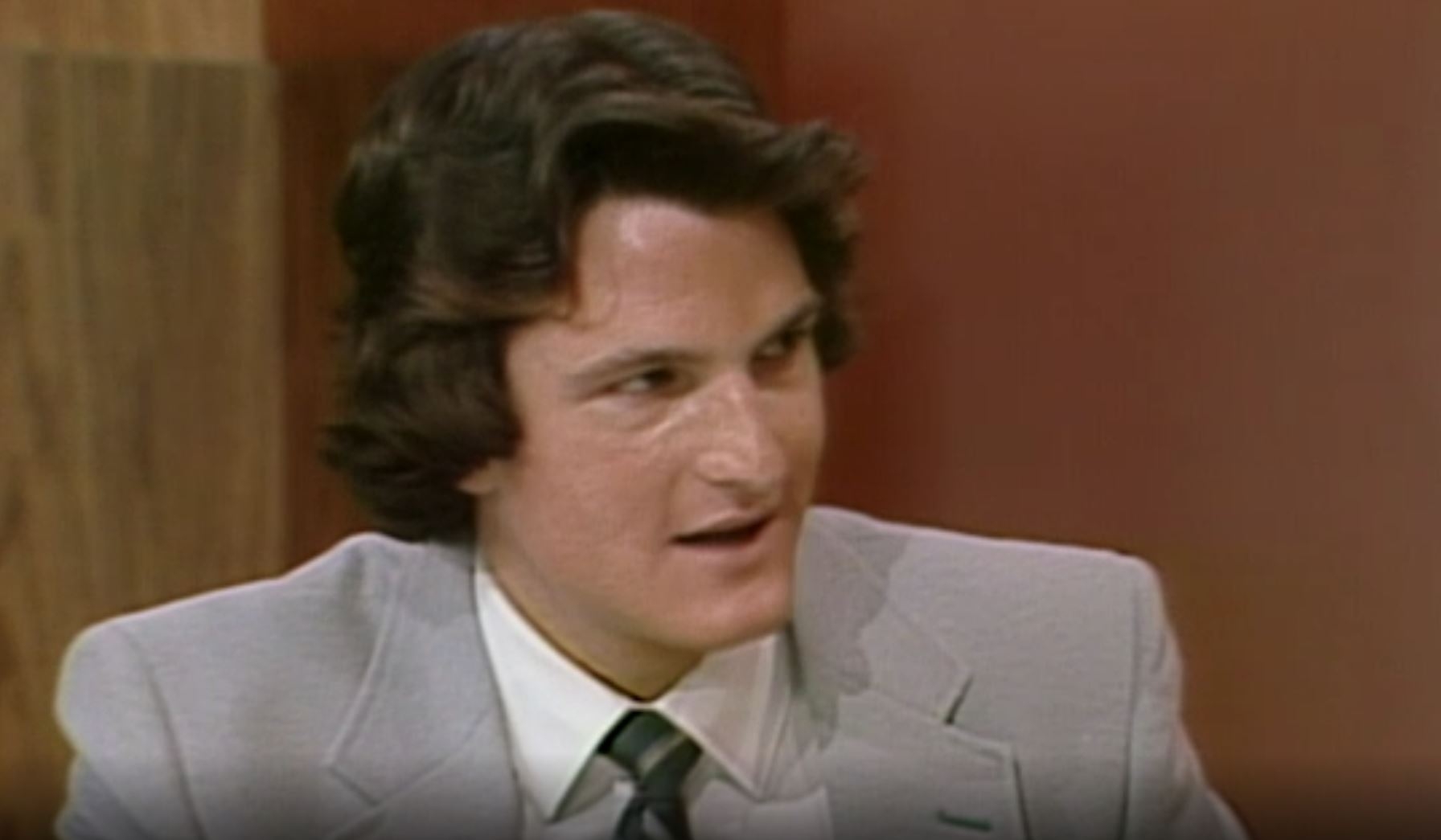
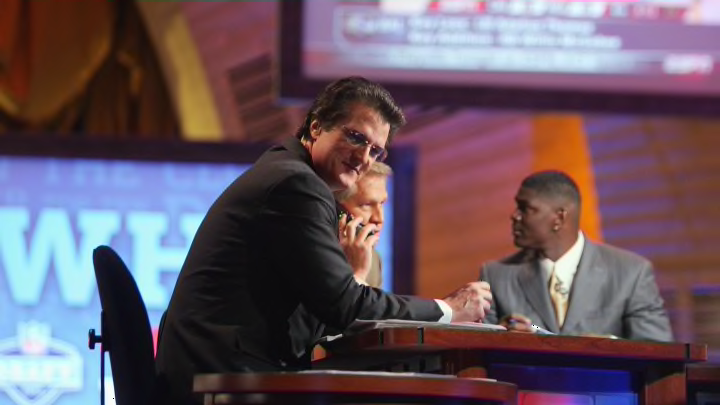
When you hear the name Mel Kiper Jr, you know it’s time for the NFL Draft. Toiling in relative obscurity in the early days of the televised draft, Kiper’s sharp criticisms, befuddled looks after picks and cynicism have made him more of a household name recently. He’s appeared on ESPN’s draft coverage ever since 1984. His signature widow’s peak, gruff exterior and sharp tongue, have become as much of the experience as Jets fans booing whatever pick their team makes in the first round.
THE ROAD NFL DRAFT ANALYST
The story of how he came to be is pretty amazing. Kiper is a self-made man. The football scouting bug bit him early. While in high school he began writing scouting reports on players and he was so confident in them, he handed them to an NFL Executive. Ernie Accorsi, who was then with the Baltimore Colts, saw the first reports and encouraged Kiper to stop giving away his research and start selling it to fans. Accorsi told him that there was a market for draft information and suggested that Kiper convert his analysis into a business.
So, while in college he started a business and now Kiper is president of “Kiper Enterprises”, which he founded in 1981. He spent numerous hours on the phone with college coaches and NFL GM’s trying to soak up information on players as he could, and in front of televisions to glean every last tidbit about a defensive lineman’s hip swivel and an offensive tackle’s motor.
Kiper was one of the first, if not the first to do a mock draft. These aren’t just done a week before the draft begins, they are done months ahead. These “mocks” that are so commonplace now and done by so many writers and publications, were unheard of when he started evaluating players.
What he didn’t realize then and what America was about to find out, is that the information he gathered would eventually play on TV. Early on there wasn’t as much attention paid to the draft as there is now. It wasn’t even televised until 1980. ESPN was trying to expand and give credibility to its coverage and wanted experts to join the telecast. That’s were a 23-year-old Kiper got his break at least in the broadcasting world. He was paid $400 bucks to appear on the network in 1984. He brought that credibility in his research and knowledge. It wasn’t always as polished as it is now, but the info was amazing.
BEST KNOWN FOR?
Kiper has had some pretty well-known run ins with some organizations. He’s made comments about who they picked or didn’t when their turn came up. Perhaps the most famous was in 1994 between Kiper and then Colts executive Bill Tobin.
It all started when a discussion began about what the Colts should do with their 2 first round picks. The Colts owned the #2 pick and after a trade of Jeff George to the Falcons they acquired the number 7 pick. That trade left only Jim Harbaugh on the roster, so naturally Kiper believed the Colts should draft a quarterback, either Heath Shuler or Trent Dilfer.
When the Colts made their first selection, Tobin chose future Hall of Fame running back Marshall Faulk. Kiper offered a little light criticism, insisting that the Colts needed to take a QB. Tobin then chose to trade up to the #5 pick, Shuler was off the board, so naturally everyone thought it was going to be Dilfer. The Colts chose linebacker Trev Alberts and Kiper lost it.
“I think it was a typical Colts move,” Kiper said to host Chris Berman that night. “The Colts needed a quarterback. To pass up a Trent Dilfer when all you have is Jim Harbaugh — give me a break. That’s why the Colts are picking second every year in the draft and not battling for the Super Bowl like other clubs in the National Football League.”
The telecast then brought in reporter Chris Mortensen who was covering the Colts. He asked Tobin for his response to criticism during a post-draft interview, the Colts GM came ready to fire back. “Who in the hell is Mel Kiper anyway?” asks Tobin. “Here’s a guy that criticizes everybody, whoever they take. He’s got the answers to who you should take and who you shouldn’t take. And my knowledge of him: he’s never ever put on a jock strap, he’s never been a coach, he’s never been a scout, he’s been an administrator and all of a sudden he’s an expert.”
The best part was as the rant from Tobin was going on, Kiper was listening in to the insults.
Twenty seven years ago today, after the great Mel Kiper Jr. criticized the Colts’ pick of LB Trev Alberts over QB Trent Dilfer, my work partner @mortreport got the most memorable sound byte in draft history from former Colts’ GM Bill Tobin. pic.twitter.com/RJbaKQ9fQ9
“We don’t have to take anyone Mel Kiper says we have to take,” Tobin continues. “Mel Kiper has no more credentials to do what he’s doing than my neighbor, and my neighbor’s a postman, and he doesn’t even have season tickets to the NFL.” Talk about free attention for your draft analyst! Tobin was clearly trying to embarrass Kiper but the plan didn’t work. In fact, it only led to a rise in fame for Kiper. It actually helped to solidify Kiper as the authority when it came to the NFL Draft. Tobin was fired after the 1996 season.
The other one of the most well-known rants came in 1989. That’s when the Jets chose defensive lineman Jeff Lageman with the 14th overall pick. Kiper went on to say, “It’s obvious to me right now that the Jets just don’t understand what the draft is all about.” Those comments of course made it back to the Jets and sparked a mini-feud (by comparison to the Colts). Then the Jets director of college scouting Mike Hickey made Kiper a phenom by saying “‘Basically, who is this guy who works out of his basement in Baltimore?” Hickey was replaced the following year, and Kiper is still doing the draft on ESPN.
WHY IS HE GOOD?
He is the OG when it comes to draft analysis. This is his gig. He puts in the work and it shows. The research he does is meticulous and includes watching up to 25 college football games a week. This gives him a leg up on everyone, because he gains in-depth knowledge by actually getting eyes on the players he’s writing and talking about. He also spends a lot of time in talks with coaches, players, NFL team executives and folks in the league offices. Kiper creates his “big board“, which he ranks the top 25 players every week. During ESPN’s coverage of the draft, his board appears on the ticker and then updates as players are selected.
He is a frequent guest on radio and tv shows in the months and weeks leading up to the NFL draft. His information is so valuable that he does a conference call with members of the national media a few days before the first pick is announced. It’s that kind of authority that makes him the number one pick of every draft, since his first in 1984.
CONCLUSION
While he may come off as a know it all sometimes, there’s no denying he’s the best at what he does. I really can’t imagine draft coverage without him. It would be an empty broadcast. There’s nothing better than watching Kiper lament a terrible pick or gloat in his own way when a prediction comes through. He’s just intense and it works.
I can’t wait to hear Kiper and some of his buzz words. Beast mode runner. Burst. Coach killer. Fast riser. First kid off the bus. Mauler. Playmaker. Quicks. Space eater. Specimen. Throwback player. Velcro corner. Weightroom warrior. Finally, of course, best player available.
Kiper is atop the “Big Board” of draft analysts and that’s not a reach.
Sometimes in sales we run across a client who can also be a great partner for the radio station – a business that serves the same core demographics that the station does. Or it offers a demographic that we want listening to more sports radio. Sometimes they are seasonal advertisers that we need to put a plan together for that is a bit longer.
Have you done a deal with any convenience stores lately? Well, here’s a plan.
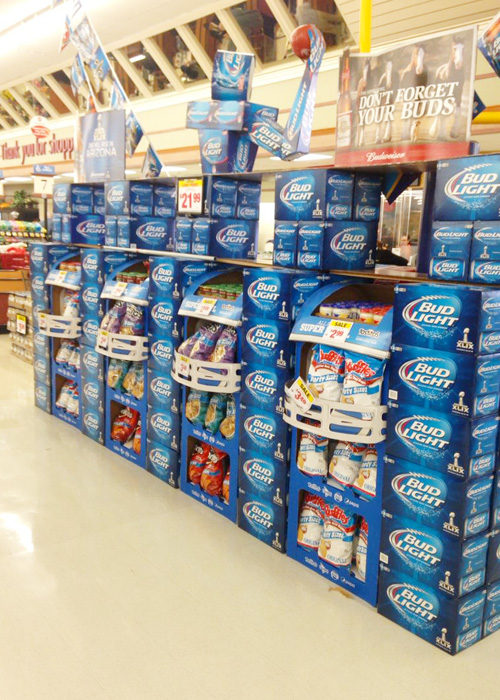
Through the years, I have done many on site promotions at C-stores: introducing beer growlers, giving away lottery tickets, sampling energy drinks, promoting C-store premium giveaways with purchase, broadcasting from the beer cooler for charity, etc. etc. And one thing I always noticed is that the promotions worked well at generating listener traffic. Typically, we did the remotes weekdays from 3pm-6pm, especially Fridays, and Saturdays from 10am-3pm. I always thought the C-store and radio were a perfect marriage.
Here is what the RAB tells us about C-stores. Most traffic at a C-store is in am and pm drive just like our stations. There are 50% more men stopping than women. It is why we set up near beer coolers often. Those are our guys. A bonus of the C-store is that they also reach a younger customer. 35% of the customer count is under 34 and 55% under 44. Now walk that into a program directors office when you want extra promos and station assets to get the buy! And take this with you.
Why not launch a summer series of remotes at a C-Store? Go to a client and offer to start promoting this coming Memorial Day weekend. Get a C-store vendor who wants traction this summer and have them fund the promotion or at least 50% of it for the store. I like to use Fridays because it’s the ultimate feel good afternoon as we all look forward to a weekend and even better a holiday weekend! Here is a promo calendar possibility for May-September 2021:
Friday May 28th for Memorial Day weekend. Beer, snacks, hard seltzers, etc.
Friday June 4th for National donut day. Do this in am drive. Use Homer Simpson drops. Find a donut sponsor and give them away with coffee purchase.
Friday July 2nd for 4th of July weekend. Hot dog promo anybody?
Friday August 6th for International beer day . Let the import beer guys buy you in and try a different brew.
Friday Sept 3rd for Labor Day Weekend. Farewell to summer and get ready for college football weekend!
I like to sell things in bunches like bananas. By selling into a 4-month promotion you can rotate stores and broadcast from hot zip codes for your listeners or your competition’s audience. You can hit zip codes in your TSA for that annual promo they look forward to when YOU come to THEM. And you will be making money and gaining traction for your audience. If you get the chance, ask If you can create signage the Monday before your appearance in store. Convenience stores do terrific traffic. Gas Buddy does tremendous research in the industry so bone up here and get busy making it the Summer Sales to Remember.
Sports radio listening in the Bay Area wasn’t as hot as it’s been previously. But that’s what winter books can do to you sometimes. Despite working with lower shares, the local competition between KNBR and 95.7 The Game remained healthy. Though positives existed on both sides, it was KNBR this quarter who emerged on top.
For the full week (M-SU 6a-Mid), The Sports Leader registered a 3.4, 9th place finish. That put them .9 ahead of their 14th ranked competitor. In weekday prime (M-F 6a-7p), KNBR increased its share to 3.9, placing them 7th. The Game was 13th with a 3.0. All numbers represent listening among Men 25-54.
Among the weekday shows, Murph and Mac nearly doubled up The Morning Roast with Bonta Hill, Joe Shasky and Kate Scott. M&M were 6th with a 4.7. The Roast meanwhile finished 13th with a 2.4. To be fair to The Game’s morning team, this was only their first full book together. They teamed for part of the fall book too, but not for the full quarter.
In middays, Greg Papa and John Lund remained on top for KNBR. The popular combo produced a 3.9 share to secure a 7th place finish. 95.7 The Game’s trio of Matt Steinmetz, Dan Dibley and Daryle ‘The Guru’ Johnson were 11th with a 3.1, only .8 away.
Shifting to afternoons, KNBR’s Tom Tolbert, Larry Krueger and Rod Brooks won a tight race against The Game’s Damon Bruce, Ray Ratto and Matt Kolsky. The Tolbert led program delivered a 3.6, 9th place finish. Bruce’s show on the other hand generated a 3.3, putting them just 1 spot back in 10th.
In the final category, evenings produced a dead heat between the two stations. KNBR and 95.7 The Game each delivered a 2.0 share which resulted in a tie for 13th.
The good news for KNBR, they recorded a bunch of head to head victories this quarter. The bad news, their shares and rankings were down year to year. That was the same story for The Game. 95.7 won’t ever be satisfied finishing second, but they did produce a few close calls. With baseball season back, the 49ers drafting 3rd overall, and the Warriors battling for the NBA playoffs, shares should rise in the Bay in the spring book.
If the first quarter is any indication of what’s on the horizon in Memphis, the team at 92.9 ESPN are going to be ecstatic. The winter book results are in, and the performance delivered by Brad Carson’s team can be summed up in one word – dominant. 92.9 ESPN had six of their shows this quarter finish in the Top 5. Three of those programs were ranked 1st overall.
Starting with weekday prime (M-F 6a-7p), 92.9 finished 1st with a massive 12.4 share. The station also ranked 5th with Persons 25-54, an equally impressive feat. All ratings include over the air and streaming numbers with Men 25-54.
Among the weekday shows, ESPN Radio’s ‘Keyshawn, J-Will and Zubin’, which occupies morning drive for the station, ranked 3rd with an 8.7 share. Geoff Calkins followed the morning show and turned in an impressive 15.0 share to finish 1st from 9a-11a. Following Calkins, ‘Jason and John’ took over from 11a-2p, securing 3rd with an 8.0 share.
‘The Giannotto and Jeffrey Show’ were up next, generating a 14.0 share to rank 1st between 2p-4p. Gary Parrish then raised the bar even higher, producing an incredible 16.8 share to finish 1st from 4p-6p. Parrish’s number was best on the station. It was also best in the market among sports talk shows. ‘The Six Show’ then wrapped it all up with a 9.1 share, 3rd place finish from 6p-7p.
In conclusion, 92.9 ESPN kicked ass this quarter. The station had three shows finish first with shares in the 14-17 range. That is insane. Now add a five point year over year lift in weekday prime, and nine point boost in afternoons, and you can understand why the staff might be fired up. Three more of these quarters, and 92.9 will be tough to beat in next year’s BSM Top 20.
I’ve been fortunate over the past six years to work with a lot of sports radio stations across the country. I haven’t publicized most of those partnerships on BSM or my social media pages because I don’t seek validation for my work. Those who work with me know what I add to their organization, and as long as they’re pleased with my contributions, that’s all that matters. Any additional publicity they’ve received on this site has been earned by performance, not because they agreed to work with yours truly.
But today I am going to recognize a client because Steven Griffin and his team at 1010XL, 92.5 FM do radio the right way. Chances are you know little about Steven, even if you’re aware of his radio station. That’s by design. He’d rather his team earn the credit for their efforts, and focus his energies on serving the audience and his advertisers, instead of seeking the spotlight for his own contributions. Fortunately I was able to twist his arm and convince him to be a part of this series.
The first time I arrived in Jacksonville to work with Steven’s team, I walked in the front door to find a custom graphic on their front lobby television screen with my name on it welcoming me to town. As small as that gesture may have been to whoever created it, it made an immediate positive impression. It told me ‘we’re glad you’re here, thanks for making the time to come work with us.’ Those little touches can make a big impact when you do business with people. Having spent more time working with Steven’s crew since, I’ve learned that it wasn’t just a small trick used to impress people who walk thru the door. This is how they operate every day. It’s why I enjoy working with them.
What’s truly astounding is how 1010XL has managed to keep a successful air staff together for 15 years and continue thriving. Sports as a format features many talented, driven personalities seeking big stages and larger paychecks. Being able to retain top personalities in market 46 long-term can be difficult unless people love where they live, where they work, and who they’re working for. That becomes even more important when you consider that many of the talent at 1010XL have shared responsibilities in sales as well as programming. Yet as the station prepares to celebrate fifteen years of excellence, many of the faces and voices familiar to Jacksonville sports radio listeners are as excited and thankful today as they were when the station arrived.
Some corporate groups may have advantages such as more signals, more resources, more audio platforms, and larger facilities, but 1010XL is more than comfortable with the position they’ve earned – being Jacksonville’s best live and local sports radio station. Steven and his team believe in the power of radio, they’ve used their airwaves to help clients grow their businesses, and while others may run from the R word in search of other emerging opportunities, the Seven Bridges Radio group sees plenty of value in being identified as Jacksonville’s destination for sports talk radio.
As a standalone operator, I thought it’d be interesting to share some of Steven’s experiences, and pick his brain on the challenges that come with being locally owned and operated. Having built a business myself, I have a ton of respect and admiration for anyone who can create a vision, put it into action, and turn it into a success for a lengthy period of time. Consistent excellence depends on many factors such as producing results, treating people right, knowing when to take a risk or pass on an opportunity, building and maintaining healthy relationships, creating a culture that others want to be part of, and giving listeners and advertisers reasons to continue supporting you. That may sound simple and easy to execute, and for 1010XL it is because it’s part of their DNA. But rather than hear that from me, learn about it yourself from the Market Manager of Jacksonville sports radio station 1010XL, 92.5 FM, Steven Griffin. Enjoy!
JB: I know your first GM jobs were in Scranton and Jacksonville, but I want to start this conversation by going back in time to your initial entry into the radio business. Where did it begin and what were you doing?
SG: Out of college, I was a journalism major. I had thought about going to law school but after looking at the big LSAT catalog and thought ‘maybe not’. So there was a posting on the board about a new radio station being started in Morgantown, West Virginia where I was at. They were looking for people who could wear many hats, sell, be on the air, write copy, etc.. So I met with them and took that gig right out of school.
From there, I was in copywriting for a while in Charleston where I got more into the sales side. I saw there was more money and prestige in that side of the business. After that I left radio for about six or seven years because I got married and wanted to stay in Morgantown. Eventually though I got a call from the West Virginia radio corporation. The timing was right so I went back into radio and was fortunate enough to be with a good company as the sales manager of a country station. I was there for a while and then went to Greenville-Spartanburg for a while. After that I had a cup of coffee in Raleigh before going to Memphis as a Sales Manager for Entercom. Then came the call from a head hunter about the GM job in Scranton.
JB: When that call came and you were asked to lead an entire operation, how did you know you were ready to oversee everything not just the sales department?
SG: In West Virginia, Greenville, and Memphis I was one of those people who people would come to for help. When the folks in Scranton called I thought it was a good next step for me and I thought ‘I’ll see if I can do it.’ It was a big cluster, eleven stations, and they were spread out all over god’s creation. I saw it as a good opportunity to see what could happen if I gave it a shot. We were facing some healthy Entercom stations in the market, they had won for something like twenty years in a row. Fortunately for us, a year and a half in our AC station beat them and we had four or five of our stations in the Top 5. I made my share of mistakes but also learned a lot and next got a call from another head hunter about coming to Jacksonville to work for Salem. My family and I wanted to move back south. We loved the weather. So I took the job here. Spent some time with Salem. Things didn’t last with them, but it got me to the right place because now I’m here and have been for fifteen years and love what I’m doing.
JB: So being in the market for a bit gave you a chance to see how the market was being served from a sports radio standpoint. Given that you jumped on board to help build 1010XL, I assume you felt there was opportunity to grab a leadership position in the sports radio space.
SG: I did. I knew it was underserved locally. There was way too much syndication. Jacksonville is a great market for sports. There are super passionate fans here. They love the Jaguars, the Gators, the SEC schools, Florida State and there’s even interest in Triple A baseball and some of the other minor league sports. That’s not including High School sports which is a big deal here. So a signal became available, we looked at the opportunity, rounded up some local investors and one out of Chicago and decided to give this a shot.
JB: Do you remember what your original lineup was?
SG: That’s 15 years ago so I may be off on something but I’ll give it a shot. Dan Hicken and Jeff Prosser were still in morning drive. Rick Ballou and Tom McManus were together in the middays. I think Sean Woodland was involved in the middle of the day too. He was a TV sports guy. Frank Frangie and Mike Dempsey worked together in afternoons. And we also had an evening sports talk show, and Joe Block, who’s now a play by play guy for the Pittsburgh Pirates was part of it along with Terry Norvell.
JB: What’s impressive is that many of those names you just mentioned are still on the station and remain very strong. Knowing how this format constantly tinkers with things and loses good personalities to other situations, how have you managed to keep the band together?
SG: I think it’s a combination of not dictating, and trusting them to do what’s right on the shows, and continue looking at what’s best for sports in this market. I knew I had to get the best talent and it had to be local. To me, radio is a local companion medium. If you don’t have that person at the mall, restaurant or church who’s saying ‘hey I love listening to you, I like your radio station’, you’re missing the mark. That to me is what radio is and that’s who we’ve been. I wanted people here who people knew and who I thought had talent. And they do.
I also wanted to make sure we had a team that was dependable and proven. When we were fortunate to land the Jaguars seven years ago, I knew we had someone like Mike Dempsey who could host a show like Jaguars Today and do it justice. Jeff and Dan in the mornings have always done their own thing and it’s connected with our audience. We talk over the important things and they know the parameters and they all work well within them. When I’ve felt we needed a different perspective I’ve been able to call someone like you to come in and help and they still care about what they do and want to get better. Another thing that makes this a little unique too is our guys all generate revenue. They do great radio but also help create 25% of our sales. They’re accustomed to going out and selling themselves and the brand and it’s helped them make a better living financially while also helping the radio station.
JB: I’m glad you mentioned that because as you know, that’s not common everywhere. Your guys don’t seem like they’re bothered by having to do sales, they really seem to enjoy it and excel at it. How have you been able to keep them productive and interested in doing both at a high level?
SG: Honestly, I don’t have some magic answer for it. They all had it to begin with. They have a good grasp on the business. They’ll look at things and say ‘my show might be worth X in market 46 but if I can generate additional revenue on the sales end, it can bring my number higher’. They know the importance of it and what it means to the radio station’s sustainability. I’m lucky to have a bunch of guys who are self driven. We’re also far enough along now as a station with these hosts that there’s a certain level of credibility that’s been earned and that’s made it easier than it used to be.
When we started out though it wasn’t easy. The recession hit in 2008, a year or two after we started, so we took our lumps. But having gone thru that, I can tell you that when the pandemic hit last year, the station did better than most in the market and some other sports stations who we talked to during the past year. Our hosts lost almost nothing. They kept most of their business intact. Maybe a month off here or there, but by the time football season arrived it was all there. It was kind of amazing and tells me that if the station didn’t get results, clients wouldn’t stay. But they do get results, and our guys are really good at building and maintaining relationships. Sales will never be their #1 focus though – it will always be the on-air show. That’s what they love to do. But they’ll never miss an opportunity to prospect a new client or make a call to keep a client happy. That was ingrained in them so I can’t take credit for it.
JB: If you were in another market, would you try to replicate this same strategy?
SG: Absolutely. I don’t think enough talent understand their influence. These guys take it seriously and they earn talent fees for doing it. They connect with their advertisers and make sure that when they’re doing live reads for them that they give it a personal touch. A big reason why we’re a #1-#2 local biller in this market is because of our talent selling. If I were in some other town and had enough local talent, I’d absolutely do the same thing because it works.
JB: In your market, you have to compete against others for ad dollars as a standalone. Unlike some of the other corporate groups, you can’t go in with a pitch involving 5-6 stations. How are you able to create that feeling that advertisers need to be on your radio station?
SG: The first thing is that we are unique to the market because we’re live and local so much. If nothing else, we’re a local radio station and we’ve never changed that. We’ve never dropped in Dan Patrick or Colin Cowherd when they’ve been available just to save a little money. Pretty much M-F 6a-10p we are live and local. We can do a lot of things during that time whether it’s endorsing, tailoring a special piece of content, all because we have that flexibility.
The second thing is, we don’t swim in the same pools that some of the corporate folks do. Our strategy has always been to focus on local accounts for local radio. We have some agency business but it’s mostly local agency. We don’t get a lot of regional, and absolutely no national business. We don’t accept a lot of those national deals because the rates just don’t make sense for us.
When you’re dealing 1 on 1 with our company and the owner or client is meeting me, the sales manager, the hosts who are delivering his endorsements, that goes a long way. Sometimes it might be a husband and wife duo and they come in with their son or daughter to watch the show for a bit. It’s very much a relationship where both sides want to help each other. Radio is still entertaining, fun, and informative, and it has value for local businesses. We go after accounts and are very strict telling our sales team ‘don’t waste your time here or there, this is who we are so let’s do what we’re good at.’ Because we get results, they stick with us. When we go visit somebody we’re not meeting with the manager of a chain. We’re visiting the owner himself. That helps.
JB: You mentioned the word unique and that’s probably the best way I’ll describe this next item because what you’ve done in Jacksonville to elevate the perception of women as on-air talent is unique. Jessica Blaylock, Amanda Bourges, Mackenzie Thirkill, Lauren Brooks and others, have all earned opportunities on the radio station, but what especially stands out is how you’ve put them together for a Tuesday night show titled ‘Helmets & Heels’. Given that this is such a heavily dominated male format, why was it important to you to put women together on the air and give them a chance to host shows, and what have you learned from doing it that might be helpful to others in the format who are reading this and might consider doing something similar in their own markets?
SG: I never looked at gender. It’s about the voice and what it has to say. I would listen back in the day to Jessica, Donna, Lauren and others and their perspectives stood out and added something to the conversation that we didn’t have available on the radio station. It wasn’t rocket science. We had a lot of time available as a local station so we took these different voices and put them together. I’ve been fortunate to see many of them move on to bigger and better things and now when they come back and think about us it’s usually positive.
What I have learned is that it’s a never ending process. You have to continually look. When I started the show I thought it had potential one day to be a daily show. I’ve got a good team on the air now and even then we’re talking to someone else about doing some shows with them. That’s just what you do to keep something working. Our best shows tend to be when we have 4 of them together, but it also depends on the mix. The bottom line, you have to be open to different ways of presenting content to your audience.
JB: You recently did a business deal with the University of Florida to bring Gators Athletics on to 1010XL-92.5 FM. How important was that move for your brand?
SG: We’re very excited about it. It only took us 14 years to get it (laughs). After the Jaguars, which is and will always be our #1 priority, on our station they’re undefeated, the next biggest sports entity in town is the Florida Gators. 15-18 years ago when I got here, the Gators were extremely popular. That was when Steve Spurrier just left. I think there are somewhere between thirty and forty thousand Gators football season ticket holders in Jacksonville or the First Coast area, and I know Tampa and Orlando are bigger but Jacksonville has a lot invested in the Gators.
When the deal became available previously, we went after it pretty hard. I knew that we would mostly get inventory in game. There were no rights fees or anything like that. I thought it was a relationship worth pursuing and we’d have a chance to monetize it while simultaneously helping them tap into more of their fan base here. We didn’t get the deal. They chose to stay with iHeart because they had been with them for twenty years or so and had great relationships there. We were disappointed, but I understood the situation.
But then their station in Jacksonville flipped to Gospel, and we started getting calls because I think they missed airing a couple of games. I told them ‘if you need help, just let me know, no obligation.’ I made sure they knew we wanted them. Then one day out of nowhere, I was meeting with Dan Hicken from the morning show, and he asked ‘have you heard anything about the Gators?’ All of a sudden the phone rang and it was Learfield IMG telling me they wanted to go with us. We were obviously excited. So they sent over the deal and we’re now working with them for the next 4 years. All we did on our end was make sure we were prepared in case the opportunity came up.
JB: You brought up before how important the Jaguars are to your station. They’re the lone professional franchise in the market so they have massive appeal to your listeners and advertisers, not to mention a strong influence. How do you navigate the relationship when the on the field results aren’t good? Everyone in your building would prefer they win so it keeps people excited, tuning in, and clients wanting to spend more money to be associated with them, but if they’re not delivering wins, critical opinions have to be shared by your talent because the audience expects honesty from them. How do you essentially serve the audience without ticking off a value business partner?
SG: When Jaguars president Mark Lamping got here, one of the first things he said was ‘we don’t want you guys to change a thing….if we’re not good on the field, you can say that. Be who you are.’ He understood. I have never told anyone to tone it down or don’t say that or laid out guidelines for what can and can’t be said about the team. I think everyone on our staff understands the value of the partnership, but we also respect and value our listeners, and are truthful with them.
I will say this, everybody likes to preach hope even sometimes when it’s not there. I think on your website Mike Dempsey said ‘it’s almost better when they’re not doing well because everyone wants a shoulder to cry on’. I don’t agree with that 100%. When you’re a few games below .500 and there’s no hope for landing a playoff spot, that to me is the worst spot to be in but I can tell you that in 2017 when the Jags advanced to the AFC title game this place was on fire. There are passionate fans here. They want to support the Jags. With Urban here now and Trevor expected tomorrow night, there’s plenty of reason to be optimistic. We’re glad to be partners with the Jaguars, but if the results aren’t there on the field, we have the flexibility to address what’s going on.
JB: I want to ask you about working without numbers. Your brand has been very successful without subscribing to Nielsen, generating consistent revenues year after year. You’ve demonstrated you don’t need the data to operate a productive and profitable business. But how do you evaluate the progress of your brand without that information?
SG: Two words – Jason Barrett.
JB: Stop.
SG: No seriously. I know I don’t know everything and everyone in here doesn’t know everything. I try to read and learn things all the time but having people around who can bring things to the table to help us improve is important. I try to get consensus when we’re looking at things. Some managers will say that’s not a good move but for us in our family atmosphere, it is. I never make a big decision without asking for input. It doesn’t mean I still won’t go with what my gut tells me but I’ll always listen to what sales, the air staff and engineering have to say. I guess if there’s a downfall to not having the ratings it’s not being able to go in and see how each show looks with Men 25-54 and other demographics but we hold our own.
JB: Having a talented, professional lineup though that’s been part of the community for 15 years and possesses good content judgment and sales relationships probably makes that something easier for you to live without.
SG: It does. I read Jeff Tyler’s comments last week where he talked about KFAN and how they brought in the talent, gave it time to grow, and now it’s become its own little entity. We may not be KFAN but maybe in Jacksonville we’re similar to that to our audience and advertisers. He made the point about people listening and not being able to get it at first and I can relate to that. We have some of that here. We’ve been blessed that our investor base has been patient with us and allowed us to go thru some ups and downs and a few mistakes I made along the way but we never knee jerked anything and we’ve always stayed committed to being live and local. Fortunately we’ve had people want to stay here, work here, and succeed here.
JB: I’ll wrap up with you on this. You’ve gotten more involved with original podcast content, video, the focus on social has grown, and you’ve also added Action Updates from VSiN. The sports media landscape is rapidly changing so all of these things are important. When you look at the future of sports talk, what are you keeping your eyes and ears on that you think are going to be important for the growth of your brand?
SG: Well, it depends. As a standalone, we’re never going to have the resources that an iHeart, Cox or Audacy have. I can’t go out and buy every audio platform that’s out there. One of the advantages we have is being able to turn on a dime when we need to. When sports betting becomes legal in Florida, and I think it will, we’re going to be able to take advantage of that. Video we have found to be advantageous, at least so far in the first quarter, and it’s helped us not only sharpen our tools as a sales organization, but it’s allowed us to sponsor some new things using the talent we have that have TV skills. We haven’t even touched the high school or local realm of some of the things we’re going to do.
And then as far as podcasting is concerned, we’ve taken valuable advice from someone who may or may not be part of this conversation and have focused our efforts on doing fewer things really well and sponsoring them instead of trying to do twenty or thirty or forty and have most of them miss the mark. Some of these things may move a little slowly and we’ll gravitate and work quicker towards the ones that we can monetize and deliver the most value for our fans. I can tell you, we’ve done a good job creating quality programming and selling our inventory but there’s always room for improvement. We’re always looking to get better. We can be a little more patient and selective because we’re not dictated to by some corporate place that’s thousands of miles from us and doesn’t know us very well. We have investors who know this market, they support our vision, and I want to please the market that’s here because they’re a big reason why we’ve made it this far.
In the city of St. Louis, the sports radio conversation starts and ends with 101 ESPN. At least if you go by the ratings. According to Nielsen Audio, the St. Louis sports station produced a 7.2 share in the winter book, strong enough to place them 3rd overall with Men 25-54 for the full week (M-SU 6a-Mid). The station was also 3rd in weekday prime (M-F 6a-7p) with a 7.0 share. Their numbers were up from last year during the same period.
Leading the station’s performance among its weekday shows was The Fast Lane with Anthony Stalter, Brad Thompson, and Jamie Rivers. The popular afternoon trio generated a 7.6 share to finish 3rd in afternoon drive. Just below them in middays, Dan McLaughlin’s program, and the team of Brandon Kiley and Alex Ferrario delivered a 6.9 to place 3rd between 10a-2p. Rounding things out in mornings, Randy Karraker and Michelle Smallmon also came in 3rd, producing a 6.8 share.
101 ESPN also got a big performance out of their evening programming. The St. Louis Blues move to the FM dial has paid dividends for both parties, with the 7p-12a timeslot recording an 8.3 share during the winter book. That rating placed the station in a tie for 3rd at night.
The city’s other sports radio brand 590 The Fan, KFNS wasn’t listed in this quarter’s ratings report.
Though we focus primarily on sports radio in our quarterly reporting, there was one statistic worth sharing from overall listening in St. Louis. The market’s top three stations with Men 25-54 are 105.7 The Point, KSHE and 101 ESPN. All three are owned and operated by Hubbard Radio. When combined, those three brands own 40-42% of Men 25-54 listening for the full week and weekday prime. That number soars to 47% in morning drive and 44% in middays. That means 40-47% of male 25-54 listening in the market is happening on one of those three brands. That’s a massive uphill climb for other local stations.