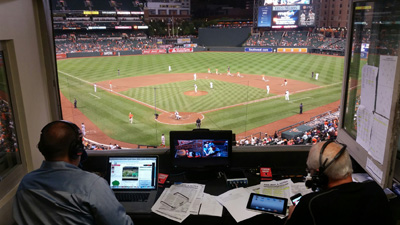
If you missed the announcement this morning on ESPN Radio and television, Mike Greenberg and Mike Golic confirmed that they have been selected to enter the NAB Hall of Fame in 2016. The duo learned of the honor two weeks ago but wanted to hold off on publicly announcing it until ESPN President John Skipper was able to make the announcement with them.
“Mike and Mike” have been a staple of sports radio since 1998 and they are more than deserving of this honor. The show has been serving listeners across the country for over 15 years, and regardless of your personal style preferences, few would deny they have a strong ability to entertain and inform. They also are very topical with their content and feature as good of a guest list as there is in radio.
In sports, if you perform at a high level, are the face of your franchise, and win multiple championships, you eventually get your name called to join the elite in the Hall of Fame. In broadcasting it’s sort of similar but the results that everyone delivers are usually very secretive so knowing the impact a show has on a local or national scale isn’t always easy to recognize.
None the less, if you’re the face of the ESPN Radio franchise for as long as “Mike and Mike” have been, clearly you’re doing something well.
Having been in this business as long as I have, I’ve seen how they operate. I was a colleague of theirs at ESPN Radio and I ran 101 ESPN in St. Louis when the station signed on and they were our morning show.
First, as a colleague, they were very invested in their show and staff. Both were very approachable, although Golic was the more likely of the two to extend a hallway conversation. This was during a time when they both did TV later in the day. Greeny would contribute as a SportsCenter anchor and Golic as an Analyst on various shows. To say that they were being overextended would be an understatement.
A typical day would include hosting a 4 and a half hour (they were on from 5:30a-10a back then) morning show, showing up an hour or two before it to get ready, having a post-show conversation, discussing the next day’s plan, recording a look ahead promo for the network, and then reading liners and endorsements for local stations. After that they’d get a break, grab something to eat, maybe make a phone call or two and then it was on to preparing for the next ESPN assignment.
As the years have progressed they’ve reduced their workload but I remember how hard these guys worked for ESPN and I always respected it. We often say in radio that the top performers should lead by example, and “Mike and Mike” set a good one.
More impressive to me though was how Greeny and Golic communicated with me once I was running a local station which featured them as our morning show. They cared about the success of the radio station, and although they were 1500 miles away and unable to be physically present around the brand, that didn’t stop them from doing extra things to help out. I could alert the guys of something by text or email and they’d follow up. I probably benefitted because they knew me a little but they didn’t have to. Their extra effort stood out.
One major misconception industry folks have about network programs on their airwaves is that the show is part of some other company and not connected to the radio station. That’s inaccurate. You can prefer to carry a local show, and most operators do and I happen to lean that way myself, but very few in this business would disagree that if they could hire “Mike and Mike” to do a locally focused show, they’d sign up for it in an instant. The issue was never their talent, more so the national image and topic structure.
Regardless though of where the content originates from, it’s coming through the speakers of your radio station. If it’s going to appear on your airwaves, then it’s up to the programmer, the air staff, the sales staff and the production department to make it sound connected to everything else the radio station does.
I’d write personality promos for the guys that offered a local twist, we’d use clips from their show in recorded show promos that focused on issues of importance to the local audience, we’d play soundbites from their shows that touched on local subjects and have our other local shows discuss them, and we’d have the guys call into our local programs occasionally plus voice commercials for local clients.
We even had them in town for a LIVE broadcast around the All-Star game and got them to do a video piece to recap their in-market visit. By the way, the girl at the end of the video was not staged. It happened organically and couldn’t have worked out any better.
Not every national host works this way but Greeny and Golic understood that by supporting us, it made it easier to support them. No business relationship works without a mutual commitment. Despite St. Louis being a provincial town which cares deeply about local issues and less about national topics, the program was consistently rated in the top 5 and was as high as #3 while I was there.
Funny enough, the show almost never made the air. The original plan in St. Louis wasn’t to put them on 101 ESPN. Instead the plan was to go local in mornings and carry Colin Cowherd. I love Colin’s show and being local in morning drive presented more business opportunities for the brand than middays, but as we sized up situations and analyzed what would be best to generate ratings, the plan got changed. I’m thankful it did because it worked.
And that’s probably the best way I can describe “Mike and Mike” to someone who asks about their morning show – it just works.
The show has become a big part of the sports radio format’s growth over the past fifteen years, and that speaks to their ability to not only have outstanding talent, but also evolve with the times. People don’t realize that Golic has had a longer career in broadcasting than football, and he’s been gone from the NFL for 22 years. What worked on-air in the late 90’s and early 2000’s is different than what works now, but yet they keep finding their way into good content. Social media also didn’t exist back then yet both guys are present and active in the space.
Two final things stand out to me in evaluating the legacy of “Mike and Mike”.
First, their success validates ESPN’s decision to build the radio network profile around them. In the mid-2000’s, the network was seen as the playground for Tony Kornheiser and Dan Patrick. Bruce Gilbert and the higher ups had a different vision and wanted to showcase Greeny and Golic more. Before too long the television simulcast was born and TV promos became heavily present on all ESPN programming showcasing the differences between the two men.
The campaign connected with everyday people, and as more people flocked to the show, “Mike and Mike” did a good job of keeping them around. Throughout the years they’ve continued to use television marketing to grow the awareness of the “Mike and Mike” brand, taking on different messaging along the way, and once again, it has resonated.
https://www.youtube.com/watch?v=hnp6-0fnsto
Despite the show’s awareness being sky high and the product itself maintaining a level of excellence for more than fifteen years, there have been concerns with the show in recent times. Last year Cris Carter was often a third member of the show during the football season, and the network announced plans this past May to add Molly Qerim as a permanent part of the program.
Except it never happened. And I believe that’s a good thing.
Here’s the deal, if you don’t like what “Mike and Mike” bring to the table, that’s fine. I’ve never once heard anyone say the show lacked chemistry or ability and I find that those who reject the show, usually do so because they prefer local programming or more opinionated personalities like Colin Cowherd and Jim Rome.
But that’s not who they are or claim to be and to expect them to be something different is asking them to not be authentic. Sure the show can be corny at times and I’ve heard people tell me they feel like the show serves as the “protector of the mouse” but they also deliver excellent interviews, their topic selection is elite, and you can tune in during any 20-30 minute portion of the show and feel like you’ve caught up on what you missed last night. They inform and entertain in a way that they are comfortable with and no amount of industry or social media backlash is going to change that. Nor should it.
Can you imagine if social media was around in the 60’s and 70’s? Shows like “The Odd Couple”, “The Honeymooners”, “Different Strokes”, “Dukes of Hazzard” and “All In The Family” would have been crippled because of it.
I can see the tweet already, “Daisy Duke is being held back by Bo and Luke. She needs her own show“. As feedback pours in, executives react and the next thing you know, one of the great shows you grew up on gets altered simply because of the fear of negative commentary.
“Mike and Mike” may not be perfect, but they’ve stood the test of time, continue to excel and make adjustments, and they’ve led the charge for ESPN Radio for almost two decades. They deserve to enjoy this journey together for however long it will last, without anyone trying to occupy the middle seat. It’s the least they deserve for what they’ve contributed to the success of the world’s largest sports network.
As we see with so many great performers who displays their skills for a long period of time, we’re going to recognize and point out their flaws and question whether they’ve still got it. But when you add it all up, Greeny and Golic are still going strong and aren’t even close to being finished. Sometimes we stop appreciating what we have in front of us. In this case, we may have done it with a program that’s of Hall of Fame caliber.
ESPN President John Skipper appeared this morning on “Mike and Mike” and announced that the National Association of Broadcasters has selected “Mike and Mike” to enter the NAB Hall of Fame in 2016. The induction will occur during the NAB Show Radio Luncheon, held Tuesday, April 19 in Las Vegas.
Greeny and Golic have been together on ESPN Radio since 1998 and on ESPN television since 2004. They’ve also appeared in two movies “Valentine’s Day” and “Just Wright;” received a Sports Emmy for Achievement in Content for Non-Traditional Delivery for their “Off Mikes” animated comedy series, and in April 2010, the duo released “Mike & Mike’s Rules for Sports and Life,” which reached number three on the New York Times best-sellers list.
Previous NAB Radio Broadcasting Hall of Fame inductees include Steve Harvey, Bob Uecker, Vin Scully, Jack Buck, Harry Caray and many others. For additional information on the NAB click here.
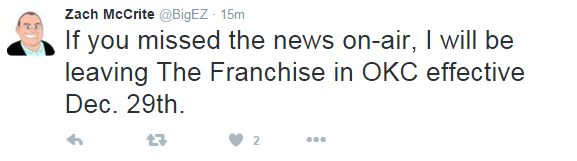
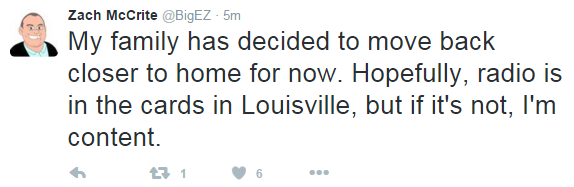
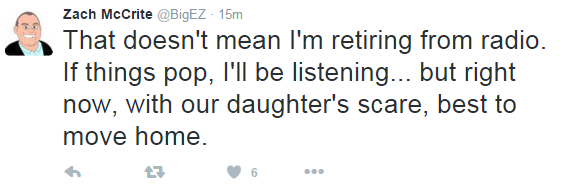
Zach McCrite, who hosts “The Podcast About Sports Radio” on this website, has announced that he’s leaving his weekday position at 107.7 The Franchise in Oklahoma City. Zach’s decision stems from a desire to be home in Louisville, KY closer to family. He confirmed the news today on Twitter.
McCrite has been with The Franchise since January 2014 and previously spent 2 years in St. Louis with 101 ESPN. Prior to that he spent six years in Louisville working for a few different radio stations.
McCrite says he’d like to continue doing radio in Louisville but if it doesn’t happen, he’s ok with moving on to other endeavors.
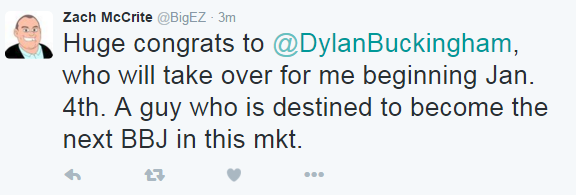
With Zach leaving, the station will turn to Dylan Buckingham to replace him in middays. Buckingham will take over on Monday January 4th.
To get in touch with Zach for future opportunities, contact him by email at zach.mccrite@gmail.com
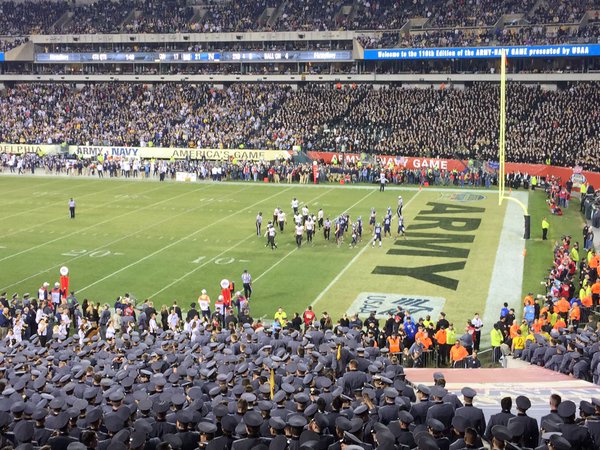
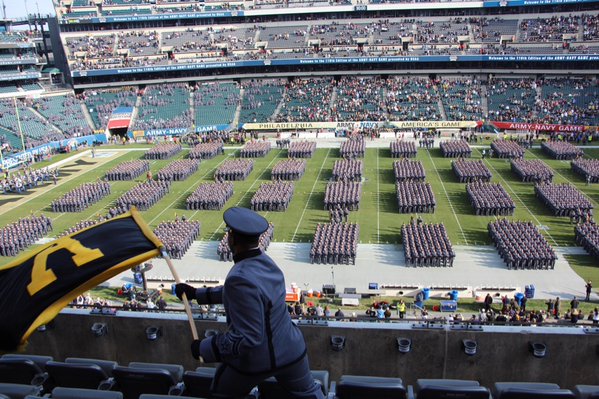
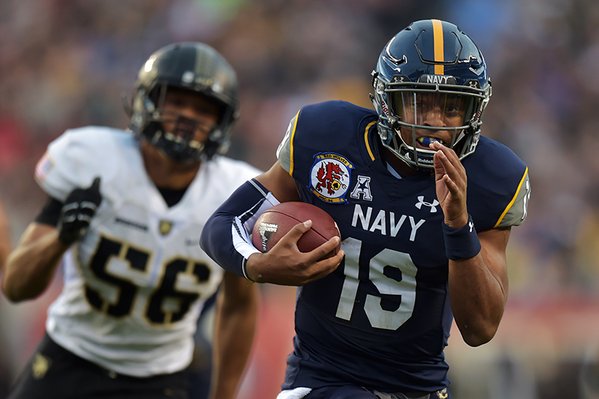
If the opportunity presents itself in the future, do yourself a favor and take in the Army-Navy game. It’s an experience you’ll remember and it’s one of those games that makes you feel great about living in the United States of America.
Ironically, I live twenty minutes from West Point and have had the chance to attend numerous Army football games during the course of my lifetime. But the energy level and big game feel that exists when Army and Navy battle on a football field is very different. Even if you’re not a big college football fan, you can’t help but get caught up in the excitement.
The game itself went down to the wire (Navy won 21-17), and produced a number of twists and turns to keep everyone on their feet, but there was a media angle which stood out and I thought it was worth sharing with you in this column.
Often in sports radio, we’re tasked as programming teams to create excitement for a sponsor who’s spending good money with the company and wants to be involved in the content. Programmers get defensive when they hear that because the product is what the audience tunes in for and when bad/forced content enters the mix, listeners leave. If your main job responsibility is to generate ratings, it’s difficult to sign off on accepting content on your airwaves that is going to negatively impact your numbers.
However, the real reason why ratings matter is because they’re used to help station’s make money, and reps have one job to do too – add revenue! A rep is not going to admit that their suggestion is flawed or that an idea is bad when they see dollar signs and I can’t blame them for that. They’re human and trying to fatten their wallet and maintain stability with their employer.
But, they also shouldn’t be surprised or upset with the programmer, when they try to maintain the brand’s integrity, grow ratings and do what’s best for the audience. A good rep won’t be afraid to say no or direct a client towards a different path, but many salespeople are so concerned about hitting their monthly budget that they’ll grab the money, run, ignore the details, and try to repair the damage afterwards.
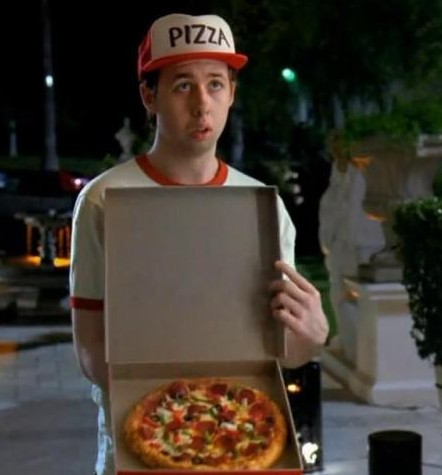
I remember being in a situation where one of my former morning shows agreed to do some work with a national pizza chain. As part of the partnership, they’d read LIVE endorsements, make a monthly appearance at three local establishments, and then film a video at one of the locations where they were taught how to make pizza. The client also bought recorded commercials, website and social media ads and text message sponsorships.
Sounds simple right? Well, not exactly!
The client kept pushing the rep for more, after the deal had been agreed to, and the rep was so worried about losing the business that they threw in a sponsorship of the station’s mobile app for free for three months.
But that once again wasn’t enough.
The client threatened to pull the sponsorship unless the station agreed to have the morning show go out on a one-day delivery run which would be promoted on-air, online and on text. I spoke to the morning crew and shared the dilemma with them and because they were good guys who were willing to try and keep clients invested in the brand, they agreed to do the delivery day to try and save the sponsorship.
Next, we agreed on the local towns where the guys would do their deliveries and on the day of the event, the local stores had their phones ringing off the hook. Business was up 30-40% for the day and we felt the promotion was a success.
Except, the client was once again, not satisfied.
This time, they were not willing to give us credit for their growth because the orders came in by phone and in towns where they already were performing well. They wanted some of their less successful locations to see an increase in activity, and they only wanted to count orders that were placed through the order button on the mobile app. None of this was communicated to me or the morning team prior to the promotion from the rep or the client.
At this point I was frustrated. I sat down with the rep and our national sales manager to ask how much money was being generated with the sponsorship and what their plan was to gain control of the account. The amount we charged was below expectation and their was no plan in place to get on the same page with the client.
Guess what happened next? You guessed it, the client called and threatened to pull their business again. Except this time, they’d consider staying on board if the morning show did another delivery appearance in a town of their choosing.
I knew the client was taking advantage of the situation, and our rep was fearful of standing up to them, so I chose to protect my guys and the product, and decline to do anything further until a meeting was held with all involved.
The client wasn’t interested in meeting and when they pressured our rep to give in or risk losing the account, including this time having our guys do the delivery day in their own vehicles in a bad part of town, I declined and we had to walk from the business.
Rather than sticking up for myself, our people, and the brand, and reeling in the client, the rep and sales manager got ticked off at the programming team and pushed our boss to make a decision on the situation. They could only see the money in front of them, not the process or effectiveness of the campaign or the way that it had created a divide with the programming department. Luckily our GM was aware of the situation and ruled that the client had to be dealt with differently and offered something else or it would be passed along to another rep.
I share this story because it’s a classic case of not managing the client’s expectations and not working with them to create the right game plan. The client didn’t understand how to use the radio station and its people to increase their business and by being unwilling to listen to how to use the product properly, and not receiving the right direction from the rep, it cost them time, money and results.
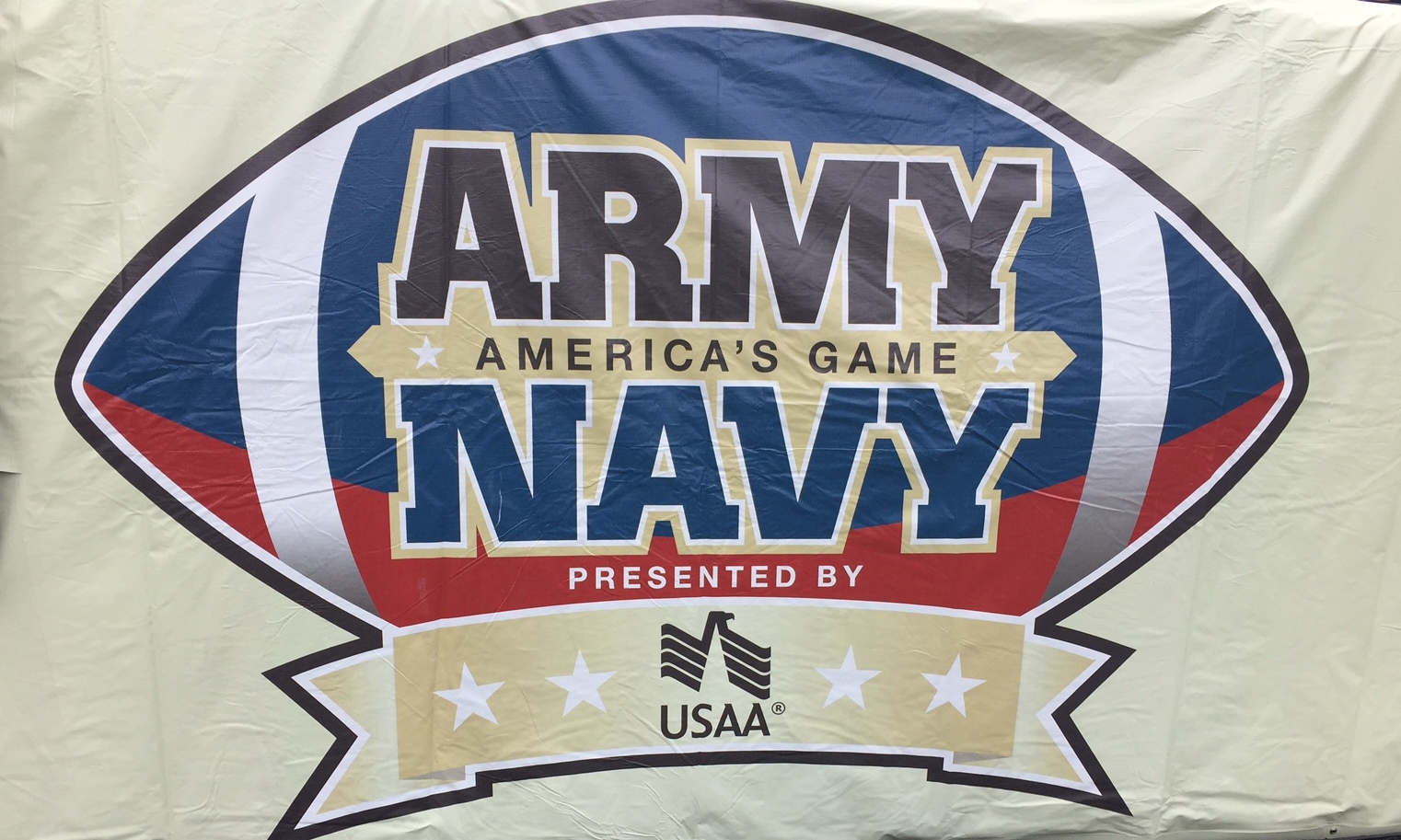
How that applies to this article is simple. If you watched the Army-Navy game on television, listened to it on radio, witnessed it in person at the stadium, or read about it anywhere online or on social media, you couldn’t avoid seeing USAA as the game’s sponsor. They did an outstanding job of “owning” the game without interfering with it.
What does USAA do? They proudly serve millions of military members and their families with competitive rates on insurance, banking and investment services.
Seems like a great natural fit right? Well, it is!
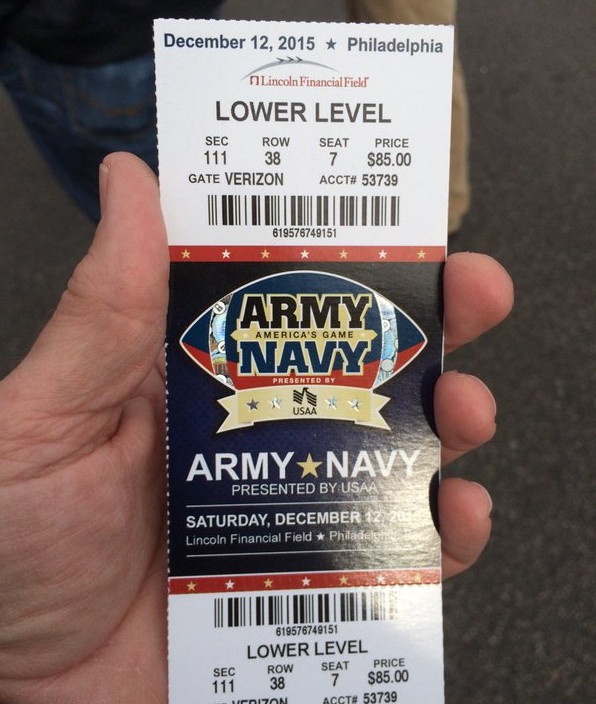
The company understands their target audience, and by sponsoring this game, they’ve positioned themselves well to reach the people they’re after. From the field to the stadium signage to the ticket stubs, everything about the game had USAA involved in it, but they never got in the way of the actual event.
During the radio row event on Friday and Saturday, every radio station host that I spoke with, was not only excited to be there, but felt it was a positive association for their station and show. They mentioned it being one of their favorite trips of the year because unlike the Super Bowl, they didn’t feel pressured to accept guests who’d take away from the show’s direction. An all you can eat Fogo De Chao dinner on Friday night and post-game party at Xfinity LIVE on Saturday night also made them feel important and appreciated.
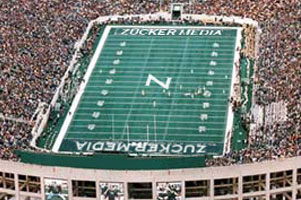
Much of that credit goes to Jimmy Shapiro and Dan Zucker of the Zucker Media Group who have worked with USAA for the past few years to create the event. Jimmy and Dan have a background in sports radio so they recognize what hosts, producers and the audience are looking for, and that allows them to work with USAA to create a great situation for everyone.
USAA also deserves some praise because they respect Zucker’s judgment and follow their lead on creating a great radio experience. That willingness to listen, led to WFAN, WIP, KNBR, WFNZ, WBAL, KFAN, KJR, Mighty 1090, Arizona Sports 98.7FM, 104.3 The Fan, 105.3 The Fan, 106.7 The Fan, 104.5 The Zone, SiriusXM, Yahoo Sports Radio, Sports Byline, ESPN Las Vegas and ESPN San Antonio ALL broadcasting from the event this year.
14 of the top 25 markets were present, along with three national networks, and the locations targeted were not only established sports radio brands with good ratings and established audiences, but they were also in areas with strong military representation. That’s smart targeting by Zucker Media and USAA.
By having each of those brands broadcast from the event, and making the trip worthwhile, it tells the station’s programmers that they can trust the organizers to do a quality job. When you earn trust with operators, it goes a long way towards developing a strong long-term relationship.
Not only did USAA receive coverage on some of the top performing stations in the country, but they helped their own image by having people like Roger Staubach, John Feinstein, Sal Paolantonio and Kirk Herbstreit promote the game on their behalf. When those type of personalities spin the message for them, it makes the content more memorable and less likely to be rejected by the audience. If USAA was asking brands to put on the company’s local insurance reps to promote the game, it’d be a very different story.
In evaluating the sponsorship, USAA found a fit that aligns perfectly with their company objectives. Every association with this game benefits them well, including the title “America’s Game“! That’s an easy line for the audience to recall and promote.
When you have a great product and connect it with a sponsor which has a natural fit and understands how to benefit from the association, this is the kind of success that can follow:
Over 69,000 in attendance for the game
The highest television ratings for the Army/Navy game in nearly two decades
An increase in television ratings for the game for the fifth consecutive season
Radio promotion on 23 radio shows and 3 national networks on Friday and Saturday
The top trend on Twitter including social promotion from numerous high profile personalities
The Army-Navy game and USAA partnership has paid great dividends because everyone understands the objective and how to promote the game. The company realizes that the campaign is built from awareness and positive association, and the star of the promotion is the game itself.
Because USAA doesn’t try to get in the way of the game and simply uses it as a way to further brand themselves, they’re well received. This makes people more likely to look to them when needs arise in their lives.
As a customer of USAA myself, I was impressed with their approach. Every piece of media had their name attached to it and when a company develops a solid reputation and connects themselves to other quality programs, it reflects good judgment and makes you feel good about supporting them.
It was evident that a lot of time, thought and creativity went into the marketing campaign for this game and because of it, USAA will see their business grow. Hopefully the members of that pizza chain were taking notes.
Under The Radar:
Seth Everett filled in for 790 The Ticket in Miami this past Saturday. No word yet on whether or not he will appear again on the radio station.
Jim Bowden is doing less hosting on SiriusXM’s MLB channel. Bowden’s ESPN responsibilities have kept him busy during the MLB off-season. Former MLB Closer Brad Lidge and former MLB OF/IB Cliff Floyd are stepping in for Jim this week with Casey Stern.
After ESPN 105.5 exited the format last week, don’t expect Denver sports radio leader 104.3 The Fan to go unchallenged for long. Look for another competitor to emerge real soon. An announcement could come as early as next week.
When you’re in a management role, you receive inquiries for employment on a daily basis. Heck, sometimes it’s on an hourly basis. Job seekers have many different approaches and strategies for getting the attention of a hiring manager, and depending on the style of the individual who’s making the decision, it may or may not work.
I’ve often been asked for feedback on what to submit on a demo, how to craft an email, and who to reach out to when chasing opportunities and I usually tell each person that there’s no particular formula and the results will vary. Some programmers prefer longer demos that are unedited. Others like shorter “best of” clips that get right to the point. One executive wants a quick one paragraph introduction, and the other prefers a cover letter, resume, references and extensive details about your background.
These are important factors to remember when you’re pursuing an opportunity. All that matters is finding that one person and company who’s willing to give you a shot. Don’t take the rejections personally. Sometimes openings don’t exist, the fit isn’t there, or a manager doesn’t like you or believe in you. You can waste a lot of energy wondering why you’re not getting the nod, but that’s valuable time you could be spending on chasing the next situation.
It’s well documented that Michael Jordan didn’t make his High School basketball team, Tom Brady was drafted in the 6th round, and 24 players went ahead of Mike Trout in the 2009 MLB Draft. I think they all turned out alright. If you prefer an industry example, watch this video of Adam Schefter talking about his climb up the ladder. If the top NFL Insider in our industry had to go through tough moments, you likely will too.
There is though one misunderstanding that I do want to address. A number of young people today are of the belief that by going to college and pursuing a broadcasting or journalism degree, it will open up the door for landing an opportunity.
Newsflash – it doesn’t!
Yes education is important, and a degree has great value, but if you think you’re going to land a job on the air with an established radio station or produce one of their top shows simply because you went to college, received your degree, worked at the campus radio station, and are smart and love sports, prepare to be disappointed.
What a degree often does is help you get inside the building. But so does going to a broadcasting school, having a relationship in the industry, or knocking on the door and refusing to take no for an answer. It’s what you do once you’re in the building that determines whether or not you stick around and get a bigger break.
One person who has a great read on this subject is Matt Sammon, the Tampa Bay Lightning’s Director of Broadcasting and Programming. As you’d expect, working for a sports franchise attracts a lot of interest and Matt deals with it on a regular basis. There are certain things a college student or young person can do to stand out when trying to get their foot in the door and Matt’s taken the time to share his advice on the best ways to do it.
That Degree Alone Won’t Get You a Job in Sports Broadcasting
If you’re one of the handful of people who have followed my blog, you know I’m willing to offer advice to aspiring young broadcasters any day. You also know I’ve been very vocal in the past with some less than prepared intern candidates not once, but twice. Well I’m glad to say after a recent intern fair at Amalie Arena, the intern candidates were well-dressed and I even got a few samples of the lost art of a cover letter.
But with some candidates, I saw an issue I’ve seen not just in recent years, but one that has been around for as long as I can remember. A candidate is months away from graduating, and is solely counting on his or her degree to land a job. It doesn’t work that way, but I’m happy to provide some direction for you.
That Degree Is Valuable
Don’t get me wrong, there is a value to having a college degree or even a broadcasting school certification. That piece of paper shows you were instructed on the basics, and I can tell you some things I picked up in college 20 years ago are still utilized today. Having a degree or certification from a reputable school can help you get a foot in the door, but make sure you have a major that puts you right in front of that door, and a minor that you can either “fall back” on or supplement that major degree.
I majored in broadcast communications, and minored in management, and thankfully that education paid off to where I’m in both fields. But if I ever needed to do something other than manage in broadcasting, or if I ever needed to do some management outside of broadcasting, I have the documentation that says I can do that. But more importantly, I have experience, and THAT is the key to accelerating your career.
ANY Experience Helps
I know what you’re saying college students, “I don’t have 20 years of experience!” Guess what, when I was starting out, neither did I! But believe it or not, I didn’t just stay out late and sleep in late while I was in college (please believe it). I worked, and even though the broadcasting business has changed since I went to college, there are still opportunities out there. It’s hard to balance a school schedule and a work schedule, especially when a lot of that work falls in to the “volunteer” category, but nothing brings me down more than a college senior with absolutely no experience looking for that internship in the final semester. And I can tell you, I’m not the only person in this position who feels the same. Yes, the internship is the big link between college and the real world, but you can’t come in totally cold.
We All Are Fans of Sports, But You Need More Than That
Some of us are fans of the team we’re working for. But simply knowing a lot about our favorite team or favorite sport didn’t clinch the job. Knowledge of a particular sport or team you want to work for is helpful, but experience in any form of journalism or broadcasting trumps that. The encyclopedia-like memory, or collection of team memorabilia, is the icing on the cake if you can convince us you can carry out the simple tasks the job demands.
Utilize Your School’s Resources
You (or your parents) are paying a ton of money for you to attend that reputable school. You (and not likely your parents) will be paying off student loans out the wazoo for the next 20 years of your life. While you’re in school, use those facilities you’re paying for and will continue to pay for. If you want to get into broadcasting, sign up to work at the student radio station or TV station. If you’re into print journalism, sign up to work at the student newspaper or yearbook. Yes, these are “old school” mediums in a digital age, but a lot of schools have made the shift to digital while continuing to teach the journalism basics that are sorely lacking from a lot of what’s out there on the digital playground.
The shift at the radio station will suck (my first shift was Sunday mornings from 1-6 a.m.). You’re going to be pulling cable at the TV station, and you’re going to get the less-than-desirable assignment for the newspaper. Take it. Take it and ask for more. This is where you’re going to learn, where you’ll make mistakes, where you’ll find your style and personality. Don’t turn down any opportunity, even if it’s unpaid or “just” for credit.
The Earlier You Start, The Better
While this was titled for the class of 2016, it’s better suited for 2017 and beyond. One reason why I chose the University of Alabama for my college experience, was that I could work at the student radio station as soon as I got there (and as long as I maintained a good GPA which wasn’t an issue). You will learn a lot working for the school, but nothing replaces that real-world experience of an internship, which most are done for college credit. As soon as you make that fateful decision to go in to broadcasting (God bless you), check with your adviser on how the school does internships and how soon you can get one.
I was fortunate to work an internship the summer after my freshman year, and again the summer after my sophomore year. The second internship lasted 2 weeks before the station decided to hire me part-time. Those two summers prepared me to do some of my finest work at the school in my junior and senior years, preparing me to enter that real-world job search during my senior year. The time for an internship is not when you have 6 months left in your education, although all is not lost if that is the case for you. The time is heading in to your junior or senior year if possible, with the experience you have picked up working at a school facility.
Why Wait Until Graduation, When You Can Work Now?
If you’re fortunate enough to find paid part-time work in your field while you’re at school, by all means take it. Don’t fret over the format, the network affiliation, the hours or the pay. I worked part-time in a classic rock station, a news/sports talk station, a public radio station, a hot AC station. Very little of my work then was in sports, but I can’t tell you how much that experience in different formats, doing various jobs on and off the air helped me do what I do now.
Now times have changed, and unfortunately a lot of the entry level jobs I had while in college have dried up, especially in large markets. There still are opportunities in fringe markets and smaller markets. And while entry level jobs in traditional broadcast outlets have dried up, there are new outlets with new opportunities including website writing, video production, and podcasting. You want to work with a legitimate company, but don’t get wrapped up in how big the company is or if the job pays you enough. Work is work, experience is experience, and even a part-time wage buys you plenty of ramen noodles (and I’m told, beer).
If You Can’t Land That Official Job, Make Your Own Work
Technology is amazing these days– portable, affordable, and for the most part durable. If you can’t get that gig at your college calling basketball games, go find an open area in the seats and record your call in to an mp3 recorder. Ask the local high school if you can cover their football team, or call up the nearest minor league baseball team to see if they have a spot for you in the press box. You’re probably doing this for free, but nine times out of ten these teams will be thrilled someone is showing interest in their product. You’ll get a seat in the press box, and game notes, and support. Suddenly that turns in to interview opportunities with coaches and players, and more importantly you build up contacts and connections who undoubtedly will be helpful down the line.
I will give an intern or a job candidate a second look if they have 6 months of “freelance” work with the Capital City Capitals compared to nothing at all. At the very least you’re showing initiative to make something out of limited opportunities. And the same can be done if you want to host a show– start your own podcast. I don’t care if 4 people listen to it on average… you’re working out the kinks. If you want to do video work, shoot your own stand-ups. Make your own feature stories. Edit your own 30-second highlight videos (note I said 30-second, not 8 minutes and 47 seconds set to your Limp Bizkit megamix). Your iPhone camera work won’t be perfect, but again it’s something to get your feet wet.
NOTHING Is Given
I can’t stress this enough. Unless you know someone who knows someone who owes someone a favor, and that is very rare, you’re not just going to suddenly wake up one day and have that dream job. In fact, you won’t just be dropped on to the path of the dream job. You have to work for it, and that includes less than glorious work, little or no pay, and forget about 9-5 hours Monday through Friday. There is sacrifice to get to where you want to go, and it doesn’t happen quickly.
And I’m going to break this to you right now: you’re not good enough to turn down any good opportunities. That also goes for those of you who are a few years removed from college. Just because you’re 28 doesn’t mean you can put your nose in the air because the job isn’t 100% perfect.
You got this far, GO DO some of the things I suggested, and gradually get to where you want to be. Don’t just sit across from me with a resume full of summer wait jobs, telling me how big of a fan you are of the team I work for. I’m not a big fan of your prospects.
Matt Sammon is the Director of Broadcasting/Programming for the Tampa Bay Lightning. You can reach him on Twitter @SammonSez or by email at MattSammonSez@Gmail.com.
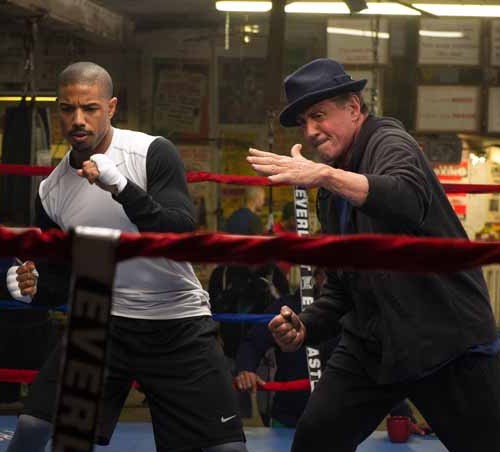
If you were born in the seventies and are a child of the eighties, chances are you’re familiar with some iconic movies. Star Wars, E.T, Back To The Future and countless others have stood the test of time and earned our respect and appreciation but there’s one particular series that I hold in high regard.
I’m talking about Rocky, which has now added a new twist with the recent release of “Creed”.
I had a chance last weekend to see the movie and I thought the writing, production, and story created by Ryan Coogler was brilliant. There was a connection between the past and the present and the general public seemed to agree because the film has produced nearly 70 million dollars in 2 weeks.
After watching “Creed” with my son Dylan, I realized that he hadn’t been exposed to the Rocky series. I felt he’d enjoy it and connect to it the way I once did, so I picked up the Rocky 1-4 DVD set and this past week we started watching them one by one. As I expected, he loved them too.
I began thinking about the reasons why I felt a connection to those films and why my son who’s nearly thirty years younger felt the same. For a film to span generations and deliver the same reaction, it has to have certain ingredients. Consider that Rocky 1-3 each generated over 200 million dollars, and Rocky 4 produced 300 million. If the formula leads to that type of success, I’m interested in understanding it better.
What I discovered was that the same reasons my son and I love Rocky, are the same reasons the best sports talk shows stand out. There are many components in a show that help it resonate with an audience which is constantly being bombarded with distractions. I think you’ll agree as you sort through this piece, that the similarities between the two are very similar.
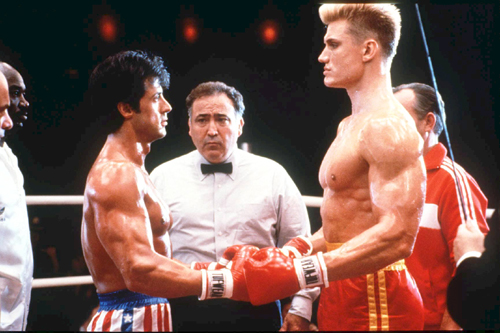
Every Talk Show Needs A Villain – In Rocky you get some of the best of all-time, Apollo Creed, Mr. T, Ivan Drago, etc. Whether it’s Apollo’s insults towards Rocky and painting him as a hopeless bum, Mr. T verbally attacking Rocky’s wife and sending his trainer Mick to his death, or Drago killing Apollo inside the ring, all of those characters evoke an emotion of anger and frustration and make us more sympathetic and emotionally attached to the Rocky character. When you hear Drago say “If he dies, he dies“, it’s impossible to not want to jump through the screen and hit him yourself. That’s what a villain brings to the content experience.
If you look at it from a talk show perspective, the villain usually comes in the form of a central figure on the day’s biggest topics. For example, “The NFL Referees blew the call and screwed us“, “Greg Hardy should be cut by the Dallas Cowboys but Jerry Jones is asleep at the wheel“, “Dave Stewart and Tony LaRussa got fleeced by the Braves and have damaged our future“, “Jed York’s ego caused the 49ers to lose Jim Harbaugh and become mediocre“.
Whichever example you use, when we highlight a topic that is timely and built around a polarizing figure or questionable decision, it puts the host in the hero position. This makes the audience pull for you and it keeps them engaged in your content. Most people in the world root for good over evil and they want the underdog or blue collar guy to knock off the favorite or white collar individual.
The one exception to this is when you have a talk show that is built around a controversial figure. Love and hate are two big reasons why audiences tune in and a big part of why shows like First Take and Bill O’Reilly generate the buzz and success that they do. Regardless of your personal feelings towards them, they embrace the role of the villain and in doing so, they grab your attention.
If you paint an effective picture of a character and outline why they deserve our wrath or attention, you place yourself inside the crowd and 99 times out of 100, they’re going to stand right by your side. Even if they don’t though, they’re still invested in what’s being said and that’s what matters most in measuring success.
Every Talk Show Needs Laughter – Rocky delivers some memorable one-liners that are still remembered forty years later. Classics such as “Women weaken legs“, “You’re going to eat lightning and crap thunder”, “I feel like a Kentucky Fried idiot” and “Why do I want to fight? Because I can’t sing or dance” stay with us because they’re timely, well executed and offer a nice change of pace. By creating moments that allow us to laugh, it breaks things up and makes the dramatic scenes stand out more.
In a talk show, the same challenge exists. Every host can hit hard with opinions, interact with or take on a caller, and ask a good question of a guest, but when the intensity is building, do you have the clock in your head and the wit and creativity to mix it up by offering a strong one-liner? If not, do you have a go-to drop to help emphasize your points in a funny fashion? Can you keep the audience on the edge of their seat wondering if today will be the day you have them emotionally angry, happy, sad, or laughing?
Being naturally funny and self-deprecating goes a long way with people. Those who can pull it off will find the audience sees them as being human, relatable and capable of not taking themselves too seriously. Those who can’t are usually perceived as being unapproachable, out of touch or even worse, a complete asshole. We can all be on a quest to find the truth in sports and seek to deliver opinions that rattle a person’s bones, but when you allow and invite light hearted moments to become part of your daily experience, you benefit a lot more from it.
Every Talk Show Needs a Great Supporting Cast – In Rocky, Sylvester Stallone plays the lead role and as great as he is, he earns legendary status because he’s surrounded by great villains (Creed, Drago, T) and a memorable supporting cast (Adrian, Paulie, Mick, Thunderlips, etc.). These people play a vital role in helping introduce love, sadness, drama, anger and doubt into the story and without them the movie would miss the mark. Every twist and turn in the Rocky series, revolves around those words and every key moment includes those people.
Now think about it from a talk show perspective. Do you have an update anchor involved in your program? Does the producer play a role? Do you use your voice guy or callers to add to the content? Are there set guests who are with you daily or weekly and have become a part of the show’s dysfunctional family? Maybe the Program Director or General Manager is brought into the show as “The man” trying to hold you back. You can use created voices/characters too.
Regardless of the approach, all of these things contribute to the show’s entertainment value. Rather than going it alone and focusing on yourself, think about how you can use others to further lift the show and help you showcase the multiple sides of your personality. The more you offer to the audience, the harder it is for them to change the dial.
Every Talk Show Needs Authenticity – One of the real beauties of the Rocky character is that he represents everyone in the world who’s trying to make ends meet to survive and prove they’re not a failure. He’s a normal guy from the streets of Philadelphia who was given an opportunity and took advantage of it, even when the whole world doubted him. He may not be the sharpest tool in the shed but he’s kind, respectful, funny, genuine and honest. We see a man who might not be the best in his sport, but has heart and courage and is willing to try. Those qualities make us root for him. He’s the real life version of David overcoming Goliath.
As a personality, you have to be yourself and put yourself on display. Every positive attribute and every flaw should be showcased every single day. When people know who you are and what you represent and can count on you to be consistent, it makes it easier to listen to you. People tune in for hosts for multiple reasons but if they feel like you’re putting on an act or holding back, they’ll sniff it out and stop listening.
Who you are on the air should be reflected by who you are off the air. What we see on social media or when a camera is on, should be consistent with the person we listen to through the speakers. Sometimes people feel the need to try and change their voice to sound stronger or play a character on the air to generate bigger buzz and it may work for a little while but it can’t be sustained. Being yourself, embracing your strengths and weaknesses, and not being afraid to invite the audience in, are things you can do until the day you retire.
Every Talk Show Needs Drama – If there’s one quality that separates a Rocky movie from many others, it’s the film’s consistent ability to produce high level drama. From Balboa’s quest to connect with Adrian, to his troubles with Paulie, to his issues with Mick, to the loss of people close to him, to the fight’s themselves, each movie provides twists and turns which leave you emotionally spent.
If you’ve watched these films and didn’t feel a sense of nervousness or excitement when Apollo slid down at the count of 9 and Rocky won the title, or when Mr. T says “My prediction? Pain!“, or when Ivan Drago utters “I must break you”, then get your pulse checked immediately. Each movie delivers a powerful story that is easy to connect with and the journey through that story is what makes it important to us.
It’s no different than what you deal with each day when building topics on a talk show. Any host can hit the airwaves and ask “How confident are you that this team can make the playoffs“. It’s low hanging fruit. You give an opinion on a timely issue, relay a few stats, build some hope, generate calls and tweets, and then sign off and go home.
But is that memorable? Will it leave your audience confused, excited, nervous, angry and talking with their friends and families about what they heard on your show? No!
What works is when you can dig deeper into a topic and find a creative and compelling way to tell the story. That stirs emotion.
Think about some of the items I’ve mentioned above. Does the story include a villain? Does it include laughter? Are their others in the show adding something different to the discussion? Is there conflict? What parts offer me hope and which ones have me concerned?
Once you have those elements, then it comes down to the headline you create, the way you frame the story, and your ability to extend the conversation in a compelling way.
Close your eyes for a second and envision one listener in a car listening to you. Can you hold their attention for five minutes? Ten minutes? If you can’t, you’ve got no ratings.
The way to invade someone’s mind is by being authentic, offering a firm position, using facts to support your stance, and delivering the story creatively.
The reason Colin Cowherd stands out to so many in our industry is because he’s an amazing storyteller. He doesn’t go into a show reliant on phone calls and he doesn’t take the bait on simple topic points. He also puts time into writing some of his opinions and analogies and he understands when to stick to the script and when to toss it aside.
For example, if Colin was hosting a local show in Arizona today, I doubt you’d hear him build a segment by asking “Did the Diamondbacks give up too much for Shelby Miller“. The obvious answer is yes and with that response comes little drama, suspense or unpredictability. If the audience can figure out the answer without having to think too much about it, then why would they stick around to listen to you?
While I’m no nostradamus and not inside Colin’s brain, I do think that if he was hosting locally in Arizona today, he’d offer something different on the subject. I’d expect him to use the topic as a starting point for explaining why in life you sometimes pay more for things than what they’re worth, and how a short-term benefit can often be worth the long-term pain.
That’s what a great storyteller does. They look beyond the headline and search for ways to make it interesting, making sure that drama is a part of every single conversation.
By taking this path, it makes the local listener forget about how much the team gave up and gives them a chance to see the story from another perspective. You think they’ll care as much about Miller’s asking price next October if it results in a World Series title? No!
By approaching it differently and more creatively, it lends itself to becoming content that lives in the mind of the audience well beyond the show. And that’s what counts.
Think for a second about the Rocky story and picture it as a real life topic today. Some hosts would hit the airwaves asking “Do you think this underdog can shock the world and knock off the champion? Your calls and tweets next“. They’d give their opinion, field the audience’s reaction, maybe invite a guest or two on the show, and then blame the subject matter if the ratings for the segment were low.
But if you took a great storyteller like Sylvester Stallone or Ryan Coogler (writer and director for “Creed”) and gave them the microphone, you’d be taken through a very different emotional experience with the content. Based on the results their films have produced, I think they’d do ok in the ratings!
Because they concentrate on telling a powerful story that can move an audience and they incorporate all of these qualities above, we’re still discussing these movies forty years later. The only question now is, when will there be a Creed 2? And will it be as successful as the first one?
Ask yourself, “Is my show selling out the theatre on a daily basis“? “Do I leave people wanting more like “Creed” has? Am I incorporating these qualities into my show? If not, you may want to consider it. Who knows, they could help you stay relevant for the next forty years!
104.3 The Fan in Denver has hired Armen Williams as their new Program Director. Williams was most recently the PD and afternoon host for 104.5 The Team in Albany, NY.
“I’m excited to be a part of one of the best sports radio brands in the country,” Williams said. “The Fan is a first class organization and Bonneville is a great company. I’m looking forward to working with the extremely talented staff to continue giving the Denver sports fan the highest quality of Sports Talk radio.”
“Armen brings to The Fan a perfect balance of winning sports radio programming, plus an exceptional knowledge of digital media,” Bonneville/Denver VP/Market Manager BoB Call said. “Armen has worked with a number of high profile Sports personalities through his career, plus developed some solid NFL play-by-play network experience. Armen will be the third program director in The Fan’s 20 year history.
Williams replaces Nate Lundy who left the radio station in November. He’s expected to begin his stint with the radio station in January.
One of the most common mistakes that air talent make is assuming that they’re solely responsible for creating and delivering content and generating ratings. I’ve heard one say “I get paid to talk about sports and bring listeners to the station, sales is for the guys down the hall“.
While that may be true to an extent, the number one reason a host is on the air and a show exists in the first place, is because the radio station believes it can generate revenue from it. A good talk show host delivers an audience, those people spend time listening, and in doing so, they become attractive to advertisers who wish to inform them about their products.
In essence, the talk show host is the bait used to lure the fish. When the talent delivers the message well, the fish bite the hook and are taken home for dinner. When the talent executes poorly or displays little interest in the product they’re speaking for, the fish stay away and nobody gets fed.
There is a big difference between emotionally connecting to a product and selling it to your audience with passion and conviction, and sleepwalking through an endorsement. As a host, you should understand that your word does matter, so believing in the products you pitch is important. But never lose sight of the fact that you’re in that studio every day collecting a check because you represent the company and are a key piece being utilized to generate revenue.
You may personally care about topics, guests, callers, and other programming items, but executing endorsements, delivering a good read for an upcoming promotion or website initiative, and demonstrating daily that you’re a great place for other advertisers to place their future business is as important as any job you do.
The job extends beyond your air shift too. Networking and bonding with clients is an important responsibility and if you don’t understand that, then you’re missing the big picture and likely leaving a lot of money on the table. The less helpful you are to sales and the little connection you have to top advertisers, the more likely you are to be replaced. I don’t care what market you look at, no top personality is getting paid top dollar for a long period of time if they’re not helping grow the radio station’s business.
One person who understands this as well as anyone is Bill Simonson. For the past 14 years, Bill has built an incredible brand in the state of Michigan and he’s been able to do so thanks to the support of his advertisers. He recognizes that without those paying customers, his brand value becomes less. To keep them satisfied, Bill spends time with them, familiarizes himself with their products and includes them in his show. He makes his clients feel like partners, not just businesses who spend some money on his program.
Today Bill hosts “The Huge Show” weekday afternoons from 3p-6p on the Huge Radio Network, which carries his program on 12 different stations across the state of Michigan. He physically broadcasts from flagship station 107.3FM WBBL in Grand Rapids. Additionally he hosts “The Saturday Night Huge Show” nationally on the CBS Sports Radio Network.
I knew Bill would have an excellent perspective to share on growing a statewide network and developing and maintaining relationships with key clients and I think you’ll appreciate some of the tips that he’s provided. If you’re an on-air talent and you follow his example, it very well could help you fatten your wallet. It may even help you expand your own local show.
Creating Job Security Through Advertising & Expansion
When I was in Chicago at ESPN 1000 back in 1998 I thought the key to success in radio was getting to the biggest market you could and doing great radio. I lived for the ratings book. It was a quarterly validation of what i was supposed to be in radio. If I did a good show, had great guests and busy phones, and got decent ratings, then I was set for life in radio.
That was 1998-2001. Radio was evolving and I didn’t see it coming. It went from a ratings based business to a revenue tradeable commodity on Wall Street. I didn’t pay attention to advertisers like I should have.
When my run in Chicago ended in 2001, I easily could’ve blamed Jerry Reinsdorf for having the ability to censor my comments about the Bulls and the White Sox, or the fact that ESPN thought 6 sports updates an hour were good radio. I won’t even challenge the lack of intimacy that ESPN wanted with their radio audience. They wanted many voices connected to the Huge Show and just didn’t let Lou Canelllis and myself be ourselves.
Forget the radio side of what could’ve been better for me in Chicago. What I really learned was that at my next radio stop I had to connect to advertisers like they were family. I ended up back home in Grand Rapids, Michigan. I knew to stay there I would need to find a way to charge big money for commercials.
My GM at the time, Matt Hanlon, had the idea of starting a statewide sports network. We began with four company owned stations and now are on 12 statewide stations in afternoon drive in Michigan for the past 14 years. My show’s revenue has been above seven figures at times.
My advice to any successful sports talk show is to get with your management and see if you can regionally syndicate your local show in an area where they talk about the same teams you talk about on a daily basis. It is a sales tool your competition can’t sell. It creates that bond with advertisers that others can’t put in the same sales pitch. Most importantly, regional syndication allows you to charge bigger money for the live endorsement ads you read. More money for the company and for yourself is a good thing.
Most sports talk show hosts don’t get the revenue side of the business. You want protection in the cut throat bottom line radio business we live in today? Help increase the revenue connected to your show. The only shows that survive on ratings are big market shows that get consistent big numbers.
By helping sales bring more revenue to the show, you in turn bring more endorsements, appearances, and remote fees to your pay stub every two weeks. That is job security my radio friends.
More sports talk show hosts need to understand this. News talk lives by the revenue creed and it’s the number one format in our business. Please don’t tell me too many ads are a turnoff for your audience. Do you watch sports on TV? Notice the advertising on your phone? Apps? Blogs?
There’s an achievable advertising balance that you can achieve with these moves:
1: Get with the top salespeople in your building. Let them know everything about you. Use those lifestyle decisions you make on purchases to become part of the organic content of your show. Live endorsement reads integrated in your daily show don’t turn off the audience as much as commercial breaks do.
2: Take part in lunches, games, golf, or grabbing a few beers as often as you can with advertisers.
3: Give your sales team weekly ideas on lifestyle things that you do or buy that you would endorse on-air.
4: Find things on your show that advertisers could sponsor and in turn be willing to endorse their product.
5: Become emotionally connected to the product. The sincerity will come across the radio airwaves.
6: Develop close relationships with the best salespeople at your station.
We live in a revenue based radio world. It’s not changing anytime soon. Job protection in our business is limited to the radio elite. Even then the out of left field stories of major talent losing their gigs are usually based on the revenue game.
If your company looks at your salary and doesn’t see more revenue coming in than they’re paying you, chances are you’re in trouble. You’re probably on the cut line the next time the corporate quarterly call is below expectations.
Growing the reach of your local show via regional syndication and working with sales to increase the revenue connected to your show can give you stability in the unstable corporate radio world we live in today. If it works for me in Grand Rapids, Michigan it can work for you.
Bill Simonson hosts Afternoon drive on the Huge Radio Network in Michigan. He is also host of the Saturday Night Huge Show on CBS Sports Radio and proud to be the voice of the video game NFL Blitz 2000. He’s also featured as the play by play voice in the Kurt Russell movie “Touchback”. You can follow him on Twitter by clicking here or on Facebook by clicking here.
The November ratings are in, and in the all-important category of Men 25-54, The Ticket has finished slightly ahead of The Fan in Dallas. The Ticket produced a 5.3 rating. The Fan did a 5.2 and ESPN 103.3 was in third with a 2.8.
Monday through Friday during the prime hours of 6A-7P when talk shows occupy the majority of air time, The Ticket was even stronger with a 6.5. Much of that success comes from The Musers who were once again delivering double digits in morning drive. The Fan finished with a 5.2 during prime and ESPN 103.3 turned in a 2.9.
Supporters of The Ticket suggest that The Fan is only within striking distance because the station holds the rights to the Rangers and Cowboys. That is a flawed argument though considering the station’s midday and afternoon shows win the head to head battle and the majority of leading sports stations around the country largely feature the same mix of great talk shows and play by play deals. If anything, they deserve credit for landing those partnerships.
That said, The Ticket gets the nod for November, and their morning show is performing on a different level right now than the rest of the market. One thing to be aware of, The Fan sits #1 overall with Men 18-34. How that impacts future ratings battles remains to be seen.
Individual Show Ratings For November:
The Musers (Ticket), 6-10 a.m. – 10.4
Ben & Skin (Fan), 3-7 p.m. – 6.7
The Hardline (Ticket), 3-7 p.m. – 5.2
G-Bag Nation (Fan), 10 a.m.-3 p.m. – 5.0
BaD Radio (Ticket), noon-3 p.m. – 4.3
Norm & Donovan (Ticket), 10 a.m.-noon – 4.1
Mike & Mike (ESPN 103.3), 5-9 a.m. – 4.0
Shan & R.J. (Fan), 6-10 a.m. – 3.8
Cowlishaw & Mosley (ESPN 103.3), 3-6 p.m. – 2.6
Dennis & Friedo (ESPN 103.3) 11 a.m.-3 p.m. – 2.2
Dan Le Batard (ESPN 103.3), 9-11 a.m. – 1.8
Credit to the Dallas News who originally provided much of this information
Last week in Detroit, CBS Detroit and the Detroit Lions announced an end to their broadcast partnership after eighteen seasons together. The Lions will be moving to WJR next season.
CBS Detroit Market Manager Debbie Kenyon released a statement which was in line with Valenti’s assessments. She said “In the end it came down to the integrity of CBS — the refusal to be censored in talking about the team and making honest assessments on the air about this team.”
Valenti and Kenyon’s strong assertions forced the Lions into damage control mode. Elizabeth Parkinson, Senior Vice President of Marketing and Corporate Sponsorships for the Lions offered her position. “I know there’s a bit of narrative out there regarding the notion that, somehow the Lions are practicing some sort of censorship. If we were trying to practice any sort of censorship, we certainly would’ve done it (the switch) much sooner. Anytime our media is either not factual or misrepresenting the content that they’re sharing, those calls are made. Our media team works with all media outlets to correct inaccuracies, and they were working with The Ticket to correct inaccuracies.”
But was the team using its position as a partner to reach out and correct mistakes? Or were they using the association to limit negativity and increase positive conversation?
Gregg Henson, who now programs in Pittsburgh, and spent 15 years in Detroit as a Programmer and On-Air host, said the Lions issues with the media are very real. In a blog post on his website, Henson added: “It’s been going on for 20 years. When I programmed WDFN in the 90’s, the Lions on many occasions complained to our bosses about the on-air content and we weren’t even the rights holder for the team. At one point, they informed WDFN upper management that if Art Regner and I were terminated they would “consider” granting WDFN the team’s broadcast rights.”
Henson continued ” The main culprit was Lion’s PR Director Bill Keenist. He attempted to turn hosts against one another and complain that Art (Regner) and I didn’t go to practice. He implored our bosses to “mandate” that we come to practice. Why? So he could bully us into his way of thinking. He even threatened to pull our credentials if we didn’t fall in line.”
When organizations attempt to control the way personalities think and operate, it often ends badly. You don’t develop great relationships that way. I used to tell one individual “if you’re not going to consult me when you’re changing your roster and potentially impacting my station’s ability to generate ratings and revenue, then don’t expect me to afford you the same courtesy”.
Some teams that I’ve worked with have been more than fair in the way they handle business. Much of that starts with the individuals who are in charge. In the Bay Area, I had a great rapport with both football teams because Marc Badain and Will Kiss with the Raiders and Bob Sargent and Bob Lange at the 49ers, are not only first class people, but they respect the media and understand the business. Rarely did my phone ring for something minor.
I’ve also dealt with a few teams who were very sensitive to criticism and wanted on-air talent fired, suspended, or required to attend games and practices. Those teams not only lose the respect of the hosts but they also create a situation where they become the enemy of the Program Director. That’s not positive for anyone involved.
One word that far too often comes into play is ‘partnership’ and it’s a word that means something entirely different to each side. Many teams believe it means the radio station will be positive, avoid difficult subjects, and offer the franchise the benefit of the doubt when bad things happen. Radio stations believe it means the station has the exclusive right to air the team’s games, sell ads during the broadcast, use the franchise’s logos in all marketing materials, and have access to special guests and broadcast opportunities without their weekday content being compromised.
From where I sit, both sides need to understand what they’re signing up for in advance. Rights fees don’t increase when teams create headaches and roadblocks, and stations don’t continue to enjoy the benefit of the association when they’re close minded and using the airwaves to deliver verbal haymakers.
One rule I’ve stressed to my staffs over the years was to be critical of performance, but avoid personal attacks and cheap shots. The result of a game, the performance by an athlete, the poor execution by an organization to provide a positive game experience, those are all fair. Teams may not like hearing it but the facts are the facts. We owe the audience an honest analysis and if the criticisms are directed in that way, I’ll battle for any individual’s ability to speak their mind.
On the other hand, it’s tougher to defend a talent when they step outside the lines and get personal. Whether the team gave you good seats to a game, the best setup at training camp, the interview you wanted, or the best spot in the media press box shouldn’t influence how you speak about their performance. You’re privileged to have access to many of these things and if you don’t get your way, that shouldn’t restrict your ability to be fair. If you want to call the owner a drunk, or suggest that a front office executive has photos of the owner to remain employed, be prepared to lose that fight, and in some cases your job.
Where this becomes interesting is when you’re forced to choose between play by play and your weekday programming. While I’m sure money was a big factor in the conversation in Detroit, I do believe that the integrity of the radio station came into play. I respect Debbie Kenyon and CBS for standing by Mike Valenti. I’m not sure how many others would’ve done the same.
Play by Play rights fees are high and often cause stations to lose money. But they also deliver audience, attract good sales people, and usually help a station enjoy great ratings success. When a team leaves a radio station, good people usually follow, and ratings aren’t far behind. Whether that will or won’t happen in Detroit remains to be seen.
In looking across the country at the top 25 markets, the ratings leader in each city usually has a play by play partnership with a popular local team. Less than 5 of the top 25 cities had a station winning the local competition without an NFL, MLB, NBA or NHL franchise on their airwaves. Those who carry local NFL/MLB teams perform even higher than those with NBA/NHL rights.
As necessary as it may be for sports stations to offer dynamic air talent M-F 6a-7p, numerous radio operators believe that they stand a better chance to drive higher ratings and revenue with play by play on their airwaves.
But what happens when you’re forced to choose between the two? Can you win without a popular local team’s games on your radio station? Can you afford to lose a dominant personality and replace them with lesser talent simply to keep a team on your airwaves?
I was curious of how other programmers felt about the importance of play by play and what their preference would be if they had to choose. Given the sensitive nature of the discussion, I’ve elected to keep the identities of the 5 programmers I spoke with private. Although I’d love to believe that a candid conversation like this wouldn’t lead to additional headaches, I’m not certain it wouldn’t.
How important is play by play to your ratings success?
PD1: Play-by-play of a winning team is the greatest marketing a station can get. It brings people to your station that you’d never otherwise have sample your product. When you combine that with a brand which is better than the competition, but not the heritage station in the market, it can be very valuable to success.
PD2: Play by play is important because there is a big cume available for stations to use to send their messages to listeners. This is important for directing the audience back into your weekday programming.
PD3: Very! Though the caveat is what sport, what team(s), and most importantly – relevance. The NFL is king. I could run a Jacksonville-Buffalo game on a Sunday morning and get a ton more meters than other sports’ play-by-play. With everything else, it depends on the specific significance of the event. As our local teams progress thru their respective seasons, we see either ascending or descending interest based on how they perform.
PD4: It’s very important but it’s not the play by play as much as it is using the game broadcast to get folks to come back the day(s) after to help with cume for the M-F shows.
PD5: Ratings success depends largely on the success of the team. I have been PD of a station with Play By Play of a team that does not attract a large audience and therefore the pxp is a detriment to the success of the station. It’s 3 hours where the station could be talking about other teams in the market or content that has greater local appeal. If the team is in second or third place or even worse in terms of standings or importance, it hurts.
How important is play by play to your station’s revenue success?
PD1: It helps. As much as anything, it opens doors with advertisers who may not be familiar with us. When you’re the flagship of a major professional team, very rarely do you have sales calls go unanswered. We’re not allowed to sell spots in our “direct play-by-play,” the game, coach’s show, etc., but what the play-by-play allows us to do is build shoulder programming around it and position ourselves as the flagship.
PD2: Enormous. It’s not just the on-air commercials that spike rates and revenue. It’s the relationship and tickets that come with the partnership. My sales manager once said, “having that relationship allows you to say “please” to potential new clients and “thank you” to loyal clients.”
PD3: Revenue is a big part of play by play deals. Making a buck is tough these days especially with expensive rights deals. For many clients, the emotional attachment to a certain team is the deciding factor in spending money on the station. Having it available helps bring clients in the door, with the goal being to make them a larger part of the station down the road, whether that’s through buying features associated to the team, sportscasts or anything else programming related.
PD4: It is very important to our revenue. We put a lot of effort into selling our local play by play and when we have success selling it, it lifts all aspects of revenue for the station. We tie together our play by play sales and station sales so when play by play is hot, it carries over to the spot sales and NTR (non-traditional revenue) for the sports talk programming.
PD5: It depends on the specific play-by-play partner and relationship. Most teams/franchises are taking their broadcasts in-house and controlling all or most of the inventory, so the value in these affiliations might be in ancillary programming – coach’s shows, pre/post game, sponsored features/segments suited towards team coverage. The ratings help you might get from play by play cume increases, can boost your weekday numbers which helps your sales department when it comes to selling spots and other station items.
Considering the financial commitment that is required to secure a local team’s broadcast rights, are they worth it?
PD1: If it’s an “A” property – MLB, NBA, NFL, major college, I think it is worth it. It can be a tremendous hassle (I’ve seen it in every market I’ve worked) but from a branding and credibility standpoint, whether you’re an established station or a startup – it has undeniable benefits that couldn’t be attained any other way.
PD2: Having worked in several markets where team broadcast rights fees are a big part of the stations expense line, it really comes down to the bottom line and how much the station/company is willing to partner with the team. That “partnership” and the willingness to work together in the “radio marriage” is essential. Does the team have a list of restricted categories for selling? Are they willing to work and push dollars from their major sponsors to you? Is the station willing to introduce their clients to the sports property? It is one of the biggest commitments and all of these items must be presented before the marriage is set – no surprises. Surprises are what lead to a bitter relationship.
PD3: This depends on the sport, franchise and city. For example, if you went to Minneapolis, I’m sure it’d be worth it to be the flagship for the Minnesota Vikings, but probably not as much to carry the Minnesota Timberwolves. Each market has a team or two that exceeds the others in value and interest.
PD4: In today’s radio business climate, I think it’s important to enter into these agreements with the idea of making money or at least breaking even. The problem with losing money on radio rights deals is that it ends up impacting your sports talk lineup. Usually when a station loses money on the rights, they’re forced to trim staff.
PD5: It depends on the market and team. In my city, if you have football it’s worth it. If you were in St. Louis and you had baseball, it’s worth it. Football rules in most markets, but in some the others (baseball and basketball) do and don’t make business sense.
What chance does a station have of winning a ratings & revenue battle in a local market if it doesn’t have play by play and the competitor does?
PD1: Year round it’s all about your station’s personalities. Those who have polarizing talent with an ability to “say something” always keep a brand from being dependent on the performance of a local team. Owning NFL coverage in a city can make it seem to listeners that your station gives the “best” coverage without owning the rights.
PD2: It depends on the market and teams. I think if you do some research on top rated stations in NFL cities you will see the majority have the rights to the NFL team. Then the question is, what came first? Did the team go to the top station and the top station got better? Or did the team make that station the top station?
PD3: Creative programming wins. Having the ability to sell special features, shows, covering the team with reporters, segments and special guests can give the station the upper hand in being the station of record for the sports property. If the play by play for a popular franchise is not available in the market, get over it and start thinking of ways you can still cover the team and win.
PD4: It is hard to win the 12+ number in the ratings world if you don’t have play by play but you can win the 25-54 battle 6a-7pm if you have great personalities, and that demo is key for most sports stations. As for revenue, not having play by play might make winning the overall billing battle more difficult but you can still be profitable as a radio station without play by play.
PD5: It’s very possible to win the ratings without play-by-play. Some stations have the luxury of being the hotter brand than the team. In other cases, the team is a hotter brand than the station. A station needs to see where they stand in that assessment when analyzing their play-by-play options. Not every station needs play-by-play to drive their success. But even on stronger brands, it’s nice programming to have on nights and weekends, where it doesn’t interfere with what is really driving the station, for both ratings and revenue.
How do you handle situations that arise when teams wish to influence content on your airwaves?
PD1: I meet for lunch with front office personnel and attend games regularly. Relationships are key and I believe in making myself available as a sounding board, not my on-air talent. I have never had a problem with a team because I explain up front that we will criticize but be fair and I encourage my hosts to show up in the locker room and at practices and games. That helps build the relationship.
PD2: There is one guarantee when becoming a flagship, the team will have “concerns” with the on-air commentary and voice their opinions to management about them. This has taken place in every single team-station relationship I’ve been a part of. Being accessible to discuss issues is key, and each situation is dealt with on a case by case basis.
PD3: Hopefully at the point of agreeing to the contract, we’ve made it clear who we are and what we’re about. My direction to my talent is that they (a) go to the games…that’s why I get them credentialed (b) give your opinions based on what you saw and experienced, not always on what you read from someone else. That way if/when a team has an issue with something we’ve said, we can say we’ve done so from a standpoint of coverage and credibility, not just being salacious and/or outspoken. When you’re at the games and the PR staffs see you there covering the team on a night in/night out basis, they’re less likely to question your motives when you’re critical.
PD4: The number one rule is to not make it personal. When you do that, it is harder to defend. If you are critical of the team because they are playing bad, no problem, but taking low blows at people in the spirit of being mean and hurtful is just not smart. So, if there is a complaint, I usually just try to first get context by listening back to the content, and then try to make it clear that this is an opinion based business and the opinions being sharing are based on what’s happening on the field. If the product is better, the talk will be more positive. If the product is not good, that talk is not going to be positive. The key as a programmer is you have to serve as a buffer so that you protect your talent’s ability to speak their mind as much as possible. You have to be willing to take the calls, talk through the difficult conversations, hear the complaints and stay calm and focused. Many times the situation will dissipate.
PD5: Welcome to business. Generally, we give our partners the benefit of the doubt, and we try to keep critiques between the lines. Not all stations do or need to operate that way but that’s how we value our relationships with teams, weekly guests, networks, sponsors, etc.
If you had to choose between keeping your play by play rights and your #1 personality, what would you choose? Why?
PD1: Personality by far. That is what makes talk radio unique and it carries your programming year round. It’s hard to believe you would ever have to consider choosing between both.
PD2: It would depend on the talent. If my #1 personality was king of the city and entrenched in the market for 10+ years then you stick with the talent. If the #1 talent is doing well but not crushing/overshadowing every other show, then you have to look for somebody else while trying to work with the talent/team in order to keep the relationship with the team. Each circumstance is different.
PD3: I would always choose my #1 personality. That said, this is a business and it’s a much more complex question. Many programmers know that you can back your talent all you want but if you don’t have support of your management team than it won’t matter. I know Mike Valenti is an incredible talent who can be abrasive and come close to crossing the line, but the key in that situation turning out the way it did was a result of his GM having his back.
PD4: I’d rather keep my best show than the rights to a local team. But if a station doesn’t have a singular, dominant personality with major market appeal, then they’d probably lean towards sticking with their play by play rights.
PD5: You keep your #1 personality, hands down. Play-by-play is fleeting (one year they might be great, the next they might suck) and seasonal. My personalities are on year-round. Personalities can help make the radio station more money thru solid ratings, promotional opportunities, endorsements & appearances, plus they’re involved in our community outreach. No question in my mind about this one.



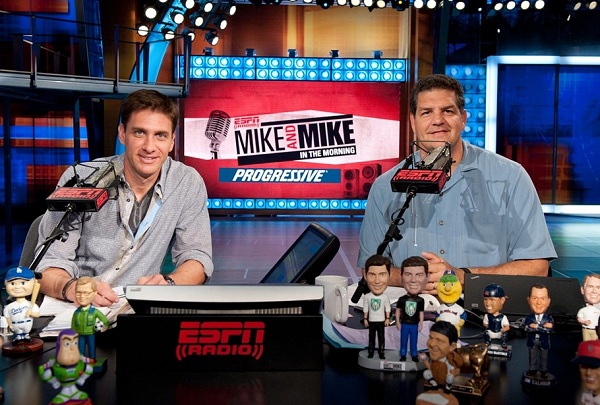 “Mike and Mike” have been a staple of sports radio since 1998 and they are more than deserving of this honor. The show has been serving listeners across the country for over 15 years, and regardless of your personal style preferences, few would deny they have a strong ability to entertain and inform. They also are very topical with their content and feature as good of a guest list as there is in radio.
 First, as a colleague, they were very invested in their show and staff. Both were very approachable, although Golic was the more likely of the two to extend a hallway conversation. This was during a time when they both did TV later in the day. Greeny would contribute as a SportsCenter anchor and Golic as an Analyst on various shows. To say that they were being overextended would be an understatement.
 More impressive to me though was how Greeny and Golic communicated with me once I was running a local station which featured them as our morning show. They cared about the success of the radio station, and although they were 1500 miles away and unable to be physically present around the brand, that didn’t stop them from doing extra things to help out. I could alert the guys of something by text or email and they’d follow up. I probably benefitted because they knew me a little but they didn’t have to. Their extra effort stood out.
 Regardless though of where the content originates from, it’s coming through the speakers of your radio station. If it’s going to appear on your airwaves, then it’s up to the programmer, the air staff, the sales staff and the production department to make it sound connected to everything else the radio station does.
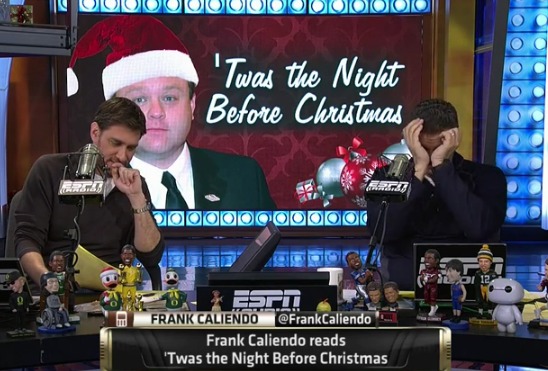 The show has become a big part of the sports radio format’s growth over the past fifteen years, and that speaks to their ability to not only have outstanding talent, but also evolve with the times. People don’t realize that Golic has had a longer career in broadcasting than football, and he’s been gone from the NFL for 22 years. What worked on-air in the late 90’s and early 2000’s is different than what works now, but yet they keep finding their way into good content. Social media also didn’t exist back then yet both guys are present and active in the space.
 But that’s not who they are or claim to be and to expect them to be something different is asking them to not be authentic. Sure the show can be corny at times and I’ve heard people tell me they feel like the show serves as the “protector of the mouse” but they also deliver excellent interviews, their topic selection is elite, and you can tune in during any 20-30 minute portion of the show and feel like you’ve caught up on what you missed last night. They inform and entertain in a way that they are comfortable with and no amount of industry or social media backlash is going to change that. Nor should it.