The interest in sports radio personalities, programming, and industry information has grown rapidly over the past few years. This site’s existence is proof of it.
When I launched this website in June 2014, I had no idea it would generate the amount of interest, and attention that it has. I was simply looking to do a little bit of writing, offer some advice to help some people in the industry, and have some fun promoting our format, and the people who work in it. I was running a radio station at that time, so making this my top focus wasn’t an option.
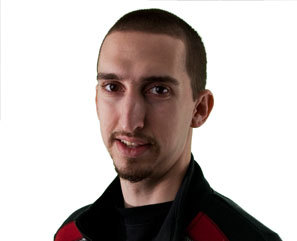
Interesting enough, one of my friends and former employees, Zach McCrite, who hosts weekdays from 9am-Noon on 107.7 The Franchise in Oklahoma City, was going through a similar situation. He was looking for a sports radio podcast to listen to so he could learn more about other top personalities in the format, except when he went searching, he couldn’t find anything.
Rather than sit around and wait for the day to come when someone decided to finally do it, Zach got busy, and launched “The Podcast About Sports Radio” in March 2015. His first guest was me, so you can tell how low he set the bar, but as the months have passed, he’s done a great job landing some conversations with some of the industry’s best.
What I liked more than anything about Zach taking on this project, was that he was trying something new, and doing his part to help promote our format. If there’s one pet peeve of mine today, it’s how hard some people have to be pushed just to promote themselves and their brands.
When it comes to business, I’m known to ask “how can we make this better“, “what’s missing“, and “where’s the opportunity“. I use that same approach in the way I manage this website.
I want the information I post to be of value to those who come here. I want the grammar to be accurate, the news to be posted in a timely fashion, and I want to provide a presentation that reflects what’s happening all across the country in the sports media business. I hope that I’ve provided that for you during the past sixteen months.
If there’s one challenge, it’s finding the time to keep up. I don’t have a staff, I have me. As great as it would be to have extra editors, and writers, that’s not realistic. Add in the responsibilities of working with clients, talking to people throughout the industry, and finding some time in between all of the chaos to be available to my family, and you get a sense of the challenges I face.
I’m not complaining though. This is a true labor of love, and it’s with me when I wake up, as well as when I go to sleep.
As much as I enjoy writing and featuring the top sports media stories across the nation, I did feel the website could benefit by having more audio available. I considered launching a podcast, but knowing my professional and personal schedules, I knew I wouldn’t be able to provide it consistently.
So I started to thinking, “how else could I solve the website’s audio problem“?
If I was going to partner with someone, and put my brand name behind it, I wanted to make sure that it was good, done consistently, and provided by someone I know, respect, and trust. Zach McCrite checks all those boxes.
I’ve known Zach ever since I sprung a surprise history of St. Louis sports quiz on him in a restaurant in Louisville in February 2011, while he was interviewing with me for a job at 101 ESPN. He tells everyone who will listen that I gave him his break, but truth be told, the audience did that. I just provided the platform for him to entertain.
Having five years of history together doesn’t hurt, but I’ve also paid attention to his work with “The Podcast About Sports Radio” and I admired how engaged he was in doing it. It wasn’t a case of trying something out, and getting tired of it. Instead he seemed energized with each week’s episode.
We started talking about each of our platforms, and how they had grown since we first launched them, but what made little sense, was how we were both offering content to similar audiences, yet asking those people to find it in two different places. As much as we all enjoy having our own thing, presenting our work to the largest number of people possible should be the ultimate goal.
Together we covered a number of issues, found common ground, and decided it would benefit us both, and all sports radio fans, to work together again.
Today I am pleased to announce that we have formed a partnership, and all previous episodes, and future episodes of “The Podcast About Sports Radio” will be available here on www.barrettsportsmedia.com. There are thirty one previous episodes loaded for your enjoyment, plus a brand new installment (episode #32) with one of the real good guys of the format, ESPN Radio host Bob Valvano. Make sure to give it a listen.
By joining forces, this helps solve the website’s audio issue, and it gives those of you who frequent the website another reason to check in and enjoy content. For Zach, the increased attention from people inside and outside the industry benefits him too, plus he earns a little more time with his family since he doesn’t have to operate his own website on a daily basis.
More importantly though, you benefit! Instead of having to dig in multiple places to find written stories, opinion pieces, and podcasts with popular sports radio personalities, you can now find it all in one place.
I do want to point out that Zach and I are also working on some additional audio offerings that will differ from the regular podcast presentation. Future announcements will be available on the website at the proper time. If you have any suggestions of things you’d like to see/hear in the future, please email me here or Zach here.
I appreciate you dropping by today, as well as during the past sixteen months. I hope that the addition of “The Podcast About Sports Radio” provides even more incentive to return in the future.
If there’s one thing you can do to help us, it’s this – tell a friend, retweet or share one of our posts, and visit the website. We’re not in this to be rich, we’re in it to raise the profile of the sports radio format. With your help we’ll be able to do that! Thanks for your patronage.
Things were generally status quo in the Nielsen Audio reports for Houston radio for the September ratings book.
This monthly rundown on the Nielsen Audio ratings for Houston sports radio covers the period Aug, 12-Sept. 9, including Texans preseason games but no regular-season games.
As always, we start with 6 a.m. to midnight (Monday through Sunday) among men 25-54, which is the key demographic for sports radio. KILT (610 AM) once again led the weeklong numbers over KBME and KFNC (97.5 FM), and KBME and KFNC were again up from a year ago.
Station September August September 2014
KILT (610 AM) 3.4 (14th) 3.0 (T15th) 3.9 (1th)
KBME (790 AM) 2.3 (20th) 2.5 (20th) 2.0 (20th)
KFNC (97.5 FM) 1.5 (23rd) 1.7 (23rd) 1.2 (T24th)
KGOW (1560 AM) 0.1 (T35th) N/A 0.7 (27th)
With the arrival of NFL games and Texans radio programming, KILT has the edge in morning drive (6-10 a.m.) over KBME.
Station September August September 2014
KILT (610 AM) 3.6 (12th) 3.4 (11th) 3.5 (11th)
KBME (790 AM) 2.7 (T16th) 2.1 (17th) 3.8 (9th)
KFNC (97.5 FM) 1.7 (21st) 2.0 (18th) 1.6 (22nd)
KGOW (1560 AM) 0.1 (T35th) N/A 0.8 (27th)
KILT is down from a year ago in middays (10 a.m.-3 p.m.), but so is everybody else.
Station September August September 2014
KILT (610 AM) 4.0 (10th) 4.0 (8th) 4.8 (7th)
KBME (790 AM) 1.7 (T20th) 2.1 (17th) 2.6 (16th)
KFNC (97.5 FM) 1.7 (22nd) 1.6 (22nd) 1.4 (22nd)
KGOW (1560 AM) 0.0 (T39th) N/A 1.2 (23rd)
KILT still leads in afternoon drive time (3-7 p.m.) but was down from a year ago. KFNC continues to show year-to-year growth.
Station September August September 2014
KILT (610 AM) 3.7 (12th) 3.1 (15th) 5.0 (T7th)
KFNC (97.5 FM) 2.5 (22nd) 2.7 (17th) 1.3 (26th)
KBME (790 AM) 1.5 (T23rd) 1.4 (24th) 1.5 (23rd)
KGOW (1560 AM) 0.3 (T31st) N/A 0.8 (27th)
Even though they were already starting to fade in early September, the Astros continued giving KBME a significant boost from 7 p.m. until midnight weekdays.
The numbers are in for Nielsen’s latest sports talk ratings period, known as the “September Book,” even if it covers only Aug. 13 to Sept. 9.
The race in the all-important category of men 25-54 finished:
4.7 for Sportsradio 1310 and 96.7 FM The Ticket
4.5 for 105.3 The Fan
2.0 for KESN-FM (103.3).
On a more intimate level, men 25-54 from Monday to Friday 6 a.m. to 7 p.m. when the big-name, high-priced local talent is on the air, it was: Ticket 5.8; Fan 4.2; KESN 2.2.
When it comes to individual shows, The Ticket’s Morning Musers remain head and shoulders above a crowded pack. Think of them as the legendary Secretariat racing against the rest of the Belmont field. George Dunham, Craig Miller and Gordon Keith scored a 9.4 share among men 25-54. Closest were the station’s Hardline and the Fan’s Ben & Skin, both at 5.0.
Here’s a breakdown by show of the Monday-Friday men 25-54 in September ratings:
The Musers (Ticket), 6-10 a.m. – 9.4
The Hardline (Ticket), 3-7 p.m. – 5.0
Ben & Skin (Fan), 3-7 p.m. – 5.0
BaD Radio (Ticket), noon-3 p.m. – 4.0
G-Bag Nation (Fan), 10 a.m.-3 p.m. – 4.0
Shan & R.J. (Fan), 6-10 a.m. – 3.8
Mike & Mike (KESN), 5-9 a.m. – 3.1
Norm & Donovan (Ticket), 10 a.m.-noon – 3.1
Cowlishaw & Mosley (KESN), 3-6 p.m. – 2.3
Dennis & Friedo (KESN) 11 a.m.-3 p.m. – 1.6
ESPN Network Subs (KESN), 9-11 a.m. – 1.3
To read more of this article visit the Dallas Morning News where it was originally published
One of the real benefits of being removed from the inside of a radio station, is that you can analyze things about the industry without having your judgment skewed as a result of being too close to certain situations.
During the past 10 years, I’ve programmed four radio stations, and during that time I’ve always looked forward to ratings day. Usually once per month on a Monday at 12pm, my station’s would receive their report, and get a better understanding of how the audience was connecting with the product, where the strengths of the brand were, and what challenges needed to be addressed.
For some air talent, this was an important day because a strong performance meant a ratings bonus. For sales people it mattered because a good story could help them in their quest to gain larger investments from clients. And for some like myself, it was an opportunity to learn if the vision and execution for the brand was working.
Having had a chance now to step back, and remove myself from the daily rigors of running a station, I don’t miss that part at all. I thought I would but I don’t.
I know what you’re thinking “you’ve always loved ratings, and you’re not in a building, so that’s why it’s not as big of a deal”. Honestly, my opinion is based on a bigger reason – in its current state, the performance of a personality, brand, and talk show, can’t be measured accurately or receive its fair market value!
I could spend all day railing on the ineffective PPM ratings system, but that’s not my focus. The issue I have is with the mindset of our industry, those who buy and sell advertising, and those who have a chance to influence change but accept the status quo.
One of radio’s biggest problems, is that it’s reactionary. Rather than lead the charge to innovate, and introduce new brands, sounds, and people, the business lives in the past, and present.
How many markets can you think of where a personality who has failed or underperformed in the ratings, gets hired by 3-4 different stations? Rather than take the more difficult road, and introduce something new which will have short-term setbacks, but pay long-term dividends, we default to what we are comfortable with. Someone else’s trash becomes our treasure.
That’s not only an on-air problem, it’s a behind the scenes issue too. Sales people rotate back and forth between various stations in each city, because the talent pool is thin, and scouting, recruiting, and developing people is hard. It doesn’t matter if someone has not made budget multiple times for 2-3 other brands, if they join our team, we’ll get them on track.
That sounds good until the leopard shows their spots and delivers the same exact results as they had before.
I’m not here to single out anyone, but I do want to draw attention to what I believe is the future of impact, and it’s something that should be keeping every single Owner, Corporate Executive, General Manager, Sales Manager, Program Director and Advertising Agency Buyer awake at night.
I’m talking about the power of reach!
There is too much confusion in our business right now about what matters when measuring the performance of a station and/or personality. There’s also a poor understanding of the worth of our products across multiple platforms. More sales people look at the sum total of what they’ve asked a client for, and judge the transaction as a win or loss based on if they get the sale, rather than analyze the entire worth of the package.
Let me give you an example.
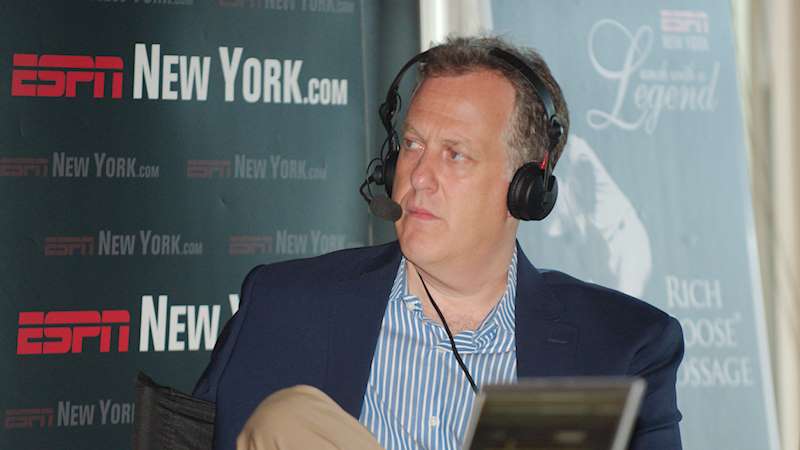
If you are in New York, Michael Kay is a pretty big deal. He’s the voice of the New York Yankees, and hosts afternoon drive on 98.7 ESPN New York. His program is simulcast on the YES Network, and can also be heard on SiriusXM, the station’s website and mobile app, as well as through TuneIn and Slacker.
For those who can’t hear it LIVE, audio and video of the program can also be enjoyed via a podcast on the station’s website, Apple iTunes, Player.FM, and on YesNetwork.com. Michael is also on Twitter and has 146,000 followers.
This is what a major brand looks like.
The only question is, does the program receive its full value from advertisers who have their products and messages delivered to listeners on all of these platforms? I want to believe that they do, but I’m not convinced.
Why do I say that? Because in running stations in multiple markets for the past 10 years, sales people are more focused on hitting their number, rather than looking at what the value is of their brand and controllable assets. Advertisers, and ad agencies also have this belief that if they’re going to give you one hundred thousand dollars for three months of advertising, then you better give them as much bang for their buck as possible.
In many cases the sales person will offer “added value” sponsorships before a client even asks for them. Many reps also lack confidence, and a keen understanding of digital and social media advertising, therefore generating large dollars on them becomes nearly impossible.
Now listen, there’s nothing wrong with super serving a client, and hitting the budgeted goal that was set for the sales rep based on traditional radio advertising. But it’s foolish to think we’re going to drastically increase rates and get our worth from advertisers, when our entire history shows we undervalue our brands, and cause our own pricing problems.
This past week in Philadelphia, WIP and 97.5 The Fanatic were engaged in a tight ratings race. WIP won the PPM battle which based on today’s standards means they were the #1 rated brand. However, the Fanatic’s streaming numbers were outstanding, which when combined with the over the air measurement, forced a dead heat between the two stations.
For both brands, they had a story to work with. Based on the existing model our industry works with, WIP is winning. Delivering radio ratings is what the talent are expected to do, and selling those ratings is what their reps are charged with. Except there’s one big problem – if these are the only two areas to concentrate on, how can the industry grow?
Do we really believe that advertisers are only going to care in the future about the way a station performs in PPM? Are sales reps going to only be measured based on how they sell traditional advertising?
We don’t seriously believe that listening through our websites, mobile apps, on-demand, and through other audio providers who we partner with doesn’t count do we? If a PPM meter picks up the audio signal then the listening counts, but if it doesn’t then the listener never really listened to our programming?
I’ve got a better chance of growing a full head of hair than listeners and buyers accepting that nonsense.
This goes back to radio being reactionary, rather than out in front. Who’s fault is it that we have poor measurement? Ours! Who decided to make programming available in all of these other locations yet accepted a system where those listening numbers don’t count towards our proof of performance? We did.
How can we on one hand place our content across multiple platforms, and reward the user, yet on the other hand limit our own ability to demand larger dollars from clients? The system they use to determine whether or not our product performs, doesn’t take into account the total amount of listening in all of these other locations.
You can make a case that the listening being done on all of these other platforms is more reliable than the number you receive in your monthly ratings report. We can tell which days and times a listener clicks on a button and streams the radio station, and which content appeals most to them. Meanwhile, we can’t be sure if we have 100,000 listeners sampling the station on a radio, because that number is determined by 20-30 people carrying a meter.
We also don’t know if those who carry meters have left the device near the radio and walked out of the room, or if they really listen. We have little information about what their content preferences are, and if one meter breaks routine and is unavailable to listen due to a business meeting, vacation, or other distraction, it has a drastic impact on that month’s ratings for the radio station.
How crazy is this, an individual could have their device on, walk into a grocery store which has the radio station playing over the speakers, and if the meter picks up the audio signal for five minutes, that station will get credit for listening. It doesn’t matter that the person with the meter was only exposed to the audio, and not interested in it.
Is this really the best we can do for ourselves, our advertisers and our listeners?
I believe total audience reach and brand association should be priority number one for clients and operators. You can have a great ratings report, and that’ll be part of your story, but as I showcased above with Michael Kay, advertisers are smart enough to recognize when a brand has power to connect their product with a big audience. If you want to reach the largest sum of people, you invest in partnerships with people who have the ability to pull in customers from numerous locations.
If Michael’s TV and radio ratings for the show were low, yet his streaming, podcast, mobile sessions, and audio partnerships were producing giant numbers, then he still has a big audience to offer to an advertiser. Sure it’s better if you have the ratings to go along with it, but listening is more splintered than ever, and the grand total of audience carries much more value than a monthly ratings report.
Think about this, if Michael sent out a tweet to his 146K followers promoting a company, and a bunch of people take his advice and buy the product, don’t you think that satisfies the client? Do they care where the lead came from? No! They simply want more customers, so they can make more money. If they associate with Michael, and their business grows, you better believe they’re going to continue investing in him, and his radio station, even as the rates increase.
If I was spending my money, I’d want to know that my company is reaching the largest audience possible, and providing a return on my investment. I don’t care what report you show me, I want to know that my message has been consumed, and it’s leading to results. However you accomplish it, and on which platform you do it, that’s irrelevant – just help me grow my business!
Voltair has already exposed PPM for having major flaws, and although Nielsen is taking steps to improve their measurement, industry leaders now question whether or not they are reliable. How are you supposed to change a perception when the reality is that the service isn’t 100% accurate? I’m not sure you can.
The most important lesson we’ve learned though, is that it’s the user who has changed the game. People want what they want, when they want it, on the platforms they consume content on, and it’s the company’s issue to figure out how to gain credit for the product consumption, and how to monetize it.
Case in point, look at Katie Nolan of Fox Sports.
In Katie’s case, her reach is way more powerful than her television program. I’ve watched a bunch of her material and I enjoy it immensely, but I have only watched her on television once! I’ve watched her videos on YouTube numerous times, and I’ve clicked links that she’s promoted on Twitter and Facebook. I don’t set an appointment to watch her on television, but I do seek out her content.
Does that mean my viewing doesn’t count or matter? Of course not. It’s Fox Sports’ issue to figure out how to monetize the audience who consume her work in multiple locations, and it’s Katie’s job to simply produce outstanding content that keeps the audiences coming back, and expanding.
If an advertiser is smart, they’ll invest with Katie and Fox, because they recognize they have an ability to reach people. In the end, it’s about brand exposure, influence, and sales. If Katie can put eyeballs and ears on a product, then it shouldn’t matter where it originates from. It’s even more likely to work if that advertiser utilizes her for a personal endorsement. When a talent passionately gets behind a product, the results are often much higher.
There’s another side to this story, and it applies to the advertisers and ad agencies. They need to be part of this solution too. Radio groups have lived and died with Arbitron and Nielsen because it was the system that agencies believed best reflected the interest of the audience in the station’s programming.
Does it have some benefits? Yes. Should it continue to be utilized? Sure. Does counting streaming and mobile help? Yes. But if you’re an advertiser, and you’re utilizing an agency to place your advertising, you should want to see more specifics, results, and total cume across all media platforms, not just a radio and/or television ratings report.
Wouldn’t you want to see what an impact looks like for your brand if you associate your product with a station or personality’s Facebook and Twitter accounts? Wouldn’t you like to know how your brand benefits by being associated with the station’s podcast, and YouTube page?
Maybe your sponsorship includes an association to the brand through TuneIn, Slacker and iTunes. If a show is on radio and television, are you being featured in both locations, and how do you explain it if the advertising is working on the show in one location but not the other?
After all of that has been considered (and there’s many more ways to extend a sponsorship too), then you have to decide, which percentage of your buying should be higher on certain platforms, and lower on others. You also need to decide if you’re willing to invest more in reaching more people. For some clients, that’s not possible.
Is it a lot of extra work with enormous challenges for radio people and buyers? Yes. But we’re not living in a world anymore where television viewing takes place between channels 2 and 13, and radio listening happens only inside of an automobile. We owe it to ourselves, our clients, and our listeners, to do better in showcasing our brand’s true story.
The final piece to this puzzle, comes from the talent side. And this is an area that is going to give some operators and executives indigestion.
Talent today are paid to perform a radio program, which can also be featured on the station’s website, mobile app, and through other audio partnerships. If the program they perform delivers a strong PPM ratings performance, most groups reward them with a quarterly bonus.
Talent are also asked to endorse products in exchange for additional compensation, and most employers require that they contribute to their companies digital efforts either through creating additional written or video content.
But what happens when they start losing out on bonuses because the product is being consumed in other places where it impacts their credit?
What if a program delivers massive streaming numbers or podcasting numbers, but it’s not showing up on the ratings report? Shouldn’t the talent be incentivized for that? If they get behind the strategy, promote it effectively, and the station delivers record numbers on these platforms, which leads to increased interest and business from clients, shouldn’t the talent share in the success? Will bonuses change in the future and include performance incentives across all audio platforms?
I hear radio companies today talk a lot about the importance of being stronger in the digital space, and users have already demonstrated that they will reward those efforts if the content available is good, and presented by personalities they enjoy reading or listening to. However, what I don’t see being discussed is how the talent shares in this space.
If you’re a personality, and you’re hired to host a radio program, deliver ratings, and help advertisers sell their products, and you check all of those boxes, you’ve done your job. However, if you’re willing to add on writing and creating video for the brand’s digital platforms, that’s even better. It shows you’re willing to do whatever it takes to connect with your audience, and support your employer.
But when that added work starts to register, and becomes profitable to the place of business, employers shouldn’t be surprised when a talent is back inside the office with their hands out asking for more. If you want to grow your digital performance you need great performers, and the talent will do the work, but eventually it will cost something.
In your place of business, do you have a bonus system in place for a talent if they deliver a certain number of podcast downloads? Do you have a rate card established for talent who endorse a client’s products on their Twitter account? Is there an incentive strategy for them if they produce written or video content and deliver an agreed upon number of clicks?
I’m not talking about “added value”, “we’ll get you some trade” or “we’ll throw a few bucks your way”. If we can create a radio ratings bonus structure to keep talent pushing to perform, then there should be other systems in place to reward them for taking on additional projects to help the company grow its digital footprint.
The mentality too often in our industry is to demand our people to do more, and fail to reward them for it. When we do that it usually results in them doing what was requested, but not emotionally getting behind it. It’s equivalent to reading a LIVE mention, and delivering a personal endorsement. One pays you, one doesn’t. Coincidentally the talent invest themselves in the LIVE spot, and breeze past the mentions.
This may require bigger conversations with multiple leaders, and different companies, but as the media landscape continues to evolve, this will become a bigger focus, and if we don’t start thinking about it and planning for it now, it could become a bigger problem.
The last thing I’ll leave you with is this. Today, we place the content of our shows into multiple locations, which leads to splintered listening, yet we fail to build a complete strategy to capitalize on all of it. You can offer great content in ten different places, but the user is still only going to consume it in one. If you’re going to do that, and potentially impact your own performance on a platform which may be more important, shouldn’t you be sure that it makes financial sense to do so?
There’s a world out there that craves our content, but likes to choose when and where they get it. It’s our job to figure out how to capitalize on that interest, and promote our effectiveness across ALL channels, not just one measurement system.
To succeed there needs to be additional training, new ideas, and new people. You can’t expect everyone to grasp every new concept, and what they’re preparing for today, may not even be what’s important to your business’ bottom line in 2-3 years.
There is though one thing I firmly believe. If you want to command larger dollars in the present and future, you better have reach on your side. Total audience has more staying power, and long-term revenue potential than any other measurement.
My advice, be everywhere you can, and have a game plan for how you’ll present your data to those who are considering doing business with you. No client is going to reject doing business with you if you have a large audience to offer. Even if it’s built through multiple platforms. You can stick with what you know, and do what radio is notorious for doing, which is waiting for it to become a bigger deal. The only question I have is, can you really afford it?
One of the best things to happen to me during my career was something that I initially rejected, and felt was a major step backwards.
In 2002, I was hosting afternoons and programming 1340/1390 ESPN Radio in Poughkeepsie, NY. I spent a few years prior working for a smaller local station (WTBQ), so this was my first entry into working for a corporate group, and having an opportunity to test myself on a bigger station with a bigger audience against larger expectations.
Everything was going great, and I felt I was making inroads in my career, when all of a sudden, the bottom fell out.
I was called into the upstairs office, and informed by my GM (Chuck Benfer) that our new owners had made a decision to flip my sports station to Spanish. Chuck and I had a great relationship and he wanted to keep me around, so he asked if I would consider moving over to the rock station 101.5 WPDH, where I’d serve as Producer of the Morning Show “Wakin Up with Coop and Mikey“. I’d also host a weekly wrestling show on Sunday evenings, which allowed me to maintain my on-air chops.
In that moment, I had to choose between staying in the business, and doing something outside of my comfort zone, or declining the opportunity, and pursuing other jobs in sports radio while being unemployed. Having a family to feed, I chose the paycheck, and to this day, I am extremely glad I did.
At the time, this was foreign territory for me, and while I loved Howard Stern, I wasn’t a big fan of morning shows on music stations. A lot of the entertainment felt forced and hokey to me, and I worried that I’d be involved in a similar situation. Waking up at 3am also didn’t have a lot of appeal, but getting a 2 second cameo on the first season of “American Chopper” made up for it (sort of).
I often reflect on the 2 years I spent working outside of sports radio as a huge positive, because it taught me a lot about being able to entertain an audience in a short period of time. It also pushed me creatively to think about things differently, and take chances with content that I might not have otherwise considered.
When you’re hosting a sports talk show, you do a lot of reading, and you beat to death the two or three local stories with a few opinions, phone calls, and interviews. Rarely do you look at each minute of your show as being critically important. The mindset usually is “we have 3-4 hours to cover, so there’s plenty of time to do things, and the audience will accept it”.
When you work on a morning show that plays music, and allows for short talk segments, your content selection and execution has to be crisp, and if you miss on an opportunity, it could be another 30-45 minutes before you get a chance to redeem yourself. That is a personal hell for any on-air entertainer.
My time with WPDH lasted a little over a year, and I moved from there to another rock radio station (PYX 106 in Albany, NY) where I spent 6 months producing the “Wakin Up With The Wolf” show with Bob Wohlfeld, Ellen Z, Ethan Youker and my personal favorite, John Tobin.
John built a strong brand at WPDH prior to moving to PYX 106, and although we knew each other, and shared mutual friends, we had never directly worked together. He delivered big ratings on the shows he was part of, and I was a big fan of his work, so I knew it’d be fun collaborating, and learning from him.
I quickly learned that despite being a phenomenal morning talent, John hated waking up and doing mornings. However, once the light went on, he was ready to perform. His natural talents and energy took over, and his ability to be spontaneous, and keep his partners on the edge of their seats, fueled the show to have incredible success.
That talent led to him having multiple successes in Albany. He made a huge impact on the morning show on PYX 106 , and then switched gears and hosted an afternoon sports talk show on the Fox Sports Radio affiliate with Freddie Coleman. Freddie as you know has since gone on to a very successful career at ESPN Radio.
What I learned during the time I worked with John was that there is a method to the madness when it comes to creating bits, characters, impersonations, and parodies. John is creatively brilliant, and enjoys performing, but he’s also a harsh critic. He’s not afraid to throw an idea away, even if it might be suitable to the rest of the room. If it’s not great, doesn’t leave the audience craving more, and doesn’t leave the cast on the show in stitches, he’ll revisit the idea later, or throw it out and work on something else.
As someone who listens to, and appreciates great comedy in radio, I believe bits, characters, impersonations, stunts and parodies can greatly enhance and compliment a show. Look around the country today and you’ll find a number of people doing this well. Lance Zierlein in Houston, Joe Conklin on WIP, Mike Bell in Atlanta, Whitey Gleason in Sacramento, Jay Mohr at Fox Sports, and Gregg Giannotti at the CBS Sports Radio Network all come to mind. Another guy who’s still developing but also has a knack for this is Clayton Miller.
Turn on your television and you’ll also find shows like Family Guy, The Simpsons, South Park, and the Impractical Jokers who employ this same approach, and make a LOT of money, and generate large audiences. I watched the same strategy work firsthand for one of my best friends’ brothers, Johnny Brennan, who created the Jerky Boys, and built his brand into a mainstream success.
Bear in mind, all of these elements have to be executed well in order to be effective, and the talent has to have great ability to pull them off. When done right, they create a surprise in the programming, and keep an audience craving more, and sharing their listening experience with anyone around them who will listen. When done poorly, it can add a speed bump the size of a mountain into your show.
I thought it’d be fascinating to get inside the brain of someone who does this well, and knows what to look for and avoid when introducing new elements into a show. John was gracious enough to take some time and share his own personal account for what goes into the creative process, and if you’re curious to learn what works, what doesn’t, and the challenge with executing each strategy, I think you’ll enjoy this.
On an unrelated note, if you work on a show and John is ever coming through your city doing stand-up, or you’re just looking for someone to add some entertainment value to your show, get in touch with him. He’s very entertaining and skilled in creating memorable radio moments.
Here’s a quick sample from one of his standup performances. Be advised, there’s some colorful language in it.
Creating Bits, Characters and Impersonations by John Tobin
When it comes to radio bits, here are some simple do’s and don’ts.
DO: Be Funny!
DON’T: Be Unfunny!
Sounds obvious, right? However, executing this requires a sense of what the audience will react to with laughter. A sharp sense. I recognize that this is the equivalent of telling a would-be musician, “be musical“, but that’s the reality of it.
Let’s talk about a few different types of bits.
FLY on the WALL: “Gee, I wonder how the conversation went when Goodell sat down with Brady and his reps.”
This will take some imagination and probably 2-3 voices. Basically, it’s sketch comedy. Let it build. These are fun to create and will allow you to depart from the typical, “Host A and Host B discuss an issue.” Work it out. Record it. Roll it out on the air.
Song Parodies and Produced Pieces:
A song parody is a great vehicle for humor. If you don’t believe me, look at the size of Weird Al’s pool. Try to jam your parody with jokes. Write the jokes first. Keep them on the side. Then make them rhyme. Try them out on people. The stronger ones go deeper into the tune.
The punchline of a parody is typically a pun on the title of the original song. If the pun is the only laugh, keep the parody short. Give the context with the verse, drop the punchline on them and scram.
EMPHASIS: If there’s only one joke don’t try to extend the bit.
There’s nothing worse than a parody with a throwaway (non-humorous) verse that goes beyond the punchline. All you’re doing at that point is offering another throwaway verse and making the audience wait for the same punchline, which is no longer a punchline since they’ve already heard it.
If you’re loading it up with funny lines, by all means go 2 verses (and if it’s hilarious, go for three, as long as the third verse has some kind of twist). Recognize when you have a one-joke bit, and resist beating a dead horse.
I used to argue with a partner about a particular bit by a band that called itself, “Hayseed Dixie“, who covered AC/DC songs in bluegrass style. “She was a fast machine / she kept her motor clean“, check please. I get it, “You Shook Me (all night long)” over banjos and washboards.
I get it. No, really, I get it. TURN IT OFF.
It’s funny…. for about 15 seconds….then it gets tedious because the joke is over. We used to argue every time because he insisted on playing the full 2 minutes. But the joke is OVER! This is where your sense of “audience” has to come to the rescue.
As far as a tempo, bear in mind that you want them to hear every syllable, so, not too fast. Too slow is bad too, because you don’t want the audience to have SO much time that they can figure out where you’re going. Pace is important.
John Tobin’s “Sofa King” Commercial
LIVE Character Bits:
These have always been a favorite of mine. If you can break into (and think as) a character it adds such a dimension to the show. If you do it spontaneously, even better. Surprise everyone in the room. Of course, you need to have that sort of leeway, but if you do, it’s always a turning point in the mood and feel of the show. Such a great pivot.
If spontaneity isn’t something you can get away with in your particular situation, you can open a break by having the character introduced, “Joining us in the studio“.
One way we’d shoehorn a character into the program was via a corny “knock on the door” which was literally knuckles on the console. “Oh, hey, look who’s here!”, and off you go.
I always found that characters who had an attitude worked best. Don’t be afraid to be a little aggressive and OWN the room. One character bit you can go to pretty easily is “the fan of your rival“. Think Red Sox fan. Think Yankee fan. Think Auburn/Alabama.
Use the accents, use the attitude, create a caricature. It’s a great device, and easy to score with since the resonance is built-in.
John Tobin’s character “Esteban” delivers bad pickup lines
Phone-ins and Impersonations:
These are also fun and can be very short & sweet. One great use of an in-studio phone is the “second-life“. If, in the middle of a busy break, you think of something funny to say but you can’t fit it into the show in that moment, do not despair. Sure, the moment may have passed for you to use the line as YOU, but if there’s a phone in the studio, you’re golden.
I’ll grab the console phone and lean out of sight. My partner will see me wiggle four fingers (meaning Line 4, our Hotline) and give the call letters as he picks up. I’ll then do a 2-second re-set, “A minute ago you were saying“___<reset>___” and I was thinking, “____<joke>_____”.
The phone-in can also be used in the exact same way as the LIVE character.
I started in radio as a freelance contributor to a morning show (i95 in CT). I used to write scripts at home and fax (yes, fax…Pony Express had shut down by then) the in-studio guys their parts. Their scripts would have only a slight hint of my line, because I didn’t want to tip the punchline. They’d take my call LIVE and we’d roll with it. For this, I received the grand sum of $12.50.
Impersonations:
As far as impressions go, it’s something you’re either born with, or not. Just like musicality. However, sometimes you can fake it.
The Rik Smits voice, for example, is completely something I ascribed to him. I have no idea how Rik sounds so I just created a character and made him into Arnold Schwarzenegger as a nasty pro wrestler. I was so committed to its delivery and its attitude that I established it as his voice. From what I understand, Rik is actually fairly soft spoken.
That’s one way out of doing an inaccurate impression. You decide what the impression is going to be and commit to it 500%. To make it work, try to find the salient characteristics of it and caricature them. That’s another way to bail out of not being able to nail an impression 100%.
John Tobin’s “I Am Enormous” as sung by the Rik Smits character
For Chris “Mad Dog” Russo, the impression I performed was significant because he was local and he was popular. He also has a loud, over the top persona which was easy to parody. What you try to look for are things that other people might overlook.
For instance, “Mad Dog” does this “gasping-for-air inhale” after he laughs. I always exaggerated it and dragged it out to about two and a half seconds.
He also has a problem pronouncing the R and L. I did a bit once where he discussed nothing but the Royals, Orioles, and Oilers. All of which he pronounced identically ERLLOLRRLLERL.
WHO?
The ERLLOLRRLLERL.
WHO?
Kansas City!
I would get the character speaking so fast that everything became unintelligible except for every 19th word. Gibberish–gibberish-gibberish Yankee Stadium. Gibberish-gibberish-gibberish $10 beer. Of course, you want to latch onto a couple of catchphrases that the individual uses. In Chris’ case, “give me a break, for Pete’s sake and for crying out loud”, were all part of his repertoire.
John Tobin’s “Chris “Mad Dog” Russo” Impersonation
One bit I created and wrote was Phil Rizzuto’s Mini-Golf. The Scooter would call-in to announce his Grand Opening and every hole had a theme. Each theme centered around its own current sports story.
There was a Lawrence Taylor-themed hole. A Pete Rose-themed hole. Today, you could go with a Patriots/Brady-themed hole or maybe one for Rex Ryan. One theme/one joke. However many solid jokes you can come up with, that’s how many you talk about. Then, you’re done.
Another character I used to do was Dunkin Downe, a 6’9 goggle-wearing power forward with a sense of humor. One time Dunkin called in and did an entire bit on the size of the Piston’s Vinnie Johnson’s head. “Vinnie Johnson was standing on a corner in his blue Pistons warmup….a woman pulled down his bottom lip trying to mail a letter, man.”
In my opinion, voices kill. They add such a dimension to a program and can differentiate you from your competition. If you have that kind of talent under your roof exploit it until you bleed.
CBS Radio’s 98.5 The Sports Hub was the runaway winner in the summer Nielsen Audio Ratings period, finishing first overall in the Boston market with an 11.3 share in the men 25-54 demographic.
That easily outdistanced the runner-up, classic hits station WROR, which earned a 6.9 in the three-month summer period from June 18-Sept. 9.
WEEI (93.7), the market’s other highly rated sports station, tied for fourth with fellow Entercom station WAAF with a 6.2 share. WZLX, a CBS Radio property, was third (6.3).
The Sports Hub has been the highest-rated station in Boston for 11 of the last 12 three-month ratings periods. The only time it hasn’t held the top spot was summer of 2014, when it was third (6.2) and WEEI was fifth (5.4). WZLX was first that summer at 8.4.
In the specific day segments, The Sports Hub’s “Toucher and Rich” program finished first in morning drive (6-10 a.m.) with a 14.7 share. WEEI’s “Dennis and Callahan” program, which also features Kirk Minihane, was third (8.1). Last summer, D&C edged T&R, 8.3-8.2.
In midday (10 a.m.-2 p.m.), the Sports Hub’s “Zolak and Bertrand” program was first with an 11.2 share, while WEEI’s “Middays With MFB,” featuring Lou Merloni, Christian Fauria, and Tim Benz (who left for a job in Pittsburgh and was replaced this month by Glenn Ordway), was tied for seventh with country station WKLB (4.2).
In midday (10 a.m.-2 p.m.), the Sports Hub’s “Zolak and Bertrand” program was first with an 11.2 share, while WEEI’s “Middays With MFB,” featuring Lou Merloni, Christian Fauria, and Tim Benz (who left for a job in Pittsburgh and was replaced this month by Glenn Ordway), was tied for seventh with country station WKLB (4.2).
In afternoon drive (2-6 p.m.), the Sports Hub’s “Felger and Massarotti” show was first for the 12th straight ratings period — a three-year span — with an 14.4 share. WEEI’s “Dale and Holley” program, which also includes Jerry Thornton, was fourth (6.0).
For the evening numbers, visit the Boston Globe who originally published this article
If you’re a football fan, then you’re familiar with the classic Bill Parcells quote “You are what your record says you are“. I’ve always loved that line because it means that you can make all the excuses you want, but the result is what’s attached to your brand’s name.
It comes into play so often too in radio. You have a bad ratings book, and quickly it’s the fault of Nielsen’s PPM system, talent being out sick or on vacation, a lack of marketing, or the competitor having Voltaire. It could never be your fault or the brand’s fault, because that would mean acknowledging your own shortcomings.
In the radio business, much like the world of sports, companies, stations and people have very different goals. For some brands, anything less than a championship is unacceptable. For others, being relevant, in the game, or better than mediocre is acceptable. Some groups will shake things up quickly if a plan isn’t working, others wait for dinosaurs to return to the planet before they even consider switching gears.
It’s easy to say you’re committed to winning and you’ll do whatever it takes to succeed, but if that mentality doesn’t exist throughout every department inside the organization, it becomes much harder for a brand to have collective success.
First of all, if winning was easy, everyone would do it. Secondly, while people on the programming end care about connecting with the audience and delivering ratings to justify their impact, promotions and sales people, along with station managers, often look harder at generated revenues/profits and customer satisfaction, than they do the product’s performance.
The success of your show/brand may help the business end of the operation tell a better story, and that does help them with their demands for higher ad rates, but if the station’s numbers are lower, they still have to paint a great picture, and produce dollars, despite the programming team underperforming.
While we can agree that the job of the business department is to tell a positive story and increase profits for the company, shouldn’t there be higher accountability on the product end too? If sales people are expected to increase profits, and charge higher rates per commercial on a year to year basis, then doesn’t it make sense to expect the programming team to perform better year to year too?
Now some of you may be saying “Don’t put that pressure on us, we’re fine right where we are“, but I don’t think or operate that way. There’s a big difference in the mindset of one who expects to win and consistently challenges themselves, and others who are satisfied with the status quo. You either seek total domination and being the best, or you don’t. It’s that simple.
Can you imagine Tom Brady, Derek Jeter, Michael Jordan or Wayne Gretzky saying “let’s do what we’ve done before, that should be good enough“? Each of those individuals are driven by their own desire to be great, that no owner, coach, or teammate needs to say anything to light their competitive fire.
It’s what separates a coach like Bill Belichick from Joe Philbin. It’s the difference of owners like Robert Kraft and George Steinbrenner who give their people what they need to succeed, and owners like Jimmy Haslam and Jeffrey Loria who always get in the way. It’s why an athlete like LeBron James continues to improve and excel, and others like Carmelo Anthony showcase talent but never reach a championship level.
Great teams and players rise to the top, and welcome higher expectations and challenges. They want to be tested to show what they’re made of, and nobody puts more pressure on them except themselves.
It’s an easy thing to recognize, and I wonder why more broadcasters and companies don’t notice it themselves.
If you’re a sports talk radio station, and your ratings are consistently outside the Top 10 with Men 25-54, there should be some concern and a number of questions being asked. Everything should be analyzed from the station’s name, position and lineup, to the content approach, the market’s appetite for sports radio, and nobody should be satisfied unless solutions are provided to help the brand improve.
Maybe the signal isn’t strong enough, which means you need to either make the investment to play with the big boys and drive bigger ratings and revenues, or get used to where you are.
Maybe your market isn’t a great fit for the format, and while I hate to see any station flip out of the format, if the audience isn’t going to support it, and you’re going to lose money, then maybe it’s a bad investment.
If it’s your personnel, there’s a simple solution – you change it. Teams change rosters all the time, and if that’s what it takes to lift a brand from 20th place to 5th, then be willing to make those difficult decisions. I don’t like seeing anyone lose an opportunity, but this is a results oriented business, and you can’t let personal feelings get in the way of what helps you maximize your brand’s potential.
Last but not least, if it’s the approach, brand name, or on-air positioning, once again you need to modify it to suit your talent, and the wants and needs of the audience. You can try to force your ideas and style on people, but if they’re rejecting it, you either adjust your game plan, or someone else will do it when they’re sitting in your chair in the future.
As easy as it is to put the pressure on the shoulders of the on-air talent and programmers, I think pressure equally needs to be placed on corporate managers and ownership. The people up top need to set the tone for what is and isn’t acceptable inside the company. Stock prices rise and decline based on performance, and if goals are laid out and agreed to by each department, and the resources and support are provided to help people do their best work, then they should be able to deliver. If they don’t, then they also need to be held accountable.
When I see a sports station sitting in 15th-30th place, for longer than 12-18 months, the competitor in me can’t help but question what’s going on. Remember, this is the ranking with Men 25-54, not all listeners. If you add older/younger people into the equation, along with women, the performance is even worse.
Is this in line with the company’s vision for the brand? Is it acceptable to the company, market manager, programmer, and talent? Are raises being given and contracts renewed for people who work there? If so, what’s the rationale?
I’m all for rewarding good performers, but if you haven’t improved, and the company hasn’t made more money, then why should you receive more? This isn’t a government position where you earn annual increases for time on the job.
If you’re operating this format (which is expensive), and you’re consistently performing 15th or worse with Men 25-54, it’s going to be difficult staying profitable. Maybe you have some national shows on your airwaves which helps you reduce costs, and in the short-term that helps you make a few dollars, but long-term, it’s hard to create a thriving business without a higher performance.
For me it goes back to two questions:
Are you trying to win, or stay afloat?
Are you accepting failure/mediocrity or doing whatever it takes to build a winner?
Great organizations don’t apologize for expecting greatness from their people, and they certainly don’t wait long to make adjustments if the formula isn’t working.
If your group and/or people aren’t where they need to be, what are you doing to change the outcome? Maybe you won’t beat your competitor today, but you certainly better be trying, and improving, and your goal better be to overtake them.
It comes down to this, “Are you in it to win it, or just happy to be in the game“?
But what the heck do I know, I’m just a guy who thinks winning isn’t everything, it’s the only thing. Guys like Dan Snyder and James Dolan have certainly proven otherwise.
It was Monday night June 8th. I had just left San Francisco as Program Director of 95.7 The Game, and was driving cross country, when I reached the outskirts of Cleveland, and decided to put on the city’s local sports talk radio station 92.3 The Fan.
Immediately I was drawn in for two reasons. First, the voice of Ken Carman was powerful and passionate, and he carried an authoritative presence in the way he delivered his opinions.
Secondly, he teased an upcoming conversation with Joe Fortenbaugh, who works at the station I had left one week earlier (95.7 The Game), and he explained that he wasn’t happy with Joe, and was going to the clear the air with him. I turned to my girlfriend Stephanie and asked “what do you think Joe said to fire this guy up” and we were both intrigued and wanting to hear what was coming up next.
When the show returned from its commercial break, Ken did a wonderful job setting up the drama. He started off by talking about the NBA Finals between the Cavs and Warriors, and then segued to discussing how Fortenbaugh had talked trash about the city of Cleveland, and gave reasons why the Bay Area, its teams, and its fans, were better.
Hearing Joe’s take, (which I had no part in creating, but knew was done tongue-in-cheek to fire up Bay Area fans and drum up some fun banter between both cities), didn’t sit well with Ken, and he took to the airwaves with a mission to defend his city, its teams, and more importantly, his listeners. Ken brought Joe on to the air, and probed into the reasons why Joe would tear into the city of Cleveland, and wasted no time firing back, and expressing his displeasure with his assessments, and eventually hung up on him.
Ken Carman interviews Joe Fortenbaugh on 92.3 The Fan
It didn’t matter who was right or wrong. What impressed me, was how Ken understood his audience that night, and made sure they knew he had their backs. If you were a Cleveland sports fan listening to that segment, there’s no way you turned off the radio without gaining respect, and admiration for the way Ken handled an out of town personality talking negatively about your city.
Keep in mind, at this time, I didn’t know Ken Carman from the next guy walking down the street. I did know Joe Fortenbaugh, I hired him in San Francisco, and I consider him a good friend. I had every reason in the book that night to rip into Ken for taking one of my guys to task, but instead I found myself appreciating the exchange between two strong minded personalities, and their refusal to back down and stand up for each of their cities, made for an entertaining listen.
From that point on, I was connected to the show, and I listened to the next hour of it, and felt I was listening to someone who was going to continue to climb the ladder in the Cleveland market. Ken was bold with his opinions, wore his heart on his sleeve with the Cleveland teams, incorporated some funny WWE soundbites as drops into his show, engaged with callers in a fun and spirited way, and he had his finger on the pulse of what was important to local fans.
As luck would have it, the next day I went to lunch with 92.3 The Fan’s Program Director Andy Roth. I complimented him on finding Carman and putting him on the air. I felt he had a pretty good talent on his airwaves, and I could tell from the way he talked about him, that he felt the same way.
Later that day, I was fortunate to get a quick tour of The Fan’s studios, and wouldn’t you know it, but Ken was at the studio, 4-5 hours before his shift. I had a chance to make an introduction, and he seemed startled when my girlfriend introduced herself as Joe Fortenbaugh’s girlfriend. After we laughed that one off, I told him I was impressed with the way he directed last night’s show, especially the segment with Joe, which had its contentious moments, and thought he had a good sound and was doing good work.
Then in July, Andy Roth had a decision to make. He had a vacancy in morning drive, and had gone through two months of evaluations to determine the right fit opposite Kevin Kiley. Kevin is a strong talented personality, who’s worked in many top markets across the country, and if you’re going to co-host with him, you need to be on your game.
Well, Andy made the call, and summoned Ken to become Kevin’s full-time partner on the morning show. I don’t believe he would’ve put a young developing talent like Ken in that that spot if he didn’t think he could hold his own. It’s always easier choosing the guy with more experience, and a proven track record, but you can’t teach great natural talent, and Ken has it.
Since making the move into morning drive, Ken’s more than held his own. I’ve tuned in on a couple of occasions, and while the show is still finding its groove, and identity (they’ve been together for less than 2 months), I hear Ken gaining confidence, and proving he belongs. As more Cleveland fans become familiar with his style, approach, and dedication to his hometown and their teams, I think they’re going to enjoy a lot more of what he brings to the table.
I give a lot of credit to Andy Roth for seeing something in Ken. He gave him a platform (the night show) to learn and grow for the past few years, and that hard work, and willingness to accept feedback obviously paid off, because Andy felt confident enough to further invest in him by pairing him with Kiley in morning drive. Now Ken has the ability to learn from, and benefit from Kevin’s years of success, and that will help him tremendously in the future, as he furthers his own development as an on-air talent.
I had the chance to connect with Ken to learn some details about his background, and his approach to his craft, and I think you’re going to enjoy the conversation – especially the part about his official contract signing with The Fan. When Andy shared this story with me, I knew it had to be told to everyone. Also, make sure to watch the video of Ken watching a Browns game. It’s highly entertaining, and showcases what real passion for a hometown team looks like, but be advised that there’s a lot of colorful language in it.
Q: When did you first start listening to sports radio? What attracted you to it?
A: I first started listening to sports radio when I was 11 years old. I was in middle school and for some reason, I was looking through the newspaper in study hall, and they had radio schedules in it, and The old 1220 had the Kenny Roda show on. The more I listened to it, the more I liked it.
Q: What was your first sports radio job? What did you do?
A: I originally wanted to be a writer, but a high school assistant principal encouraged me to do radio. My supervisor at my college radio station also pushed me to apply for my first ever job as a board op at 640 WHLO in Akron, which was part of a Clear Channel cluster (now I-Heart). I ended up working as a board op and everything kind of took off from there.
Q: Who have been some of your influences who made you want to pursue this industry?
A: My first bosses, Keith Kennedy and Greg Ausham, were major influences on not just how to do radio, but also how to treat people, and how to get better as you grow. Every boss who has given me a chance to do something for them has helped me out, but a little confidence went a long way back then.
Q: As a sports fan, which teams/players are you most loyal to?
A: I’m most loyal to the three teams in Cleveland but over the last few years, it’s not even because I’m a fan of the teams. I get to see the teams from a different perspective now, so it’s changed how I enjoy them. That’s both good and bad. For example, there are times I really want to go nuts on the Browns for what they do and don’t do, and sometimes I do, but I also get to see how hard they work, and even though they run into their own way sometimes, there are a lot of people who have the best of intentions.
I find myself wanting the teams to do well also because the fans want them to do well. I like happy people, and happy listeners, and while it’s not the most damning flame throwing stuff so much, I think it’s easier to get ideas across than just the same old negative opinions.
Q: I’m told that your journey to sign your contract with 92.3 The Fan was rather memorable. Where were you when you signed your deal and what made it interesting?
A: I signed my contract on the steps of the church where my wife and I were married at. Andy Roth (92.3 The Fan’s Program Director) had to get it signed to get it to the legal department before I left the country on my honeymoon. At the time, I lived an hour away in Youngstown, so we were texting each other on how we were going to get the documents to one another while my wife and I were getting our pictures done! I felt bad, but if my wife and I wanted to eat I had to get that contract signed. So, Andy came to Youngstown, and I signed it on his back. My uncle came up to him and slapped Andy on the back because he thought Andy was officiating the wedding (not knowing it was going to be done by a Catholic priest). An awesome day, but a long one.
Q: Since joining The Fan, you spent a large part of your time developing your brand while hosting the night show. What was the best/toughest part of hosting evenings?
A: The best part of the evenings was that there were a lot of times where you could experiment and make mistakes. We made a lot of them, but we also did some really great things that I’ll always be proud of. Also, a lot of news breaks in the evening so you get the first crack at it. The worst part of it was that you’re up against live sports, and there were times where I was the only one in the room. If there was a big game on, and some folks were cutting sound, I’d have to fill ALL the time. I would get complaints about being a windbag, and that I wouldn’t take calls, but there were times when there was no one else there, and no one calling! I can understand where some listeners were coming from, but a peak behind the curtain sometimes is the only thing I’d want folks to understand.
Q: You’re known to be accessible to the audience on social media, including putting your real life out there for the audience’s enjoyment. There’s no better example of this than the video that circulated of you watching a Browns game (Ken’s wife Liz captured this piece of video gold). When you see this video, what’s your immediate reaction, and how did the audience respond to it?
A: There’s a lot of people who see the video and they really like it. I’m a little ashamed of it to be honest, just because I cuss so much in it. I really want the teams here to win, and I meant every word I said, but man, I could have dialed it down a bit. My favorite reaction though is when people say they do the same thing. Sometimes hubris takes over, and I’m guilty of it too, when we think our opinions are better than others. They’re not. There are smart fans all over, and many want the same things I do. It’s become a reminder to me to try to hear everyone out.
https://www.youtube.com/watch?v=361ntOLs2Cc
Q: Why do you believe it’s important as a personality to be accessible on social media and share your life outside your show? What is the downside of it?
A: I think people want to be heard, and Twitter/Facebook is a great place for that. Everyone has an opinion to be respected, and even though I might not be able to address them all, that person deserves respect, so that’s what I try to give. The downfall of it is that Twitter especially can be like a driveby shooting. You’ll have people who didn’t hear you right, or heard you say something that you didn’t actually say, or they read a tweet wrong, or are just trolls. Or they just don’t like you. They can take a bite out of you 140 characters at a time with no repercussions. I think there’s people who see something other than a person.
Q: Growing up as a diehard Cleveland sports fan, what are some of the things that you believe make the area and its teams great and unique that the outside people may not be aware of?
A: It’s not the losing. I think it’s the hope that something will actually happen. I think it will sooner than later, but when it hasn’t, people have been able to dust it off and move on. I use the Browns leaving in ’95 as an example. The NFL can be a cold hearted, cutthroat business, and to get the NFL to give a franchise three years later (as misguided as they may be at times) shows the passion of this fanbase.
Q: As you look down the road, where do you hope to be in the next 5-10 years and in order to reach those goals what must you do?
A: I see myself in Cleveland. I grew up in NE Ohio, and I think that as long as I continue to work at this and not get lazy, I can enjoy a long career here. If a top 3-5 market came calling, I’d have to think about it, but as of right now, and for the long term future, I can’t picture myself anywhere but in Cleveland hosting shows.
Q: For someone reading this whose looking to break into the industry or is working in a smaller market and trying to reach the big city, what advice do you want to pass along to them?
A: Treat it like acting. Major in something else in college. Know that a lot of people who try it, don’t make it, and realize that the second you believe you’ve made it, you could be on your way out, BUT, try it out! It would be a shame for someone to love it, and want to do it, and look back on life regretting that they never tried it. You’ll have to pay a lot of dues, and work a lot of odd jobs at the beginning, but in the long run, giving it everything you can is worth it. There’s a lot of regular jobs out there, and someday I might even have one of them, but this is a lifestyle. It’s amazing from the second you break in, to the second it ends.
Ken Carman can be heard weekday mornings on the “Kiley & Carman” show, 6am-10am (ET) on 92.3 The Fan. Follow him on Twitter @Ken Carman.
I was reading Colin Cowherd’s interview with the Hollywood Reporter, and he said something that stuck with me. He mentioned how Pat Riley recommends changing jobs every 10 years in order to stay fresh, and remain challenged. I found that interesting. Most people prefer the safe bet led by routine and consistency over unpredictability.
Others though loathe predictability. They seek to be challenged. Reaching their maximum potential carries much higher importance. Neither way is better than the other. It’s simply a matter of each individual making a decision which best fits who they are.
During the past year I’ve had time to contemplate a number of possibilities related to my future. As crazy as it may sound, it was refreshing to have my nerves rattled a little, the fire in my belly rekindled, and question marks swimming around my brain daily, wondering if my next move would be wise or foolish. A little career anxiety can be a good thing.
When I analyzed my situation and where I wanted to go, I knew one thing would influence my path. That was the location. For the past thirteen years I’ve lived in thirteen apartments and houses in Connecticut, Pennsylvania, Missouri and California. Coming home to New York, and being near my son was critical. If you read my “Leaving California” column in February, then you know this was why I left San Francisco at the end of my contract this past June.
I’ve been very lucky to build great friendships and relationships with a number of different executives and radio operators. During the past six months, they’ve put my will to the test. While it’s flattering to know others value your work, I knew it was time to go home. No amount of power or money was going to change my mind.
By making the decision to return to New York, I knew it’d present difficulties since things at my level in the big apple don’t change much. It’s a lot easier to have your pick of the litter of high profile jobs when you do good work, and are willing to move anywhere. A fancy title, larger market, and bigger paycheck are all things many people in my position should want. I’ve been a hired gun for a long time though, and while it’s been professionally fulfilling, and led to some incredible friendships and relationships, it wasn’t going to help me be closer to my son, loved ones, friends or home state.
As I thought about what I enjoy most, I knew having my family with me was top priority. Then when it came to my professional desires, I discovered my real passion is in teaching, coaching, writing, analyzing data, discovering and recruiting talent, and brand building.
That said, there are certain parts of programming a radio station that are exciting and difficult to ignore.
You get to work with a number of people from all different backgrounds. You’re trusted to make key decisions, coach people, and deliver results. The tone of the brand, and the way people operate is a result of your direction. That is the fun part of the job, one that I’m glad I experienced during the past decade.
While those aspects of the job are enjoyable, there are also limitations. For instance, when you work inside one building, you’re restricted to helping your employer and staff. You may talk to others in different locations, but your ability to assess what’s happening in other cities and other companies, and contribute to helping them be successful isn’t possible. If you’re doing that, you’re likely not focused enough on your own brand.
You’re also limited in the information you can share, the networking you can do, and the honesty in which you provide your views beyond your employer’s walls. Sometimes you don’t make the final call, and you’re tasked with spending more time on operating budgets, promotions and sales challenges, than leading the department you were hired to provide guidance and leadership for – programming!
As I reviewed my career and thought about Pat Riley’s quote, I felt it was time for a new challenge. I love the sports media industry and see it growing more. Being a part of its future is important to me. However, I’ve put a lot of time, thought, and passion into my work. Leading a brand can be fun and provide additional perks, but I believe I can make a bigger difference for the industry, beyond one physical address.
Dan Patrick said when he left ESPN that he knew he was going to have multiple bosses. I plan to experience that same fate.
So after nearly twenty years in radio, I am officially announcing the launch of my company, Barrett Sports Media. It’s one that I have been slowly building behind the scenes, and I enter into this new venture head first with unwavering enthusiasm.
So you’re wondering “what the heck does that mean” right? Let me explain.
As I work on developing my brand and my company, I’ll be doing different things for different people. I’ll be writing more on this website and interacting with people and audio operators all across the country to give this format and the people who perform in it a higher profile, since it deserves one.
I’ll also be doing some teaching and speaking, serving as a liaison for programmers and corporate executives, providing one-on-one instruction and job assistance for select talent, and entering the consulting space, which is one part of the business that I am really excited about exploring.
It’s fitting that I’m moving into this side of the industry, because it was about twenty years ago that I began reading sportsradio.com, a website owned and operated by sports radio consultant Rick Scott. That website educated me on this industry, and opened doors to relationships that I maintain today.
Had it not been for Rick’s website, I’d probably not have gone to work for Bruce Gilbert at ESPN Radio. Had that not happened, who knows if I’m even writing this.
For the past twenty years, Rick has put more time, thought and care into working with sports operators, and talent around the country than anyone else. Because of his contributions, this industry has prospered. I was fortunate to have him as a mentor in St. Louis and San Francisco. With his help, support and friendship, we collaborated and did some pretty impressive things.
Seeing what he has done for the industry, and experiencing it myself, it’s opened my eyes to the benefits of becoming a resource to the entire sports media world. While Rick has been an incredible ally, friend and mouthpiece for the sports radio community, there haven’t been many others in the consultant space, dedicated to the growth of sports media, and the people who make a living in it. I plan to change that.
I know some of you reading this, may be thinking “Consulting? Multiple jobs? JB loves local radio too much to not be inside of a building“. I understand that initial doubt. However, when you’ve had sustained success and experienced the country as I have, it starts to feel the same. Those who know me have heard me say this before, I never want to become the guy inside of the factory who does the same job day after day. It’s not how I’m wired.
I’m also not fueled by money, power or fancy titles. If I’m going to put my name on something, I want it to be good. I want people to gain results from it. Nobody will remember how much money you made, or the different titles you held during your career, but they will remember the quality of your work, and how you helped and inspired others.
The funny thing is, I had a chat a few months ago with a good industry friend. When I told him what I was considering, he said “All media consultants are the same. They give some insight and opinion, change their minds when things don’t work, and try to stay out of the way and praise the people up above, so they can continue earning a check. You don’t fit that mold so I’m not sure if that’s good or bad“.
While I don’t know if his assessment was accurate or not, I wondered, “Why do I need to fit a description? Can’t I blaze my own trail and offer my own style“? It worked for me as a programmer. I think a new point of view and approach is needed. I’m hoping our industry does too.
One thing I take great pride in is knowing the entire sports media landscape. I invest time in developing dialogue with industry professionals all across the country. I’ll listen to and watch personalities everywhere, costing myself a lot of personal time at home. It’s a huge passion of mine, and one that I struggle to turn off.
Because I study people, markets, brands and operators, it helps me with providing fair and thorough analysis, If I’m going to share my opinion or insight, I want to be prepared and know the facts. If you’ve followed this site over the past 14 months, you’ve hopefully recognized that in some of the columns I write, and the ratings pieces I’ve published for numerous markets.
While this new venture places me in unchartered waters, I’m energized by taking the risk, and trying something new. Sometimes when people in our business do something different, others rush to judgment. They’re deemed as crazy, and headed down a road to failure. That’s a mistake in my opinion.
When Dan Patrick left ESPN, everyone thought he was nuts. Rick Reilly actually called it one of the five worst moves in sports entertainment history. Why would anyone leave the comfort, and power of ESPN, to start their own entity?
Well, Dan had a bigger plan. It took him some time, but he expanded his brand and income, entered new content arenas, grew his relationships, took more control of his own future, and had more fun.
As of last check, his brand could be found on NBC Television, Fox Sports Radio, Sports Illustrated, Dish Network, Audience One, Crackle, and in Adam Sandler films.
Doesn’t seem so crazy now does it?
Let me be clear about one thing, by no means am I comparing this move of mine to Dan’s. I’m not changing the world, or risking anything close to what he did. He’s one of the best to ever operate in this business, and the risk he took was enormous. I’m just a guy from New York who loves sports radio, has traveled the country and had a little bit of success, believes he has some knowledge and skill to offer, and is going to take on a new challenge to try and help others.
I’ve helped build three brands from scratch, discovered a number of talent who have had successful careers, and produced strong ratings for my previous employers. I’m proud of my track record as a programmer. Now though it’s time to see if I can make a larger impact for multiple brands, and people.
The calls, emails, texts and social media messages I’ve received during the past 2 months, have shown me that people out there do care about this format, and its future. They want to get better. I’m going to give my undivided attention to try and help them do that.
Who knows what tomorrow holds? I’ve said this many times, and I believe it’s coming, we will see a day when sports teams program their own audio channels, Twitter, Google, Facebook, Apple, Amazon, Netflix and/or YouTube create sports talk brands, and Pandora, Spotify, Newspapers and other new audio brands emerge and develop talk content.
Podcasting is also becoming a stronger player. I think that will only increase as digital dashboards become a heavier focus inside automobiles.
There are so many possibilities, and they all need the same thing – smart and experienced leadership, strong content creators, and people who know how to deliver results, and grow a business. I know how to do that. So I’m going to use my abilities to help others enjoy success.
Geena Davis once said “If you risk nothing, you risk everything”. Well what can I say, I’m a risk taker. I bet on myself when I entered this crazy business, and I’m doing it again now when it’d be much easier to take a conventional path. It’s an exciting time, and exciting world. When you’re in the right space and location, the rest has a way of working itself out.
There seems to be two schools of thought when it comes to creating content, and performing as a sports talk radio personality.
On one side you have the talk show host who’s not emotionally attached to their market’s local teams, analyzes stories from a neutral point of view, and cares more about the creation of good content and interesting storylines, than the success or failure of the local franchises. At times they can be accused by the audience of being cynical or negative, and they value their credibility and integrity, and will stop at nothing to defend it.
On the other side, you have the talk show host who lives and dies with their team’s results and daily decisions. They watch every game because they genuinely love the franchise, and each day’s outcome tugs on their heartstrings. They go to the stadium as much as possible, forming as many relationships as they can, and they openly acknowledge their rooting interest with the audience. That often leads to being accused of being too positive and soft (homers), which calls into question their objectivity, whether it’s warranted or not.
While each person has their own personal preferences, both approaches work. Audiences are made up of people from many different backgrounds, with multiple views, and as long as the individual providing the content delivers their dialogue in an authentic way, and is willing to be open and honest with the audience, they’ll be accepted for who they are.
Some listeners put on the radio to hear a host who loves the local team as much as they do, because they want to feel good about their favorite players, hear interviews with members of the local organizations, and they want someone to pump them up for the next game.
Then there are listeners who are mentally stimulated by negative discussions built about what’s wrong with the local team, and who should pay for the team’s failure. The local team could win a championship, and the next day their more concerned about which members of the team will leave via free agency, rather than celebrating.
That got me to wondering, do we gain more listeners and higher ratings by being detached from our fandom, or by embracing it? It seems the older we get, the more cynical we become, and we spend less time watching games, and rooting for storylines over victories. But does that matter to the audience? Should it?
We’re in the sports talk radio business. The key word being “business“. The job is to present angles, opinions, insight, and information, and make it compelling enough to entertain an audience. The job description doesn’t say “one must passionately care about our teams and form a bond with them that becomes ever lasting“.
However, when a listener puts on a sports radio station, they expect that they will hear a conversation about sports. Many of us though don’t always provide that. Instead we venture into discussions about our favorite foods, favorite television shows, best concerts we’ve attended, and other lifestyle focused topics.
I’ve often found that those who take this approach, are usually more detached from their fandom, and the local teams. Yet they are passionate about what they’re discussing, and you can argue that the subject matter has broader appeal. In many cases the ratings go up when personalities let the audience in on their other views and personal interests. But is this content being created for the audience, or because we aren’t as interested in sports as maybe we should be?
For those who are more in touch with their fandom, they’re usually eager to dive into a sports discussion. Sure they’ll touch on other aspects of life too, but sports is the center of their universe. They dedicate the majority of their show to it, and they don’t have to manufacture enthusiasm to get into a conversation about their local teams.
I’ve been in numerous markets and seen both styles work well. I recall working in Philadelphia in 2006, and WIP morning host Angelo Cataldi was open with his audience about not attending games, and forming relationships with players, because he felt it could compromise his judgement. I don’t remember the exact quote but it was along the lines of “My job isn’t to make friends in locker rooms or break news. I’m here to share my honest opinions, and look out for my audience”.
By staying out of the room, Angelo felt he was in a better position to serve his listeners. I knew exactly where he was coming from, and because it was consistent with who he was as a personality, his audience accepted it.
On the other hand, I’ve watched in St. Louis and San Francisco, how guys like Randy Karraker, Bernie Miklasz, Chris Dimino and Brian Murphy, have utilized their time around local teams to gain added perspective, inside information, and form relationships with organizations which has given the audience a better understanding of how teams think and operate. They too have stayed true to who they are as people, and their approach has resonated with their audiences.
If there’s one thing that is vital for all talk show hosts, regardless of whether or not they’re fans, it’s to be willing to criticize and engage in difficult conversations. It’s not easy delivering an opinion, and knowing that it can damage a relationship, but if you’re focused on serving the audience (your true employer), then you’ve got to do what’s best for them. It’s ok to root for your team, and lean towards positive content, but when bad things happen, you’ve got to address them. Avoiding them compromises your credibility and integrity.
To gain further insight into this discussion, I reached out to a number of personalities across the country, who face this challenge on a daily basis. I wanted to get a sense of how they manage their fandom and objectivity, why they approach their programs the way they do, what they believe matters most to sports radio listeners, and what type of talent they’d feature on their stations if they made the final decision. I think you’ll enjoy their answers.
Special Guests:
Mo Egger– ESPN 1530 in Cincinnati
Shan Shariff-105.3 The Fan in Dallas
Chris Dimino–680 The Fan in Atlanta
John Kincade-680 The Fan in Atlanta
Randy Karraker-101 ESPN in St. Louis
Nick Wright-Sports Radio 610 in Houston
Brian Murphy-KNBR 680 in San Francisco
Chad Doing-95.7 The Game in San Francisco
What does the term “homer” mean to you?
Karraker: The general perception is of someone that won’t challenge the front office of the local teams and won’t criticize. But to me a “homer” is someone that pays intense attention to the teams in his home market, and has the same emotional investment in those teams as the people listening. Being a fan is being part of a community, of shared interest in your team. There’s no question that when I come on the air, I have an emotional investment in the Cardinals, Rams and Blues, and like most fans, I’m capable of being objective and critical. I don’t blindly agree with everything the franchise is doing, I just want them to succeed like my listeners do.
Murphy: A “homer” is a fan who is blind to reality. They refuse to see their team’s shortcomings, often to the point of irrationality.
Doing: I think of a local broadcast team that will never criticize the play of the team they work for regardless of the performance of the franchise. In relation to sports talk, I think of a local host who is a fan of the teams in the city that he/she works. I don’t think that’s necessarily a negative.
Kincade: It’s the blatant inability to talk about a team in honest fashion. It is the trademark of a host that wants to pander to the locals. They desire to be loved, not willing to earn respect for fair evaluations.
Egger: “Homer,” when applied to a host means that he/she is someone who allows their rooting interest to influence their opinions and willingness to criticize, often at the expense of the listener. Homers placate the lowest common denominator of an audience, and usually alienate their smartest, most savvy audience members. A good sports-radio host, whether they’re fans of the local teams or not, always has the backs of the fans. Homers place the teams (often times, they’re in a relationship with the teams) ahead of fans.
How does it make you feel if a listener refers to you as a homer?
Shariff: If someone calls me a Jerry Jones homer, I don’t get upset because it’s true. We all have natural bias and I don’t see anything wrong in acknowledging it. If someone calls me a Cowboys homer because we’re the flagship, I try to correct that perception. I don’t like someone thinking my opinion is formed because of other factors outside of what I see and feel.
Kincade: I can honestly say on-air in Atlanta since 1995 I have never been referred to as a homer. I far prefer to be known as the guy willing to tell you that your baby is ugly when deserved.
Dimino: The initial reaction for most hosts is defensive. It becomes credibility being questioned. I have been honest about liking some guys and teams and front offices more than others. But I’ve dealt that from the top of the deck. I also made a conscious decision years ago that I have to sleep at night, and in our job that means you better believe it before you say it, and more after you say it. Your body of work speaks more than any isolated incident.
Doing: It’s never bothered me. I want my listeners to know that I embrace my local surroundings, and that I’m going to root for the teams in the town in which I work. In my mind, I can be a “homer” while still being objective. I’m going to celebrate when they win, but when they don’t perform, I’m going to be critical.
Karraker: I have no problem with being called a homer. Jack Buck once told me that a listener had called him a Cardinal homer, and his reply was “what do you want me to do, root for the Padres?” Many times, people will hear what they want to, rather than what reality is. I’d actually rather be called a homer than a hater.
Shouldn’t the audience want to hear a host who lives & dies with the same teams as they do and is proud to admit it?
Wright: The audience should want to hear a host who is honest and transparent. If that host truly lives and dies with the local teams, then they shouldn’t hide it, but the worst thing a host can do is fake that loyalty. The audience can sniff that out.
Shariff: Depends how interested you are in the truth. I had many listeners in Kansas City who recognized their own bias and wanted to hear an objective view of their favorite teams. I do think you better cover every facet of your city’s favorite teams with as much passion as possible.
Murphy: Every show is different, and every host has a different voice and vibe. Some make their living being cynical, and that appeals to listeners. Some (me included) wear their heart on their sleeve, and allow the listeners to judge us for who we are.
Dimino: If you’re going to have your fandom, own it. This isn’t soup at a restaurant. The “Fan of the Day” shit is much worse than living and dying with your teams. Secondly, it better be genuine. Don’t bandwagon it. Listeners can smell that a mile away. You better save the rants for rant like moments. The overly negative “homer” exists and I can play the glass is empty with the best of them. But killing teams and people just to kill can get old. I want parades in my town, I want our teams talked about nationally, and I like seeing our team’s games on national television in the postseason. I’m unabashed and unapologetic about those things.
Kincade: You can do that! I’ve worked with a few guys that are huge fans of the local teams, but still will criticize when warranted. They are far more credible to me than the guys who prefer to kiss butt so they will be liked by the local teams. If the audience prefers a homer, they tend to be caller driven pep rally shows. I turn those off quickly.
How important do you believe it is for a host on a local sports station to be interested in & passionately & emotionally involved in the success & failure of the local sports teams they cover?
Dimino: It’s huge because success and failure drive conversation. From a business point of view, I root for storylines. I want ultimate successes or total disasters. Anyone who elicits no reaction is death. I don’t root for horrible but if that’s what it is or becomes, that drives conversation. “What needs to be done” talk is even more interesting and passionate than the ones about first place teams.
Wright: I think a local host absolutely must be interested and passionate about the teams in their market, but does not need–at all–to be emotionally invested in order to be successful.
Doing: Like my listeners, I am a sports fan. So, I want to be able to relate to them and feel what they feel. I accomplish that by choosing to become invested in the teams I cover. Once I get around the players, I create relationships and learn more about them, so that I eventually begin to pull for them as individuals. When I do this, I naturally become emotionally invested in them and my passion for them is genuine.
Shariff: Interested? Hell yes. Passionate? Absolutely. Emotionally involved in wins and losses? I don’t believe you have to live and die with every loss, but your audience better have zero doubt that you’re qualified and prepared to dissect their teams.
Kincade: I came from Philadelphia in 1995. I’ve been on-air here for 20 years, and I have never dropped my hometown team allegiances. I’ve also never hidden it from my audience. I’m honest with them and prefer that the local teams do well. It’s better for the station when they do. My audience knows that I watch the teams and am prepared to get into conversation about them every day. It allows me to be a different voice. As long as I have been fair, the audience respects you for your talents and insights.
When a host says “I don’t care if the local team wins or loses, my heart isn’t attached to them. My job is to talk about the story/result and what it means for the audience” – do you think that’s a good or bad thing for the audience?
Murphy: It depends how well the host conveys that. If it comes off as cold and distant and clinical, surely the host will turn off some listeners. But if it comes off as informative and enriching and instructive, the host will earn respect.
Dimino: If you don’t care about winning or losing, you’re in the wrong line of work. Your opinions, not final scores, will come from that caring. Your audience can understand 7-4, 28-21 and 104-98. That’s an update. It’s not a conversation. “How and why and what to do about it” IS our business. This idea that being a fan is a bad thing is ridiculous. It’s why you got the job. It’s what most of us have been preoccupied with since 6th grade study hall. If you can’t feel the ups and downs, why should anyone care what you think or believe?
Karraker: As a consumer, I don’t want to listen to a host who doesn’t care whether the local team wins or loses. If he says that privately, that’s fine. And if the host can talk about the story and analyze the result without caring, I don’t think that’s necessarily bad for the audience. However, sports fans care deeply about their teams. Any time we care about something, and the person we’re talking to says they don’t care about it, it’s going to affect that relationship.
Egger: As a whole, I don’t think the audience is looking for either. There are fans who clearly prefer a host who’s as attached to their teams as they are, but I think the majority of listeners are looking for content that’s entertaining, smart, curious, and relatable. If the host is a fan, he/she has a responsibility to be objective at times. If they’re not, they have to at least understand and convey an understanding that these teams and their fortunes do matter to their audience.
Kincade: That is a horrible thing to say. You have to care about the teams and their performances. Even if you care just to create great conversation, you better garner passion for yourself and your listeners!
How possible is it to be a homer in a local market if the on-air talent isn’t from the area?
Shariff: In my experience, you lose some rooting interest in your favorite teams the longer you do this job. My DFW motto has been “I root for ratings” and I’ve said that many times to our audience. The Cowboys and Rangers winning helps our ratings and my wallet. Why wouldn’t I become emotionally invested in their success? Personal relationships are also a factor. A major reason I root for the Cowboys success is Jerry Jones, Jason Garrett, Witten, Romo, Sean Lee and Tyron Smith. We’re not best friends, but I believe they do things the right way and I root for that. With all that said, I think it’s important to be genuine. People are instinctive and smart. They know if you’re being fake or feeding them what you think they want to hear.
Karraker: It’s very possible. Our morning guy, Bernie Miklasz, came to St. Louis from Baltimore in 1984. He grew up a big Colts and Orioles fan, but he’s been around St. Louis for such a long time, that he wants to see the hometown teams succeed. He developed an emotional tie to the city and the teams. He’s my version of a homer. He wants to see our teams do well, but is objective and willing to point out problems even for winning teams. Secondly, if you get to a town and do your job, you’re going to develop relationships that cause you to root for individuals. I became a huge Arizona Cardinals fan when Kurt Warner went there. He’s one of the finest people I’ve ever met. Any man who meets and gets to know Mike Matheny and understands why he’s successful is going to want him to succeed. So while it might not be the team you grew up with, it’s the team and people you’re with now, and you do develop personal relationships and rooting interests.
Doing: It’s very possible. I moved to San Francisco last year. In the 12-months I have lived in the Bay Area, I have been to the majority of games for the Giants, Warriors, Raiders, and 49ers. It was a challenge at first, but as I got familiar with the area and began to speak with fans, I started to develop a better understanding of the market I was in. Going to games and interviewing the athletes was the best part of the process for me. For example, the Warriors locker room was filled with high character guys who were easy to root for, and when I combine that with the buzz in the city coming from fans, my conversion process happened at an accelerated rate. But you have to put in the time and commit to going to a number of games.
Wright: If you happen to be in a market where you’ve always loved the team, despite not being from there (EX: A Lakers fan who is from Kansas City but now works in LA) you can obviously be a homer. Also, if you’ve lived in the area for a long time (10+ years) you can probably become a homer because it becomes your adopted team.
Egger: I can only speak for my market, because this is the only one I’ve worked in. We are a parochial town, a little wary of outsiders. Some have called Cincinnati the “biggest small town in America,” and I often joke to Cincinnatians, if something doesn’t happen inside the 275 loop (the interstate bypass that circles our city), it doesn’t happen. It’s an uphill battle if you’re a host who isn’t from here, especially since the most successful talents in this city so rich in broadcast history have been from Cincinnati. If you come to Cincinnati to talk sports for a living, you better do some work. Recite what the Reds did in the 70s. Familiarize yourself with why the Bengals haven’t won a playoff game in a quarter-century. Understand the depths of the many regional college rivalries. These things matter here. Maybe more than other markets.
If you were the program director of a radio station and trying to satisfy the desires of the local audience, would you put more people on the air who are more or less emotionally attached to the local teams?
Dimino: Hosts and radio stations are not widgets. Everything being the same serves no one. It’s what creates chemistry inside a show and weaves the fabric of the station. Emotionally attached does not for a second imply marching in step with some manifesto of rainbows and smoke blown up asses. It rides good and bad time waves and relatability with an audience. The trickier part is the “Rights Holders” aspect of this. Do you have the freedom to speak your mind? Do you get blowback from management or the teams themselves if you criticize? If I was PD I want genuine. The guy attempting to figure out which way the wind is blowing daily will be rooted out by smart listeners.
Wright: I would have locality be the only tiebreaker in selecting talent. I would try to build the best team possible and let the chips fall where they may.
Murphy: I think a balance is probably best. And I think it’s important for hosts to be themselves. I think audiences can smell a phony. I think they like hosts who are true to themselves, and care about entertaining the audience.
Shariff: I would side with more attached. While it’s important to be genuine and objective, sports are still driven by passion, excitement, anger and all the emotions that come from die-hard fans that can relate to others who think and react like they do.
Egger: Ideally, I’d like a mix of both because the best-programmed stations are focused on what’s important to their audience but have hosts with different backgrounds, perspectives, and can bring fresh and different angles that differentiate themselves from the other hosts, even if they’re all focused on the same basic subject matter. If I’ve got shows with hosts who are emotionally attached to local teams, I might look for someone who’s a little detached. More than anything, I’m just looking for people who can create compelling content, regardless of how they approach the delivery of it.



 Interesting enough, one of my friends and former employees, Zach McCrite, who hosts weekdays from 9am-Noon on 107.7 The Franchise in Oklahoma City, was going through a similar situation. He was looking for a sports radio podcast to listen to so he could learn more about other top personalities in the format, except when he went searching, he couldn’t find anything.
 If there’s one challenge, it’s finding the time to keep up. I don’t have a staff, I have me. As great as it would be to have extra editors, and writers, that’s not realistic. Add in the responsibilities of working with clients, talking to people throughout the industry, and finding some time in between all of the chaos to be available to my family, and you get a sense of the challenges I face.
 If I was going to partner with someone, and put my brand name behind it, I wanted to make sure that it was good, done consistently, and provided by someone I know, respect, and trust. Zach McCrite checks all those boxes.
 Today I am pleased to announce that we have formed a partnership, and all previous episodes, and future episodes of “The Podcast About Sports Radio” will be available here on www.barrettsportsmedia.com. There are thirty one previous episodes loaded for your enjoyment, plus a brand new installment (episode #32) with one of the real good guys of the format, ESPN Radio host Bob Valvano. Make sure to give it a listen.
 I appreciate you dropping by today, as well as during the past sixteen months. I hope that the addition of “The Podcast About Sports Radio” provides even more incentive to return in the future.