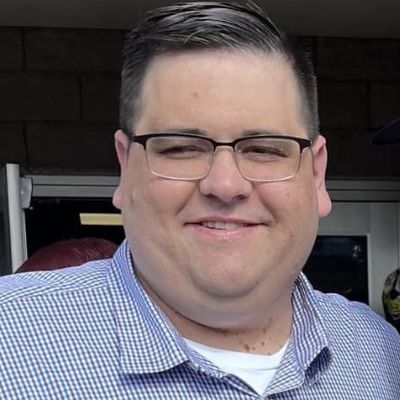
The 2026 midterms pushed political advertising to new heights, and Silver Oak Political President Steve Passwaiter isn’t shocked. Radio, however, barely benefited. Its share of the money stayed flat once again.
Passwaiter spoke with Barrett Media about why the numbers keep breaking records. Moreover, he outlined a plan for stations that want a bigger piece of the pie. His message is simple: stop chasing Washington and start working local.
“I quit being surprised by political ad spending 10 years ago,” said Passwaiter. “Every time I say, ‘Well, it can’t possibly go that high,’ it goes that high. So no, nothing surprises me anymore. Given the division in the country right now, I can’t say I’m surprised that the money came.”
Beyond the spending, Passwaiter sees voter frustration over rising costs shaping the political mood.
“I think there is a general unhappiness in the public with the way things are going,” Passwaiter shared. “There just seems to be an undercurrent of inflation in the market that’s driving up costs for people. It’s making it more difficult to afford things.”
Radio’s Stubborn Two Percent
Despite those record totals, radio’s slice hasn’t budged. Passwaiter has discussed the problem at the NAB with the RAB’s Mike Hulvey for the past few years.
“Radio is stuck at 2% of political shares,” said Passwaiter. “That’s about where it came out this time around too. I don’t know that the guys are doing anything wrong. I think it’s just that politics is so heavily geared toward video that it is difficult to cut through that to make the case for radio.”
The reason, he said, comes down to one thing: video.
“It’s really simple,” said Passwaiter. “It’s the picture. And it’s video. It’s about the power of video. In the political world, that means everything, and that’s why you see so much political spend get divided up between broadcast TV, cable TV, and now streaming.”
Consultants add another hurdle, too.
“Even the guys here in D.C. will tell you, ‘Yeah, we should give radio a bigger share,’” said Passwaiter. “But consultants, who play a big role in all of this, have a different opinion.”
Think Local and Down-Ballot
Passwaiter sees opportunity below the top of the ticket. State and local races now draw serious money.
“Even down-ballot races are much better funded than they once were,” said Passwaiter. “State legislature races, particularly, but even some of these big-city mayoral races. There’s a lot of money to be spent. If I were operating radio stations, that’s where I’d focus my attention, because Washington is pretty much closed off to these guys.”
Next, stations need to reach the consultants who steer the budgets. Passwaiter has urged operators to start there.
“I’ve even told them, ‘Guys, you’ve got to solve this at the consultant level,’” said Passwaiter. “These are the guys who really do have the last say over where the money goes in a campaign. I know some of them are trying to do that, and I applaud them for it.”
Furthermore, stations need to show up in person. Passwaiter compared political sales to local advertiser relationships.
“These guys always do better when they put their fate in their own hands,” the Silver Oak Political executive said. “You may have to go to some of these local political banquets and eat your fair share of rubber chicken. You get to be a known commodity like you are in other places in your local market.”
Ultimately, Passwaiter calls it a business decision for broadcasters.
“I’ve told the radio folks before, you have to make a business decision,” said Passwaiter. “Is it worth chasing this money, or would you be better off finding another vertical where you’ve got a better chance?”
Lessons From Ramaswamy vs. Acton
Meanwhile, the viral Vivek Ramaswamy versus Amy Acton ad gave campaigns a cautionary tale. Passwaiter didn’t mince words.
“That clearly was a mistake on his part,” said Passwaiter. “To me, it looked like a Hail Mary from where I was sitting. I don’t think you bring families into this at all. Generally, I think you try to keep families out of it.”
“I think that probably did more to drive sympathy for Amy Acton than anything else,” Passwaiter shared. “And I didn’t think it was effective. I wouldn’t have touched that thing with a 40-foot pole. I just thought it was in bad taste.”
The lesson for campaigns is clear: keep families out of it. Radio’s lesson is just as clear. Chase the local money, and don’t wait for Washington to hand it over.
Barrett Media produces daily content on the music, news, and sports media industries. Sign up for our newsletters to stay updated and get the latest information right in your inbox.