In sports radio, the connection between listener and host runs deep. Depending on how long a personality stays with a radio station, that relationship can last a decade. Maybe even two or three if an individual chooses to work that long.
It’s this type of relationship that sports stations count on to deliver big ratings and revenue.
When I listen to different hosts and stations throughout the country, one thing that still excites and fascinates me, is how much the audience absorbs a talent’s opinions, knowledge, lifestyle choices, and personality strengths and flaws. Each time a host speaks into a microphone, their message is heard by local listeners and entered into a mental filing cabinet. The simplest things that performers do daily and assume are no big deal, become part of what makes them special and unique to the audience they serve.
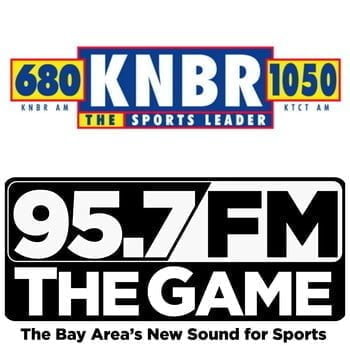 In San Francisco in 2011 when I helped launch 95.7 The Game, we kicked things off with an aggressive promo campaign which took aim at the market’s leading sports station KNBR. We had two choices, operate safe and promote what we had, which at that time were a ton of new voices, and one play by play association — or — go on the offensive, and poke the bear (KNBR).
The focus at that time was to create buzz to get people to sample our content. We knew our competitor had never been challenged and to unseat them would be a monumental task, so to make inroads we realized that we had to do something ballsy.
We began that mission by hiring their former voice guy Sean King to play the role of the voice of AM. We paired him with Steve Stone (the radio station’s voice) and created an AM vs. FM campaign which positioned one station as “old and busted” and the other as “the future” of Bay Area sports radio.
Each promo called into question things which KNBR was known for by local listeners. Since we had information about the way certain things were done at their operation due to hiring a few people with previous ties to the radio station, it allowed us to dig deeper and make them uncomfortable.
About six months after we launched, our group hired someone in sales from the competitor. When they arrived for their first day of work, they requested that I immediately remove the promos off of the radio station. They said “those promos have people across the street really unhappy because they have to constantly address them with clients”.
Hearing that only reinforced why our approach made sense. Needless to say, this person wasn’t too happy when I pointed out that they had a new address and needed to place their focus on increasing our revenue, not worrying about the radio station’s programming promos.
I remember thinking, “if this type passion and emotion is being felt by those we compete against, then the audience has to be feeling it too.” And they certainly did.
 First, we saw listeners show up 6 hours early for a contest at a local bar where they’d have a chance to compete for an on-air show on the radio station. What stood out most was the first person in attendance wore a custom made t-shirt that read “F-KNBR”. If you want to know if your campaign is cutting thru, that helps.
Than a few months later, we held a couple of focus groups to get a sense of how we were connecting with people. We held sessions in multiple locations to better understand the mixed opinions of Giants-49ers fans, and A’s/Raiders fans.
The feedback we gained helped us a lot. When the AM-FM promos came up, the reactions were mixed. Those who loved them said “It’s about time someone hit them in the mouth. Keep them coming.” Those who rejected them said “KNBR is my girlfriend and although her best days are behind her I can’t cheat on her”. We discovered that most A’s/Raiders fans enjoyed the approach, and Giants/49ers fans were more undecided or against them.
The best part of that experience was watching how passionate people were about the format, the two local stations, and the talent on the air. We’d hear specific phrases offered by our talent recalled by listeners. Keywords which we’d use internally to describe our people and shows were seen similarly by the local audience. Even our perceived strengths and weaknesses of our competitor were confirmed.
 When you’re creating a brand, or developing your style as a host, there’s nothing more enjoyable than that moment when you know that your audience gets it. From your opinions to your stories to your personal interests, catchphrases and one-liners, when they fully understand who you are, how you operate, and what you stand for, that’s when you know you’ve tapped into the soul of the audience.
I was reminded of that this morning when I received an email encouraging me to watch the video of Mike Francesa and Chris “Mad Dog” Russo at FrancesaCon this past weekend. If you want to know what passion, emotion, and connection sounds like, check this out.
Mike and Chris haven’t hosted a show together on WFAN for more than eight years. Francesa, has gone on to dominate New York radio as a solo act, and Russo has built an impressive channel at SiriusXM, but still that passion for what they accomplished continues.
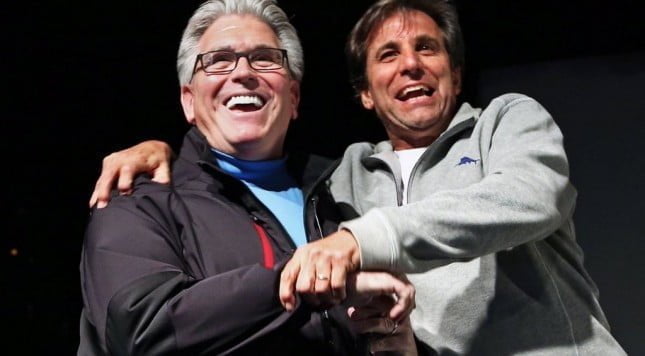 When listeners can sing two jingles word for word, chant out keywords which a host is known for, and share an overall love, appreciation, and excitement for two people talking about a subject (sports) that they personally have an interest in, there’s no greater feeling in the world. It’s validation that what you’re doing has clicked, and when that kind of relationship is established, it fuels the radio station’s gas tank.
If you watched the video above, and read last week’s column about why every brand needs sports marketing, then you’ll understand why I’m as big of believer of this format and its ability to deliver for advertisers unlike any other.
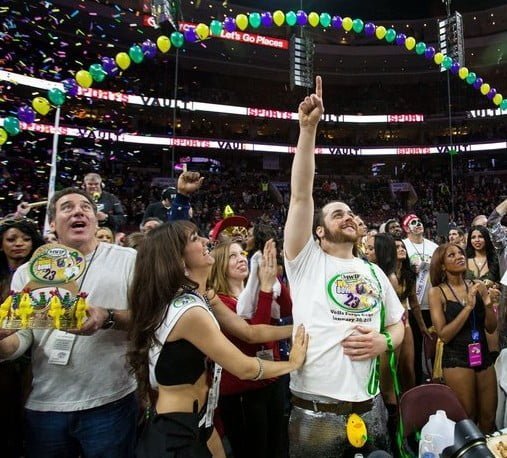 Whether it’s Mike and the Mad Dog in New York, the passion I saw for The Game and KNBR in San Francisco, or other examples such as Mike Valenti’s relationship with Detroit sports radio fans, or the power of the Wing Bowl in Philadelphia, this type of passion and recall can’t be duplicated. Other brands and formats may produce higher reach, but they don’t deliver stronger loyalty, passion, and awareness.
Ask yourself, would you rather have one thousand people sample a product and form little emotional connection to it or one hundred people who eat up everything the product has to offer? You may disagree, but I’ll take one-hundred over one-thousand every single time, because a deeper connection will serve you better in delivering higher ratings and sales.
Sports radio provides an opportunity for on-air personalities to be real and showcase a side of themselves that audiences appreciate and thirst for more of. The recall for what they say on the air is unmatched in other radio formats.
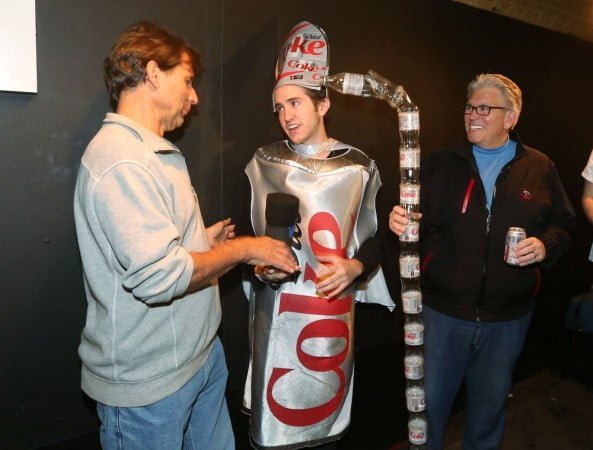 For example, I know that Mike Francesa loves the Yankees, Diet Coke, taking phone calls from New York listeners, performs at the top in the ratings even though he has relationship issues with his employer CBS Radio, doesn’t like Star Wars, isn’t active on social media, has a variety of opinions on Donald Trump, and enjoys talking about football.
How do I know that? Because those issues have been covered on the air and are permanently stored inside my mental filing cabinet. Each one presents an opportunity for an advertiser to attach themselves to, and if the creative is done right, it’ll produce big results.
When a host and/or radio station assembles that type of relationship with an audience, it’s the kind of loyalty that often lasts a lifetime. The bond becomes difficult to break and extends beyond listening to over the air content. In many cases the audience follows the brand/host across all social media platforms, signs up for text alerts and email newsletters, downloads podcasts and videos, plus attends station events. If a person cares that much about a brand/host, they’ll take notice of the clients who are attached to them, and support them too.
This is a big reason why I feel that sports radio operates on a very different playing field and deserves much more than what it currently receives. The challenge though isn’t to convince everyone inside the format. It’s to educate those on the outside looking in. Once they see the way this form of programming is consumed and retained, and how their business can prosper from being connected to it, the only thing left to do is add up the profits and celebrate success.