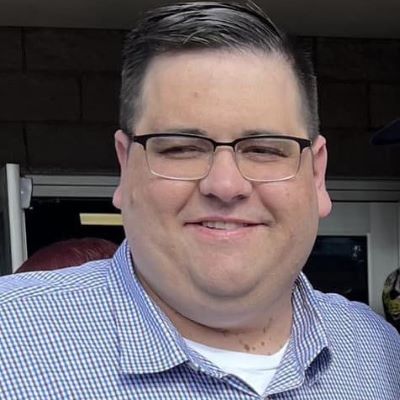
Rob Kendall spent nearly a decade behind the microphone at 93 WIBC in Indianapolis. He helped build one of the station’s signature midday programs before his run came to an end earlier this year. The exit followed a failed attempt to reach a contract extension, and it left Kendall facing a question that many radio hosts have wrestled with in recent years: what comes next when the format you know best no longer wants you?
For Kendall, the answer arrived faster than most. Rather than wait around for another terrestrial opportunity, he turned to YouTube, Facebook, and podcast platforms to keep the conversation going. In doing so, he built an audience that tunes in regularly.
His new venture, The Rob Kendall Show, has become a case study in how a radio host can pivot to digital media without losing the audience that made him a local fixture in the first place.
The transition wasn’t instantaneous, but it also wasn’t accidental. Kendall says the seeds of his departure were planted during an unusually quiet stretch when the station placed him on the sidelines.
“What I realized is I was having important conversations, especially about politics in Indiana, that no one was having,” Kendall said of his time waiting to find out about his future with WIBC. “Those conversations were just disappearing … Nobody else in Indianapolis media was having them, and I said, we cannot — especially during the heart of the legislative session, with the General Assembly — let these conversations go away.”
Building the Studio from Scratch
Once Kendall recognized the gap he could fill, he moved quickly. He leaned on a longtime business partner, Jason Dozier, with whom he’d previously owned both a radio station and sports streaming company. Together, the two mapped out what a digital-first version of the show could look like. They then started building almost immediately after Kendall’s exit became official. That speed mattered, since momentum from press coverage of his departure had already put his name in front of a hungry audience.
“I’ve worked for many years and owned businesses with a guy named Jason Dozier,” Kendall said. “We owned a radio station together for years, we owned a sports streaming company for years called Audio Sports Online, and Jason has great vision for how to make things, especially in the technical sphere, work. So I reached out to him and said, here’s what I’m looking at doing. Within 2 to 3 weeks, we pretty much had down how we wanted it to look, and how we wanted it to sound.”
Getting the physical setup right took a little longer than nailing down the concept. Kendall and Dozier first rented studio space from friends in Indianapolis before securing a permanent home for the show. Thst process unfolded over a couple of months in early 2026.
“We initially ended up renting space in Fountain Square,” Kendall said. “We had some friends that owned a podcast studio that allowed us in the short term to rent space from them. And then during that time we found a space for ourselves in Indianapolis that allowed us to construct the studio and put it together. We were in that rented space for about 2 months, and then it took us about 2 weeks or so to actually construct our own studio. So by mid-May we were totally in our own place, on our own, doing the show exactly how we wanted to do it.”
A Head Start Most Podcasters Never Get
Because Kendall’s WIBC exit generated so much attention, his show launched with a curious, built-in audience that most new podcasts spend years trying to earn. Outlets across Indianapolis covered the uncertainty around his future. That curiosity translated directly into early viewers once The Rob Kendall Show went live.
“WIBC did me a huge favor taking so long to actually fire me, because it garnered all sorts of publicity,” Kendall said. “‘Where is Rob Kendall going to go? What’s he going to do?’ So we started with a really strong base that most podcasts would never start with. We were doing thousands of people right out of the gate, and most podcasts never start with that.”
That early traction has since grown into consistent, largely organic momentum across YouTube, Apple, Spotify, and iHeart, according to Kendall. He credits the show’s willingness to dig into Indiana politics without pulling punches for sustaining that growth.
“The fact is, when it comes to talking local, and especially when it comes to holding politicians accountable — like really digging into who these guys are, what they’re doing, how they’re voting, how it’s affecting people — nobody’s ever going to do that like we did,” Kendall said. “So people have found the show, and the almost wholly organic growth has been awesome.”
Advice for Others
Looking ahead, Kendall hopes to eventually bring the show back to terrestrial radio in Central Indiana. The program is already syndicated in Northwest Indiana on WJOB. For now, though, he’s focused on strengthening the digital product before adding new distribution.
For anyone considering a similar leap away from traditional radio, Kendall’s advice starts with a willingness to take a risk on yourself, even when the safer path feels more comfortable.
“You’ve got to be prepared to bet on yourself,” Kendall said. “One of the mistakes that I made was not betting on myself 2 or 3 years ago, because I’d be way further along. Look, it’s a hustle, right? We sell our own ads, we create our own content, and there’s not a big staff.
“The other thing, too, is you’ve got to give people something they can’t get anywhere else. The podcast sphere is so crowded that you’ve got to give people something that makes you stand out, to go listen to you every single day.”
Barrett Media produces daily content on the music, news, and sports media industries. Sign up for our newsletters to stay updated and get the latest information right in your inbox.