If there’s one thing I’ve learned, and unfortunately been reminded of one too many times during my career in the radio business, it’s that many of us in this industry undervalue the importance of promotion.
I’m not talking about sending out a street team to give out t-shirts, stickers or key chains to promote your brand either. I’m referring to our ability as members of the radio industry to share the story of our brands, their successes, and when warranted, even our own individual accomplishments.
I understand that it may not be comfortable for everyone to promote themselves or their respective companies, but if that’s an area you struggle in, I recommend you get some training, and improve at it because it’s critical, and only going to become more important as the battle for the consumer’s eye and ear increases.
On July 28th, Forbes published a piece titled “Radio: The All-But-Forgotten Medium With The Biggest Reach“. The story highlighted how more people turned to radio each day than any other media platform. Altogether, data showed the total reach for radio to be 93%, which was even higher than television which was at 87%.
A pretty powerful story right?
What took place immediately afterwards was predictable. I looked on Twitter, Facebook and LinkedIn, and saw numerous industry folks sharing the Forbes piece and putting out little blurbs that read “Proud to work in radio, the number one reach media platform“.
While I was thrilled to see people promoting the industry, I had one big issue with it. Why did it take a Forbes piece getting published to get us to promote the value and impact of the industry we work in?
Is that all it takes? An article from ANOTHER MEDIA OUTLET telling the world how great we are?

Did we forget that we also work in media? Don’t we have access to ratings data that shows whether or not our brands are connecting? Don’t we have advertiser stories of success in our market that demonstrate that our medium delivers results? Don’t we have airwaves and social media pages that influence listener opinions and provide evidence of engagement and loyalty?
If we know the answer is yes, then why were we silent until Forbes said it was ok to speak up?
Don’t get me wrong, I love that Forbes wrote the piece, and that the industry was treated with respect for what it produces. I’ve worked in this business for 19 years, and seen the impact of what we do in multiple markets, and I know it works and I constantly sell the power of it.

Heck if you’re reading this piece, all you have to do is look at the website you’re on to see how I highlight the format, and those who perform in it. If you follow me on any of my social media platforms, you likely know the moves I’ve made while programming radio stations, and you know the ratings stories of the brands I’ve represented. That’s because good or bad, I’ve shared it with you!
Some folks may say that I even over-promote, and that’s a fair criticism, but I’d rather be known as the person who tried to do too much to highlight his people, his brand, his format, his audience, his industry, and his success, than the person who nobody knew much about. If you’re proud of your work, I believe that’s a story worth sharing.
While the Forbes piece focused on the power of radio and its reach, I think it only skims the surface of some of our bigger challenges. Forget about whether or not we deliver better results than print, digital media and television, let’s focus instead on the “poorly told story”.
I learned ten years ago at ESPN Radio why it’s vital to be your own self promoter. If you don’t share your story and what you’ve accomplished, you risk becoming a face in the crowd. That applies to anyone who hosts or produces a show, or manages or sells a radio station.
If you’re #1 in your market and beating your competitor, who’s going to know that story unless you share it? If you’re a producer chasing guests or working with a talent on new segment ideas and ways to improve their presentation, how are your colleagues going to know if you don’t discuss what you’re working on with them?
If you’re a sales person who only calls an advertiser when their agreement is expiring and fail to inform them when your station makes improvements, gains traction, or introduces new personalities, how do you expect to further develop the relationship with your client?
Promotion is necessary to succeed and it matters in every department inside your operation.

Let’s flip it to another part of our business, the ratings story. Here’s a quick question for you, do you know how your station is performing and what its strengths and weaknesses are? Do you know which other stations in the sports format in other markets are doing well or under performing? If not, why not? How can you craft a powerful story and create a compelling narrative if you lack powerful information?
And that’s not only an issue for sales people, producers and on-air talent. Programmers are guilty of this too.
Newspapers in Dallas, Houston, St. Louis, Boston and New York are excluded because they do provide news about the local sports radio stations in their markets and how they’re performing, but what about the others? If you’re the PD, and you’re trying to build the station’s profile, increase revenue, and build morale inside your building, isn’t part of the job responsibility to generate press for your brand? Are you just waiting for the newspaper to subscribe to Nielsen to tell your ratings story?
Sometimes you have to take the lead, and send out information about your brand to your local media groups, advertisers, staff, and listeners, and let them know what’s happening. Here we are selling advertising to clients on our brands and telling them it works, but not using the power of our own brands and relationships to educate people about our results. What good is the information if nobody ever hears about it?
How about this, forget about being the good company solider for a second, and think about how it applies to advancing your own career. If you’re looking to build your brand, and earn bigger opportunities and bigger dollars in the future, do you think it’s going to happen because one or two friends in the industry provided you with a good reference or because you had a slick looking resume?
People in this business at the highest levels read everything and talk to everyone. If they want to know if you have the ability to generate ratings or revenue, they’re going to dig until they find out. Isn’t it smarter to leave them a trail, and show them that you take pride in promoting your work? If there’s nothing to see, they could think you’ve got something to hide, or even worse, they could feel you lack the ability to passionately sell the brand, and its story.
Here’s one example of something short, sweet, smart and effective! 610 Sports in Kansas City is rotating a number of these quick promos on their air, and by doing so they’re letting their listeners and advertisers know of their success. Everytime they air, they also reinforce to their people that they’re part of something special. That type of promotion gets an entire building and listening audience fired up.
We have many ways to share our message today and none are more powerful or useful than social media and our own websites. Between our brands and personal social media pages, station airwaves, and industry relationships, we have the ability to reach more people than ever before. If you’re doing something well, pound the message everywhere, and do it frequently. You’ll be amazed at how quickly news spreads, and your audience and advertisers will share it too, and want to become an even bigger part of it.
This is an industry you should be excited to be a part of. We have fun creative jobs that provide us with special access to many unique experiences and people, and it shouldn’t be a chore for us to promote our success.

Whether it’s landing top guests, exceeding revenue goals, delivering ratings, giving away tickets, or talking about content of value to the audience, promotion exists in every situation. If we don’t tell our story though, we won’t receive the credit we’re due or the value we deserve.
Also, if you work in the sports format, do yourself a favor and put some time into growing your network of industry friends. The access you have on social media to people who work in the same industry is limitless. Many of these people endure the same professional challenges, and they can become strong allies, and helpful resources. They can also become your connection to a career changing opportunity.
If you’re trying to keep your friends or followers list down to 3-4 people, then why are you on “social” media? The word social means “seeking or enjoying the companionship of others” so act the part. The space is there to gain information, establish contacts, and further promote your work. If you only want to interact with 3-4 people, email or text them!
I know much of this topic may seem simple, but it’s the simple things that we seem to struggle with most in this industry. Solutions start with you, the brand you represent, and making a stronger effort to spread a message worth spreading. That’s not difficult.
We could continue operating inside this secret society and avoid telling anyone of our successes, but what happens the next time Forbes or another media publication gets their hands on some data, and the results aren’t as positive? Will you be sharing that story too?
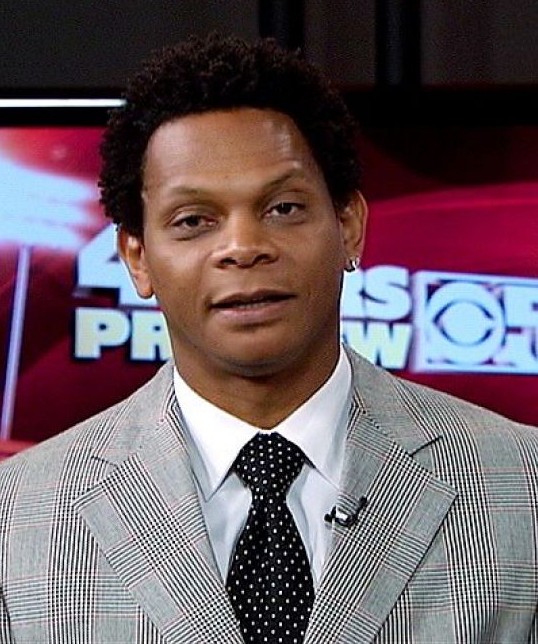
CBS Radio’s 560 WQAM today announced former Miami Dolphins linebacker Channing Crowder will join Marc Hochman and Zach Krantz on the station’s weekday 2 p.m. to 6 p.m. afternoon show, effective Tuesday, August 11. The new program will be entitled Hochman, Crowder and Krantz.
Crowder was most recently co-host of the station’s weekday 1 p.m. to 3 p.m. midday program.
“We’re excited to bring Channing back on the air in this new role,” WQAM Program Director Ryan Maguire said. “His insight as a former college and professional football player as well as his one-of-a-kind brand of humor will be a great addition to what Marc and Zach bring to the table every day. This is going to be a very unique, locally focused program that will be entertaining and insightful.”
Crowder started at WQAM as a contributor in 2009, while still a player for the Dolphins. The former All-SEC linebacker at the University of Florida made 74 starts for the Dolphins before embarking on a career in sports broadcasting.
“I’m excited to get back behind the mic at WQAM and for the opportunity to work with Hoch and Zach,” Crowder said. “We’re going to bring listeners a different kind of show they won’t be able to find anywhere else.”
The heat of summer is a tough time for sports radio, but the Astros’ recent success and the addition of “Hard Knocks” to the year-round Texans agenda have contributed to some noteworthy ebbs and flows this year.
Accordingly, here’s the monthly rundown on the Nielsen Audio ratings for Houston sports radio, this time covering the period June 18-July 15.
As always, we start with 6 a.m. to midnight (Monday through Sunday) among men 25-54, which is the key demographic for sports radio. The Astros played sub-.500 ball during this time frame, which included the All-Star Game break, so it’s not much of a surprise that KILT (610 AM) regained the weeklong lead over KBME (790 AM)
Station July June July 2014
KILT (610 AM) 2.5 (T18th) 2.3 (21st) 2.6 (15th)
KBME (790 AM) 2.2 (21st) 2.5 (T18th) 1.7 (23rd)
KFNC (97.5 FM) 1.8 (23rd) 1.4 (T23rd) 1.3 (T25th)
KGOW (1560 AM) 0.1 (T39th) 0.2 (T37th) N/A
KBME continues to lead in morning drive (6-10 a.m.), but KILT narrowed the gap considerably as football talk and Texans programming began to pick up.
Station July June July 2014
KBME (790 AM) 2.9 (14th) 3.3 (T12th) 3.0 (T10th)
KILT (610 AM) 2.8 (15th) 2.1 (17th) 2.9 (12th)
KFNC (97.5 FM) 2.1 (T18th) 1.8 (21st) 1.9 (20th)
KGOW (1560 AM) 0.1 (T39th) 0.2 (36th) N/A
KILT still leads in middays (10 a.m.-3 p.m.), and KFNC (97.5 FM), despite the personnel changeovers on the ESPN national radio shows, pulled into second.
Station July June July 2014
KILT (610 AM) 3.3 (13th) 2.8 (13th) 3.3 (11th)
KFNC (97.5 FM) 2.2 (16th) 1.6 (23rd) 1.5 (24th)
KBME (790 AM) 1.8 (T21st) 2.3 (17th) 2.3 (T17th)
KGOW (1560 AM) 0.1 (T39th) 0.2 (T36th) N/A
KILT still leads in afternoon drive time (3-7 p.m.), and numbers are starting to inch back up as football approaches.
Station July June July 2014
KILT (610 AM) 2.8 (T16th) 2.6 (17th) 3.5 (11th)
KBME (790 AM) 2.3 (21st) 1.5 (24th) 1.2 (26th)
KFNC (97.5 FM) 1.7 (24th) 1.6 (23rd) 1.5 (24th)
KGOW (1560 AM) 0.3 (T34th) 0.5 (T30th) N/A
The Astros continue to give KBME a significant boost from 7 p.m. until midnight weekdays.
Station July June July 2014
KBME (790 AM) 4.4 (9th) 5.0 (6th) 1.2 (T22nd)
KILT (610 AM) 2.3 (T21st) 2.4 (T20th) 2.1 (19th)
KFNC (97.5 FM) 1.3 (T25th) 1.0 (T25th) 1.0 (T24th)
KGOW (1560 AM) 0.0 (T40th) 0.0 (T39th) N/A
Let’s now turn to show-by-show comparisons.
Hosts (time slots/stations) July June May
Mike Meltser/Seth Payne/Texans (10 a.m.-2 p.m., KILT) 3.4 2.9 4.3
Adam Clanton/Lance Zierlein (6-9 a.m., KBME) 2.9 3.5 4.2
Rich Lord/Sean Pendergast/Ted Johnson (2-7 p.m., KILT) 2.9 2.6 4.0
Nick Wright/John Lopez (6-10 a.m., KILT) 2.8 2.1 3.3
Fred Faour/A.J. Hoffman (4-7 p.m., KFNC) 2.6 1.8 1.6
Greg Koch/N.D. Kalu (9-11 a.m., KBME) 2.5 2.3 2.8
Paul Gallant/Brien Straw/Texans (7-11 p.m., KILT) 2.4 2.5 3.1
Steve Bunin/Sean Salisbury (Noon-2 p.m., KFNC) 2.4 1.5 1.4
Charlie Pallilo (2-6 p.m., KBME) 2.0 2.3 2.0
Matt Thomas (11 a.m.-2 p.m., KBME) 1.4 1.7 1.3
John Granato/Sean Salisbury (4-7 p.m., KGOW) 0.3 0.5 0.6
Credit to the Houston Chronicle who originally published this article
Everybody who loves sports, has an opinion on it, and those who listen to sports radio shows, want to be a part of them. But should they be?
We’ve all heard that classic line “long time listener, first time caller” and depending on your personal preference, you either cringe or smile when you hear it.
I’ve had the benefit during my career to experience a lot of different approaches to creating great sports talk radio. Growing up in New York, callers often drove the content and until I left home to experience other cities, I assumed this was the only way to deliver quality sports talk.
Who could argue? WFAN in New York launched the format, and has been ultra successful for nearly 30 years. They employ great talent, have a pool of fourteen million people to tap into for passionate calls on the area’s nine professional teams, and they’ve had no reason to change their strategy.
Yet when I spent two years in Bristol producing shows for ESPN Radio, we’d rarely take calls. At first I was surprised. If New York had access to fourteen million people, and the lines were flooded, shouldn’t a national network have even more activity?
Well they did, but as I learned quickly on the network level, it was about creating great content, driving the segments, utilizing feedback thru multiple platforms and not relying on people on the outside to carry the conversation. We weren’t a sports bar where people came to have conversations. We were the content provider who was known for delivering insight, opinion, entertainment, huge guests and breaking news.
One line my former ESPN Radio boss Bruce Gilbert used to use which I’ve borrowed many times during my career was “If you wouldn’t give the keys to your car to a stranger, why would you give the keys to your radio show to them“?
It was a great point and one that I connected with. I also realized that a national show operates much differently than a local show, so I saw the value in working with talent to create better segments, features, land strong guests and deliver programming that could work across the nation.
When I left the network, I made a move to Philadelphia where the passion of the local community was off the charts. Jody MacDonald was my afternoon drive host at the time, and he was our version of the local bartender who everyone was stopping by to chat with about the day’s local sports stories.
Jody was excellent at providing comfort and a good solid back and forth conversation about local topics with local people, and I saw that much like New York, Philadelphia was very passionate, and the need to engage with people on sports talk radio shows was important for having success there.
The only time I can remember being ticked off about a call was when I called Jody in and congratulated him on lining up Mel Kiper, Ron Jaworski and Caller George as guests on the show. He quickly corrected me and said “George wasn’t a guest, he was a caller“. I responded “Given that George had more air time than Mel Kiper, I’m not so sure he wasn’t a guest“.
We both laughed and Jody understood my point and gave me the classic Jodyism “Ok bossman, we’ll try to be better tomorrow“. My point to him that day was that while we wanted people to call and connect with him on the show, we also didn’t want them to control the flow of it.
As I moved on to St. Louis, I noticed that the fans were very different. While New York and Philadelphia were known more for being loose cannons who wanted immediate changes, retribution and instant results, fans in the midwest were more relaxed and happy to digest the content, enjoy the experience and give their teams their trust and respect.
While at my first stop in St. Louis, 590 The Fan, we took a lot of calls. Our lineup was solid and a few of our personalities were skilled at engaging with local callers, but the value of the calls as a whole wasn’t as strong, and overall our results weren’t great. That confused me.
If the formula worked for local stations in New York and Philadelphia, shouldn’t it work here too?
Not exactly.
When I landed my next opportunity in St. Louis with 101 ESPN, I started the brand with the understanding that we were going to control the content flow, build our presentations around informed and entertaining opinions and conversations, quality guests who moved the day’s stories along and fresh production which helped the station skew younger and sound topical.
I had learned the market better and felt strongly that people were much more interested in listening than engaging on the phones and I was fortunate to hire a number of personalities who grasped what I wanted to accomplish, believed in the approach and had the skills necessary to execute the vision.
While we did take calls on occasion, anytime we took them, they were utilized to contribute to the content we were creating and add to the show. We weren’t offering an open forum for them to dictate what the host talks about next, instead they were reacting to what we asked them to react on.
By employing that strategy, we created memorable content, became more interactive through social media and texts and less reliant on calls and as luck would have it we became a force in the market and were consistently top 3, rising to as high as 2nd overall in the format.
When I accepted the position to build 95.7 The Game in San Francisco I was curious about which approach would make more sense. Would we need to operate how a New York or Philadelphia station does or would we follow the path we employed in St. Louis?
One thing to consider, when you’re in each of these situations, you also need to analyze how you measure up against your competitor. If you’re simply going to present the same type of presentation and experience, then why would a local audience flock to your brand when they already have one that they’re comfortable with?
We kicked off the radio station with the focus of driving connection to our personalities through texts and social media. While our competitor was seen as the “old school” brand which relied on calls to drive segments, we wanted to differentiate ourselves and show that we were more in sync with the way the younger part of the demo was living their lives.
If you pay attention to the way a male 18-44 lives their life today, you’ll find that they rarely want to be on the phone. If they are, it’s to read something, send a text, send a tweet or check Facebook. The likelihood of them calling in, sitting on hold for thirty minutes to chat with you for less than two minutes and doing it repeatedly is very slim.
For the first two years we employed that strategy and our social media numbers and engagement were outstanding, our ratings consistently grew and our talent showcased themselves as a content-first product that local fans appreciated.
It became clear that there were different approaches with the two local brands, each provided different value to different people, and as a result, it gave listeners options to choose from.
I remember sitting in a focus group after our first year on the air and a few people inside our group were concerned that we might be using a bad strategy by not being reliant on phone calls. Once again, it works everywhere else so why are we not doing the same thing?
If there’s one thing that drives me crazy in this industry it’s the old “everyone is doing it so why aren’t we“? If the majority of the world operated that way we’d still be using rotary phones and pay phones, the internet wouldn’t exist, we’d listen to music on cassettes and CD’s and sports radio would be the red headed step child inside most clusters, operating on weak AM signals and seen as the first candidate to consider when the company contemplates a format flip.
During the focus group, the question was asked to a number of local listeners about their feelings on the station not being heavy with caller activity. I was confident that we were taking a smart approach and curious to see how local people were receiving it.
When the room was asked to give a grade, nearly everyone of them said they were thankful that we weren’t operating shows that were built around local calls and they were tuning into the shows to hear the personalities, guests, bits and other ways we entertained.
Afterwards our group chatted and when the subject came up about callers, I was asked if I thought the same approach would make sense in some of the company’s other markets. I responded that while it made sense for us where we were, I wouldn’t take the same approach in some other cities where it’s clear that the passion for caller activity was higher. Case in point, Boston is a hot bed for great sports radio caller participation and not taking calls there wouldn’t be smart.
As time passed, we’d eventually begin to take more calls on shows, specifically in afternoon drive where my host Damon Bruce was excellent at engaging with local people. Damon was also a solo show, which presents a different plan as opposed to working with someone.
For some of our other shows, which featured more than one personality, we stayed true to our content strategy while bringing in the audience when it made sense to utilize them. We also kept pushing reaction through Text, Twitter and Facebook because the amount of activity in those three locations was much larger than having six to eight phone lines lit.
When I began my career on-air, I remember the thrill of seeing the phone light up when something I was talking about generated a response. It’s an exciting feeling to know that something you say connected with a listener enough to make them respond.
However, today there are so many ways to connect and as people listen less and deal with an avalanche of extra distractions, especially while they’re driving, it’s about providing content and making them feel like you’re providing them with insight, opinion and inside information that they can take with them to use with their friends, co-workers and family.
I think there are many factors to be considered when determining whether or not callers should be utilized to add value to your programming.
How does your competitor operate and how are you presenting a different presentation?
Are they driving your content or are you utilizing them as props to advance the content you’re discussing?
How long are you keeping them on for? Is it an open bar conversation where the discussion lasts five to six minutes or is it a network approach where they’re on for less than sixty seconds?
Are they making your personalities look smarter, funnier, more likable or are they adding a level of entertainment to the show that would be missed if it weren’t available?
Is your host comfortable and interested in connecting with people? Do they operate better off-the-cuff or when they know what’s coming? Are they better served using a recorded call or taking it live?
Who’s screening the call, coaching the caller and working with your talent to make sure the pace keeps moving and the show doesn’t go off the rails in a bad way?
One pet peeve of mine, if you’re screening a call, make sure the caller has the radio turned down before they get on-air. They’re not going to hear themselves in real time given the station’s delay.
Also, tell the caller not to ask your host how he or she is doing and simply be ready to dive into the conversation when they’re called upon. The host is fine or they wouldn’t be at work, and the goal is to keep the pace of the show moving, and advance the topic, not bring everything to a screeching halt.
I recognize there’s a big difference in audio entertainment value between reading a text or tweet and taking a good call, but there’s also something to be lost when you take a bad call as opposed to controlling the content flow and reading a short text or tweet.
As a fan of both, I can listen to a host like Bernie Miklasz in St. Louis deliver a monologue and opinion for an hour, and not care less if he ever engages with a local listener. Yet if I’m in New York driving during the morning, I love hearing Craig Carton go at it with people and throw in some verbal jabs and one-liners to make the audience nuts.
I recall listening to Mark Chernoff talk about this subject last year in San Diego and he said something that stuck with me about the way Mike Francesa views his callers. He said “Mike’s view is that when someone calls the show, they go from being a listener to becoming a part of the show”.
I thought that made a lot of sense, and in listening to Mike over the years, that approach has definitely worked for him.
If you’ve ever listened to Paul Finebaum he’s got a very similar approach which also has worked. His audience is at times delusional, hysterical and the entertainment value you gain from listening to him connect with his listeners is enjoyable to listen to. Some won’t like it, others will, but it works for him.
That doesn’t mean though that a host who doesn’t pound phone lines for 3-4 hours can’t be successful or create an excellent program. I’ve seen tons of talent operate that way and have a lot of success.
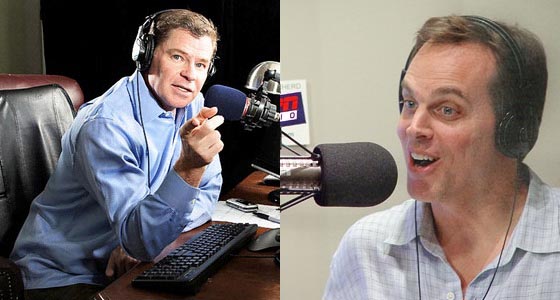
It’s sort of like trying to pick a favorite national host between Dan Patrick, Jim Rome and Colin Cowherd. They’re all great and for different reasons and you’re going to listen to them when you’re in the mood for their specific brand of content.
Many will listen to Dan Patrick for his interviews, others will turn to Jim Rome to hear him interact with his callers and Colin Cowherd’s going to be your destination for strong opinions and interesting viewpoints. All three have different styles and execute differently and that’s what makes them unique.
For every host like Francesa who sees the value in making the audience part of the show, there are others like Tim and Sid in Toronto who have a different approach.
While their show has moved recently from radio to television, when asked about the transition to the visual side they responded by saying “Our radio show proved you could literally interact, without taking phone calls, with your audience and react in real-time to any news that is going on at the time, or whatever is hot and topical on that day. So now the question is how to take that to TV.”
This is a subject that we all have opinions on and while we’re all going to stay true to what we believe and enjoy, the truth is that there is no right way or wrong way to incorporate callers. Are they valuable to a show? That’s debatable depending on who you ask.
In my opinion, each situation depends on what feels comfortable to the on-air talent, what makes the brand unique in the local marketplace and what type of personality traits exist with your product and how valuable will they be to your on-air presentation.
In the end its all about entertaining the audience and keeping them listening. If you dedicate more content time to your talent or you involve your local listeners more and it works, who can argue with it? And after all, isn’t that the point?
One topic that has been interesting to watch unfold over the past year has been the shift of local radio operators to take back their timeslots from national sports radio networks and replace network programming with local personalities and content. For years it was a given that to become a network affiliate, you were required to carry at least one national prime time show on your radio station.
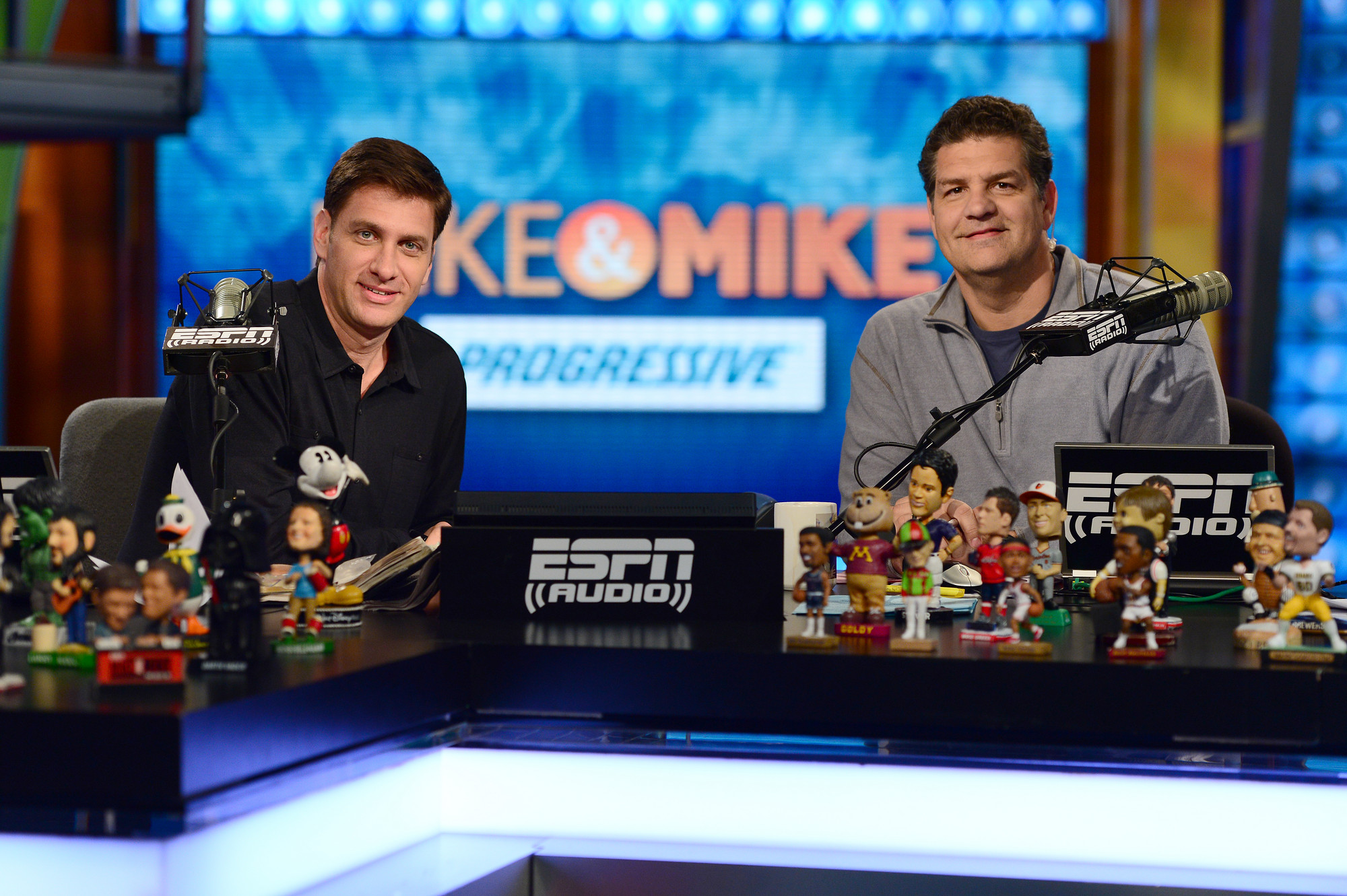
However, in the past year alone, five top-25 markets have dropped an ESPN Radio network program to make room for a local show. Of all the national shows offered by ESPN, Mike and Mike have been hit the hardest. Four of the five changes were made during their morning drive timeslot.
In Philadelphia, 97.5 The Fanatic replaced Mike and Mike with Anthony Gargano. In Washington DC ESPN 980 introduced “The Man Cave” with Jason Paul and Chris Reid, also dropping Mike and Mike. In Seattle, 710 ESPN announced plans to reduce Mike and Mike by two hours to carry Brock and Salk and in St. Louis, the same formula is being followed with the return of Bernie Miklasz.
With Colin Cowherd departing ESPN, it’s only a matter of time until more national programming gets replaced in local markets by local operators and the first change has already taken place in Phoenix where Arizona Sports 98.7FM has named former NFL star Bertrand Berry as their permanent replacement for Cowherd’s timeslot.
Since then, The Ticket in Miami has begun airing a local program with Josh Friedman and Chris Wittyngham while ESPN offers fill-ins during the month of August. Depending on what ESPN Radio does with Colin’s slot, that shift to a local show at 10am could become permanent. Although, if Dan LeBatard gets the nod to take over for Colin on the national level, it’s unlikely The Ticket will pre-empt him.
To dig even deeper, when you look at the major markets where national shows are being cleared, many air on AM stations which are no longer a high priority for their respective companies. In many cases, the ratings on these brands are very low and the focus appears to be to simply “clear network programming and fill air-time” rather than take advantage of it.
As an example, in Boston, ESPN Radio airs on WEEI’s old AM signal 850AM. In Atlanta, ESPN is now airing on Cumulus’ 1230AM and in San Diego they clear on 1700AM. In all three cases, the stations are not destinations for local listening.
And it’s not jut ESPN Radio facing this challenge. It’s happening to Fox Sports Radio and the CBS Sports Radio Network too.
Of those three groups, CBS was thought to have the biggest opportunity to challenge ESPN when they announced they’d be entering the network space. With the company’s ability to use the power of their highly successful local brands, many expected a stronger network battle but so far that hasn’t happened.
Of CBS Sports Radio Network’s shows, only Jim Rome’s program has received decent support in local markets. CBS’ top content earning local market distribution has been the CBS Sports Minute, which I understand Mike Francesa is a big fan of (sorry I couldn’t resist).
While Rome is clearing Los Angeles on The Beast 980, San Diego on The Mighty 1090 and Sacramento on KHTK 1140, the majority of the markets he clears are smaller. As for the network’s other shows, while they offer some solid talent, they remain challenged to receive local market clearance and support. Even in bigger markets where they do clear, they’re usually on brands with little attention and listening. Case in point, 610AM in Philadelphia, 1050AM in San Francisco and 1270AM in Detroit.
For Fox Sports Radio, the Dan Patrick Show remains a destination and although the network has done a great job adding strong talent such as Rich Eisen and Jay Mohr, the challenge also remains large when it comes to penetrating local radio markets during prime time hours. Unlike ESPN though, they don’t charge rights fees or persist on network shows being part of a local station’s lineup in exchange for a local market affiliate relationship which is smart.
Will an addition of Colin Cowherd change that? Perhaps. But for now, aside from clearing their own backyard in Los Angeles, most of the markets airing Fox national shows during prime time are outside of the Top 25. Although they do have some solid situations in Phoenix, Seattle, San Diego, Houston and Portland.
While all of these changes are significant and very different than what was the norm five to ten years ago, it doesn’t appear to be going away.
Assuming local operators continue to invest more in local personalities and content, that means that the audience reach and market clearance for network shows will decline, which you can bet advertisers will look to try and take advantage of.
So does this mean that national networks are in deep trouble?
Not necessarily.
While the 1990’s and 2000’s may have represented great growth for the sports radio format and created a dominant place at the table for networks on local radio station’s, the 2010’s have seen sports audio become an even bigger juggernaut, and the focus has become reach and distribution rather than local market clearance.
For instance, ESPN Radio is streamed on ESPNRadio.com and the ESPN Radio app. It’s also be heard on Slacker, Tune-In, SiriusXM, Google Play, iTunes and numerous radio stations across America, not to mention it can be watched on ESPN-2, ESPN-U and ESPN News.
It’s a big reason why the company shifted their focus from positioning themselves as ESPN Radio to ESPN Audio, and given the reach and power of the brand, it was a smart strategy.
In an interview in March, ESPN Audio boss Traug Keller told Sports Illustrated’s Richard Deitsch that ESPN Radio had twenty million people per week listening to their content. The product was being received on more than five hundred radio affiliates, three of which were owned and operated radio stations, and as a whole the ESPN Radio brand was serving over sixty percent of the population who listen to sports radio.
Those numbers are staggering and very impressive.
Now logic would tell us that with Colin Cowherd and Scott Van Pelt gone from the network, those numbers will likely drop, but that doesn’t mean the numbers won’t rebound once permanent replacements of those timeslots are announced.
Switch sides to Fox Sports and you can find their programming also available on local stations and their website but they also add the power of being heard on the iHeart Radio app, watched on Fox Sports 1, DirecTV and YouTube and consumed on SiriusXM, iTunes, Tune-In and the Podcast One network.
For CBS the story is very similar. They provide their audio content on their website, local radio stations, the Radio.com app, the Play It podcast network, Tune-In and the CBS Sports Television Network.
So if these national brands have instant credibility with sports fans and talented and recognized personalities delivering quality topical content, than why are local operators dropping them in favor of local programming?
“It’s all about the ratings and national programming doesn’t deliver them in my market” said a local program director I spoke with who oversees a station inside a top 20 market.
But with adding a local program comes added expense and as radio operators across the board trim budgets in an effort to stay profitable, how can added expenses make sense to the bottom line?
“Yes there are risks involved by adding salary, but personality endorsements and appearances are in high demand and ratings are critical for radio stations to attract larger advertising dollars.” said a local market general manager. “While the quality of network programming is excellent and the personalities are good, we believe that local shows hosted by locally known personalities are worth the investment because they will provide more solutions for our clients and listeners which ultimately will help us be more profitable“.
While I don’t disagree with the viewpoints of the local operators I talked to, I do think one thing is definitely different and important to remember as we gauge the success of sports audio operators going forward – it’s not just about ratings anymore!
If you’re on a local level, your brand strategy is going to be built around delivering high local ratings and you’re going to want personalities in the local community who can advance the message of your station’s advertisers and connect with people at local appearances. From that standpoint, national programming doesn’t offer much appeal.
However, if you work on the network side of this business, your model for success isn’t measured by local market ratings. It’s based on total audience reach, platform distribution, advertising revenue and content creation.
Do we really think a network like ESPN Radio or Fox Sports Radio isn’t successful just because they didn’t win a ratings battle in New York City, Los Angeles or Chicago? If they’re on television and every audio platform possible and reaching twenty million people per week, I’d say they’re delivering huge value for advertisers and clearly people do enjoy their content or they wouldn’t be accessing it thru multiple audio channels.
Yes it becomes harder to monetize due to the fact that the consumption of content is splintered between so many different audio avenues, and listening now has the on-demand element to deal with, but that’s the job of management and sales executives, to create their story and share it with advertisers and the people inside their own offices.
If you’re an advertiser looking to get bang for your buck, you can’t deny that a show like “The Dan Patrick Show” or “Mike and Mike” doesn’t have huge reach and ability to move product. Between television, radio syndication, podcasting, their websites and social media promotion, people are consuming the content, which means they are also receiving the message.
Unfortunately, since we operate in a silo and use antiquated technology to gauge audience measurement, and we fail to include the total usage of users on all of these other platforms, many local and national brands are not receiving the credit they’re due for delivering record numbers of audience.
As someone who’s programmed on the local level, I believe in delivering as much local content as possible. If my quarterly bonus and station’s ability to generate revenue are tied to our ability to superserve advertisers and local fans, then I want people on my airwaves who walk into the same building as I do, understand the station’s goals and possess the ability to get the job done.
While I enjoy the listening experience of some national shows, their personalities don’t live and die with the success or failure of my brand. Most don’t invest the time in interacting with their local affiliates either through calling in or making in-market appearances, and if they’re not going to share the same pain and joy in my company’s performance, then I can’t put my ass on the line for them when my future depends on it.
However, just because I have that point of view as it applies to running a local brand, doesn’t mean that national programming isn’t important, necessary and a huge success for the sports radio format. I often hear people in the industry discredit network shows because of the ratings factor, but there’s no question that we all know these brands, shows, personalities and the content they create. That has to count for something right?
What I believe it comes down to is this – success in the sports radio format isn’t a one size fits all formula anymore. It’s sort of like when a station celebrates delivering powerful Men 25-54 numbers but yet gets crushed on social media and in the industry trades because their 6+ numbers were low. If you can’t see the full story and you’re lacking information, it becomes harder to analyze and understand.
Every company has a different measurement for success. For some it’s about total audience, for others it’s about reach and distribution, other locations will have a stronger emphasis on digital, social and mobile activity and engagement, and for numerous traditional operators, it’s about local ratings.
While perception is often reality in this format, what gets lost is the understanding that we all operate in different spaces with very different goals and our ability to define success has become complicated due to the numerous avenues of distribution, the different ways to listen to audio and the inability of our industry to measure it as a whole.
Having been on both sides of the fence (national and local), I see tremendous value to both approaches and business strategies and consumers are going to sample both, in multiple locations, and on the terms of when they feel like accessing it. It’s not a choice of one or the other, it’s a matter of being accessible and worthwhile when the user feels like sampling your material.
While we can all debate the benefits and disadvantages of local vs. national, I think we can all agree that we need to do a better job of defining success for our brands internally and sharing that success story externally. Who knows, by doing that we just might create a better perception of our format on the local and national level.
Over the past few weeks I’ve had the opportunity to relax, reconnect with friends and family in NY and simply enjoy broadcasting without dealing with the pressures of operating a brand each day. While the competitor in me enjoys the intensity of this business after nineteen years of day to day battles, a mental break was necessary.
While getting reacclimated in NY, I’ve had the benefit to simply sit back, watch/listen and allow myself to be entertained. When you work in this industry and live and breathe the job 24/7, it sometimes becomes difficult to appreciate the content being created each day and the people who are delivering it.
Unless you’ve been asleep for the past thirty days, chances are the name “Donald Trump” has appeared either on your television, radio dial, social media page or your mobile screen. It seems impossible for the news media to go a full day without reporting something the man has said or done.
As I’ve watched the latest news events unfold, I’ve become more and more fascinated with what I’ve seen take place and I’m not talking about political stances, debates or voting records. I’m talking about the brilliance of creating public interest.
Say what you will about Donald Trump and his arrogance, no holds barred opinions and bad haircut but he has simply created demand and curiosity and in doing so, there’s something to be learned from it.
First of all, he put himself out there by taking a strong position on illegal immigration. The second he announced he was running for President of the United States, he came out swinging by stating that Mexico was a mess and if he’s elected he would build a wall and have Mexico pay for it so illegal immigration changes could begin.
Some found the remarks offensive and some found them refreshing but everyone knew they had been said. In a time when other politicians were delivering white noise and talking generalities about making the country better, Trump came out and said “this is what I will do if elected“.
Then the firestorm began. Looking to seize the opportunity of burying the man and gaining some attention for their respective businesses, Nascar, Macy’s, NBC and Univision all pulled their associations with him. Heck, even Emmitt Smith announced he was departing as a judge for Trump’s Miss America pageant.
And here’s where things got really interesting – those who share his views on the country and believe in the freedom of speech, increased their support for him. As polling numbers rolled in, Trump’s went up!
Rather than tuck his tail between his legs at the first sign of trouble, Trump stood up and faced the heat from a large number of corporations and promised he’d not back down. Instead of being crushed by media soundbites and personal agendas, the people responded and asked for him to keep fighting. And he hasn’t stopped since.
What does this matter to sports radio you ask? Well it’s actually really simple – the best personalities in this format, locally and nationally, usually are known for speaking their minds and taking strong positions. When you stand for something and speak with passion and conviction, you cut through. You’re going to have your fair share of outspoken critics and public enemies but they’re all coming to the arena to see you perform because they know you matter.
Somewhere though over the past 10 years, since social media became a major force in our lives, it’s become harder to be yourself and share your views without being immediately taken to task. The second an uncomfortable opinion is spoken, the social media police are out, sales people are running scared out of fear of losing business and executives at the highest levels are quick to react rather than support. I know, I’ve had many sleepless nights over it myself.
Take a look around the world today and it’s becoming a case of everyone thinking their opinion should change the law, the way a company operates or the way we should all live. Whether it’s the reaction after a public shooting, the response to gay marriage being approved or a baseball player getting busted using steroids, the second a story is reported, the vocal minority are out there demanding change.
Now don’t get me wrong, there’s absolutely a difference between saying something uncomfortable and saying something offensive and irresponsible. You can’t go on the air and curse or deliver racially divisive commentaries and expect to be supported. That’s poor judgement on the part of a personality. Case in point what Hulk Hogan was caught on tape saying last week was reprehensible and he deserved to be terminated for it.
But most of the time, the great personalities who stand out in this format usually are brash, honest, controversial and unafraid. We ask our hosts to deliver compelling content and get audiences to listen for long periods of time but then want them to tone it down when it creates public chatter. If you didn’t see this story about ESPN asking Keith Olbermann to dial down his commentary, read it. It’s the type of situation I’m referring to.
What I find hypocritical is when a company hires a provocative personality but then terminates the relationship because they were bothered by the host’s uncomfortable positions. Why would you hire a controversial talent who lives on the edge and then ask them to not be who they are? If you signed up to put someone on your air who you knew would make a ton of noise and ruffle some feathers, and by the way grow your audience, then why are you surprised when they do?
Look around the world today at who’s standing out from the crowd – personal interests aside, there’s no doubt that Colin Cowherd, Bill Simmons and Keith Olbermann all make noise and create a reaction. Yet they’re all soon to be gone from ESPN. Two others at the four letter network who make noise and fit the description are Stephen A. Smith and Skip Bayless yet First Take is probably the most criticized show on the planet.
Take it beyond ESPN and you’ll remember the opinions of Jim Rome, Mike Francesa and Charles Barkley. There’s a reason, they’re colorful, candid, confident and uncompromising. That’s an art and it should be applauded because they have the guts to speak honestly rather than worry about the potential consequences they may face as a result of taking a firm position.
Switch formats to news and you’re usually talking about Rush Limbaugh, Bill O’Reilly, Sean Hannity, Glenn Beck and Michael Savage. What are they known for? Creating a stir, making you think and evoking emotion. Yet anytime there’s a demand for someone to be ousted from a news network, those names are usually in the conversation.
Can you imagine if social media was around when Howard Stern began his reign of terror on terrestrial radio? Do you think CBS would’ve supported him the same way? Maybe they would have but given the way the world has changed the past few years, it’s very debatable.
So to bring this back full circle, look at the impact Donald Trump has had in less than a month. It’s undeniable that he’s become a daily conversation in most parts of the country and that my friends is due to his being willing to stand out from the crowd. People want to hear what a personality thinks and whether they agree or disagree is not the point – it’s that they’re listening, consuming and being emotionally moved by the message.
Think about this for a second. If Donald Trump was a radio personality, would he be supported for the comments he’s made over the past month or would the industry turn on him like Macy’s did at the first sign of controversy? I’d like to say that we’d stand by his right to an opinion but I’m not sure that’d be the case. Yet who’d be at fault – Trump for being outspoken or the operator who hired him?
Remember folks, we pay people in this business to give strong opinions. Those who do so are going to have loyal fans and dedicated critics. I like SportsCenter as much as the next guy but I can’t recall the last time an opinion was shared on the program that got people talking. Yet, the second a personality like Bill Simmons speaks out about Roger Goodell, it is being discussed everywhere.
When you’re managing a brand, you want people to listen as much as possible but you also have to be true to yourself and stand up for your brand, beliefs and people. I’d rather tell a listener “I’m sorry we don’t have the type of product you’re looking for, have you tried some other options” than ask my people to create content that isn’t representative of who they are.
Everyone wants to be liked and receive positive feedback but it’s impossible to please every individual. Everyone today wants to feel empowered and believe they have the power to change what a brand or personality does and while I want the audience to have a voice and share in the creation of our content, I also believe that personalities, programmers and producers are hired because they know how to do a job and it’s important to give them the support and freedom to be creative, honest and comfortable. Former Utah Jazz Head Coach Jerry Sloan once said “I love the fans but the second you start listening to them for advice, you’ll soon be sitting with them“.
There’s this thing called a radio dial in every person’s car and if someone doesn’t like what they’re hearing, they have the right to change it. Most of the time they’re also paying zero to listen and we’re not only in the business of satisfaction, we’re in the business of creating compelling sports talk radio to drive listening occasions and ratings which will help us sell higher ad rates.
If nobody listens, personalities and operators will receive the message and make adjustments. This is a business and without ratings, there’s less advertiser interest, and with less interest comes less revenue, which means the likelihood of a contract extension and salary bump for a personality also becomes less.
I saw a line last night that really stuck with me and it was by professional wrestler Jeff Jarrett. He said “To a critic, no explanation will do. To a fan, no explanation is needed“. That’s a really good line and it makes me wonder, if we’re not standing by the people we hire through challenging times, are we really fans of them in the first place”?
I know this, regardless of which side of the fence you’re on, you likely have an opinion of Donald Trump and you’re going to pay attention the next time he says something. That’s called cutting through and the Trump factor will be the reason why Fox News delivers record ratings next Thursday night for it’s Republic Presidential debate. That’s something we need more of in sports radio.
Anyone can fill air time and relay information, scores, facts and stories and if you have a strong guest booker, they can load you up with 6 guests to fill a show. But it’s those who paint pictures and share their true convictions, sometimes in a way that makes people cringe, that truly stand out. One line I like to use is “Say something worth stealing“. If you present yourself that way on-air each day, you’ll have the audience eating out of your hand, even when they’re not hungry.
At the end of your show you should be able to recall 2-3 positions that you took that made the audience react and think. Here’s a good way to get a read on it – ask your producer to write down three headline opinions in the show that create promo worthy material. If they can’t, and they’re sitting in a room across from you for 2-3 hours, then maybe it’s time to re-evaluate your content presentation or the producer.
You don’t have to listen long to Donald Trump to find 3 promos. It’s amazing what can be created and accomplished when just one personality believes in something and is willing to say it! And whether you agree or disagree with it doesn’t matter – it’s that you’re listening to it!
How many times have you started talking about the Portland Trail Blazers and got a blank stare in return? If it hasn’t happened, it will. When it does, that’s the time you convert non-fan into new fan if you’re fan enough. That PBS loving radio listener in front of you is ready for a change.
Give them Dan Patrick, a 58-year-old golden boy with the radio voice and television face, a rare combo and easy listen for new people. His ego seems to adapt to all ages. When you’re the guy on stage handing out Lombardis, it would be easy to go the other way. Instead, he shares his radio show with his listeners and his on air production team. Calls them his Danettes. It could be worse, and they couldn’t be better.
Early in the year, a big radio star called out Dan’s style, said he had it easy. The onetime face of ESPN went away from sport talk when his work ethic took a hit from Colin Cowherd. Work ethic; we’re talking about work ethic? The dean of sport talk uses real life to show how to handle your business. You don’t need high heat when you’ve got a grip on cool. Check out his YouTube if you haven’t seen it. Chilling.
Or give them Jim Rome for a take that doesn’t suck. He’s the Michael Corleone of sports talk. Got the look, the edge, and it’s not going dull anytime soon. When members of the Rome mafia call the show, new listeners knock them hard. Rome stands up for his early callers every time. He’s teaching loyalty. He used to say, “Give me two weeks before you spin the dial.” Snagger knows his audience. They stay.
Radio celebrity on a world scale is one thing, but I like the local guys. My favorite expresses the entire range of sports-emotion from catchy up-talk to deep and somber. His sporty sport talk is clear and correct the way only an NFL insider can do, and he offers just enough extra to keep me locked in. The following two examples go beyond the letter of sport talk, but not the spirit. Here’s what I’ve learned so far:
How To Slow Cook Ribs In A Crock Pot.
Pick up two racks of ribs, each about two feet long. They’re pink and reptilian looking in the vacuum packed plastic. Don’t get frozen if you can avoid it.
Cut the ribs into three bone sections and push some rib rub into them.
Stack the ribs upright along the edge of the crock and fill toward the center. Put a second layer on top.
Set the slow cooker at 300. Come back in two hours and switch top ribs to bottom.
Come back two hours later and drain off the juices. Pour a bottle of barbeque sauce in a big bowl and dunk the ribs before stacking them back in the crock.
Two hours later? Dinner, and you’re a genius cook. You too can do this. So easy, so delicious. I’ve done it three times since learning how.
Dinner Out With Adult Kids.
Like every other sport talk radio fan, I expect to hear sports. It’s what goes beyond the topic that makes it universal.
My local favorite sports talker explained how he goes to dinner with his eighteen year old daughter. The guy’s been on the air for the last ten years and his audience has followed his family along the way. His little girl grew up and dinners together can get awkward.
Once they’re seated in a restaurant, he said, he lets the wait staff know who he’s with, “I know what I’ll have, but MY DAUGHTER will order first,” or something close.
I’m driving around listening and think, “The same thing happened to me, except I didn’t say anything. There I was, shunned in a restaurant because I didn’t say, “I know what I’ll have, but MY SON will order first.”” We got the cold shoulder, ordered late, didn’t get our food, and left. It took a while before I figured out the problem. Of course my kid disagrees with the creepy conclusion.
After hearing the restaurant story, all I could think to say was, “Thank you, Big Suke, you’re saving the world from bad cooking and over-parenting one listener at a time.”
The right sport talk does that for you, keeps you in the loop.
Credit to SeattlePI who originally published this article
In light of the recent news of Colin Cowherd leaving ESPN, I thought it’d be a good time to take a look at the challenges of replacing a major brand name, why personalities leave and how the process works.
The reality in today’s media world is that any great talent who works for a brand and delivers results is going to be desired by another company at some point. While a GM, PD and Host may start off a relationship with the intent of enjoying a career lasting relationship together, the truth is that people who perform, like to be desired, and those positive feelings get tested when other competitors enter the equation and start throwing larger dollars, more flexibility and more control their way.
For example, if you were a New York sports radio fan, you likely grew up on Mike and the Mad Dog and would never picture them apart, even though they may have had their personal differences. Yet when Sirius XM entered the conversation with a large chunk of money and building a network around Chris’ brand name, Russo’s stay with Mike came to an end after nineteen years.
If you grew up on ESPN and enjoyed watching Dan Patrick and Keith Olbermann own SportsCenter and make it must-see sports television, you’d believe they’d be there forever. Well not only did Keith leave to work for Fox Sports, TBS, MSNBC and a few other groups but Dan did as well. Today Dan has rebuilt his brand through multiple outlets. He has a TV deal for the radio show with DirecTV, a radio deal with Premiere Radio Networks, a TV anchor position for NBC’s Sunday Night Football, he appears frequently in Aadm Sandler films and he has a content arrangement with Sports Illustrated.
Remember the powerful sixteen year relationship between Jim Rome and Premiere Radio Networks? It was thought to be unbreakable. Until it was. Jim was courted to head to CBS and he jumped ship to host his radio show for the CBS Sports Network, make television appearances on CBS’ bigger sporting events and host his own television program for Showtime.
In all three cases, the talent were very successful, built a large following with sports fans and other media companies took notice and were prepared to compete to lure them away. When each of these personalities were given more money, more flexibility and more control, they exited the places where they had built their brand name and value. And you can’t blame any of them because most people would do the exact same thing.
Keep in mind, this isn’t only happening on the network levels or in market #1. This happens in many other cities as well. Nobody knows that reality more than myself as I had to go through a number of changes with 95.7 The Game in San Francisco plus a few in St. Louis too.
When I was overseeing The Game, we launched with an afternoon show hosted by Brandon Tierney and Eric Davis. Like with any new relationship, they had their fair share of challenges but they also had a lot of talent and a strong sound. It was easy to see pretty quickly that if they could stick it out together they had the potential to have a lot of success.
However, one year into the relationship Eric was pursued by the NFL Network and they were offering morning drive, major exposure across the country and a lot of money. Given Eric’s background as a former NFL player this made all the sense in the world for him to explore and while it personally sucked for myself, Brandon and our company, if any of us had been in that same situation we’d have done the same exact thing and left. While the intent wasn’t to leave, the opportunity was too great for E.D to pass up.
One thing I’ve learned as a manager is that as hard as it may be at the moment to see the solution and while it may be personally exhausting dealing with the backlash of losing a popular personality from a passionate audience, eventually the show does go on, another great personality joins the team and fills the void, and you can still have success.
What’s important when going through one of these situations is to not let your emotions get in the way of decision making. Those in my inner circle will learn of my passion and opinions on the situation but once it’s time to get down to business and move forward, that becomes the focus. When you let your personal feelings get in the way of business it’s usually a bad omen. While decisions may not always be popular, it’s about growing an audience and being profitable – not just satisfying the audience! People often forget that this is a business and the last time I checked, nobody stays in business long if they’re not making money.
Once I know a personality has made a choice to move on and I know the company has done everything it can to retain them, it’s on to the next plan. I don’t have time to waste and my employer, our clients and our audience are expecting a solution. I’ll normally take a few hours to clear my head and let the emotions of the situation subside, think about what could be potentially exciting and great if we could pull it off, start compiling a list of potential targets, and then begin making phone calls and sending emails to see what’s possible.
The second I knew Eric was gone, my focus turned towards how to surround Brandon with a strong partner, who to target for the audition process and what the timeline should be for filling the vacancy. Over the next 4-6 weeks I’d bring in Ric Bucher, Mychael Urban, Gary Payton, Rod Woodson, Jon Ritchie and Lincoln Kennedy for tryouts and we ultimately felt Bucher was the best fit of the bunch to fit with Brandon and replace Eric.
Unfortunately I had to go through that same process a couple of other times over the next two years as a number of high profile personalities were either sought out for their abilities by larger networks or they wanted to explore a change in their careers and while we got through it and put the brand in a strong position, it was very challenging and not a lot of fun.
I can go on and on about a number of these situations because they’re more common than you realize. In St. Louis, Bernie Miklasz left his radio show which was a giant void for 101 ESPN. My understudy and current PD Chris Neupert came out of that situation with flying colors though as he moved Chris Duncan from the afternoon show and paired him with Anthony Stalter while replacing Duncan’s Cardinals presence on the afternoon show with Brad Thompson. While I’m sure he’d have preferred to have Bernie stay and continue dominating the market in middays, he found another way to succeed once it was understood that Bernie wasn’t going to continue.
If there’s one positive going through a process like this, it’s that it really does test your resolve and allow you to find out what you’re made of. I look at it as a personal challenge and opportunity to do something big. Word of advice to those in hiring positions – if you don’t like pressure, do something else. The process will cause you to lose sleep, tear your insides apart and you’ll have every set of eyes inside and outside of your building watching you and waiting to see how you adapt. One sign of weakness and you can lose the confidence of the room. If you can’t perform with your back to the wall there are many other jobs with less stress.
One of the fun parts of this process is allowing yourself to think outside the box. Let’s be honest, high profile athletes, broadcasters and entertainers aren’t browsing your company’s website checking the jobs section to find you, so if you have an idea, it’s your job to find them, explain your idea and get a sense if it’s something worth exploring. I’ve had the pleasure of having discussions with people I’d never have imagined talking with about a local sports radio show but when you open up your mind, anything is possible. The old saying applies, the bigger the risk, the bigger the reward so you can never be afraid of being ballsy.
That makes for a perfect segway because I don’t know of any ballsier of a move than replacing Tony Kornheiser at the ESPN Radio network with an unknown commodity named Colin Cowherd but that’s what Bruce Gilbert did in 2006 and here we are ten years later talking about Colin’s upcoming departure and how it’ll be a major blow to ESPN.
So that leads us to the obvious question “how does ESPN survive without him“? The answer is simple – the same way they have before when they’ve lost Tony Bruno, Tony Kornheiser, Dan Patrick and Scott Van Pelt. But this time they’ll have to do it with shackles around their ankles due to Disney’s mandate to reduce expenses.
Does it suck to lose Colin? Yes. He’s a dynamite talent and one of the industry’s best. Does it make you question what’s happening at the four letter network when you see Scott Van Pelt and Colin both leave radio shows within a few months in addition to the television staff losing Bill Simmons and Keith Olbermann? Yes. But they’re still the largest sports media company in the world and they’re always going to have talent options to consider so do I expect them to come out of this and make a solid hire? I do.
That doesn’t mean the show will be as good as Colin’s or a good fit for the markets where his show aired but they will have options. For example, internally they have Dan Le Batard who could be moved up, they’ve got Max Kellerman and Marcellus Wiley in Los Angeles who they could consider and they’ve got every other sports broadcaster on the planet looking at Colin’s vacancy as the launching pad for their career much like Colin saw it that way when he replaced Kornheiser.
What I do think is a bigger concern for ESPN at this time isn’t whether they’ll fill Colin’s void. It’s how do they keep their revenue stable when advertisers are losing the high profile personality brands they’ve associated their products with. Usually when a major change is made, clients take a wait and see approach or invest less during the interim period.
One other challenge for ESPN will be, how many of their radio affiliates will continue clearing Colin’s timeslot if Colin isn’t there? Let’s face it, stations who clear network programming are doing it because it reduces expenses for hiring talent and because it offers a high profile name that the audience will be familiar with. If the radio station clearing the show doesn’t see the replacement as a strong option (ex: Tirico replacing Patrick) they’ll pull the plug and put in a local show. This just happened yesterday as Arizona Sports 98.7FM struck immediately by naming former NFL superstar Bertrand Berry to replace Colin’s spot in Phoenix.
The other factor that plays into this is how does Colin’s replacement fit the market where the show is being cleared? One of the positives that Colin brought was that he had a strong west coast style which was an alternative to the network’s east coast heavy presentation. If his replacement though is heavily invested in Yankees-Red Sox talk or things that don’t have appeal beyond the east coast, and you’re a station clearing the show in California, Oregon, Colorado, Arizona or Washington, that may cause stations to battle the network and force change with their programming options.
And if that wasn’t enough to consider, if you run a station who has a relationship with ESPN Radio and you’ve carried Colin’s program and received solid ratings or revenue from it, what will you do when his program is pitched by Fox Sports and you have to choose between adding Colin and losing your ESPN brand affiliation or keeping the affiliation and losing access to his show?
Those are the types of decisions that keep programmers and executives up at night and while they’re not fun or easy to tackle, the great ones find a way to navigate through the difficulty. Nobody has done that better in sports radio circles than Mark Chernoff who had to overcome losing Don Imus and Chris Russo at WFAN and both times wound up with higher performing programs (Boomer & Carton and Mike Francesa). That’s the task that awaits ESPN and it’ll be interesting to see how they respond since this is unfamiliar territory.
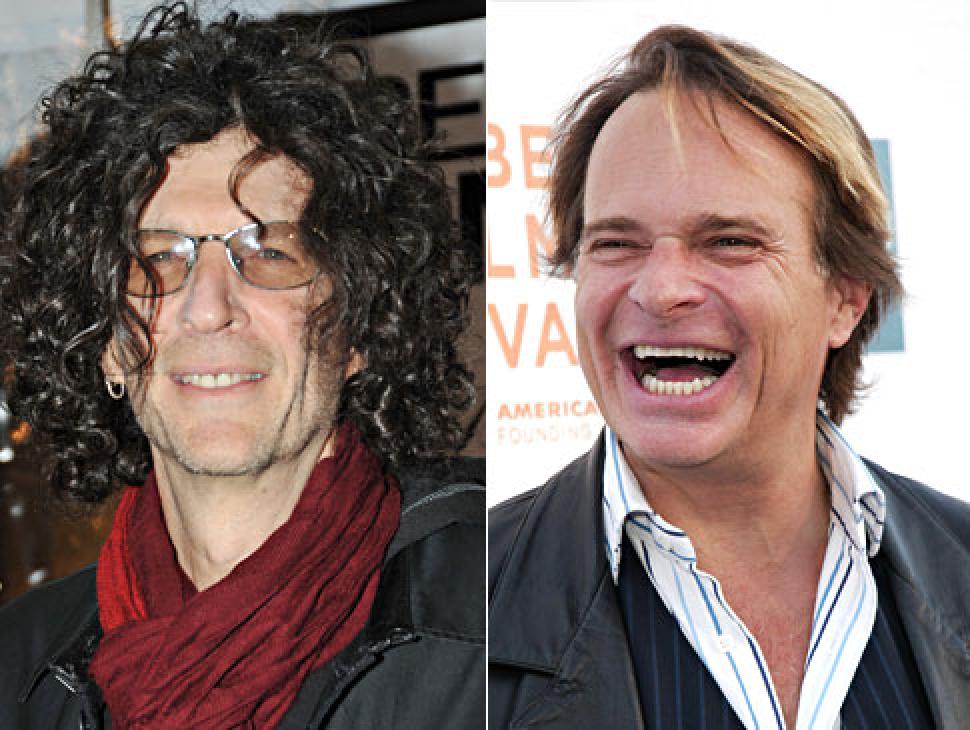
While I’m sure today is a difficult day for the ESPN brass, a lot can be fixed by making a series of strong programming decisions. On the other hand, they can’t afford to make any move similar to the one CBS made years ago when they replaced the departing Howard Stern with David Lee Roth. Too much is at stake. Given the recent PR facing ESPN due to the departures of Olbermann, Simmons and Cowherd, now would be a good time to hit a homerun and remind people why they are the biggest brand in sports entertainment.
What can I say? Owing to vacation, a vehicular mishap during the Memorial Day flood, Astros stories, other news updates and general ennui, I’ve gotten way behind on radio ratings updates. Sorry about that.
Let’s catch up with the Nielsen Audio ratings for Houston radio for the period April 23-May 20 and for May 21-June 17.
As always, we start with 6 a.m. to midnight (Monday through Sunday) among men 25-54, which is the key demographic for sports radio. For the first time I can remember, KBME (790 AM) led in the weeklong numbers over KILT (610 AM) for June. As you’ll see later, the Astros accounted for a big part of that improvement.
Earlier this week, at the new studios of 105.3 FM The Fan, Ben and Skin were critiquing a top-10 ranking of the best space movies of all time.
Inside 103.3 FM ESPN’s studio, Steve Dennis and Mark Friedman were discussing how they consume more than one sporting event at the same time.
At 1310 AM and 96.7 FM The Ticket, the guys from BaD Radio we’re doing a hypothetical on whether 10,000 zombie-like fans could come down from the stands and overwhelm 50 professional hockey players.
It’s July. Cowboys training camp is still three weeks away. The NBA and NHL seasons are over. If you try to fill an entire show with only sports talk, it’s going to be a struggle.
“This is the tough time of year, where you start to run out of those things,” said Ben Rogers, co-host of the Ben and Skin show, on 105.3. “But the thing I love about the playbook here at 105.3 The Fan, they allow us to do non-sports.”
“I think it really lets some of the things shine that we’re really good at,” said Dan McDowell from BaD Radio on The Ticket.
In sports radio, each hour is divided into segments, and every radio host knows how many segments he needs to fill, every day. For BaD Radio, it’s eight. For longer shows, like Dennis and Friedo and Ben and Skin, it’s 16.
How to fill those segments is something that consumes these guys every waking moment.
“24-7,” said Mark Friedman, co-host on ESPN’s new midday show, Dennis and Friedo. “But it’s not hard. It’s not like you dread having to think about the show. It’s a great thing to have to have to deal with.”
“All the time, we’re always thinking about something to do for the next day’s show,” McDowell said. “If you think of something, you might write it down in your phone: ‘This might be a good segment.'”
“You never turn off what you’re going to do for the show,” said Jeff “Skin” Wade from the Ben and Skin show. “You think about it constantly, which is one of the reasons why my wife hates my job. I can never put the phone down, I can never stop reading the internet.”
Filling those segments is exponentially harder this time of year, when the only major professional team in-season is the Texas Rangers. Some of the segments that make the cut in July would never be considered during football season.
“I love it way more this time of year, because you can be creative, you can have fun,” said Bob Sturm of BaD Radio. “You can train a chicken – a really talented chicken – but a chicken to do Cowboys talk the day after a game.”
The real challenge is the worst sports week of the year, the week of the Major League Baseball All-Star game. After that game ends Tuesday night, there are no more games, at all, until Friday. Sports talk radio hosts either have to get even more creative, or just go on vacation.
“Absolutely,” Rogers said. “Planning your vacation around the All-Star break is the most coveted time you can get.”
“Here, there’s always something in play. There’s never a down time,” Sturm said. “My wife tells me when I say, ‘I’ll do it in the off-season.’ She says, ‘There is no off-season! You know that!’
“It’s great to be in a four-sport city.”
It gets even greater when the Cowboys get going again.
“Oh, I’m already counting down, late in July,” said Landry Locker, who produces the Dennis and Friedo show. “Two more weeks, training camp starts. It’s perfect.”
Credit to WFAA.com who originally published this article