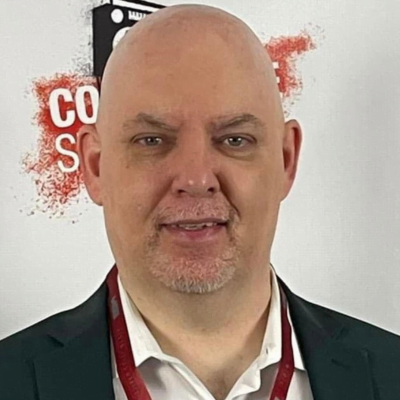
In light of the recent news of Colin Cowherd leaving ESPN, I thought it’d be a good time to take a look at the challenges of replacing a major brand name, why personalities leave and how the process works.
The reality in today’s media world is that any great talent who works for a brand and delivers results is going to be desired by another company at some point. While a GM, PD and Host may start off a relationship with the intent of enjoying a career lasting relationship together, the truth is that people who perform, like to be desired, and those positive feelings get tested when other competitors enter the equation and start throwing larger dollars, more flexibility and more control their way.
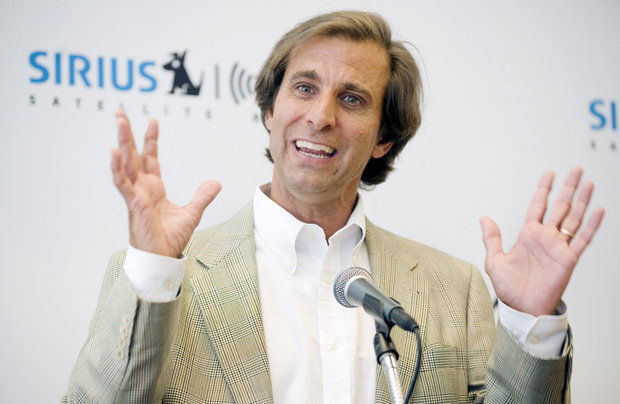 For example, if you were a New York sports radio fan, you likely grew up on Mike and the Mad Dog and would never picture them apart, even though they may have had their personal differences. Yet when Sirius XM entered the conversation with a large chunk of money and building a network around Chris’ brand name, Russo’s stay with Mike came to an end after nineteen years.
If you grew up on ESPN and enjoyed watching Dan Patrick and Keith Olbermann own SportsCenter and make it must-see sports television, you’d believe they’d be there forever. Well not only did Keith leave to work for Fox Sports, TBS, MSNBC and a few other groups but Dan did as well. Today Dan has rebuilt his brand through multiple outlets. He has a TV deal for the radio show with DirecTV, a radio deal with Premiere Radio Networks, a TV anchor position for NBC’s Sunday Night Football, he appears frequently in Aadm Sandler films and he has a content arrangement with Sports Illustrated.
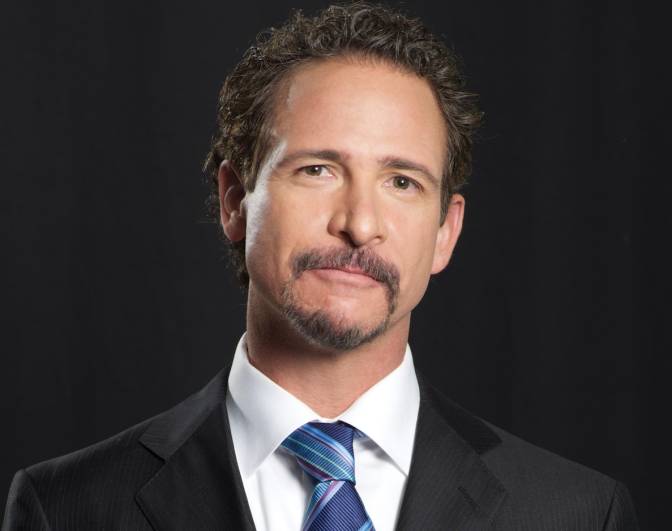 Remember the powerful sixteen year relationship between Jim Rome and Premiere Radio Networks? It was thought to be unbreakable. Until it was. Jim was courted to head to CBS and he jumped ship to host his radio show for the CBS Sports Network, make television appearances on CBS’ bigger sporting events and host his own television program for Showtime.
In all three cases, the talent were very successful, built a large following with sports fans and other media companies took notice and were prepared to compete to lure them away. When each of these personalities were given more money, more flexibility and more control, they exited the places where they had built their brand name and value. And you can’t blame any of them because most people would do the exact same thing.
Keep in mind, this isn’t only happening on the network levels or in market #1. This happens in many other cities as well. Nobody knows that reality more than myself as I had to go through a number of changes with 95.7 The Game in San Francisco plus a few in St. Louis too.
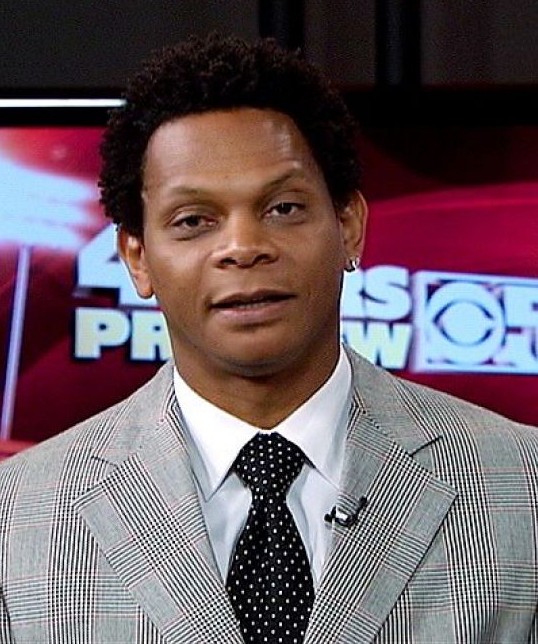 When I was overseeing The Game, we launched with an afternoon show hosted by Brandon Tierney and Eric Davis. Like with any new relationship, they had their fair share of challenges but they also had a lot of talent and a strong sound. It was easy to see pretty quickly that if they could stick it out together they had the potential to have a lot of success.
However, one year into the relationship Eric was pursued by the NFL Network and they were offering morning drive, major exposure across the country and a lot of money. Given Eric’s background as a former NFL player this made all the sense in the world for him to explore and while it personally sucked for myself, Brandon and our company, if any of us had been in that same situation we’d have done the same exact thing and left. While the intent wasn’t to leave, the opportunity was too great for E.D to pass up.
One thing I’ve learned as a manager is that as hard as it may be at the moment to see the solution and while it may be personally exhausting dealing with the backlash of losing a popular personality from a passionate audience, eventually the show does go on, another great personality joins the team and fills the void, and you can still have success.
 What’s important when going through one of these situations is to not let your emotions get in the way of decision making. Those in my inner circle will learn of my passion and opinions on the situation but once it’s time to get down to business and move forward, that becomes the focus. When you let your personal feelings get in the way of business it’s usually a bad omen. While decisions may not always be popular, it’s about growing an audience and being profitable – not just satisfying the audience! People often forget that this is a business and the last time I checked, nobody stays in business long if they’re not making money.
Once I know a personality has made a choice to move on and I know the company has done everything it can to retain them, it’s on to the next plan. I don’t have time to waste and my employer, our clients and our audience are expecting a solution. I’ll normally take a few hours to clear my head and let the emotions of the situation subside, think about what could be potentially exciting and great if we could pull it off, start compiling a list of potential targets, and then begin making phone calls and sending emails to see what’s possible.
 The second I knew Eric was gone, my focus turned towards how to surround Brandon with a strong partner, who to target for the audition process and what the timeline should be for filling the vacancy. Over the next 4-6 weeks I’d bring in Ric Bucher, Mychael Urban, Gary Payton, Rod Woodson, Jon Ritchie and Lincoln Kennedy for tryouts and we ultimately felt Bucher was the best fit of the bunch to fit with Brandon and replace Eric.
Unfortunately I had to go through that same process a couple of other times over the next two years as a number of high profile personalities were either sought out for their abilities by larger networks or they wanted to explore a change in their careers and while we got through it and put the brand in a strong position, it was very challenging and not a lot of fun.
 I can go on and on about a number of these situations because they’re more common than you realize. In St. Louis, Bernie Miklasz left his radio show which was a giant void for 101 ESPN. My understudy and current PD Chris Neupert came out of that situation with flying colors though as he moved Chris Duncan from the afternoon show and paired him with Anthony Stalter while replacing Duncan’s Cardinals presence on the afternoon show with Brad Thompson. While I’m sure he’d have preferred to have Bernie stay and continue dominating the market in middays, he found another way to succeed once it was understood that Bernie wasn’t going to continue.
If there’s one positive going through a process like this, it’s that it really does test your resolve and allow you to find out what you’re made of. I look at it as a personal challenge and opportunity to do something big. Word of advice to those in hiring positions – if you don’t like pressure, do something else. The process will cause you to lose sleep, tear your insides apart and you’ll have every set of eyes inside and outside of your building watching you and waiting to see how you adapt. One sign of weakness and you can lose the confidence of the room. If you can’t perform with your back to the wall there are many other jobs with less stress.
 One of the fun parts of this process is allowing yourself to think outside the box. Let’s be honest, high profile athletes, broadcasters and entertainers aren’t browsing your company’s website checking the jobs section to find you, so if you have an idea, it’s your job to find them, explain your idea and get a sense if it’s something worth exploring. I’ve had the pleasure of having discussions with people I’d never have imagined talking with about a local sports radio show but when you open up your mind, anything is possible. The old saying applies, the bigger the risk, the bigger the reward so you can never be afraid of being ballsy.
That makes for a perfect segway because I don’t know of any ballsier of a move than replacing Tony Kornheiser at the ESPN Radio network with an unknown commodity named Colin Cowherd but that’s what Bruce Gilbert did in 2006 and here we are ten years later talking about Colin’s upcoming departure and how it’ll be a major blow to ESPN.
 So that leads us to the obvious question “how does ESPN survive without him“? The answer is simple – the same way they have before when they’ve lost Tony Bruno, Tony Kornheiser, Dan Patrick and Scott Van Pelt. But this time they’ll have to do it with shackles around their ankles due to Disney’s mandate to reduce expenses.
Does it suck to lose Colin? Yes. He’s a dynamite talent and one of the industry’s best. Does it make you question what’s happening at the four letter network when you see Scott Van Pelt and Colin both leave radio shows within a few months in addition to the television staff losing Bill Simmons and Keith Olbermann? Yes. But they’re still the largest sports media company in the world and they’re always going to have talent options to consider so do I expect them to come out of this and make a solid hire? I do.
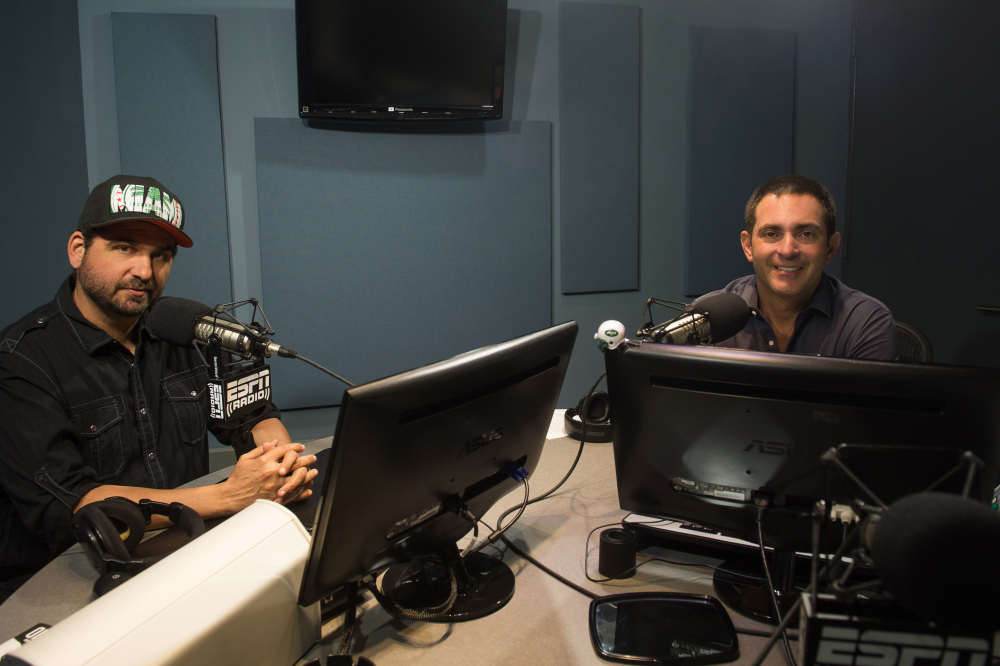
That doesn’t mean the show will be as good as Colin’s or a good fit for the markets where his show aired but they will have options. For example, internally they have Dan Le Batard who could be moved up, they’ve got Max Kellerman and Marcellus Wiley in Los Angeles who they could consider and they’ve got every other sports broadcaster on the planet looking at Colin’s vacancy as the launching pad for their career much like Colin saw it that way when he replaced Kornheiser.
What I do think is a bigger concern for ESPN at this time isn’t whether they’ll fill Colin’s void. It’s how do they keep their revenue stable when advertisers are losing the high profile personality brands they’ve associated their products with. Usually when a major change is made, clients take a wait and see approach or invest less during the interim period.
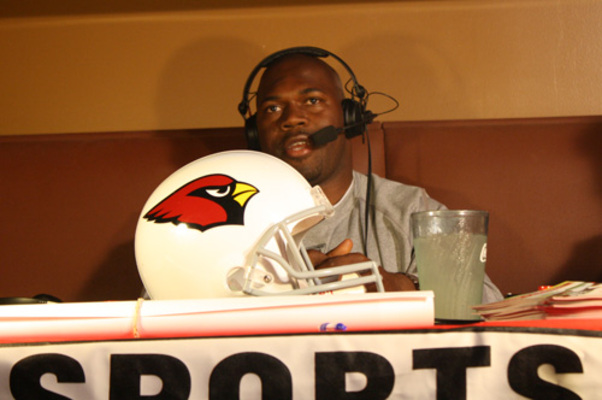 One other challenge for ESPN will be, how many of their radio affiliates will continue clearing Colin’s timeslot if Colin isn’t there? Let’s face it, stations who clear network programming are doing it because it reduces expenses for hiring talent and because it offers a high profile name that the audience will be familiar with. If the radio station clearing the show doesn’t see the replacement as a strong option (ex: Tirico replacing Patrick) they’ll pull the plug and put in a local show. This just happened yesterday as Arizona Sports 98.7FM struck immediately by naming former NFL superstar Bertrand Berry to replace Colin’s spot in Phoenix.
The other factor that plays into this is how does Colin’s replacement fit the market where the show is being cleared? One of the positives that Colin brought was that he had a strong west coast style which was an alternative to the network’s east coast heavy presentation. If his replacement though is heavily invested in Yankees-Red Sox talk or things that don’t have appeal beyond the east coast, and you’re a station clearing the show in California, Oregon, Colorado, Arizona or Washington, that may cause stations to battle the network and force change with their programming options.
 And if that wasn’t enough to consider, if you run a station who has a relationship with ESPN Radio and you’ve carried Colin’s program and received solid ratings or revenue from it, what will you do when his program is pitched by Fox Sports and you have to choose between adding Colin and losing your ESPN brand affiliation or keeping the affiliation and losing access to his show?
Those are the types of decisions that keep programmers and executives up at night and while they’re not fun or easy to tackle, the great ones find a way to navigate through the difficulty. Nobody has done that better in sports radio circles than Mark Chernoff who had to overcome losing Don Imus and Chris Russo at WFAN and both times wound up with higher performing programs (Boomer & Carton and Mike Francesa). That’s the task that awaits ESPN and it’ll be interesting to see how they respond since this is unfamiliar territory.
 While I’m sure today is a difficult day for the ESPN brass, a lot can be fixed by making a series of strong programming decisions. On the other hand, they can’t afford to make any move similar to the one CBS made years ago when they replaced the departing Howard Stern with David Lee Roth. Too much is at stake. Given the recent PR facing ESPN due to the departures of Olbermann, Simmons and Cowherd, now would be a good time to hit a homerun and remind people why they are the biggest brand in sports entertainment.