Everybody who loves sports, has an opinion on it, and those who listen to sports radio shows, want to be a part of them. But should they be?
We’ve all heard that classic line “long time listener, first time caller” and depending on your personal preference, you either cringe or smile when you hear it.
 I’ve had the benefit during my career to experience a lot of different approaches to creating great sports talk radio. Growing up in New York, callers often drove the content and until I left home to experience other cities, I assumed this was the only way to deliver quality sports talk.
Who could argue? WFAN in New York launched the format, and has been ultra successful for nearly 30 years. They employ great talent, have a pool of fourteen million people to tap into for passionate calls on the area’s nine professional teams, and they’ve had no reason to change their strategy.
Yet when I spent two years in Bristol producing shows for ESPN Radio, we’d rarely take calls. At first I was surprised. If New York had access to fourteen million people, and the lines were flooded, shouldn’t a national network have even more activity?
Well they did, but as I learned quickly on the network level, it was about creating great content, driving the segments, utilizing feedback thru multiple platforms and not relying on people on the outside to carry the conversation. We weren’t a sports bar where people came to have conversations. We were the content provider who was known for delivering insight, opinion, entertainment, huge guests and breaking news.
 One line my former ESPN Radio boss Bruce Gilbert used to use which I’ve borrowed many times during my career was “If you wouldn’t give the keys to your car to a stranger, why would you give the keys to your radio show to them“?
It was a great point and one that I connected with. I also realized that a national show operates much differently than a local show, so I saw the value in working with talent to create better segments, features, land strong guests and deliver programming that could work across the nation.
When I left the network, I made a move to Philadelphia where the passion of the local community was off the charts. Jody MacDonald was my afternoon drive host at the time, and he was our version of the local bartender who everyone was stopping by to chat with about the day’s local sports stories.
 Jody was excellent at providing comfort and a good solid back and forth conversation about local topics with local people, and I saw that much like New York, Philadelphia was very passionate, and the need to engage with people on sports talk radio shows was important for having success there.
The only time I can remember being ticked off about a call was when I called Jody in and congratulated him on lining up Mel Kiper, Ron Jaworski and Caller George as guests on the show. He quickly corrected me and said “George wasn’t a guest, he was a caller“. I responded “Given that George had more air time than Mel Kiper, I’m not so sure he wasn’t a guest“.
We both laughed and Jody understood my point and gave me the classic Jodyism “Ok bossman, we’ll try to be better tomorrow“. My point to him that day was that while we wanted people to call and connect with him on the show, we also didn’t want them to control the flow of it.
As I moved on to St. Louis, I noticed that the fans were very different. While New York and Philadelphia were known more for being loose cannons who wanted immediate changes, retribution and instant results, fans in the midwest were more relaxed and happy to digest the content, enjoy the experience and give their teams their trust and respect.
 While at my first stop in St. Louis, 590 The Fan, we took a lot of calls. Our lineup was solid and a few of our personalities were skilled at engaging with local callers, but the value of the calls as a whole wasn’t as strong, and overall our results weren’t great. That confused me.
If the formula worked for local stations in New York and Philadelphia, shouldn’t it work here too?
Not exactly.
 When I landed my next opportunity in St. Louis with 101 ESPN, I started the brand with the understanding that we were going to control the content flow, build our presentations around informed and entertaining opinions and conversations, quality guests who moved the day’s stories along and fresh production which helped the station skew younger and sound topical.
I had learned the market better and felt strongly that people were much more interested in listening than engaging on the phones and I was fortunate to hire a number of personalities who grasped what I wanted to accomplish, believed in the approach and had the skills necessary to execute the vision.
While we did take calls on occasion, anytime we took them, they were utilized to contribute to the content we were creating and add to the show. We weren’t offering an open forum for them to dictate what the host talks about next, instead they were reacting to what we asked them to react on.
By employing that strategy, we created memorable content, became more interactive through social media and texts and less reliant on calls and as luck would have it we became a force in the market and were consistently top 3, rising to as high as 2nd overall in the format.
 When I accepted the position to build 95.7 The Game in San Francisco I was curious about which approach would make more sense. Would we need to operate how a New York or Philadelphia station does or would we follow the path we employed in St. Louis?
One thing to consider, when you’re in each of these situations, you also need to analyze how you measure up against your competitor. If you’re simply going to present the same type of presentation and experience, then why would a local audience flock to your brand when they already have one that they’re comfortable with?
We kicked off the radio station with the focus of driving connection to our personalities through texts and social media. While our competitor was seen as the “old school” brand which relied on calls to drive segments, we wanted to differentiate ourselves and show that we were more in sync with the way the younger part of the demo was living their lives.
 If you pay attention to the way a male 18-44 lives their life today, you’ll find that they rarely want to be on the phone. If they are, it’s to read something, send a text, send a tweet or check Facebook. The likelihood of them calling in, sitting on hold for thirty minutes to chat with you for less than two minutes and doing it repeatedly is very slim.
For the first two years we employed that strategy and our social media numbers and engagement were outstanding, our ratings consistently grew and our talent showcased themselves as a content-first product that local fans appreciated.
It became clear that there were different approaches with the two local brands, each provided different value to different people, and as a result, it gave listeners options to choose from.
I remember sitting in a focus group after our first year on the air and a few people inside our group were concerned that we might be using a bad strategy by not being reliant on phone calls. Once again, it works everywhere else so why are we not doing the same thing?
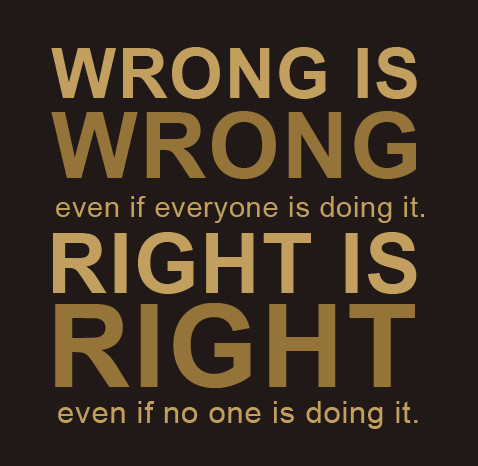 If there’s one thing that drives me crazy in this industry it’s the old “everyone is doing it so why aren’t we“? If the majority of the world operated that way we’d still be using rotary phones and pay phones, the internet wouldn’t exist, we’d listen to music on cassettes and CD’s and sports radio would be the red headed step child inside most clusters, operating on weak AM signals and seen as the first candidate to consider when the company contemplates a format flip.
During the focus group, the question was asked to a number of local listeners about their feelings on the station not being heavy with caller activity. I was confident that we were taking a smart approach and curious to see how local people were receiving it.
 When the room was asked to give a grade, nearly everyone of them said they were thankful that we weren’t operating shows that were built around local calls and they were tuning into the shows to hear the personalities, guests, bits and other ways we entertained.
Afterwards our group chatted and when the subject came up about callers, I was asked if I thought the same approach would make sense in some of the company’s other markets. I responded that while it made sense for us where we were, I wouldn’t take the same approach in some other cities where it’s clear that the passion for caller activity was higher. Case in point, Boston is a hot bed for great sports radio caller participation and not taking calls there wouldn’t be smart.
 As time passed, we’d eventually begin to take more calls on shows, specifically in afternoon drive where my host Damon Bruce was excellent at engaging with local people. Damon was also a solo show, which presents a different plan as opposed to working with someone.
For some of our other shows, which featured more than one personality, we stayed true to our content strategy while bringing in the audience when it made sense to utilize them. We also kept pushing reaction through Text, Twitter and Facebook because the amount of activity in those three locations was much larger than having six to eight phone lines lit.
When I began my career on-air, I remember the thrill of seeing the phone light up when something I was talking about generated a response. It’s an exciting feeling to know that something you say connected with a listener enough to make them respond.
 However, today there are so many ways to connect and as people listen less and deal with an avalanche of extra distractions, especially while they’re driving, it’s about providing content and making them feel like you’re providing them with insight, opinion and inside information that they can take with them to use with their friends, co-workers and family.
I think there are many factors to be considered when determining whether or not callers should be utilized to add value to your programming.
- How does your competitor operate and how are you presenting a different presentation?
- Are they driving your content or are you utilizing them as props to advance the content you’re discussing?
- How long are you keeping them on for? Is it an open bar conversation where the discussion lasts five to six minutes or is it a network approach where they’re on for less than sixty seconds?
- Are they making your personalities look smarter, funnier, more likable or are they adding a level of entertainment to the show that would be missed if it weren’t available?
- Is your host comfortable and interested in connecting with people? Do they operate better off-the-cuff or when they know what’s coming? Are they better served using a recorded call or taking it live?
- Who’s screening the call, coaching the caller and working with your talent to make sure the pace keeps moving and the show doesn’t go off the rails in a bad way?
One pet peeve of mine, if you’re screening a call, make sure the caller has the radio turned down before they get on-air. They’re not going to hear themselves in real time given the station’s delay.
Also, tell the caller not to ask your host how he or she is doing and simply be ready to dive into the conversation when they’re called upon. The host is fine or they wouldn’t be at work, and the goal is to keep the pace of the show moving, and advance the topic, not bring everything to a screeching halt.
I recognize there’s a big difference in audio entertainment value between reading a text or tweet and taking a good call, but there’s also something to be lost when you take a bad call as opposed to controlling the content flow and reading a short text or tweet.
 As a fan of both, I can listen to a host like Bernie Miklasz in St. Louis deliver a monologue and opinion for an hour, and not care less if he ever engages with a local listener. Yet if I’m in New York driving during the morning, I love hearing Craig Carton go at it with people and throw in some verbal jabs and one-liners to make the audience nuts.
I recall listening to Mark Chernoff talk about this subject last year in San Diego and he said something that stuck with me about the way Mike Francesa views his callers. He said “Mike’s view is that when someone calls the show, they go from being a listener to becoming a part of the show”.
I thought that made a lot of sense, and in listening to Mike over the years, that approach has definitely worked for him.
 If you’ve ever listened to Paul Finebaum he’s got a very similar approach which also has worked. His audience is at times delusional, hysterical and the entertainment value you gain from listening to him connect with his listeners is enjoyable to listen to. Some won’t like it, others will, but it works for him.
That doesn’t mean though that a host who doesn’t pound phone lines for 3-4 hours can’t be successful or create an excellent program. I’ve seen tons of talent operate that way and have a lot of success.
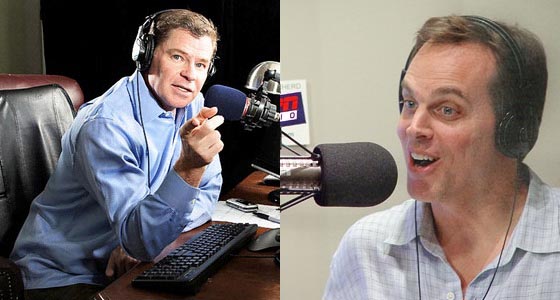 It’s sort of like trying to pick a favorite national host between Dan Patrick, Jim Rome and Colin Cowherd. They’re all great and for different reasons and you’re going to listen to them when you’re in the mood for their specific brand of content.
Many will listen to Dan Patrick for his interviews, others will turn to Jim Rome to hear him interact with his callers and Colin Cowherd’s going to be your destination for strong opinions and interesting viewpoints. All three have different styles and execute differently and that’s what makes them unique.
For every host like Francesa who sees the value in making the audience part of the show, there are others like Tim and Sid in Toronto who have a different approach.
 While their show has moved recently from radio to television, when asked about the transition to the visual side they responded by saying “Our radio show proved you could literally interact, without taking phone calls, with your audience and react in real-time to any news that is going on at the time, or whatever is hot and topical on that day. So now the question is how to take that to TV.”
This is a subject that we all have opinions on and while we’re all going to stay true to what we believe and enjoy, the truth is that there is no right way or wrong way to incorporate callers. Are they valuable to a show? That’s debatable depending on who you ask.
In my opinion, each situation depends on what feels comfortable to the on-air talent, what makes the brand unique in the local marketplace and what type of personality traits exist with your product and how valuable will they be to your on-air presentation.
In the end its all about entertaining the audience and keeping them listening. If you dedicate more content time to your talent or you involve your local listeners more and it works, who can argue with it? And after all, isn’t that the point?