Home Blog Page 709

Howard Kurtz Signs Off From Fox News’ MediaBuzz After More Than A Decade

5

After more than 12 years, Howard Kurtz has departed MediaBuzz, the Fox News weekend show focused on how the news media covers the daily happenings.

It was announced last week that Sunday would be Kurtz’s final edition of the show, with a new White House-focused program featuring correspondents Jacqui Heinrich and Peter Doocy beginning on Sunday, September 21st.

In his final edition of the program, Kurtz shared how proud he was of the program he built from the ground up.

“I’m happy to say that I’ve kept the show at number one every week for a dozen years with help from a very talented staff,” he shared, before noting that he isn’t departing Fox News. He’ll continue to serve as a political analyst for the network, contributing columns to Fox News Digital and his MediaBuzz Meter podcast for Fox News Audio in the process.

Howard Kurtz concluded his final episode by thanking the network for allowing him independence in how he delivered the weekly show.

“I’m proud of this program and equally proud of the fact that, by and large, Fox News has given me extraordinary independence,” he said. “The show begins right here in the brain area each week. I don’t have to clear it with anyone. I’ve worked at a lot of places, and that’s rare.

“But it’s really our audience that has kept MediaBuzz on the air. They like the old-fashioned approach of airing different viewpoints and giving people a chance to talk … So much television today is about picking a team and denigrating anyone with opposing opinions. Now, my approach can tick off both sides. I’ve been called pro-Trump and anti-Trump, often for the same comments … There are viewers today saying, ‘Alright, they finally got rid of that guy.’ And others who have told me that this is their favorite program anywhere. But I’ve had a pretty long run in a pretty tough business and, well, time marches on. I appreciate your being such a loyal audience.”

Barrett Media produces daily content on the music, news, and sports media industries. To stay updated, sign up for our newsletters and get the latest information delivered straight to your inbox.

NBC Sports 2026 Olympics Coverage Adds Emmy Winning Actor Stanley Tucci

0

Stanley Tucci is trading Hollywood sets for Olympic backdrops. The Emmy Award-winning and Academy Award-nominated actor will join NBC Sports primetime coverage of the Milan Cortina Olympic Winter Games in February 2026. Bringing his Italian roots and storytelling flair to one of sports’ biggest stages.

Tucci, also a New York Times best-selling author, will be on-site in northern Italy throughout the Games. His role will focus on showcasing the region’s cuisine, culture, and lifestyle. Featuring a travelogue-style segment airing in primetime on NBC and Peacock. The network hopes his approach will add depth and character to the broadcast, broadening its appeal beyond traditional sports fans.

“It’s been my passion to learn about the people of Italy by traversing the country and savoring its food. But this time, I’ll have a guest with me—the world,” Tucci said. “I’m excited to return to northern Italy as the Olympic Games brings the world to its doorstep. What foods will the world fall in love with? What favorites will be uncovered? How will Italy transform with the world as its guest? I’m excited to share it all with the American primetime audience in February.”

NBC Olympics Executive Producer Molly Solomon said Tucci’s name quickly came up during planning. “America has an affinity for all things Italian, and with his string of hit shows and best sellers, Stanley’s now the it guy on Italian culture in our country,” Solomon said. “His mix of cool curiosity and masterful storytelling makes him the perfect guide to dish on northern Italy’s culinary and cultural treasures. We can’t wait for him to make America hungry in primetime.”

Tucci has built a reputation for exploring Italian traditions on screen. His CNN series Stanley Tucci: Searching for Italy earned him two Emmy Awards, and his current National Geographic program Tucci in Italy highlights 10 regions across the country. His family traces its roots to Marzi, a town in Calabria in southern Italy, making this assignment both personal and professional.

While Tucci’s television work has leaned toward food and culture, his acting resume remains expansive. He has appeared in The Hunger Games series, The Devil Wears Prada, Spotlight, Captain America: The First Avenger, and The Lovely Bones, which earned him an Academy Award nomination. His career includes six Emmy Awards, two Golden Globes, and multiple nominations across film, stage, and audio.

The Milan Cortina Games will run February 6-22, 2026, marking the fourth Olympics hosted by Italy and the first Winter Games in the Central European Time Zone since Turin 2006. NBCUniversal, which holds U.S. media rights through 2036, will carry coverage across NBC and Peacock.

Barrett Media produces daily content on the music, news, and sports media industries. To stay updated, sign up for our newsletters and get the latest information delivered straight to your inbox.

iHeartMedia Extends Canada Partnership With Bell Media

0

Bell Media and iHeartMedia have extended their long-term partnership. This ensures that iHeartRadio Canada remains a leading destination for audio entertainment across the country. The renewed agreement builds on nearly a decade of collaboration, solidifying the companies’ commitment to delivering a broad mix of radio, podcasts, playlists, and on-demand content to Canadian audiences.

The partnership, first launched in 2016, has helped bring iHeartRadio’s brand to listeners nationwide. Through multiple digital platforms, including web, app, and automotive dashboards. Over that time, iHeartRadio Canada has grown into a robust digital audio platform featuring more than 360 licensed Canadian radio stations across 170 markets. Along with access to hundreds of thousands of podcasts.

“The creation of iHeartRadio Canada has been instrumental in evolving the digital audio landscape in Canada. Greatly expanding the choice of incredible content available to listeners,” said Dave Daigle, Vice President, Local TV, Radio, and Bell Media Studios. “The renewal of this successful partnership ensures iHeartRadio Canada continues to deliver exceptional content and innovative listening experiences to our audiences. Further solidifying our position as a leader in the Canadian media industry.”

As part of the extension, Bell Media will continue its role representing iHeartRadio’s expansive podcast portfolio in Canada. Creating new opportunities for advertisers to reach audiences through digital audio. That layer of inventory has become increasingly important as podcast consumption continues to rise across the industry.

Michael Biondo, President of Business Development and Strategic Partnerships at iHeartMedia, echoed that sentiment. He added that the renewed deal reflects “our shared commitment to delivering the best in audio entertainment to Canadian listeners and advertisers. In the years to come, we’ll continue expanding iHeartRadio Canada. Including innovative features, exclusive content, and unique opportunities for brands to connect and engage with audiences across the country.”

The updated agreement also ensures continued support for iHeartRadio-branded events in Canada. Which have helped extend the platform’s reach through live music and entertainment experiences. Those activations have proven to be a key differentiator for the brand. They will remain part of the growth strategy moving forward.

Additionally, the companies announced a series of new enhancements to the iHeartRadio Canada app beginning today. Among the updates are custom presets that allow users to save up to 15 favorite stations or playlists, a scan button to help sample stations nationwide. A live radio dial designed to mimic the traditional car radio experience. Other features include trending rankers for podcasts, playlists, and artist radio stations. Along with integrated song lyrics — a feature not currently offered by any other digital radio app in Canada.

The free iHeartRadio app remains available across iOS, Android, Google Assistant, web, and automobile integrations, ensuring listeners can access their favorite audio wherever they are.

Barrett Media produces daily content on the music, news, and sports media industries. To stay updated, sign up for our newsletters and get the latest information delivered straight to your inbox.

Vice President JD Vance to Guest Host The Charlie Kirk Show

0

Vice President JD Vance has announced that he will guest-host The Charlie Kirk Show on Monday afternoon.

The announcement comes after Charlie Kirk was shot and killed while speaking at an event on the campus of Utah Valley University last week. Vance has been vocal in his support for Kirk, and his family, in the aftermath of his slaying.

In a post to social media, Vance shared that he would helm the nationally syndicated radio show on Monday.

“I will have the honor of hosting The Charlie Kirk Show,” Vance wrote. “Please join me as I pay tribute to my friend.”

Salem Radio Network Vice President of News & Talk Programming Tom Tradup pointed out that Vance and Kirk were close friends, and that Vance has been an important shoulder to lean on for the family of Charlie Kirk after his death.

“The Vice President and Second Lady Usha Vance flew to Phoenix to be with the Kirk family immediately following last Wednesday’s assassination, and they also flew Charlie’s coffin home from Utah on Air Force Two,” noted Tradup.

The Charlie Kirk Show airs from Noon to 2 PM ET on the Salem Radio Network.

Barrett Media produces daily content on the music, news, and sports media industries. To stay updated, sign up for our newsletters and get the latest information delivered straight to your inbox.

Toast to 10: The 10 Most Important Columns I’ve Written Since 2015

0

The Toast to 10 series presented by Premiere Networks, is a month-long series looking back on 10 years of Barrett Media. Throughout the month, you’ll hear from those who’ve shaped the company, managed and created the content, read the site, and partnered with the brand between 2015-2025 to share how they’ve seen it play a role in covering the media industry and educating, celebrating, and challenging the business.

We are in the midst of celebrating ten years in business by featuring the perspectives of programmers, talent, former writers/reporters, etc.. It’s allowed you to learn how we are viewed by professionals across the media industry. As interesting as that may be for you, it’s equally rewarding for me. I’m always looking for ways to elevate our content and coverage. Later this month, I’ll share my thoughts on how we plan to do that moving into 2026 and beyond.

Barrett Media has been read, enjoyed, and valued by media members since 2015. I’d like it to continue for the next decade too, not just celebrate the past. But as I sat down at my computer to write this piece, I’ll admit, I didn’t want to. Charlie Kirk’s death last week has left an empty feeling and many questions. A week prior we united the industry at the BNM Summit and Barrett Bash. 7 days later we all witnessed a public assassination of a man who made his mark with his words and ideas. If it can happen to Charlie Kirk, it can happen to any broadcaster in any format.

I’ll share my 10 most important columns shortly, but I’d like to relay something I read and listened to last week from Charlamagne Tha God. He said, “I’m a media personality. I don’t want to live in a country where media personalities are being shot and killed for their opinions or what they believe, but I also know that as much as we like to point to the First Amendment and say we all have freedom of speech, we are not free from the consequences of said speech. There is a cost to everything that comes out of our mouth, and unfortunately, we don’t get to set the price.”

In the past week, we’ve seen the best and worst of humanity on our screens. I wrote about the media’s coverage of the Charlie Kirk shooting last week. Stephanie Eads and I have had many conversations in recent days about free speech and the consequences of it. We’re all entitled to say what we want, but in doing so, there’s a risk and reward of losing or gaining fans and relationships and business. Many people lost jobs last week by being hateful, insensitive, and/or distasteful. I’m no expert on how restaurants, universities or insurance agencies run their business, but in media circles, your words reflect on your employer.

I’m not here to tell anyone how to think, feel or act. Whether you loved or hated Charlie Kirk is up to you. I just hope you’re aware. Seeing good people lose jobs and careers over poor judgment isn’t fun.

Now here are the 10 most important columns I’ve written since 2015. If you wish to read any of them please click on the titles.


The 10 Most Important Columns I’ve Written Since 2015

#1 – The Next Chapter

This website began publishing content in 2014. It started gaining attention when I revealed on the site that I’d be leaving my role as program director of 95.7 The Game in San Francisco. I didn’t turn it into a business though until September 8, 2015. That is when I announced the introduction of Barrett Sports Media.

BSM
Photo Credit: Canva

This announcement received a lot of positive feedback. Few knew what it meant or how I’d make it work, but the support was overwhelming and important. There are articles on this site with better analysis, opinion, and reporting. None see the light of day if this piece is never written.

#2 – The Rise and Fall of David Field

When David Field exited as Audacy CEO, I knew I had to write about it. It was uncomfortable because I didn’t dislike David. He was good and fair to me. But if I didn’t write about it in an honest way, many would’ve lost respect for myself and the brand. The hardest part of being an industry columnist is that you can work with people and personally like them yet when situations arise where mistakes or changes are made, you can’t ignore them. I can’t challenge one company executive and then hide when others make news. Consistency and fairness matters. I’ve tried to provide that since 2015.

As expected, that column produced a ton of interest. To this day, it’s the piece most mentioned when I see others. Though I appreciate everyone reading it, my first question is usually ‘was it fair?’ I don’t know what David is doing now, but I hope we have a chance to chat someday. It may not have worked out for him with Audacy, and I’m pulling for Kelli, Chris and Jeff to make the company stronger, but I hope he’s happy and successful in whatever comes next.

#3 – This Fire is Out of Control and ESPN Can’t Put It Out

In 2017, I learned what it’s like to be in the line of fire of the largest sports company. ESPN went through a massive shift in how it discusses sports, weaving in more political commentary than fans were used to. Independent research, including a survey conducted by Barrett, showed fans were turned off. Many inside ESPN, Bob Iger included, rejected the feedback.

I received a lot of hate publicly and privately over it. A ton of support too. I hadn’t experienced like that at this point. Years later after announcing the hire of Jimmy Pitaro, ESPN acknowledged it may have been too quick to dismiss outside feedback. Since then, they’ve encountered a few controversies but nothing close to what existed back then. It’s good to see ESPN in a better place than it was in 2017.

#4 – Why Blackballing a Local Team is a Bad Bet

On August 16, 2017 I uncovered a story that gained nationwide attention. CBS Radio lost out on the radio rights to the Las Vegas Golden Knights. An internal memo then surfaced that told all employees they were not to to mention the team on-air or on social media. This was the first time ever that Vegas would have professional sports, and the decision by management put everyone in the building in a bad spot.

Entercom was in the process of acquiring CBS Radio at this time, and I knew they were evaluating which GM’s to keep. Pressing send wasn’t going to help folks in Las Vegas, but I knew it couldn’t be ignored. I sat down in a dentist’s chair, hit send, and 10-minutes later the 702 area code appeared on my phone while I was in the middle of receiving a filling. I tried calling back when I left the dentist but to no avail. CBS Radio quickly reversed the decision and called me to let me know. The GM didn’t make the final cut when Entercom chose its management team. I never felt good about that but it was unavoidable.

#5 – Artificial Intelligence is Going to Change the Media Industry

I’ve followed the AI rise for a while, but received my wake up call in April 2024 at the NAB Show in Las Vegas. After listening, watching, and talking to people about it, I wrote this piece. Some privately reached out thanking me for forcing them to take notice. Others shared their displeasure. Fear of being replaced was mentioned in most of the responses. What wasn’t was how to utilize AI to improve creativity and process, and maximize time.

In July 2015 I wrote a follow up column questioning if the media industry was ready for an AI Tsunami. I’ve spoken about it and have showed numerous examples at multiple Summit’s since. I’d like to tell you that I’m confident that we’re using AI to its full potential and we’ll adjust quickly as it gets stronger but I can’t. If there’s one thing I’m certain of, AI will be a big part of business and broadcasting during the next decade.

#6 – Making Sports Radio Better: Tackling the Issue of Diversity

I wrote this in November 2015, and it generated a lot of attention. It was and still is an important issue. Most trade publications concentrate on news, so sharing opinions on issues of this magnitude are uncomfortable for some. Not for me. I did the research, spoke to a lot of people, saw the issue receiving little attention, and after previously making diversity an important part of the brands I programmed, I felt I could tackle the topic and help make the sports format better. I’ve addressed the issue many times since. It’s not perfect in our business but it has improved.

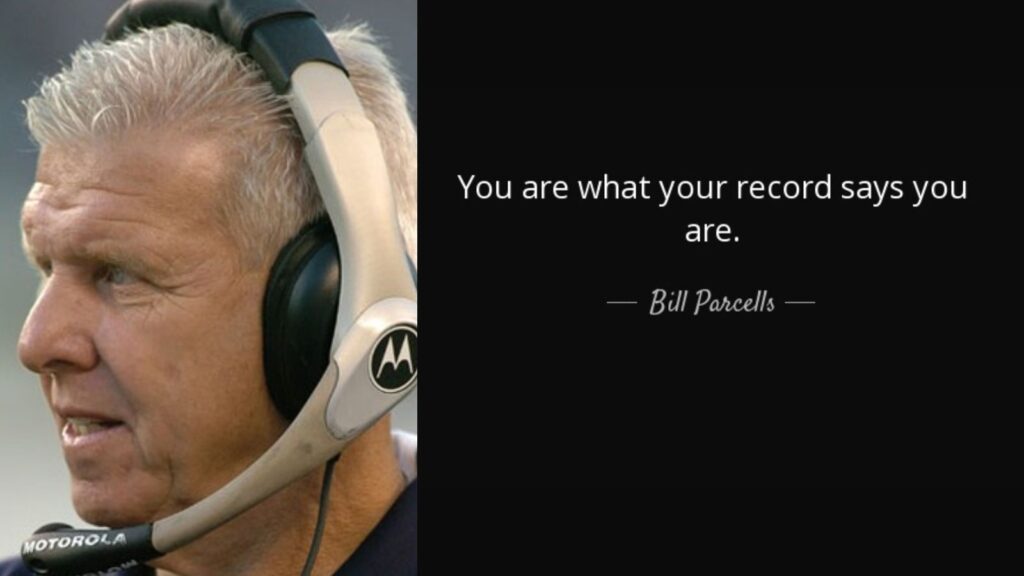
Bill Parcells
Photo Credit: https://www.azquotes.com/quote/711915

I’ve never believed that you should check boxes when hiring people. However, brands have to reflect their communities, and too many hire who they know and what they’re comfortable with. The best brands feature diverse voices, backgrounds, and ideas, which helps grow audience and business.

#7 – Divorce Was Inevitable For 95.7 The Game and the Oakland A’s

When the Oakland A’s and 95.7 The Game parted ways in October 2018, I knew I had to address it. I had inside knowledge of the relationship few had, and watched the franchise continue operating like a minor league team after I left. Mainstream outlets took notice of the story, which led to a few unpleasant phone calls. That comes with the territory when you share knowledge and a strong opinion.

Seeing a team executive use Twitter to ask for advice on the team’s next flagship radio partner, and the team post a celebration video as it removed equipment from the radio station reinforced why the club received secondary treatment. They have since left Oakland, struggled to gain support in Sacramento, and are counting on Las Vegas to save them. Some organizations just aren’t built for prime time.

#8 – Keys to Being a Good Interviewer

John Sawatsky was an incredible trainer for ESPN. He coached everyone at the network on how to execute a great interview. He also shared examples of where the best hit and missed the mark. His training was so good that I traveled back to Bristol, CT during my programming days to take it again.

I wrote this to help others learn what John taught myself and others at ESPN. I’ve had numerous professors at Universities reach out to let me know they use it to teach students. Interviewing is a skill that many fail to take full advantage of. For every Howard Stern and Dan Patrick, there are hundreds who prioritize moments over questions and fail to listen to and follow up on the answers they receive.

#9 – Facebook and X Have Changed the Rules and Media Brands Must Adapt

I’ve been covering social media since 2015. One of my early favorite articles was a piece I wrote examining how sports radio was thinking but not acting social. From 2015-2023, Twitter and Facebook sent a lot of traffic our way. By late 2023 and early 2024, things started to change. Reaching our readers with articles became difficult, resulting in less than 5% seeing our posts. I wondered if the same was happening to other outlets, and discovered, they were in the same boat.

Since then, you may have noticed a shift in what we promote on social media. There’s a lot more videos and images, and less direct links to content. That feels weird sometimes because the goal is to make sure you see a good piece of content that’s worth reading. But if platforms aren’t going to let you see it, there’s little reason to post it. I see many brands still posting on social as if it’s 2015. You can do that when you have millions of people following, not with a smaller audience.

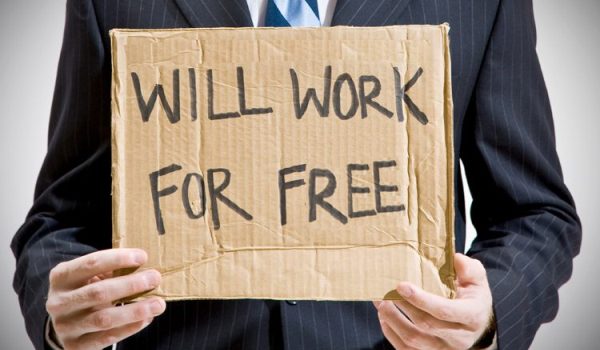
#10 – You Can’t Put a Price on an Unpaid Internship

In March 2021, Jane Slater put out a tweet looking for an intern. It was an unpaid position. The reactions across social media were vile and clueless. Rather than looking at the experience and what could be gained from it, reactions revolved around what should be earned financially for investing time in helping.

Unpaid Internship
Photo Credit: Canva

I wrote this to inform young people about the importance of gaining experience and relationships. Talent in this business is subjective. What one considers trash, another considers treasure. Those with connections and a willingness to work hard though tend to land in better situations. If you can make a fortune to learn on the job, awesome. But don’t discount the value of learning from successful people if compensation isn’t an option. Investing in and perfecting your craft when you’re young is a wise decision.

Honorable Mentions

Summit announcements and Top 20 reveals excluded, the arrivals of Barrett News Media and Barrett Media showcased business growth, but they weren’t content rich. Tributes created for Mike Francesa, Traug Keller, and Angelo Cataldi were. My columns on Tony Romo‘s debut, Nick Khan‘s leadership, the Barstool-ESPN marriage, Good Karma’s Land on Demand approach, ESPN Media Day, and Local Radio Needing an Annual Upfront all hit how I intended.

I thought my articles on Media Coverage Surrounding Charlie Kirk’s Death, Rachel Maddow’s Miss with Donald Trump’s Taxes and Business Survival Lessons From a NY Florist were important, though I wish the pandemic and Kirk stories weren’t true. Letting others use the platform to speak was also vital, and Craig Carton‘s piece on Tom Bigby especially stood out. Lastly, I enjoyed writing 15 Talents You May Not Know, Maybe Radio Should Follow Charlie Kirk’s Lead, How Important Are Callers, The 7 Myths of Sports Talk Radio, Sitcoms Not Movies, and How Fox Sports launched the WWE.

What I didn’t enjoy was calling out the Talkers Heavy Hundred, Podcast Movement’s treatment of Ben Shapiro, ESPN’s lack of attention on Radio, the KNBR-Adam Copeland mess, and Pat McAfee’s ESPN drama. Those stories produced some headaches but were necessary.

I don’t regret much of what I write. There are things I could’ve done better but when you publish 40,000+ pieces of content they’re not all going to be homeruns. However, if a spelling or factual error hits the site it drives me nuts. We once had a writer cover Barstool and make three big mistakes in one week. That sucked. I also could’ve done a better job myself on a piece reacting to comments from Bill Wilson. I pride myself on being well researched, but I missed something in that one. It was corrected later but I should’ve gotten it right the first time.

Closing Comment

Unrelated, Stephanie Eads, Dylan Barrett and I saw Three Days Grace and Breaking Benjamin perform last week in New Jersey. We then traveled to Hartford, CT yesterday to see Falling in Reverse and Hollywood Undead. If you’re into their music, and their tours come to your town, go! All four brands were incredible. I also recommend checking out the new 3DG album Alienation. It’s excellent.

Barrett Media produces daily content on the music, news, and sports media industries. To stay updated, sign up for our newsletters and get the latest information delivered straight to your inbox.

iHeartRadio’s Jon Zellner Details Why Radio Still Matters and How it Will Look By 2030

0

The following interview has been in motion for a few weeks. Jeff Lynn worked on this piece prior to exiting the company. My thanks to iHeartRadio’s Jon Zellner for making time to share his insights. I’d also like to thank Jeff for putting it together. I hope you enjoy the conversation. – Jason Barrett

BM: How would you describe your overall programming philosophy, and how has it evolved with the industry over the last decade?

JZ: At its core, my programming philosophy has always been about matching and exceeding listener expectations. Listeners come to us with certain assumptions about what our brand delivers, and it’s our responsibility not just to meet those expectations consistently, but to elevate them, with discovery, surprise and companionship and creating deep connections. It all comes down to relevance. The best programming meets people in the moments that matter, whether that’s their morning commute, their workout, or their downtime at night. But it also has to go beyond simply being there. We need to create experiences that feel both familiar and fresh: the right music, the right personalities, the right tone, but delivered with unexpected touches that keep audiences engaged and loyal.

Over the last decade, my philosophy has evolved as the industry has transformed. When I look back, radio programming used to be primarily about a linear, one-to-many experience. Today, it’s about building a 360° brand that lives across platforms – broadcast, streaming, podcasts, social media, connected devices, even events. It’s not enough to program for a single channel; the goal now is to create a consistent identity and experience that follows the listener wherever they choose to engage.

Another big change has been the shift from broad programming to personalized, data-driven experiences. Technology and analytics now allow us to understand our listeners in far more detail, which helps us make smarter decisions while still leaving room for the creative instincts that make programming an art form. Data sharpens our strategy, but it’s creativity that makes it compelling. I’d also say the role of the audience has shifted from passive to active. Listeners don’t just consume content anymore – they interact with it, shape it, and share it. That means programming has to include interactivity and community-building, giving audiences a real stake in the experience.

And, the way we work has changed. Where programming, sales, and digital once operated in parallel, we now thrive by breaking down silos and building integrated operations. That collaboration ensures that everything we create, whether it’s a radio station, a playlist, a podcast, or a campaign, feeds into a bigger ecosystem and maximizes impact. But through all of that, the constant remains the same: everything you do is a marketing decision for your target listener, so keep that listener at the center of everything, use data to inform, creativity to inspire, and always deliver more than listeners expect.

BM: In an era of streaming and podcasts, what do you believe radio can offer that still sets it apart?

JZ: I believe radio’s greatest strength is its ability to create a shared, live experience. Streaming is incredibly powerful for personalization and podcasts excel at depth, but radio delivers something neither of those can replicate: a real-time, communal connection. When something happens in the world, whether it’s breaking news, a cultural moment, an interesting topic on the way to work, or even just the weather, radio is there instantly, live, and local.

Radio also thrives on personality and companionship. A great radio host is a trusted voice, a friend, and in many cases, a reflection of the community they serve. That sense of immediacy and intimacy builds loyalty in a way algorithms can’t. And I’d add that radio remains one of the most accessible mediums—free, easy to use, and available everywhere. You don’t need an app, a subscription, or Wi-Fi; you just turn it on, and you’re connected. That universality, combined with radio’s deep roots in local communities and its ability to unite large audiences in real time, is what continues to set it apart even in a crowded digital landscape.

BM: How do you approach coaching or mentoring programmers across such a wide and diverse footprint?

JZ: It starts with listening. Every programmer, market and format comes with its own set of realities, and I’ve found that taking the time to truly understand those dynamics first is the key to meaningful coaching. From there, it’s about providing perspective, sharing best practices, helping identify growth opportunities, and often connecting programmers with peers in other markets who’ve navigated similar challenges.

One thing that has changed in recent years is the way coaching happens. It used to be more directive, but today’s programmers need context, collaboration, and the ability to think holistically about both content and revenue. Coaching now isn’t just about how the station sounds – it’s about encouraging programmers to think strategically about partnering with sales, and leading their teams in developing creative, revenue-generating ideas that still feel authentic to the brand.

BM: How do you envision the role of Program Director by the year 2030?

JZ: By 2030, I see the role of a Program Director evolving into more of a hybrid strategist than ever before – someone who not only curates compelling content but also manages how that content lives across multiple platforms. Programmers will need to think holistically about their brand as an ecosystem that spans broadcast, streaming, podcasts, smart speakers, social media, and in-car digital dashboards. The Program Director of 2030 will also need to be deeply fluent in data. Ratings alone won’t be the measure of success – PDs will have access to real-time engagement metrics, audience sentiment, and attribution tools that tie content directly to revenue. Understanding how to interpret that information and act on it quickly will be a core part of the job.

At the same time, the human side of the role won’t go away. Storytelling, creativity, and the emotional connection to the target listener will still matter, probably more than ever in a fragmented media world. The great PDs will be those who can merge the art and the science: using technology and data to inform decisions, while still trusting their instincts to create an experience that feels authentic and engaging. And, by 2030, PDs will be expected to be business partners as much as content leaders. That means coaching their teams to work hand-in-hand with sales, generating creative ideas that drive revenue, and ensuring that the brand is delivering value not only to listeners but to advertisers. In other words, the Program Director of the future will be a content curator, brand strategist, data analyst, and business developer.

BM: You oversee programming for hundreds of stations across multiple formats — how do you maintain consistency while allowing local stations to reflect their markets?

JZ: We maintain consistency by building strong foundations at the center – music systems, imaging, technology, and best practices so that every iHeartRadio station delivers on the core promise of superior quality and brand integrity. That ensures we’re efficient, consistent and recognizable no matter where or when someone starts listening. But within that framework, we give talent across the company the opportunity to reflect our local communities.

A great example is our recent Thank a Teacher program. This was a national initiative during the month of August where we invited listeners to nominate teachers for daily shout-outs and a chance at one of our $5k giveaways so teachers could stock their classrooms with supplies in the new school year. Every iHeart market across the country participated, so we had a single, unified promotion, but each station activated it locally by highlighting the teachers in their own communities. The response exceeded expectations – over 40,000 teacher nominations in four weeks and it resonated because it was consistent and personal.

BM: How do you measure success today — is it ratings, engagement, brand equity, or something else?

JZ: Our job is to create compelling content and strong brands that attract listeners, while delivering results for advertisers and revenue growth for the company. That’s why we look at ratings and engagement as leading indicators. Are our listeners there? Is the brand resonating? Are our promotions moving the needle for clients? Are our sponsorships and partnerships delivering value? Have we created new revenue streams across platforms? In short, ratings matter, engagement matters, and brand equity matters – but they all serve the larger goal of making sure our stations are not only loved by listeners, but also indispensable to advertisers.

BM: What’s something you think most people in radio are underestimating right now — either as a challenge or an opportunity?

JZ: Many people in our industry seem to be underestimating the pace of change in how audiences consume audio. Listeners are discovering us through smart speakers, connected cars, podcasts, and hundreds of different streaming platforms. The challenge is making sure we’re present and competitive in every one of those spaces, and at iHeart we are. The opportunity is enormous: if we continue to program with all those touchpoints in mind, we can extend the reach and relevance of our brands far beyond what was possible a decade ago.

Another area people tend to underestimate is the role of revenue creativity. It’s not enough to have a great station that people love; we need to constantly find new ways to turn audience engagement into business solutions for our clients. That means coaching programmers to think about integrated campaigns, brand partnerships, and unique promotions that work for both listeners and clients.

BM: How do you think about the role of music curation vs. data-driven decision-making when building a station’s sound?

JZ: Music curation and data-driven decision-making are complementary, not competing forces. Data is an incredibly powerful tool that helps us understand what listeners are responding to in real time, where the opportunities are, and how we can fine-tune our libraries for maximum impact. But at the same time, the art of curation is what makes a station distinctive. Data can tell you what people like, but it can’t always capture why certain songs fit together, or how a sequence of songs can create a mood, an identity, or an emotional connection. That’s where the programmer’s ear, instinct, and experience come in.

The best stations today are built on the marriage of both. We use data to sharpen our decisions and validate what we’re hearing from our listeners, but we rely on human curation to give the station its personality and soul. In other words, data gives us the map, but curation is what makes the journey unforgettable.

  • BM: With voice tracking and syndication so common, how do you evaluate whether a personality or show is still connecting in a meaningful way?

JZ: Voice tracking and syndication are powerful tools for efficiency and scale — but at the end of the day, the real question is: is the audience connecting? That’s the ultimate measure of whether a personality or show is working. Ratings give you one indicator, but they never tell the whole story. Engagement is the bigger piece. Are listeners interacting with the show on the air, on social platforms, and out in the community? Does that show outperform the rest of the station? Do clients see results when they align with that personality? Those are the signals that the connection is authentic.

It also comes down to relevance. Even in a syndicated or tracked environment, the content has to feel timely, personal, and real. The best talent makes you forget whether they’re live in the studio or not, because the stories, tone, and energy still feel like they’re speaking directly to the listener in real time.

So, I evaluate success through a combination of data, engagement, advertiser response, and the overall feel of the station. If a personality can still make a listener think, “They’re talking to me,” then the connection is meaningful — no matter where or how the show originates.

BM: What’s the best piece of advice you ever got about programming — and who gave it to you?

JZ: Many years ago, Scott Shannon gave me a piece of advice that I’ve carried with me ever since: “When you’re in a big market, sound small. When you’re in a small market, sound big.” At first, it sounds counterintuitive, but it’s brilliant. In a big market, the station should feel connected and personal. Large cities are really just collections of smaller communities, suburbs and neighborhoods. When a major station acknowledges those places, it creates real impact because listeners feel like their town matters. I remember when John Gambling at WOR used to read the school closings and if he mentioned my New Jersey grade school, I thought we were famous!

On the flip side, in a small market, the job is to make the station feel larger than life. Yes, you still sound local, but you also give listeners access to things they can’t get anywhere else – big cash contests, trips, concert tickets, lifestyle promotions. Those experiences should be presented in a way that resonates at the local level, but also surprises listeners who aren’t expecting a small-town station to deliver something on that scale. That balance – local intimacy in the big markets and larger-than-life energy in the small markets – has always stuck with me.


7 Thoughts on Charlie Kirk and News/Talk Radio’s Reaction

0

The death of Charlie Kirk stirred up thoughts and feelings for virtually everyone last week.

Here are seven things that came to mind:

1. We have often agreed that where social media is concerned, you do not have to post everything that you’re thinking, you have no obligation to comment on every story in the news, and silence is the safest option.

However, if you DO comment, remember, it’s only social media. Getting outraged enough to threaten someone’s job over a Xitter post ought to be reserved for the most egregious and extreme posts. Expressing dislike of the recently deceased is not in that category, yet there are lists being made of Charlie Kirk critics with the intent of hounding them out of work. They don’t realize that Charlie himself sought out opposing viewpoints; granted, he did so to “prove them wrong,” but naming-and-shaming his critics doesn’t follow what he did in life.

2. Lionizing Charlie Kirk and insisting “now is not the time” to criticize him is misguided. The list of controversial (racist, xenophobic, homophobic, Christian nationalist) opinions he espoused is a long one. You can’t ignore that, because that was who he was, not a generic conservative or a benign “great guy.” Most people are not immersed in political social media like you are. Those people probably never heard of Charlie Kirk before now, and feeding them all the positives without explaining the rest of his career or burying it is unfair to the people who are just now learning about him and his effect on American politics. Give them the entire picture, warts and all.

3. Nobody disagrees with the statement that no one should be killed for expressing their political beliefs. The trolls posting such things on social media are not representative of anything but their own mindsets. Ignore them. Decrying violence and noting that it is tragic that his wife and two kids are now without him is appropriate and human.

4. It is ALWAYS appropriate to wait before flying off the handle on anything in the news. Wait before identifying a suspect. Wait before proclaiming a motive. Wait before you report salacious details about the suspect’s personal life. Initial reports are often wrong, and you will not win any awards for being first, whether or not you prove to be correct. Just talk about what you know and hold out on everything else until there’s confirmed, solid proof.

At this point, we don’t even know a motive, or whether Kirk was shot for his opinions or some other reason. Assume nothing. Some random website isn’t an adequate source. Neither is a single national report. Confirmation is critical, especially in those early moments when there’s just confusion and a clamor for answers. You’ll get your answers soon enough.

5. On the other hand, news like this often brings out emotional responses from some folks, from gushing tributes to lacerating criticism. Try to understand that the impulse to have an extreme (verbal or written) response is human. Emotions run hot, filters are going haywire, and you may find yourself posting things that you normally wouldn’t. We ought to have amnesty for things posted within 48 hours of a major news story.

6. One thing to watch is how long the story remains atop the news. It’s sort of a social experiment. In this age, when news stories come fast and furious seemingly 24/7, will this one be talked about for a long time or will it be pushed back and largely forgotten as soon as the next big story hits?

It seems like the news media, and by extension the public, move on a lot faster than back in the day. School shootings have gone from lead story to below-the-fold in a shockingly short time. On the same day Charlie Kirk died, a Denver-area teen shot two students and then killed himself, not far from Columbine. You may have missed the coverage of that incident. There WAS coverage, but it was easy to miss. Anyway, follow these stories and note when the media and the public move on to the next story.

7. Don’t even THINK about saying that you hope cooler heads prevail and the discourse should be more respectful if you’ve just spent the last decade calling the other guys names. You are one of the reasons that’s not going to happen. You started the fight, and you don’t get to act like it never happened.

It’s been a tough week all around. The world needs a vacation, or at least a pause in the action. Too bad we can’t have that.

Barrett Media produces daily content on the music, news, and sports media industries. To stay updated, sign up for our newsletters and get the latest information delivered straight to your inbox.

Where Max Kellerman Stood Out and Flopped in Return To Boxing Commentary on Netflix

0

Like many around the country, I was there for every second of the Canelo Alvarez and Terence Crawford fight night on Netflix. There’s simply nothing like a big fight night in Las Vegas that harkens back to the glory days of the sport’s past. At 44 years of age, I remember what Tyson vs. Holyfield felt like. I recall the days of Floyd Mayweather’s era dominating national attention. Max Kellerman calling fights alongside Jim Lampley provided the sounds of a generation.

Saturday night’s “fight of the century” was filled with jabs, crosses, and uppercuts. Despite not a single knockdown from any fighter in the bouts broadcast worldwide on Netflix. The broadcast was clean—welcoming in the fight fans of yesterday and today, while ushering in a new age of viewer to the sweet science.

While the night had the feel of the past, the evening also showcased what boxing lacked: attention. The attention that once captured a nation through dynamic personalities was lost in the execution of the evening. Only for the commentators’ narrative to be, “Welcome to the golden age of boxing.” Did I miss the memo, or is this a perfect example of boxing attempting the illusory truth effect?

There’s an old saying. If you say something repeatedly, then over time people will believe it—whether it’s true or not.

Saturday night’s broadcast on Netflix understood that they would have the eyes of the world on this bout. The team of Jon Anik, Andre Ward, and Max Kellerman was outstanding in calling the in-ring action of every fight. The analysis from Skipper Kelp was on point all evening regarding the scorecards. Including the tight windows of opportunity each fighter had to capitalize on the card.

There was even a Michael Buffer sighting. With his classic “Let’s get ready to rumble” line prior to the main event. The evening had it all for fight fans who hadn’t watched the sport for many years.

Don’t Preach To The Audience

Outside the in-ring action, viewers were treated to lectures from Kellerman. Who is regarded by many as one of the most knowledgeable people in the sport. He knows its history, he knows its present. But the future tales of what could be from Kellerman left many shaking their heads.

Kellerman is the one who defends the health of the sport when questioned on its vitality.

Earlier in the week, Kellerman got into a war of words at the pre-fight press conference. He called Dana White, who was the lead promoter for Canelo vs. Crawford, the greatest fight promoter in his lifetime. He then told the crowd that the reason why boxing isn’t as popular anymore is because of what White built with the UFC—before attempting to spin it back to the fight he was promoting, saying White is attempting to do with boxing what he did with the UFC.

Then he was interrupted mid-sentence by Canelo Alvarez defending the sport of boxing as “bigger than big.”

Talk about an uncomfortable situation, created by Kellerman speaking the truth about why boxing is not the sport it once was.

There can be debates about the health of the sport. But the single biggest draw outside of what happened Saturday night has been any fight Jake Paul has been involved with. That should tell you all you need to know about the health of the sport right there.

Spin Doesn’t Mean Attention

Regardless, you could tell Kellerman was trying to save his skin on Saturday night in his commentary regarding the health of the sport following the end of the main event. With tears in his eyes, Kellerman called Terence Crawford the Michael Jordan of his era in the sport.

If five fights in five years makes you the Air Jordan of the sport, what was the top memory of it for the sports audience? I’ll wait for your responses.

Then Kellerman went on to say that the hope of the Canelo vs. Crawford event would be the moment that kicked off a “golden era of boxing.” He credited Saudi promoter Turki Al-Sheikh for having the resources (money) to make events like Canelo vs. Crawford happen.

He then spun it back to Dana White and how he built the UFC into a massive success. Kellerman closed his thoughts by crediting Nick Khan of WWE and the global platform of Netflix for starting a new era in the sport of boxing.

It’s a weird dichotomy for Kellerman to state in one sentence that the UFC has taken the shine off the sport of boxing, only to say days later that Saturday night is the kickoff of the golden age of boxing.

How is that even possible?

The Power of Personality

Boxing is built on the same bedrock that any fight sport is built on: personality. Audiences will only grow if the personalities of the sport cut through the noise of the day-to-day sports media ecosystem.

What made McGregor vs. Mayweather was the personalities presented—a crossroads of the sweet science and the sport that robbed it of its funding. Tyson–Holyfield was built on personality, shock and awe, and immediate interest because of its shocking nature.

That’s why any fight Jake Paul touches turns to gold: personality. Fans desire to not give him credit for anything while wishing he’d be knocked out against a “true fighter.” In the attention economy, you need personality to earn attention. Boxing simply doesn’t have it in Kellerman’s current “golden age.”

What Saturday night lacked in the months of promotion leading up to it was personality. Two focused fighters didn’t grab the attention of the country with the words they said, nor the actions they took. The slew of advertisements and cross-promotion with the UFC and WWE is what drove the attention for the fight, showing how diminished the shine on the sport truly is. If you’re using the larger entities with bigger personalities and attention on their products, what does that tell you of your sport?

Kellerman’s failure on Netflix Saturday night didn’t overshadow his performance on the mic during the bouts. He’s a conductor, crafting his symphony while telling the tale of two men taking risks for the entertainment of us all.

Where Kellerman faulted was in telling the audience it’s sunny outside when it’s been a couple of decades of rain. A clear example of the illusory truth effect—because boxing’s “golden era” lost its light far too long ago, no matter how many times they’ll everything’s fine.

Barrett Media produces daily content on the music, news, and sports media industries. To stay updated, sign up for our newsletters and get the latest information delivered straight to your inbox.

From Nostalgia to Modern Heritage: A Smarter Strategy for Radio Brands

0

We work in formats that are based in nostalgia. That’s a good thing, right? I mean, c’mon, it’s a perfect situation. The world is unsettled right now. Traditionally, in more turbulent times, people look to comfortable things, like the music we play on our stations. And according to a recent Brandwatch article, author Emily Smith says, “nostalgia throwbacks are shaping audience engagement.”

Smith writes primarily about the return of pop culture from the ‘00’s: the Twilight movies bringing sparkly vampires back to the big screen; My Chemical Romance going out on tour; last year’s resurgence of Tamagotchi’s. She points out that what drives nostalgia is that people who were kids in that era now have money to spend and big brands are aware and want to tap in.

That has always applied to Classic Rock, Classic Hits and Adult Hits. Original fans of this music have serious spending power. So do several generations of fans who have discovered the music over time since the original releases.

So, it seems like everything should be rosy for a group of nostalgia-friendly stations like ours. That’s it. Column over. Have a great week. Except for this Fast Company article with the headline, “Nostalgia is an Overrated Brand Strategy. Here’s What to do Instead.”

This post by Mike Perry, the founder and Chief Creative Officer at Tavern, a global creative agency, points out that tapping into nostalgia for marketing is a nice moment but it’s fleeting. “Nostalgia is novelty, and novelty, by definition, doesn’t last.” And since it’s an instant not a strategy and over-reliance on it can do more harm than good.

The difference, he says, is connection. He points to recent examples when the Coca Cola company focused on reviving Cherry Coke and Kellog’s in Canada went back to classic mascots to promote their breakfast cereals. Perry says both hit him in the feels for a minute, but then he moved on. Neither campaign told a story he could relate to or helped him bridge the gap between what the products were – which he remembers fondly – and what they are today.

Instead, he recommends the idea of focusing on “modern heritage”. That involves going into a brand’s history to uncover what made it resonate in the first place. Then, when you understand that, retool it for today. Don’t just bring back old stuff, make your brand’s history useful again.

Photo Credit: Sizzler on Facebook

An example is the recent rebranding of the restaurant chain Sizzler; a project Perry was an integral part of. It wasn’t about starting over, but working with what already existed including, “a family-first spirit, and a charming mid-century mascot.” Taking those elements and making them feel contemporary is different than just tapping into nostalgia. To do this for your brand Perry makes several suggestions including looking for the story not just the aesthetic. Every radio station has a story and generally there are listeners who are happy to tell you about it.

Maybe as we start to look ahead to 2026 it’s time to look back at what has mattered over the years for your station. Beyond the music consider talent, features, promotions, charity events, and anything else that listeners still talk to you about. Then consider how you can tap into those elements and contemporize them for today’s audience to convey important messages about the brand. That’s modern heritage and it’s much stronger than nostalgia.

OK. Now the column is over. Have a great week.

Why Both Radio and Nielsen Need to Prioritize Cume Instead of AQH

0

In the last two columns, I’ve suggested that the radio/audio audience measurement system from Nielsen is outdated. I’ve covered some of the data collection issues and made suggestions. This week, I’ll offer some thoughts about metrics.

Keep in mind the goals for an updated system:

· Simplicity, meaning fewer metrics but not necessarily a simpler collection system—in other words, simpler for transacting business
· Incorporating multiple data sources and “big data”
· Eliminating the diary service and using PPM everywhere
· Most important: a less costly system

Before you think that I’m suggesting we tell Nielsen Audio to get lost, I’m not. Nielsen is likely to be with us for many years to come. If another company wants to challenge them, so be it and welcome to our world, but this is not a “F— Nielsen” screed.

Now that I’ve offered a template for data collection, what metric should be reported and become the new radio currency? The advertising world is moving to “impressions” (you could argue that I should have used the past tense of “moving”), a term I’ve never fully understood because I thought that’s what we were selling all along. Selling access to an audience of an agreed-upon size based on estimates supplied by a trusted neutral third party creates impressions. As someone who grew up in a Kodak family, that’s like calling a “picture” an “image.” Perhaps you say “12” and I say “a dozen.”

Last week, I buried the average quarter hour measure (AQH). The funeral was lovely, with lots of tributes from radio people. You should have been there—or at least you could have sent flowers. But if we don’t trade on AQH, then what?

The key word in AQH is “average.” When you look at the AQH for any station for a daypart/demo, it’s an average of the estimated audience for all the quarter hours (QHs) in that daypart. Some QHs have more audience and some less, but in nearly all cases, the advertiser is buying the average, not the audience in the quarter hour in which the spot ran. For example, a spot in morning drive is bought and sold based on an AQH estimate for morning drive. If the spot runs at 6:50 AM, it reaches one size of audience. A spot at 8:20 AM reaches a different size audience.

Cume has similar properties. It’s the number of different people in the desired demo that can be reached during that daypart. You won’t reach them all unless you buy one spot in every quarter hour of that daypart, which entails a great deal of wasted spend on the advertiser’s behalf as well as a lousy experience for a long listener.

My suggestion is to make cume the de facto metric and report cume for every quarter hour throughout the day. Dayparts will look exactly as they do today but without the AQH metric. Nielsen and/or a competitor can report cumes by daypart as well, just as is done today.

The next question is qualification. Today, PPM requires three non-consecutive minutes within the clock quarter hour, and the diary service requires five consecutive minutes within the clock QH. My suggestion is that any minute within the quarter hour counts toward the quarter hour cume estimate. Yes, one minute gets you the quarter hour cume estimate.

Your first reaction might be, “Huh? You want to turn one minute into fifteen?” Any estimate from Nielsen, Eastlan, or any other source is just that—an estimate. A spot runs at a given time, and the audience varies every single minute—and it’s probably fair to say every single second. That’s before we account for the large amounts of sampling and non-sampling error involved, which we rarely do. Like all estimates, these are guides and offer a basis for buyer and seller to agree on pricing.

While my vision may seem cloudy to some of you, this is a system that uses the PPM panels in place today combined with streaming data (Nielsen can do it or license it from Triton), DTS AutoStage (again, licensing), and potentially other data (cell phone sample through apps, etc.). Next, much of that data would be “adjusted” using the PPM panel to “calibrate” the big data. It’s not easy to do. Nielsen has jumped through a lot of hoops to get their big data plus streaming system into the video service, but there are smart people out there who can figure it out.

Is this a perfect solution? Of course not. Some formats would likely argue that their appeal is for longer listening and that there is an upward bound on the format. For example, any Spanish-language format is likely limited to people who speak Spanish. It’s tough to build cume beyond that point. The same goes for urban formats, while CHR has always been a cume format with lower TSL. That’s mostly true, but those “limited” formats also “super serve” an audience that isn’t easily reached any other way.

Initially, I thought I’d be done with putting my thoughts out there this week, but there’s more to say. For example, in a cume-only world, how do programmers evaluate and make adjustments? Would the proposed changes eliminate certain formats as PPM did to Smooth Jazz? And most importantly, how do we move forward to a new reality, whatever it may be?

Let’s meet again next week.

Barrett Media produces daily content on the music, news, and sports media industries. To stay updated, sign up for our newsletters and get the latest information delivered straight to your inbox.