In the radio industry there is a constant pressure to succeed. Whether it’s a boss stressing the importance of increasing your ratings, a sales manager pushing you to meet and exceed your sales budget, your host demanding you step up your performance on booking better guests or your digital team challenging you to grow your brand’s social media following, the bar is constantly high and the internal and external pressure to achieve higher results is always hanging above our heads.
But what is the real meaning of success?
 By definition it is the accomplishment of an aim or purpose. Many people seek success for their brands and themselves but not everyone can describe and explain what the process and result looks like. Anyone can walk into a room and say “we’re going to be the #1 destination for sports talk radio in this city” but is that goal realistic? Is there a plan of attack to achieve it? What’s the timeline necessary to achieve that goal? What are the smaller wins along the way to keep the team on track? There are many factors that have to be considered before one makes that bold statement.
Over the years I’ve been asked this question by hosts, listeners, consultants, general managers and corporate bosses and I usually say that success depends on what you’re trying to accomplish either individually or as an organization. While I have my own set of goals and strategies and am going to push my teams to reach a certain level of performance that I believe they’re capable of, for each individual and company it can have a very different meaning. Rather than leave it to interpretation, I believe it’s important to outline what success should look like and how you’re going to achieve it before a plan gets put into action. That allows others to absorb the message and get behind it. It also needs to be reinforced every step of the way so the team doesn’t lose sight of the goal.
 I can recall one time during a staff meeting asking my crew to list on a sheet of paper what matters most to them when it comes to the job we do. Some people were motivated by money, some by being #1 in the ratings, some by getting to go to games for free and building relationships with teams and players and others by other things. While everyone has different needs and desires and performs based on helping themselves achieve that point of personal happiness, they also need to know the team goal and do their part to help achieve it. It’s ok to have players on the team who want to be seen as the MVP of the club just as long as they understand the team goal and do everything possible to help the club achieve it.
This subject has always fascinated me because it means so many different things to different people and departments. I’ve been lucky enough to identify, measure and achieve a lot of success in my career because I’ve had the chance to build brands from the ground up and help them reach their ultimate destination. That’s only happened though because I was surrounded by the right people and we had a collective understanding of what we were trying to accomplish and which roads we’d need to explore to help reach our goals.
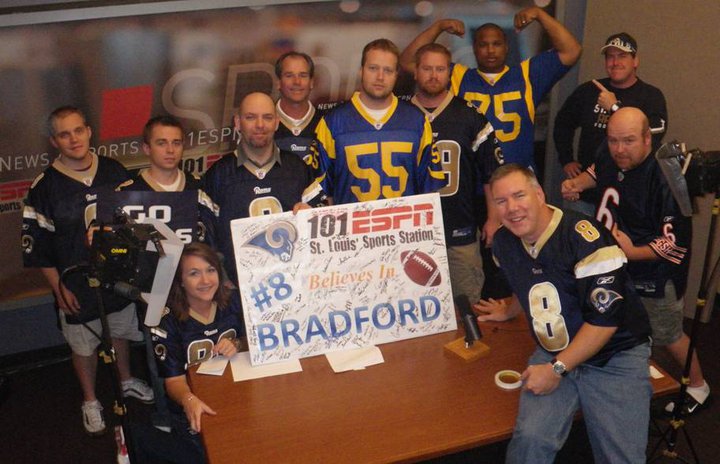 Case in point, in St. Louis, when I was part of the group which helped build 101 ESPN, the focus was to become a top 5 rated radio station with Men 25-54. The feeling was that the revenues would follow if we built a strong brand which delivered powerful numbers. We started out by partnering with ESPN to provide instant credibility and branding to the radio station. We then signed a few local personalities to help us start off on the right foot with local listeners. Next we secured the rights to the St. Louis Rams to help us add cume, marketing, access and a big brand feel that we felt was necessary to make the radio station a destination in the marketplace.
As we grew the radio station, every step we took was taken with the intent that we were creating an amazing product that was capable of being a top 5 ratings performer and could consistently stay in that space. Every meeting we had internally, we reinforced our goals and examined where we were and what the next steps had to be. If certain things weren’t working and were holding us back from reaching our goal, tough calls had to be made.
Because the on-air talent, sales team, digital team and contributing members of the radio station felt valued and supported and understood what we were trying to accomplish and how important it was to the company, they were willing to work hard and invest themselves in helping us reach that goal. Once the radio station hit its mark after its first year on the air, things never slowed down and to this day it’s one of the top performing stations not only in the St. Louis market but throughout the entire sports radio format.
 Using a different radio example, during the 2000’s, sports radio station 790 The Zone in Atlanta was a great brand which didn’t deliver ratings. The talent on the air was excellent, the promotions and events that the radio station created were top notch yet the Arbitron numbers were miniscule. The lack of numbers was attributed to a poor signal, the market not being a passionate sports town and having a solid competitor in 680 The Fan.
While I’m sure everyone involved with The Zone wanted to deliver bigger numbers, the brand’s success wasn’t measured by the highs and lows of Arbitron. Instead they focused on being a dominant sports marketing company that used content, events and creative campaigns to deliver results for clients which led to large revenues for the radio station. By taking that approach, the same radio station with very low ratings billed over 14 million dollars annually. If the company’s definition of success had revolved around ratings despite their signal challenges, competition and a weaker sports climate, the brand would have been seen as a failure and people inside the building would’ve felt defeated. Because they concentrated their efforts in a different way, they had an exceptional run.
 One of the toughest challenges in my opinion is defining success for a national show. When I worked on “The Dan Patrick Show“, one day we’d receive praise for being up in the ratings in Dallas and Los Angeles while the next day we’d be answering questions for why we were down in New York and Chicago. That’s not easy to understand or explain at first but when you perform a show for hundreds of cities each day, you’re going to receive mixed reviews because not all markets are the same.
That said, on a national level you’re also going to have certain people who define your show’s success by how many markets you clear. Others are going to measure success by how much inventory was cleared so advertisers were satisfied. Some folks will care more about your ability to deliver strong ratings inside of the top 10 markets and others will determine your worth by how well you juggle multiple roles inside the company. There are numerous messages to digest and it’s not easy but that’s why Mike and Mike, Dan Patrick, Jim Rome and Colin Cowherd are in those spots because they can handle and excel at it. I have a lot of respect for all of them because they’re able to constantly adapt to a line that’s always moving.
 If you spin it outside of radio to professional sports the same principles apply. For example, every NFL team wants to win the Super Bowl in 2016 but while that may be realistic for teams like the Patriots and Seahawks, if you’re the Browns, Buccaneers or Jaguars that’s setting yourself up for failure. Should they want to reach for the top of the mountain? Of course! But going from 2-3 wins to a championship in one year isn’t realistic.
Should the next step be to double or triple the team’s win total from the previous season? Is it contending for a playoff spot into December? Is it winning the division? Each of those teams has to have a realistic sense of where they are today and how they can improve tomorrow before they can take those next steps and start talking about a championship. For the Patriots and Seahawks they can expect to chase the ring next year provided no major injuries occur but for those other 3 clubs, that title opportunity is likely a few years away, assuming they continue making the right moves to put themselves into that conversation.
 In my opinion, before you have success you must know your identity, the likes and dislikes of the marketplace and where the opening is to carve your niche. Once you do, then you can craft a realistic game plan and timeline to help your product achieve the goals you desire. You’ve also got to be willing to adjust your plan as you go because what looks good on Day 1 isn’t always the path you take on Day 366. The look of a team at the finish line is always different than the group you started the race with.
If you look around the country today, some listeners, colleagues and individuals involved with certain stations measure their success based on whether or not they beat their competitor. While our ego’s are large and the thought of losing to someone else drives all of us nuts, if the goal is to be a top 5 station and you’re #2 and your opponent is #1, does that not mean you’re successful? If you’re working for a station that can’t generate strong ratings yet your company is crushing it in revenue and everyone’s making a great salary, earning bonuses regularly and receiving an annual raise, is that not a success?
 Nobody hates losing more than yours truly. I want to be #1 every single book but when you think of the two examples I just provided in the last paragraph, it’s very difficult to say those brands wouldn’t have been described as being successful. There are many different ways to skin the cat and depending on your position, department, brand and company, the word success can have a very different meaning, including to many people inside of your own building. Make sure everyone involved in your organization knows and understands what you’re trying to achieve and how they can support you in your quest to have success and before you know it you’ll be on your way to hitting your mark!
In bringing this column to a close here are 10 things to think about when it comes to setting goals and creating success:
- Outline The Vision & Timeline – Make sure the goal, game plan & process is clear to all & get confirmation that it’s a mark that can be hit
- Be Realistic – Don’t oversell, it’s better to start slow & ramp up than to create a set of expectations that can’t be met, know what’s real
- Set Short-Term & Long-Term Goals – Measure your growth, the more challenges you conquer along the way, the more confidence you gain
- Review Your Strategy – Examine where you are, if the plan is working & if adjustments are necessary, don’t be afraid to change if it feels wrong
- Re-State The Goal – Pound the message home repeatedly & keep the team focused on the task at hand, the goal should be known by everyone
- Reinforce The Positives – People battle harder when they’re acknowledged for achieving small victories along the way, praise their progress
- Eliminate The Excuses – Don’t apologize for expecting success & don’t accept excuse making, winners keep on working & overcoming obstacles
- Celebrate The Wins – We get caught up in the process & forget to enjoy it, often feeling unfulfilled when we reach our goal; allow the excitement in
- Be Proud, Stay Humble – Don’t let the wins inflate your ego beyond repair yet recognize what you’ve done & appreciate it, make it easy for others to root for you
- Keep Raising The Bar – Success is never final, with each win comes an opportunity to do something bigger, keep challenging yourself & see where your ceiling is