

Businesses are racing to make online experiences faster and smoother, and quick sign-in features have now become the norm. With everything from one-click shopping to biometric logins and pay-by-face systems in retail available, today’s consumers are moving faster than ever. As speed improves, though, questions about safety are surfacing just as fast. While convenience might win customers, it also opens doors to risk and possible fraud.
The Trade-Off: Fast Access vs. Security
Many industries are experimenting with ultra-fast login systems, especially where money moves quickly. From ride-sharing apps to buy-now-pay-later platforms, rapid authentication methods are being used to remove any pause between desire and transaction. These methods often skip traditional ID checks or only ask for minimal user input. Great for speed, but occasionally risky.
A telling example comes from the online gambling world. Some platforms, particularly casinos with no identity checks, now allow users to deposit and play without the usual registration friction. These no-KYC services often appeal to crypto users and players who often gamble on their phones and want privacy and fast access.
The Rise of One-Tap Commerce
eCommerce giants like Amazon and Apple have been pioneers of simplified login and checkout flows for a long time now, aiming to make purchases almost invisible. In these cases, user data is stored securely, but that’s based on an assumption that the customer’s device is safe and that their credentials haven’t been stolen or sold.
This assumption is also true for platforms that offer “sign in with Google” or “sign in with Apple.” While users don’t have to remember a lot of passwords, they are tying many services to a single point of failure. If someone gains access to their Google account, that person could walk through several digital doors without much resistance.
In sectors like fast fashion or digital subscription services, the easier it is to sign in, the quicker the sale. These shortcuts make users more vulnerable when data leaks happen, which they do, frequently.
Biometrics: Trusting Your Face or Finger
Biometric logins are more common, especially on mobile. Face ID and fingerprint recognition are said to be safer than passwords, and in many cases, that holds up. Unlike passwords, biometrics can’t be guessed or phished. Still, they can be manipulated.
There have already been incidents where early facial recognition systems were fooled by photos, masks, or even twins. Once biometric data is compromised, it can’t be changed. You can update your password, but not your face. This is why some security experts argue that biometrics should be a part of multi-factor systems, not a stand-alone key.
Despite the risks, industries like banking and fintech are using biometric ID systems for both authentication and fraud detection. It’s not a magic fix, but it is a step forward in usability.
The Psychology of Fast Sign-In
Speed can be a psychological tool. Marketers know that every second of delay increases the chance a user will abandon the process. That’s why pop-up windows ask users to sign in with saved credentials, and why shopping carts remember your preferences long after you’ve closed the tab.
Quick access lowers the friction between want and buy, but that same speed can bypass the normal thought process that might prevent impulse purchases or unsafe transactions. Users don’t always take the time to read privacy policies or understand where their data is going. If the login is too easy, people may not even realize they’ve opened themselves up to risk.
Riskier Niches, Bigger Rewards?
Certain digital niches, like the crypto sector, digital collectibles, and adult content platforms, are more aggressive in trying to achieve frictionless entry. On these platforms, users often want anonymity and fast access over regulatory compliance, and these industries push boundaries by offering near-instant access. Sometimes with decentralized logins or no traditional credentials at all.
People who value privacy appreciate this, but it also presents a goldmine for identity theft and money laundering. Without careful design, a fast system can become a dangerous one.
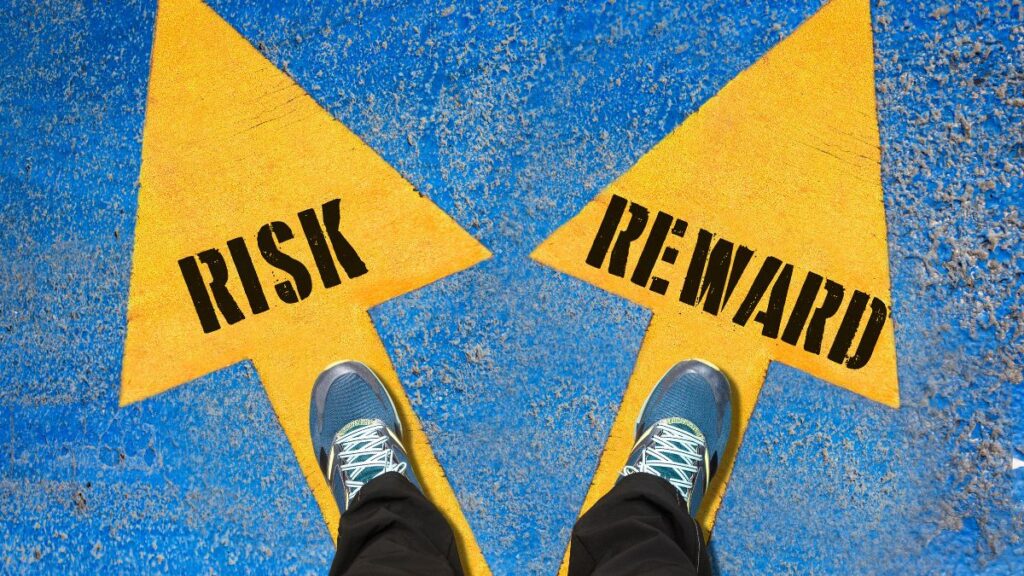
That’s why many are calling for a middle ground: fast logins that still involve some behind-the-scenes vetting, or real-time checks that don’t bother the user but still guard the gates. Several new startups claim to use AI to scan for unusual patterns or detect when a login attempt feels “off.” These invisible checks might be the compromise the industry needs.
Where Media and Retail Converge
As media platforms add subscription layers or sell merchandise directly, the pressure to adopt faster login flows is growing. Whether it’s logging in to read an exclusive article, buy branded gear, or tip a podcast host, the fewer steps, the better. That means media companies are now playing in the same sandbox as retailers and app developers.
The challenge becomes balancing audience experience with safety. No brand wants a breach tied to its login portal. That’s why some companies are taking a page from the retail sector by offering limited guest access, partial paywalls, or timed sessions instead of always-on, account-based access. It’s not as sleek, but it helps build a line of defense.
The Legal Grey Area
In the U.S., there’s no unified federal standard that governs how fast or secure a sign-in process must be. It’s mostly up to the business to decide how much risk they want to carry. Some industries have state-level rules or guidelines, especially those tied to finance or healthcare. Others operate in a legal fog, doing whatever gets users in the door fastest.
While that flexibility is part of innovating, it’s also part of the problem. Without clear rules, the balance between speed and caution becomes a guessing game. Consumers are expected to manage their own safety, often without knowing the risks involved.
Conclusion
There’s no going back to slow sign-ups and clunky password screens. Fast access is here to stay. Still, companies and users should think twice before choosing convenience over caution. From no-KYC casinos to one-click purchases and face-ID logins, the pressure to reduce friction has made digital life faster, but not always safer. In a world where trust is currency, it’s not just about how fast users get in. It’s about who gets in and why.
