

Super Bowl LX radio row in 2026 is a perfect example of the evolution of the concept. What began as a handful of sports radio stations has morphed into a collection of sports radio, media, podcasts, influencers, and sponsored content that often houses the biggest stars of the week. When brands like Bounty and Toyota have larger setups, more mass appeal, and producing content of their own for an unknown audience. It’s fair to question what is radio row all about now and moving forward?
Navigating the row for a second day, one singular conversation kept coming up among most I spoke with, a conversation that typically stays inside station walls back home. Is the trip still worth it? When I spoke with Mike Francesa, who many credit with inventing the concept, he admitted feeling depressed about what radio row has become.
Radio row is not what it once was. No one disputes that. However, for those who make the annual trek, especially when their local team isn’t involved, the cost is reaching a point that many simply can’t justify moving forward.
Super Bowl radio row is about more than what gets produced at the tables. There are opportunities at Super Bowl Opening Night every Monday before the game. Media parties offer the chance to run into familiar faces outside the convention hall. This year also includes the Pro Bowl Games, now held on site at the Super Bowl location.
Another cherry on the Super Bowl sundae.
What’s been missing in recent years is the once-in-a-lifetime access radio brands used to enjoy during Super Bowl week. Too often, radio row features the same familiar rotation of celebrities filling grids and segments across the country. Stations spend months planning guest appearances, often with no guarantees anything meaningful will come together.
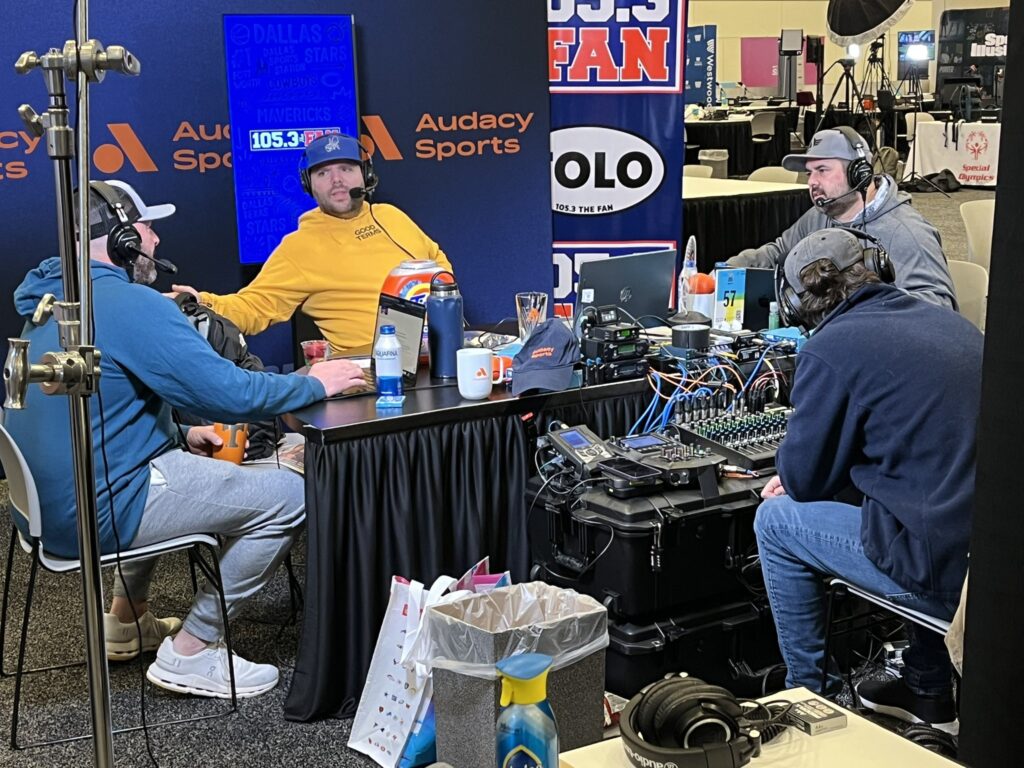
Even when access is secured, star power is limited. Unless you know the right “runner” or already have a relationship with the celebrity, most stations are shut out. Nearly every guest arrives with something to sell, focused on pushing product to the widest possible audience.
It’s impossible for every celebrity to sit down with every outlet, and many are available for only an hour or two. National brands like SiriusXM, FOX Sports Radio, and ESPN will always receive first priority. Longtime radio row attendees are left with the B-list, the C-list, or no list at all.
That reality explains the premium placed on national brands over local sports radio outlets, even though they operate on the same platforms. Selling the “why” becomes difficult when outcomes are already predetermined by people who don’t understand your individual brand.
So why go?
For stations without a team in the game, the value of radio row is supposed to be twofold. First, it allows stations to put a local spin on the biggest sporting event in the world. Second, it creates opportunities for marquee moments that add prestige to a show and a station.
But for many stations, the shared celebrity of the week has become the only certainty. Another annual conversation with a former athlete, a college prospect, or a reality show contestant. Another segment built around stem-cell research, socks, or a BBQ sauce brand tied to someone your audience might vaguely recognize.
It’s no longer about the people who impact the game, raise excitement, or offer insight into your local franchise.
“It’s just too many people and feeding off the same people. It had lost the spontaneity it once had,” explained Mike Francesa.
Francesa’s words ring true, and they reflect the reality many sports radio brands face. Is the trip worth repeating the same conversations simply to push the same products back home? Is it worth giving away airtime for sponsor messaging that generates no direct revenue for the station?
So again, why go?
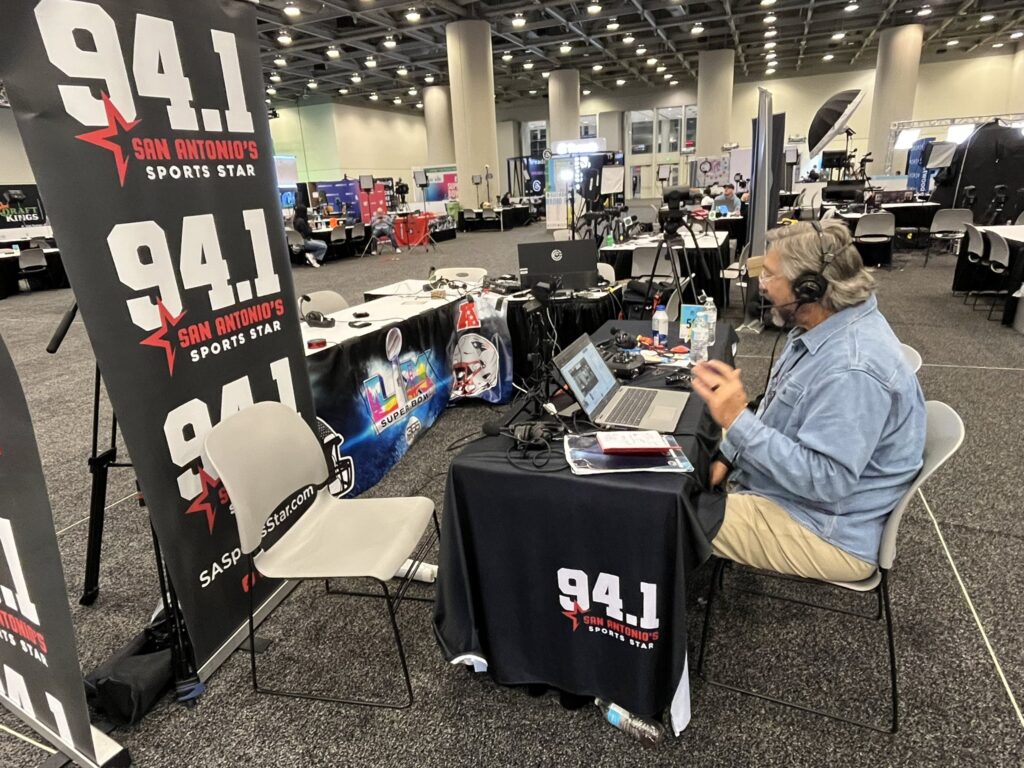
The decision comes down to what you can deliver on the air that you can’t already do from your home studio. Results and revenue have to justify the cost. Can you land a guest who moves the meter? Can you create digital content that actually drives engagement rather than just fills space?
When radio row becomes more about filling chairs than creating appointment listening, the value fades. If it’s no longer about producing unique content for your digital audience at the biggest event of the year, the question answers itself.
The event still offers opportunities across multiple platforms. But if access remains the same year after year and costs continue to rise, what’s truly new or exciting?
Radio row didn’t lose its value overnight. It lost its purpose by inches. When the biggest week on the NFL calendar becomes about occupancy instead of moments, the math stops working.
The Super Bowl will always be worth covering. Radio row will always attract brands chasing relevance and visibility. But relevance today isn’t measured by square footage or guest count. It’s measured by impact.
That’s why more sports radio brands are starting to look elsewhere. It’s also why fewer tables appear each year and familiar logos disappear. When opportunity favors big builds and national appeal over loyal local audiences, the question becomes unavoidable.
Does showing up in person still deliver something you can’t do better, cheaper, and more creatively from home?
In the end, radio row isn’t judged by guest lists or social posts. It’s judged by return. If the cost outweighs the content, the access, and the revenue, the conclusion is clear.
Coverage without impact isn’t exposure.
It’s overhead.
Barrett Media produces daily content on the music, news, and sports media industries. Sign up for our newsletters to stay updated and get the latest information right in your inbox.

the pro bowl NFL Honnors the music entertainment press conferences the opening night the media parties the access to present and past players and the ability to create relationships with brands and teams creates a real opportunity. I agree it has gotten exspensive but it still holds value