

Paul Castronovo has outlasted 23 program directors. He has survived corporate mergers, format shifts, the Howard Stern exodus, and the rise of podcasting. At 66, he just signed a new five-year deal at WBGG Miami Big 105.9. While the industry continues shedding talent and cutting costs, Castronovo remains — unbothered, unretired, and unapologetically relevant.
That kind of staying power doesn’t happen by accident.
“Dan Le Batard told me at dinner recently, ‘Dude, you’re the last radio survivor. Ride it out,'” Castronovo recalled. “And he was right.”
The Miami radio landscape is unlike any other in the country. It is not one market — it is two. Miami-Dade and Broward County operate in separate cultural orbits. Management, however, doesn’t always understand that distinction. Castronovo has spent decades navigating those waters, translating both geography and demographics into something resembling unity.
“Miami-Dade County is over 70% Hispanic,” he said bluntly. “If you think you’re just going to talk to white dudes on a classic rock station, that’s like a needle in a haystack.”
So instead of resisting the community, Castronovo joined it. He hired Luis Diaz, a Cuban comedian, for the show. The impact was immediate. The callers started sounding different. The accents shifted. The connection deepened. That’s not a programming gimmick — that’s a genuine market read.
But Castronovo’s survival isn’t just cultural intelligence. It’s also about knowing when to fight and when to bend.
Learning to Unlearn
Early in his career, Castronovo was, by his own admission, a jerk. He had worked in Miami, which gave him a certain confidence — misplaced as it turned out — when bouncing through markets like Nashville, Birmingham, and Orlando. He thought he had all the answers.
“I was a Brooklyn kid. I had kind of a brash know-it-all attitude,” he said. “I had to unlearn that.”
What replaced it wasn’t passivity. Instead, it was strategic collaboration. He learned to manage up — a habit he credits to watching Kid Kraddick work conventions, going to dinner with the industry power players instead of hanging back with the talent crowd.

That lesson has served him well through 23 bosses. Most of them, he said, he befriended. Some were, as he put it, “not from this planet.” Still, he kept showing up.
There was one exception. A recent program director came in convinced the show needed music and fewer comedians. Castronovo fought it. He lost. The ratings tanked. The PD left. Castronovo stripped the music back out, brought the comedians back, and his show climbed back up the ranker.
“Guess who’s number two?” he said with zero subtlety.
The industry should be paying attention to that story. Not just because Castronovo won, but because management so often creates the very problems it is trying to solve. Talent gets blamed. Shows get retooled. The wrong people walk out the door.
Revenue Is the Real Protection
Here is something Castronovo understands that many talent don’t want to admit: revenue is job security.
“I know for a fact that if I wasn’t tied to so many dollars in sales, I wouldn’t have a job,” he said plainly.
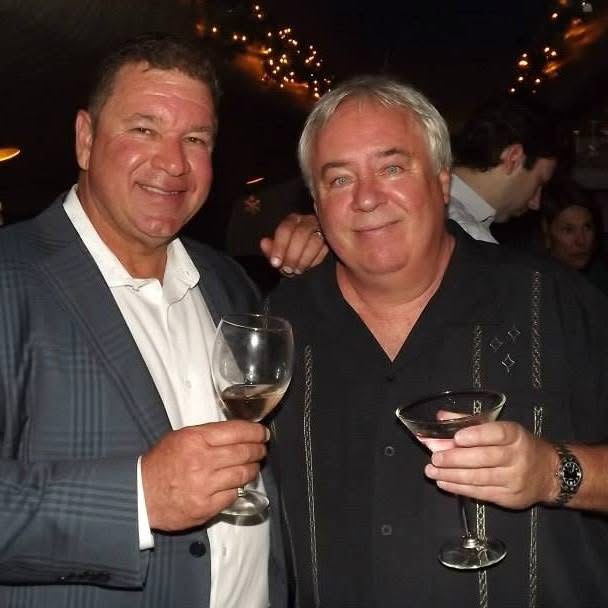
For years, he had a partner who made that reality feel less lonely. “Young Ron” Brewer spent decades alongside Castronovo, and their chemistry was the kind you can’t manufacture — built show by show, bit by bit, morning after morning. In 2016, Ron retired from the show, marking the end of an era and the beginning of what became The Paul Castronovo Show. Together they had made each other better, and together they had built something South Florida genuinely loved. Ron later passed away, leaving a hole that no format change or ratings report could adequately measure.
Castronovo gets it — there’s a purity argument to be made about keeping talent removed from the sales side. But in today’s radio environment, that purity is a luxury most stations won’t subsidize.
His approach is simple. He bonds with one or two top salespeople. He takes clients to lunch. He actually goes on vacation with an advertiser who owns a Ford dealership. He has done this for decades. Those clients have been on the air with him for 20 and 30 years.
Compare that to stations running generic content and wondering why clients won’t stay on the books.
The Social Pivot
Castronovo resisted social media at first. His late partner hated it entirely. But Castronovo pushed through, recognizing that the core product hadn’t changed — the show is still about making people laugh — only the delivery mechanism had expanded.
“My social media strategy is: what’s funny? Is it South Florida-based?” he said.
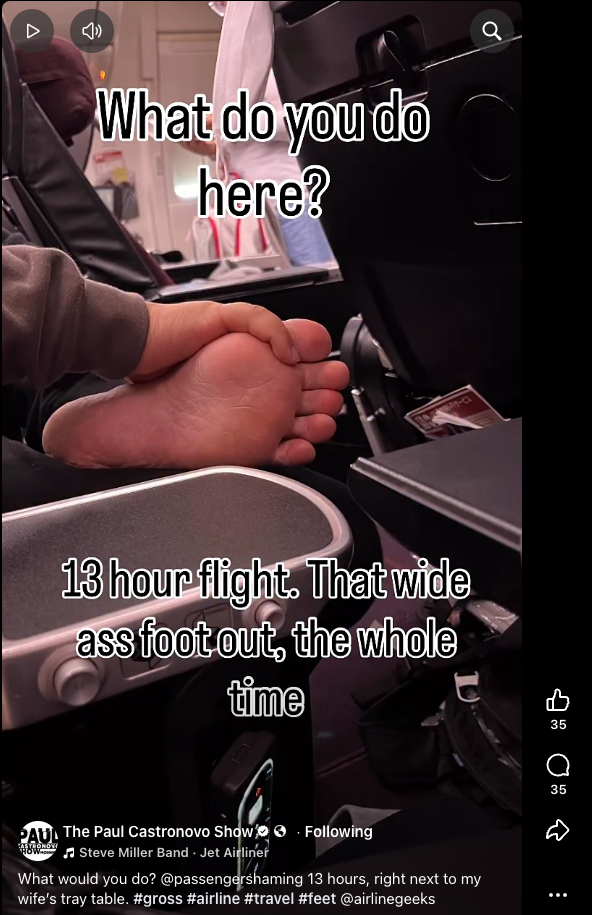
His wife accidentally sparked a viral moment when she photographed a stranger rubbing a bare foot next to her shoe on an airplane. The post hit 40,000 views within an hour. No budget. No campaign. Just a real moment from a real life that his audience immediately connected with.
He also launched a bit called “Troll Call,” modeled on roll call. The show pulls the nastiest comments from their Instagram posts and reads them on air — with the commenter’s username included. It’s self-deprecating. It’s community-driven. And it generates content that costs nothing.
Meanwhile, iHeart is spending nine figures on podcasting. Castronovo is generating comparable engagement by leaning into what he already does well.
The Money Problem Nobody Wants to Discuss
Let’s be clear about something. Castronovo is not making what he once made. His show used to generate $15 million a year in revenue for the station. It no longer does. He acknowledges that directly. He doesn’t sugarcoat it.
“I hate not making the money I used to make,” he said. “But our industry isn’t what it is.”
That honesty is refreshing and somewhat damning at the same time. Joe Rogan — who used to come into the station every six months trying to sell tickets to a local improv — now makes $110 million a year. Jason Bateman and a wave of celebrity podcasters have discovered that audio is a great medium without makeup or commute. Dan Le Batard built a successful podcast empire after leaving terrestrial radio.
And it isn’t just the superstars. Castronovo points to his old friend Steve Harmon, who is piecing together a living through Westwood One, a prep service, and a country countdown show. “That’s all we’re trying to do,” Castronovo said. It’s a sentiment that echoes across an entire generation of radio lifers — people who genuinely love the medium and are finding creative ways to stay in it, with or without the paychecks they once commanded. “You have to really love what you’re doing,” he said simply.
Castronovo is still at the station. Still doing five mornings a week. Still managing clients. Still producing social content. Still mentoring producers.
The question the industry should be asking isn’t why Paul Castronovo stayed. The question is why so many talented people didn’t feel they could.
Why He Keeps Going
Currently, Castronovo works with people who clearly get it. Jason Carr oversees programming from West Palm and is available whenever Castronovo needs anything. Grace Blazer, the regional VP of programming, brings strategic oversight to the broader operation.Mark Chase, an early-career mentor who Castronovo hadn’t worked with in 20 years, recently returned and has been nothing short of a creative spark. Chase texts ideas at 2 a.m. He rotates across five stations. He fundamentally understands talent.
“He gets talent more than anyone I’ve ever worked with,” Castronovo said.
That kind of relationship — built on mutual respect, not command-and-control management — is what the radio industry desperately needs more of. Too many stations have drifted toward treating morning talent like interchangeable commodities. Then they wonder why listenership erodes.
Castronovo’s producer and co-host Mike Anderson completes the picture. Anderson runs the board, screens calls, produces the show, and escorts guests from the parking lot — all while remaining unflappable. As Castronovo put it, “He doesn’t have a Type A personality. There’s enough of that in the room with me.”
Furthermore, Anderson is staying. He is living in Miami with a Cuban girlfriend. He is not leaving.
So why does Paul Castronovo still do it?
“It’s hysterical,” he said. “It’s the greatest job in the world.”
That answer is simple. It’s honest. And notably, it has nothing to do with market share, revenue targets, or quarterly earnings calls.
Radio could learn something from that.
Barrett Media produces daily content on the music, news, and sports media industries. Sign up for our newsletters to stay updated and get the latest information right in your inbox.
