

As media conglomerates place a heightened emphasis on investing resources into creating content accessible on digital platforms and streaming entities, there is an indisputable paradigm shift in the overall return on investment. Whereas radio and television used to garner lucrative quarterly gains, both delivery methods are somewhat endangered because of altered consumption patterns, leading to corporate downsizing, diminished valuations and market consolidation. With a focus on retaining audience interest despite waning attention spans, young professionals are aiming to meet the moment.
While the methods of dissemination for multimedia content are constantly changing, there is an overarching consensus to resonate with the consumer. Yet practitioners need to think outside of the box and discover methodologies to drive value and coexist in a diversified and fragmented environment. Employers also desire versatility, aiming to maximize productivity through economic headwinds and a quest for sustainability.
With projections of more than 90 million people opting to stream a sporting event at least once per month and technology firms entering the fray for live sports rights, the marketplace is enduring a transformation. The NFL, for example, will have games exclusively airing on Amazon’s Prime Video, YouTube and Netflix this season just four years before an opt-out provision that covers a preponderance of its other rights deals.
1. Noah Eagle (Play-by-Play Announcer, NBC Sports)
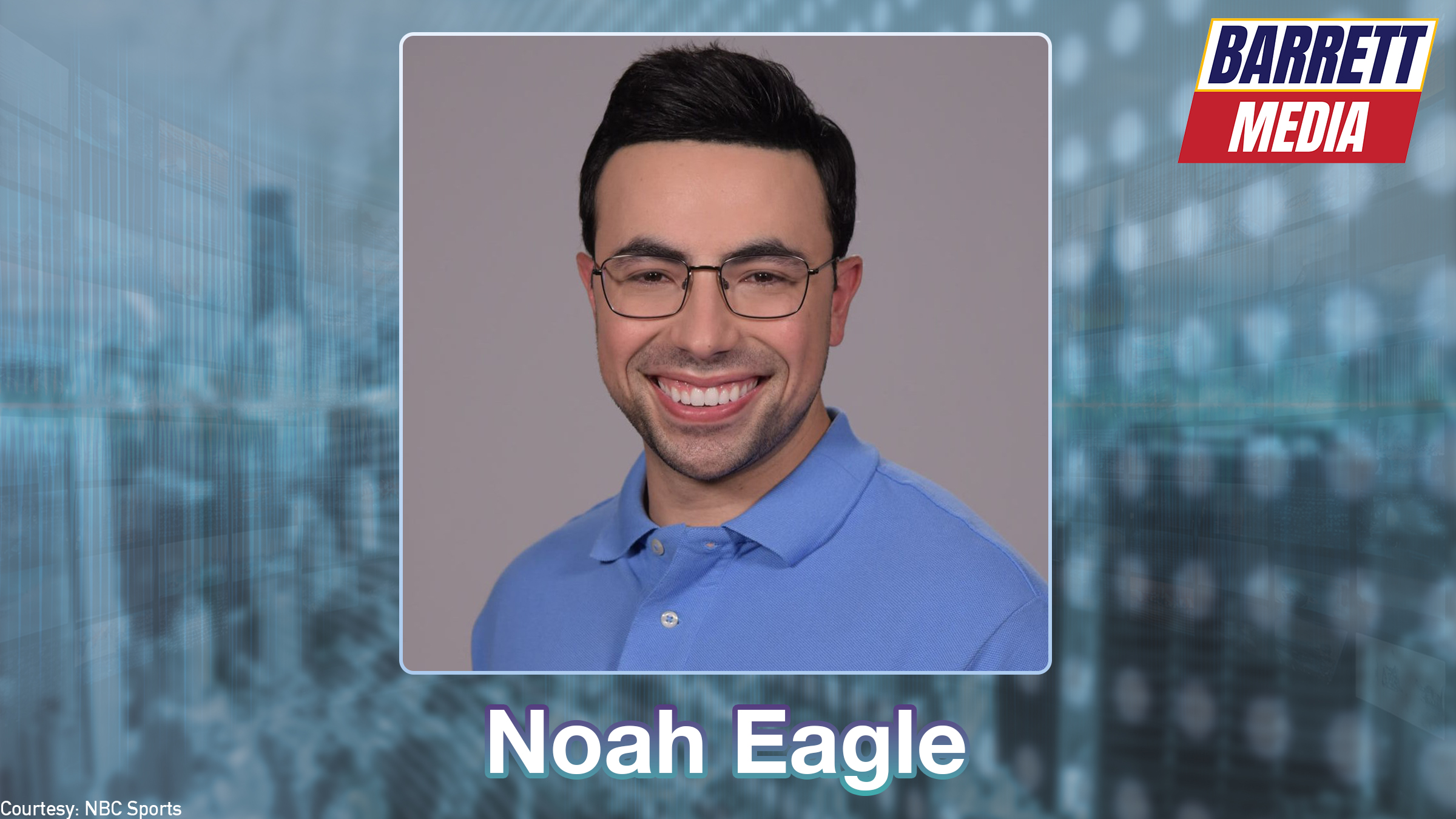
The NBA is on the precipice of beginning 11-year contracts that will place games on broadcast, cable and streaming platforms. NBCUniversal in particular is able to offer all three, and Noah Eagle will be part of the innovative enterprise with hints of nostalgia.
“This is the only the beginning of what the streamers are going to be doing in sports because they do recognize that as much as a great movie and television show can be a big deal for their business – and if it’s a real hit, it certainly is – live programming is still king,” Eagle said. “You’re still guaranteeing yourself the most viewership from live programming, and that’s why sports are in such a healthy position right now with rights deals.”
Eagle is a graduate of Syracuse University and observed the proliferation of digital content. As the former radio voice of the LA Clippers out of school and possessing vast experience as a play-by-play announcer, he is focusing on appealing to a wide range of demographics through the NBA on NBC and Peacock beginning in the fall. In fact, he harkens back on his experience calling Nickelodeon-themed alternate broadcasts for CBS Sports and considers the global appeal of the league with distinguished superstars such as Shai Gilgeous-Alexander, Giannis Antetokounmpo and LeBron James.
“We humanize the players so that people take a genuine interest in them, which I think is important,” Eagle said. “That’s something that the NBA really prides themselves on. That’s the one league, at least of the major four leagues, that if there’s someone walking down the street, you’re going to recognize them.”
Growing up around the sports media business with his father, Ian, calling football and basketball games, Eagle is cognizant of the perceptions of nepotism regarding his success in the business. While he has secured opportunities with both traditional media companies and new parties to call momentous games, including Team USA men’s basketball and the NFL on Netflix, he is remaining poised and humble throughout his journey.
“My job is to prove that once maybe a door is opened, that I deserve to walk through it,” Eagle said. “I’m not saying that something hasn’t been cracked open, I’m not saying that I haven’t benefited from who I am. I’m just saying that once I am there, I want to show that my work has been diligent enough and my care factor has been high enough that I’m going to do as great a job as possible and that people eventually just say, ‘You know what? That was pretty good.’”
2. Katie Feeney (Digital Journalist/Social Media Influencer)
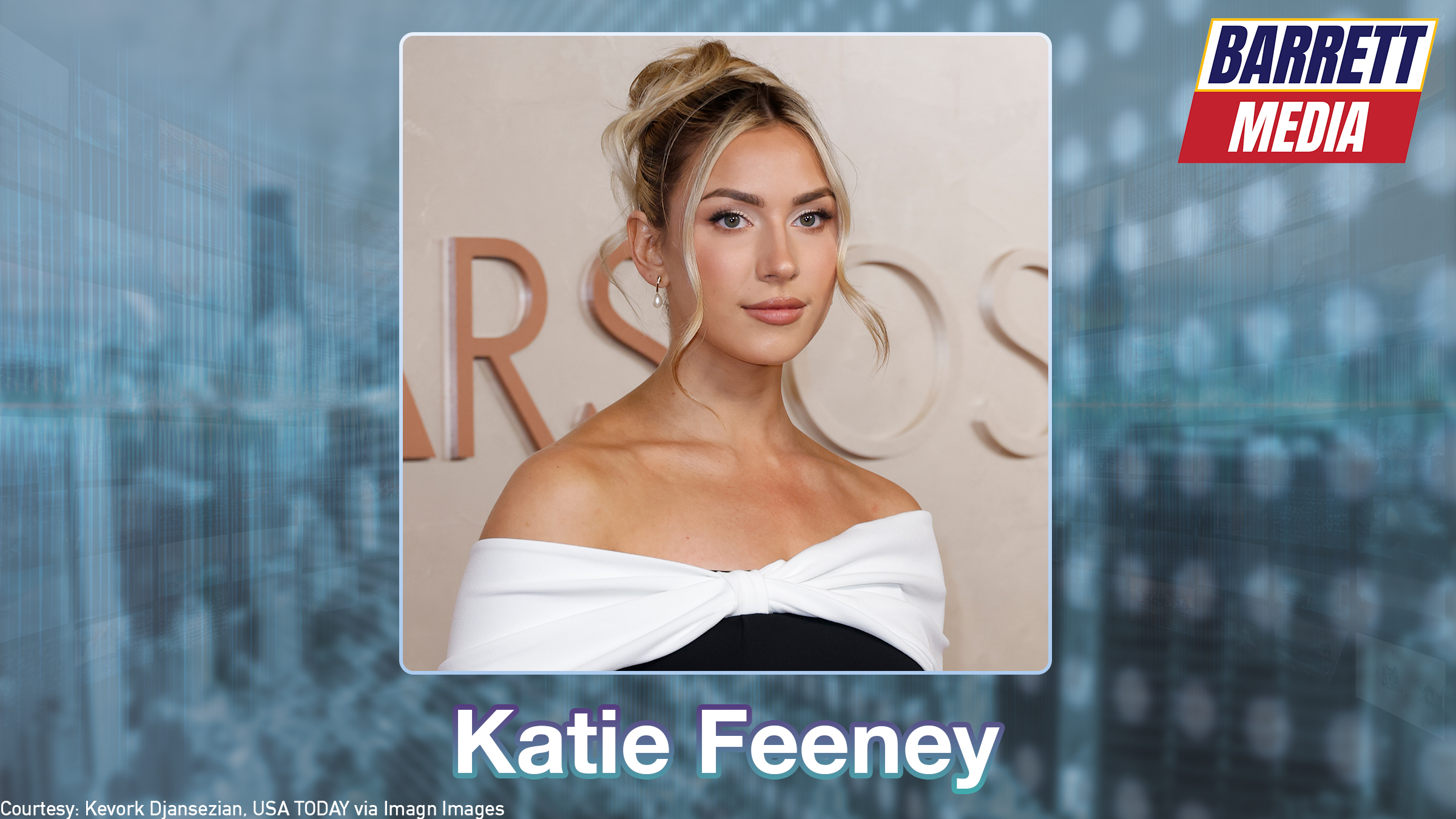
Katie Feeney works under brand deals with companies aiming to reach younger audiences and promote their products and services. In addition, Feeney leverages social media platforms to document sports, culture and lifestyle content around the country, attending events such as Super Bowl LIX and the Kentucky Derby. Feeney graduated from Penn State University earlier this month and has more than 7.6 million followers on TikTok alone.
“Because I’ve diversified myself on all platforms, it makes for a great partnership with a brand, and I’ve always overdelivered when I do work with brands,” Feeney said. “I’m looking for long-term partnerships and developing great relationships that are a year long or six months.”
Feeney was on site at Augusta National Golf Club for the Masters Tournament and created a TikTok video demonstrating what patrons could purchase for $10. The video ended up amassing more than 1.5 million views, and subsequent content surrounding the concessions also performed well on the platform. Whereas traditional media frequently uses robust cameras and equipment to capture video footage, Feeney takes a different approach by capturing content with a phone and miniature microphone.
“There’s so many different things that make an event so special outside of the game, so if I can’t get time with a player, instead I’m going to do some interviews with fans or I’m going to go to the tailgate or I’ll go to the student section,” Feeney said. “So kind of just to be open minded, and if there’s too much press around in one area, then I’ll find somewhere else to go.”
A recent analysis by Deloitte conveys that consumers spend an average of six hours on media and entertainment activity per day. Moreover, the firm discovered that 49% of Gen Z respondents are more apt to view television shows and movies if they contained their favorite creators. The statistic diminishes with older generations, but it is nonetheless evident that authenticity and accessibility are resonating with younger audiences seeking to develop their proclivities and build discretionary income.
“The power of social to reach the younger generation, you can’t find that anywhere else,” Feeney said. “In order to grow, you have to change, and the world is changing and you kind of just have to keep up with it.”
3. Ariel Epstein (Founder, Prop Queen Sports)
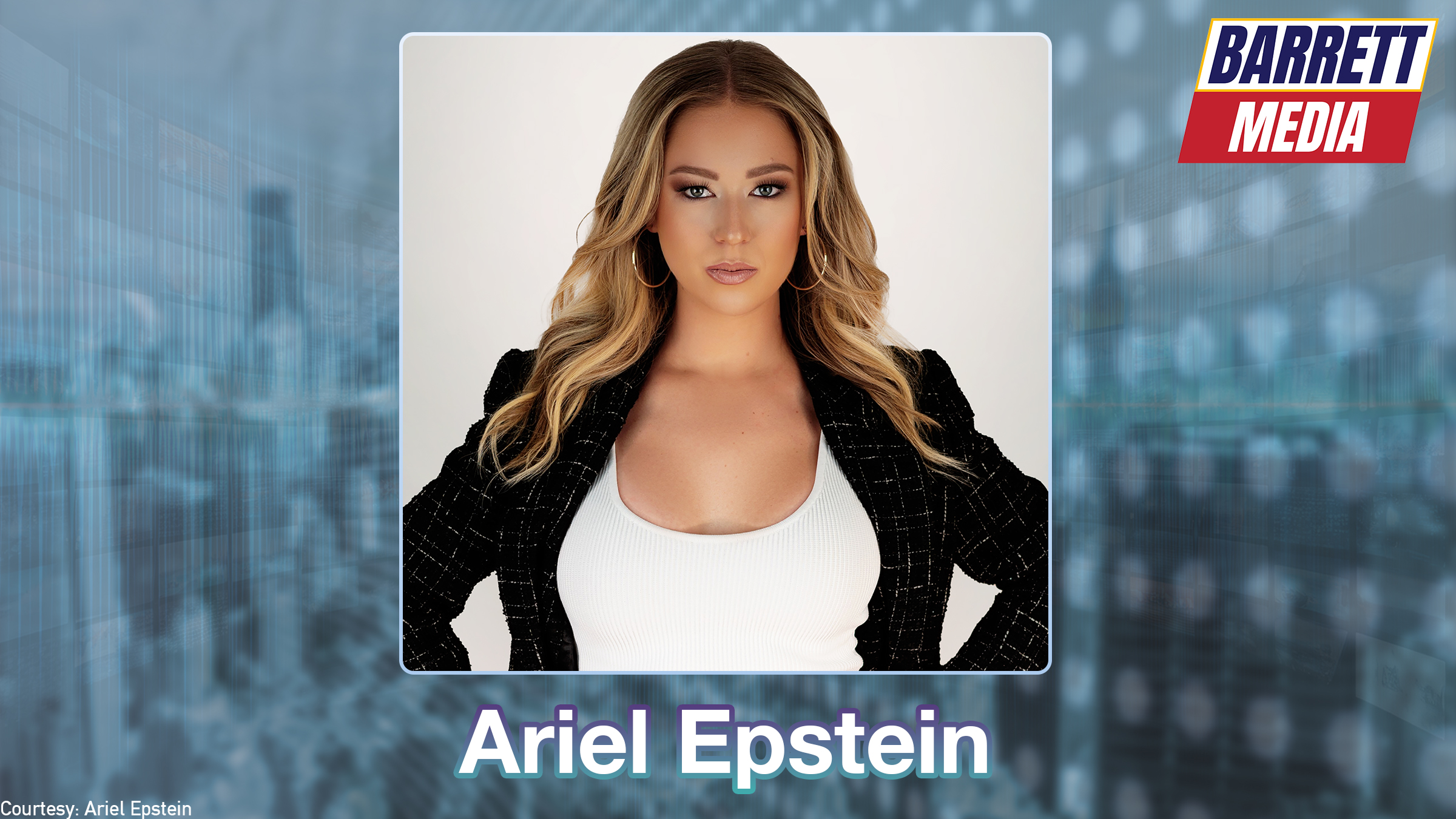
Ariel Epstein initially began her career working in local news, but she became burned out by the schedule and found her niche in sports betting. Yet Epstein was always working under contracts with companies evolving in the space, leading to most of her deals not being renewed upon their expiration. After transient stints at SportsGrid, Yahoo and Fanatics, she decided to create Prop Queen Sports, an independent venture focused on the proposition market featuring a daily newsletter and podcast.
“Insanity, I guess the definition of it, is going back to the same thing over and over again and expecting a different result,” Epstein said. “That was what I was doing by going back to the same thing over and over again looking for employers to hire me for full-time positions and continuously losing contracts. So I decided, ‘You know what? Let’s take a risk,’ and usually risks end up being rewarding in the long run.”
Epstein remembers her former news director advising her to either adapt or retire. Even though she is not particularly fond of producing, she fulfills the role for her show while also booking guests, editing video, creating graphics, posting on social media and hosting all while compiling the best bets of the day.
“Some of these older executives stick to what they know and what they’ve done, and they’re not ahead of their time,” Epstein said. “They’re almost behind their time, and you’ll see a lot of these TV networks now, they’re doing what digital media did three years ago. It’s almost like Facebook where everyone on Facebook is three years behind what’s on TikTok. That’s kind of what I feel like is going on with these older executives is they’re still on Facebook and they’re not on TikTok.”
4. Carlo Jiménez (Radio Play-By-Play Announcer, LA Clippers)
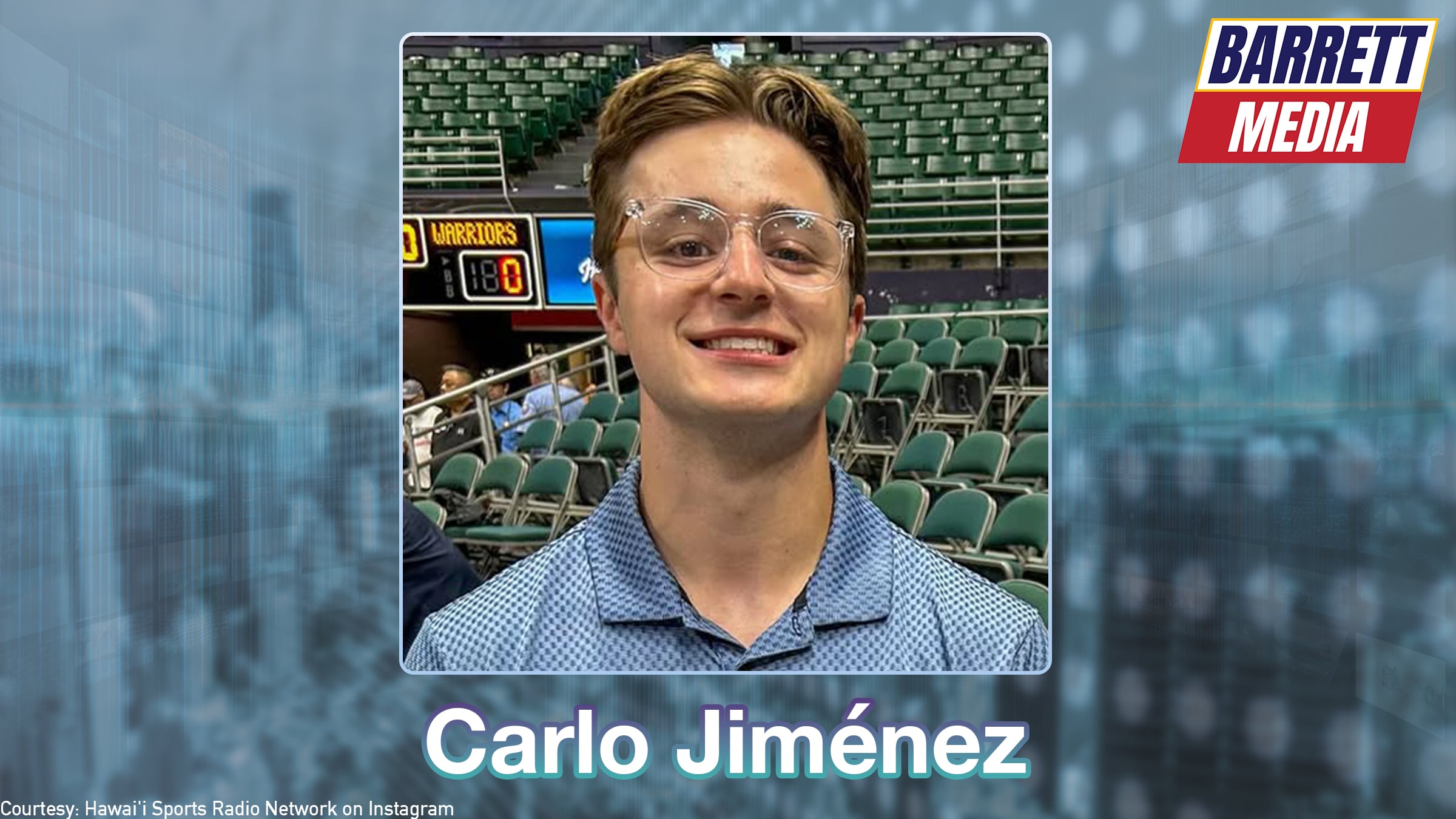
While Carlo Jiménez has an important job describing the action for LA Clippers games on the radio, he tries to infuse the job with modern nuances and content creation on TikTok. He creates short-form content accompanying the team showcasing his occupation, the organization and arenas from across the league. For example, Jiménez has invited users to submit words in the comments for him to try and work into a future Clippers broadcast, off which he creates content showcasing their inclusion.
“I have a little more energy just because I’m so excited to be there,” Jiménez said. “I can’t believe this is what I’m doing, and I’ve heard from other people that that comes through, but then at the same time, I think I have an old-school view in terms of the nuts and bolts, making sure [to say the] time and score, ball location, all that stuff.”
A study from Jacobs Media portrays how the sports radio fanbase is an average of just over 60 years old, and those in Gen Z only account for 1% of the total audience. Conversely, about 82% of Gen Z social media users are on TikTok, according to data from Sprout Social, and Jiménez is able to bridge that gap by catalyzing younger users to find the broadcasts and, potentially, gain interest in the medium.
“The biggest way I stand out is all these people who probably didn’t know they could find radio on an app or on your phone, I’m advertising for that,” Jiménez said, “and then I get to also advertise for the different things the Clippers watch for outside of radio.”
5. John Fanta (NCAA Basketball Broadcaster/Reporter, FOX Sports)
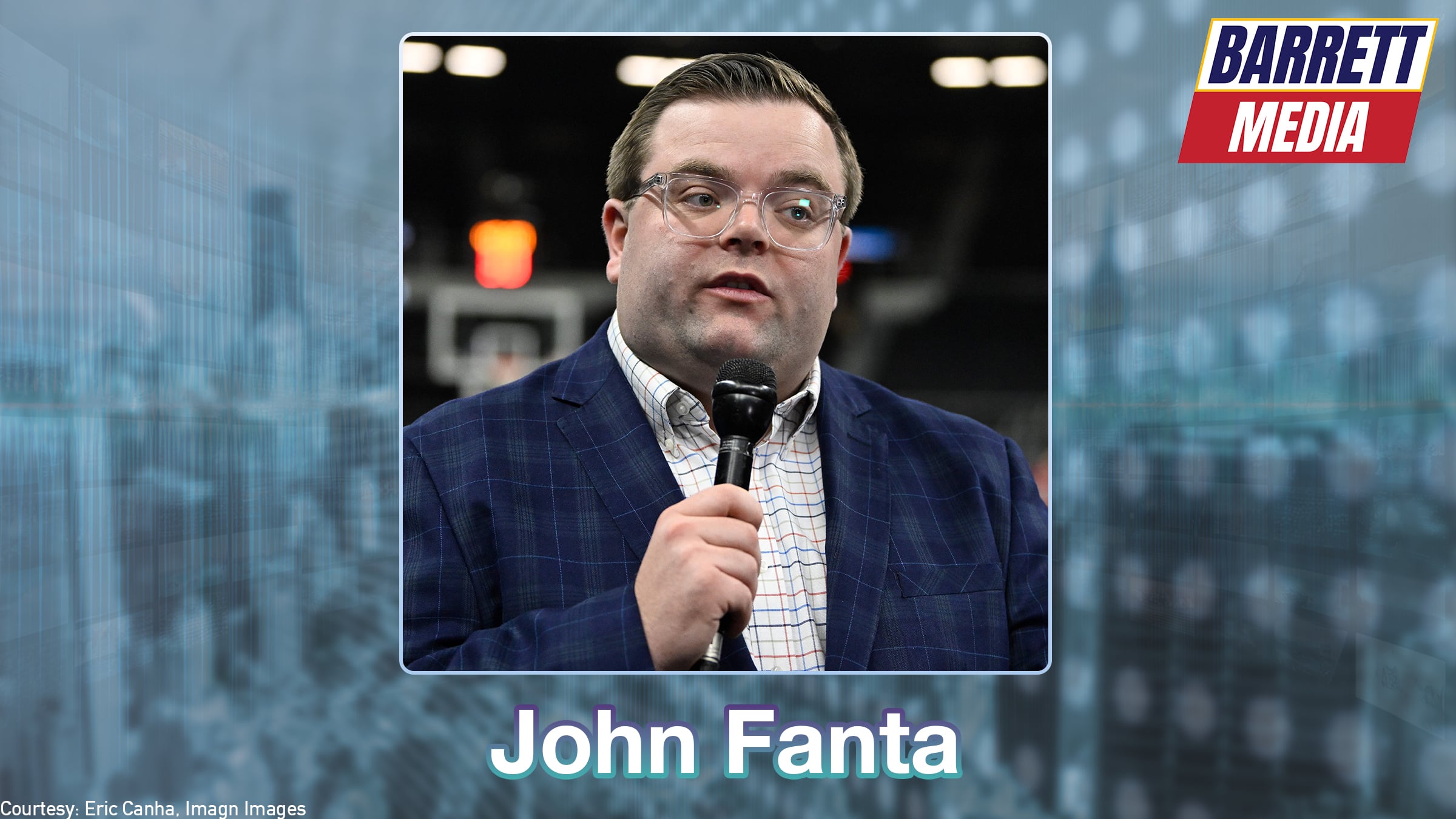
John Fanta spent time in Los Angeles interning for FOX Sports gaining tangible experience and building invaluable relationships. Although he nearly took a job working at a news station in Midland, Texas, he seized an opportunity with the Big East Digital Network creating digital content. Fanta currently works as a college basketball broadcaster and reporter at FOX Sports, but he also continues to utilize his social media to stand out.
“I really had trouble standing the idea that I was only going to be a play-by-play guy because my brain went to, ‘Well, Jim Nantz calls the Final Four, and then Ian Eagle now calls the Final Four. I know I’m not going to call the Final Four, so how do I stay relevant during college basketball season?,’” Fanta postulated. “By getting exclusive interviews, unique content, things that are not what you see every day.”
Although Fanta works for a traditional media company, the division is leaning into different types of content and has provided him with assignments across broadcast properties. When he first joined FOX Sports, for example, he did not expect to be covering the Belmont Stakes for its digital and social pages but has embraced the assignment and added to the overall coverage.
“I was brought in as a college guy, but I want to be out there in the NBA world, I want to be out there in the sports world,” Fanta said. “College basketball gave me an opportunity, but I use the passion that I have for all sports in that to become what I’ve become, but I believe that that’s translatable, and now it’s just a matter of when people have asked, ‘Am I willing to do it?’”
6) Mollie Walker (NHL Reporter, New York Post)

A study from the Medill School of Journalism at Northwestern University found that fewer than 5,600 newspapers are left in the United States, 80% of which publish once per week. Mollie Walker realizes how the New York Post goes beyond print newspaper articles through its website and social media channels. While she came up with the publication as a general assignment reporter out of college, Walker is now a beat reporter covering the New York Rangers and has written stories with accompanying video and social media components.
“I know the New York Post in particular has made a huge effort this year in particular to push our social channels more and to work on our social channels more and our social content in general,” Walker said. “It’s fun. It’s different types of media to create, different types of content, and it just gives the average reader, average fan more to digest.”
Walker was not taught not to cheer in press boxes, and while she adheres to being unbiased, demonstrating authenticity is something she has thought about in the field. Through her social media page, she interacts with fans and shares photos from different rinks with a dateline tag evoking newspaper styles of yore. Although Walker enjoys traveling to cover the Rangers, she has aspirations to end up in television at some point, viewing the medium as the apex for her position.
“That is on a much grander scale than what I’m doing now,” Walker said. “Your face is in homes across the world at the end of the day. Right now, I have an incredible reach writing for the New York Post, but I think that when you’re on television every day, your reach is exponentially larger. So yeah, at the end of the day, that’s what it’s about.”
7) Cam Rogers (Host/Community Manager, Bleav Network)
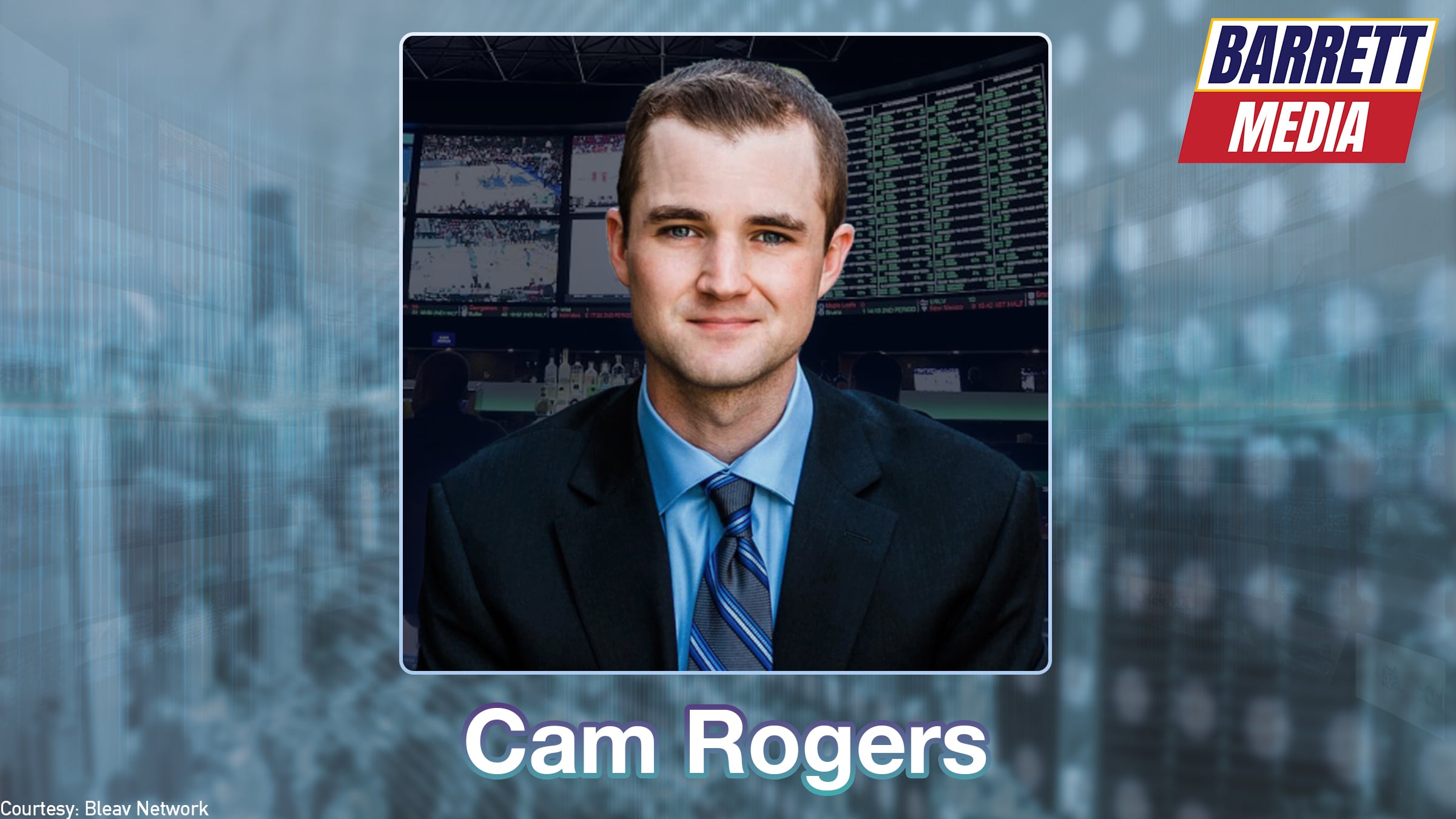
According to the Infinite Dial report from Edison Research, an estimated 67% of the U.S. population has listened to a podcast, which equates to 192 million Americans. There are a variety of companies focusing their content on podcasting, including the Bleav Network, which is where Cam Rogers has been working since 2018. Rogers, who was the first employee for the company, is a community manager and searches for people willing to devote time and effort to expedite its growth.
“The days of the full-time on-air personality is just not really a reality anymore,” Rogers said. “I wanted it to be a reality for me right out of college and I made it happen, but the money in this industry, I feel like, is really, really top-heavy at this juncture, and so I think it’s going to have to be a hybrid approach for folks out there.”
With businesses trying to harness the most productivity at the lowest possible cost, Rogers encourages aspiring professionals to start building their brands on digital platforms amid these epochal changes taking place. Disintegration between talent and networks is continuing through personalities opting to work independently and partner with other companies through licensing and/or first-look deals.
In addition, media professionals also have to compete with athletes, several of whom have podcasts and forums by which to communicate directly with the public. Even though being versatile and cultivating a brand will likely require more work in the short term, he is optimistic it will pay off down the road.
“[If] you can point to your social media following and say, ‘Hey, I have over 100,000 social media followers,’ that’s something that’s going to be really attractive to folks who are looking to hire,” Rogers said. “So yeah, this is definitely a movement, and it could start for college students right now. Heck, even in high school, you can build a pretty solid social media following.”
Barrett Media produces daily content on the music, news, and sports media industries. To stay updated, sign up for our newsletters and get the latest information delivered straight to your inbox.

only two of these people I have ever heard of and I follow sports way more than the average person clearly they are not big names