After CNN revamped its daily lineup earlier this month, Jim Acosta was not part of the updated programming list. It has now been reported he’s leaving the network entirely.
According to Status News founder Oliver Darcy, Acosta is expected to depart the network after CNN changed the lineup and removed him from his 10 AM ET timeslot. The network filled the block with The Situation Room, hosted by Wolf Blitzer and Pamela Brown.
The changes from CNN come as CEO Mark Thompson announced more than 200 jobs at the outlet were being slashed amid a shift to video and a focus on its digital products.
However, the exit of Jim Acosta — who joined CNN in 2007 — comes after a back-and-forth between the host and executive became public. Darcy previously reported that Thompson had asked Acosta to move his show from 10 AM ET to Midnight ET. The reported conversation included Thompson attempting to pitch the move as an upgrade due to the increased prominence of the West Coast and international audiences, Darcy shared.
That shift for Acosta was viewed as a way to “throw a bone” to new President Donald Trump, as Acosta has been one of the loudest and most ardent critics of the Republican president.
Barrett Media produces daily content on the music, news, and sports media industries. To stay updated, sign up for our newsletters and get the latest information delivered straight to your inbox.
“After nourishment, shelter, and companionship, stories are the thing we need most in the world.” — Philip Pullman
I still listen and learn from Casey Kasem and American Top 40. Casey remains the greatest storyteller in music presentation. Period.
Growing up, Casey told me:
How Three Dog Night got their name from the Australian Outback
Madonna was fired from Dunkin’ Donuts for squirting donut filling on a rude customer
Karen Carpenter was a world-class session drummer before her brother Richard and A&M Records pressured her to get in front of the mic.
Last month, we wrote about cultivating and growing great storytellers. That was met with mild blow-back. How is it executed in a MUSIC format? Easy. Make every break interesting. Your talent and YOU make the music experience better.
2025 is bringing stories BIG stories for the spoken word. New President, Bird Flu, California Wildfires, etc.. One could wonder how radio’s greatest story-spinner, Paul Harvey, would craft a piece on today’s headlines.
The best SHORT form entertainers like the late Don Steele and our recent Barrett Media Award WinnerBroadway Bill Lee can make a 20-second break interesting. Why isn’t short-form, interesting storytelling on air at YOUR station? Armed with a simple keyboard, the Interwebs is your prep sheet. How about a starter kit from six different formats:
Adult Contemporary
Gwen Stefani’s middle name is Renee, as her parents loved The Left Banke song “Walk Away Renee.”
Stevie Nicks wrote “Rhiannon” while reading about the Welch Goddess by the same name.
Before “Wicked,” Ariana Grande made a cameo in “Zoolander 2” and animated TV shows “Family Guy” and “The Simpsons.”
Country
Tracy Chapman became the first African American solo female songwriter to have a #1 hit – after Luke Combs took a cover of her “Fast Car” to the top of the country charts.
MuttNation is Maranda Lambert’s animal rescue mission, which has reshaped the lives of thousands of animals while raising millions for future rescues.
Thomas Rhett is Rhett Akins’s son – his wife Lauren has adopted two Ugandan kids, and now they advocate for global adoption.
Classic Country
Alabama – known initially as Wild Country – considered breaking up after their first record label went bankrupt, and their drummer quit in the late 70s.
Tom T. Hall wrote 1968’s Harper Valley PTA for Jeanie C. Riley, while 28 years later, Alan Jackson rode to the top of the country charts with Hall’s “Little Bitty.”
Before Queen’s “Bohemian Rhapsody” became the most experience record ever made, that crown was held by The Beach Boys “Good Vibrations” taking 6 months and over half a year to complete.
Motown founder Barry Gordy created the all-girl group The Primettes as a sister group to The Primes. The Primes would evolve into The Temptations, and The Primettes became The Supremes.
Alternative
The Pixies took their name randomly from a dictionary, while Kurt Cobain said Nirvana’s “Smells Like Teen Spirit” was a blatant attempt to rip off The Pixie’s sound.
The Gorillaz is a manufactured fantasy band where founder Damon Albarn (of Blur) and cofounder Jamie Hewlett saw pop music void of substance as their ‘Fake Band’ make songs satirical on pop culture.
REM drummer Bill Berry runs a hay farm after suffering an on-stage brain aneurysm in 1997.
Classic Rock – Classic Hits
Using only a multi-track machine, Boston’s Tom Shultz recorded nearly all of Boston’s debut album’s tracks in his basement. This included Bradley Delp’s lead and backing vocals.
• Bon Jovi’s first hit, “Run,” was nearly four years old before it became a hit. It was recorded with studio musicians, including Dave Sabo who formed Skid Row.
Shaun Considine rescued Bob Dylan’s song, “Like a Rolling Stone,” from the trash at Columbia Records – discarded because it was one second shy of six minutes – too long for Top 40 radio.
As we know from PPM Data, the average occasion is around 12(ish) minutes. Repeating interesting trivia about artists or songs is also important. Content is KING – frequency is QUEEN. While you might view short-form storytelling as mere trivia, they are nuggets that make your content – interesting.
And trivia is white hot. Show me a local Trivia Night that’s not sold out and hyper-competitive.
Have a peek at the longevity of Jeopardy and the popularity of the spinoffs that have earlier questions (for people like you and me) like Rock & Roll Jeopardy, Celebrity Jeopardy, and Pop Culture Jeopardy. Most stations (a few outside morning drive) are satisfied with a nice voice repeating title and artist. Then they sell a laundry list of artists upcoming ad nauseam.
The difference to make your product unique is YOU, the on-air talent. What comes out of your mouth separates you from your competitors, Spotify, SiriusXM (Although some channels have terrific music story-tellers), and Amazon Prime Music. Great radio stations are built with talent that understand how to tell these stories.
MercyMe took nearly ten years and sold hundreds of CDs out of their touring van before hitting it big with “Almost Home.”
Me? I’ll be listening, learning, and sharing The Legend.
So – what’s the next story you’ll tell us?
Barrett Media produces daily content on the music, news, and sports media industries. To stay updated, sign up for our newsletters and get the latest information delivered straight to your inbox.
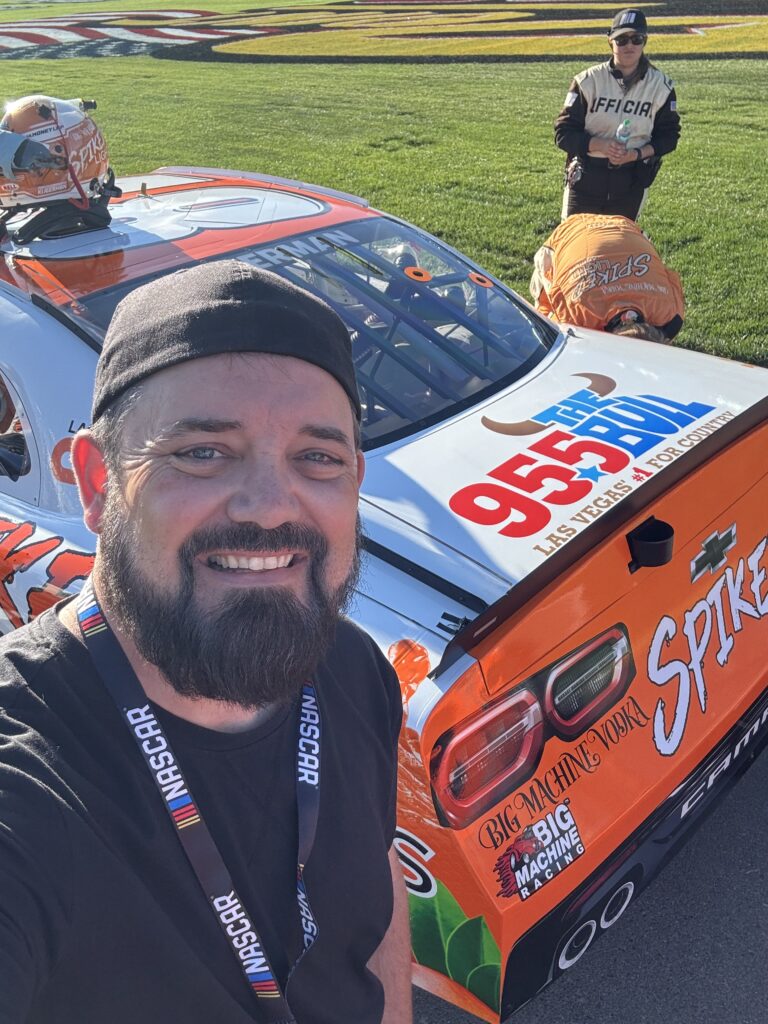
MoJoe Roberts is the Program Director of iHeartMedia’s 95.5 The Bull Las Vegas and was named one of Barrett Media’s Top 20 Country Radio Program Directors of 2024.
Las Vegas is a city that assaults your senses with its neon lights, digital billboards, artist residencies, and 24/7 action. This led to my first question. With everything going on, how do you make 95.5 The Bull cut through and stand out?
“I think at the end of the day, it all boils down to the same basic fundamentals that most of us are looking to put on our radio station. Make it a fun experience, something that keeps them coming back for more, make sure the content is on target with who you’re going after, and try to keep it entertaining and with flawless execution, said Roberts.
“You still have to do the fundamentals. I think an emphasis on the entertainment and excitement part probably more than most. In this market, you’re up against all the attention-getting casinos and all the various other venues, spheres, stadiums, and things that you have to compete against for attention here, but it’s still the fundamentals that matter most.”
In most markets, concert tickets are a great prize for listeners. Is that still an attractive ticket in a town with dozens of concerts and events daily?
“I’m sure a lot of markets are like this, but this one in particular, concert tickets are just so, so expensive nowadays. So, to give somebody an opportunity to win something that a lot of people might not be able to have the money to purchase, it certainly is a prize that is sexy to a lot of listeners.”
“If you’re asking about how you pick and choose which ones you support based on the quantity of offerings the city has, I think you just have to make sure you know your audience and which ones they’re going to gravitate to most and make sure you strategically give them away in a way that is going to increase your ratings, because that’s what we all get paid for, right?”
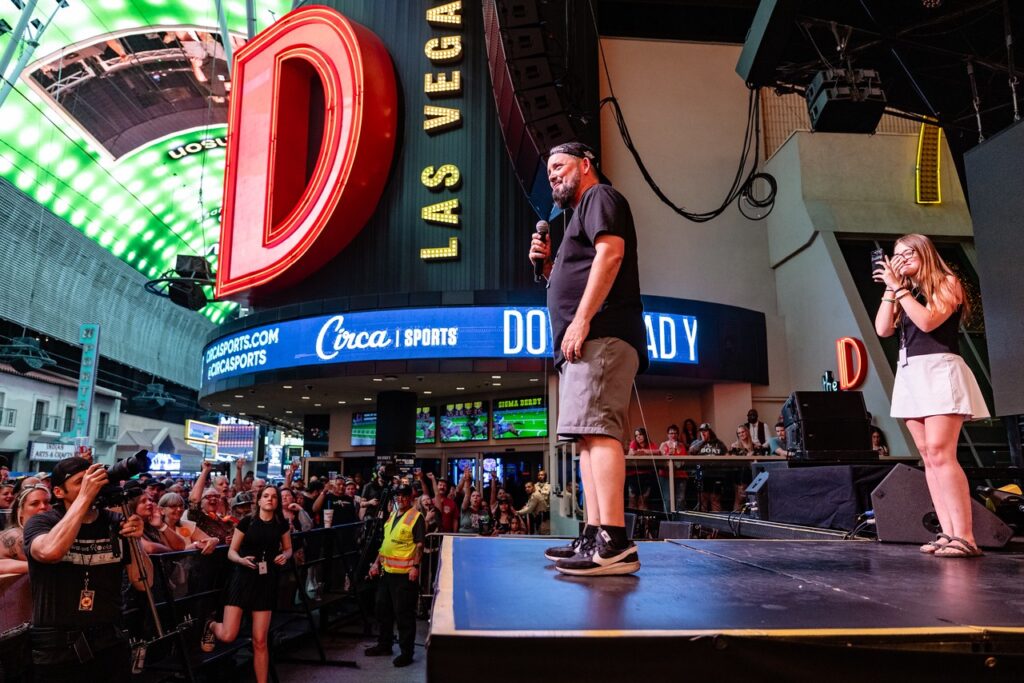
The Bull’s studios are located on Fremont Street in downtown Las Vegas, which allows the station to take advantage of the three stages under the canopy.
“We are on Fremont Street, and so when we have new artists come by, rather than bring them into our station and do a conference room performance, we have the luxury of having three amazing stages on Fremont Street in our backyard.”
Photo: 95.5 The Bull
But the station doesn’t limit its efforts to just downtown.
“We try to make sure we spread the love around and do things in locations that our listeners would be willing to show up to, but at the same time, we also have partnerships with Fremont Street and Jason Aldean’s Kitchen and Bar.”
“We still have to make an effort and bring some of that showbiz to those locations as well. We do things outside of the Strip, whether it be live broadcast events or concerts like we do at the water park in the summertime, we do Country in the Cove, and we’ve strategically placed our Santa Jam St. Jude concert that we do in December at the Palms because it’s a little bit off-strip, they have free parking, and it’s a little easier for locals to attend. We certainly keep that in mind when we’re building events, but it is nice to have that stage in our backyard to bring rising stars to.”
With Las Vegas driven by tourism, I asked Roberts if being at these events got them in front of local listeners or just out-of-town visitors.
“Great question. It’s certainly not predominantly P1s. It’s definitely a lot of tourism and a lot of out-of-towners. So, we try not to lean too heavily on that. By the way, it also exposes our brand to many people from outside the market, and with our free iHeartRadio app, they can listen when they go back home, too.”
So, we’ve established there is a lot of competition for attention. So, what makes The Bull special?
“The Bull has a deep relationship with this market, having been in town for 30-plus years. All of the talent on the station has either worked here for a period of time in the market or come here frequently. If you listen to the “Bobby Bones Show,” the city they speak most about on the show outside of Nashville is Las Vegas.”
“I think that one thing that makes us special is just the connection we have with this market. We went through a terrible tragedy in 2017. It was a few years before I arrived, but I got to see firsthand when I got here how much that galvanized our fan base and brought that connection to a level that I don’t know that I’ve ever seen.”
“This brand means a lot to the market, and I think that connection and identity are what make it stand out. It’s a station a lot of people grew up listening to, and we try to keep that connection going over the years as we continue to grow and evolve.”
The Bull has a showcase studio at Jason Aldean’s Kitchen + Bar overlooking the Las Vegas strip.
“The location is so prime. I think it’s a really cool opportunity to show what we do. Radio is kind of invisible unless we’re visible, so to have a perch like that where people, and not just listeners and tourists, but also clients.”
“When they’re out trying to lure in new business, bringing them to Aldean’s, where we are doing our show live in that studio, it just looks bigger than life, which is kind of what Vegas is all about, right?
Switching gears to a programming question, I asked Roberts about his thoughts on Nielsen’s new 3-minute qualifier and how he plans to program to it.
“My immediate reaction is to wait and see how it affects what we do and then make adjustments down the line once we get some good data behind it. I think it is an exciting time, and a lot of listening was left on the table that wasn’t being credited for because it didn’t hit that five-minute threshold. I’m very anxious and curious to see how much growth we will gain. As we get the data collected from the first quarter or so, we’ll adjust accordingly.”
Roberts sees an advantage to bringing young people into radio but acknowledges that the industry has to look harder than in the past.
“If we want this to live beyond our time serving the industry, I think we need to make sure we’re handing it to the next group in line and getting younger people excited about radio. I don’t think radio is dead by any means. I think there is an opportunity to get the younger generation excited about it.”
“The passionate ones are still finding a way to recruit those people. I started on the street team, slinging stickers at remotes. We still have those teams in play.”
“I’ve found a couple of people in the last few years that have started to grow and hone their chops just from that experience. I think you start to find the ones that are passionate about it, and then you just foster and try to put as much knowledge into them as you can to hopefully grow them to the next level. I think it all starts with that, but you have to actually put the effort in.
“It’s a lot more difficult, and it requires a lot more work, but it’s still the same process. We just have to do it a little differently.”
Photo: 95.5 The Bull
Barrett Media produces daily content on the music, news, and sports media industries. To stay updated, sign up for our newsletters and get the latest information delivered straight to your inbox.
When KTAR altered its branding to Arizona Sports in 2011, it provided a greater emphasis on the content focus on the airwaves and did not tie it to a terrestrial radio frequency. Although the outlet had been broadcasting on the 620 AM frequency, management could evince signals of a dynamic media landscape with consumers tuning in through a variety of touchpoints. At the same time, it better positioned the station to add an FM simulcast three years later and prepare for the actualization of hypothetical modifications, such as the gradual extinction of radio masts and towers.
Aside from expanding its brand beyond the AM band, Arizona Sports has also prioritized building its digital presence and garnered significant followings. The evolution, paired with a cadre of compelling and perceptive talent who strive for excellence, has helped the product retain its mass appeal. Scott Sutherland, the executive vice president of regional media operations for Bonneville International, has been part of the station since its formative years but did not exhibit complacency despite early success.
“I think moving to Arizona Sports in 2011 even helped us more as we went into the FM [band] because it wasn’t just one of the kind of stale names, not to impugn others, but I just think it set us up to sound big and own the whole category of Arizona sports,” Sutherland said. “We’re much more than a radio brand.”
Constructing a model that is premised on offering exclusive content with ubiquitous distribution, programming on then-Sports 620 KTAR officially began in January 2007 as the first station owned by Bonneville International broadcasting in the sports talk format. As one of its first steps, the station signed the duo of John Gambadoro and Mark Asher away from XTRA 910 to host afternoon drive. Doug Franz paired with Ron Wolfley in the mornings, while ESPN Radio national programming hosted by Colin Cowherd and Dan Patrick occupied middays.
Ryan Hatch, the senior vice president and market manager of Bonneville Phoenix, was responsible for overseeing programming amid the station launch. Both he and Sutherland remember being hired by Erik Hellum, the current chief operating officer of Townsquare Media who they consider to be an architect of Arizona Sports. Part of his managerial approach was emphasizing that the best idea would be victorious no matter who it came from. Shows on the station quickly resonated with the audience and the station became one of the preeminent sports media outlets in the region.
“We had this blend of the local and the national from a content side,” Hatch said, “and then it went into the evenings where we were producing hundreds of local play-by-play events a year, but those talents were front and center.”
The 98.7 FM frequency had previously been a variety hits station branded as The Peak, but in early 2014, it officially commenced a simulcast of KTAR-AM. Part of the rationale for this brand extension was through the review of quantitative metrics, one of which indicated that the station had achieved 83% of male penetration on AM radio.
Recognizing the limiting nature of the proverbial ceiling, management decided to bolster its growth potential and total addressable market by adding the new stream. Before moving Arizona Sports exclusively to 98.7 FM nine months later and subsequently offering ESPN 620 AM, Sutherland and Hatch were nonplussed to evince that the audience was down 40% from that realized on the AM band.
“I remember Scott and I looking at each other and going, ‘Oh boy – okay, this is interesting,’” Hatch recalled. “But it was everything for us, and we would not have been able to do what we did in the digital space either, let alone have a brand that has evolved over 18 years that’s in a dominant position in this market. We got in early, and first in wins in a lot of cases, and again, just the evolution and the talent along with it, but being on FM was absolutely paramount to our success.”
Sutherland and Hatch have worked together for more than a decade and have profound respect for one another and their aptitudes. Humility is a fundamental part of the culture, along with authentic and self-effacing humor. Whereas Sutherland previously worked in Hatch’s role, he now oversees Bonneville radio interests with company president Tanya Vea and spends less time overall on Phoenix than other markets.
Even though there are times when Sutherland and Hatch will disagree on business matters, they ultimately arrive at a final decision and align in trying to execute the goal. Brian Long was part of that structure for the last 18 months before recently accepting a job to return to Los Angeles and program KFI AM 640 and AM 570 LA Sports, assuming positions previously held by Robin Bertolucci and Don Martin, respectively.
“He did everything we asked him to do and raised our level of performance and did it with bringing in new thoughts and ideas,” Hatch said. “I’m going to miss him like mad because of all that.”
Arizona Sports started airing its shows live on digital platforms last year, including its app and website, while also producing podcasts that have video elements. Although the current programming lineup remains strong, Hatch emphasized how evolution in the digital space has altered the process of evaluating talent.
“Those former P1s or current P1s, if we want to call them that on the radio side, yes, they’re hard-core users, they love our hosts and the content that we’re putting out there, and they’ll go there, but what we’re finding more than anything else [is] our younger demos are being introduced now,” Hatch said. “Look at YouTube and the subscribers and what’s happening there with that content. It’s exploded over the last year, and really, it’s been the last 18 months in Phoenix, but with our company, Seattle set that tone early on.”
Analyzing and refining the digital model instantiated by Seattle Sports 710, Arizona Sports has been able to flourish in the space and serve its partners. The station prides itself on being a trusted source of shrewd conversation, strong opinion and enterprise journalism, generating original content proprietary to its airwaves.
“We’re a Bonneville station,” Sutherland said. “This cannot be the home of guy talk, the bikini girl calendars. We have to run it differently, and again, not impugning anyone else, but I think it’s always been a smart level of sports. It’s not weedy into the, ‘We don’t need to know what the left tackle is doing,’ but I just think it’s been wide-ranging entertainment blended with good sports opinion.”
In addition to the local programming, Arizona Sports has the radio play-by-play broadcasting rights to three professional teams in the Arizona Diamondbacks, Phoenix Suns and Arizona Cardinals, along with collegiate athletics at Arizona State University. Beyond simply airing game commentary, rights partnerships with teams enable the station to receive more insider opportunities and air exclusive content.
Despite strong ratings performance, Arizona Sports has utilized a different evaluation system that combines a variety of data to provide a more complete view. Hatch conveyed that the system routinely calibrates what metrics matter most to the business, going beyond PPM methodology in an area with nearly 5 million people. The company has had discussions about the implications of Nielsen moving to a three-minute threshold to receive listening credit in a quarter hour and hopes that higher AQH ratings will help generate additional revenue.
“We’re in the nascent stages of this,” Sutherland said. “It’s not going to affect this year at all, and so business as usual, and if we get more credit, the credit that we frankly deserve, so be it, but I don’t think it changes a lot with anything that we’re doing.”
Arizona Sports made adjustments to its programming lineup three years ago with the introduction of Dan Bickley and Vince Marotta in morning drive after previously working together in middays. Hatch asserts that the show combines entertaining qualities with sports knowledge, which leads into Ron Wolfley and Luke Lapinski in middays. The fusion of an industry veteran with a rising star has cultivated an extraordinary pairing with significant growth potential. Burns and Gambadoro remain situated in afternoon drive, but in being the longest-tenured program on the station, the duo safeguards against becoming stale or hackneyed in its approach.
“Every single day, no matter where you are on the radio, there’s a new audience potential of people, whether it’s on the radio side or coming in through the app or being introduced on YouTube or anywhere else,” Hatch said, “and you’ve got to make sure that you’re putting on a product that’s going to be appealing, and these guys have just really dialed in.”
Bonneville Phoenix continues to invest in local content, something that Sutherland feels distinguishes the company across its 22 radio stations in six markets. Arizona Sports recently introduced a new evening program featuring hosts Kellan Olson and Mitch Vareldzis, along with tabbing Lauren Koval as lead producer of Burns & Gambo. Moreover, ESPN 620 is now airing a local afternoon drive show featuring Mike Muraco, Dan Manucci and Jim Brinson previously broadcast on Fox Sports 910 Phoenix for approximately five years. The studio and live game programming has optimized keen insights and marketplace tendencies to offer a value proposition effectuating auspicious results.
“Competitors have come and gone on the radio side,” Hatch explained, “and the brand has evolved into what was a radio-based brand of Sports 620 KTAR when we were unbundling what was the old news talk [and] sports-type full service station into a brand that has a dominant position in a major market and a lot of growth left to go from an audience size and a revenue side.”
I'm co-hosting a new radio show.@AZSportsNight will air weekdays 6/7-8p on 98.7 FM. Very excited to bring my ideas to our programming and create something new w/ @SwingAndAMitch.
The show has an intermittent schedule, so make sure to follow us to keep up. First show is Monday.
Accomplishing the feat requires having a plan for talent as the media ecosystem is filled with competition disseminating content across multiple verticals. Sports talk radio will sometimes lose talent to television networks, something that Arizona Sports seeks to combat through innovations, coaching and remuneration. Yet the station has retained a preponderance of its talent and continues to expand in new areas as Sutherland portends a complete paradigm shift to video being a primary driver of content instead of audio.
“It was probably a bigger deal years ago, I would add, than it is now because we have so much video,” Sutherland said, “and so I think people see if they want to be in the sports business in Phoenix and you want video, you want podcasting, you want to be on air… you want to work closely with the teams, then we’re a great place.”
With local teams competing to bring a championship to the city for the first time since 2014, Arizona Sports will embrace its local focus and serve as a reputable source of knowledge and entertainment for the audience. The station is content with its programming lineup and remains loyal to its consumers while amplifying its reach with cutting-edge technology and digital mediums. Despite economic headwinds amid larger industry vacillations in balancing ratings and revenue with future ambiguity, Arizona Sports remains committed to the future while honoring its tradition.
“As more and more companies are moving away from truly investing in local and are looking to regionalize and looking to put more products on the national side of things, I think our potential at Bonneville Phoenix to dig even deeper into a market that is growing exponentially, that is pro-business, that is bringing in sports fans from all over the country, and our sports teams – we’ve got some owners who are really aggressive and some big narratives and big decisions to come,” Hatch said. “I couldn’t be more excited about 2025 and beyond for us here at Bonneville Phoenix.”
Barrett Media produces daily content on the music, news, and sports media industries. To stay updated, sign up for our newsletters and get the latest information delivered straight to your inbox.
In 1998, Shotgun Tom Kelly was spinning the oldies at KRTH, K-Earth 101, Los Angeles. California Aircheck caught him live in the studio along with his trademark hat.
It’s interesting how he seems just to be sitting there waiting for the song to end, and BOOM, when he cracks the mic, he is performing.
Enjoy Shotgun Tom Kelly.
Barrett Media produces daily content on the music, news, and sports media industries. To stay updated, sign up for our newsletters and get the latest information delivered straight to your inbox.
With the calendar turning over to 2025, Barrett Media is sitting down with some of the best and brightest media researchers in the industry for a weeklong series, “Digging Through Data.” In the second installment of the series, we spoke with Katie Miller and Sean Bos of Harker Bos Group and Crowd React Media.
Crowd React Media shares a State of Sports Media study each year. And according to Bos, the founder of Crowd React Media and Vice President of Branding and Research for Harker Bos Group, the year was unprecedented in one aspect of the sports television world.
“Cord cutting, I think, reached a level that it hadn’t before in 2024,” said Bos. “Streaming became the preferred option for sports fans to watch their favorite sports, and I think that was a result of the carrier disputes between DISH and Charter, and people wanting to watch SEC games, essentially, meant more than any kind of loyalty to cable or anything like that.”
Katie Miller, the Vice President of Client Relations at Harker Bos Group, added that cable television saw an 11% decline in total viewing among sports fans during 2024.
That begs the question: Are television rights holders putting games on streaming services because that is where the audience now resides, or are the audiences now shifting to streaming because that is where their favorite teams and sports are being broadcast.
“I think it’s a mix of both,” said Bos. “You saw the major streamers hoover up these just incredibly expensive sports right packages in order to stay competitive in the streaming space, because a lot of people already have these subscriptions, to say, Amazon or Netflix. And I really do think that the carriage disputes between Charter, DISH, and Spectrum really contributed to moving over.
“I think (sports fans) already exist within that digital ecosystem. And I think that’s just where the audiences are now. To be honest with you, cable still exists, in my opinion, because they still have rights to certain leagues and games. And I think once you pull that cord, then it’s not a very rosy out outlook for cable in the long term.”
Additionally, there was another big shift in the podcasting realm in 2024, with users now accessing their favorite content on YouTube more than in audio-only forms.
“We saw that over half of podcast audiences are watching podcasts at least some of the time,” said Miller. “This idea that podcasts are an audio format is very, very untrue. More than half of people are at least watching them some of the time. At least a third prefer video podcasts as well.”
The high usage of YouTube, not just for podcasters, but in every sector of media was on display in the research shown by Harker Bos Group and Crowd React Media in 2024.
“In general, we see the dominance of YouTube everywhere. Every single media platform is being dwarfed by YouTube,” Miller shared, saying every single study the companies produce — from the State of Media, the State of Sports Media, and the State of Spanish Language Media, shows YouTube continues to be a digital media behemoth.
“And so the way that we kind of relate that back to our clients is that the algorithms of YouTube make it really easy for TV news stations or radio stations to be found by new audiences,” she continued. “YouTube has this really great algorithm. That’s what keeps driving people back there. So we would recommend some sort of YouTube presence to help new audience members find you and direct people back to the main platform. If you are a TV news or radio station, always have a YouTube presence … Everyone is there.”
Sean Bos added that the format utilized by many YouTube content creators became “mainstream” in recent years.
“You see that in shows like Pat McAfee, where you have this YouTube atmosphere in regards to production, the rapport between the various guests and whatnot,” he said of the ESPN program. “And, basically, legacy media ported that over into their own from the YouTube sphere into their own productions.”
When asked what Harker Bos Group and Crowd React Media will investigate more in 2025, Bos said there were two answers. One, is what the profitability for music sources like Spotify and Apple Music looks like.
“Everyone and their mom has a Spotify or Apple Music account,” Bos said with a chuckle. “Where are the growth strategies? Are they price hikes? Are people going to pay for that? I just don’t know where that industry is going, to be honest with you.”
The other involves a changing landscape in the video space.
“Measurement currencies. What’s going to happen to those? Will Nielsen remain the default measurement currency?” Bos questioned. “You see, increasingly, that these streamers aren’t really willing to give out their numbers initially, and when they do, it’s often different than what Nielsen is reporting. That became apparent last year and I think it’ll become even more apparent this year.”
Katie Miller added that a change is likely on the horizon for streaming platforms like Netflix, who will shift away from releasing its quarterly subscriber counts and will be more interested in releasing just how much revenue the company generated from its ad-supported tier.
“You don’t need to release your quarterly subscriber numbers when advertising revenue matters most,” she concluded.
Barrett Media produces daily content on the music, news, and sports media industries. To stay updated, sign up for our newsletters and get the latest information delivered straight to your inbox.
Rebels are the innovators. These are individuals who look at a particular science or discipline and find new connectedness. With aging demos and seemingly the traditional politics-first talk shows have lost the tread on the tire, news/talk radio needs innovation right now.
I think that I may have some answers. What I do know are the problems and you are certainly qualified to help lead the next phase for our amazing format.
We are old as a format. Yes, that is a bad thing. News/talk radio needs to attract a larger number of people between the ages of 40–45. My guess is that the average person listening to your station is in their mid to late 50s. Older Millennials are turning 44 this year. What do we know about how people born in 1981 are consuming media? When they were 15 years old: the internet was a thing, gaming began to be a big deal.
The attention span of a Gen Z’er is 12 seconds. Compare that to Gen X, which has an attention span of 18 minutes. Think about it. 12 seconds. You have 12 seconds to impress listeners of this age group. Air personalities need to aircheck themselves.
Do you understand what you are discussing in 12 seconds of listening? Is every moment compelling? We can wish for this to change, but that is a foolish exercise. Don’t ignore the data. It allows us to build an action plan.
Speaking of old, tell me about your station’s general presentation. Is it actually compelling? Your liners can’t say “It’s Clay and Buck on News Radio 103.” It has to say something. Does your station imaging create excitement? Liners signify most of the time that there is a return to content. Do these eight-second messages inspire affection for the brand? Pretty much anything before 1990 is a bad idea. 35-year-old plus bumper music is like that old lady who smells like mothballs in line ahead of you at the liquor store. Promos, news intros, news, weather, and traffic themes, do they sound too old?
I still hear talk shows speaking of movies at the theater. No one is going to the movie theater anymore. We have home entertainment systems which are amazing. Why go? 45% of adults in their 50s are gamers. When is the last time that you discussed video games? In 2023, over $57 billion dollars were spent on video games. Americans spent $9 billion at movie theaters in 2023. So, six times the money was spent on video games over movies.
News/talk radio is ignoring this. Why? If a big video game is being released, why is this not in the news? I hear newscasts regularly mention a big movie opening. A listener-focused experience starts with reflecting real-life experiences of our audience. If you ignore important parts of your listeners’ lives, you are demonstrating that news/talk radio is out of touch.
The long monologue is dead. The long interview needs to be lanced in its soul as well. Quick conversations with these three ingredients: a strong opinion, a personal story that is a bridge between topic and host, and the reason for the topic. That reason should be a current event that connects with your station’s target demographic. That current event could be anything, not only politics.
As I have mentioned before, I like benchmarks. Definable appointments to create a listening occasion. Now, every person that you interview gains benefit from the time on your station. How much does a 60-second spot cost in your daypart? You have the guest who has a ‘popular’ political blog on your show every Tuesday at 8:40. They call in late because they forgot and are sitting at the airport. I heard this exact scenario recently. The host and/or producer should have known this ahead of time and canceled the interview for the week.
Let’s say that a 60-second spot costs $100, you are giving the guest a free $1,000 commercial as they provide some sort of benefit for your audience. If the weekly hit on your show is not a priority, cut them loose. Every second on your show is a precious commodity. Is the regular guest important or just a crutch?
The solution is quick, easily definable topics. The more complex the less likely that you will hold new or casual listeners to your show. If you can’t establish the conversation in less than three minutes, it is a failure. Don’t show more loyalty to a regular guest than that individual has for you.
If a guest keeps forgetting that they are to call into the show at a certain time, cut the cord. They look at their appearances as an inconvenience or just a favor to the host. I have heard hosts spend precious time apologizing for a guest that misses their interview time. Focus on entertaining the audience.
The data is the data. The numbers don’t lie. Use the data for your benefit. Don’t wish for a different outcome. The news/talk radio audience must attract new listeners. Making your station or show only for the ‘I can’t reach my radio to turn you off’ crowd is a losing proposition.
When is the last time that you referenced gaming? Are you a gamer? Are your kids? Who on the radio station staff is a gamer? It’s a huge part of the entertainment pie fiscally and by sheer amount of time committed to gaming. I can’t stress enough that we must be reflective of this generational shift. It is essential for our survival.
What are you missing on your station or show? Do you need to cut some of your regular guests to an occasional appearance or eliminate them from your show? If you have a guest that takes you away from topic A, you need to seriously evaluate them.
Be an innovator. Try things. If they don’t work, that’s ok. If you are focused on your station’s target listener, trying new things should be applauded. You are a creative force. You have the key for our future.
Barrett Media produces daily content on the music, news, and sports media industries. To stay updated, sign up for our newsletters and get the latest information delivered straight to your inbox.
Monday marked nine years of being on 77 WABC for morning host Sid Rosenberg. With that milestone came several high-profile guests, including Fox News and nationally syndicated radio host Sean Hannity.
I chose this interview for several reasons. First, Sid Rosenberg has built his brand on being a fire-breathing opinionist, not someone who asks deep, long-winded, well-thought-out questions. To his credit, Rosenberg sees a topic, formulates his opinion, and presents it to the audience.
Secondly, he hosts the show alone. While the name of the program is Sid and Friends in the Morning, it doesn’t necessarily follow the “and Company” format many other talk shows — whether it be sports or news — have adopted in recent years. It’s basically all-Sid all the time on the 77 WABC morning show, with some interaction between the host, producers, and news anchor thrown in sporadically.
So, listening to someone like Sid Rosenberg — who recently finished in 2nd place in the Barrett Media Top 20 Major Market Morning News Show category — was an intriguing prospect.
The interview with Sean Hannity began with Rosenberg stating that the Premiere Network host is on more than 200 stations. Hannity responded by asking what decade it was, because he’s on more than 750 stations. After sharing a chuckle, Hannity congratulated Rosenberg for his near-decade on the New York news/talk station.
Rosenberg then shared a story of a time when Hannity welcomed him to the nationally syndicated radio show, which the 77 WABC host believed helped legitimize him to a news/talk radio audience. That, essentially, opened the door for Hannity. He spoke for the next five minutes about how awful the city and state of New York have become, why he decided to move to Florida, and why he feels the area won’t return to prominence anytime soon.
As the discussion went back and forth between Hannity and Rosenberg about the failings of New York leaders, I was struck by something. Neither had asked the other a question. It was simply a discussion. And I’ve written before — and will continue to write for a long time — that I think one of the best forms of radio feels as if you’re eavesdropping on a conversation. And this is exhibit A of that.
The only real question that was asked by Rosenberg to Hannity was about whether or not the Fox News host had seen a politician work as quickly as newly-inaugurated President Donald Trump did since the pair were together in Washington D.C. last week.
“I’ve never seen anybody — anybody — operate and get things done as quickly as our guy Trump. Have you?” Rosenberg asked.
That, again, led Hannity to speak for several minutes. And that’s the biggest gripe I could have with the discussion. I don’t know that Sean Hannity is really “guilty” of anything. He hosts a national three-hour radio show each day by himself, so he’s used to opining for minutes at a time. But if I were a New York news/talk radio listener, I don’t know that I would want to hear about how awful everything in my life is for 20 minutes.
So, that would be the biggest thing I would point out from Rosenberg’s standpoint. Try to avoid letting the guest — despite it being one of the highest-profile guests you could get — speak uninterrupted for five minutes at a time. Especially when Rosenberg noted that Hannity could only be on the show for 10 minutes. Now, that ultimately led to a roughly 18-minute conversation, but I don’t know if the time from Hannity was especially maximized.
But, ultimately, I think it’s still good radio. Two friends chopping it up on a special occasion. It shows the reliability from Rosenberg and why he’s risen to such heights in recent years with the resurgence of 77 WABC. It’s another example of the difference between a hard-news interview and a talk show interview.
Barrett Media produces daily content on the music, news, and sports media industries. To stay updated, sign up for our newsletters and get the latest information delivered straight to your inbox.
ESPN Radio recently revealed a new lineup of national shows that will make its debut after Super Bowl LIX on Monday, Feb. 10 that includes new offerings in the midday and early afternoon time slots. Mike Greenberg, who has been a radio host on #Greeny for parts of the last five years, hosted his final edition of his weekday radio program on Monday and delivered a farewell message to the listeners. Within his explanation of the rationale behind leaving the airwaves, Greenberg emphasized that he would have continued doing the show indefinitely had it not been for his busy schedule, which includes hosting Get Up and Sunday NFL Countdown on television.
Having recently completed his first season on the NFL weekend program, he came to realize that it occupies much of his weekends since the production meeting takes place on Saturday. As a result, he has been working seven days per week on television content since Labor Day, in addition to his radio show and the First Draft podcast with Field Yates and Mel Kiper Jr. As a result, there have been instances where Greenberg has not been hosting the show, leading the national radio network to utilize several personalities to fill in. Clinton Yates will begin his new show, Clinton & Friends, from 10 a.m. to 12 p.m. EST in two weeks with a rotation of regular guests.
“We went into it with the intention of trying to make the radio show work, but something had to give in my schedule,” Greenberg said. “I just couldn’t do it, and unfortunately, it turned out to be this, so that’s why I haven’t been here a lot the last few months because when we realized I wasn’t going to be able to do it, you don’t want to just announce, ‘Okay, well Greeny’s not doing it anymore.’ They needed to make a bunch of decisions and put together a new lineup and find someone perfect to step in, and I think they’ve done that.”
Greenberg reminisced on being asked to host the show in the midst of the COVID-19 global pandemic, and while he did not know what to expect, he found himself surprised by how much he has enjoyed being back on the airwaves. One of the first ideas he had was to implement Paul Hembekides, a researcher and producer, as a regular personality on the show with the inclination that he would be great on the radio. Remarking that the show has developed its own universe, he expressed his gratitude for the program and articulated that he would have continued doing it “indefinitely” if his schedule had accommodated it.
“One of the things about my career that has been wonderful is that it has taken so many twists and turns I wasn’t expecting, so I’m not sure what the next year is going to bring, the next two years are going to [bring],” Greenberg said. “I don’t know, but there is no doubt in my mind I will come back to doing this because I think it is a wonderful medium.
“It is still my first love, and for all the people who want to say, ‘Radio is struggling or dying or over,’ you’re wrong. There will always be a place for the immediacy that radio can bring that practically nothing else can, so they’ll always be a place for that.”
While Greenberg expects to be back hosting a radio show, he does not know precisely when it will happen. Nonetheless, he surmises to have a good run left in him, although he voiced being slightly closer to the end of his career than the beginning. Greenberg still feels that he has good energy and sees himself being situated in the industry for a very long time, wherefore he expressed that saying “Goodbye” does not mean that it is forever.
“As for me, I will be back in this same room tomorrow, but it won’t be the same, so if you’ve been a regular listener of this show and you’ve enjoyed it, just know that you have not enjoyed it as much as I have, that you have not laughed more than I’ve laughed, you have not learned more than I’ve learned. It has been fun, it has been a pleasure, it has been a privilege to be back with you, and as I said, this is not goodbye. It is just until we meet again.”
Barrett Media produces daily content on the music, news, and sports media industries. To stay updated, sign up for our newsletters and get the latest information delivered straight to your inbox.
Henry Hinton, Ignacio Meyer, and Shoshana Shapiro National Association of Broadcasters (NAB) Radio Board of Directors to fill existing vacancies.
The appointments made by Radio Board Chair Collin Jones in accordance with NAB bylaws are effective immediately.
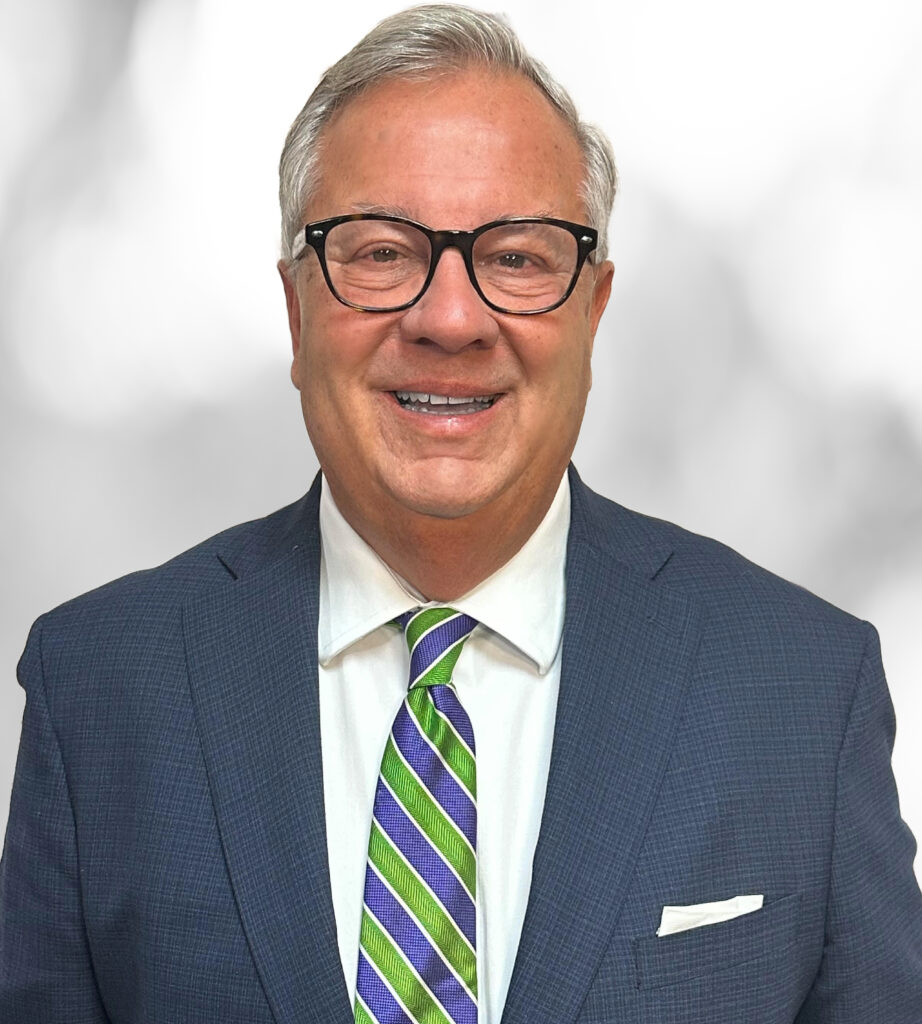
Henry Hinton is a prominent broadcaster and businessman currently serving as the president of Inner Banks Media (IBX), which oversees five FM radio stations in eastern North Carolina. He hosts the region’s widely listened-to syndicated radio program, “Talk of the Town.” Hinton has a notable history in the industry, having previously held the position of president of the North Carolina Association of Broadcasters.
Henry Hinton
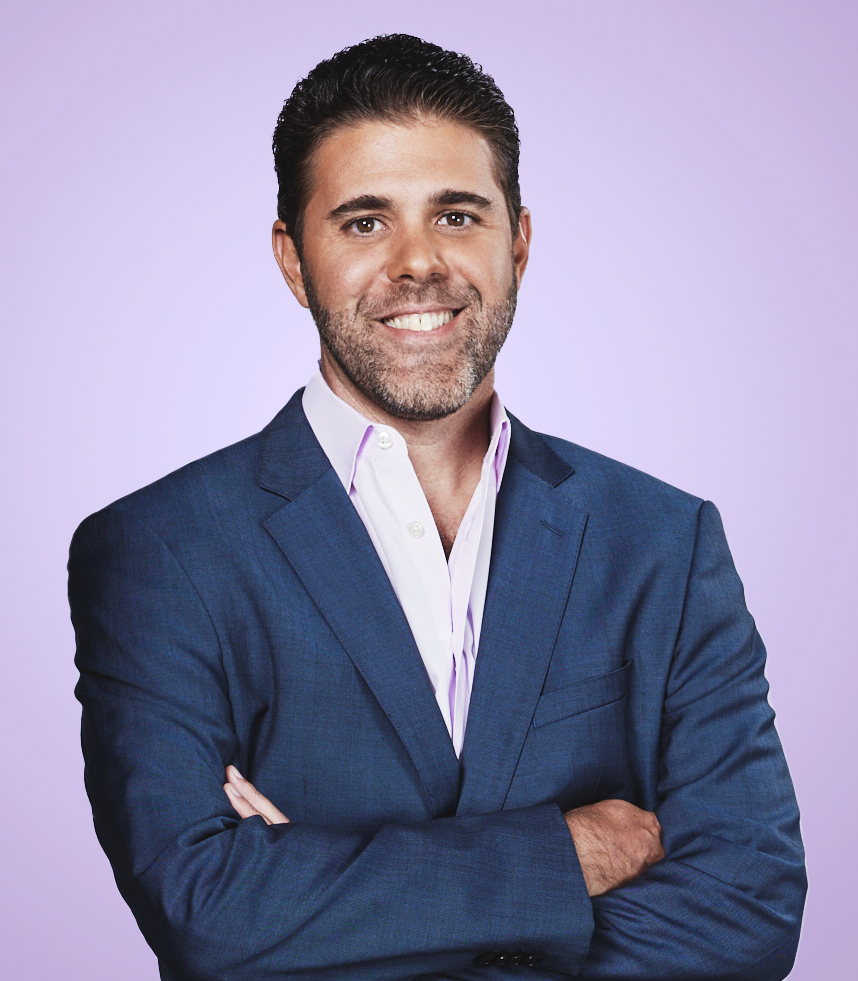
Ignacio Meyer, president of Univision Networks Group at TelevisaUnivision, is recognized as the leading Spanish-language media company globally. In his current capacity, Meyer is responsible for overseeing the programming strategy and operations for the company’s prominent portfolio in the United States, which includes networks such as Univision, UNIMÁS, Galavisión, and TUDN, along with Univision’s radio and local television stations.
Ignacio Meyer
Shoshana Shapiro is senior vice president of corporate communications and marketing at Cumulus Media since October 2015. In her role, Shapiro is responsible for guiding both internal and external communications at Cumulus Media. She also oversees local sales marketing initiatives and implements various projects across the company’s diverse platforms. Additionally, Shapiro plays a key role as a member of the Diversity, Equity, and Inclusion Steering Committee.
Shoshana Shapiro
Barrett Media produces daily content on the music, news, and sports media industries. To stay updated, sign up for our newsletters and get the latest information delivered straight to your inbox.