We don’t ever set out to make mistakes, but sometimes they do happen. Little misspeaks, large misspeaks. Tiny factual errors, huge factual errors. Let’s face it, we’re all human beings and not robots, we will make a boo boo every now and then. Like a shortstop that lets a ball go through his legs, we don’t intentionally make errors, we try the best we can and sometimes things just happen. Now, our mistakes are certainly avoidable and we should do our absolute best to make sure that all of our I’s are dotted and T’s crossed before we crack the mic. But sometimes it takes a team effort to accomplish that goal.
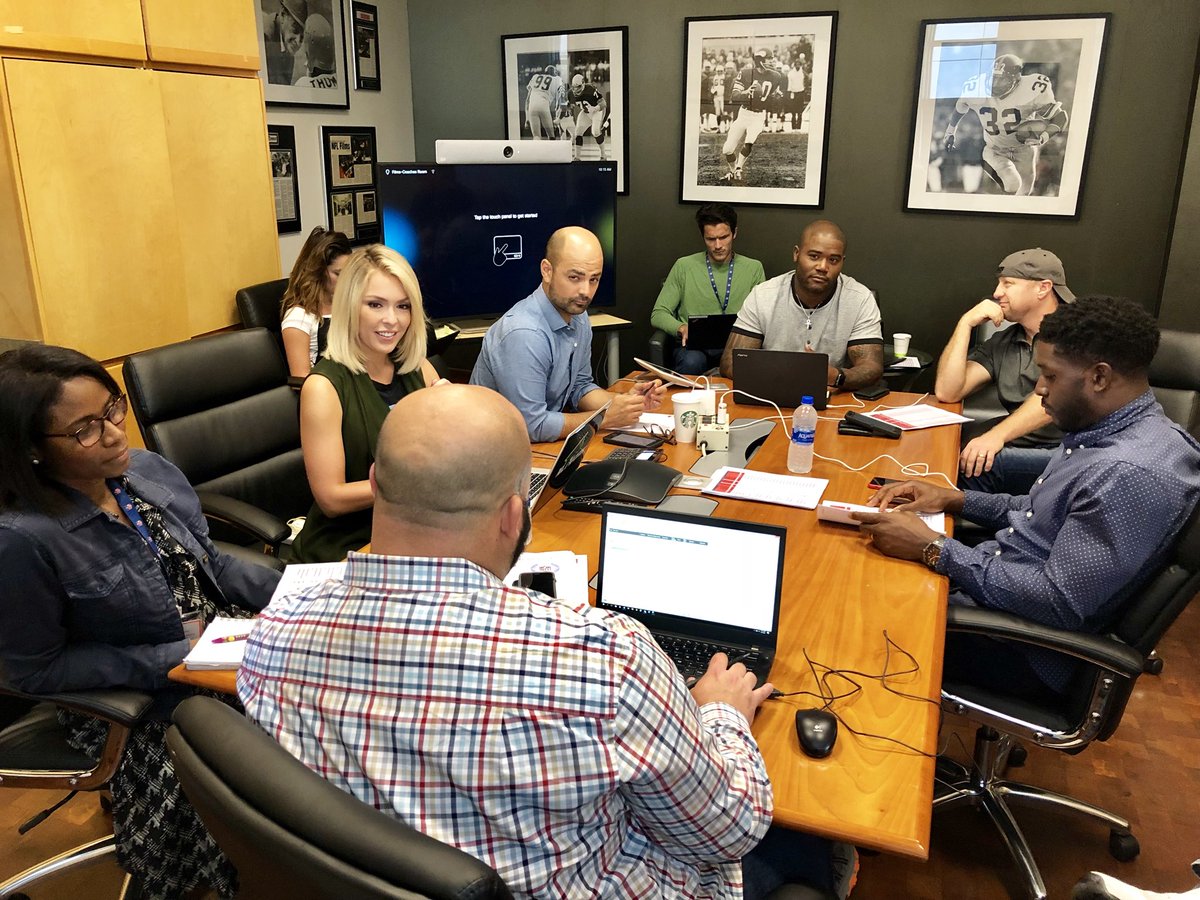
A lot of issues can be taken care of well before a game begins. In television this is more evident than in radio. Why? Well usually there is a pre-production meeting. The producer, director, camera operators, sideline reporter and announcing crew meet to go over the broadcast. What does that entail? Usually, they’ll go over what graphics they have with important statistical information, what promotional reads need to be done, when the sideline reporter will do a hit on something that has been preproduced or if there is anything special going on at the ballpark or field. It’s also to make sure that everyone involved in the broadcast is up to date on information that may (or may not) come up in the telecast. This is critically important so there are no surprises in the production or misunderstandings when it comes to flow of information.
Generally, in a tv broadcast the producer is “in the ear” of the talent in the booth. If the producer wants to steer the broadcast to a certain topic, he/she will let the talent know. This way the broadcaster isn’t talking about something completely different than the viewer is seeing on the screen. It’s also a failsafe so that if the broadcaster misspeaks, they know it right away and won’t dig themselves a hole. That’s why the producer in the television realm is so important. When a broadcaster goes down a wrong path, he/she needs to nip it in the bud right then and there to avoid a bad situation.
It’s a two-way street because the producer needs to know if when talking about a player or coach the camera is focused on the wrong person. Everyone is supposed to take care of each other in that setting and 9 times out of every ten, it is the case.
When this system breaks down, things can get out of hand. A producer assumes a broadcaster has a piece of information that he/she doesn’t actually have. Awkward situations become Twitter fodder, or unintentional causes of angst for a fan base or individual. This tends to happen when that chain of “command” breaks down. Trust me, in this day and age of social media, you find out very quickly when something that is said is untrue or unintentionally hurtful.
Sometimes the mistake is a miscommunication from a producer to the broadcaster, if this is the case and your producer has failed you, it makes no sense or does no good to throw him/her under the bus on the air. Nobody knows who they are. The audience heard you. You are going to be the one to wear it. None of us ever sets out to be hurtful, untruthful or just plain wrong. Things happen from time to time. So what do you do about it after the slip up or gaffe has been made?
The sooner you can correct yourself the better. Now, I’m not talking about little miniscule things, like misidentifying a fastball or curveball, no, I’m talking about egregious factual errors or other major things that could be considered insensitive. Once in a while a mistake will require an apology.
In the rare occasion you find yourself in this boat, think about what you are going to say and make sure you are sincere. There is no reason to make things worse with what is perceived as an insincere apology. That’s almost doubling down on the mistake. Take some time during a commercial break or halftime or when you have a second to think and measure your words. Talk it over with your broadcast partner. Run it by the producer first if you need to do so. Don’t think of this as a punishment, think of this as being big enough to admit your error.

It’s never an enviable position to be in, but it’s one that will say a lot about your character and professionalism when an apology is delivered in a heartfelt and sincere manner. You will be remembered more for how you recover from the mistake than actually making the mistake itself. But you have to do it right. It has to come from the heart.
Avoiding mistakes and sticky situations is why we as broadcasters prep and prep and prep. In all cases communication and teamwork are key to the success or failure in this quest. Sometimes we criticize players and teams for not playing well together and leaving a player out to dry or making someone look bad. It’s the same for us really when you think about it.
Everyone pulling on the same end of the rope is so critical for a good, clean, solid broadcast. Those of us in the communications industry seem to be the ones that have trouble communicating. Never assume your broadcaster, analyst or producer has all the information you think they should. There are ways to ask without insulting the other person. “Hey did you see that Christian Yellich is out for the year?”, or “I just saw that the Twins re-set the home run record, that’s pretty impressive.” Maybe even “should we talk about the Pineda suspension at some point during the show?” This way it’s a conversation and if the person didn’t know, he/she does now.

I mentioned at the beginning, mistakes are going to happen. During the course of a live broadcast your mouth will get ahead of your brain, or the other way around. Why? Because we are human beings and we are not perfect. All we can ask is that we are prepared and ready for the game.