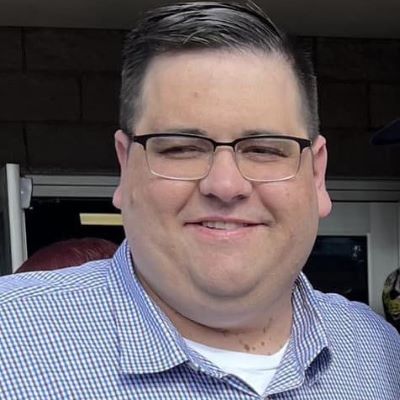
On Wednesday, Charlie Kirk did what Charlie Kirk does: he went to a college campus, prepared to debate politics, culture, and whatever else might come up at the campus of Utah Valley University.
He left the campus being carried by bodyguards after being shot in the neck by an assassin.
The video footage was immediate, sudden, and sickening. The 31-year-old was shot immediately after answering a question about mass shootings. Only one bullet was fired: the one that struck him. Not long after the shooting, Kirk was pronounced dead, with President Donald Trump serving as the definitive source of the news.
In the aftermath of the shooting, one of many questions persisted: What does this mean for live events and future interactions with the public? Especially for conservative media pundits.
Coming off the BNM Summit earlier this month, some of the attendees had their own security teams, well aware of the risk posed by their political stances. In a column, Barrett Media President Jason Barrett noted that he had never questioned that an attendee being slain was even a possibility before Kirk was shot in Utah.
“I’ve spent the past 24 hours thinking about last week’s BNM Summit. Glenn Beck, Scott Jennings, Chris Ruddy, Curtis Sliwa, and John Catsimatidis graced our stage. Access to them in the theater was easy,” Barrett admitted. “At our past shows, Clay Travis, Brian Kilmeade, Tomi Lahren, Jason Whitlock, and others have joined me. Never have I held an event and worried about being shot on stage while discussing broadcasting. But maybe I’ve been foolish to not consider that possibility. If people have to fear doing what they love, and minimize interacting, what’s the point of it?”
Ben Shapiro, who also travels with his own security detail for similar reasons, firmly stated that he won’t be avoiding live events or interacting with the public in the wake of Kirk’s death.
“I will be coming to college campuses, many of them this year. We’re not going to be deterred,” he said in an episode of his podcast after the shooting. ” “We’re going to pick up that blood-stained microphone where Charlie left it. And to those who would intimidate, who would seek to stop us, who would seek to end free discussion, who believe that they have ownership over public spaces, and can violently threaten and kill people who speak freely. We are not going to stop. I have two words: f— you.”
Other news/talk radio hosts we spoke with, who were granted anonymity to speak more freely on the topic, weren’t as boisterous.
“It will take some time before I’m ready to do a public-facing event, I’ll say that,” one nationally syndicated radio host told me when asked if they were concerned at all about there being more potential violence.
This host has been known to do many events with listeners, and take their show on remote throughout the calendar year. They admitted that the thought of facing violence had always been in the back of their mind, but was brought to the forefront after the tragedy with Charlie Kirk.
“I’ve always been a bit of a Nervous Nellie,” they shared. “When you take the stances that we do, getting hate mail or angry texts on the text line is nothing new. I’ve been more worried about face-to-face interactions and someone getting too big from their britches, so to speak, and trying to take a swing at me. But after what happened to Charlie? You have to be cautious about all sorts of things now. I don’t know when — or if ever, frankly — I’ll be comfortable in that setting.”
A local news/talk radio host, who also hosts and leads several events throughout the year with listeners and the general public, made similar remarks when asked.
“Charlie had a bulletproof vest on, which tells me he knew and was concerned, at least somewhat, about the possibility that he could be in harm’s way,” the host began. “I’ve never even thought about someone wanting to harm me at an event. You can usually sniff out when someone might not be there for the right reasons, but that involves thinking about what they’re going to say into the microphone, or what they might do when your advertisers are in the room, not so much about whether or not they’re going to try to kill you.”
790 KABC host John Phillips — in 2023 — had shared that he was always worried about having his back to the audience while on a remote broadcast because “sometimes people don’t like you.”
“And sometimes they really don’t like you and sometimes they like you way too much,” Phillips said at the time. “In any of those cases, you don’t want your back to them. You want to be able to see what’s going on at all times.”
When the local news/talk radio host was told about those comments, they admitted that it is something they’ll think about for the rest of their career.
“It’s a sad commentary on where we are today that I’ll even need to think about that,” they concluded. “But it’s now a necessity. I have to think about it. Charlie was able to have security guards and a team around him. When I go out, it’s me, sometimes I’ll be with (someone else from the station), and a producer or a remote tech. That’s it. My senses will be heightened, absolutely, after what happened to Charlie.”
Barrett Media produces daily content on the music, news, and sports media industries. To stay updated, sign up for our newsletters and get the latest information delivered straight to your inbox.