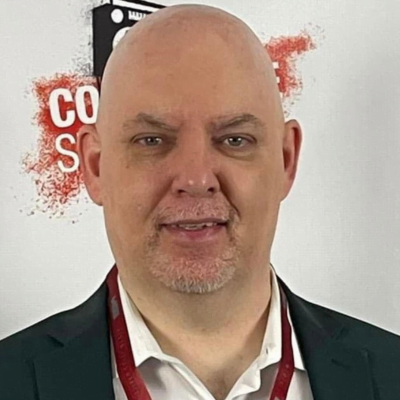
I celebrated turning 52 on Friday. That means I’m three years away from leaving sports media’s 25-54 demo. As you get older, your habits and interests change. You become closer to your family, focus more on your career, get smarter with your money, and value the quiet times. Consuming content is still important, but you become more selective.
For instance, in 1996, I quit a second job in the middle of the night to drive to Yankees stadium to sleep on the line to buy tickets to Game 2 of the World Series. No way I’d do that today. Now, I watch the Yankees in clip form and occasionally watch games on TV. I still love the team and follow them, but spending 3-4 hours each night watching baseball isn’t happening. Fortunately, I’m not on the air hosting a show every day. If I was, my responsibilities would be different.
Big Personalities, Bigger Sports Focus
Who you are at 25, 30, 35, 40, 45 and 50 is very different. You value different things as a listener, viewer, and fan. I grew up on Mike and the Mad Dog and consider it the greatest show in sports radio history. Nobody will convince me otherwise. I listened for hours each day, watched on YES, and viewed Mike and Chris as rock stars. Their chemistry, passion for sports, big opinions, caller interactions, and ability to hold teams, players, and front offices accountable was second to none.
Just like Mike and Chris, the sports format had hosts like Angelo Cataldi, Howard Eskin, Glenn Ordway, Mike North, Ralph Barbieri, Bob McCown and others who built their foundation on sports passion, opinion, caller interactions, knowledge, guests, and personality. Each were larger than life characters. Today, there’s less sports radio characters, especially among hosts 40 and under. Some of that is due to younger talent creating their own digital identities, and some is the result of companies prioritizing the brand, control, and serving play-by-play partners and advertisers over showcasing stars.
Sports radio remains very important but in years past, it felt like the format had greater influence. Brands revolved around hosts, and teams had less input in programming decisions. They also reacted more when hearing the pulse of their fan bases on local airwaves. Sports television felt bigger too. Dan Patrick and Keith Olbermann’s chemistry, quick wit and interviews on SportsCenter become a nightly viewing destination. Being informed, challenged, and entertained was a simple formula for connecting with sports fans. Aspiring broadcasters knew that strong sports knowledge was a prerequisite for working at ESPN, WFAN or another reputable outlet. Having a voice like you were a member of The Sopranos didn’t hurt either.
Times Have Changed
But content options were less back then, and nobody kept score on personalities like they do today. If they did, they’d have crushed Chris Russo for wanting the Yankees to sign Albert Belle over Bernie Williams. They’d have called out Mike Francesa for expecting little from the 1990’s Reds team that won the World Series.
If you’re over 45-50 and working in sports media, chances are you identify with Howard Eskin, Angelo Cataldi, and Joe Benigno and their remarks about things not being as good as they once were. But there’s no right or wrong answer to that. It’s strictly an opinion. Younger people have less attachment to the brands older professionals grew up admiring. That doesn’t mean they won’t listen to them, watch them, be inspired by them, or love them, it just means brands can’t assume future generations will support them just because past generations did.
My son is 24. His connection to New York sports radio is nonexistent even though he lives in New York and loves sports. He consumes Jomboy Media, the WWE and Barstool’s content like I did WFAN’s. He also likes ESPN but consumes the brand through social media. If he watches ESPN television it’s for live games. Others his age are doing the same. I see it when I speak at colleges or talk to younger people on Zoom.
Years ago, we treated the words and opinions of the format’s top stars as gospel. Today, social media accounts like Funhouse and Freezing Cold Takes expose commentaries regardless of professional success. Clips showcase moments that can make smart hosts look dumb. People also consume more content now but for shorter amounts of time. They’re more likely to watch 10 pieces of content in an hour than listen or watch 1 or 2 segments.
Because time is short and we’re bombarded by content, watching clips has become enough for many. Our prep for discussing topics has morphed from having a complete grasp on what happened to reacting to key highlights and remarks. Podcasts, social media, apps to hear songs and YouTube videos didn’t compete for our time in prior years. Attention spans weren’t trained on 140 character posts and videos under 2:20. Substance was demanded and the audience trusted hosts because only a select few represented credible brands. Now, everyone has an opinion and outlet.
Many content creators today prioritize moments over relationships. Generating views, downloads, streams, and Twitter reactions has littered our social media feeds with drama and conflict. Algorithms reward content that produces engagement, which is why outrage and controversy are frequently pushed. So if that’s what it takes to retain attention, you can understand why personalities prioritize creating buzz over imparting knowledge.
Do Listeners Care?
Over the past two weeks, we’ve seen spats involving Howard Eskin and Angelo Cataldi vs. WIP, Brandon Tierney vs. Gregg Giannotti, Stephen A. Smith vs. Jason Whitlock and more. The fixation on conflict doesn’t make an audience smarter, but it does create noise and clicks. All involved have benefitted from it.
And that begs the question, is that a good thing?
I spoke with Pat Paxton who oversees programming for Saga Communications. With his permission, I’m sharing what he told me about these issues.
Listeners don’t care about these issues as much the industry does. Some of these guys have moved on. Sports radio listeners do too. They had great careers and helped create the format. But todays listeners don’t care what they think. I’ve seen this over and over (I’m old too).
Mike Joseph created one of the first top 40 formats based on playing 30-50 songs. It was a different world. No YouTube, Spotify, Apple, Amazon, etc.. No one thought that listeners would embrace this type of repetition. Until they did. Yet in todays world with todays competition it would fail miserably.
Fred Jacobs created the original classic rock format which was enormously successful. Yet if those same successful stations kept that same winning playlist, without embracing the 80’s and now some 90’s, they would be called oldies stations. And we all know where oldies stations stand. Not long ago many AC stations refused to embrace the newer upcoming artists (Taylor Swift, Katy Perry, Ed Sheran, Pink, etc.). They are now afterthoughts.
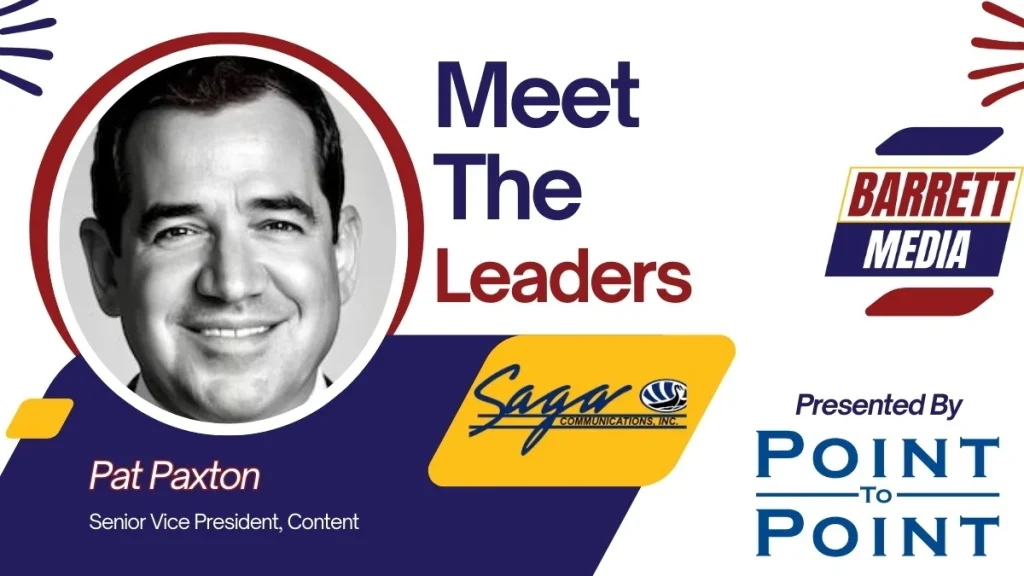
Appealing to consumers beyond the radio show has moved from a “nice” to a “must”. Some of these hosts never had to do that. The demands on todays talent far exceed what the “old school” talent were required to do. I don’t say that to demean the impact, talent, and success of the originators of the format. But life moves forward. The business evolves and that means todays talent need to be more than a “radio” talent. They need to be multi-platform, multimedia stars.
As the head of programming for Audacy for 22 years and now heading programming for Saga Communications I’ve seen a thing or two. As a preemptive move I want to point out that Angelo, Howard and maybe others will rant and rail that they’ve never heard of me and that I’m a nobody. Partly true. I’ve never inserted myself in between local management and these guys. That type of interference never ends well. I’ve met and engaged with them and they were always pleasant and polite but it’s dangerous to undermine local GM’s and PD’s. It’s something I was and am always conscious of.
My point is that our world evolves. Not everyone evolves with it. And that’s ok. Those who move on should be respected for all their accomplishments. So should those who are following in their footsteps.
Is Sports Not Enough?
Pat makes some excellent points especially about modern day talent responsibilities. I did tell him that these dramas though do produce more interest than some might think. I see the web traffic when we write about them. However, those gains are temporary. It’s like when Mike Tyson bit Evander Holyfield’s ear. We all looked and reacted, so it did create noise, but it was a momentary story. You can’t exactly do that the next day and day after that. These dramas are no different.
Don’t get me wrong, I love a good debate between high profile hosts just like the next person. But why do we assume that sports listeners and viewers only care about media beefs? When did we decide that talking about sports wasn’t sexy enough? Suddenly discussing games and players, interacting with the audience, sharing personal stories, and interviewing guests isn’t valuable? Check the Sports Podcast category on Spotify or Apple or the top shows on YouTube. They’re filled with shows featuring guests, and many of the qualities I just mentioned. Better yet, Mike Felger and Mike Valenti host two of sports radio’s top performing shows. Both create plenty of interest by offering strong, sports content. The notion that sports isn’t enough is nonsense.
If you say that sports talk doesn’t work, I’ll show you an average host with little depth and weak opinions. Suggest that guests don’t work, I’ll question your ability to book important people and ask good questions. Tell me that sports stations should only talk sports, and I’ll ask ‘who hosted mornings during WFAN’s rise to prominence?’. I’ll also ask ‘how are Barstool and Pat McAfee doing these days?’
There’s more than one way to skin a cat. Offer variety and let the audience decide. Given how many content options exist, you can’t just operate in one lane.
What is a Win?
While I’m supportive of delivering choice to the audience, I also think substance should be required. If I enter your studio tomorrow, grab the mic, and call out a popular host or go on a 5-minute rant about why Soccer is more popular than the NFL, it’ll light up the phones and text line, and produce a viral video clip. But that doesn’t make me a talented or successful talk show host. It makes me good at creating momentary outrage. Is that a win? What do I do the next day? Do I insult management and declare the NHL more relevant than MLB? What about on days 3, 4 and 5?
I rarely disagree with my crew publicly but I read John Mamola’s column last week. It pointed out some data wins from generating noise and there were parts of it that were spot on. But a few key questions were missing. What exactly is a win? Who decides? Are we creating a strategy to win long-term or to own a 24-hour news cycle?
If we’re going to lean in to noise, what exactly is the goal? Is it about producing a short-term ratings spike? Boosting engagement on social media for the day? Elevating revenue? Do we want our shows and talent known for temporary moments or for building consistent trust and business? What do we tell groups who don’t subscribe to Nielsen? What is their win? Should those who subscribe pay talent bonuses for ratings wins when competitors aren’t participating? Will retweets, comments and likes make any difference for the sales department?
Many programmers and talent make the mistake of thinking that it’s all about the ratings. It’s not. I consult a number of sports/news talk stations and the focus in 2026 is less on numbers. It’s about revenue, revenue, revenue and digital, content, and ideas. Numbers may boost your ego, be used as an excuse to fire you, or help support a sales pitch, but they don’t provide job security. Revenue does. Click the video above and listen to Mojo of Channel 95.5 in Detroit. He gets it.
Closing Comments
Dan Sileo said recently that talent today don’t value the listener. In some cases he is right. The industry puts greater focus today on revenue. Clicks, views, and chatter may generate noise, momentarily lift ratings, and help you trend on X, but they don’t define success. It’s about trust, consistency, substance, how much you make, and what type of revenue you generate. Less up top care about ratings and whether you’re a sports talk host or entertainer. What they want most are talent who can deliver dollars.
The old guard and new guard have different preferences and that’s a positive. But if there’s one thing they should be able to agree on it’s that substance should matter if you’re a host. Brandon Tierney can prefer sports talk and Gregg Giannotti and Craig Carton can favor entertainment. Both styles work. When people suggest otherwise it’s foolish. Unless you study every market, host, and situation, you’re just talking out your ass to defend your personal tastes.
Another key point to understand is that clients aren’t buying moments. They’re buying brands, trust, relationships, and consistency. With those investments comes an expectation that results will follow and headaches will be minimal. Stephen A. Smith and Jason Whitlock will boost views, Brandon Tierney will grow subscribers, and Gregg Giannotti will earn a ratings spike over calling each other out. People do stop to see the car crash. But it’s their content beyond these momentary feuds that explains why they’re successful.
You can chase moments and noise, and at times, they’ll provide momentary validation. Just remember, as quickly as they come, they’re just as easily forgotten.
Barrett Media produces daily content on the music, news, and sports media industries. Sign up for our newsletters to stay updated and get the latest information right in your inbox.