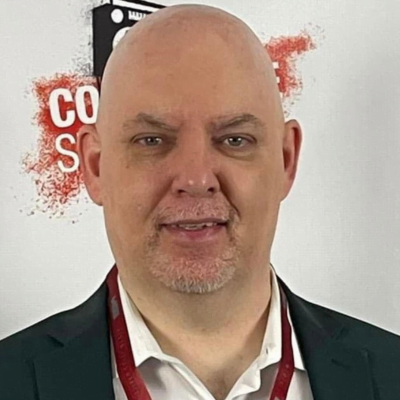
Last Wednesday, I attended the Sinclair AMP Upfront in New York City. The event brought together star talent, company executives, and a room full of advertising professionals. It ran on time, delivered substance, crackled with energy, and prioritized owning the moment.
I wasn’t sure what to expect heading to the event. We have readers across the company but aside from my former ESPN Radio colleague Pete Gianesini — who I enjoyed reconnecting with — my personal ties at the company are limited. A big thank you to Jessica Bellucci for the invitation to attend. I believe it’s valuable to escape your comfort zone, and see how others approach content and business. Forming new relationships is another added benefit, and I took advantage of the opportunity by gaining face time with Rob Stone, Urban Meyer, and Martin Kristiseter of Digital Remedy.
AMP Believes in Podcasting
Sinclair’s AMP roster is formidable. Throwbacks with Matt Leinart and Jerry Ferrara commands attention. The Triple Option with Urban Meyer, Mark Ingram, and Rob Stone brings elite football credibility. Cousins with Vince Carter and Tracy McGrady features elite NBA talent, natural chemistry and authentic conversations.
The company also sees value beyond the marquee. Programming built around Landon Donovan, Aliyah Boston, and others signals a deliberate investment in niche audiences. That’s smart business. Niche communities are deeply loyal. They convert.
None of this is accidental. Sinclair has made a strategic choice to invest in premium talent and package it for buyers. The company owns 181 television stations across 81 markets. It’s their crown jewel. Yet, this particular upfront had nothing to do with TV. It focused solely on sports podcasting and the Tennis Channel.
That is a corporate declaration. The company sees real revenue potential in the podcasting space and presented it to buyers with the same seriousness they’d give any major television property. That same enthusiasm and confidence was on display when I previously attended the Barstool Sports and Jomboy Media Upfronts.
A Tale of Two Industries
That begs the question, why is the energy and belief in these rooms a stark contrast to what’s felt across the radio industry? Radio colleagues frequently sound worn down. Layoffs accumulate. Revenue struggles persist. Confidence in the path forward is in short supply. People talk like the best days are behind them despite consumers listening and watching more content than ever.
NAB Las Vegas is underway this week. But many industry leaders will discuss critical issues in Nevada away from the actual event. Curtis LeGeyt and the NAB team work hard to unite the industry. I’ve spent nearly 11 years doing the same. At some point, the industry has to care enough to help itself. You can lead a horse to water but you can’t make it drink.
The podcasting world operates with a different mindset. Leaders at The Volume, Omaha Productions, Jomboy Media, Locked On, Gamut Podcast Network, Bleav, Silver Tribe Media, Meadowlark Media, and Sinclair, speak about the future of podcasting with genuine conviction. They see opportunity, freedom, and a lane to build something sustainable. It’s refreshing and encouraging.
The Posture of a Wounded Industry
I read a great piece last week by John Shomby. He compiled a series of social media posts from radio pros reflecting on the state of their business. The messages painted a dark picture of how many feel about their chosen profession. They carry themselves like someone who’s been burned in a relationship and is bracing for the next betrayal. That posture doesn’t produce better outcomes. It just guarantees more pain.
What I observed at last week’s Upfront was the complete opposite. Rich Cooke, Rob Weisbord, John Zeigler, Eric Welles and others projected belief. They expressed passion, excitement, and confidence in the business they’re investing in. They created an environment where buyers felt compelled to be part of something moving forward. That distinction matters.
The Radio Industry’s Dilemma
There’s a strong appetite for sports content and a willingness to invest in it commercially by non-radio companies. Yet many local radio leaders cling to what’s safe and familiar, creating excuses for why they can’t make money in podcasting. Current radio revenues may be larger today, but those numbers continue to shrink. Podcasting continues to grow.
Entering new content spaces and training salespeople to monetize them isn’t easy. It requires time, foresight, investment, patience, and adaptability. Every business is faced with challenges. Layoffs are real. Revenue pressure is relentless. Measurement is challenged. Expanded responsibilities are making it harder than ever to achieve, let alone sustain. None of that is up for debate.
But while some professionals stare at the cracks in the road, others are sprinting past them. Companies are building rosters, hit shows, pitching buyers, and creating environments where partners feel like they’re part of the next big thing.
Radio’s worst enemy is itself. It doesn’t market, celebrate, connect or invest enough. When the public narrative revolves around bankruptcies, revenue decline, measurement inefficiencies, and layoffs, it’s hard to expect those in control of the purse strings to be enthusiastic. Yet the radio business has so much to offer between trusted brands, big personalities, massive audiences, live events and experiences, and distribution across every channel and platform.
Meanwhile, groups like Sinclair are out there showcasing why they believe in the business, putting their money where their mouths are, and inviting the business community to jump on board. Radio can point to economic difficulties as the reason for timid innovation and exploration, but others operating in the same economy are stepping up and excited to do so. You can either play the long game, and pursue new content and business opportunities with passion, focus, and strategy or watch others blow past you. The view of the glass may be half empty to some, but to others, it’s full of unlimited possibilities. I saw it again last Wednesday.
Welcome Kevin Callahan
For months I’ve shared that I wanted to add a Country Radio columnist to improve our coverage. I’m a fan of the format, love the connection it has with artists and record labels, and have regularly praised CRS. I knew Country Radio needed to be served better on our website, and today, I’m happy to say, we’re taking a step towards doing so.
It’s my pleasure to welcome Kevin Callahan to the Barrett Media writing team. Folks can reach out to offer congratulations to him here.

Kevin oversees 25 radio stations across five markets, including four Country brands as the Executive Director of Programming & Operations for Pamal Broadcasting. His career includes a 12 year stint as Audacy’s West Coast Regional VP of Programming for the Country format, where he managed premier brands across major markets including San Diego, Seattle, Phoenix, Riverside and more. In addition, he serves on The Agenda Committee for CRS as Vice Chair, helping to shape and develop the educational programming for next year’s show.
Kevin’s column will run each Thursday, starting later this week. I’m excited to end the dryspell and give Country radio pros an additional voice to champion their format’s wins, challenges and opportunities.
Quick Hits
2026 Barrett Media Audio Summit: We have a ticket sale running through Wednesday April 22nd. Notably, one-day, two-day and three-day passes are all discounted. Click here to secure your seat. I’d also like to thank Bonneville International and Amazon ART19 for signing on as partners of this year’s show. In fact, over 20 companies are supporting this year’s conference. For information on additional opportunities, simply email Stephanie@BarrettMedia.com.
WWE/WrestleMania: The buildup to this year’s spectacle wasn’t perfect, but the WWE delivered when it mattered most. Were there too many commercials? Yes. Was the Pat McAfee angle bad? Absolutely. Still, the matches, production, and broadcast were very good. Many fans like to complain and overanalyze every detail, making shows feel less enjoyable sometimes. Personally, I love the behind the scenes stuff like everyone else, but using your phone less during a show has a positive effect. All in all, a great weekend for everyone involved with the WWE and ESPN.
Bob Kevoian: I didn’t know Bob Kevoian personally, but I was well aware of Bob and Tom. So when news broke Friday night that Bob had passed away, I knew it’d be a national story. I’ll never forget when Stephanie Eads told me Bob & Tom were signing on as a sponsor when we started covering music radio — I was truly honored. As a fan of great radio shows, talent, and brands, I have tremendous appreciation and respect for what Bob built with Tom Griswold. The outpouring of support across social media highlighted how much Bob meant to listeners, advertisers, co-workers and fellow broadcasters. He may no longer be with us, yet his contributions to the radio industry won’t ever be forgotten. Farewell to an absolute legend!
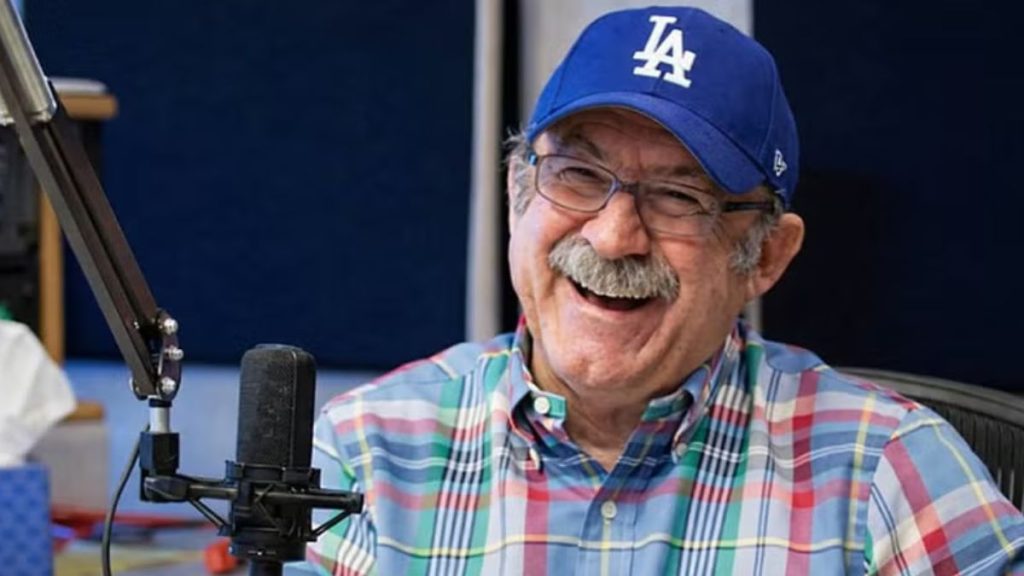
The Volume: Both Colin Cowherd and Logan Swaim deserve credit. The Volume may be known for its sports content, but the brand’s move into entertainment has attracted some heavy hitters. As a result, shows now feature hip-hop legends Fat Joe and Jadakiss, Angie Martinez of Power 105.1, and Rory and Mal. By branching out in this way, The Volume is setting itself apart in a crowded field. Well done, fellas.
Posting on X: I read a fascinating article recently on Neiman Lab about posting strategies for top outlets on X. In the piece, the New York Times, Wall Street Journal, and CNN were cited as posting article links for 88-98% of their posts. Consequently, their engagements per post were abysmal. By contrast, Fox News had only 9% of their posts include article links and were among the most engaged brands on the platform. The moral of the story: play the game how the platform wants it played, or wind up not being seen. Clearly, Fox gets that — others don’t.
Quality over Quantity: The Times shared recently that articles on their website were reduced by 25%. As a result, three consecutive months of all-time, record-breaking audience growth followed. Head of Digital Anna Sbuttoni said the shift was about prioritizing better original content.
Similarly, Acquired, the business history podcast hosted by Ben Gilbert and David Rosenthal uses a similar approach. The show produces just 8 episodes per year, reportedly earning over 6 million dollars for its presenting sponsorship. Each new episode earns over one million downloads in its first six months, ranking it among the top technology podcasts on both Apple Podcasts and Spotify. On top of that, the founders say the audience has doubled every year since the show’s debut. To borrow an old radio slogan, sometimes less is more!
Barrett Media produces daily content on the music, news, and sports media industries. Sign up for our newsletters to stay updated and get the latest information right in your inbox.