

Last Tuesday, Nielsen announced that they would start tracking impressions for local U.S. TV advertising in January 2022. Radio is trailing, but it won’t be long until we do away with cost per point and say hello to cost per thousand. Digital media bases their rates on impressions. Soon we will as well. Read this from Inside Radio for a great explanation.
Half the ad agencies who use Nielsen say impressions are all they use anyway. For selling radio, it’s the best way to go as we bundle up the digital impressions we create with streaming and other digital products. But, this switch isn’t a total win for radio, according to Ed Cohen, the former VP of Cumulus Media Research and President of Audience Measurement Innovations.

Cohen told me the move from points to impressions is a wash because the numbers are rounded up or down, and half the time rating points are higher than persons and vice versa. Where things get interesting to Dr. Ed is how TV will be making changes. National TV is based on an average minute, but local TV is based on the average quarter-hour, just like radio. As part of this change, local TV eventually goes to average minute estimates, and radio won’t be far behind.
Can you believe a cost-per-minute efficiency is likely coming to radio? Cohen has learned that every time PPM data was recalculated using average minute, the numbers were 15-20% lower than with average quarter-hour. Let’s not start with how impossible it would be to take the radio diary system to average minutes listened, but local TV doesn’t use any diaries anymore.
Local TV will benefit from a change to impressions because they want to get away from TV household ratings. After all, an increasingly large number of those households, especially younger people, NEVER watch local TV.
So, what about us?
The average quarter-hour rating system has been essential to radio because even if a listener only tunes in for 7 minutes, a station will get credit for 15 minutes of listening. That could go down to 7 minutes of listening and so on. We all know that an increasing number of listeners are tuning out from an actual radio and tuning in via a stream or podcast. All this has resulted in less true radio listening, and that’s not good for business.
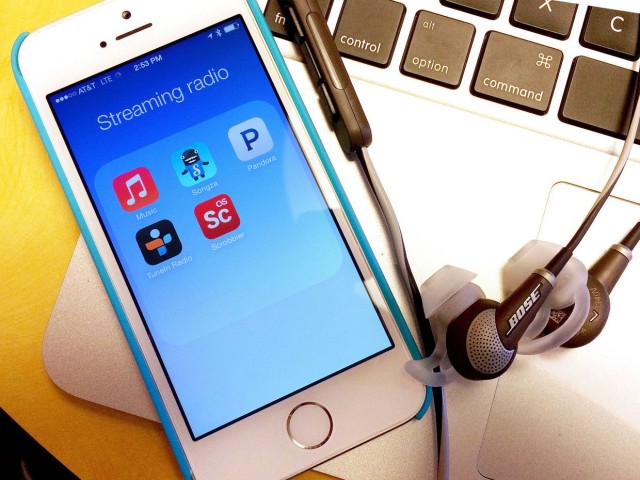
Cohen says that the light listener in radio is more predominant, and very few have the radio on all day. With streaming, it’s much easier to listen at work or while working out. That makes selling streaming mandatory for our sales efforts. And, if we end up with a medium with lower total time spent listening, we better be careful about our advertising loads because younger and increasingly older listeners won’t sit through them. We have our work cut out for us, and the cost per minute standard could be coming to an inbox near you soon.
