

Home Blog Page 172

The Industry According To: Peter Katsis

Thank you for checking out The Industry According To… This series runs each Tuesday and features radio and record industry executives, managers, programmers, talent, artists, and professionals from all areas of the business world. To be considered as a future guest, email me at keithblackboxgroup@gmail.com.

Today we jump over to the artist management side of the industry and talk with someone whose walls are lined with accolades, his body covered in figurative scars, and his pockets jammed with receipts — to say he’s been there and done that would be an understatement: Peter Katsis.

His resume includes managing many mega artists over the years, including Korn, Jane’s Addiction, Audioslave, Backstreet Boys, Limp Bizkit, The Smashing Pumpkins, and Morrissey, while still finding time to work with cutting-edge talents like The Cramps, Ministry, Fever 333, and Death Grips. Peter spent years as one of the co-founders of The Firm and Prospect Park, and is currently working with clients including Bush, Ice Cube, Liz Phair, and The Church.

*Editor’s Note: Answers have been edited for clarity and length.*

Peter’s Time Machine

Keith: You hop into your time machine — you can keep it locked in “park” or slam it back to any year or span of time you’ve been an artist manager. Which do you choose, and why?

Peter: I bet most people, including myself, would like another shot at things. In a lot of ways, a lot of it was going by so fast it was impossible to do anything but go along for the ride. The start of House and Industrial, while growing up in Chicago, was amazing. But fresh out of college in those days, I was just learning the biz when I should have been looking to find a way to control a bigger piece of those genres for the future.
Plus, some of those early trips to NYC, Manchester, London, and Ibiza to cover shows in the early ’80s were simply mind-blowing. The nights at the Paradise Garage in NYC or the Warehouse in Chicago were simply legendary. Who wouldn’t want to re-live that again?

That got me out of Chicago, into the spotlight a bit early, and opened my eyes to a world of possibilities.

There are always regrets. I’d like another shot at some things I worked on — projects and people that were very important to me. I’m sure it’s not hard to imagine: Morrissey, Jane’s Addiction, etc.

Cross Genre

Keith: From Ice Cube to Ministry to Morrissey — having managed artists across completely different genres and eras — what’s the common thread? The one thing every successful artist has in their DNA?

Peter: The true artists and legendary bands all have a unique vision. It might be shaped from their influences, but their vision usually stands apart and recognizes and emphasizes important aspects about their social impact on the world and/or the world of music. Of course, there are many successful artists and groups that are also great at following the times and capitalizing on trends. Nothing wrong with that either, really.

The Manager’s Burden

Keith: Managers often carry the emotional weight of the entire operation — the artist, the team, the expectations and outcomes you can’t fully control yourself. What’s the part of the job nobody sees that takes the biggest toll?

Peter: The key lies in staying true to the music. All your work and creative ideas should stem from the art itself. The other thing that is required is total dedication to pursue the inspiration of both your client and their audience. No one “sees you” inspiring your artist, and it is probably somewhat thankless and best done one-on-one anyway. But you can really get physically and emotionally drained over pursuing these goals for them.

Crisis Moments

Keith: It’s OK to keep names out of it if needed, but what’s the toughest moment you ever had to manage an artist through?

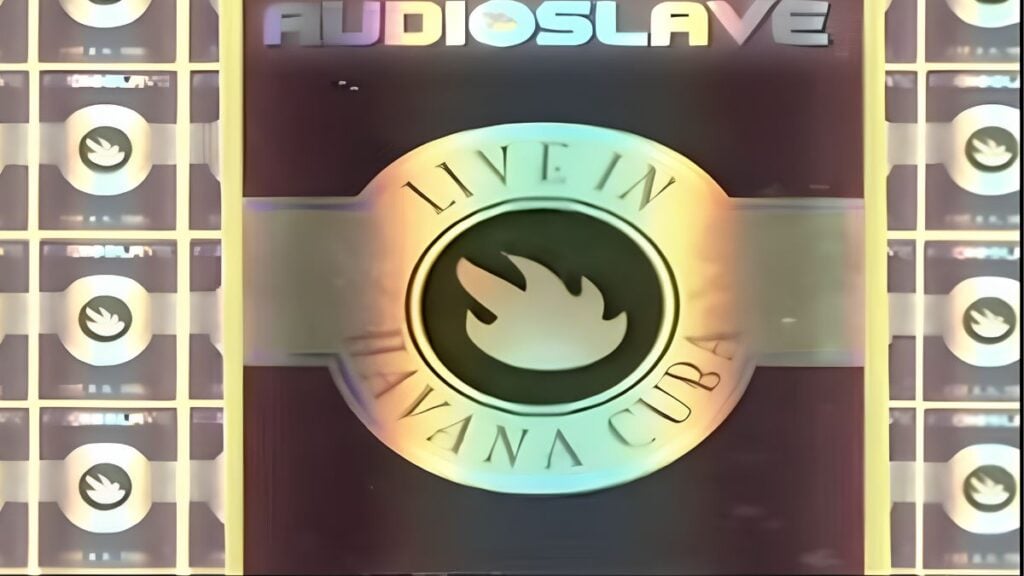
Peter: We were in Havana, Cuba with Audioslave, performing the first large show ever by a U.S. artist in Cuba. 100,000 people attended the free show in downtown Havana at the José Martí Anti-Imperialist Plaza. It was probably one of my biggest accomplishments to pull that event off. We set it up as a “Cultural Exchange” between the two countries.
We had to get permission from President Bush and his State Department’s approval, which was no small feat. After months of advancing every detail needed on our rider with the Cuban Production Manager and the Cuban Army, we get there for soundcheck — and there is no barricade. We were having issues explaining that this was an urgent safety issue and that the band could not play without a barricade. They assured us that the barricade was coming and that they had a large army detail that would be there behind the barricade as support. Also, they were telling us the fans would listen to them and keep things safe. They had no idea what a Rage Against the Machine mosh pit was about.

So after soundcheck, we went back to the hotel for a break, fully expecting a barricade was on the way for the gig later that night. When we got back to the venue, we saw that the barricade they brought in was simply a heavy-duty bike rack.

We had no idea what to do. Our concerns went to the fans’ safety first, but the idea of pulling the show — after all it took to put together and all it meant to those fans — seemed unthinkable, and would possibly have been an even bigger safety issue.

After screaming at the Cuban Army for 30 minutes, we had to act quickly. I got them to provide soldiers to stand behind the bike rack, ready for the push from the pit. We pulled off the show in the end with no real severe issues. But, the bike rack looked like twisted metal rope by the time the show was over.

I ended up getting out there myself to help hold up the barricade and give instructions to the soldiers as to when the key moments were coming. I’ll never forget Cornell joking about it onstage into the mic. The band got a kick out of watching me trying to hold on to this bike rack for my life and keep it in place with those soldiers. They just kept rocking. Amazing, really.

I probably have hundreds of these crisis moments, but that one might take the cake.

Keeping the Wheel

Keith: You’ve managed some massive personalities — what’s the key to managing very strong and independent creative types without drifting off course and losing control of the ship?

Peter: You have to constantly remind yourself of what your job is and what your current goals are — as well as your long-term goals — for that artist and their career. Often, reminding them is all that is needed. If you run into a more stubborn situation or time period with that artist, you’ll often have to look for alternative ways to make your point — getting team members to help, or sending data and examples rather than dictating or acting controlling. Getting angry rarely helps, but sometimes they need to feel your strength too. It’s mostly instinctual. You can feel when that is needed.

TikTok’s Role

Keith: Any artist would want a hit to be born within 24 hours on TikTok. It’s what a lot of artists now focus on — but that’s still a little like winning the lottery. Is the potential upside of platforms like TikTok more of a distraction, or a race worth running?

Peter: TikTok’s role can still be extremely helpful to any artist or group of any age. The key is in the content you make. Is it fun enough or interesting enough to create social activity and awareness for new releases or new projects? Does it show your artist to be unique and connect to modern culture? Does it show an inside story from behind the scenes that fans will find interesting? But then again, that is true of all the big social platforms. Even though they are not quite as reactive as TikTok — Instagram, X, and even the old standby Facebook can be effective. A consistent pattern of releasing strong content, backed by a sincere connection to the artist’s music, will always have some impact on creating and maintaining an audience. So yes, it’s still worth it. And when you see that pitch coming — swing for the fence!

Labels

Keith: It’s cliché to say some artists don’t need labels anymore. But when it comes to big successes, there’s a wide gap between artists with a label and those without. If an artist of yours is shopping for a label, what’s most important in determining which may be the best home?

Peter: I would say the most important thing is: does the label or distribution plan involve a team on board that loves the music? Then ask yourself if you have all the other pieces in place — the right budget and the right staff for your particular project, etc. If not, you will need to make a plan to fill the gaps, and it’s best not to get started before you have all that in place. Otherwise, you are headed into the inferno of competition blindfolded and wasting your time.

Mentoring Managers

Keith: Becoming a great artist manager doesn’t come from a YouTube video or a class in school. It requires living it, making mistakes, learning, and real-world experience. What’s the most important advice you can give a young manager looking to develop a long career like yours?

Peter: Follow your instincts. Don’t be afraid to take chances. But don’t skip asking opinions and doing your homework. Learn what you can from veterans and the data available.

Barrett Media produces daily content on the music, news, and sports media industries. Sign up for our newsletters to stay updated and get the latest information right in your inbox.

The Dangers of Americans Reading Less and Scrolling More

0

Spending most of my formative years in the 70s meant I got most of my information from radio, TV, newspapers, and books. I also began my career in the late 70s. Back then, current events were delivered via media while history came from books. Hard-cover and paperback books also served as a means of entertainment. Reading was considered a favorite pastime.

As a young student, I had to read four books a year and write a report for each. Somehow, teachers always knew when we summarized the books using Cliff Notes and Monarch Notes. That was our form of AI back in the day.

While millions of us still read often, new studies show a greater disparity between active readers and those who rarely pick up a book at all. We are also dramatically shifting our consumption habits. Moving away from newspapers and traditional journalism toward streaming platforms, websites, videos, and social media feeds.

According to Pew Research Center, approximately 75% of U.S. adults claimed to have read at least one book within the past year. However, that number also means one in four Americans didn’t read any books at all during the year.

I was frankly surprised to learn that print books remain the most popular format. Two-thirds of us are reading hard-cover and/or paperback books, while only one-third read e-books. Audiobooks, in particular, have grown rapidly over the past decade. We’ve increasingly preferred content we can consume while driving, exercising, or multitasking.

Still, audiobooks account for only 26% of “reading.”

Breaking Down the Demographics

The demographic breakdowns are especially interesting. Although it’s no shock to learn that women still read more than men, with 78% reading at least one book a year compared to just 71% of men.

Education also plays a role and remains one of the strongest predictors of reading habits. Eighty-eight percent of college graduates read at least one book a year, compared to only 60% of those without the sheepskin.

Age has an impact as well, though perhaps not in the way you might imagine. Despite popular assumptions that younger generations no longer read, those under age 30 still report relatively strong reading habits compared to middle-aged groups. Adults between 18 and 29 are the most likely to read digital formats such as e-books and audiobooks. Older adults still prefer physical books.

The most disconcerting data suggests that, among readers, the actual number of books read annually is fairly modest. Pew found that 38% of us read between two and five books per year, while just 14% read more than 20 books.

Also not surprising is the measurable decline in reading that extends beyond books and into news consumption. Traditional newspapers, magazines, and op-eds have lost readership over the years. More people turn to streaming services, Facebook, YouTube, TikTok, Instagram, podcasts, and social media influencers for information and commentary.

Impact on News

Unfortunately, this shift has also changed the face and credibility of journalism. Streaming news channels and digital personalities tend to present stories in emotionally charged, condensed formats. Prioritizing speed and entertainment over depth and accuracy.

As we all know, social media has fundamentally changed how we process information. Algorithms appear to reward outrage, brevity, and emotional responses. Traditional journalism relies on detail, nuance, and longer attention spans. As a result, younger consumers are more likely to watch a 90-second TikTok summary of a political issue rather than read a long-form analysis from a traditional media outlet.

I tend to agree with the large number of researchers and educators who express concern that this steady decline in reading habits will weaken younger people’s critical thinking, literacy, and attention spans. There is growing concern that “doom scrolling” and endless short-form content are replacing deep reading and thoughtful analysis.

In no way am I suggesting that the content we consume online is not compelling and entertaining. Nor can I accurately claim that books and long-form writing are disappearing. Millions of us remain passionate readers, and the continued growth of audio and digital books suggests we still desire storytelling and information.

We simply want it faster, more portable, and more convenient than ever before.

I hereby pledge to try to read more books. Care to join me?

Barrett Media produces daily content on the music, news, and sports media industries. Sign up for our newsletters to stay updated and get the latest information right in your inbox.

Danny Zederman Reveals ESPN Chicago’s Vision Behind Aggressive Digital Expansion

0

The goal of any programmer is to constantly find new ways to super-serve the audience. With so many content options available today, sports radio stations now compete in a crowded space they once dominated. As more competition emerges daily to steal audience attention, the pressure to adapt has become paramount. Throughout his career, Danny Zederman of ESPN has consistently been a big thinker with an eye on the future of content consumption.

As the Director of Content for Good Karma Brands’ Chicago outlet, Zederman recognized the growing appetite for content across multiple platforms. To meet those demands, he knew experimentation was necessary for progress. Over the past several years, he has overseen ESPN Chicago’s social media growth while also building a multi-cast video broadcast for audiences on Twitch, YouTube, and other digital platforms. However, his latest experiment has drawn attention across the industry.

“I’ve had this idea in the back of my mind for a couple of seasons. We just didn’t have the technical abilities to get it done,” said Zederman.

The idea was simple: find a way to provide the ESPN Chicago audience on YouTube and Twitch with the same weekday afternoon content they crave, even during local play-by-play broadcasts on the radio.

“Where the evolution of the industry has brought us, we need to be on every platform where our fans consume content,” explained Zederman. “If we have platforms where we know our fans are consuming our content, plus platforms where we know our fans are consuming play-by-play content, why not maximize coverage?”

Video Elevates the Radio Star

Zederman explained that a recent move to new studios in downtown Chicago became the key to launching the experiment. In the months leading up to the move, the focus centered on designing a video-first studio layout.

With the backing of the Good Karma Brands executive team, Zederman played an instrumental role in shaping both the design and functionality of the new studio arrangement.

“It was a priority for us. When we decided that we were going to move, that was a pinch-me moment for myself,” said Zederman about the opportunity to help design ESPN Chicago’s new studio space. “The visual component of this is just as important as the audio component.”

Following the completion of the studio build, ESPN Chicago moved into its new home just months before the start of the baseball season. After several weeks of working with the new setup, Zederman felt it was time to test his idea.

Zederman explained that the ESPN Chicago team approached the Chicago White Sox about the concept before the season began. Because of the strong partnership between the station and the franchise, he described the discussion as a simple proposition.

“The White Sox are great partners, and we made them aware we wanted to do this. It’s not to take away from the White Sox. Our amazing play-by-play is still on AM, FM, and streaming on the ESPN Chicago app,” explained Zederman. “It’s an add, not an or… No one is just consuming one thing at a time anymore. The idea is you could be listening to the White Sox game while watching Waddle & Silvy on YouTube or Twitch.”

Taking Risks for Pay Off

The concept also proved to be an easy sell with Zederman’s on-air talent, Marc Silverman and Tom Waddle. Zederman, who once served as the show’s executive producer, credited both hosts for embracing the opportunity, even with content exclusive to YouTube and Twitch operating without a traditional radio clock or format.

“We have a chance to do something different with this, and everyone was excited about the chance,” said Zederman. “There’s not a clock with our YouTube or Twitch content. Then the game ends, and they’re coming out on the air exhausted to start the show. It takes a lot out of you without those set breaks per hour. But they’ve both adapted well and have excelled with it.”

So far, Zederman said he has been pleased with the results in both viewership and engagement. He described the data as “better than expected,” especially considering the short promotional runway before the launch. Additionally, he said viewership continues to rise with each episode as the company explores more creative ways to promote the option.

For a programmer like Zederman, new ideas also create opportunities to generate revenue. ESPN Chicago’s video venture during live play-by-play events is no different.

“The goal is to generate revenue. We want to service our partners’ and teammates’ needs and wants as much as possible,” said Zederman. “Our sales team are big fans of this extension for our partners. Product placement is a big thing… Our new studios and how we can adapt them opens a ton of possibilities for us.”

As Zederman continues to see the success of the concept, along with potential advertising revenue flowing into the idea, the question becomes whether there is room to expand. ESPN Chicago serves as the radio home of both the Chicago White Sox and the Chicago Bears. Although many Bears games do not fall within the weekday afternoon drive daypart, Zederman said he is not closing the door on potentially applying the concept to Bears game days.

“It’s definitely something we’re talking about and looking into,” revealed Zederman. “Watch-along broadcasts are very popular. People are doing it all the time, and we’re kicking the tires on it. You can see where things are headed.”

Digital Is Sports Radio’s Future

Chicago remains one of the country’s most passionate sports markets, housing six professional teams with generations of history behind them. In today’s sports media landscape, Zederman sees content becoming easier to consume across more platforms than ever before. Consequently, listening habits tied to traditional radio continue to evolve, creating a need for radio brands to exist everywhere audiences spend time.

That is why the recent move by his in-market competition to FM radio does not concern Zederman. As Good Karma Brands moved away from traditional Nielsen measurement, the ratings battles of the past no longer remain a primary focus.

“We just worry about what we’re doing. We have AM, 100.3 HD-2 radio, social, and streaming both audio and video. If fans want to consume us, they can consume us because we live everywhere,” said Zederman. “Yes, their radio signal sounds better than ours because they’re on FM. That’s great… We never really focus on what anyone else is doing. We focus on what we can do on a daily basis to raise the bar.”

Utilizing that mindset, Zederman said the culture at Good Karma Brands continues to inspire him. He described an environment built around purpose-driven work and collaboration with people motivated to improve every day. Furthermore, it is a culture that encourages forward-thinking ideas and trusts employees to pursue innovative ways to build content for the next generation.

“The way we’ve positioned ourselves in Chicago and with Good Karma Brands is we’re not just a radio station anymore. We are creating content on multiple platforms, understanding the industry is shifting,” explained Zederman. “We want to not just be with the curve, but be ahead of it. That’s something we pride ourselves on. That’s the move to make moving forward in the industry.”

In many ways, what Zederman is building in Chicago reflects where the entire sports audio industry is headed. The days of relying solely on a radio signal are rapidly disappearing. Audiences now expect content wherever they are, whenever they want it, and on whichever platform feels most convenient in the moment.

For stations willing to evolve, that reality presents opportunity instead of fear.

At ESPN Chicago, Zederman is embracing that challenge rather than resisting it. By treating radio as only one piece of a much larger content ecosystem, he and Good Karma Brands are positioning themselves for the future instead of protecting the past. Whether it is Twitch, YouTube, social media, streaming audio, or traditional radio, the mission remains the same: meet the audience where they already are.

In today’s sports media world, being great on one platform is no longer enough. The brands that survive will be the ones willing to experiment, adapt, and think bigger than radio alone.

For Danny Zederman, that future is not something coming down the road. It is already here.

Barrett Media produces daily content on the music, news, and sports media industries. Sign up for our newsletters to stay updated and get the latest information right in your inbox.

Sports Radio Programmers Should Treat Memorial Day Like an MLB Franchise

0

If you’re a baseball fan, Memorial Day carries significant meaning for you and the franchise you follow. Over a 162-game season, it’s typically the first major marker for judging your team’s performance. The longest season in sports requires those checkpoints to avoid judging too quickly or celebrating too early. Sports radio programmers should be no different when it comes to reaching annual benchmarks.

As of today, 39.71% of the year is over. The sixth month of the calendar is around the corner. From a content standpoint, the NBA and NHL are about to wrap up. The NFL is on hiatus, and expectations are that MLB and the FIFA World Cup will dominate collective attention during the summer months before the NFL and college football officially kick off the fall season.

Instead of rolling into the summer months with your feet on the desk and a cool beverage in hand, there has never been a better time for sports radio executives to evaluate internally. Several questions should come to mind immediately.

What is our revenue outlook for the remainder of the year? Is our digital strategy in need of a refresh? Should we adapt our quarter-hour strategy for the summer months when audiences tend to travel more? What technologies can we add to our content distribution strategies ahead of football season?

While those questions are certainly on the minds of every programmer entering the month of June, there’s one that tops the list for most.

How can I keep morale high while the industry continues to be on shaky ground?

An Uncertain Future

Corporate layoffs, company restructures, and possible mergers fill newsfeeds. Just Google any radio company along with the word “layoffs,” and you’ll find stories from nearly every calendar year.

Companies aren’t even hiding the truth anymore when it comes to cost reductions. Earlier this month, iHeartMedia announced during its Q1 financial call a commitment to returning broadcast to profitability growth by the end of the year.

That means cost reductions across several areas, including expanded AI adoption, vendor consolidation, and layoffs. So much for a “guaranteed human” approach.

Other companies such as Beasley Media Group and Townsquare Media reported total net revenue declines year over year during the first quarter. The AM Radio for Every Vehicle Act remained dormant for three years until recently. Thank goodness Sid Rosenberg brought it up during an interview with the President. Otherwise, that trend likely would have continued.

Talent sees, hears, and witnesses all of it. Many seek advice from direct supervisors on how to add more value to their roles in a declining industry. Some view digital as the only remaining frontier for expansion and reach. Yet many fail to educate themselves or experiment. While the companies they work for often don’t support or encourage that growth.

It’s a difficult task in 2026 to motivate, educate, and inspire sports radio talent. An even greater challenge is developing the next generation of programmers. With so many additional day-to-day responsibilities placed on programmers, far too little time is dedicated to the foundation of the craft itself. Listening, collaborating, and allowing time for coaching.

Recently, I reached out to a former colleague who just picked up a station in his fifth market as a program director. Five markets while living in one city, raising a family, and remaining fully aware of the realities surrounding future consolidation and additional workforce reductions.

Is that addition a promotion earned through success, or a bandage placed on an industry on fire?

An Evaluation Opportunity

Sports radio needs what baseball has. Markers throughout the year to evaluate where you are. Revealing where you’ve been, and where you plan to be. Memorial Day weekend reminds baseball fans that a season is never defined by April overreactions or early hot streaks. It’s a checkpoint, not a finish line.

Sports radio should treat this moment the same way.

The industry doesn’t need more panic, empty corporate buzzwords, or promises that technology alone will solve every problem. It needs honest evaluation. It needs leadership willing to invest in people, prioritize creativity, and remember that strong brands are still built through connection, coaching, collaboration, and trust.

Keeping morale high in today’s sports radio climate starts with acknowledging reality instead of pretending uncertainty doesn’t exist. Talent and staff already see the headlines, hear the rumors, and understand the pressures facing the business.

What they need from leadership isn’t spin — it’s communication, direction, and belief.

Coaching matters. Collaboration matters. Allowing talent the freedom to create, experiment, and grow beyond traditional radio matters. Morale improves when employees feel valued, included, and developed instead of simply being managed.

That’s especially important heading into the summer months.

While the sports calendar slows slightly before football season ramps up, programmers have an opportunity to reconnect with their teams, evaluate strategies, and reinforce culture. The strongest brands in sports radio have never been built solely on ratings sheets or expense reports.

They’re built on trust, consistency, creativity, and leadership that people believe in during difficult moments.

No one can completely eliminate the uncertainty surrounding the industry. But leaders can control how they respond to it. And much like baseball reaching Memorial Day, this point on the calendar serves as an important checkpoint.

It’s a reminder that successful seasons — and successful companies — are usually defined by the organizations that stay focused, connected, and resilient when the pressure is at its highest.

Barrett Media produces daily content on the music, news, and sports media industries. Sign up for our newsletters to stay updated and get the latest information right in your inbox.

Does 60 Minutes Really Need Fixing? The Ratings Tell the Whole Story

Bari Weiss reportedly has big plans for 60 Minutes. That’s a problem — not because change is inherently bad, but because the show doesn’t need it.

The legendary CBS newsmagazine averaged more than 9 million viewers per episode this past season. It’s still the No. 1 news program on television. Those aren’t numbers you tinker with. They’re numbers you protect.

And yet, according to reports, Weiss — CBS News’ new editor-in-chief — wants more than personnel shuffles. Yes, Anderson Cooper is on his way out. Yes, Sharyn Alfonsi is reportedly not far behind. Those exits alone represent seismic shifts for a program that built its identity on the trusted voices delivering the content. But Weiss reportedly wants to go further. She’s eyeing structural changes to the show itself, pushing for “more scoops” and more provocative segments — the kind of programming that gets people buzzing at the water cooler Monday morning.

Here’s the thing: 9 million viewers a week already sounds like people are talking.

If It Ain’t Broke

The foundational rule of media management is simple — don’t break what’s working. 60 Minutes isn’t just working. It’s dominant.

There’s a reason the show has survived more than five decades while networks around it have crumbled, retooled, and reinvented themselves repeatedly. 60 Minutes figured out the formula a long time ago. Methodical reporting. Credible correspondents. Stories that matter. The show doesn’t chase the news cycle — it rises above it.

Bari Weiss‘ instinct toward “more scoops” and water-cooler moments isn’t wrong in a vacuum. Every editor wants content that generates conversation. But 60 Minutes already generates that conversation. It does so by being the adult in the room — the program that takes its time, does the work, and earns the audience’s trust week after week.

Chasing provocative moments is a cable news strategy. It’s not a 60 Minutes strategy. And if Weiss blurs that line, she risks turning a prestige institution into just another opinion-flavored newscast competing for the same restless audience already drowning in hot takes.

The Risk Outweighs the Reward

Let’s be direct about the math here. If Weiss implements major structural changes and the ratings hold, she’ll get credit for a steady ship. If the ratings drop — and they very well could — she’ll own the decision to overhaul a program that was averaging 9 million viewers a week and still led the industry.

That’s not a great gamble. The upside is modest. The downside is historic.

Traditional 60 Minutes viewers aren’t casual scrollers. They’re loyal, consistent, and older — a demographic that doesn’t respond warmly to disruption. Push the show toward flashier content, and you don’t automatically attract a new audience. You more likely alienate the one you already have.

Personnel changes are one thing. Talented correspondents come and go. Cooper’s exit stings, and Alfonsi’s potential departure adds to the uncertainty. But good editorial leadership replaces talent with talent. It doesn’t also redesign the vehicle those correspondents ride in.

Weiss came to CBS News with momentum and credibility. She has an opportunity to reshape the news division in meaningful ways. However, 60 Minutes shouldn’t be her proving ground. It’s the crown jewel — treat it accordingly.

The show averaged more than 9 million viewers. It held the number one spot in news television. Those aren’t warning signs. They’re a mandate to stay the course.

Barrett Media produces daily content on the music, news, and sports media industries. Sign up for our newsletters to stay updated and get the latest information right in your inbox.

What Stephen Colbert’s Cancelation Can Teach News/Talk Radio Hosts

2

Stephen Colbert’s show is gone, and there is a lesson for news/talk radio. Colbert’s weakness was not his political or cultural points of view. It was really about a certain smugness that he developed. Our late-night television chat shows were originally designed to entertain hard-working Americans who wanted to unwind from a stressful day.

If you — the talk show host — have become more of a political activist than an entertainer, you are becoming Stephen Colbert. There is a temptation for all people who discuss or cover politics and politicians. That weakness is to become a part of the system. Hanging out with a prominent politician or getting “inside” information, which is little more than propaganda for the politician’s agenda. News/talk hosts feel more influential and connected when they get those scoops.

Stephen Colbert fell deeply into this trap. He became more committed to his agenda and became a tired homily every single night. Is your show becoming a sermon instead of a fun place to visit? I recently watched Colbert, Kimmel, and Fallon. And I found all three shows unwatchable. I so wanted to laugh and be entertained.

Is your show a dinosaur? Stephen Colbert’s show featured the same template and presentation as all of the shows of that genre. Colbert’s uniqueness was being a political activist. That is great, but that is why his ratings were terrible.

It’s frequently reported that all three of the late-night TV offerings had less than one million viewers each. It’s a small pie, and the economics were even worse. Colbert was reportedly making $20 million a year with a staff of 200 people. That is very expensive for a relatively small audience. Network TV does not have the advantage of pay platforms where there is a built-in flow of cash from subscribers.

Don’t Become a Parody

For those who know me, agreement has never been an entry to friendship. I know people I agree with on things who are dumber than a fencepost, and people with whom I disagree who are very smart. I have met great people I disagree with and awful humans I agree with. This is life. Anyone who is or has been married knows that friction is a part of life.

For conservatives — Donald Trump is not always correct. He makes mistakes, because he is a human being. We screw up things. I get it that lots of great people cheer for his success. I agree with that sentiment. We are not perfect.

If you are a news/talk host, your job is to tell the truth from your point of view. You don’t want to be a parody of yourself. Tucker Carlson has made a fool out of himself over the past 18 months. His basic philosophy has changed, and Tucker has painted himself into a corner. We all have the right — and should — change our perspective on things. We need to grow in experiences, knowledge, and observation.

If you have completely changed your view on something, be honest and open about the path that you are going down. Glenn Beck is pretty good at this. Glenn’s basic values have never changed, but his experiences have led to some pivots. Is Glenn a sellout? No, he has evolved and learned. We should all do that.

Are You Being Used?

Stephen Colbert was unable to reach that point in his show — and perhaps his life. I have never met Colbert. He was fantastic on The Daily Show and The Colbert Report. What he developed as a late-night host was something completely different. It was obvious on his earlier work that he was a left-wing guy. It’s allowed — this is America. Colbert’s $20 million-a-year salary obviously went to his head. I have no problem with people making lots of money. In fact, I cheer for success. Colbert was blinded by his personal political ideology.

Let’s be honest. If you are a news/talk host who is starstruck by attending the right parties and hanging out with a prominent politician, you have become — or are turning into — Stephen Colbert. I have been down this road, so I am writing from experience. For the left-wing political class, Stephen Colbert is now old news. Colbert may be asked to be the master of ceremonies at some big event, but it is over. The calls from prominent politicos will go from frequent to a mere trickle.

Politicians are only interested in who can assist in their power grab. This is not a red or blue thing — this is how political leaders operate. Stephen Colbert will learn sooner than later that he is no longer important to the political class.

If you are a news/talk host, look at Stephen Colbert. Don’t look at him through the lens of whether you agree or disagree with his politics. Realize that he was used.

Are you being used by the political class? What about your listeners — are you abusing that relationship? If you were fired tomorrow, would the governor or other political leaders who are kissing your ass be interested in you? I can guarantee that the political class is only looking at reaching your listeners, and if becoming your buddy is the price to pay, they will do it. Colbert became a parody of himself. Don’t be like Stephen.

Barrett Media produces daily content on the music, news, and sports media industries. Sign up for our newsletters to stay updated and get the latest information right in your inbox.

Is Radio Cool Again? What the Analog Trend Tells Us

0

Something strange is happening in media right now. Consumers are running backward. Vinyl records are booming again. Cassette tapes are back. Film cameras are cool again. Young people are buying old iPods and vintage stereo systems. Some are even ditching smartphones for flip phones on weekends. Analog media has somehow become modern again.

That raises an interesting question for radio: Can radio become cool again? Or maybe the better question is this: Did radio ever actually stop being cool?

That depends on who you ask. Inside the industry, radio has spent years proving it belongs in a digital world. Streaming, apps, podcasts, smart speakers, programmatic advertising, social engagement, and attribution models became the focus. Those things matter. They were necessary. Radio had to evolve. But somewhere along the way, the industry became defensive. Radio started acting like it needed permission to exist alongside Spotify, TikTok, YouTube, and podcasts.

Consumers Are Craving Human Again

Meanwhile, culture quietly shifted underneath everybody’s feet. Consumers started craving media that feels emotional, tactile, imperfect, and human again. Some have even described the search for analog islands amid deepening digital seas — and that phrase alone sounds like radio at its best.

The return of vinyl has almost nothing to do with convenience. Streaming is easier. Algorithms are faster. Playlists are endless. Yet consumers still buy records. Why? Because analog media feels intentional. Putting on a record becomes an experience. Flipping over a cassette creates anticipation. Film photography creates uncertainty. The imperfections become part of the appeal.

Ironically, radio already has many of those same characteristics. Live radio is imperfect. It’s spontaneous. It surprises you. Great personalities create companionship. Great stations create culture and identity. At least the good ones always have. And maybe that’s the part the industry occasionally forgets.

Radio Was Always Emotional

Audiences increasingly crave tactile and emotional experiences after years of digital overload. Radio has always delivered those. People still remember hearing certain songs for the first time on the radio. They remember morning shows from high school. They remember late-night dedications, request shows, countdowns, concerts, and personalities that felt larger than life. Spotify may know your habits. Radio often shaped your memories. That’s a different thing entirely.

The industry’s challenge isn’t that radio stopped being cool. The challenge is that radio sometimes stopped acting like it knew it was cool.

The Power of Imperfection

Stations became safer. Imaging became cleaner. Playlists tightened. Personality occasionally got pushed behind consistency and efficiency. The business became optimized. But cool rarely comes from optimization. Cool usually comes from personality, discovery, texture, emotion, and edge.

Vinyl has pops and hiss. Film has grain. Cassette tapes warp. And somehow, those flaws became desirable again. There’s even a growing audience for reel-to-reel tapes — people who believe some good things in life are worth a little inconvenience. That line could easily describe live radio.

Radio was never meant to be perfect. It was meant to feel alive. Despite all the doom-and-gloom conversations surrounding the business, millions of people still spend time with radio every single day. They still wake up with it. Drive with it. Work with it. Laugh with it. That doesn’t happen accidentally.

Radio’s Opening

Audiences are growing tired of overly polished technology and algorithmic sameness. That may create an opening for radio.

Not because radio is old, nostalgia sells, and because people suddenly want to live in 1987 again.

But because people still crave connection. And at its best, radio has always been a connection masquerading as entertainment.

Streaming gives audiences access. Radio gives audiences personality. And in a world increasingly dominated by algorithms pretending to understand humans, actual humans may become radio’s biggest competitive advantage again.

Barrett Media produces daily content on the music, news, and sports media industries. Sign up for our newsletters to stay updated and get the latest information right in your inbox.

Can A.I. Actually Make Radio Talent Sound More Human?

0

There are two things we do when first engaging with a new client:

  1. De-DJ the DJ. Take talent through steps to improve their transparency through “listener eye contact.” Create and deliver content conversationally, eliminating encumbrances that prevent a true connection between talent and the listener. This is harder to accomplish than one realizes.
  2. Fire prep services. We find when talent develops their own content, emotional equity is higher and talent “owns” their breaks. Another impediment prep services create is hearing the same content across markets and across America. Our Barrett Media colleague Jim Ryan wrote about this two weeks ago. You’ll end up with the same content as your competition.

This brings us to the question for our talent and ensemble shows: How do you sound more connected and more entertaining in an audio world where listeners have unlimited choices? The answer – ironically – sits in the same machine where you get your prep service.

Artificial Intelligence.

A.I. tools like ChatGPT, Claude, and Gemini are becoming powerful prep partners for radio personalities and programmers. They are not replacements. They are not a magic wand. These tools help talent move faster while allowing more time to work on their “listener eye contact.”

But – wait a second. Isn’t A.I. bad? Won’t this sterilize content production and homogenize the radio experience?

Many people in the news – including this writer – were initially skeptical, cautious, and openly critical of A.I. Not anymore. Here are a few examples of high-profile people who initially warned us about the dangers of A.I. and now actively use, discuss, or promote it in their work:

Glenn Beck

We interviewed Glenn on this subject over the winter. Glenn spent years warning about the dangers of artificial intelligence, often comparing unchecked A.I. to a societal or even spiritual threat. In 2023, he released content warning that A.I. could become “apocalyptic.”

More recently, however, Beck has embraced A.I. as a tool for education and media, including creating an A.I.-powered “George Washington” project. He’s also using A.I. to write a Christmas album with his daughter.

Elon Musk

Musk famously warned that A.I. was “more dangerous than nukes” and repeatedly called for regulatory pauses. At the same time, he helped found OpenAI and later launched xAI and the Grok chatbot platform. Today, Musk is one of the most aggressive public advocates for rapid A.I. development.

Bill Gates

Gates initially expressed concern that A.I. could eliminate jobs while creating social disruption. However, over the past 24 months, Gates has become one of A.I.’s biggest evangelists. He says A.I. will transform medicine, education, and office work in ways comparable to the internet explosion.

The loudest critics have moved from saying, “this is dangerous and should stop,” to “this is dangerous, powerful, and unavoidable, but we better learn how to use it wisely.”

My personal experience

Is that A.I. – across all platforms – “crawls” deeper than Bing or even Google. One small example came while researching Christmas programming for a 2025 Barrett Media piece. Google told me a St. Louis radio station was the first to go all-Christmas. A Bing search revealed it was a small-market station in the 1990s. In reality, it was a Phoenix AM station that played all Christmas music in 1989. A.I. discovered that.

One of the biggest misconceptions about A.I. and radio is that its use somehow removes creativity. The uses are endless, and your talent most likely is already using one of the major A.I. platforms. Here are a few obvious examples:

  1. A.I. generates conversation starters tied to culture and your local market.

• A morning show can ask Claude, “Give me five funny discussion topics about graduation season.” In seconds, talent has material to build phone topics, text interaction, and audience engagement.

  1. A.I. helps personalities create artist and music content.

We find listeners love stories and trivia about songs and artists. Songfacts.com is a great tool for this. A much better tool is A.I. ChatGPT quickly summarizes artist interviews from multiple outlets, identifies new music releases, and gathers touring information. Our stations use it for promotional content when writing for “Taste of Country” and “Backstage Country.”

  1. A.I. aids in creating promotional and imaging ideas.

Promotions departments are stretched thin. A.I. rapidly generates contest concepts, benchmark ideas, and promotional hooks.

Radio personalities are time-starved – juggling multiple responsibilities. Talent post social media content, record daily promos, edit show audio, make appearances, reply to texts, and voice-track multiple shifts. The time available for true show prep has shrunk dramatically.

A.I. can become a tremendous advantage.

When Barrett Media began building this platform beyond Sports to include News and Music, Jason told his writers, “No A.I.” We agreed. Using it as a tool to build content for you is powerful. Today, it is a different world entirely.

Great audio content is built on connection and reliability. No machine can truly replicate that. If A.I. can help talent spend less time searching for content ideas and more time delivering connected content, then music radio may have found its most useful new tool.

Barrett Media produces daily content on the music, news, and sports media industries. Sign up for our newsletters to stay updated and get the latest information right in your inbox.

The Breakfast Club Goes Live on Netflix. Is That Good or Bad for Radio?

1

The news broke this week, and it didn’t take long to get the industry talking. Starting June 1, The Breakfast Club, the iHeartMedia morning powerhouse (radio station concert pun intended) co-hosted by Charlamagne Tha God, DJ Envy, and Jess Hilarious, will stream live on Netflix every weekday. The show will become the streamer’s first daily live program, airing at 6AM EST for nearly three hours of uninterrupted programming.

Netflix’s stream will include exclusive bonus content in place of the radio broadcast’s commercial breaks. The radio simulcast continues on more than 100 syndicated stations and the iHeartRadio app. With all audio rights retained by iHeartMedia.

On paper, it sounds like a win for everyone. But when talking to my radio buds, not everyone is celebrating.

Two Programmers, Two Very Different Reactions

I spoke with two programmers who carry The Breakfast Club on their stations, and they couldn’t be further apart in their thinking.

One told me he’s “annoyed.” Not angry, not panicked — but annoyed. And that’s actually the more telling reaction. Annoyed is what you feel when something isn’t catastrophic but is still wrong. His concern is real: if a listener can watch the show on Netflix — uninterrupted, with bonus content, on a platform they’re already paying for — why does he tune into the radio station? What does the local affiliate offer that Netflix doesn’t? That’s a question that programmers running syndicated shows have been quietly wrestling with for years, and this deal just put it in neon lights.

The other programmer I spoke with had a completely different take. “You have to reach people everywhere,” he said, “and the live stream does that.” He pushed it further: “Anytime the iHeart logo can be in front of someone’s face, it’s a win for radio.” It’s a reasonable argument. Brand ubiquity matters. The more people who see iHeart attached to a major cultural moment — and The Breakfast Club is very much that — the more the brand stays relevant in a media world that is not waiting for radio to catch up.

Both perspectives have merit. But I’d argue the tension between them reveals something important about where radio stands right now.

The Case for Concern

The programmer who’s annoyed is thinking locally. He’s thinking about his market, his ratings, his listeners, and whether his station gets credit for the audience that’s now watching on Netflix instead of tuning in. Those are legitimate concerns.

Nielsen measures radio listening, not Netflix viewing. So if a 28-year-old in Atlanta watches The Breakfast Club on her TV every morning but never touches the FM dial, that programmer gets nothing from it — no cume, no ratings, no ad revenue. The show wins. The network wins. The local station? It’s complicated.

The Case for Optimism

The programmer who sees it as a win is thinking about the big picture — and he’s not wrong to do so. Netflix bringing The Breakfast Club into living rooms globally is a legitimacy move. iHeart Chairman and CEO Bob Pittman framed it as “expanding the reach of our biggest brands while giving audiences entirely new ways to experience them.”

That’s the corporate line, sure, but it’s also true. The Breakfast Club built its brand on radio. Now it’s using that brand equity to plant a flag on the world’s largest streaming platform. That’s not radio dying — that’s radio-born content evolving.

A longtime iHeartMedia personality, who shall not be named, is also optimistic, saying “it fits right into how people star their day. You throw the TV on while you’re waking up and getting ready at home, and then as soon as you walk out the door, you just switch it over to the car radio to keep listening. Plus, seeing a massive powerhouse like Netflix team up with iHeart for their first ever daily live show says everything you need to know about how huge radio still is. It proves that even the biggest streaming giants know they can’t replicate the daily habit and culture pull of broadcast radio.”

The Real Question Radio Has to Answer

The deeper question isn’t really about The Breakfast Club at all. It’s about what role terrestrial radio stations play when the content they’re carrying is simultaneously available — and frankly, better packaged — somewhere else. Local programmers have to offer something Netflix can’t: local connection, local music, local personality, local relevance.

If a station is just a pipe delivering syndicated content and hoping listeners don’t notice it’s also on a screen in their living room, that’s a problem that predates this deal and won’t be solved by worrying about it.

A Milestone, But for Whom?

Former HOT 97 and Power 106 executive Damion “Damizza” Young shared his thoughts on Instagram saying “for all you ‘radio is dead’ people, one of the biggest streaming companies on earth just said ‘daily live conversation still matters’. And peep the chess move, Netflix isn’t just airing the radio feed, they’re stripping commercials and replacing them with exclusive behind the scenes content, bonus segments, extended convos.”

What iHeart and Netflix have pulled off here is a genuine milestone. Charlamagne himself signed a five-year, $200 million deal with iHeartMedia — a signal that the company is betting big on audio-first talent crossing into video and streaming. That bet may pay off handsomely for iHeart at the corporate level. Whether it pays off for the local affiliate is a different conversation.

Survival vs. Thriving

Radio has survived television, the internet, satellite, and streaming music. It will survive The Breakfast Club on Netflix, too. But survival and thriving aren’t the same thing.

The programmers who figure out what they uniquely offer their local audiences will be fine. The ones who are just annoyed without adapting? That’s where it gets harder.

Barrett Media produces daily content on the music, news, and sports media industries. Sign up for our newsletters to stay updated and get the latest information right in your inbox.

How the Sports Betting Boom Is Reshaping Sports Radio and Broadcasting Economics

When the Supreme Court overturned PASPA in 2018, most of the media industry treated it as a story about gambling. Seven years in, it has become increasingly clear that it was just as much a story about broadcasting. The legalization of sports betting across more than 35 states has fundamentally changed how sports radio, regional sports networks and digital sports media make money, allocate inventory, and approach audience engagement.

I have spent the past few years watching this play out from the inside and the pace of change has surprised even people who expected it. What started as a few sportsbook ad spots during evening drive has turned into something much more structural. 

Sportsbooks are now among the largest advertisers in sports media. The integration of betting content into editorial coverage has become routine and the business models of entire networks have shifted to account for the new revenue stream.

The advertising boom that changed the math

In the first three years after legalization, sportsbook advertising spend in the United States grew from a rounding error to one of the largest ad categories in sports media. DraftKings, FanDuel, BetMGM, Caesars – and a handful of smaller operators – collectively spent more than a billion dollars annually on broadcast and digital ads at the peak. With sports radio capturing a meaningful slice of that.

For station groups like Audacy, iHeart and Bonneville, the timing was a lifeline. Traditional sports radio advertisers, particularly automotive and quick-service restaurants, had been pulling back on terrestrial radio spend for years. Sportsbook money filled that gap and then some, particularly in football markets where the cross-promotional value was obvious.

The market has matured since then. Sportsbook spend has consolidated as DraftKings and FanDuel have pulled away from the chasing pack. And the days of every operator throwing money at every market are over. But the baseline has reset permanently. Sportsbooks are now a structural revenue category in sports media, not a temporary boom.

Editorial integration and the credibility question

The harder question for sports media operators has been how to integrate betting content without compromising editorial credibility. Some have leaned in fully, building dedicated betting podcasts, daily picks segments or betting-focused shoulder programming. Others have kept a more cautious line, treating betting coverage as a separate vertical rather than embedding it across their flagship programming.

When discussing this subject with Ziv Chen, author at Casino.com, he had the viewpoint that the operators succeeding in the long run are the ones who treat betting integration as an editorial discipline rather than a sales channel. His observation matches what I have heard from program directors across multiple markets. 

The shows that have built durable audiences around betting content tend to share a few traits: they treat the audience as informed adults, they are transparent about the limits of their predictive power, and they invest in genuine analytical depth rather than empty hype.

The stations that got this wrong early on, treating every segment as a pitch for the latest sportsbook promo, learned quickly that listeners tune out the moment they sense they are being sold to. The ones that found the right balance now have some of the most engaged audiences in the format.

Regulatory risk is the underappreciated story

The other dimension that doesn’t get enough attention is regulatory risk. State-level gambling regulators have been increasingly active in scrutinizing how sports betting is marketed and discussed in the media. Ohio, Massachusetts and New York have all taken action against operators or broadcasters for promotional content that crossed lines that did not exist five years ago.

For sports media companies, this creates a compliance burden that did not exist before. Disclaimers, age-gating, responsible gambling messaging and the line between editorial commentary and promotional content all have to be managed actively. Most of the larger station groups have invested in dedicated compliance staffing for their betting content, which would have been unimaginable a decade ago.

The federal picture remains less clear. There have been periodic discussions about national-level standards for sports betting advertising, similar to the rules that exist for alcohol or pharmaceutical ads, but no concrete legislation has moved. Most operators and media companies I speak with expect that to change at some point in the next few years, though no one is sure exactly when or in what form.

What I am watching for the rest of 2026

A few things are at the top of my list. First, the consolidation question. The sportsbook market has effectively become a two-horse race between DraftKings and FanDuel in most states, which has implications for how much ad spend they need to deploy to maintain share. If that spending drops, sports media revenue planning will need to adjust quickly.

Second, the streaming layer. Amazon Prime Video’s NFL coverage and Netflix’s growing live sports footprint are introducing new venues for integrated betting content – and the rules around that are still being written in real time. Watching how those platforms handle the integration will tell us a lot about where the broader industry is heading.

Third, the responsible gambling pressure. The volume of public concern about problem gambling rates, particularly among young men, has grown significantly over the past two years. Whether that translates into tighter regulation, voluntary industry standards, or a public relations problem that operators eventually take seriously, the issue is not going away.

Sports media has spent the better part of a decade adjusting to the post-PASPA reality. The next phase is going to be about which operators, networks and shows actually built sustainable models on top of the new economics. But also a watchlist on the ones that were just riding the initial wave.

About Casino.com

Casino.com is a comparison site dedicated to helping players make informed decisions in the online casino space. The platform provides in-depth reviews, up-to-date bonus offers and expert guides to help users find casino sites that suit their needs. With a focus on transparency and player-first content, they aim to simplify the process of choosing a trusted casino in a crowded market. They’ve built up a deep editorial team covering casino strategy, game reviews and regulatory developments, including contributions from veteran iGaming writers like Ziv Chen.

If you or someone you know has a gambling problem, help is available. Call 1-800-GAMBLER (National Council on Problem Gambling) for confidential support, available 24 hours a day.