Home Blog Page 788

D.C. United, iHeartMedia Washington D.C. Extend Radio Partnership

0

D.C. United will continue to broadcast games through iHeartMedia Washington D.C. through the extension of its partnership for the 2025 season. As the team takes the field in Major League Soccer play, it will mark the 30th year of United soccer and feature local radio broadcasts on 1190 iHeart Sports DC and a concomitant HD2 frequency on 101.1 FM.

“We are excited to extend our partnership with iHeartMedia ahead of D.C. United’s 30th Anniversary season,” Danita Johnson, president of business operations for D.C. United, said in a statement. “Through our partnership with iHeartMedia, we can provide multiple media options to serve all D.C. United fans watching the game, especially for fans who have built their connections to the club through Dave Johnson’s signature commentary.”

“iHeartMedia Washington DC is thrilled to continue our partnership with D.C. United for another exciting season, highlighting our commitment to broadcasting sports coverage to fans across the DMV and beyond,” Aaron Hyland, region president of iHeart DC and Baltimore, said in a statement. “We’re proud to be your home for every match, every moment, and every memory.”

Longtime play-by-play announcer Dave Johnson returns to the booth for the 30th season of club play, and he will be joined by former U.S. National Team forward and National Soccer Hall of Fame inductee Bruce Murray. The duo has been working together on D.C. United game broadcasts for the last two seasons and will provide commentary and analysis amid the season. Fans watching the games through Apple TV+ can also tune in to the radio broadcast utilizing the local radio broadcast channel built into the platform.

“There is a D.C. United drumbeat in my heart,” Johnson said in a statement. “For 30 years, I have been blessed to be on a journey with the Black-and-Red supporters who are my family. I look forward to every connection and strengthening and growing our community. Always United!”

D.C. United matches previously aired on news talk station 104.7 WONK-FM before the subchannel stopped broadcasting on the HD2 frequency in January 2023. At that time, the station started simulcasting WTSD-AM, which is now part of the iHeart Sports DC brand. The weekday schedule includes programming from FOX Sports Radio and VSiN, such as the Dan Patrick Show, The Herd with Colin Cowherd and VSiN Primetime.

Barrett Media produces daily content on the music, news, and sports media industries. To stay updated, sign up for our newsletters and get the latest information delivered straight to your inbox.

Milwaukee Brewers Honor Bob Uecker In First Radio Play-By-Play Broadcast Since His Passing

0

It was just over a month ago that longtime Milwaukee Brewers play-by-play announcer Bob Uecker passed away at the age of 90. The former major league baseball catcher called Brewers games for 54 years, which was the second-longest tenure with one team among active MLB announcers prior to his death. 

On Saturday, as the Brewers opened up their spring training schedule, radio play-by-play announcer Jeff Levering welcomed the listening audience to the first Brewers radio broadcast since Uecker’s passing with a tribute to his last legacy in the radio booth. 

“Just to the right of Lane (Grindle), a bouquet of flowers and a chair with Bob Uecker’s name on the back,” Levering said. “For the first time since the inaugural season in 1970, there will be a season without hearing Ueck’s voice.” 

In a very emotional opening to the broadcast, Levering shared that the mission of the broadcasts will still be the same. Just as Uecker would have it, they will talk Brewers baseball, share a laugh, and may cry as well. 

“The weight of his loss is felt by everybody,” added Levering. “Not just in this group, or in the organization, but around the world. He was our mentor, but more importantly, he was our friend, and we miss him dearly.” 

The Milwaukee Brewers announced on Sunday that the team will honor the late Uecker with a commemorative patch on the sleeve of their jerseys for the entire 2025 season. The patch is designed with Uecker’s signature laid on a plaid accent, which the team says represents the colorful sports coats he used to wear. 

The team plans to hold a public celebration of life honoring Uecker sometime this season as well. 

While no official announcement has been made by the organization, it is expected that Levering will move into the full-time play-by-play role for the Brewers radio network, with Grindle serving as game analyst. Levering enters his ninth season as a play-by-play announcer for the Brewers after joining the club in 2015. 

Barrett Media produces daily content on the music, news, and sports media industries. To stay updated, sign up for our newsletters and get the latest information delivered straight to your inbox.

Top Takeaways From Going To CRS ‘Looking To Learn’

0

Nashville is a good middle-of-the-road weather town. We get all four seasons, but none too extreme. Guests attending the Country Radio Seminar might disagree with that conclusion after last week’s Arctic blast produced single-digit feels-like temperatures in the Music City.

However, those same people will likely tell you the frigid temperatures didn’t cool the warmth and heat created by CRS 25 patrons inside the Omni Hotel. I know someone who adopted a dog at the event, and I’ll tell you the feel-good story at the end of this column. 

Here’s one more tease. I went to CRS and met a former NFL running back and a ‘90s rocker.

This column is not a PR piece for CRS. The annual seminar, which brings together the Country music recording industry and Country music-formatted radio stations, is considered one of the best in the U.S.

As a first-time attendee, I knew the hype and guarded my expectations. Walking six blocks in the freezing temperatures from my favorite cheaper parking lot to the venue, I started thinking about past industry conferences like NAB, R&R, Gavin, Network40, or parent-company conventions for Chancellor AM/FM, Infinity, ABC, Citadel or CBS. I have banker’s boxes of notes from all of those conferences. More recent events like CMB’s Momentum or Barrett Media’s annual conference, BSM Summit, have folders of digital memories in my iPhone’s Notes app.

Lookin’ To Learn

I approached this show the same way as all those other events: What can I learn to improve the product or the management and execution of the product? Like any class or lecture you’ve attended as a student or a professional, every session has multiple learning points for the pupil. But there’s always one thing you can take away, and here are a few of the sessions I’ll share with you.

Stop Trying So Hard: Become A Better Content Creator. When panel host and Audacy talent Gabe Mercer asked for tips to improve video content, panelist James Shotwell of Country Minute offered a simple solution: “Post a video every day for seven days, and you will get better.” Simple, right? But think about how many content areas you can improve with this disciplined approach. Sidebar: I saw him at The Ryman Auditorium the following day, creating enough video content to last a month.

Are You AI Curious? AI was a frequent session topic this year. During this group-think discussion, panel host Bo Matthews of Super Hi-Fi discussed ChatGPT analyzing music logs. I asked myself, “How else can we use these Generative AI tools to improve our products?” Not replace but improve so we’re not replaced.

The Country Fan: Reviewing, Retaining, and Recruiting Your Listener. This session was the CRS Research Presentation by Carolyn Gilbert and Leigh Jacobs of Nuvoodoo Media. My notes are the deepest for this session, speaking to my love of the language of research knowledge. However, keeping with my single takeaway platform for this column, I’ll share one conclusion of the study. Let’s Get Radio Out of the Studio was the title of a slide from the 7,000-person respondent survey. “Remotes and public appearances bring radio back into public view and back into the conversation.”

Skills That Kill: Interviewing Tips, Dos and Don’ts. I attended this session for no other reason than to support my fellow consultant, Kenny Jay. There were a lot of good points I will share with clients preparing for the next job search. My learning moment was when Kenny talked about re-prompting AI programs as many as eight times to get the result you want. I tend to move on after two or three prompts. It was a solid reminder to get AI to work in your best interest until you get what you want.

Radio, We Have a Problem! A Marketing Problem. This session bounced around with topics and comments. I’m unsure how the discussion started, but panelist Amy Brown of The Bobby Bones Show was emotionally transparent when talking about changes coming to her podcast. This was a strong reminder of how much effort and emotional dedication talent put into their craft. The big shows make changes. Maybe that’s one of the reasons their brands thrive: They understand the need to evolve with the audience.

Walk Away With Thirty Sales Ideas In Thirty Minutes: Hosted by Audacy’s Regional VP of Country Programming, Scott Roddy, this session was one of the most memorable because Scott used the power of audio and imaging to present all thirty ideas. Voice actors Brian Peck, John Willard, Melissa Chase, Brad Davidorf, and Kim Jensen voiced each idea. The copy wasn’t rip-and-read. These actors gave us various presentations in their normal reads, plus their best Action, Disney, and Horror movie trailer reads. Let’s remember audio is our medium’s greatest asset.

The “C” word.

This word is one of the trending concepts post-Covid. I’m talking about community. It may be my biggest takeaway from CRS or any other convention. I tried attending as many sessions as possible because I paid good money for this convention and wanted to learn. However, my Notes app is filled with bullet points from connections I made with colleagues at St. Jude’s Children’s Research Hospital Espresso Cafe, where you could get a free latte or Americano. Those daily stops extended to 20 and 30-minute conversations with someone I’d never met. Following up this week with a note or a social media reach creates one more connection. 

Do we do this with our listeners when we meet them at a concert or a remote broadcast? If we’re not on the streets with our audience because of staffing limitations, can we create a community online with our listeners through Zoom or Teams? Joel Denver and Seth Resler are doing this with Radio Rendevous as an option to create a community for the overwhelming majority of radio leaders and talent who can’t attend conventions. 

“I Wanna Thank Radio…”

CRS uses the power of live music to entertain and persuade a roomful of radio programmers. I’ve been exposed to many genres of music throughout the years at these events. Whether it was performances from Lionel Richie, Hall & Oates, Phil Collins, Lenny Kravitz, Sebastian Bach, TobyMac at other conventions, or mini-concerts last week from Eric Church, Brad Paisley, and dozens of new artists, this veteran of industry convention concerts got excited about hearing live music. Don’t take for granted the power of music and presentation on the average listener. Sidebar: These Country artists tip their hats, Cowboy and Trucker’s hats, to radio at every performance.

“And They Call It Puppy Love…”

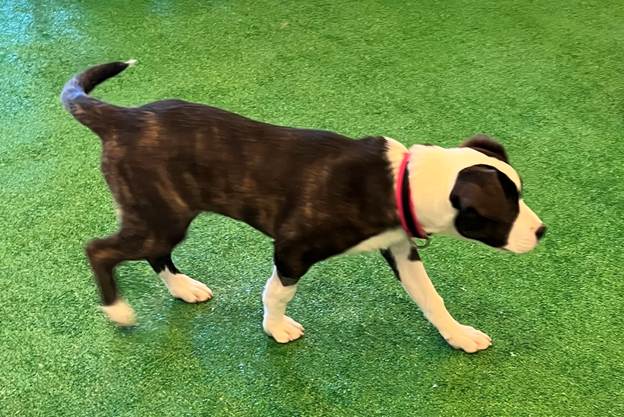
Bring in the dogs if you’re looking for more ways to create community. New Leash On Life had a small meeting room at the hotel with their dogs on display. It was a way to relieve some of the stress of convention meetings and conversations. I went by every day for a minute to get some puppy love. Well, the moment was more meaningful for others. Cumulus Nashville Vice President/Market Manager Allison Warren adopted Mabel (pictured) after a visit Friday afternoon. That’s a win/win for both parties. 

How can we improve our events and remotes with more emotional experiences for the audience? Allison will never forget how her family adopted Mabel, which will always include CRS.

“Opa!”

Finally, after Friday night’s last dinner event, I was walking out of the Omni and ran into fellow consultant Mike McVay. If you don’t know Mike, he’s considered the chief mentor of radio consultants. We were moving and talking, and Mike said, “Come down to Bob’s with me. I want you to meet someone.” We walked into a meeting room in the restaurant as the group was finishing dinner.

Mike got a Big Fat Greek Wedding welcome from the patrons. He introduced me to everyone, including Merril Hoge. Yeah, the former Pittsburgh Steelers running back and ESPN commentator. I’m the least likely Steelers fan, but I knew who he was, and I was more excited to meet a professional athlete than I was to meet someone who topped the music charts. But that wasn’t all. Gunnar Nelson of the ‘90s rock duo Nelson stopped by, and we compared hairstyles. 

Am I sharing this to say, “Hey, guess who I met?” No. Okay, maybe a little bit with Merril Hoge. I’m encouraging any of us in a mentoring or influencer position to include others in the conversation. Mike didn’t have to bring me into the fold at the last minute. Aside from being genuinely nice, he understood the value of connection and mentoring. Plus, I think he knew I would share this moment with someone and repeat the gesture for a fellow mentee. 

How can you bring your listeners into the room or the space where your connection makes them repeat the story and the experience?

Due to budgets or company policy, most radio people won’t attend the annual conventions. Take each video conference or shared presentation deck as an opportunity to learn at least one shareable moment. Create emotional possibilities for your listeners. Remember the power of your audio presentation. And turn around and share your knowledge and experience with your community.

Barrett Media produces daily content on the music, news, and sports media industries. To stay updated, sign up for our newsletters and get the latest information delivered straight to your inbox.

The Country Radio Seminar Reminds All That Radio is Alive and Well

0

The next time you read an article in a mainstream publication signaling the demise of terrestrial radio, send the writer a link to the Country Radio Seminar website. They won’t get it at first. But once they review the agenda, and see what’s happening in Nashville at CRS, they’ll understand why you reached out.

Radio is very much alive and well, and valued. I get tired of hearing people on the outside looking in suggest this industry is in trouble. How many businesses do you know that generate 15 billion dollars per year, and get labeled as failing? It shows how uninformed some are, and why it’s critical to share the story of our industry’s growth and success.

It didn’t take long to see how much CRS means to those who attend. The excitement, energy, and interest in the medium was high, and freezing cold temperatures weren’t going to stop folks from making the most of it. RJ Curtis and his team along with the entire Country Music and Radio industries deserve a round of applause. From start to finish, this was an exceptionally well-run production. All came together to learn, network, celebrate, and elevate the present and future of radio airplay in the Country format. There was a strong family-like, community feel to the show. John Shomby summed it perfectly, it’s Country radio’s annual reunion.

Why CRS Works

The event was a homerun because everyone wanted to be there. They didn’t need to be coerced to attend, they saw the value in being present. Learning how others are navigating issues, discovering new ideas, and challenging the status quo was available in every session. The discussions in the Omni hallways and hotel bars were fun and informative, and of course, the music was excellent. I was blown away by how many top artists performed in ballrooms, at the Ryman Auditorium, and at private and public parties. That only happens when multiple industries see value in working together to grow their business. The CRS app also made it very easy to know what was happening at all times.

In the world of sports and news/talk, the people who are the subject of conversation often have a negative view of the medium and talent. It’s fairly common to hear athletes, coaches and front office executives rip radio and television hosts for their opinions, citing the on-air talent’s lack of on the field/court experience. Political figures do the same in news.

With the Country format, it’s the opposite. Artists value radio stations and their personalities because of the role they play in airing their songs, boosting downloads, and helping sell tickets to shows. There’s a long-term appreciation for helping them get started. No matter how big an artist becomes, they and their label value the relationship with radio because they recognize it’s importance to their career and business.

Take a listen to Chase Matthew during CRS 2025. This is exactly what I’m talking about.

Performances

Jelly Roll, Lainey Wilson, Brothers Osborne, Brad Paisley, Tyler Hubbard, LoCash, Lakeview, and many others graced stages, private events, and hotel ballrooms. The amount of talent on display was incredible. Artists were accessible in the hotel lobby and bar interacting and taking selfies with anyone who asked. I knew prior to attending that the connection between Country radio and its artists was strong. Seeing it up close though reinforced that the relationship is even stronger than I knew.

The best performance of the entire 3-days was Eric Church‘s rendition of his new song ‘Johnny‘ at the Ryman Auditorium. With a full choir supporting him, Church’s commentary prior to the first line set up the song perfectly. It was powerful, emotional, and catchy. When you can see tears in the eyes of an audience for a song that hasn’t yet received promotion, you know you’ve created something special. Click the video below to check it out.

The Beasley Media suite featured a number of excellent private performances too. Great job by Heidi Raphael and her team on creating an awesome atmosphere. I personally loved Max McNown‘s performance of ‘A Lot More Free‘. Prior to hearing him in this intimate setting, I wasn’t familiar with Max or the song. Between the mood in the room, and the vocal harmonies and harmonica, that song landed perfectly. I thought the same of Tyler Braden‘s ‘God and Guns N Roses‘ at the Warner Music luncheon. Check both of those songs out when time permits.

Personal Highlights and Key Takeaways

As much as I enjoyed consuming the music, I valued forming new relationships, reconnecting with familiar faces, hearing format leaders discuss ideas and challenges, and receiving feedback about our brand more. When you’re creating content, it’s difficult to know if it’s connecting as intended. Statistics show which material gets read and ignored, but knowing if it’s valued, requires deeper dialogue. Judging from the conversations I had, many are excited to see us covering music radio. A lot of people read my David Field column too, which thankfully everyone felt was fair. As I told those I spoke to, we’ve only scratched the surface with our brand. I’m bullish on making our content better and stronger.

I enjoyed attending a number of sessions too. Here were a few that stood out.

NuVoodoo’s Research Study: Carolyn Gilbert and Leigh Jacobs did a nice job relaying insights from a Country radio study. AM/FM radio performed strongly, but so did Spotify and YouTube. The use of video from different respondents allowed attendees to hear how listeners felt about each area of focus. Talent and program directors gained a ton of takeaways from this session.

Country Music/Radio Diversity: The opening session with Tiffany Provenzano, Sean Copeland, Madelina Edwards, Brooke Eden, and Shannon Sanders was excellent. After each shared how diversity impacted their careers, the conversation shifted to its affect on music. Sanders reminded the room that Country music is the sound of Southern culture, and the music was built for a Southern white audience, while the Blues was created for Southern Black crowds. Sanders expressed that a Contemporary Country category is needed for artists like Beyonce to avoid being forced into traditional categories, creating unnecessary negative attention on the format. He also challenged programmers to break the rules and stop programming for ratings, utilizing software like Music Master to remove archaic structures like not scheduling back-to-back songs from women or other non-white male artists.

What is ‘Mainstream’ Country?: Chuck Aly, Brian Michel, Keith Rothschild, Jeff Rizzo, Rachel Whitney, and Adam Weiser delivered a very compelling session that offered perspectives from terrestrial radio, Spotify, and record labels. Michel explained how certain songs and artists test well and produce ratings whereas others beyond the traditional scope can present challenges. Label execs shared their belief that radio sometimes bails quickly on artists that break the mold, despite those artists selling hundreds of thousands of tickets in cities where local radio support isn’t available.

CRS Honors: The way the organizers announced the Country Radio Hall of Fame inductees was classy. I also loved the recognition of all who passed during the past year, and Megan Moroney performing a song that matched the mood. Very tasteful.

Sales Ideas: 30 sales ideas in 30 minutes was led by Scott Roddy with help from John Willyard, Melissa Chase, Brian Peck, Kimo Jensen, and Brad Davidorf. The session showcased a ton of ideas and the importance of voice talent in bringing them to life creatively. Many laugh out loud moments were created as each voice talent read promos using different styles and characters.

Another strong sales session featured Ashley Morrison, Sarah Frazier, JoJo Turnbeaugh, and Andrea Burtscher. JoJo’s point about added value not being valuable if it has to be given away for free was excellent. Frazier’s idea of the ‘glitter shitter’ became the most memorable item from the entire conversation. When asked by an attendee how to overcome the objection of a business that buys on ratings, Frazier suggested asking, ‘are you trying to deliver a rating or grow a business?’ Selling concepts, ideas, and audience, not ratings was reinforced. The group then explained why the format’s audience is so valuable to clients, reminding the room that it features suburban community listeners with families, many in their prime earning years, looking to purchase homes, cars, insurance, etc..

CRS Highlights

Connections: I jammed a lot of conversations into 3+ days in Nashville. It was great to see industry friends Pat Paxton, Katie Reid, Greg Strassell, Mike Hulvey, Peter Trippi, Justin Chase, Adam Wilbur, Mike McVay, Tim Clarke, Mary Menna, Tim Satterfield, Angie Ward, Heidi Rafael, TJ Solis, Tommy Mattern, Marty Brooks, Juan Galdamez, Joel Denver, Dennis Green, Heather Cohen, Scott Roddy, Masa and Chachi from Benztown, Andrew Scaglione, Jennifer Brown, John Shomby, Chad Benson, Jared Stillman, Rachel Field, and Terry O’Donnell. Time was also spent with staff and voice talent clients Neil Wilson, Loren Raye, and Ron Harrell. New connections were made as well with Ray Mariner, Mike Gunzella, Rafaella Braun, Tim Roberts, Melissa Chase, Music Master’s Melanie Knapp and Jerry Butler, Stan Marczewski, Jason Martin, Rich O’Brien, Phyllis Stark, JoJo Turnbeaugh, Dave Bethell, Rob Koblasz, John Willyard, Steve Wall, Nate Zeitz, Rowdy Yates, Matt Cooper, Bryan ‘B-Dub’ Washington, Joel Raab, Shawn Gilbert, Rick Rooster and Chris Rollins. I also learned that Heather Ford and I went to the same high school and graduated two-years apart.

Areas of Opportunity

I was surprised that there wasn’t a lot of real time coverage from trade sites and individuals. Outlets covered the show, but saved details for the evening and/or next day. Attendees were also active on social media sharing photos, but not a lot of insights from the sessions. One could make a case there was too much happening to see it all. That’s a great problem to have.

With this being my first time attending, I wanted to see how things worked before tweaking our coverage approach. We ran newsletter ads for CRS, and created an 8-day Countdown to CRS series prior to the show. Jeff Lynn also did a story on Bobby Bones that appeared last week on our website and in our newsletter during Day 2. Looking ahead to 2026, we’ll be happy to help again, with the goal being to make our coverage even better.

One thing I wondered during the show is why events like this don’t exist for Rock/Classic Rock, AC/CHR, Urban/Hip Hop formats. There’s no shortage of passion for those forms of music, and there’s plenty of people working in radio and the music business in those areas. If someone can do for those formats what’s happening in Country music and radio, that’d be smart. Duplicating the relationship that exists between Country radio and Country music should be the goal for all formats and labels.

At Barrett Media, we host conferences for Sports and News/Talk folks. Our 2025 BSM Summit presented by Point to Point Marketing takes place May 8-9, 2025 in Chicago. I’ll be sharing details this week about a number of speakers for the event. Stay tuned.

I’ve said this before, rounding up sponsor support, and getting the right people in the room for events isn’t easy. Knowing what goes into it, I admire all who helped make the Country Radio Seminar a hit. CRS had the full support of Country radio and the Country Music industry. Folks from both sides wanted to be there, knew it was important, and valued the experience. When each are bullish on the show’s success, and working closely with the organizers of the show, it’s easy to see why it works. That’s something other formats and artists can learn from.

Barrett Media produces daily content on the music, news, and sports media industries. To stay updated, sign up for our newsletters and get the latest information delivered straight to your inbox.

‘The Ride with JMV’ on 93.5 & 107.5 The Fan Blends Indianapolis Sports Talk and Pop Culture

0

Sports and pop culture are like macaroni and cheese—they just work together. I think we all know by now that most sports stars want to be entertainers, and many entertainers want to be sports stars. So, it comes as no surprise that veteran Indianapolis sports talk host John Michael Vincent, or JMV, successfully blends the two on a daily basis on the show I eavesdropped in on this week, The Ride with JMV on 93.5 & 107.5 The Fan.

The Ride airs during afternoon drive, and JMV is just as likely to discuss topics surrounding Indianapolis sports—both current and historical—as he is to reference something like the current top 10 songs of the week. Vincent, who has been with the station since 2010, is also very willing to share personal stories, so the show truly feels like he and the audience are in it together.

The show has a very national feel in terms of its style and delivery, featuring one main voice joined by great analysts engaging in smart, in-depth sports conversation—most of the time, anyway. I caught the first part of the show on Friday, the day after the Indiana Pacers beat the Memphis Grizzlies in a matchup between two teams currently ranked in the top four of their respective conferences.

JMV started the show just as any great show should—wasting no time and getting right into it.

As he discussed the Pacers game, JMV described a disjointed first quarter in which the Pacers trailed by 13 points, followed by a dominant second quarter that saw them put up 50 points. He credited the win to a balanced performance, where both the starters and the bench played key roles in overcoming the large initial deficit.

Vincent highlighted individual contributions as well as the high expectations for the team. Emphasizing the no-excuses mindset for the Pacers, he said, “I don’t care about the youth. I don’t care that people think that they’re still not worthy of being there. I don’t care what people say or Joel Embiid says… That doesn’t matter. What matters is with that group. What matters is what happens within that organization. And we should have a high level of expectations.

“I thought that was the way. I mean, it would be great if you could eliminate the really awful starts because that certainly has been the case here in recent history. But overall, that’s what you want to see right there because you got a little bit of everything. You got a little bit of everything from basically everybody.”

Passion radiates from JMV—his love for Indianapolis sports comes roaring out of the speakers. In addition, when guests or listeners join the show, he has a way of making them feel comfortable, engaging in a genuine conversation rather than a stiff question-and-answer session.

Pacers TV’s Jeremiah Johnson was the first guest of the day, and he summed up the game by saying, “That’s exactly what you want to see from this group. That’s the type of performance. And believe me, that’s what it is going to take this year.” As the conversation continued, JMV and Johnson provided Pacers fans with everything they could have wanted: a look back on the game, a preview of what lies ahead on the schedule, and terrific insights into what the team needs to do and learn from the previous night’s performance in order to continue being successful this season.

Basketball is king in Indiana, and throughout the hour, the show not only featured NBA talk but also discussions about college and high school hoops. Coach Bob Lovell, a local high school basketball analyst, was the next guest to join. He and JMV discussed the upcoming high school semi-state tournaments, highlighting some impressive undefeated runs by local teams and noting that it was the 50th girls’ state finals—an event that underscores how far the girls’ game has grown.

There was also talk of a few community events outside the realm of sports, which are expected topics on the show. In addition, there was some playful banter about “JMV Sucks” t-shirts and insider references that went over my head. However, it was clear that the show has a loyal following and many longtime listeners who are in on it all.

JMV Top 20 Image

Overall, The Ride with JMV is a blend of high-level analysis and local pride, where the sports teams are both held accountable and celebrated. It’s hosted by a passionate sports fan and historian who shares many interests beyond just sports, and he enjoys sharing all of it with those who tune in each afternoon on their way home.

Barrett Media produces daily content on the music, news, and sports media industries. To stay updated, sign up for our newsletters and get the latest information delivered straight to your inbox.

Ray Ferraro Witnessing Hockey’s Growth After Record-Breaking 4 Nations Face-Off on ESPN

0

When Team Sweden defenseman Victor Hedman chased after a loose puck during the first shift of the 4 Nations Face-Off Tournament, he was subsequently slammed into the boards by Team Canada forward Nathan MacKinnon. As soon as that instance took place, ESPN NHL analyst Ray Ferraro could tell that there would be a tangible level of competition within this international showdown. With Sweden and Canada battling to secure an important win in the very first matchup, the buzz around hockey ostensibly began to grow exponentially and embed itself into the center of the sports conversation.

“In my mind, from that moment on, people would have been engaged, and seeing the level of competition that was going to be delivered, and also the intensity of the games, brought all this scrutiny,” Ferraro said. “It was a grand slam for the league.”

A few days later, the United States and Canada met in a best-on-best international hockey game for the first time in nine years. The game was televised live on ABC and started with a smattering of intensity and pride as three fights took place during the first nine seconds. The U.S. ended up winning the game from Bell Centre in Montréal, Québec and thus clinched a spot in the championship game. While Ferraro feels the trio of fights represented the proverbial tipping point, he was invested in the tournament from the very start and sought to bring his expertise and proficiency to the airwaves.

Ferraro remarked how former NHL goaltender Darren Pang drew an analogy between the 4 Nations Face-Off and a pop-up Christmas store suddenly appearing in the middle of town. Even though it represents a deviation from the norm, it encapsulates all of the good things that are ingrained within the subject matter. Games preceding the championship accrued significant interest, highlighted by the U.S.-Canada matchup that averaged 4.44 million viewers, up 479% from when both teams faced off in the 2016 World Cup of Hockey.

“It just popped up, right?,” Ferraro said. “And all the good things about hockey were there, and it was a marvelous tournament.”

When the two teams met in the championship game from TD Garden in Boston, MA, there was a level of anticipation and excitement pervading the atmosphere. ESPN studio programs highlighted the sport and welcomed various experts to break down the action and participate in debates about the endeavor. Furthermore, ticket prices on the secondary market to gain admission rose to new heights, and radio shows around the country in markets without NHL teams were dedicating portions of their programs to discussing the 4 Nations Face-Off.

“You don’t have to sell me on hockey – I love it,” Ferraro said. “But if you can bring in people that either casually or don’t watch and they’re interested, then that becomes part of the goal of these tournaments, and international hockey does it better than any.”

ESPN made history last Thursday with the championship broadcast, garnering an average of 9.3 million viewers as Team Canada won the tournament on an overtime game-winning goal by forward Connor McDavid. The matchup was up 560% from NHL All-Star Game viewership in the previous season and peaked with 10.4 million viewers. Across the United States and Canada, a cumulative average of 16.1 million viewers witnessed the action across various networks, which marks the most-watched non-Stanley Cup hockey game in a decade.

“We often hear about growing the game and different methods to try to grow the game,” Ferraro said. “Well, people that are casual or less-than-casual fans that were tuning in and having an opinion on the games, having a rooting interest, whether they be in Canada or the United States, maybe that tournament hooks their interest and you develop new fans.”

With the exception of the 2023 iteration of the exhibition, the NHL All-Star Game has been experiencing a precipitous decline in viewership over the last eight years. Concurrent with growing dissatisfaction in other league All-Star products, the league decided to hold the 4 Nations Face-Off in lieu of the traditional midseason proceedings.

Ferraro contends that the hockey version of the exhibition is held for corporate sponsors and recognition, but he does not feel that the players would demonstrate too much objection should its eradication be permanent. The NHL is scheduled to hold All-Star Weekend next season from UBS Arena in Elmont, N.Y. ahead of players participating in the Olympic Games Milano Cortina 2026.

“It’s really hard because I grew up loving the All-Star Game when I was kid – I loved watching it – but it just seemed different, maybe because I was a kid,” Ferraro explained. “It’s just not going to happen that you would get a level of play that would make people say, ‘Oh yeah, that’s the product I want every year.’ I don’t think it’ll happen.”

Several players emerged from the tournament with injuries affecting their teams amid the resumption of regular-season play. Boston Bruins defenseman Charlie McAvoy has no timetable for a return after injuring his shoulder and having to stay at a hospital to receive treatment for an infection. Moreover, Florida Panthers forward Matthew Tkachuk attempted to play through an undisclosed injury during the championship game but ended up not taking a shift after the later stages of the second period.

“There is 82 games in a regular season – it’s more than enough – and if you want to add this tournament or something like it every year, it’s not going to work,” Ferraro said. “You’re going to have no players left. It’s an exaggeration, but there will be so many people that will be nicked up and banged up and hurt that just the owners will say, ‘Wait a minute. I’m paying this guy ‘X’ million dollars a year, and now I don’t have them for two months? This isn’t going to happen.’”

When ESPN secured a seven-year broadcasting contract that would bring games to the network for the first time in 17 years, Ferraro had his agent reach out to determine what was taking place. For the previous 14 years, he had been working at TSN where he participated in various marquee broadcasts, some of which included the Olympic Games and World Junior Championship. Inquiring about a return to ESPN, Ferraro believed he could make a positive contribution to the revitalized broadcast property and contribute to the growth of the game.

“I got hired, and I was super excited to come back,” Ferraro explained. “I have people that I’ve worked with before, I have a whole bunch of people that I’m working with for the first time when I got hired, and we’ve done a couple of Stanley Cups now, and this 4 Nations was just a grand slam, and it’s been really cool to come back.”

Ferraro embraces the collaborative nature of the job, and he focuses on fulfilling his role within the larger system that effectuates team success. Although he is still delivering analysis during a live game broadcast or studio program, there is a dichotomy between the presentation and how it is accomplished. Despite the chance of prospective commentators perceiving it to be a challenge, Ferraro enjoys the immediacy of the game broadcast and the rapid pace, and he was confident that he could hold his own on national platforms.

“In most cases in the studio, you know what’s coming up, you have the replays queued up,” Ferraro said. “You know what order things are happening, and of course in the game, you’re just there. I think people would be quite surprised that when a play happens on the ice to seeing a replay 25 seconds later, all the things that have to happen for it to happen.”

Ferraro calls the game from between the benches on ice level without play-by-play announcer Sean McDonough, with whom he has been working on national telecasts since 2021. The unique setup provides a series of distinct advantages, such as being able to hear interactions between players and report on his observations amid the broadcast. At the same time, he has developed chemistry with all of his broadcasting partners while staying in communication with the production team and effectuating a strong product.

“For Sean to come back after not doing hockey for 17 years, 18 years, there was going to be an adjustment period, plus an adjustment for me and him,” Ferraro said. “So I would say from Year 1 to Year 4, we understand each other better, we understand cadence and layouts better.”

Throughout the game and during intermissions, Ferraro is in communication with reporter Emily Kaplan, who is extrapolating intel and conducting interviews to further enhance the broadcast product. Yet because of his location, he recognizes the chance that players can see as he critiques aspects of their play to a national audience. While he assumes they are likely not thrilled with this discourse, it is ultimately part of his job to convey the strengths and weaknesses of the contest.

“It’s not super fun if you’re criticizing a guy and he’s sitting a foot away from you and can hear you, but any mistake that they make, I’ve made 100 times,” Ferraro said. “If you play hockey, you make mistakes – that’s just the way that it goes – and my job is not to be critical on a personal level. My job is, ‘This is what happened. I think he probably could have done this instead of that,’ and sometimes they hear.”

One of the key differences in broadcasting hockey rather than playing in the sport is in the lack of a codified scoreboard to merit success, such as standings and point totals. When Ferraro was playing, he did not need anyone to tell him whether or not he played well since he would be able to evaluate himself instantly before leaving the rink. Ferraro never dreamed of being a broadcaster, but he has still found means to thrive by viewing his performances and noting facets of his performance.

“Sometimes it’s harder to watch than others,” Ferraro said. “You like some of the things you say, you don’t like some of the other things you say. There are no standings. If my bosses are happy with the job that I do, then that’s the evaluation to the season.”

As Ferraro continues to call games throughout the remainder of the NHL regular season and matchups within the Stanley Cup Playoffs, he maintains a busy schedule while safeguarding against fatigue by looking after himself. With a strong penchant for hockey and broadcasting, he references an adage about his job not really feeling like work since it surrounds an industry and game towards which he is passionate. Ferraro does not have specific objectives for the future aside from potentially calling an Olympic gold-medal game, and he considers himself lucky to have forged a career rink side documenting a game that remains on a steady growth trajectory with no ceiling in sight.

“When I was playing, my dream was (a) to make the NHL and (b) to win a Stanley Cup, and that was fuel for me all the time,” Ferraro said. “I just go from a game to the next game to the next game, and I just kind of put one foot in front of the other, but the fabulous thing is I love what I’m doing, so it doesn’t feel like I need to set goals.”

Barrett Media produces daily content on the music, news, and sports media industries. To stay updated, sign up for our newsletters and get the latest information delivered straight to your inbox.
Channel 93.3 Denver’s Nerf On #Happens And The State Of Alternative

0

Alternative music conference #Happens begins Wednesday in Las Vegas. The three-day conference brings together labels, radio programmers, artists, and influencers. Channel 93.3 Denver PD, Nerf describes himself as “kind of a regular.” This gave me the opportunity to ask him to describe the event to someone who has never been.

“It’s definitely a music-focused conference which is great for the formats of Active Rock and Alternative. There’s some shop talk, and they do have a couple of bunch breakout sessions. But it’s probably primarily about the music and getting new artists in front of us programmers.”

Nerf says that #Happens sprung from a previous music event.

“There was something called Sunset Sessions for a long time, and it was similar. There were some panels and stuff like that there. Everyone stayed in the same hotel and went to these watch parties and events. In the Sunset Sessions days, pretty much anybody who could pay to be there would be in front of all these tastemakers and programmers.”

“It was a nightmare a lot of times because it would be some rich guy and his old man band that played in chicken wing bars. So you just felt like this is going nowhere, and it was like that with a lot of those bands. You’d want to leave the second the band started playing. It was a battle of attrition.”

Nerf is a big fan of the conference as it currently is.

“It’s a great event, and for Alternative, it’s the last thing of its kind like this. I am a big fan of it because I came up under a guy named Mike O’Connor. He was a real numbers guy who knew everything about G Selector, and ratings. A brilliant, genius dude, not the nicest person in the world and not a great leader, necessarily, generally not a people person, more of a numbers guy.”

“He really hated dealing with record labels and didn’t want anybody talking to another radio station, So I never went to any kind of conferences and stuff coming up under him. Once he left, my next boss was Joe Bevilacqua. He knew everybody in the business, in radio, in records, and was the opposite, a relationship type of guy. It opened my eyes to the fact that I shouldn’t be an island.”

“I shouldn’t just sit here and do my science. I should talk to other people, talk shop, and get to know how other people do things. So, I started going to these things and never looked back. I feel like it’s valuable and that we should have a good network of people in our industry. This is one of the last things, kind of keeping it together.”

And what memorable music discoveries have come from #Happens?

“A recent good one is Weathers. They’ve had two songs in the top five on the Alternative charts. They’ve had three or four hits that went to power. They played at #Happens and blew the doors off the place, it was great.”

“Grandson, also, he’s an awesome artist. And Starcrawler. I play Starcrawler on my punk station, and they’re just frickin’ crazy. It’s awesome. They’re rad, but I don’t think I could get away with it on KTCL. My punk station certainly loves some Starcrawler.”

#Happens conference photo
Photo: #Happens Website

How does he see the current state of Alternative music?

“I think two things have made it stumble in the recent past. The pandemic and the rise of TikTok, because the record labels are so invested in TikTok now.”

“During the pandemic, everybody didn’t release a record unless they were a baby band or maybe even an independent band because they wanted to tour to support these things. There were a couple of opportunist acts, like Almost Monday. I think Almost Monday might have played at #Happens, too, and they just went number one with a song. They put out a song during the pandemic, and it was one of the only songs that had come out at all, and we took it to power.”

“That was kind of a ripple effect where nothing happened in Alternative because it’s so contingent on a healthy touring schedule to back it up. So, through 2020 and 2021 that was touch and go at that. And then TikTok has shifted the focus.”

“If there was any artist development left at major record labels, it went away when it only had to be 15 seconds of a TikTok song that really got you paid as a record label. Now, they’re so hyper-focused on pop and the hook of a song that they may not even have the rest of the song. And that shifted their focus away from rock music in general, and definitely from our artist development.”

“It’s sad, but that’s kind of what they had. Steve Lacey was worked to Alternative after going to pop, and it just doesn’t really work that way. And then they’re just like, well, what are we even doing here?”

“Let’s just shut down the rock department. They had all the layoffs in the last couple of years at the labels. Now, the state of Alternative is you have to look everywhere for music. The days of sitting next to your mail crate full of unopened record envelopes and waiting for somebody to call you to tell you to open your mail, are over.”

“In fact, they’re not even sending you their shit. You’ve got to comb through related artists coming through your release radar on Spotify and opening acts that are coming through town. You have to really listen to what’s out there because it’s not going to land on your desk.”

#Happens is Wednesday through Friday at the Downtown Grand Hotel in Las Vegas. Information and registration is available here.

According to the #Happens website, alumni artists include The Offspring, Papa Roach, Alter Bridge, Gavin Rossdale/Bush, Nickelback, Fever 333, Chino/Deftones, Disturbed, Incubus, Jonathan Davis/Korn, Serj Tankian, Sixx:A.M., Perry Farrell, Badflower, The Score, Bones (UK), The Federal Empire and many others.

Barrett Media produces daily content on the music, news, and sports media industries. To stay updated, sign up for our newsletters and get the latest information delivered straight to your inbox.

Social Studies: Matt Shearer, WBZ NewsRadio 1030

0

When you think of news media — especially news/talk radio — social media accounts, you likely think of WBZ NewsRadio 1030 reporter Matt Shearer if you work in the industry.

At least, you should. Few in the format have as many or as dedicated followers as the WBZ reporter.

On TikTok, Shearer has grown the iHeartMedia Boston all-news brand to over 200,000 followers. Additionally, on his personal Instagram account, he has more than 80,000 followers.

In the first installment of our Social Studies series, Shearer explains how he started and grew the station’s social media presence, and why other news media brands should also invest in the space.

*Editor’s Note: Answers have been edited for clarity and length.

Garrett Searight: I’m certain you’ve probably answered this like a million times, but start me off with the how you got started on the TikTok journey with WBZ. Take me through the kind of the the genesis of that and to where it is today. Yeah, absolutely.

Matt Shearer: When I started this job, I was just audio only on the radio. My boss kind of saw the rise of TikTok, especially early in the pandemic, and so many people looking to handheld entertainment, if you will. So he said, ‘We’ve got to get on there,’ and he came to me to do it, because at the time, I had just come from working at a top 40 radio station where we were very much in tune with the younger generation and the younger crowd.

I think he saw that maybe I would be the guy who was the most in touch to be on social media. So, he was like, ‘We want you to start the TikTok account. I was reluctant at first because — in my mind — I was picturing us sitting in our 103-year-old AM radio newsroom doing trends and pointing to words on screens and stuff. And I was like, ‘Alright, I don’t want to do that.’ But what I realized is that we tell compelling stories on the air in 45 seconds or less, and that’s what all these social media algorithms are built for. So I thought, ‘Let’s just do what we do on the air, except in small, short-form video.

Early on, it was very much just taking the audio from our packages on the air and slapping B-roll on top of it, and just putting it out there and seeing what happened. But over time, you know, our video capturing skills — I say our, I mean my specifically, because in the very beginning it was just me — my video capturing skills got better to the point where I started to realize, ‘Oh, well, maybe I could specifically seek out this shot’, or ‘I can write something around this shot for a piece of audio that just won’t be on the air, but it will be on social media.’

So now it’s to the point where I’m making videos specifically for the app and then going back and retroactively, adapting them for the radio, which is the exact opposite of how it started. It started as adapting radio pieces for social media. Now we’re adapting social media for the radio, but it’s good. It’s working out.

And I mean, the reason why — at least in my mind — it’s worth it to focus so much more on social media is because there’s so much potential for growth. The whole purpose for us of being here, it’s not really for a new revenue stream. It’s to make people aware of what we’re doing on WBZ. It’s been working from what I’ve been told, we’ve seen an increase in our 18 to 24-year-old listeners since we started doing TikTok stuff.

We have several reporters in the newsroom who are now doing the same thing as me: going out, shooting video, putting together nice little pieces, and over 200,000 followers. So that’s great.

GS: It’s interesting that you put that kind of connection to the idea that it’s kind of linked, that you’re doing 45-second or less news stories, and that plays on TikTok, because when you listen to all news radio, it is TikTok. It’s a Tiktok. So I wonder, was it an immediate thought process of like, ‘Oh, well, you know what? I’m kind of already doing this.’ Or did it take you a second to do those videos and go, ‘Well, this is the same thing I’m already doing’?

MS: It was pretty much immediate. I mean, I just knew what I did not want to do was what everyone else is doing. And that’s just part of the way my brain works. I’m not one who likes to follow trends. If you know things are trending on social media, I don’t want to do that because I would rather do stuff that’s different, unique, and in my mind, that’s what gets people to want to engage with you and follow you is if you give them something different. And give them that thought, ‘Oh, I want more of this. I have to follow.’ As opposed to just blending in with the rest of the app.

So I knew that if we just took what we were doing on the air and put it out on TikTok, it would work well, because timing is everything. But, also, it would be something slightly different that people aren’t used to seeing on the app. So now that’s sort of changed. Now I think I’ve noticed a lot of other newsrooms kind of pick up on that and do their own version of it, and that’s great. Every newsroom should be really involved with social media.

GS: Did you think when you started it that it would get to the level that it’s grown to?

MS: No, I don’t think so. I think it wasn’t until I started seeing early on I was like, ‘That video hit 10,000 likes. That was an accomplishment back then. And then, you know, 50,000 and 100,000, and a million. I started to see not only are we reaching people, we’re reaching people who don’t already know about us. Because think about social media. 10 years ago, the only stuff that showed up in your feed was the stuff that you followed. You had to seek out an account, follow them, and then your stuff would show.

But TikTok changed the game by inventing the For You Page, which now everyone’s copying. Twitter has their version of it, and Instagram, obviously with Reels. And so they assume you’re gonna like something based on other stuff you’ve liked, and they put that thing in front of you. It’s amazing for us, because we’re reaching people who don’t already engage with the radio station, and that’s how you grow.

GS: I know some news radio reporters maybe wouldn’t love the idea of being known as “That guy from TikTok.” What has been your reaction to that?

MS: You know what? I think having that mindset of that being a bad thing is something that people should get out of fast. Because there’s a very clear distinction in demographics of who knows me as ‘the guy from TikTok’ versus who knows me as the guy from the radio. And the people who know me as the guy from the radio are not the young demographic, and the people who know me as the guy from TikTok are young. And not only that, they’re excited about it. They don’t see it as, ‘Oh, you’re just another social media person.’

Maybe the older crowd would see it as, ‘Oh, my God, you’re a social media person.’ Like, that’s cool. And so, in a way, it’s nice that I kind of have both working for me. I can tell too which app people know me from based on how they recognize me. If they say, ‘Oh, you’re the guy from the WBZ’, and it’s like, yep, that’s somebody from Tik Tok. If it’s, ‘Oh, you’re Reporter Matt’, that’s Instagram, because that’s my Instagram handle.

It’s just funny how people have their preferences for the different apps, and that’s the reason why we all need to be on all of them, right? Because there are people who straight up don’t use Instagram or don’t use TikTok. And we’re not going to reach them if we’re only on one or two of the apps.

GS: Have you found something that definitively works for the digital video world? Or maybe something that doesn’t necessarily, from your trial and error that just doesn’t work?

MS: That’s a good question. I don’t know, I feel like I’m always trying to experiment. I never really want to make the same video twice, because I feel like we all follow those accounts where they come up with one great viral video, and then just try to do the same thing over and over and over again. I think if we get into that mindset of, ‘Oh, this works’, or ‘Oh, this is what the algorithm likes’, then we’re going to just start playing like a math game and copying ourselves and get boring.

Whereas, I want to try new things all the time. I throw things out there that I have that I’m certain are gonna just tank the video. But you know what? This is the best storytelling decision, so I’m gonna do it anyways. And I do it. Sometimes it works, sometimes it doesn’t. Sure, I’ve been right. Sometimes I’ve been wrong. Other times, I’ve put up a video and I’ve been like, ‘I did everything right. Why didn’t that go anywhere?’

I don’t think you can substitute good storytelling for good algorithm play. Don’t just play the algorithm’s game. Just tell a good story, and if it’s a good story and a good video, then people will care. People will engage with it. They’ll share it. They’ll watch the whole thing.

I mean, that’s another thing. When we started out, I was just taking my 45-second wraps, but they kind of expanded. I was like, let it go a full minute. Let it go a minute and a half. Because that was at the time of the limit on Instagram Reels. And then we can go longer than that, two minutes, 2:20 because that was the limit on Twitter. Now, I’m posting videos that are like three minutes long. Which is a huge ask to get somebody to sit through a three-minute long video on social media.

But my thinking is if I make it worth their time every time, then they’re gonna trust me that it’s worth it and they’re gonna watch it. And so far, it’s been working out. I mean, I see accounts out there with many, many more followers than I have that don’t get the amount of views that I have, maybe because they’re just forcing stuff out there for the sake of posting it. I’m more in the mindset of I’d rather post stuff when I know I have something good, so that we don’t bore people to death.

GS: If you were to give somebody advice that was going to start looking at digital video from a news media or news radio perspective, what would be the top of the list things that you would say?

MS: I would say, authenticity is key. Don’t be that Steve Buscemi meme from 30 Rock where he’s wearing the backwards hat, holding the skateboard, saying ‘How do you do, fellow kids?’. Don’t try to be Gen Z, if you’re not Gen Z. I’m not, I’m a millennial, but I’m just myself on social media. People appreciate that there’s enough phoniness out there. Just do something different.

If you can come up with your own concept too, and your own idea, great! Awesome! I think originality is best. Don’t be afraid to try new things. Try to do something different.

Here in Boston, over at our sister station, WBZ-TV, Christian Tanaka is a great reporter who just started doing this series where he just walks different streets in Boston. His goal is to walk on every single street in Boston and tell a different story about that street.

It’s great because he’s not trying to copy someone else. He’s not trying to be young or fit in. I don’t know how old he is. I’m guessing he’s in his 40s. But telling good, compelling stories that transcend generations. Don’t try too hard. Don’t try to fit in. Be yourself. Be original. Try new things.

GS: If there’s anything that I didn’t ask or anything you want to include or say or opine on, I’ll give you the floor.

MS: I guess the last thing I’ll say is I think most people are coming around to this concept, but it’s worth repeating: There are people out there who only get their news from social media. So as much as we may know that our legacy product is the better way to consume news, that’s just not realistic for a lot of people. So if people are only consuming on social media, then we better make sure that those of us with quality newsrooms, and resources, and journalism skills are out there as well.

Barrett Media produces daily content on the music, news, and sports media industries. To stay updated, sign up for our newsletters and get the latest information delivered straight to your inbox.

Throw Out the Radio Rules Already And Start Innovating

0

The radio medium has been resistant to change for, oh, it seems like forever. The longer you worked in radio, the more you were told to do things the way they’ve always been done.

Coloring within the lines was how the business was done. Programmers and consultants had their rules for everything, because those rules worked in (insert name of smaller market here) and one time, someone tried something unusual and it was a massive failure. Besides, it’s less likely you’ll get fired if you do what you’re told. The caveat for that is if things don’t work, you, and not management, will be the first to be blamed and fired. So you follow the format, do what everyone else does, and pray that the Nielsen gods reward you. Maybe you’ll even get a bonus.

That’s one of the reasons radio is perceived as a struggling medium. It’s a business devoid of innovation and incapable of marketing what it already has. No offense to the hard-working people in South Florida radio, but on my car radio, there’s absolutely nothing new and exciting, and the only thing you’ll find among Miami and West Palm stations that’s remotely different is Magic 93.9’s hybrid of Spanish pop and Anglo AC, aimed at bilingual listeners, which I, sadly, am not. That station, by the way, has been a huge ratings hit with a format essentially unduplicated in the market, so take from that what you will.

Everything else? Same old. Anglo talk radio is the same as it is anywhere — all conservative, lots of syndication, very little local flavor. Music? Same formats, just more in Spanish for obvious reasons. Even the FM “guy talk” station — yes, we still have one! — sounds like 1995, with a little more sports betting talk thrown in.

The biggest changes since the early ’90s is that there are a lot more Contemporary Christian stations (all but one of the stations in the NCE band), the Haitian pirate stations are now licensed stations on AM with FM translators, and WIOD Miami is a standard conservative talk station rather than the comedy talk of the Neil Rogers/Phil Hendrie/Randi Rhodes/Rick and Suds days. Now, there was a station that did different things. Naturally, it could not survive as the radio industry became more restrained and focused on pleasing private equity investors.

Is there any hope, then, for radio? I’ll leave it to you to choose whether to be optimistic or severely depressed, but if there’s any chance to be the former, it’s time to throw out the rules. You know the rules. You’ve lived them. They’re your station’s strict formatics. They’re the topics you can’t address. The supposed need to break at the same time, just as your competitors also break at the same time. They’re stressing elements listeners already get from apps and other sources. They’re avoiding saying anything that might offend any individual anywhere, no matter how irrational that reaction might be.

And they’re… you surely have your own list, and it’s probably a lot like the rules anywhere else.

Throw ’em out. Throw ’em all out. The rules should be these: Don’t do anything to lose the license. Play all the commercials and the legal ID. And, most critically, do what you think is entertaining and engaging. Trust the talent. If you can’t trust the talent, why were they hired in the first place? And, come on, now, what do you have to lose? You’re in an industry in what seems like a perpetual tailspin.

Who knows? You might hit on something remarkable. You might accidentally develop a star, a personality that transcends the medium. (We haven’t developed a new one of those for a few years now.) Sure, really creative people have podcasts and video with which to play around, but radio is live and has music licenses and someone might be able to take advantage of it to create something special.

Podcasts have evolved from the days when every show was either about technology or involved Los Angeles-based comedians sitting around aimlessly talking to other Los Angeles-based comedians. Nobody handed down rules for podcasting, it just happened, and now there are podcasts about every topic, at any length. YouTube success used to involve someone whose face was close enough to the laptop camera to fill the screen talking about whatever, or giving makeup tips; now, YouTube videos are slicker than ever and many look as professional as you’d get from a broadcast or cable news program.

These media are developing without the kind of hard and fast rules radio has always insisted upon. It’s long past time for radio to try the same thing and see what happens.

Just don’t do it on AM.

Barrett Media produces daily content on the music, news, and sports media industries. To stay updated, sign up for our newsletters and get the latest information delivered straight to your inbox.

The Interview: The Mark Arum Show on 95.5 WSB

I think being upfront and honest is always important. So I’ll be upfront and honest: 95.5 WSB is one of my favorite news/talk radio stations in the country, and The Mark Arum Show is one of my favorite shows to listen to.

Arum understands what news/talk radio — at least what good news/talk radio — is supposed to sound like. He’s entertaining, he’s engaging, he’s interesting, and he does all of that while informing. Mark Arum has a firm grasp that 95.5 WSB is a news station that happens to do talk, and not the other way around.

There are few news/talk radio hosts in America that utilize the two-way offerings from national news network providers than Mark Arum. I don’t think that’s hyperbole. Nearly every day he’ll feature a discussion with a CBS News Radio or ABC News Radio correspondents to dive deeper into a story for his audience.

But how does that sound, especially when the listener — in this case, me — has no idea just what the topic entails? Let’s find out. I’m walking into this interview completely blind. The only primer I have is that Arum is speaking with CBS News’ Scott MacFarlane about the “inquiry into Democrat Rep. Robert Garcia.”

To begin the interview, Mark Arum asked the most obvious question of MacFarlane: “What are these inquiries all about?”

This is the K.I.S.S. method: “Keep It Simple, Stupid.” You don’t always have to outthink your opponent. And in this case, there is no opponent. All Arum is trying to do, and needs to in this situation, is inform the audience. And as much as I pay attention to the happenings in the political world, I had no idea about this story (sorry, my Thursdays and Fridays get a little busy sometimes, ok!).

This is the perfect question to begin the conversation. Don’t assume that your audience knows everything that you know. Great beginning to the segment.

In case you were curious, by the way, Rep. Robert Garcia (D-CA) made lewd comments about Elon Musk on social media, leading the Department of Justice to open an investigation. Not only was Garcia looked at, so was Sen. Chuck Schumer (D-NY) for comments that could be viewed as “threatening” to judges or to those working in the Department of Government Efficiency. Fun times we’re living in.

Anyway, MacFarlane explained the situation, and contextualized it by showcasing the difference in the current Department of Justice compared to previous iterations of the agency.

Arum’s follow-up sought additional context, when he asked what the changes tell us about the second Trump administration. “Is this just a new sheriff in town and there’s gonna be new protocols?”

Mark Arum doesn’t add too much to his comments before asking the question. Which news/talk radio hosts can tend to do. You don’t always have to share how much you know about a topic. That’s why you’re speaking to someone for additional context or for their expertise. This is a good example of that. Set your guest up to be the star. The quickest, easiest, and most efficient way to do that is by asking open-ended questions, highlighted here.

After MacFarlane’s answer, Arum asked “What were the alleged threats that Schumer and Garcia made that kicked off this inquiry?” Literally, that’s all he said between answers from the CBS News reporter. Which, again, highlights the importance of brevity.

You could probably argue, and I think it would be a fair argument, that this should have been the second question asked. My rebuttal to that would be that it’s an obviously scripted question, that Mark Arum came into the interview knowing he was going to ask. So was the first question. But that middle one is a query I’d like to highlight because I think it shows the importance of active listening and not simply running down the script of pre-planned questions.

I would guess that the 95.5 WSB host was not prepared for MacFarlane to answer the question by pointing out how wildly different some of the conduct — behind the scenes — the Department of Justice featured in this situation than from previous norms. So, logically, it makes sense to ask a follow-up question about that topic. “How different is it?” is a fantastic question to squeeze in between what you had already planned out.

At risk of boring you over the minutiae of the interview, especially when it came to the topic shift of the interview to other political happenings in Washington, I’ll stop there.

But I feel like the first portion of this interview is part and parcel to why I think so highly of the Atlanta-based radio host. When you’re seeking entertainment, engagement, interesting topics and subject matter, and information, this interview showcases why Arum fits the bill in those categories and highlights him at his best.

Barrett Media produces daily content on the music, news, and sports media industries. To stay updated, sign up for our newsletters and get the latest information delivered straight to your inbox.