I’m a fan of a variety of music and one group who’s style I’ve grown fond of the past 7-8 years is the heavy metal band Avenged Sevenfold. Initially the band’s earlier songs lacked flow from start to finish. They’d feature some excellent riffs, lyrics and instrumental parts but when the songs were completed they felt like they were missing something. I could tell the band’s talent was there but they hadn’t figured out how to put it all together.

As the years passed, I’ve noticed how the group has matured and become more focused and serious about the song writing process. Their songs now sound well organized and have a much stronger flow and the lyrics and melodies have become much stronger. Coincidentally they’re selling more records now than they ever have before.
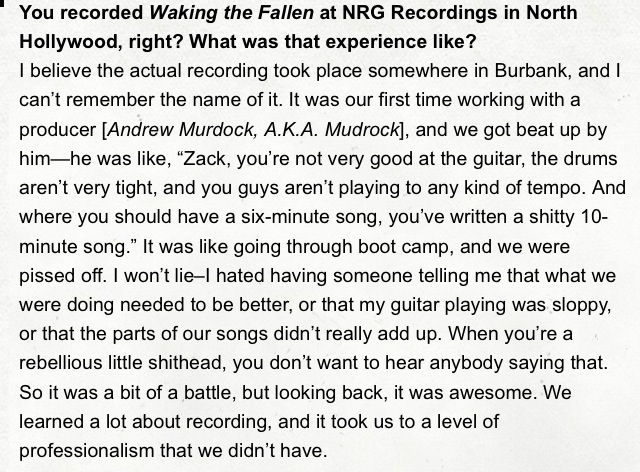
Now you’re probably thinking “what the heck does that have to do with sports talk radio” and actually there’s a specific reason why I’m bringing it up. Make sure to read the question and answer exchange at top of the article. In it you’ll notice some of the feedback from Guitarist Zacky Vengeance who talked to Revolver Magazine about the involvement of a producer in the band’s music making process.
 This is important because it’s no different than what occurs in radio. In this case, the “talent” went in with a closed mind and initially rejected the idea of coaching and constructive criticism, only to discover later that when they embraced it, they made better music. When people collaborate and keep an open mind to the content creation process, more times than not the result is better than when one tries to go it alone.
I’m not pointing this out so you’ll enter your building tomorrow and give your producer a big hug and tell them you’ll listen to them in the future. Doing that and changing your approach isn’t going to unlock some magical formula that is going to assure you of having a kick ass show that dominates in the ratings.
 Instead I’m bringing it up to illustrate the value in having a strong producer involved in the daily process. In many cases, this individual is another supporter and believer in your abilities and they’re willing to be honest, candid and helpful to seeing you reach your full potential as a personality.
One thing that always stands out to me is how similar the responses are when I talk to different talent about how they measure their growth or improvement. Most will say stuff like “we chat as a show about what we thought worked and that determines if we’re making progress or not“, “the ratings tell us if what we’re doing is working” and my personal favorite “you can feel when it’s good or when it isn’t“.
 While there’s some validity to those responses, how can anyone truly show performance improvement if these are the ways talent go through the improvement and coaching process? If I asked you as a host to show me a clear difference of something you’ve worked on and improved upon over the past 90 days could you do it? Maybe some could but I guarantee most couldn’t.
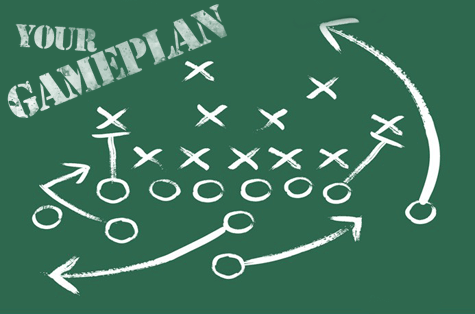
Call me old fashioned but I still believe there is an art to creating great radio and it starts with preparation, shared vision and a game plan to track success. If those things aren’t in place or don’t matter and regular feedback isn’t provided, then how can you tell if you’re any better or different than from when you first spoke to an audience on a microphone? Aside from a possible voice change or different PD opinion, you’re going to be hard pressed to prove you’ve grown as a broadcaster.
Think for a second about professional sports and how it relates to this situation. I’ll use Mike Trout and Clayton Kershaw as my examples since they’re both at the top of their games. Each spends a few hours watching video to study their own performances as well as their opponents tendencies and they’ll seek out further opinion from their managers, coaches and fellow teammates in order to make sure they’re set up to have success. Why do they do it? To get better and help their teams win.
 These guys spend 9-10 hours per day at their jobs, they travel constantly and juggle media, fans and sponsor requests plus find time to sleep, spend time with their families, work out and do some things to take their mind off the game. Still they find time to evaluate their work and the competition. Oh and they do this while making millions! They’ve got plenty of excuses to be lazy but they don’t use them because they’re focused on always getting better.
Sports isn’t the only industry that’s relatable. Let’s use an example from the movie business. Leonardo DiCaprio makes millions to shoot a movie and I’m sure some directors would probably just let him walk into a room and say “do whatever you want and we’ll film it and make it great” but instead a guy like DiCaprio seeks out top notch directors like Martin Scorsese who are going to challenge him and cast him in roles that help him be his very best. There’s obviously a respect and trust between director and actor and due to that connection, the product on the screen is usually strong and movie fanatics show their appreciation by filling up theatres to watch their work.
Most radio talent have more time available, less distractions and a lot less money than a professional athlete or film star yet most don’t make time to assess how they’re performing, what they’re going to do to get better going forward and how they’re going to measure it. Some personalities never listen back to their work or embrace hearing what’s less than stellar on the show and it baffles me because if you’re not willing to hear honesty from those who care and appreciate your talents then how do you expect to grow?
This is why I chose today to focus on the producer-talent relationship. If a show truly wants to grow and find its groove, it starts with those two individuals and then it extends to the Program Director. No full-time show tandem spends more time together than Host-Producer so if that combination isn’t clicking, the rest of the product can be in big trouble.
 Those who have worked for me have heard me use this following example. Inside any radio station, I see the Program Director as the Head Coach, the Producer as the Offensive Coordinator and the On-Air talent as the Quarterback. We must all to agree on what style of offense we’re going to play before we hit the field but once we’re out there, we need to trust our training, work together on the game plan and respect, understand and utilize what each other does so we can have individual and team success.
 If you’re a producer and you think you’re going to instruct your talent to “do as they’re told“, good luck getting anything done. They’re the star the audience is paying to see and you need to respect that, appreciate it and remember it. You can put things down on paper and beat someone up for every small detail that gets missed but if you don’t enjoy the wins and remind your on-air talent of when they do something outstanding, you’ll never get the full support you’re seeking.
Some producers think that doing a talk show is easy and formatics should never be missed but that’s not realistic. That’s like expecting Peyton Manning to never throw an interception. Clearly he has the talent to make every throw on the field and his intention isn’t to make a mistake but people are human and they screw up sometimes.
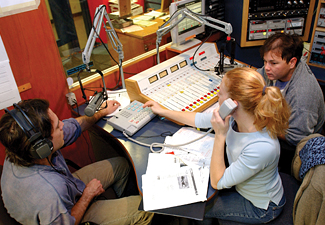 I remember meeting once in St. Louis with a group of producers and when I raised the question of why we weren’t supplying our talent with more information to further support their opinions on the air, I was told that it required a lot more work and the talk show hosts were paid a lot to know to sports so they should know it all.
I then asked the group “can you remember the 5-6 bullet points to one of your topics from earlier today“? After being told they could, I took a group of producers down the hall to a production studio, turned on a microphone and had them each try to do a 10-minute segment recalling what they thought they remembered from earlier that day. Not one lasted 2 minutes.
The purpose of the exercise wasn’t to demonstrate that they couldn’t host a show like a personality could, it was to make them aware of just how tough it is to remember everything inside your head. When you have the benefit of information in front of you on paper or on a screen and when you know you have someone in your corner who’s trying to give you details to help you along, you’re going to be more likely to place your faith in them. If the producer maintained the initial mindset that existed when we first entered that meeting, the talent would have lost respect, trust and interest in working with him in the future.
What people off the air sometimes lose sight of is that doing a 3-4 hour radio show 5 days per week and being entertaining, compelling and interesting to an audience is very hard! Even the best in the business have off-days and off-segments. The challenge is getting your people past those bumps in the road and not letting it become a consistent issue.
 On the other hand, if you’re a talent, you need to be cognizant of the fact that your shit does stink some time and the one who’s going to tell you, is the person who’s in your corner the most, your producer. If you really care about being great, then you have to be open minded to feedback and criticism. It comes with the territory. If Peyton Manning can face millions of people after an off-day in the Super Bowl, then you should be able to handle some dialogue with your producer.
Most producer’s have good intentions and want to earn the trust and respect of their hosts. If they’re being hard on a host for breaking late, blowing off a tease or asking bad questions during an interview, they’re doing it because they know the host can do better and they want to help that person reach their full potential. They take pride in the show just like the host does and they want to see their hard work pay off in the eyes of the audience, their peers and their bosses.
 One misconception I’ve seen and heard too many times in multiple markets from a number of hosts is what they believe a producer’s job is. Many think the job is to book 2-3 guests, print a few stories off the internet, answer the phones, grab coffee and stay out of the way. That is not a producer. That is called a “yes man”. You can break it into other parts too such as “booker”, “information gatherer”, “call screener”, “runner”, etc.
A producer is going to work with you to “produce” content and shape the vision for the show and do everything in their power to see that the vision becomes a reality. They’re not there to sit back and wonder where the show is going or why it’s going there. Having a plan and an agreed upon destination that both people are aware of shouldn’t require pulling teeth.
If someone is working on a show with you and they’re not challenging you on where things are going or asking to be more involved with the layout then that’s when you should be concerned as a host. Anyone who cares about the program and helping you deliver a great product is going to want to work with you on the show’s creation. They’re also going to look for ways to add to the presentation while the show is in progress because having an idea of what’s going to take place fosters more creativity.
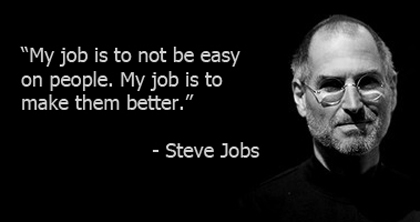 For those who produce shows, think of the way you approach your show each day and ask yourself “what’s the one thing I’ve worked on with my host in the past 30-60 days to make them better“? If you can’t identify it, then it’s something you’re going to want to work on.
Maybe you’re waiting for the feedback to come from the mouth or email of your PD but if you want the respect of your talent, then you can lead the charge too when you hear an opportunity for something to improve. If the only time you speak up to offer advice is when the PD is present, how do you expect the host to trust your evaluation of their work?
If you’ve thought about the areas where your personality can improve but haven’t been able to come up with a plan for how to make it better that’s ok. In that case, talk to your PD and let them know what you think could be tighter on the show and give some examples to support your beliefs. Trust me, they’ll appreciate it and then work with you to come up with a strategy for how to measure improvement.
 I’ll wrap this piece up with this, if your future earning potential and length of stay at your current place of work was measured on your ratings growth or being able to demonstrate improvement in what you’re doing, what would you put your faith in? One system is flawed and out of your control, the other is in your hands and only takes your commitment, creating a detailed plan and holding yourself accountable.
If you produce a show, listen to it closer and think of the places inside of it where you can help. If you’re on the air, think of the advantage you have by having a trusted colleague working next to you to help you create a great show. In some markets, personalities are producing their own shows and I know a few who have also had to host while producing and running their own board. That’s not fun but neither is the flip side, paying for great support, only to have the host not value it or utilize it.
 Here’s a challenge for you. Host/Producer, identify one thing you both agree could be better on the show and spend the next 30 days trying to make it better. Whether it’s your teases going to break, resetting the show during segments, improving the pace of the show, shortening your interviews or diving into content faster at the start of segments. There are a ton of other possibilities too but that gives you some things to get started.
Pull some audio to show how it sounds when it works or fails and come up with a game plan for what you’re going to do differently to make it better. Step back in 30 days to see where you’re at and continue the dialogue with one another to keep finding ways to make the show feel better and more fulfilling.
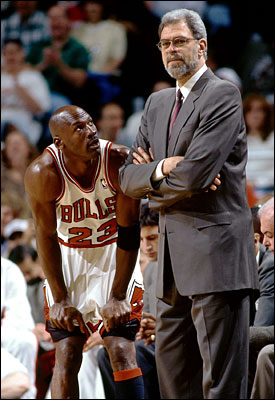 Let’s be honest, you wouldn’t be in your position if you didn’t have ability to do the job. However, a lot of people have talent and those who push themselves to continue improving go further. Great ones like Peyton Manning, Michael Jordan and Derek Jeter didn’t need to be told to accept coaching, work with their teammates or find ways to measure and improve their performances regularly, they did it because they wanted to be the best at what they did.
If they could do it then there’s no reason you can’t. Measuring your improvement isn’t difficult and it’s not a bad place to start when showing your bosses why you’re worth a larger investment down the road. Then again, if you don’t want to go that way, you can always put your fate in the hands of the Nielsen gods. Please be sure to let me know how that turns out for you.