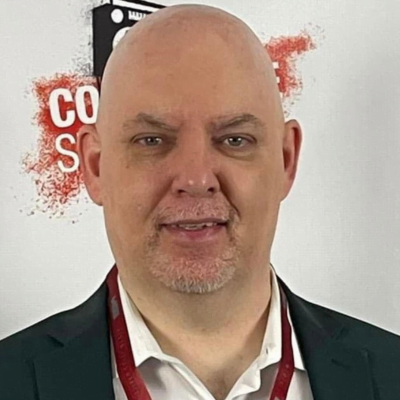
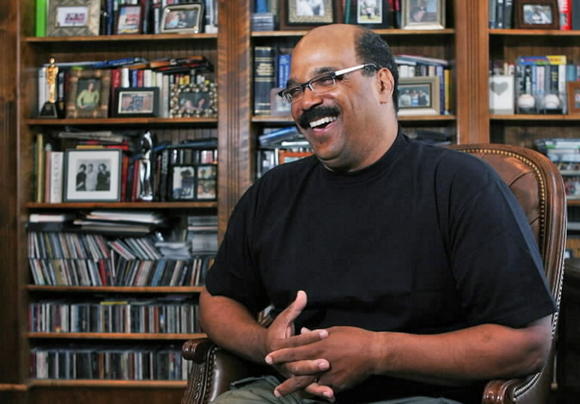
When you talk to Kirk McEwen, you can’t help but be in a good mood after the conversation. His energy, love for life and passion for sports, music and fun are very easy to recognize.
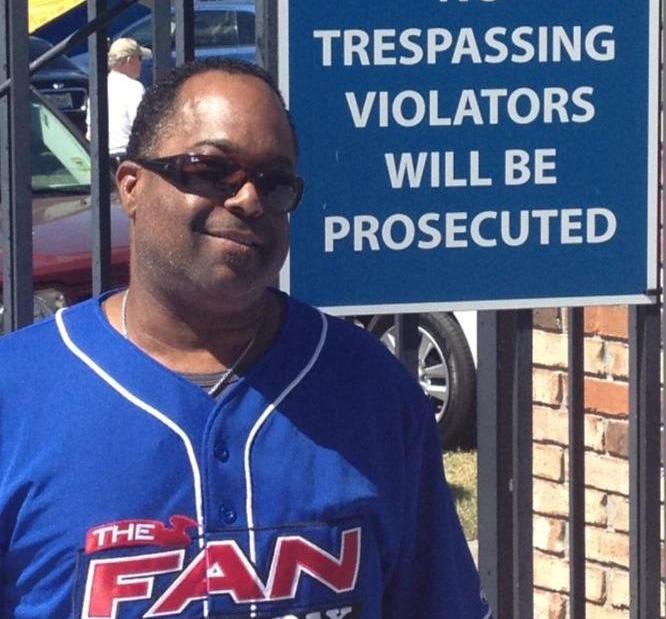 The morning man for 98.7 The Fan in Tampa has a radio background that seems to have become a bigger attraction to sports talk radio programmers across the country today. While he currently patrols the airwaves as a sports radio personality, his prior experience and success have come as an air talent in the rock radio format.
Kirk’s career started in Baltimore where he worked for legendary rock station 98 Rock. He was hired to work part-time on the weekends and eventually earned a promotion to host evenings. While doing radio for 98 Rock was exciting, when DC 101 in Washington DC came calling, it was an opportunity he couldn’t pass up.
 For the next 3 years Kirk established himself on the DC 101 airwaves and became a fixture in the market but soon he found himself being pulled back home to 98 Rock. He hosted nights, afternoons and finally mornings, where he’d become one third of the highly successful “Kirk, Mark and Lopez Show“. KML was instrumental in launching the career of Larry the Cable Guy and was voted “Best Morning Radio Show” in 2004 by Baltimore Magazine.
While the show became a mainstream success in the Baltimore market, it would suffer a crushing blow in 2005 when Kirk’s on-air partner (Lopez) would lose his battle with cancer. Kirk and Mark would remain on 98 Rock until 2006 but then they’d make a move across town to WHFS where they’d take over mornings.
 The opportunity at WHFS would be short-lived but Kirk would rebound, landing on his feet at 105.9 The Edge where he’d return to hosting mornings, this time alongside Mike O’Meara. The show had enjoyed a solid 23-month run when a format change occurred and Kirk was once again left on the outside looking in.
As many in the industry know, sometimes a short-term setback can lead to a better long-term situation and after a 10-month break, Kirk was hired by CBS to head south to Tampa to help launch a brand new sports radio station, 98.7 The Fan! Upon arriving in the sunshine state, Kirk was paired with former NHL player Chris Dingman to form the “Kirk and Dinger” show and he’s been a fixture on the Tampa sports radio scene ever since.
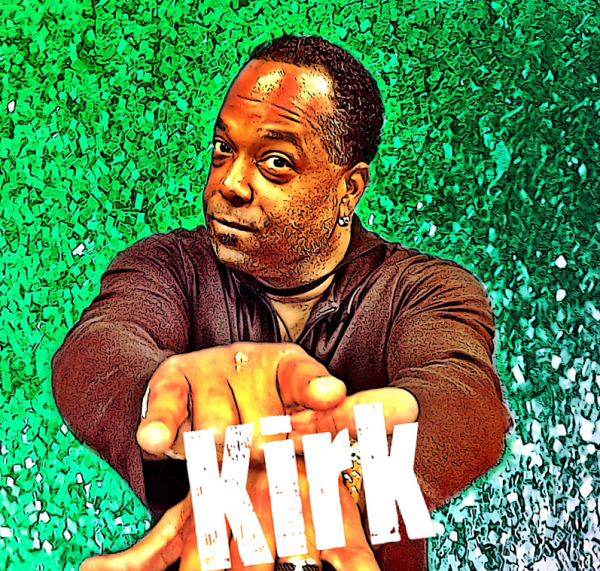
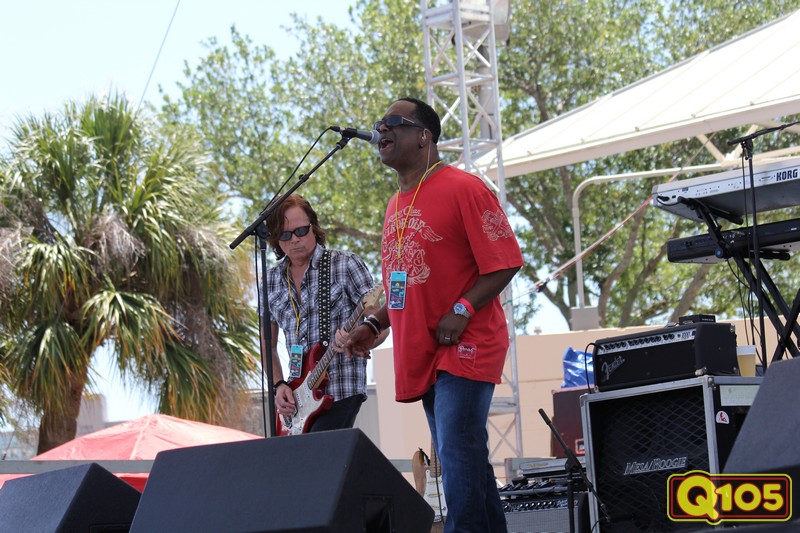 On the personal side, Kirk is a self-proclaimed “military brat,” whose father served in the U.S. Air Force. He was born in Berlin – the youngest of six kids and is the younger brother of former CBS “This Morning” personality Mark McEwen. He is also multi-talented, with a side career in stand-up comedy and music. He’s opened up for comedians Daniel Tosh, Tommy Davidson and Larry the Cable Guy and his band (The Kirk McEwen Band) have opened up for groups such as Cinderella, the Fabulous Thunderbirds and Matchbox 20.
I reached out to Kirk to pick his brain on his radio career, the transition into sports talk radio and to understand how he blends his various backgrounds into his daily show and I found him to be very engaging, upbeat and interesting. I think you’ll enjoy reading the conversation.
 Q: Prior to entering radio, who were some of the personalities you enjoyed listening to who led you to want to explore this medium?
A: My brother was instrumental in leading me down this path. He loved his job and was good at it and had a lot of success on a number of great stations all over the country as well as on television. He worked on CBS This Morning and the Early Show and there’s no question he was a strong influence. Another guy who I liked a lot was Tony Colter. He’s on Sirius now but was on 98 Rock in Baltimore and DC 101 (stations I also worked at) and he was a friend of the family and someone who knew how to have fun playing rock and roll.
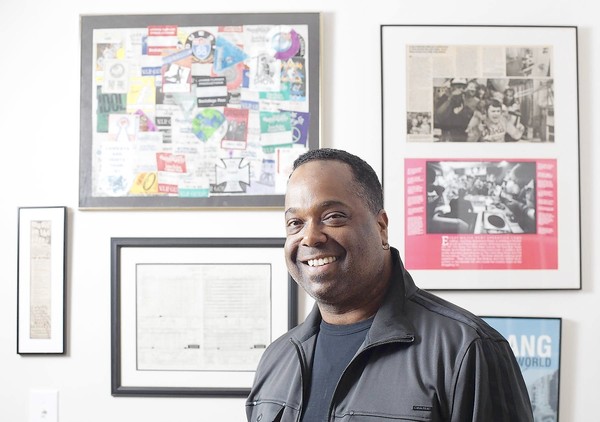 Q: What was your first job and what responsibilities did you have?
A: Chuck DuCoty gave me my first job at WMUC which was a college radio station in Maryland. I went in for an internship and one of the DJ’s had broken some albums after learning that he was only getting 38 hours per week instead of 40 (which back then meant you weren’t considered full-time) so my internship quickly became a job. I started out doing some weekend work and climbed up the ladder from there.
 Q: In addition to being a radio personality, you also possess a background as a stand up comedian and musician. How do those experiences help you in what you do each day on the radio?
A: Humor is good in any format and when you can make people laugh that keeps an audience interested. When I first started out doing radio I’d be thinking about which of my friends or family were listening and what they might say to me afterwards. When I’m performing comedy or music, I’m usually in front of people that I don’t know and that helps because I’m not worried as much about what they might think. If I’m being heckled or if the lights on stage don’t work, that forces me to have to pull my act together and prove to the audience that I’m a strong entertainer even when the situation is challenging and the same thing applies to doing morning radio!
 Q: Your brother Mark was very successful in the media industry. Did his achievements make it easier or more difficult for you to establish yourself?
A: It made it easier for me to get noticed because people would want to talk to me because of who my brother was. He’s no longer in the public eye and I miss that because he was great at what he did. I gained a lot of opportunities that I might not have received if I wasn’t Mark McEwen’s brother. The challenge though was getting people to remember who I was because half the time they’d be like “Oh your Mark’s brother“.
 Q: Some of your biggest career success came in Baltimore and Washington DC where you worked for rock stations DC 101 and 98 Rock. What do you attribute your success to in each of those places?
A: My passion for music and love for people played a big part in helping me succeed there. Growing up, my brother had one of the coolest jobs in the world to me and so I thought it would be great to do the same thing. When you’re on the radio and you’re talking to people, they don’t care what you look like, they just want to be part of the conversation with you. I think my ability to relate and connect with people helped me a lot in those two places.
 Q: In 2012 you moved to Tampa and entered the sports radio format, joining 98.7 The Fan. Why did you think this format would be a good fit for you?
A: I’ve always loved sports. I used to play stratomatic baseball and go to games and it’s always been a part of my life. In 1988 Ken Singleton played baseball and was doing part time work on the weekends in Baltimore on Channel 13. When he left to go to NY they held a contest to replace him and I finished 2nd because the station thought I would become good and leave since my brother was a known broadcaster. They were right about that but it allowed me to get some experience on tape doing sports and I thought it was something I could do really well. After my situation in Baltimore ended, I had heard that the story on me was that I was lazy and it was the furthest thing from the truth. I went up to NY and told my agent that I’d like to have a chat with Chris Olivero and Scott Herman to clear the air. I showed up in my Len Dawson jersey and we talked for a while and everyone agreed to start with a clean slate. A few months later my agent called me and asked if I’d entertain moving to Tampa and I said yes and I’ve been here ever since.
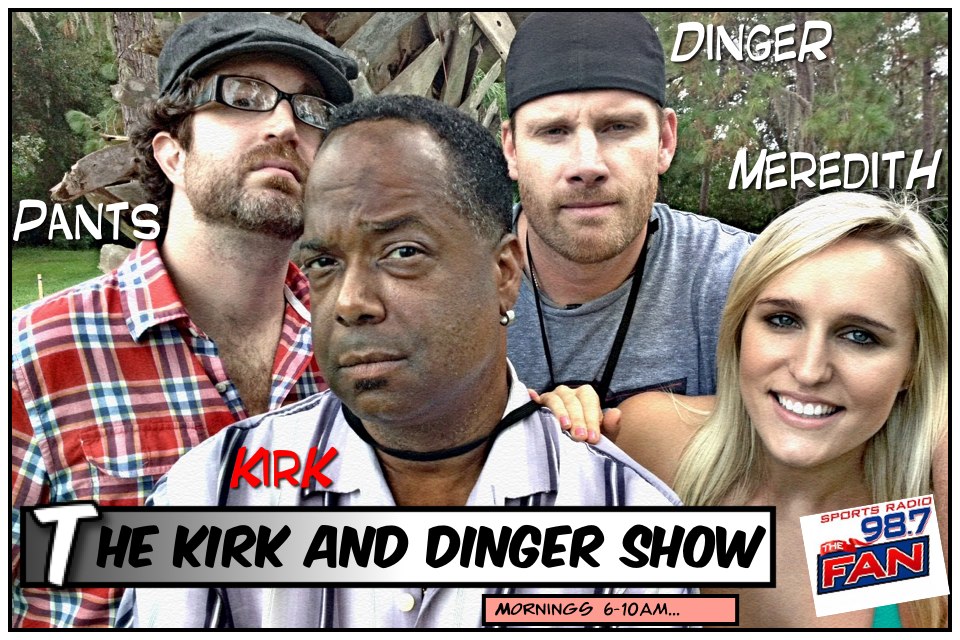 Q: As you began your run with 98.7 The Fan, you were initially paired with former NHL player Chris Dingman on the “Kirk and Dinger” show. How would you summarize that show and what led to it being changed?
A: It was interesting. You had a black guy from the mid-Atlantic and a Canadian hockey player and we were thrown into a room and told “go”! We had to create the image of the show and get a feel for each other and we ended up having some success but it was a challenge for us to find that groove. I was new to the market and Chris had never done radio before, let alone a morning show and so we made it the best we could given the circumstances.
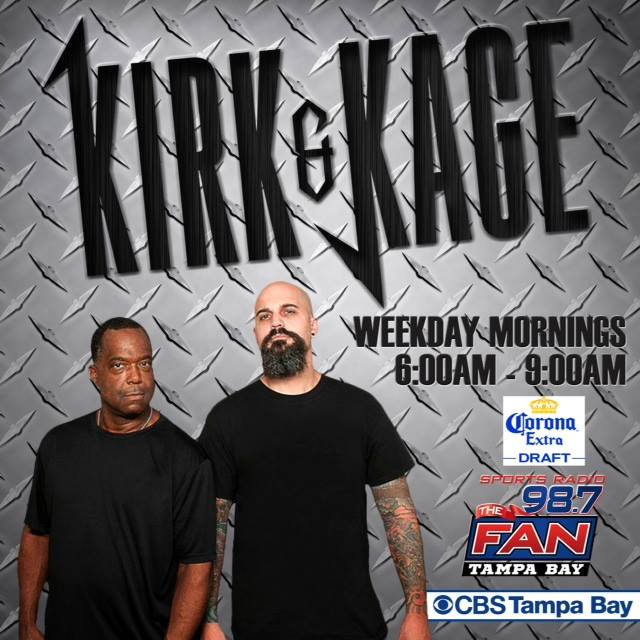 Q: With Dinger gone, you’ve added Jesse Kage to the show, who like yourself, has a background in rock radio. Why does his addition to the show excite you?
A: I get a feel for people really fast. When you hear Jesse talk, he’s very educated. The dude has a bald head, tattoos and a huge goatee and he’s friends with everyone. He’s younger than me and we come from different backgrounds yet have a lot in common so we’re able to bring good balance to one another. There are times during the year when you can’t over analyze a game and you need to be able to entertain people and it’s easy to do that with Jesse. This pairing feels really natural.
 Q: What do you tell a Tampa sports radio listener who might be concerned that the show will have too much guy talk and not enough sports talk?
A: We will talk sports and have good guests on and the goal for us is to make people think and interact. We’re also guys though who like a number of different things and we want to be able to let people in on our lives. There will be a good mix for everyone to enjoy and it will be built around our personalities. The hardcore stuff such as doing game breakdowns isn’t what we do. There’s another local outlet available that can give people that style of show.
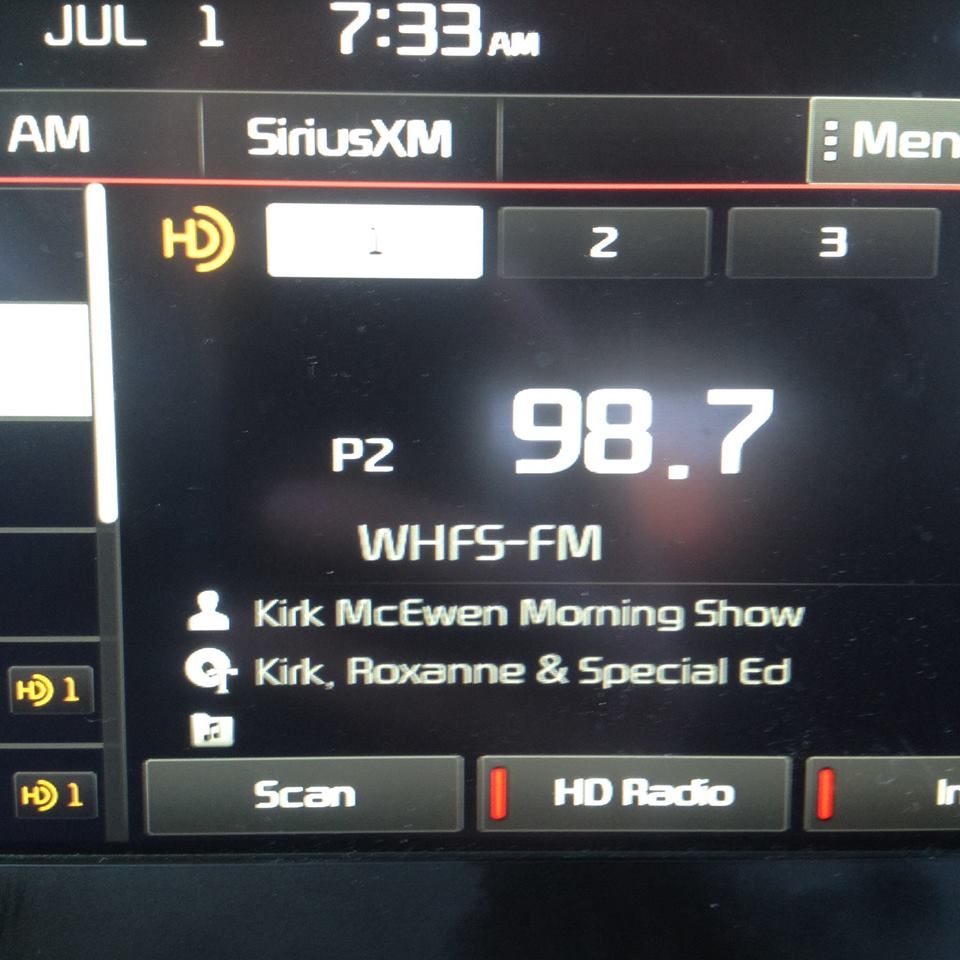
 Q: On the show you also include Roxanne Wilder and Special Ed Grube. Why do you believe it’s important to utilize a supporting cast on a radio show?
A: When you can include different people in a show it provides more interesting viewpoints. Roxanne for example is very sports savvy and brings things to the table that are different than what Jesse and I do. When the whole Ray Rice thing happened we wanted a female perspective on it and she can do that and do it really well. Special Ed on the other hand is crafty at writing songs and creating bits for the show and having that mix of people contributing to the success of the show keeps it fun and loose.
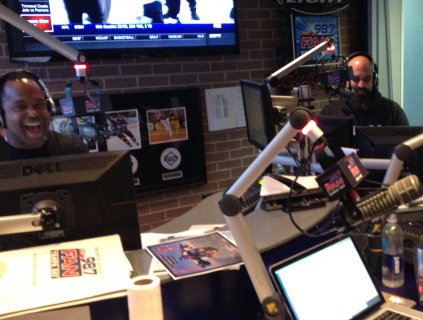 Q: When you guys step back and look at the “Kirk and Kage” show, what is the mission statement for the program?
A: It’s sports with a jagged edge. There might be some similarities to what Toucher and Rich do in Boston but we have our own style. We’re not a hardcore sports show but we know there are times to be serious and times to be funny and we want to provide a good mix.
 Q: When it comes to improving your show, how do you measure improvement? How often does your show meet and what do you look to accomplish in that meeting?
A: We call my boss (PD John McConnell) “Johnny Sports Guy” and he’ll get in and listen and we’ll chat in his office about the show but it’s a feel thing. We’re always thinking of things we can do to make it better and we’ll text a lot or talk in person and point out things that have to be stronger. It’s really about regular communication and everyone feeling they’ve got a say in the show.
 Q: To someone on the outside who isn’t familiar with the Tampa sports radio market, how would you describe it?
A: It’s challenging because there are beaches, good concerts, families with pools who want to relax and enjoy the sunshine and to get their attention you need to put a winner on the field. Even if you do, people may still not check it out. But I like it because the challenge makes it fun. Football is king here even though the stands may not reflect it. The Lightning sell out all the time and the Rays have great TV ratings even though the in stadium attendance isn’t high. There are also a ton of transplants here so fan allegiances are diverse and that allows us to branch out from time to time.
 Q: As you reflect on your career and all you have accomplished, what is some of the best advice you were given that you still utilize today? Who gave it to you?
A: My brother told me “when you talk, if you smile, you can’t help but be in a good mood”. People don’t want to wake up and hear someone on the radio who’s miserable. I love being able to talk and have fun and I pride myself on being a brother in rock and roll. There aren’t a lot of black guys doing this format who haven’t played professional sports and I think that helps me in standing out.
 Q: What is one area where you believe sports radio needs to evolve?
A: People doing this need to have more fun. This ain’t your dad’s Buick. Most of us didn’t play the game and we don’t need to apologize for that. It’s about guys having fun, sharing opinions and not worrying about being wrong. There’s too much emphasis on hard hitting information in some places and I think shows can hit on issues that guys like and enjoy themselves a little more.
 Q: If there’s anything you can offer to someone who’s just entering this industry and trying to develop a career in it, what would it be?
A: Years ago I would have advised people to get into radio. I’m not sure today if I would. People aren’t listening to radio as heavily as they used to. Now they’re podcasting and doing social media. However, if you’re passionate about it and really want it, work hard at learning as much as you can, find a mentor, and work on developing your own style. Trying to be someone else doesn’t work. Be yourself and be comfortable with it.
Kirk McEwen can be heard weekday mornings in Tampa from 6am-9am on 98.7 The Fan. You can also follow his show “Kirk and Kage” on Twitter by clicking here.