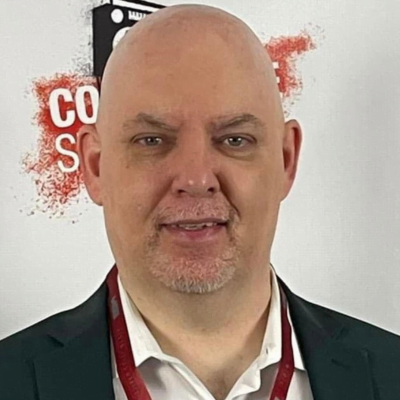
To many, Miami is known for its gorgeous beaches, beautiful weather, excellent restaurants and exciting lifestyle. What doesn’t get enough credit though is the wide array of outstanding radio talent who have called the market home throughout the years.
Previously, great personalities such as Hank Goldberg, Neil Rogers, Jim Mandich, Jorge Sedano and Dan Sileo have performed daily for South Florida sports radio listeners and the current crop of sports radio talent remains equally as strong. Today, listeners can tune in daily to hear hosts such as Dan LeBatard, Jon “Stugotz” Weiner, Joe Rose, Sid Rosenberg, Jonathan Zaslow, Adam Kuperstein and my featured personality for this week, Marc Hochman.
 I first became familiar with Marc’s work when he was working for 790 The Ticket and what I noticed immediately was how much fun he had on the air. It was easy to tell that he enjoyed the job of entertaining an audience and the word “comedy” had a home in every one of his shows. I could also tell how he valued conversations with people who appeared on his programs and I remember always finding myself in a better mood after listening to him perform. In my opinion, if an on-air personality can help the audience laugh and learn, they’ll always have a fighting chance of keeping people consuming their content and Marc put himself in that position pretty consistently.
The other thing that stood out to me when I listened to Marc (and even others in the Miami market) was how there was a lot more value placed on entertainment, pop culture and lighter topics and not so much of an emphasis placed on hardcore sports talk. While Miami certainly has it’s share of passionate sports fans and on-air personalities just like many other markets, it’s also known for taking a more lighter approach and that’s where Marc shines. That’s not to suggest that he doesn’t have the ability to dive deeper into subjects because he certainly does but if you’re going to tune in for his show and expect an hour long conversation on why the third base coach sent the runner in the 4th inning of a meaningless game in May, then you’re likely going to be disappointed.
Marc is a master of his craft at providing good ole fashioned entertaining sports radio and he comes across over the airwaves as a guy you want to grab a beer and some wings with and chat about the things that matter to you and your community. The other aspect of his game that I believe is very underrated is how he utilizes his supporting cast during the course of his show. Not every radio point guard can keep the pace moving and get everyone involved during the right content discussions yet Marc makes it seem smooth and easy. That has to be especially exciting for younger talent who are looking to learn and build their own identities in this industry because he’s not afraid to give them a shot if they have something to offer. I’m sure being around Dan LeBatard and seeing how he approached his program had to help Marc and to his credit, he’s used that influence and found his own niche and put together a fantastic radio program.
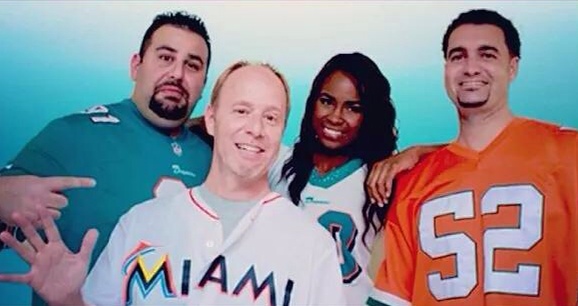 Just yesterday I listened to him and over the span of an hour, I heard Zach Krantz (co-host), Sha Tabb (Producer) and Andy King (PD) all involved and when each was called upon to add something during a segment, they didn’t disappoint. What I enjoyed most was the variety of content choices that the show had to offer. During a full hour I heard a serious conversation about Roger Goodell’s new NFL policy for punishing players who are guilty of domestic abuse and/or sexual assault, a less serious sports conversation on the importance of a fourth pre-season game and whether or not it should be watched and a light hearted and entertaining feature called “Honked Off Like a Goose” which was a lot of fun to listen to.
Overall I think Marc is a very strong radio talent who understands the medium and doesn’t take himself too seriously. He presents himself as someone who’s trying to superserve his audience and those who invest their advertising dollars in his show and as an added bonus, I think his style is a great fit for the Miami sports radio market. I’ve caught his show a number of times over the years and I’ve always been impressed so I wasn’t surprised when Joe Bell hired him to host afternoons at WQAM. I think they made a great choice.
To get a better sense of Marc’s approach and background and to learn a little more about the things he believes are important for a successful radio host/show, I reached out to him with a number of questions. He was gracious enough to provide some very detailed responses and I think you’ll gain some valuable insight from our conversation.
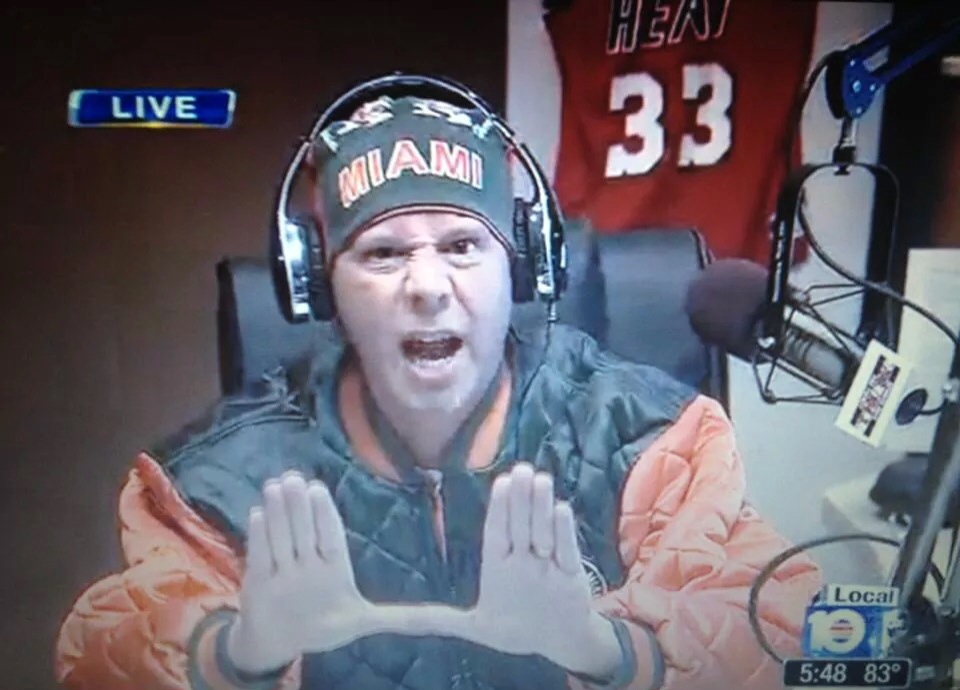 Q: When did you first start listening to sports talk radio and who are some of the broadcasters who have influenced you?
A: I was never a huge fan of sports talk radio when I was growing up in Chicago. I was a fan of talk radio- specifically Steve Dahl, and then Kevin Matthews. They’d delve into sports every now and then, but it was general talk. When I moved to Miami in 1987 I’d listen to Neil Rogers and Phil Hendrie. Phil Hendrie to me is a radio genius. He’s the first guy I ever heard that really “parodied” the whole genre of talk radio. Those that “got it” really understood his genius; those that didn’t “get it” made it funnier for guys like me who did get it. I’ve always kind of tried to take Hendrie’s approach with my show, but not to the extreme he does. I kind of think of my show as a parody of a real sports talk radio show.
Q: Where was your first radio job and what were your responsibilities?
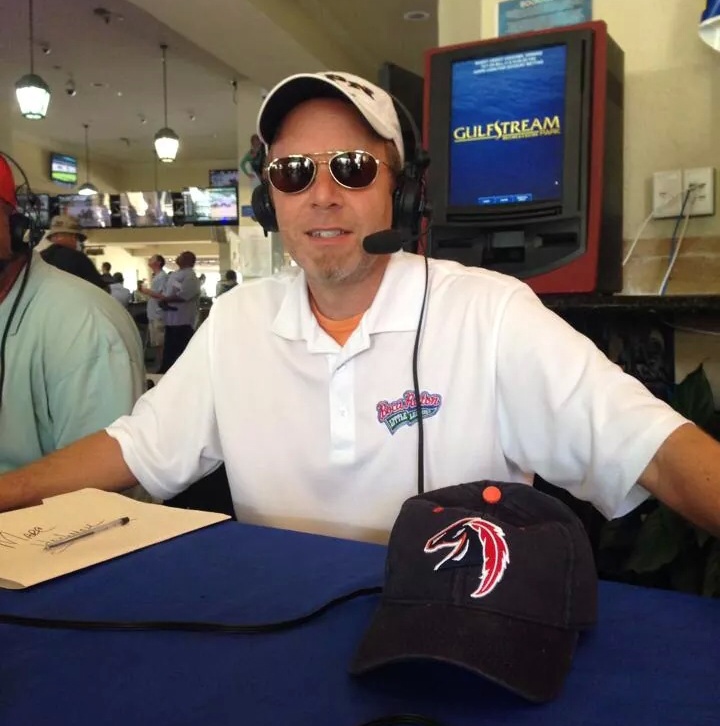 A: My first radio job was in college at the University of Miami radio station. It was an unpaid shift on the college radio station. My shift was Thursday nights 1-4 AM. It was an awesome experience. I also interned at B96 in Chicago during the summer and that was an amazing experience. The station was located in the CBS building in downtown Chicago, and it was a real learning experience as to how a major market radio station runs.
My first paid job in radio was after I graduated college. I was hired to do the 6-Midnight shift at a tiny, tiny, tiny little FM station in Belle Glade, Florida called B93.5. It was a mini-market station-not measured in any market. It was west of West Palm Beach, but you could hear all the West Palm Beach market stations there and you could even hear the Miami market stations there too, so no one was listening to us. It was 1991, and my salary was $165 per week. It almost cost me as much in gas to get there every day as I was earning.
Again though, it was a great experience. I hosted my show, did production, and even helped sell the station. After a few months I was named program director and host of the morning show. I ended up staying there almost 2 years.
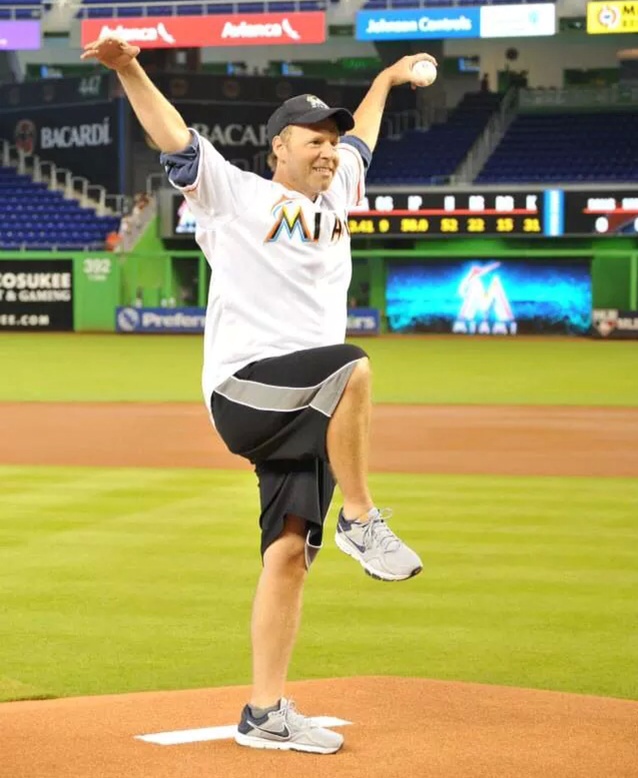 Q: You’ve been doing radio in Miami for roughly 10 years now – what makes the sports radio scene in your market fun, unique, exciting and interesting to you?
A: Miami is a really interesting market for sports talk radio. I think we’re able to get away with things in Miami that you’d never be able to get away with in other markets. It’s hard to explain why South Florida is such a unique market, but suffice it to say there’s no way you could break down an offense or a defense for 4 straight hours the way you could in New York, Chicago, or Boston. There are some really unique sports radio voices in Miami, starting with Dan LeBatard, who I unfortunately go up against every afternoon. He’s singlehandedly reshaped sports radio in Miami; he’s made it a whole hell of a lot more fun.
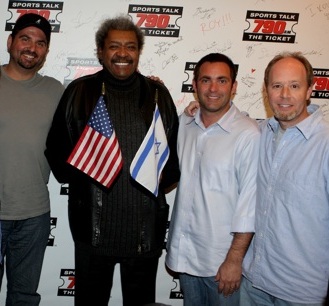 Q: You have had the benefit of working with some great people in this business. Which individual(s) have had the biggest impact on your career?
A: The guy who has influenced me most on air in radio in the last 10 years is Dan LeBatard. He was one of my best friends in college, and when he started doing the daily radio show in Miami he hired me as executive producer. He taught me that it’s ok to laugh at yourself on the air and it’s ok to not take yourself seriously. The biggest lesson that he taught me was that it’s ok to admit to the audience when something-a bit, an interview-isn’t going well on the air. That was a huge eye opener for me. I had always worked in radio with the thought that you never let the audience know if something’s not going well. Dan opened my eyes to the fact that you can’t fool people that way and that it’s ok to let them know that YOU KNOW an interview failed. That was a huge change for me.
Off the air I credit 2 different general managers for inspiring me and believing in me. Dennis Collins ran 790 The Ticket when I was there, and he was instrumental in shaping me as a radio professional. I admired the way he carried himself, and the passion he had for talk radio. It was his guidance that helped me grow as a radio pro. He’s the one that was instrumental in me becoming program director at 790 The Ticket; and that changed my life forever.
Joe Bell is my current general manager at 560 WQAM, and I don’t think I’ve ever worked for someone that has had more of a belief in my abilities as a broadcaster than him. Anyone who has worked in radio probably has a vision of that dream general manager that always seems to support you, always says the right things, and always is willing to do what you need to make your show perfect, and that’s what he’s been for me (although maybe it’s just the honeymoon period since I’ve only been there half a year!).
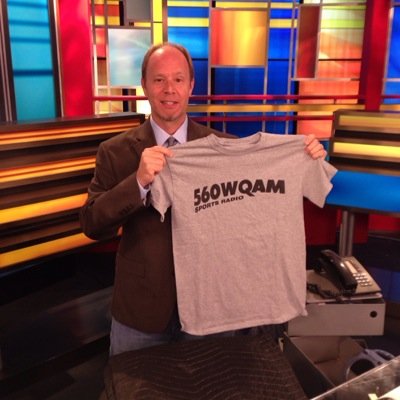 Q: Having worked for both The Ticket and WQAM, how would you characterize the differences between the two radio stations?
A: The differences between the 2 radio stations are funny to me. I find my current station WQAM to be a throwback to the days of radio before consolidation ruined everything. WQAM is owned by Beasley Broadcasting, which (while a public company) still feels like a family operation. I didn’t think I’d ever experience radio again where you felt like the owner of the company actually knew who you were and actually paid attention to what you were doing. But that’s the feeling I get from WQAM. It’s the heritage sports station in Miami, so it’s definitely an honor for a radio dork like me to work there in afternoon drive. I can appreciate the history of the radio station, and it’s not lost on me some of the great talents that have sat behind that mic before I did.
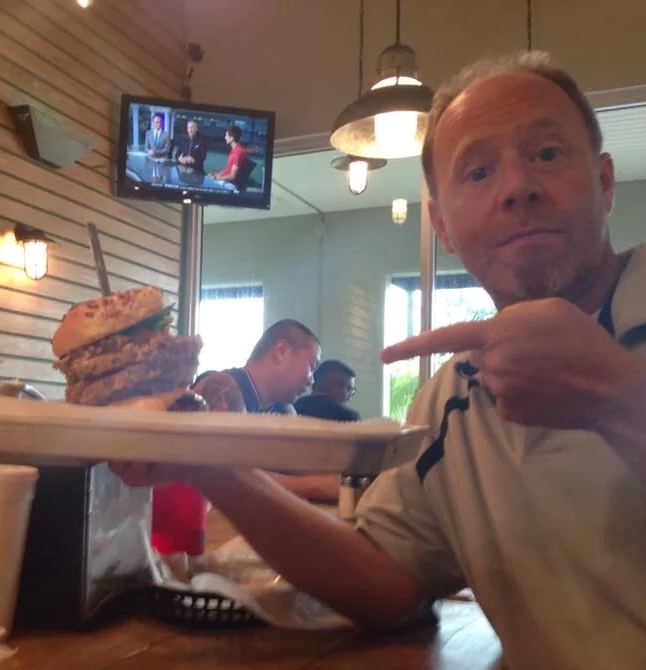 Q: You and Dan LeBatard are friends who have had great success working together. How does it feel now, going head to head with him in afternoons?
A: LeBatard and I are still friends. Sometimes we even text each other while our shows are on. It is a bit strange to see on social media how great his show is doing nationally. I like to think that I played some small part in forming that show into what it is today. As to going head to head versus him every day, it sucks! But someone has to do it.
 Q: On a daily basis you’re creating topics, angles, talking to guests, callers, etc. – what part about doing a radio show excites you the most?
A: I’ve always said this about doing a local radio show—I love it because it’s like the old town square where everyone can gather and talk about the issues of the day. Whether it’s sports, a tragedy, a monumental occasion, or just nonsense, it’s a way for the community to get together and feel as one. It may sound dorky, but that’s the way I envision the show. We’re all South Floridians, and whatever we’re all concerned about that day we’ll talk it out together.
The other thing I love about radio is getting to interact with notable people for 10 minutes. I love interviewing people that are icons in sports or entertainment, and getting that 10 minutes to just talk to them. What other job would have given me the opportunity to talk for a few minutes with Dwyane Wade, Hulk Hogan, Howie Mandel, Al Roker, Donny Osmond, Mike Tyson, and Rick Springfield and hundreds of other notable people? It’s never lost on me that I get to have interactions (albeit briefly) with some of the most famous people in the world. I always find that cool.
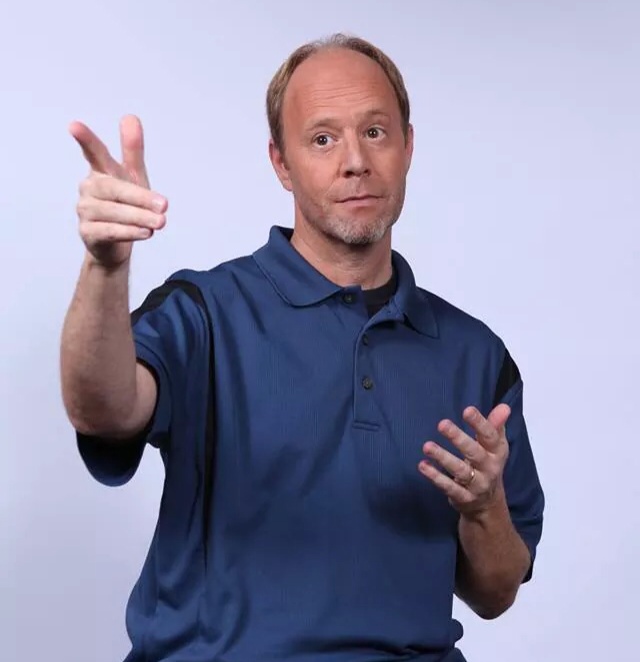 Q: To do a 4-hour show, how much preparation time do you invest? Take me thru a day of how that process works from the time you wake up to the time you drive home.
A: Anyone who has done a 4 hour talk show knows that it’s taxing and at the end of the 4 hours you’re spent. I’m not complaining, because I know it’s not a real job, but it is fairly grueling to churn out 20 hours of entertaining talk per week. I feel like I’m always prepping for the show. Anything that happens to me during the day or night is fair game for the radio.
I take my son to school in the morning and get home around 8am; and that’s when I sit down at my desk and really begin preparing for that day’s show. I check all the websites, prep service, audio delivery sites, and create a rough draft of what the show is going to sound like. I have 16 segments to fill every day, and I have an outline by the time I go in each afternoon of what’s going to happen each of those 16 segments. That’s not to say that I don’t audible, because I audible a lot. I may only get to half the items on my prep sheet, but it makes me feel comfortable on the air knowing that it’s all there. My greatest fear is to open that microphone and not have anything to talk about!
The outline process usually lasts from about 8-10am. Then the rest of the day is spent texting/reaching out to potential guests, texting with the other members of my show about ideas, and constantly checking Twitter for topics. My partner Zach and I usually get to the station around 1pm and tape some interviews for the show (I like taping interviews because it gives me a chance to clean them up before they get on the air).
The evening is usually spent watching sports (or House Hunters) and texting the people on my show spitballing ideas and guests for the following day. It’s like Groundhog Day.
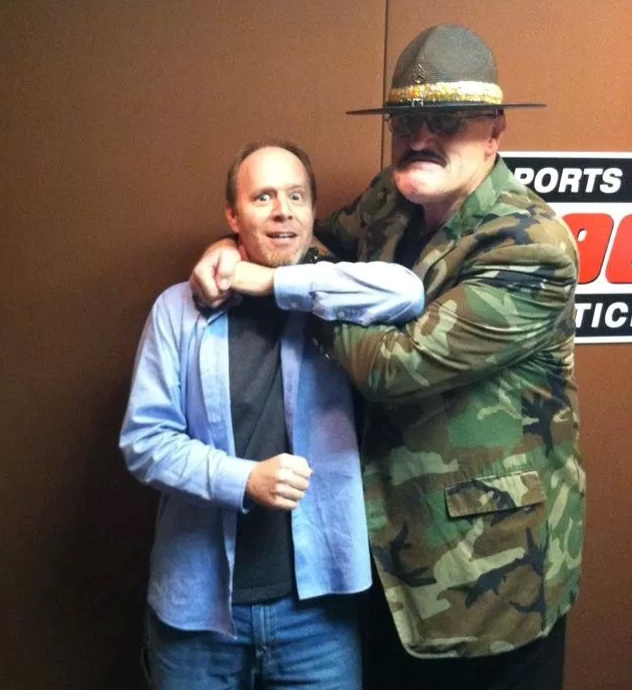 Q: When you’re conducting an interview, what is it you’re looking to accomplish with your guest?
A: I love doing interviews because I’m fascinated by celebrity and notable people. I generally ask questions that don’t have much to do with sports. For example, when the Miami Dolphins 1st round draft pick Ja’wuan James came on with us, I would never ask typical sports questions. I’m more interested in if he thinks adults should put rainbow sprinkles on ice cream. I want to know which famous football players texted him congratulations when he was drafted. I want to know if he realizes that since he’s a 1st round draft pick he can request a suite from the Dolphins Stadium for the Jay-Z and Beyonce concert. I want to know what his breakfast cereal of choice is.
My favorite part of interviews is trying to connect with people on a human level in a quick amount of time. Any athlete can tell you “we’re going to take the season one game at a time.” They’re programmed to say that. I want to know the most famous person he has in his iPhone contacts. That’s the stuff that interests me.
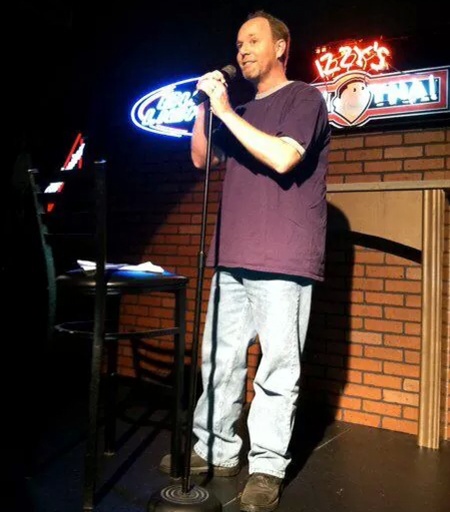 Q: As it pertains to fielding phone calls from your audience, why do they matter to you?
A: I know a lot of hosts will tell you that callers slow down a show and that callers rarely bring anything good to the table. I don’t feel that way. I like talking to people; probably because I generally like people. I find anyone interesting, including callers. I like an open forum where people can weigh in on whatever we’re talking about, and know that they’re going to get to say their piece (but there are plenty of shows where I don’t take a single call. It just depends on the tenor of that particular show).
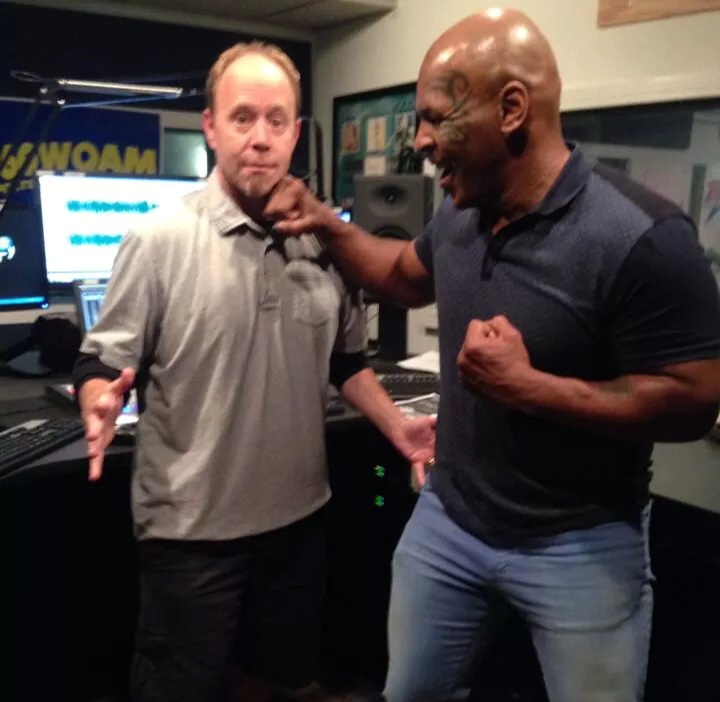 Q: You’re very active on social media which allows the audience to connect with you outside of your program – why do you believe that’s important?
A: I love social media; Twitter specifically. I think it’s super important to use it as a way to build an emotional attachment with your audience. It’s such a great tool to keep conversations going with listeners day and night (It’s also a great tool to give something extra to advertisers. I’m never shy about promoting the businesses I endorse on social media).
Twitter can be harsh though. Look through my timeline and you’ll see plenty of insults- some vicious. I wish that side of it didn’t exist, but the positive parts of social media outweigh the negative aspects of it to me.
 Q: How often do you meet with your Program Director, Producer or other staff members to critique the show? How do you measure whether or not you’re making progress?
A: There are essentially 3 other members of the show; my on-air partner Zach Krantz, our producer and third voice Sha Tabb, and the executive producer, which is an open position right now (The executive producer left last week for a job with Telemundo, so our program director Andy King is actually the interim executive producer at the moment). We talk and critique the show every day. I’m highly critical of what we do, so we’re always all talking about things that do or don’t work. I generally feel like things on the show are working if I don’t feeling like curling up into the fetal position when I get home and crying myself to sleep. That happens about 2 days a week.
 Q: How important do you believe it is to be out in the community, attending games and spending time meeting and interacting with advertisers?
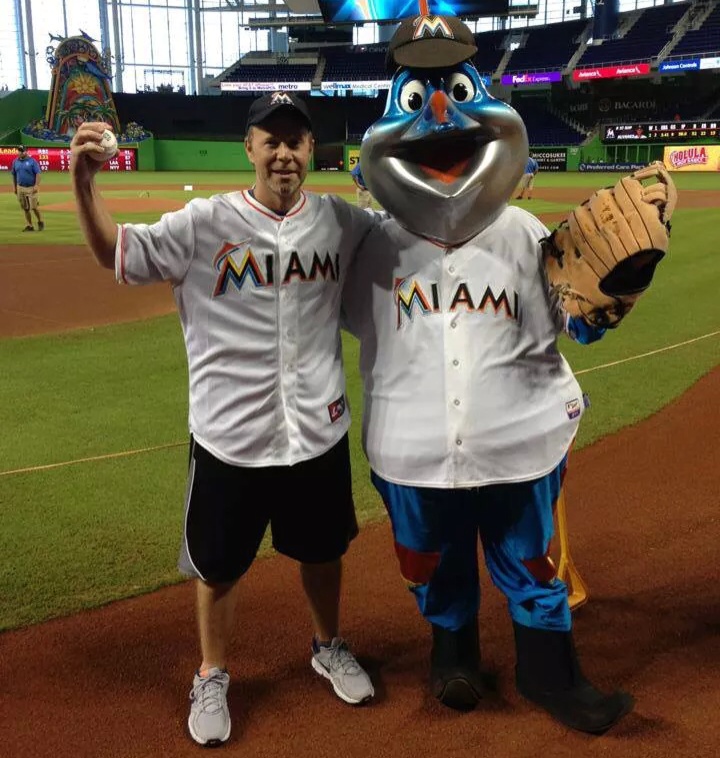
A: I do think there’s some importance being out in public. I try to attend a lot of sporting events for that reason. I’m always willing to make appearances because you never know when a personal interaction will translate into a new listener. I do think that social media is more important than any of that nowadays though. You can interact with many more people on a personal level through social media than you ever could making appearances.
When it comes to advertisers, I always try and super-serve them. I’m big on weaving advertisers into the fabric of my show. I want listeners to know which businesses are actively supporting what we do; I really do think fans of the show will support those that support us (and generally they do). I probably make some of the account executives nervous with my willingness to forge relationships with advertisers, but I really do believe that’s a huge part of the business (I sold radio advertising for several years when I worked for Infinity so I might be one of those rare air talents that really knows how hard the advertising side is)
 Q: If there’s one thing that turns you off about the sports radio industry today, what is it? How can we make it better?
A: The worst part of the sports radio industry to me is the sniping from hosts about each other. I’m fine with the good hearted “competition” stuff where one host talks smack about another on the air. It’s like wrestling. The part that really annoys me is the lack of support most hosts give other radio hosts off the air. Generally you hear about how “that guy doesn’t deserve the money he’s making“. Or “how did that guy get a drive time shift? He’s not as good as I am“. That kind of stuff drives me crazy. It’s ok to root for other hosts to succeed; there’s not a winner and a loser. There’s plenty of room for everyone, and the more people that do succeed, the better it is for the industry.
I always look at NBA coaches; they (for the most part) realize they’re a small fraternity and generally support each other (unless it’s Jason Kidd stealing someone’s job). Sports talk radio hosts rarely seem like they’re supporting each other. It seems like they’re always rooting for others to fail. I try not to do that.
 Q: If someone is thinking of pursuing this business, what advice would you give them based on the lessons you’ve learned along the way?
A: Talk radio is the entertainment business, and not much more. It’s like trying to get a great movie or TV role. You have to keep working at it and hope you get your break.
I think the biggest mistake any potential broadcaster makes is not learning the industry. I’m always amazed at how many people who work in radio don’t know what “Inside Radio” or “Talkers Magazine” or “All Access” is. I’m always shocked by people who say they really want to be in radio, but then can’t tell you which station in the market is the flagship station for the MLB franchise. Radio is like any other industry, if you want to be great in banking, you need to learn the entire industry.
I think to be successful in any business, you have to soak up the industry like a sponge. Read the trade magazines. Listen to other hosts and learn what they do right and wrong. Find a particular show and listen to it the way an athlete would watch game film. And, of course, luck and timing play a gigantic role too. It’s not easy to break into the industry with all the on-air consolidation and syndication, but there will always be room for good employees.
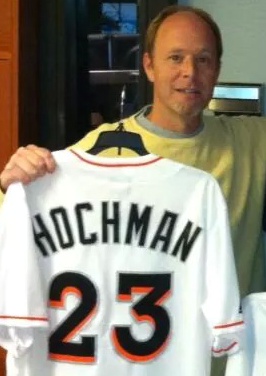
Marc Hochman can be heard weekday afternoons from 3p-7p on WQAM. To find out more about the show click here. You can also follow Marc on Twitter by clicking here.