If there’s one thing I’ve learned, and unfortunately been reminded of one too many times during my career in the radio business, it’s that many of us in this industry undervalue the importance of promotion.
I’m not talking about sending out a street team to give out t-shirts, stickers or key chains to promote your brand either. I’m referring to our ability as members of the radio industry to share the story of our brands, their successes, and when warranted, even our own individual accomplishments.
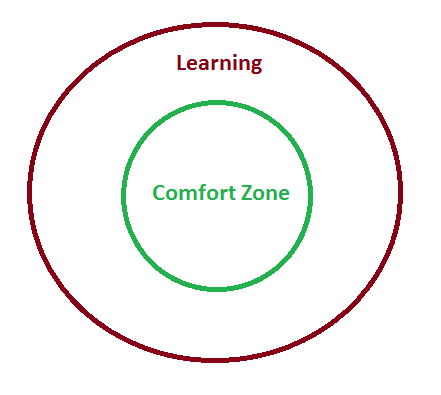 I understand that it may not be comfortable for everyone to promote themselves or their respective companies, but if that’s an area you struggle in, I recommend you get some training, and improve at it because it’s critical, and only going to become more important as the battle for the consumer’s eye and ear increases.
On July 28th, Forbes published a piece titled “Radio: The All-But-Forgotten Medium With The Biggest Reach“. The story highlighted how more people turned to radio each day than any other media platform. Altogether, data showed the total reach for radio to be 93%, which was even higher than television which was at 87%.
A pretty powerful story right?
 What took place immediately afterwards was predictable. I looked on Twitter, Facebook and LinkedIn, and saw numerous industry folks sharing the Forbes piece and putting out little blurbs that read “Proud to work in radio, the number one reach media platform“.
While I was thrilled to see people promoting the industry, I had one big issue with it. Why did it take a Forbes piece getting published to get us to promote the value and impact of the industry we work in?
Is that all it takes? An article from ANOTHER MEDIA OUTLET telling the world how great we are?
 Did we forget that we also work in media? Don’t we have access to ratings data that shows whether or not our brands are connecting? Don’t we have advertiser stories of success in our market that demonstrate that our medium delivers results? Don’t we have airwaves and social media pages that influence listener opinions and provide evidence of engagement and loyalty?
If we know the answer is yes, then why were we silent until Forbes said it was ok to speak up?
Don’t get me wrong, I love that Forbes wrote the piece, and that the industry was treated with respect for what it produces. I’ve worked in this business for 19 years, and seen the impact of what we do in multiple markets, and I know it works and I constantly sell the power of it.

Heck if you’re reading this piece, all you have to do is look at the website you’re on to see how I highlight the format, and those who perform in it. If you follow me on any of my social media platforms, you likely know the moves I’ve made while programming radio stations, and you know the ratings stories of the brands I’ve represented. That’s because good or bad, I’ve shared it with you!
Some folks may say that I even over-promote, and that’s a fair criticism, but I’d rather be known as the person who tried to do too much to highlight his people, his brand, his format, his audience, his industry, and his success, than the person who nobody knew much about. If you’re proud of your work, I believe that’s a story worth sharing.
While the Forbes piece focused on the power of radio and its reach, I think it only skims the surface of some of our bigger challenges. Forget about whether or not we deliver better results than print, digital media and television, let’s focus instead on the “poorly told story”.
 I learned ten years ago at ESPN Radio why it’s vital to be your own self promoter. If you don’t share your story and what you’ve accomplished, you risk becoming a face in the crowd. That applies to anyone who hosts or produces a show, or manages or sells a radio station.
If you’re #1 in your market and beating your competitor, who’s going to know that story unless you share it? If you’re a producer chasing guests or working with a talent on new segment ideas and ways to improve their presentation, how are your colleagues going to know if you don’t discuss what you’re working on with them?
If you’re a sales person who only calls an advertiser when their agreement is expiring and fail to inform them when your station makes improvements, gains traction, or introduces new personalities, how do you expect to further develop the relationship with your client?
Promotion is necessary to succeed and it matters in every department inside your operation.
 Let’s flip it to another part of our business, the ratings story. Here’s a quick question for you, do you know how your station is performing and what its strengths and weaknesses are? Do you know which other stations in the sports format in other markets are doing well or under performing? If not, why not? How can you craft a powerful story and create a compelling narrative if you lack powerful information?
And that’s not only an issue for sales people, producers and on-air talent. Programmers are guilty of this too.
Newspapers in Dallas, Houston, St. Louis, Boston and New York are excluded because they do provide news about the local sports radio stations in their markets and how they’re performing, but what about the others? If you’re the PD, and you’re trying to build the station’s profile, increase revenue, and build morale inside your building, isn’t part of the job responsibility to generate press for your brand? Are you just waiting for the newspaper to subscribe to Nielsen to tell your ratings story?
Sometimes you have to take the lead, and send out information about your brand to your local media groups, advertisers, staff, and listeners, and let them know what’s happening. Here we are selling advertising to clients on our brands and telling them it works, but not using the power of our own brands and relationships to educate people about our results. What good is the information if nobody ever hears about it?
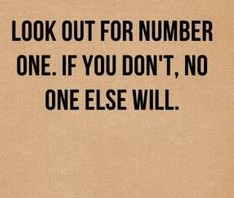 How about this, forget about being the good company solider for a second, and think about how it applies to advancing your own career. If you’re looking to build your brand, and earn bigger opportunities and bigger dollars in the future, do you think it’s going to happen because one or two friends in the industry provided you with a good reference or because you had a slick looking resume?
People in this business at the highest levels read everything and talk to everyone. If they want to know if you have the ability to generate ratings or revenue, they’re going to dig until they find out. Isn’t it smarter to leave them a trail, and show them that you take pride in promoting your work? If there’s nothing to see, they could think you’ve got something to hide, or even worse, they could feel you lack the ability to passionately sell the brand, and its story.
Here’s one example of something short, sweet, smart and effective! 610 Sports in Kansas City is rotating a number of these quick promos on their air, and by doing so they’re letting their listeners and advertisers know of their success. Everytime they air, they also reinforce to their people that they’re part of something special. That type of promotion gets an entire building and listening audience fired up.
We have many ways to share our message today and none are more powerful or useful than social media and our own websites. Between our brands and personal social media pages, station airwaves, and industry relationships, we have the ability to reach more people than ever before. If you’re doing something well, pound the message everywhere, and do it frequently. You’ll be amazed at how quickly news spreads, and your audience and advertisers will share it too, and want to become an even bigger part of it.
This is an industry you should be excited to be a part of. We have fun creative jobs that provide us with special access to many unique experiences and people, and it shouldn’t be a chore for us to promote our success.
 Whether it’s landing top guests, exceeding revenue goals, delivering ratings, giving away tickets, or talking about content of value to the audience, promotion exists in every situation. If we don’t tell our story though, we won’t receive the credit we’re due or the value we deserve.
Also, if you work in the sports format, do yourself a favor and put some time into growing your network of industry friends. The access you have on social media to people who work in the same industry is limitless. Many of these people endure the same professional challenges, and they can become strong allies, and helpful resources. They can also become your connection to a career changing opportunity.
If you’re trying to keep your friends or followers list down to 3-4 people, then why are you on “social” media? The word social means “seeking or enjoying the companionship of others” so act the part. The space is there to gain information, establish contacts, and further promote your work. If you only want to interact with 3-4 people, email or text them!
I know much of this topic may seem simple, but it’s the simple things that we seem to struggle with most in this industry. Solutions start with you, the brand you represent, and making a stronger effort to spread a message worth spreading. That’s not difficult.
We could continue operating inside this secret society and avoid telling anyone of our successes, but what happens the next time Forbes or another media publication gets their hands on some data, and the results aren’t as positive? Will you be sharing that story too?